






What is Chitin and Why Is It in the Sole of Our Socks
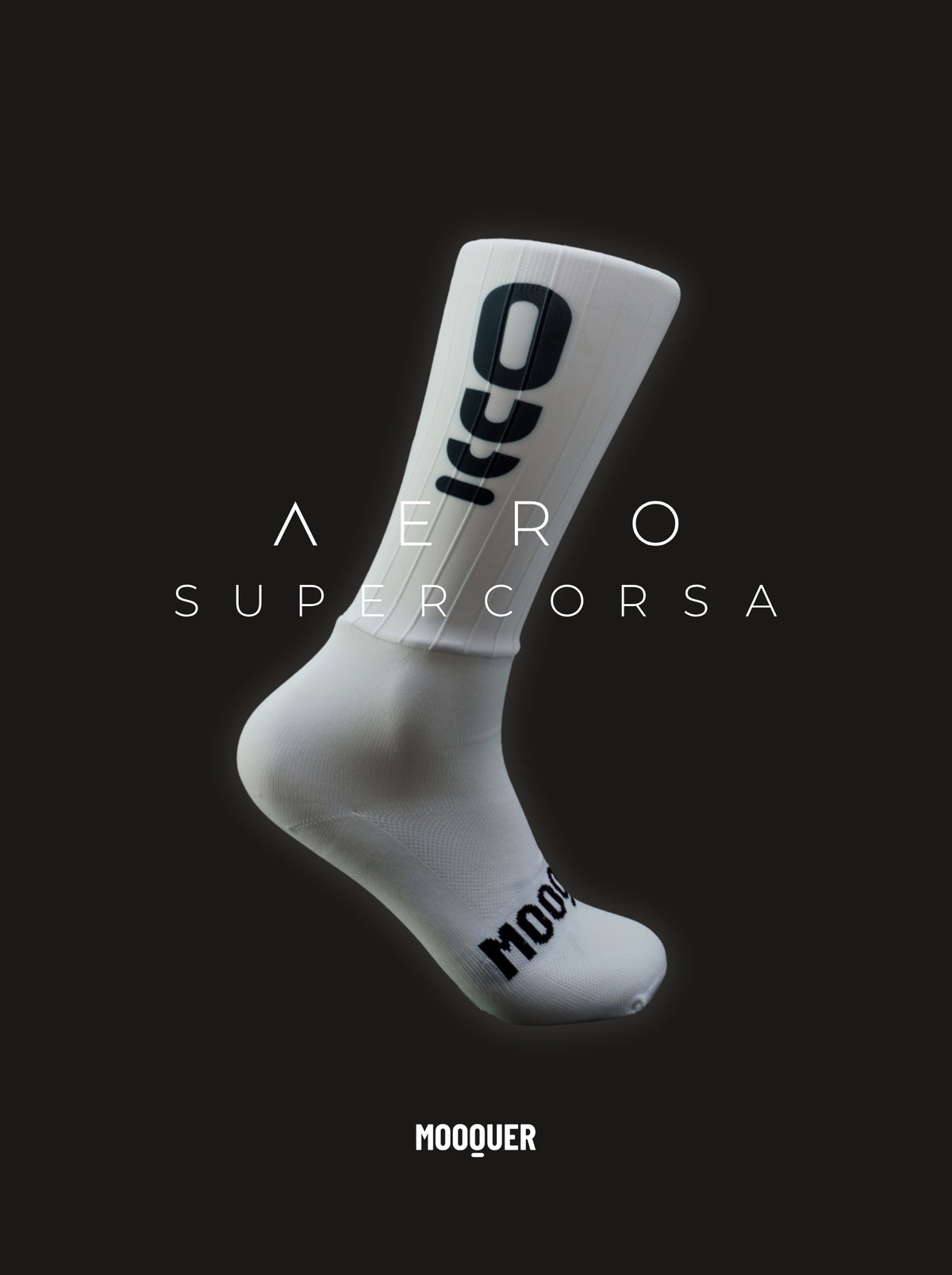
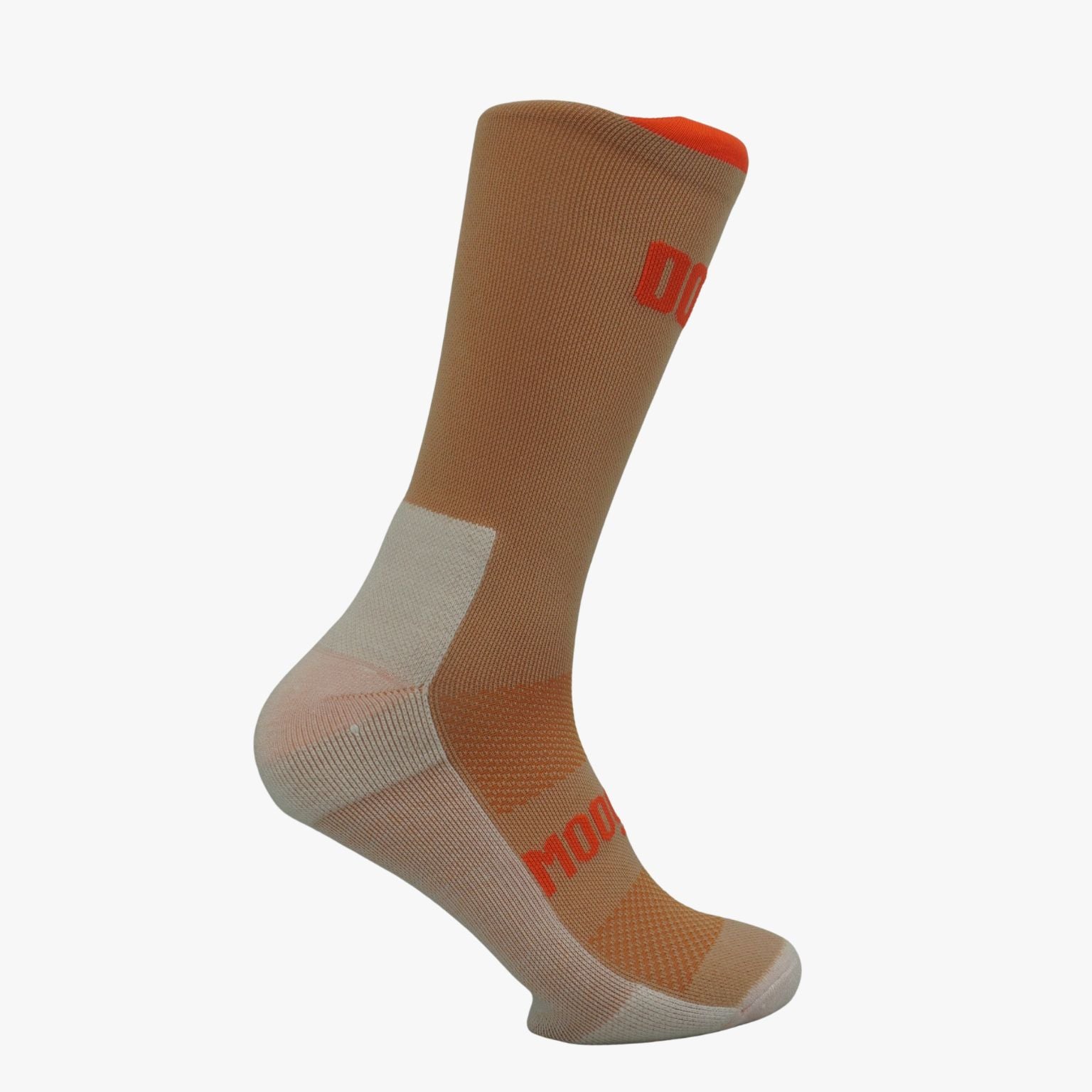
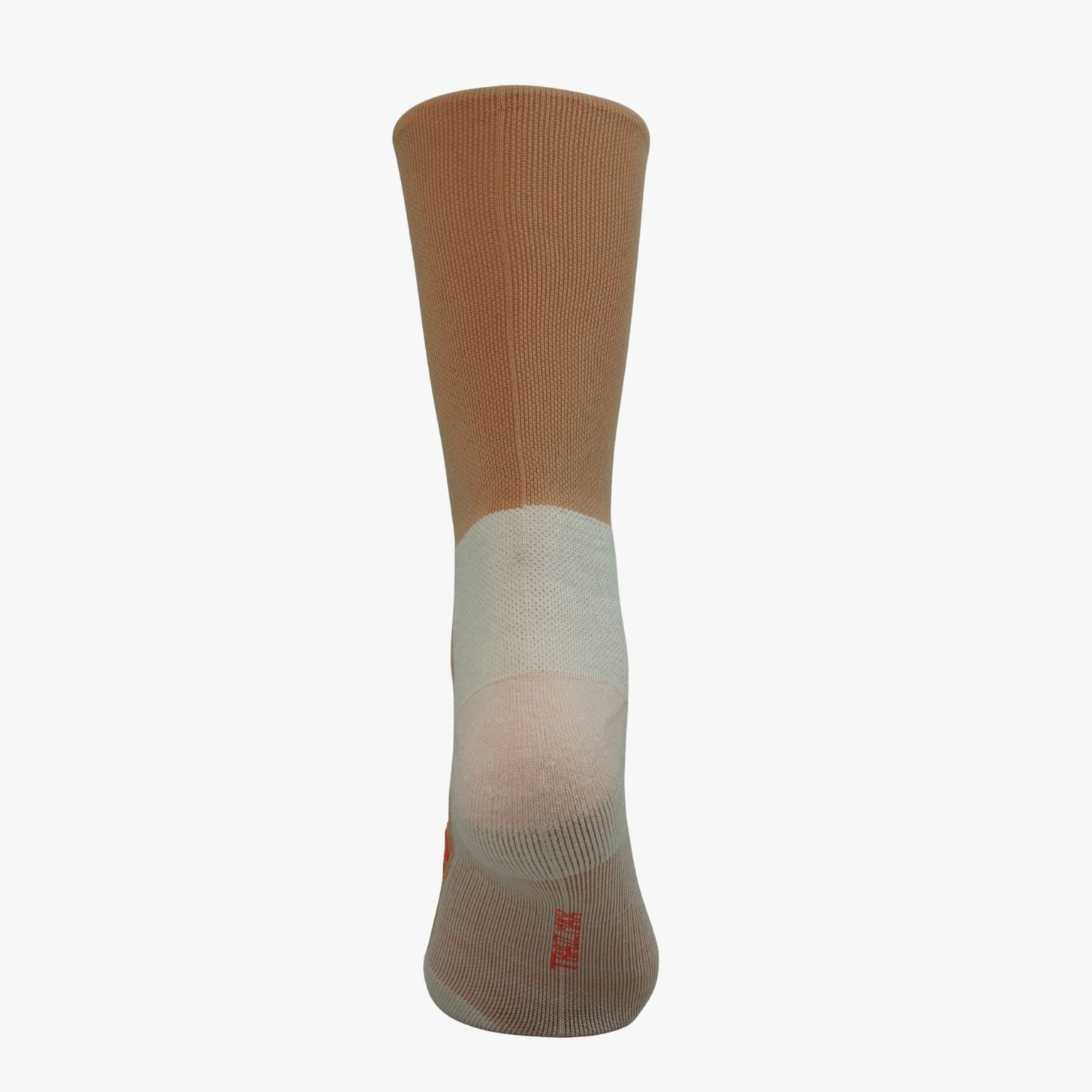
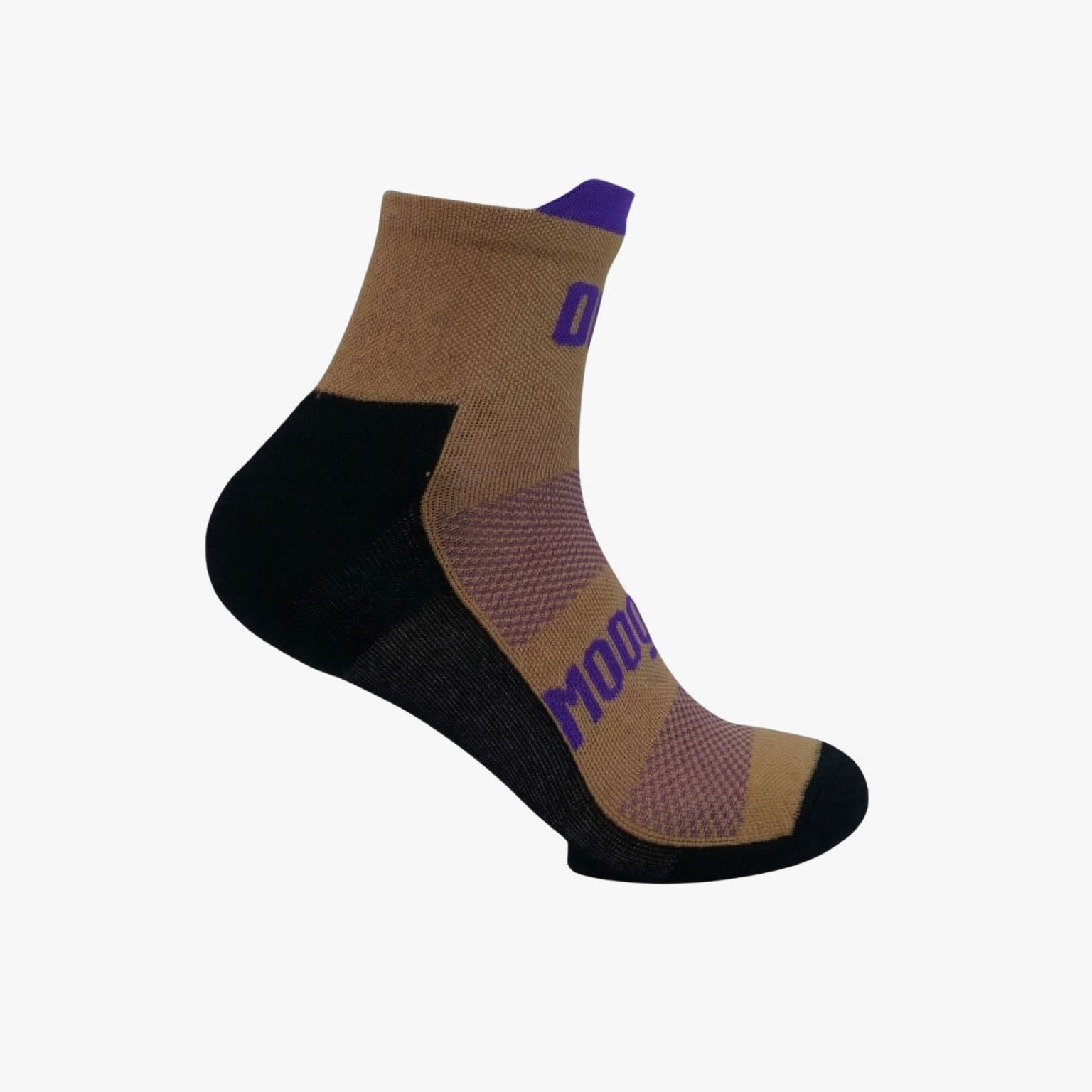
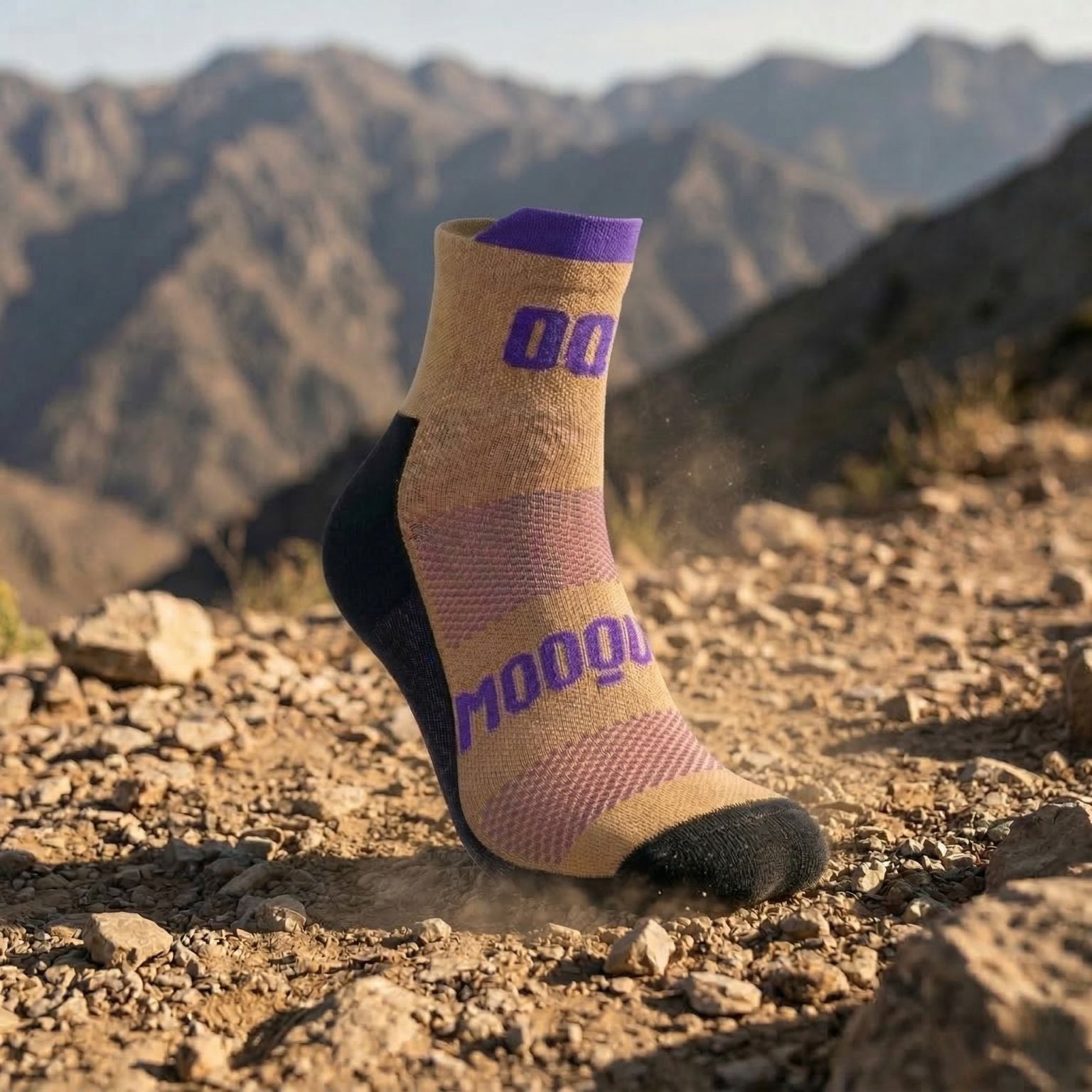
The sole of our trail socks is made of 31% of a fiber that many people don't know how to pronounce and that almost no one else uses. It's called chitin.
This article explains what it is, what the scientific literature says about it, and where that evidence ends. That last part is what you will almost never see written, and it is the reason we have rewritten our own product sheets this month.
What is chitin
It is the second most abundant natural polymer on the planet, only behind cellulose. It is found in the exoskeleton of crustaceans and insects, in the cell wall of fungi, and in the feathers of squid.
It is the material with which nature builds structures that must be rigid, lightweight, and in permanent contact with water and bacteria. A crab shell spends its life on the seabed without rotting, and that is no coincidence.

It is organic, biodegradable, and is usually obtained from fishing industry byproducts that would otherwise be thrown away.
The distinction: Chitin and Chitosan
This is where it gets interesting, and it is where most of the exaggerated claims you will find out there slip in. Including the ones we had published until a few days ago.
Chitosan is not the same as chitin. It is obtained from it through a chemical process called deacetylation, and that process substantially changes its properties: it makes it soluble in an acidic medium and gives it a positive electrical charge.
That positive charge is the key to almost everything that follows. And unmodified chitin does not have it.

What science shows
Chitosan is used in medicine. This is not marketing: there are chitosan hemostatic dressings used in surgery and combat medicine.
The most accepted mechanism is electrostatic. Red blood cells have a negative charge and chitosan has a positive charge, so they attract and aggregate forming a plug that stops the bleeding. What is striking is that this mechanism seems to work independently of the normal coagulation cascade.
There is also evidence of antimicrobial activity, and that is the part we are interested in. Several studies on cotton and polyamide fabrics treated with chitosan describe antibacterial activity that persists after about five wash cycles, although the amount present decreases with each wash.

So, why do we use it?
For three reasons that are actually supported.
Odor. Bad foot odor is not produced by sweat: it is produced by the bacteria that feed on it. A fiber with antimicrobial activity attacks the cause instead of masking it, and in a sock that you will wear for eight hours in an ultra, that is not an aesthetic detail.
Moisture. Chitin has a high absorption capacity. A drier foot rubs less, and friction on wet skin is the origin of most blisters. Pay attention to the nuance: it is not that the fiber prevents the blister, it is that a dry foot is less prone to it. The difference seems subtle and it is not.
And that it is biodegradable and comes from a byproduct. In a technical garment where almost everything is synthetic derived from oil, that almost a third of the sole is a natural fiber of marine origin is not irrelevant.
Why in the sole and not in the whole garment
Because that is where it makes sense. The sole accumulates moisture, suffers friction against the insole, and concentrates the bacterial load. The cuff has another job, to hold and ventilate, and for that there are better fibers.
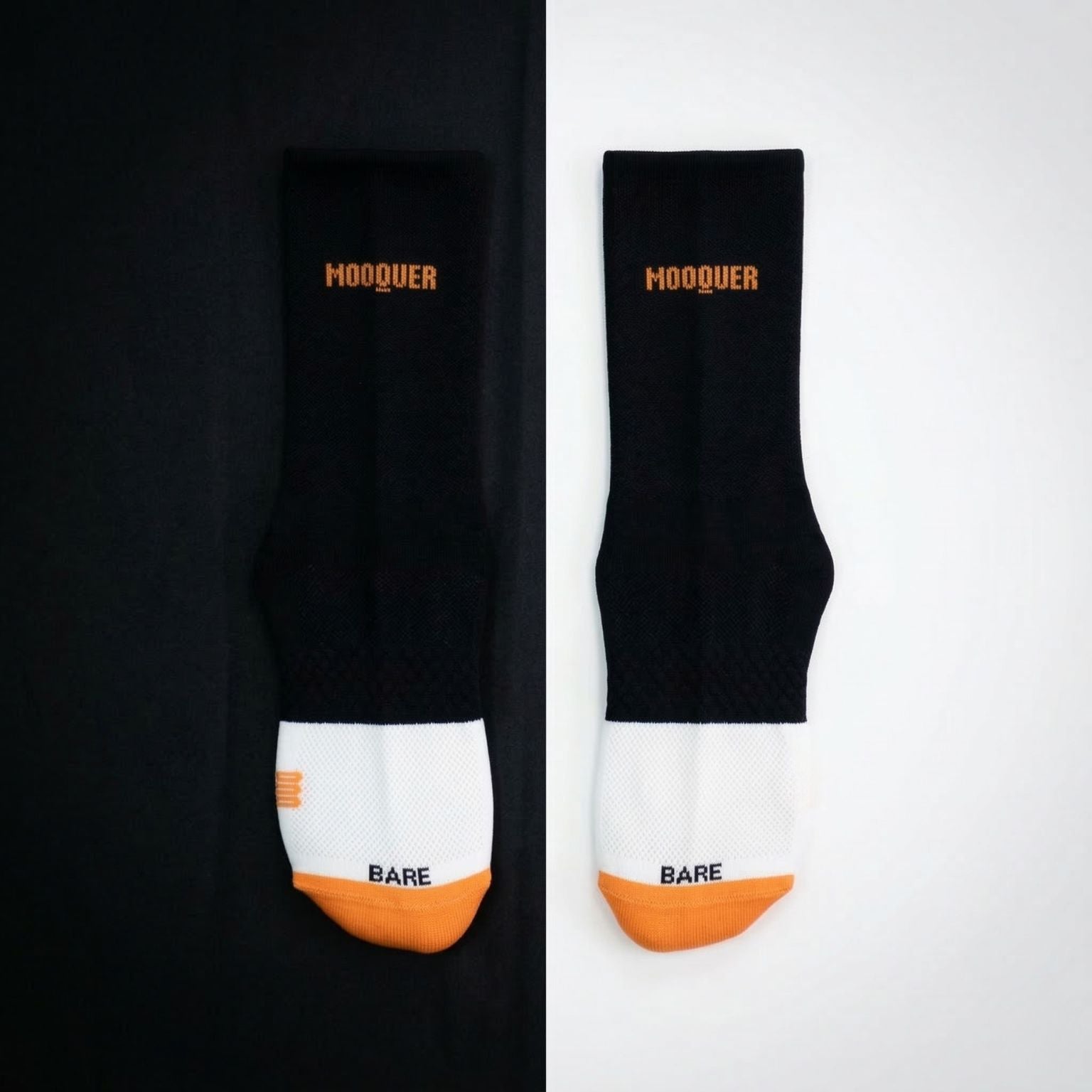
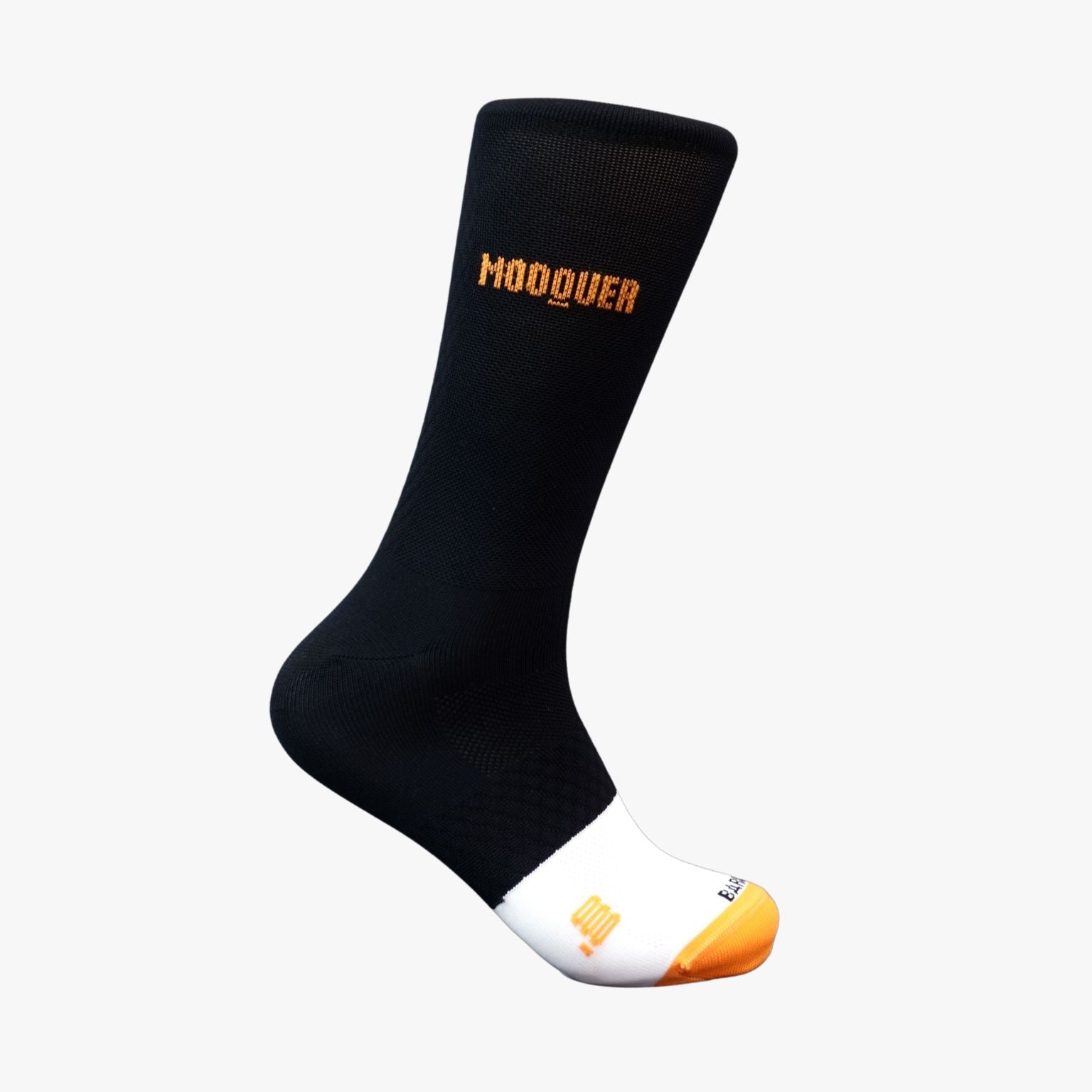
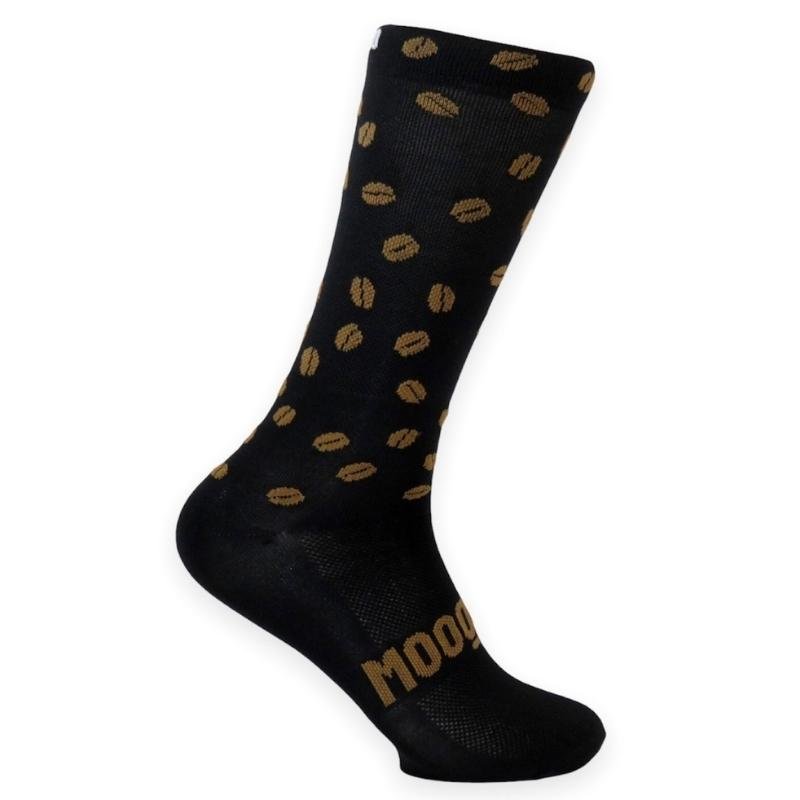
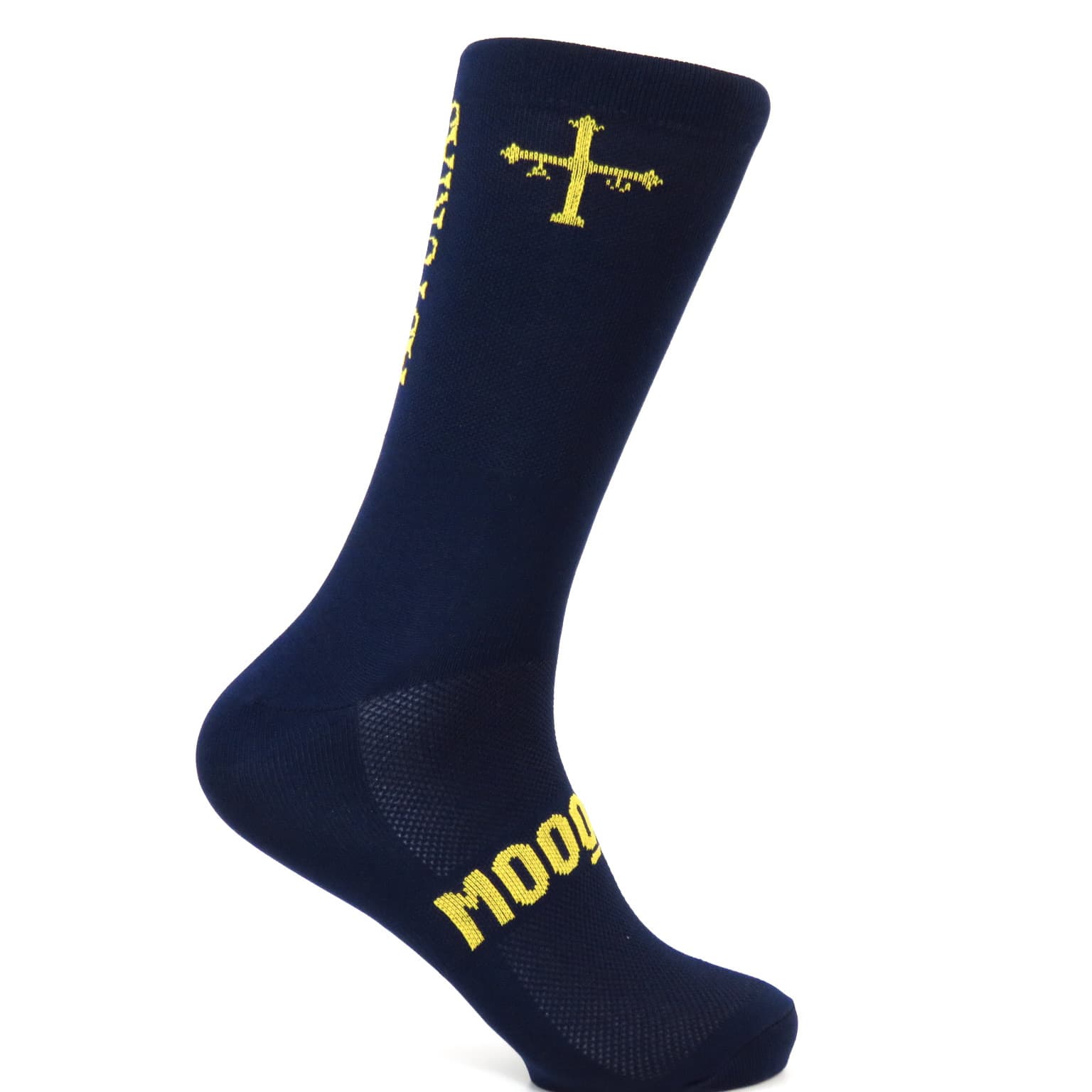
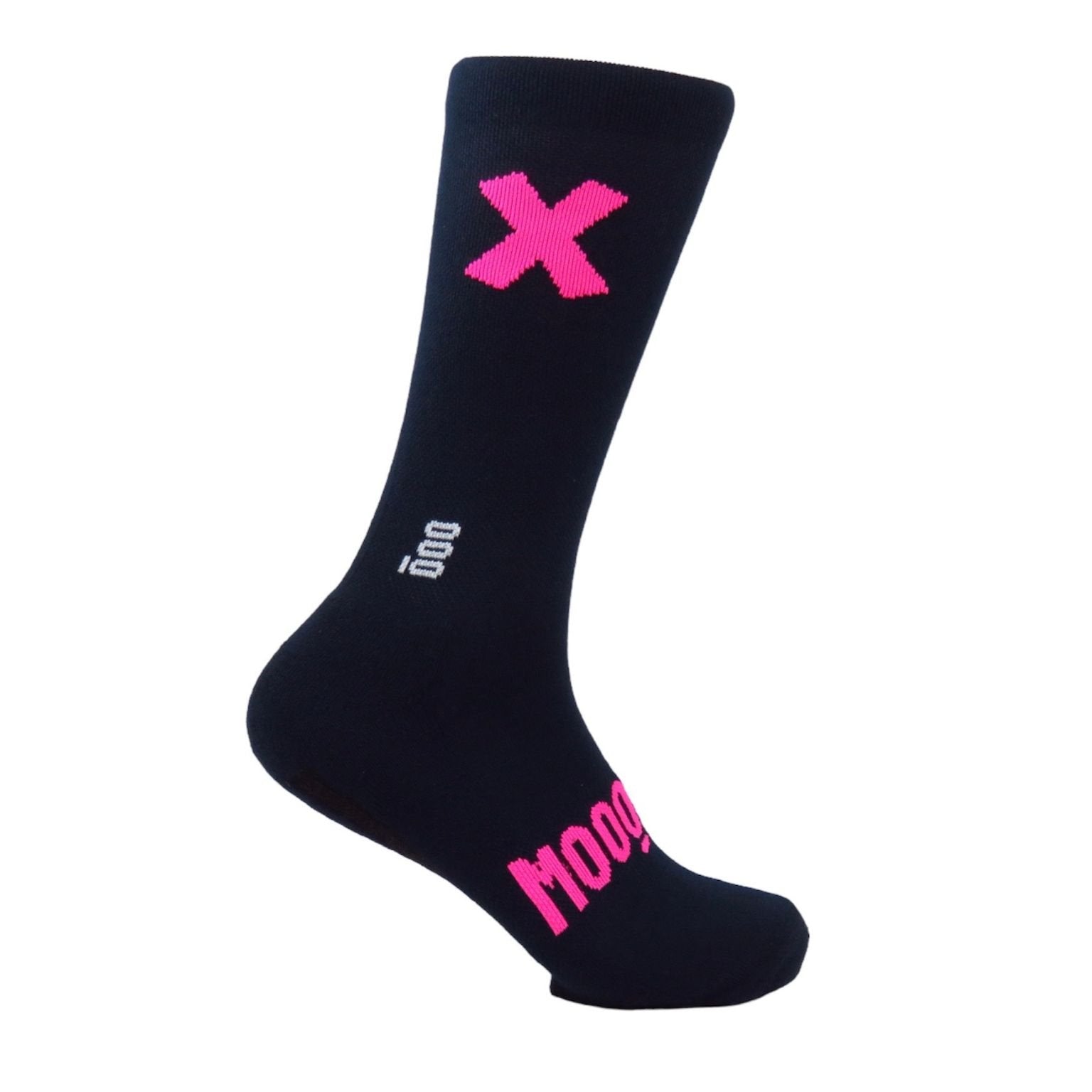
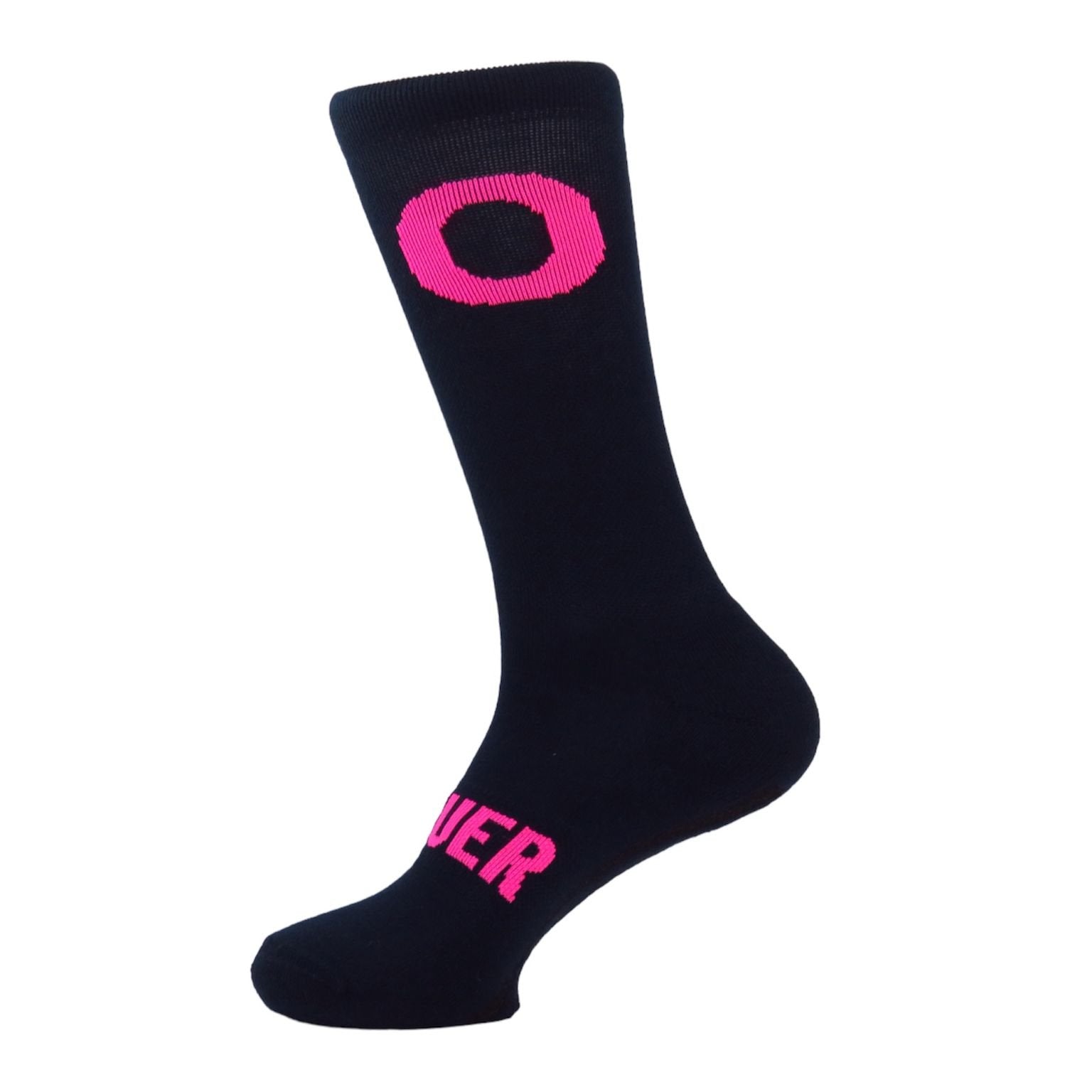
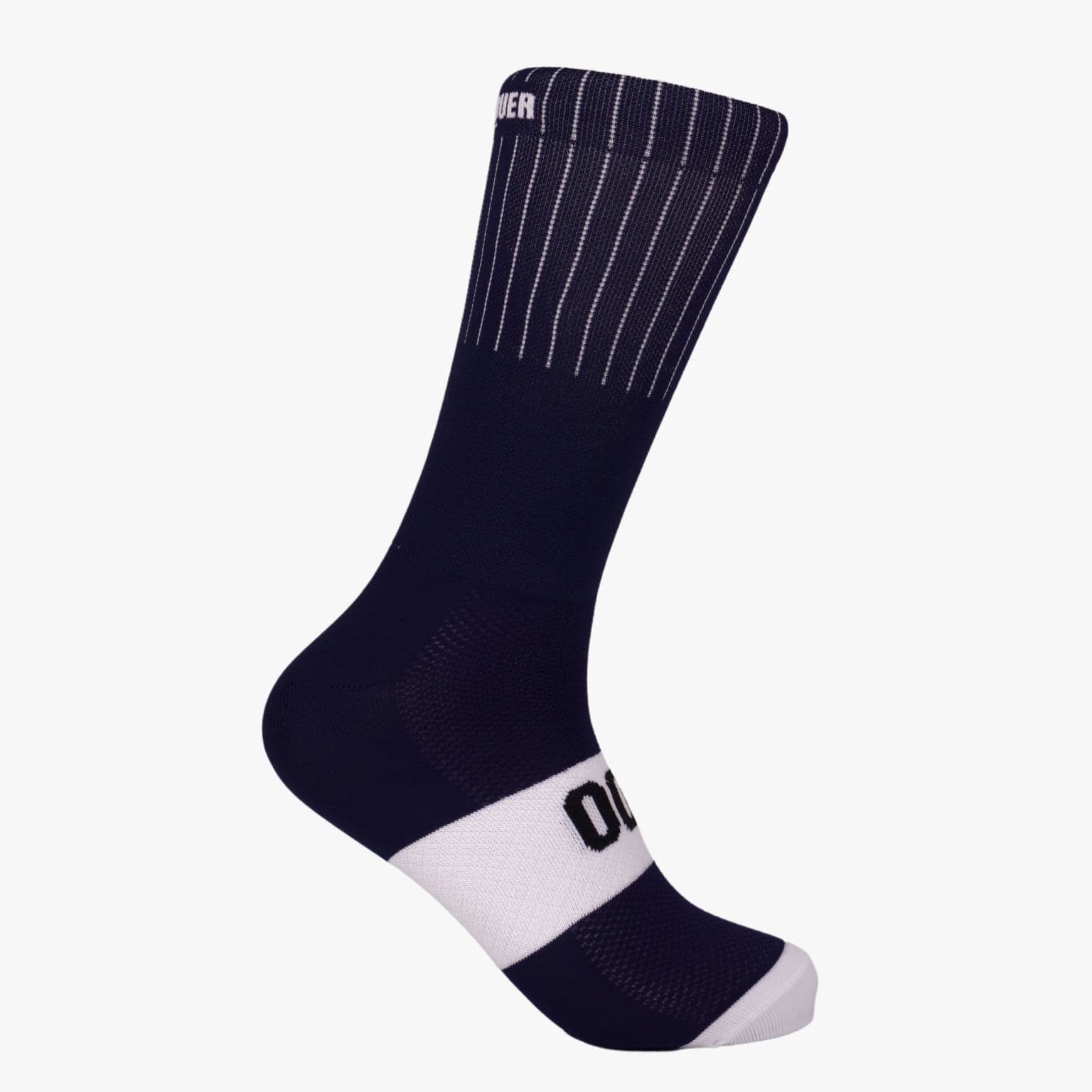
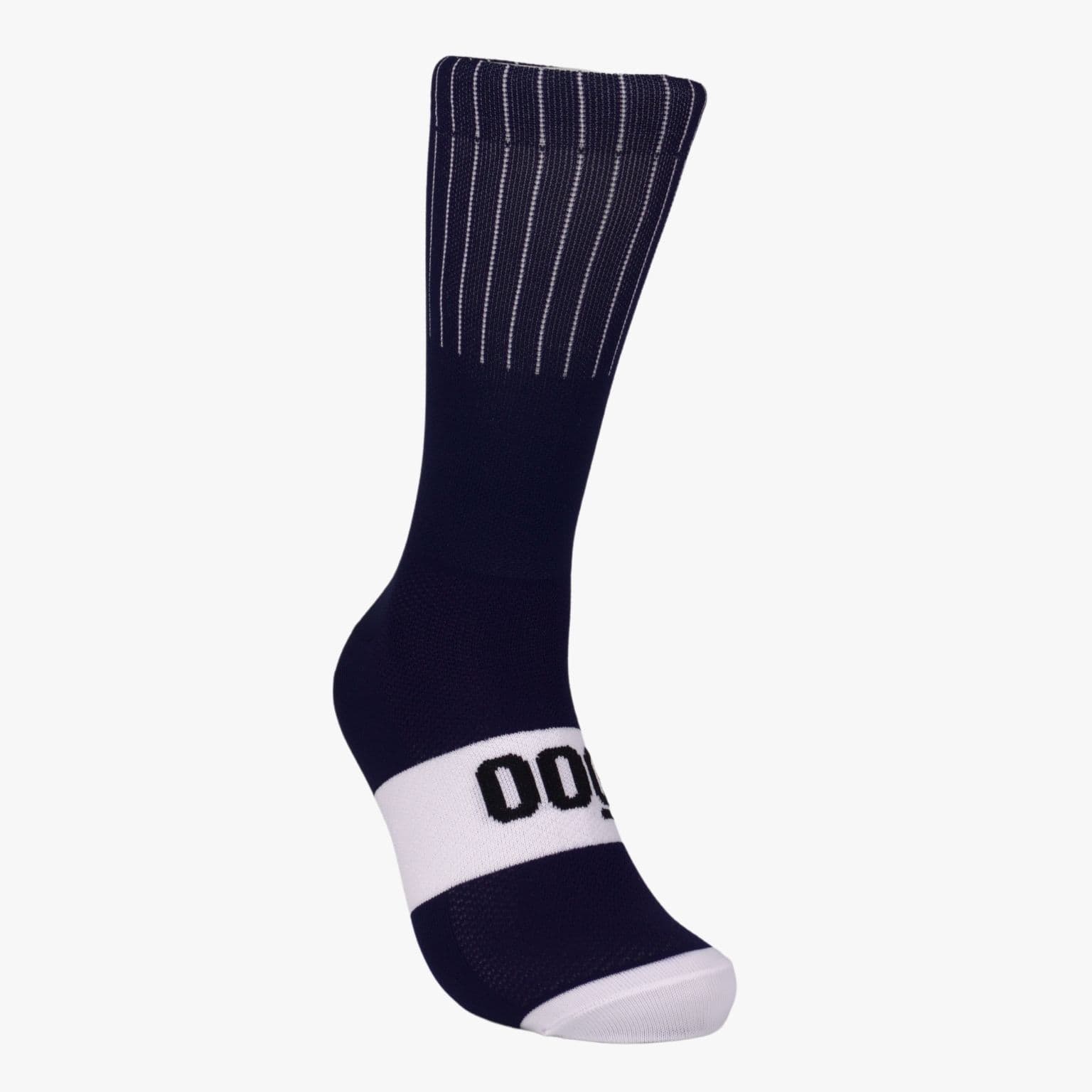
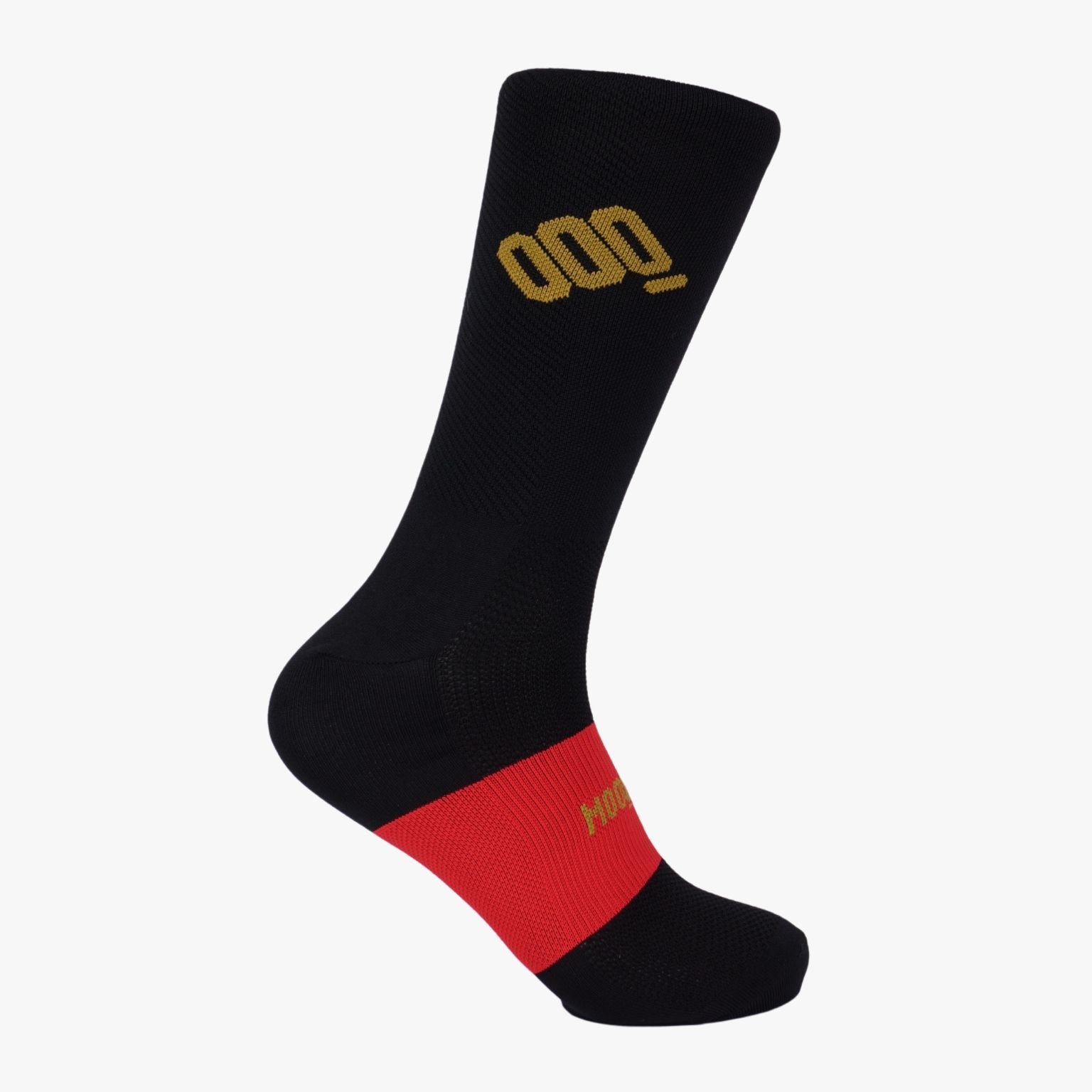
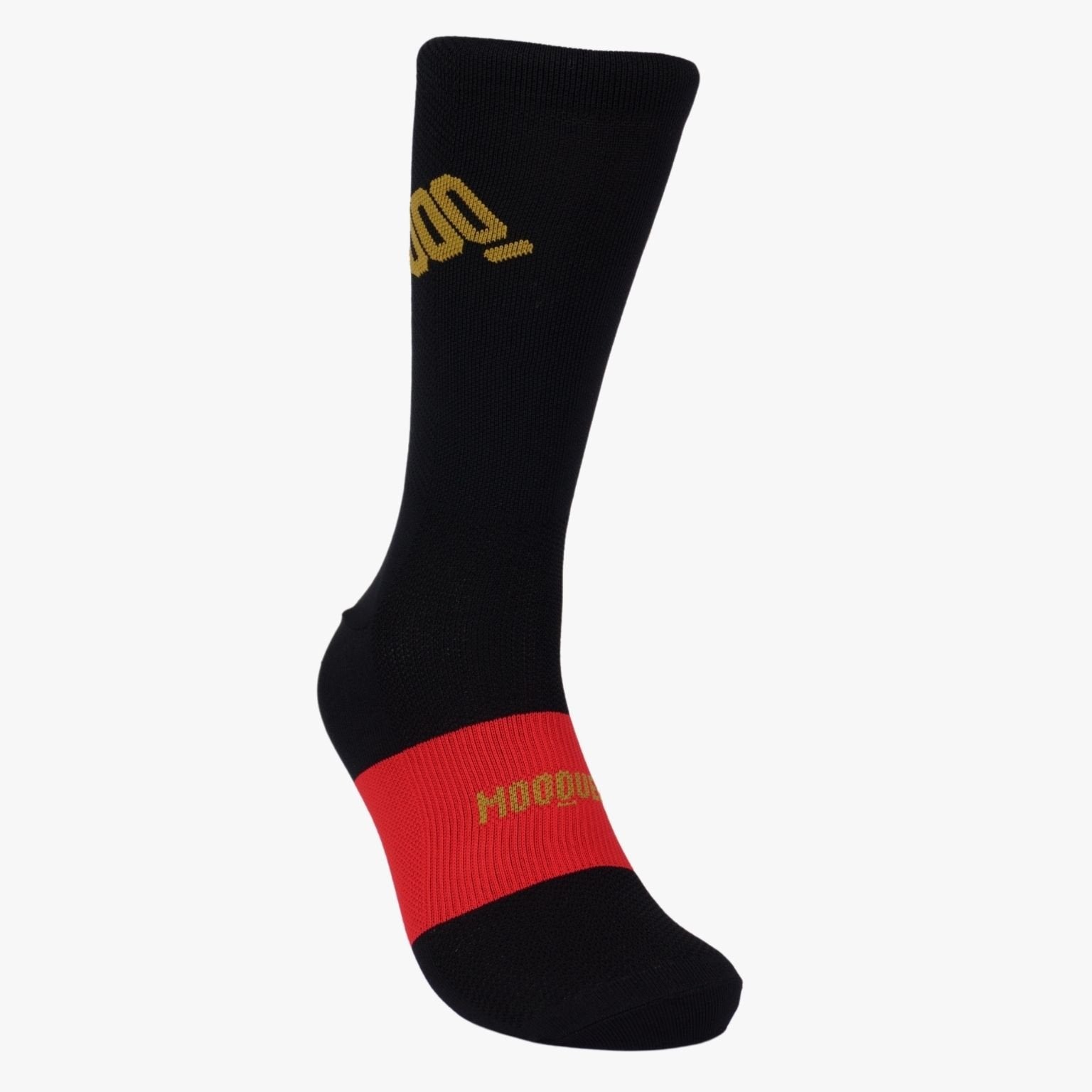
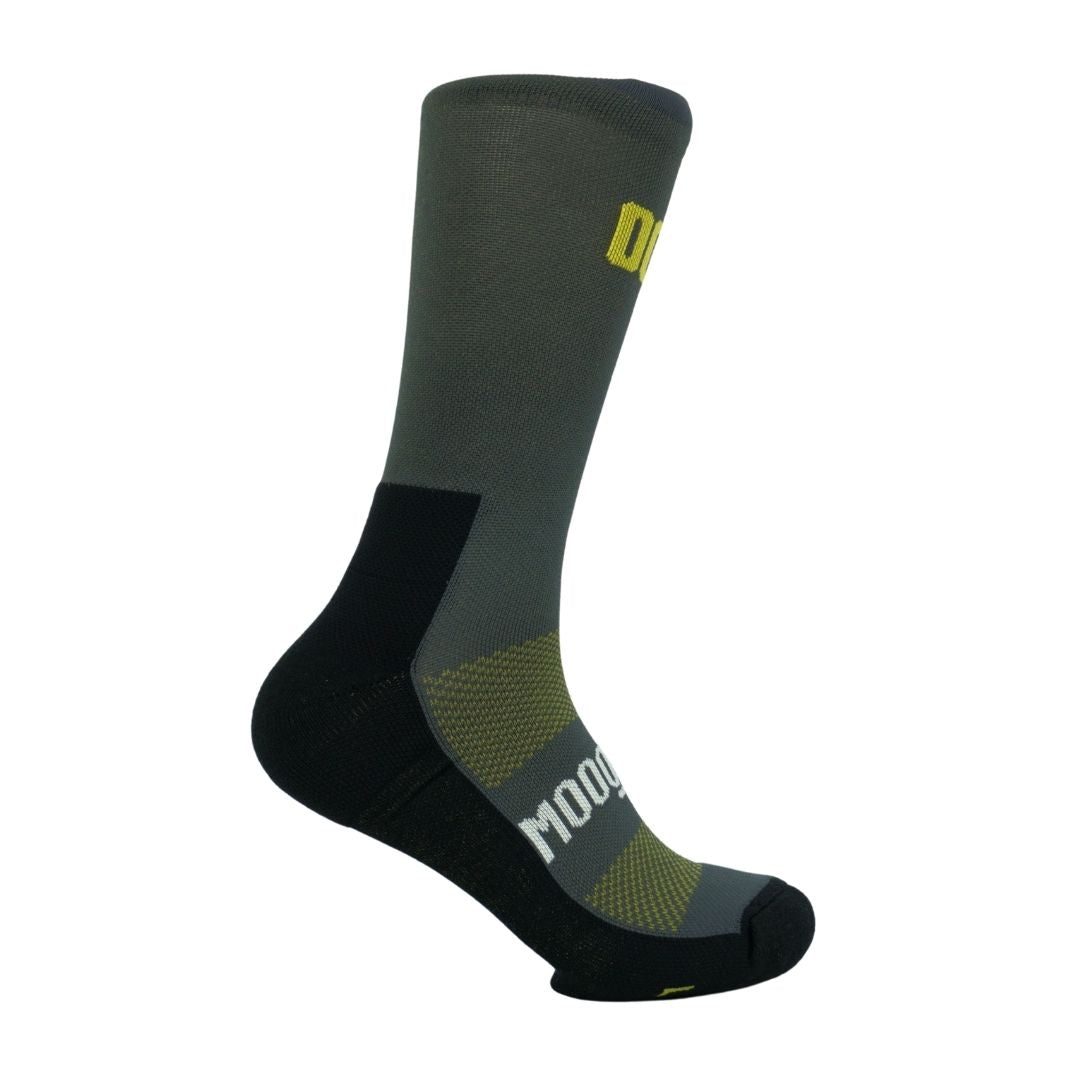
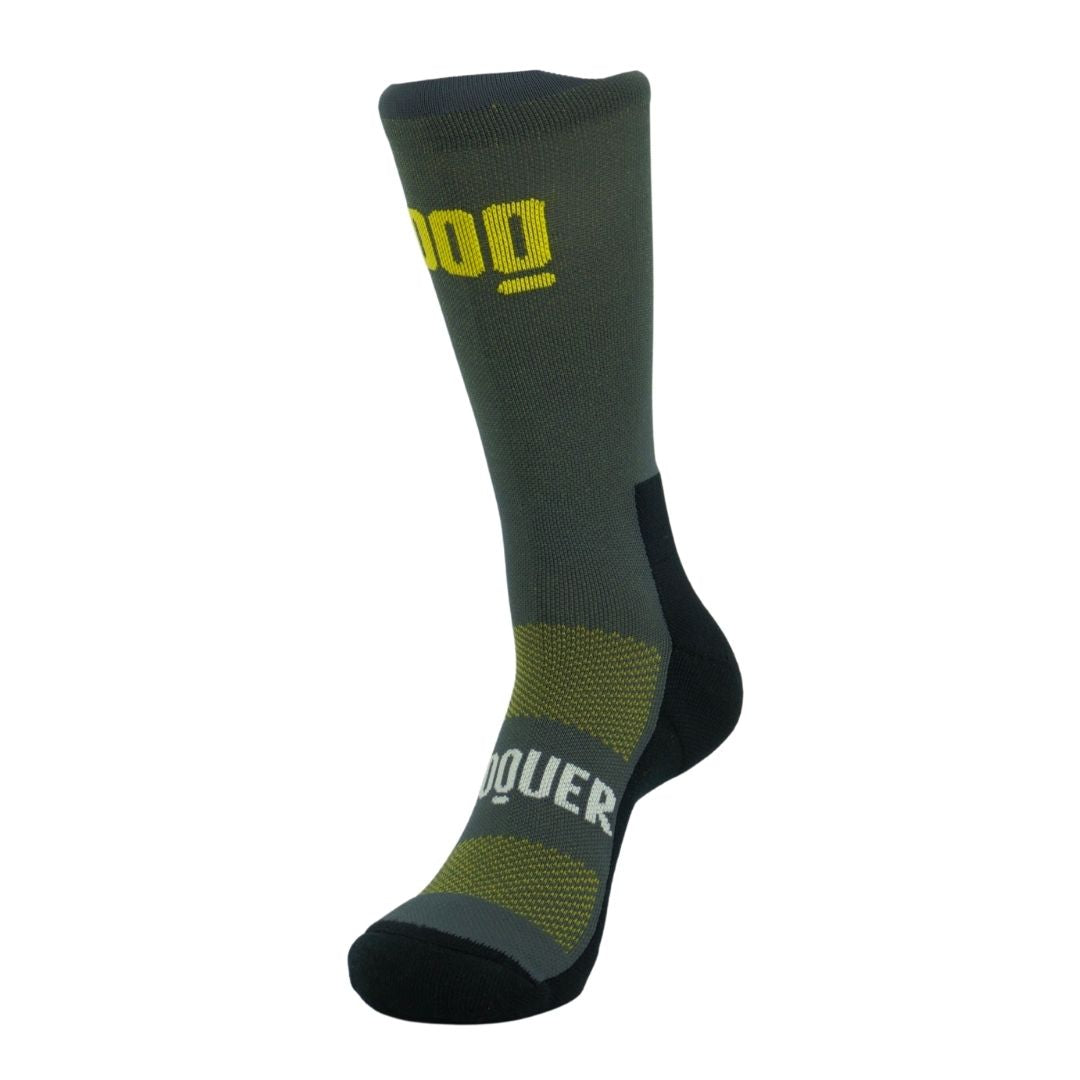
In our Trail Corsa composition, chitin is 31%, with polyamide at 35%, elastomer at 21%, and Lycra at 13%. We developed this composition ourselves over more than a year, with runners who had competed in races like Zegama or the Travesera, and it is made for us by a technical sock workshop in Spain.
Not all our socks have it. The everyday running socks and the barefoot ones start from another composition because they do not need it.
View the trail socks with Chitin
Frequently asked questions
What is chitin?
It is the second most abundant natural polymer on the planet after cellulose. It is present in the exoskeleton of crustaceans and insects and in the cell wall of fungi. It is organic, biodegradable, and is usually obtained from fishing industry byproducts.
What is the difference between chitin and chitosan?
Chitosan is obtained from chitin through deacetylation, a process that makes it soluble in an acidic medium and gives it a positive electrical charge. That charge explains a good part of its hemostatic properties. Unmodified chitin does not have it, and most medical literature refers to chitosan, not chitin.
Does a sock with chitin cure blisters?
No. The evidence of healing comes from chitosan dressings applied directly on open wounds, not from spun fiber in a sock on intact skin. There is no peer-reviewed study on socks. What is reasonable to expect is a drier foot, and a dry foot rubs less and therefore, has less chance of generating blisters while you run.
Why does it help against odor?
Because bad odor is produced by the bacteria that feed on sweat, not sweat itself. A fiber with antimicrobial activity limits that proliferation instead of masking the odor with perfume.
Is the effect lost with washes?
The available evidence on fabrics treated with chitosan indicates that the antibacterial activity persists after about five wash cycles, although the amount present decreases.
Do all Mooquer socks have chitin?
No. The ones with the Trail Corsa composition, designed for trail and long distance, have 31% in the sole. The everyday running socks and the barefoot ones start from the Classy EVO II composition and do not incorporate it.





Leave a comment
This site is protected by hCaptcha and the hCaptcha Privacy Policy and Terms of Service apply.