

Article: How to Choose a Custom Apparel Supplier for Your Trail Running Club
How to Choose a Custom Apparel Supplier for Your Trail Running Club
Before comparing prices, a trail club has to compare something else: what will happen to their kit in two years? The unit price decides the first order. Continuity decides whether the club keeps wearing the same thing or ends up with three different versions of the same blue.
A few days ago, a trail club wrote to us because they were considering changing suppliers. Their email was a very well-prepared list of questions: lightness, breathability, sublimation, volume pricing, and above all, whether we could repeat the same design year after year. These are exactly the questions worth asking. Here they are, ordered, along with the reasoning behind each one.
- The fabric: light doesn't always mean better
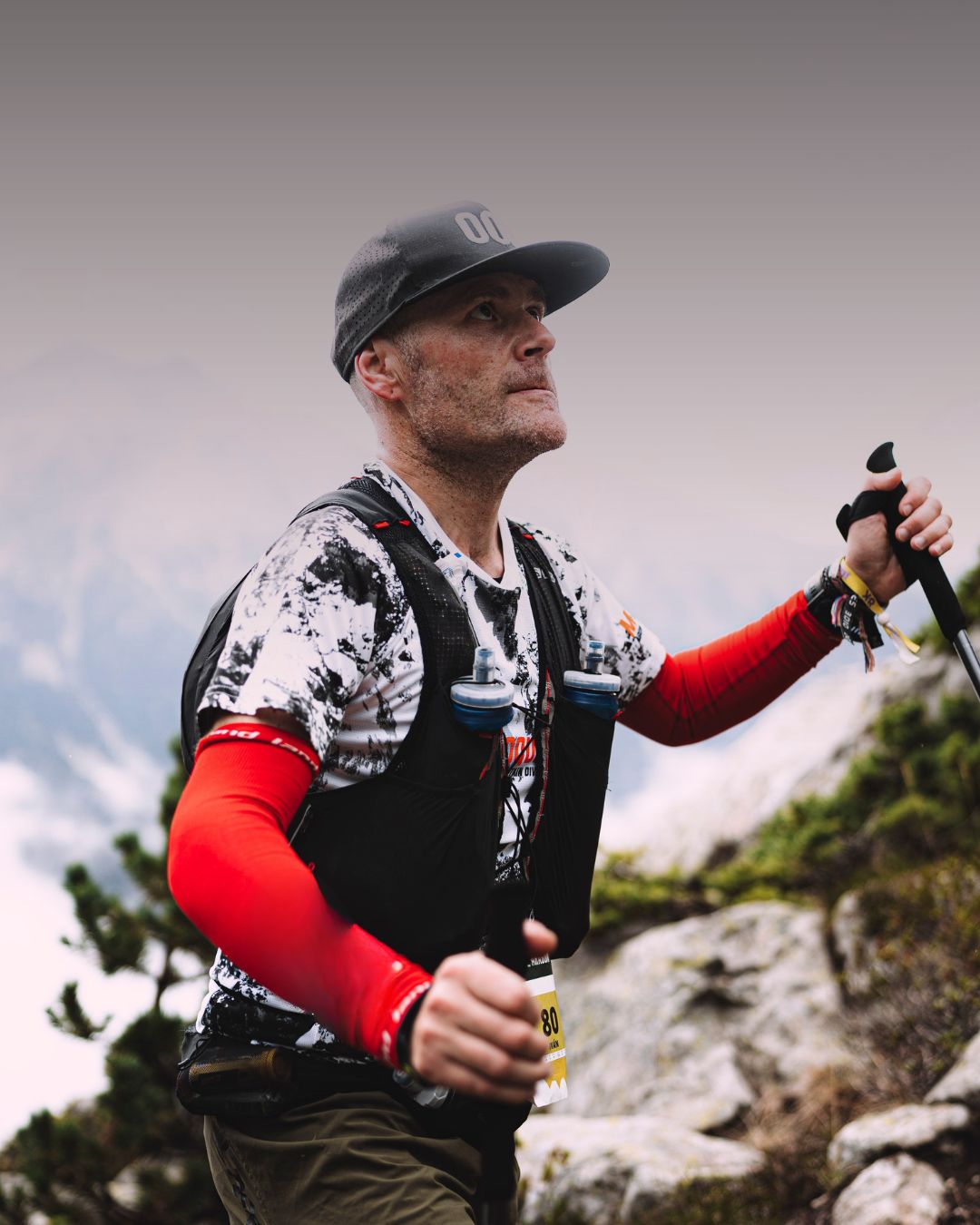
In trail running, a shirt that is lightweight and breathable is rightfully requested. But there is a third factor that barely counts on asphalt and is decisive in the mountains: friction. A hydration pack rubs against the shoulders, back, and sides for hours, and a very thin fabric can pill or tear in those areas before the season is over.

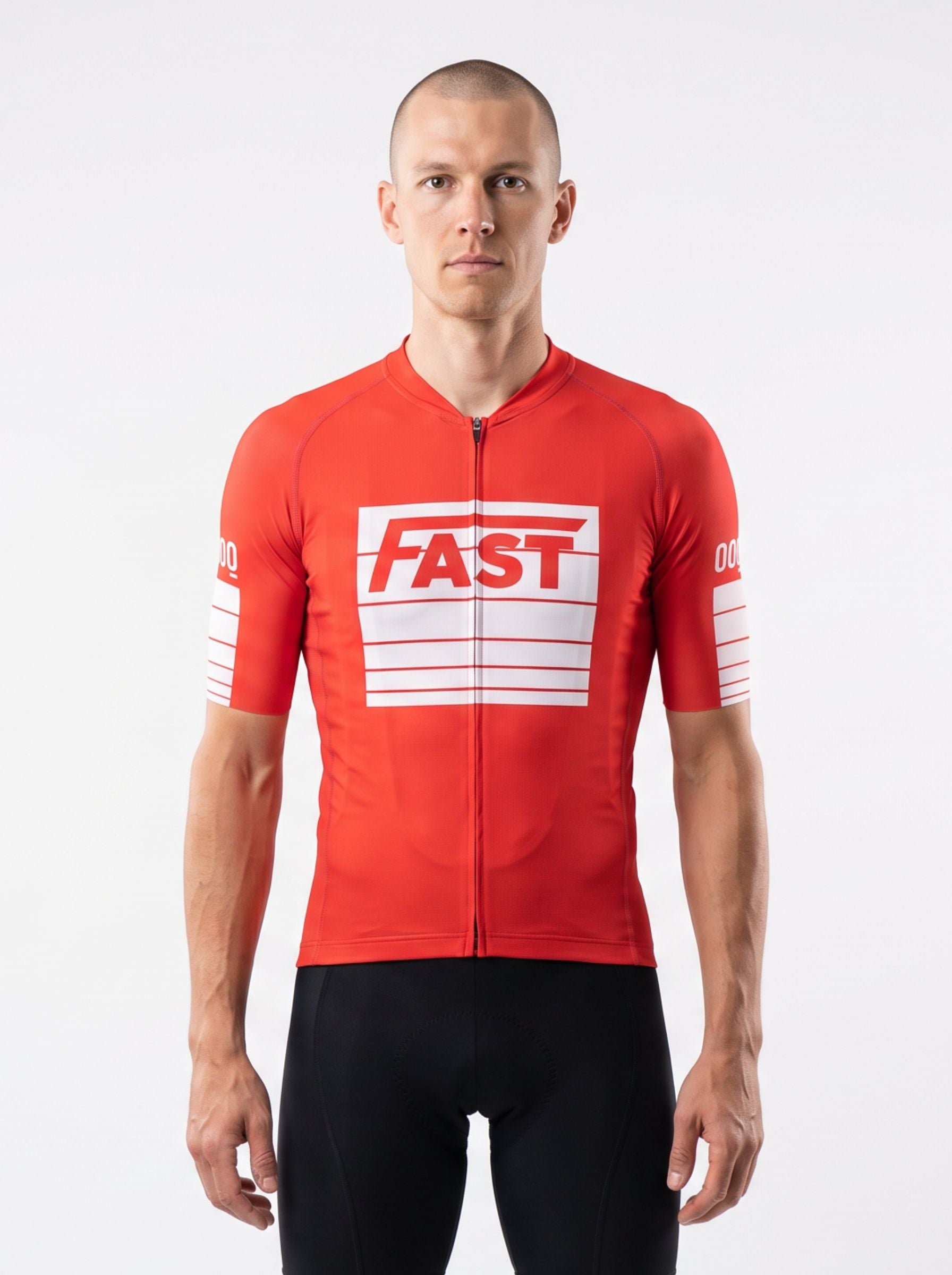
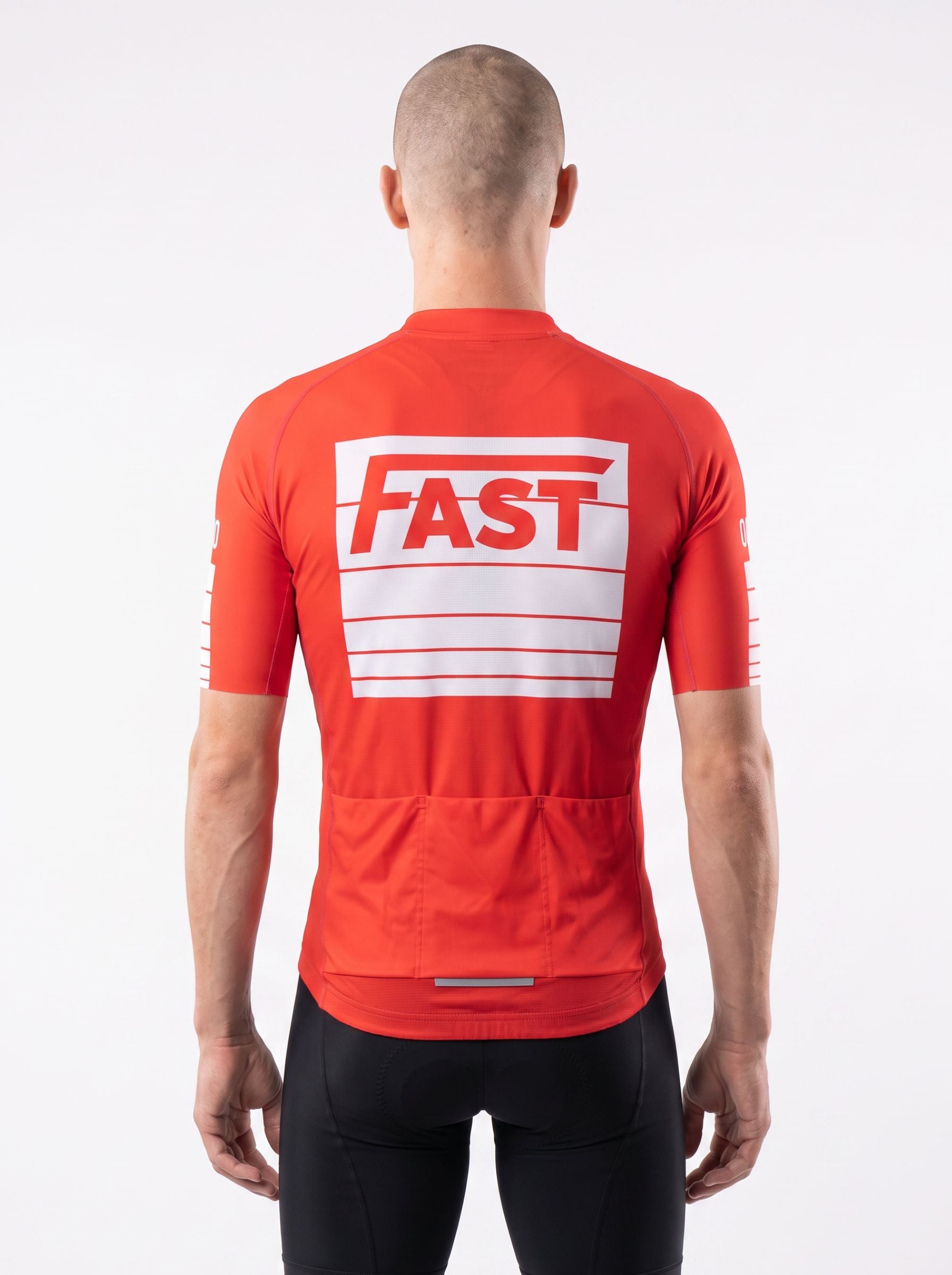
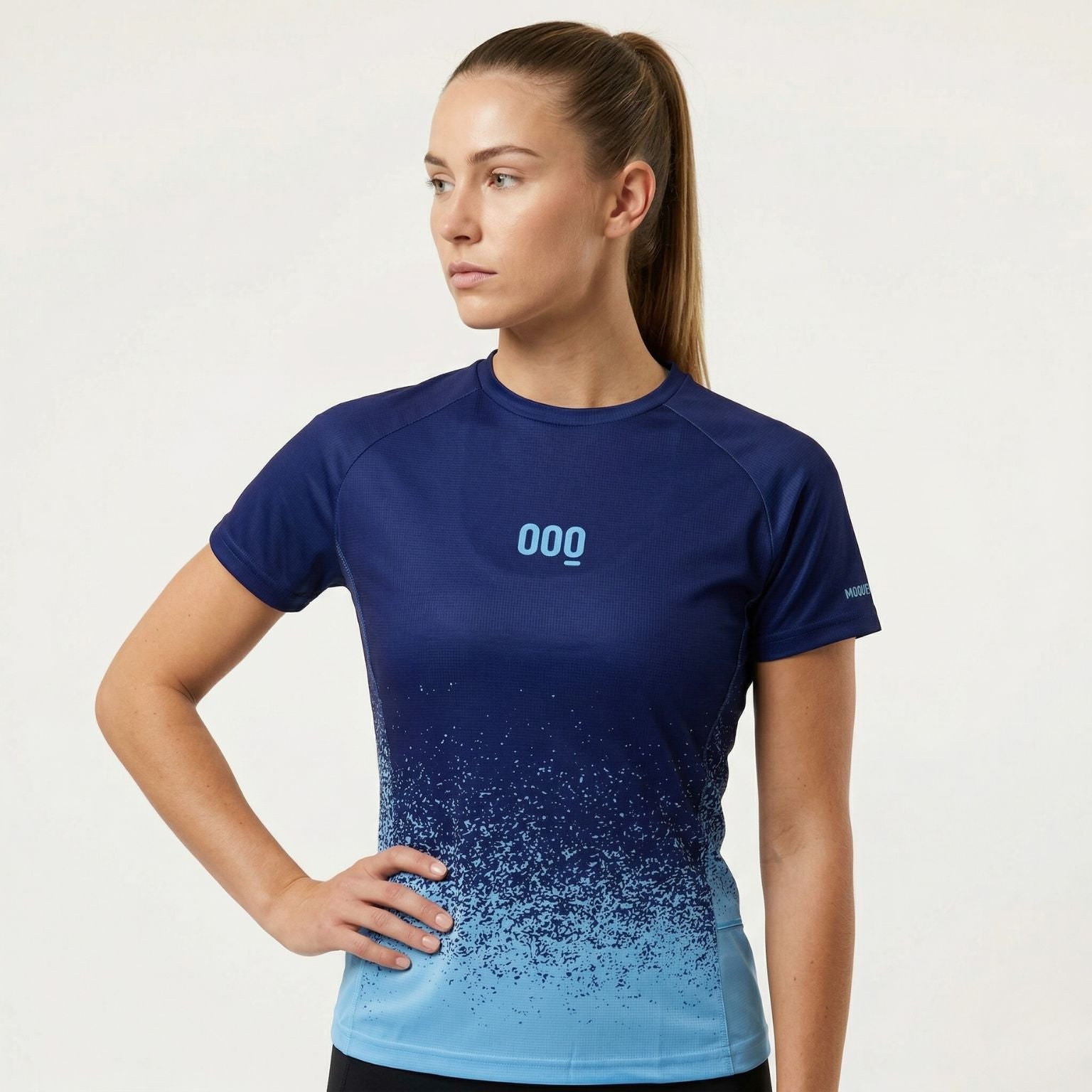
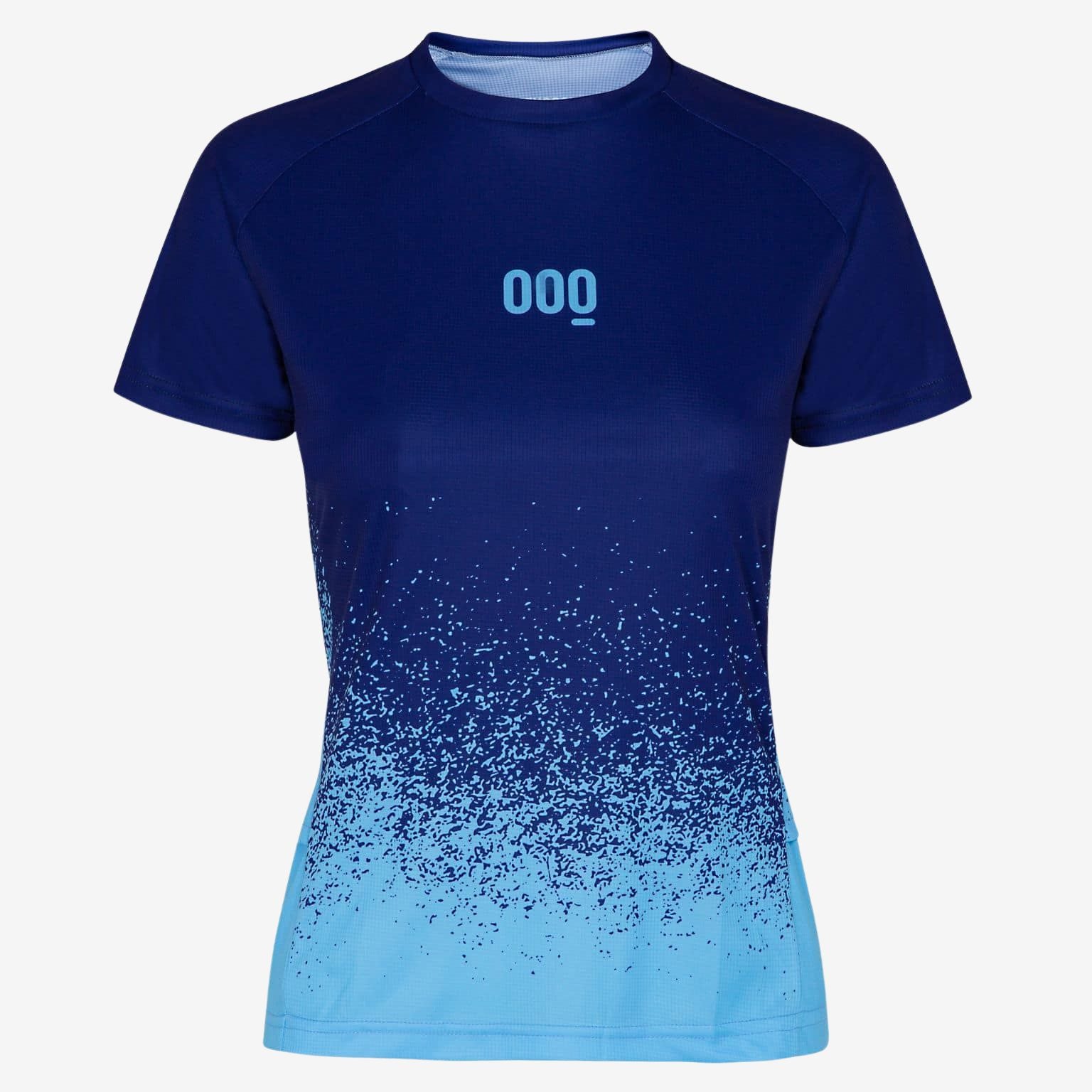
The useful question isn't how much the shirt weighs, but how it performs with a backpack after many months of use. In our case, the Supra range shirt is the one we recommend to trail clubs for this exact reason: it combines three fabrics according to the area and withstands backpack friction well. It isn't indestructible, and after many months of intense use, some signs will eventually show, albeit minimally. In lighter compositions, we cannot guarantee this.
- The marking: integrated into the fabric or on top
The personalization technique is decided by the fabric, not personal taste. In polyester technical garments, sublimation integrates the color into the fiber: it doesn't add weight, doesn't crack, and doesn't block breathability. DTF and vinyl sit like a layer on top, lose color with washing, and, in the case of a large shield on the back, create a zone that stops ventilating.
We explain this in detail in Screen Printing, Sublimation, or Embroidery: Which One Lasts. For a club, the practical consequence is simple: ask which technique is used on each garment, because in the same order, the competition shirt and the gift sweatshirt might use different techniques.

- The pattern: the same sizing for every reorder
This is the question almost no one asks in the first order, yet it is the one that causes the most problems later on. If the supplier does not work with their own patterns, every reorder might come from a different workshop and with different sizing. The member who was an M the first year turns out to be an L the second, and the club's kit no longer looks like a kit.
Ask if the pattern belongs to the supplier, if the design is archived, and if reorders come from the same place. It is also advisable for members to know the sizing before filling out the survey: every brand fits differently. Our Supra shirts, for example, run small, and it is better to know that before ordering than after.
- Minimums: per order, per model, and per size
A quote might state a minimum number of units while hiding the fact that the real minimum is per model, or even per size. In a club, an order is rarely uniform: many short-sleeved shirts, few tank tops, a few women's cuts. It is precisely those small lines that become more expensive or are excluded.
Ask for itemized minimums and, above all, reorder minimums. A club that gains four new members in March needs to be able to order four shirts without having to place an entire new order.
- The price: unit vs. real cost
Comparing the price per unit between suppliers can be tricky if one includes the design and the other doesn't, or if one charges for it with every order and the other only the first time. Ask what is included in the price: design, adaptation of the design to each garment, samples, and shipping.
We always charge for the design because it is specific to each club and includes the patterning and adaptation to each garment. It is paid once: reorders of an already approved design do not incur that cost again. This is what is best for a club that wants to wear the same kit for several years.

- Deadlines: counted from design approval
A production deadline does not begin the day the club writes to us. It begins the day they approve the final design, and before that, there are proposals, changes, and a board that has to make a decision. If the club wants to debut the kit at a specific race, you have to count backward: date of the race, minus the production time, minus the time the club takes to choose the design.
In our case, the average production time is 8 weeks from when the design is approved. A club that wants to debut gear in mid-March has to finalize the design in mid-January and start talking about it before Christmas.
- Member garments: daily hoodie or winter technical gear
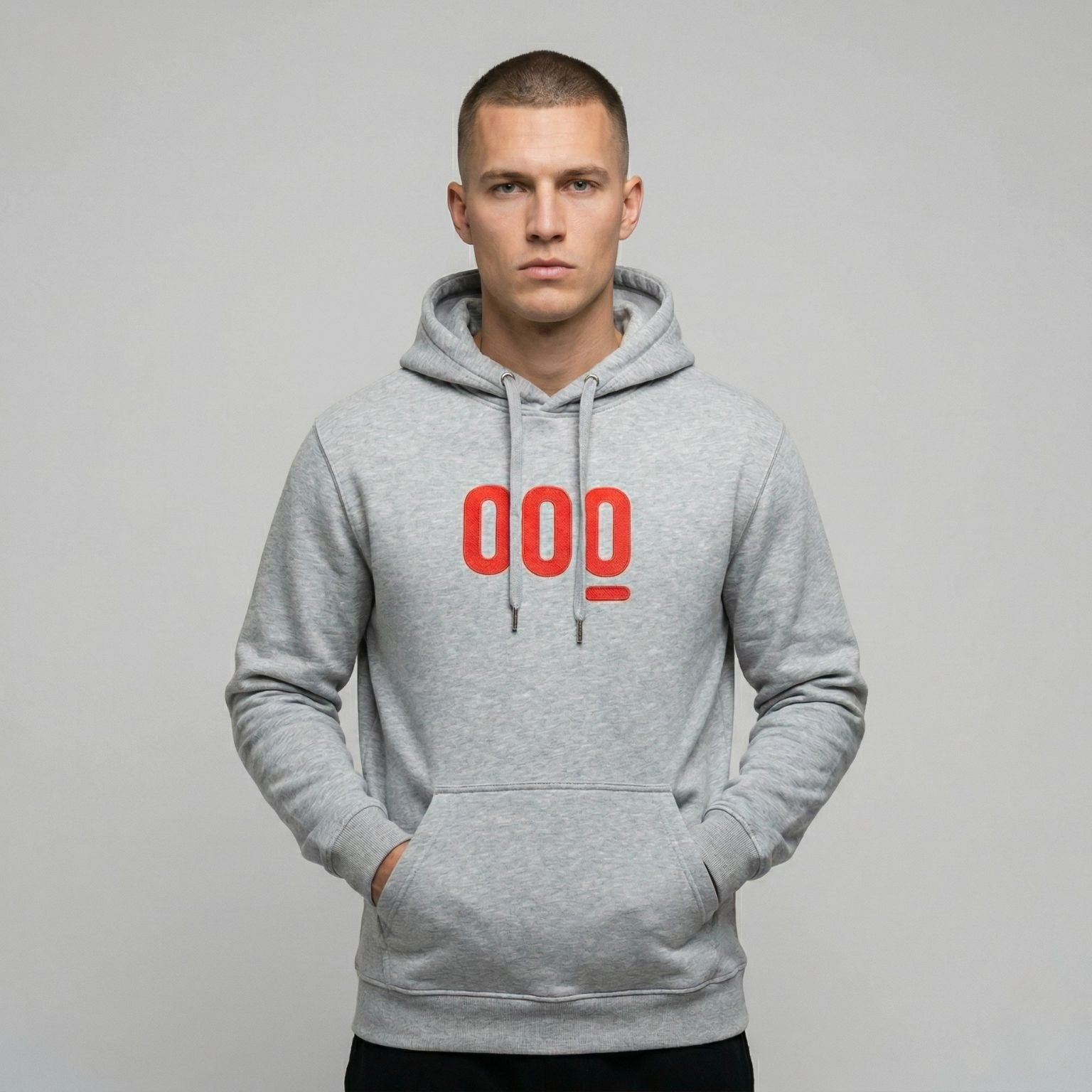
Many clubs give a gift garment to their members every season, and the question is usually whether to choose a sweatshirt or a long-sleeved technical shirt. It is not a matter of price, but of use. The sweatshirt is worn in daily life, in the car on the way to the race, and at the club dinner: it is the club item most visible outside the mountains. The long-sleeved technical shirt is used for winter training and wears out faster.
If the goal of the gift is for the club to be seen, choose the sweatshirt. If it is for members to use it for running, choose the long-sleeved technical gear.
- What a good supplier should tell you without being asked
Which technique is used on each garment and why. How it fits. What happens with reorders. How long it takes, counting from design approval. And what they cannot do. If a quote only includes prices, it lacks half of the information a board needs to make a decision.
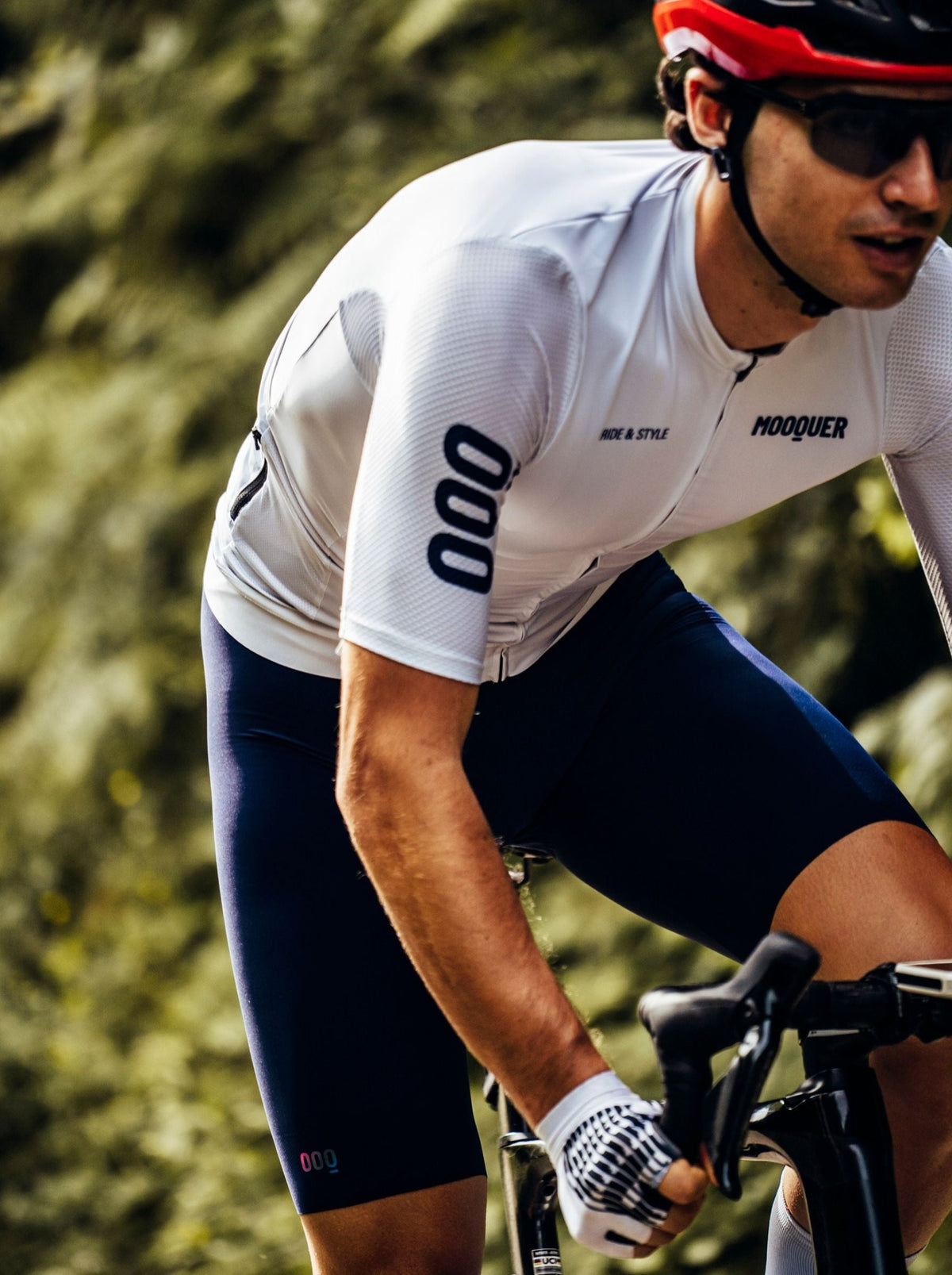
If you are considering changing your club's kit, this is how we work with custom running and trail clothing: turnkey, with a design from scratch for each club, manufacturing in Europe, and the Mooquer logo visible on every garment.

- Frequently Asked Questions
How long does it take to manufacture a trail club's kit? At Mooquer, an average of 8 weeks from the moment the club approves the final design. To that, you must add the time the club needs to review proposals and make a decision, which is usually the part that takes the longest.
Can the same design be repeated in following seasons? Yes, if the supplier archives the design and works with their own pattern. This way, every reorder comes out with the same sizing and color, and the already approved design is not paid for again.
Which trail shirt best withstands backpack friction? The one that combines fabrics depending on the area, with a more resistant one where the backpack rests. In our range, it is the Supra: it withstands friction for many months of use, although with very intense use, it eventually shows minimally.
Sweatshirt or long-sleeved technical shirt as a gift for members? It depends on what the gift is for. The sweatshirt is used daily and makes the club visible outside the mountains. The long-sleeved technical shirt is used for training in winter and has a shorter useful life.


Leave a comment
This site is protected by hCaptcha and the hCaptcha Privacy Policy and Terms of Service apply.