








Alto del Naranco by Bike: Oviedo's Gym
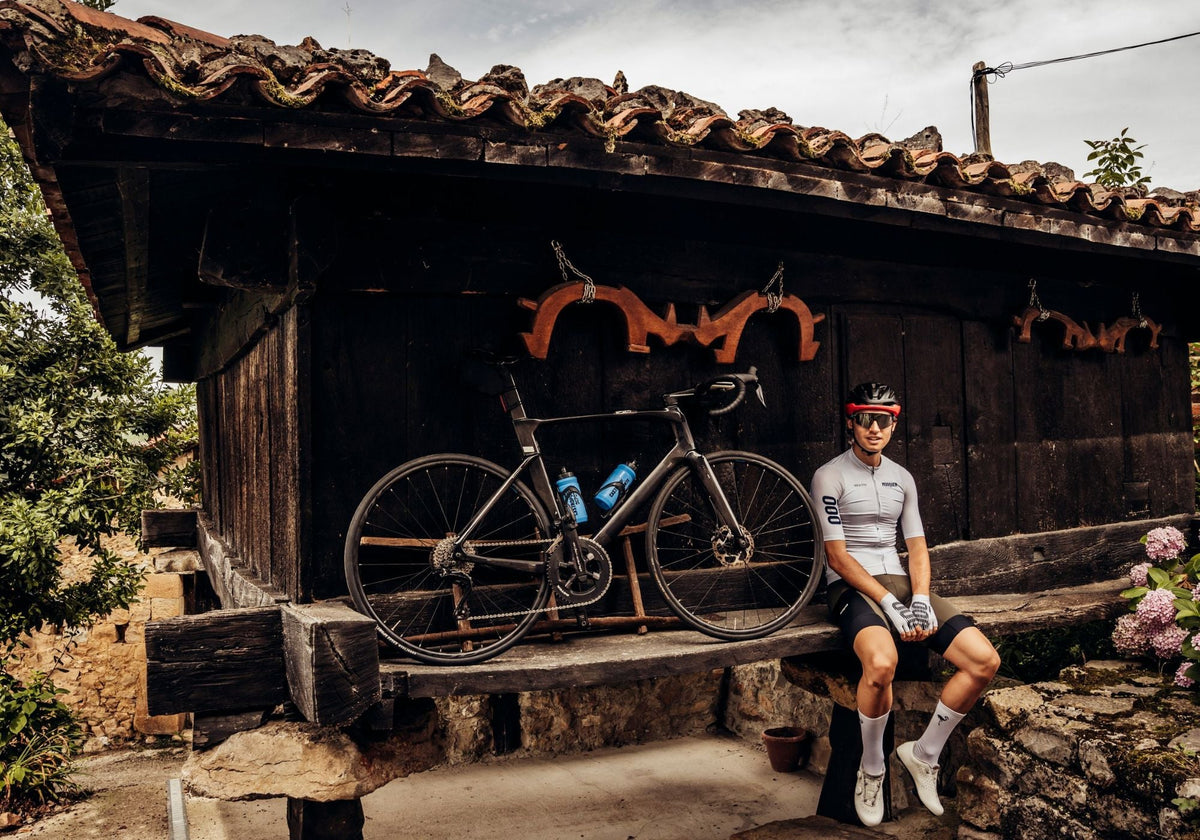
Our shop is on Marqués de Pidal Street in Oviedo. From the door, pedaling, it takes half an hour to reach the top of the Naranco.
That is what makes it different from the other nine: you don't have to go. You're already there.
The numbers
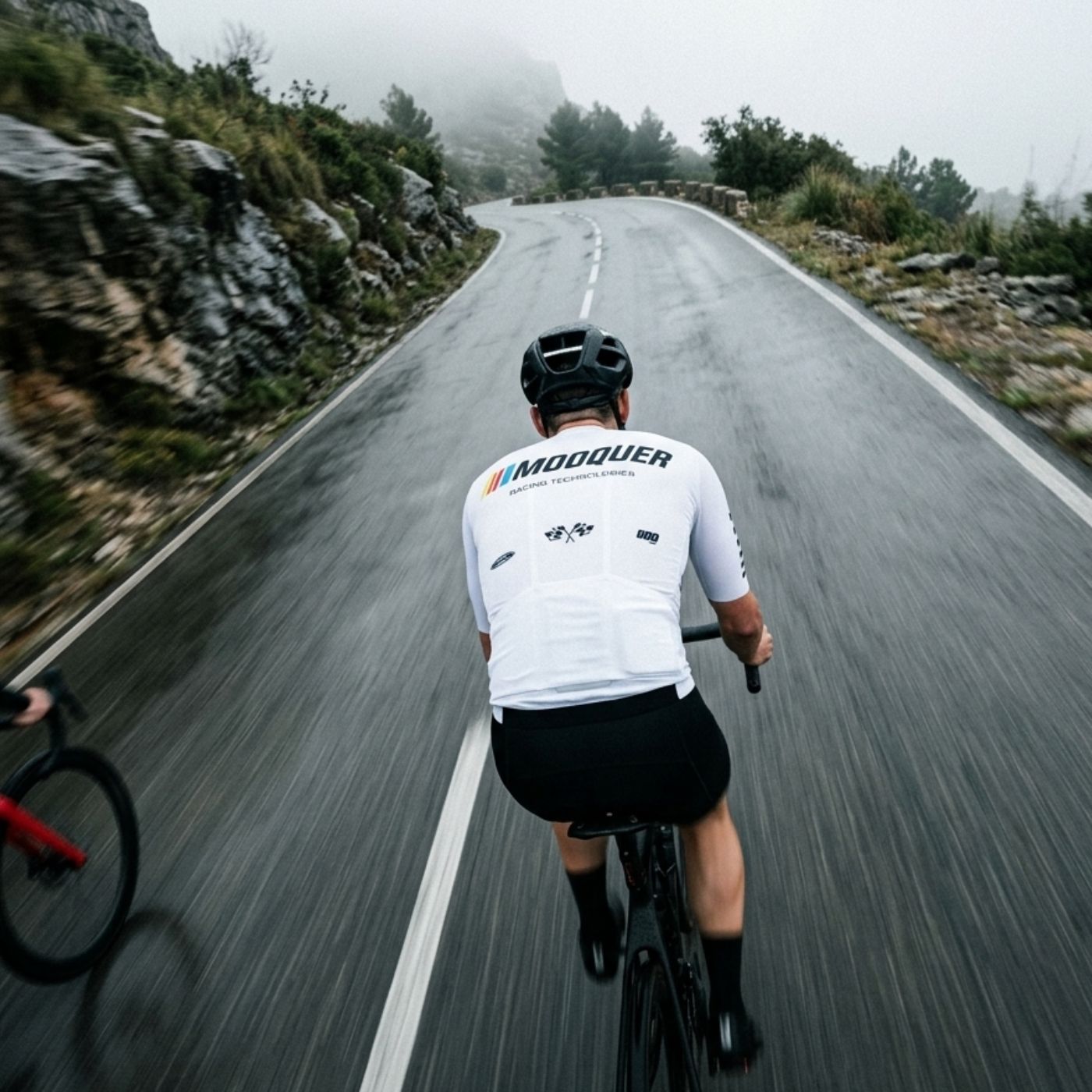
From the center of Oviedo, it is 5.5 kilometers with 360 meters of elevation gain, an average gradient of 6.5% and a maximum of 10%. Summit at 600 meters.
On our difficulty scale, it scores 23, the lowest in the guide. It is the benchmark by which we measure everything else: the Angliru scores 128 and the Gamoniteiru 142.

The profile, kilometer by kilometer
| Km | 1 | 2 | 3 | 4 | 5 | 6 |
|---|---|---|---|---|---|---|
| % | 6 | 7 | 8 | 10 | 6 | 4 |
It gradually climbs until kilometer four, the only one that reaches ten, and then it opens up. Nothing you can't climb with any gear.
How long it will take you
| Cycle tourist | 37 min |
| Fit enthusiast | 28 min |
| Competition pace | 19 min |
Why it is the first one you should climb
If you come to Asturias for a few days, the temptation is to go for the Angliru on the first day. Don't do it.
Climb the Naranco. Half an hour, no consequences, and it tells you three things: how you are after the trip, how your gear is holding up, and what it is like to ride around here. With that information, you plan the rest of the week well. Without it, you improvise.
In our guide we say it like this: start with the Naranco and leave the Angliru and the Gamoniteiru for when your legs, and your head, are ready.

What is up there
This is what no one expects from a cycling pass.
On the slope of the Naranco are Santa María del Naranco and San Miguel de Lillo, two jewels of 9th-century Asturian pre-Romanesque architecture, declared World Heritage by Unesco. And at the top, the Christ of the Naranco, with all of Oviedo at its feet.
It is the only pass in the guide where you can stop to see 1,200-year-old architecture halfway up the climb.
The pass of La Vuelta
The Naranco has been a stage finish of La Vuelta a España since 1974, when José Manuel Fuente won it, and it has been repeated in multiple editions. It is the Asturian pass with the most years in the race, far ahead of the Angliru.
It doesn't decide the overall standings, but it is the stage finish that the people of Oviedo see from home.
What doesn't show up in the data
Urban traffic at the base. The first few meters leave the city and you have to be careful. From there, the lane is wide and traffic is greatly reduced.
It is the sunset pass. Climbing it as the light fades and seeing Oviedo light up from above is one of the best things you can do in this city with a bike.
The combo. Chain it with the Alto de la Manzaneda for a short, good morning ride. And if you are looking for the big day, the Naranco is the first step of the Triple Crown: Naranco, El Cordal, La Cobertoria and finish at the Angliru.
And if you live here
Then we don't have to tell you this. The Naranco is where we, the people of Oviedo, do intervals, where we test the new bike, and where we go when there is only an hour. It is climbed hundreds of times and never gets old.
If you see us around sometime, say hello.
The other nine. The Naranco is one of the ten mythical passes of Asturias that we have collected in a seventeen-page guide: kilometer-by-kilometer profiles, times by level, and six routes that chain them together. It is free.
Download the Asturias passes guide
Frequently asked questions
How long does it take to climb the Naranco by bike?
Between 37 minutes for a cycle tourist and 28 for a fit enthusiast. At competition pace, 19 minutes. It is 5.5 kilometers at 6.5% from the center of Oviedo.
Is the Alto del Naranco difficult?
It is the most accessible of the great Asturian passes. Only one kilometer reaches 10% and the rest moves between 4 and 8%. It is the ideal pass for the first day of a trip.
What can you see climbing the Naranco?
Santa María del Naranco and San Miguel de Lillo, two 9th-century Asturian pre-Romanesque churches declared World Heritage, and the Christ of the Naranco at the top, with views over Oviedo.
Since when has it been climbed in La Vuelta?
Since 1974, when José Manuel Fuente won it. It is the Asturian pass with the most history in La Vuelta a España, ahead of the Angliru, which debuted in 1999.





















Leave a comment
This site is protected by hCaptcha and the hCaptcha Privacy Policy and Terms of Service apply.