





How to wash cycling clothes so they last more than one season
Cycling clothes should be machine washed at 30 degrees, inside out, with zippers closed, using liquid detergent and no fabric softener. They should be air-dried, never in a dryer or in direct sunlight, and cycling shorts should be washed after every ride. That takes care of 90% of it. The rest is understanding why, so you don't skip any rules when you're in a hurry.

Why cycling clothes aren't washed like the rest
Cycling shorts or a jersey are technical fabrics with a lot of elastane, water-repellent finishes, DTF or sublimation prints and, in the case of cycling shorts, a chamois made of foam of different densities. All that will last for years if you treat it well and will degrade in one season if you put it in with the towels at 60 degrees. What usually fails first is not the stitching: it is the elastic that gives out, the chamois that gets crushed and the fabric that stops wicking sweat.

The five rules and why they exist
1. At 30 degrees, no more
Elastane loses elasticity with heat. At 30 degrees, the detergent cleans the sweat without damaging the fiber. It is the temperature we indicate on the labels of our long cycling shorts and our rain jackets, and it is not a coincidence.
2. Inside out and with the zippers closed
Inside out, the friction of the drum is received by the inside and not the outer face or the prints. Open zippers act like a file against the rest of the laundry. If you have a mesh laundry bag, use it for gloves, socks and delicate garments.
3. No fabric softener
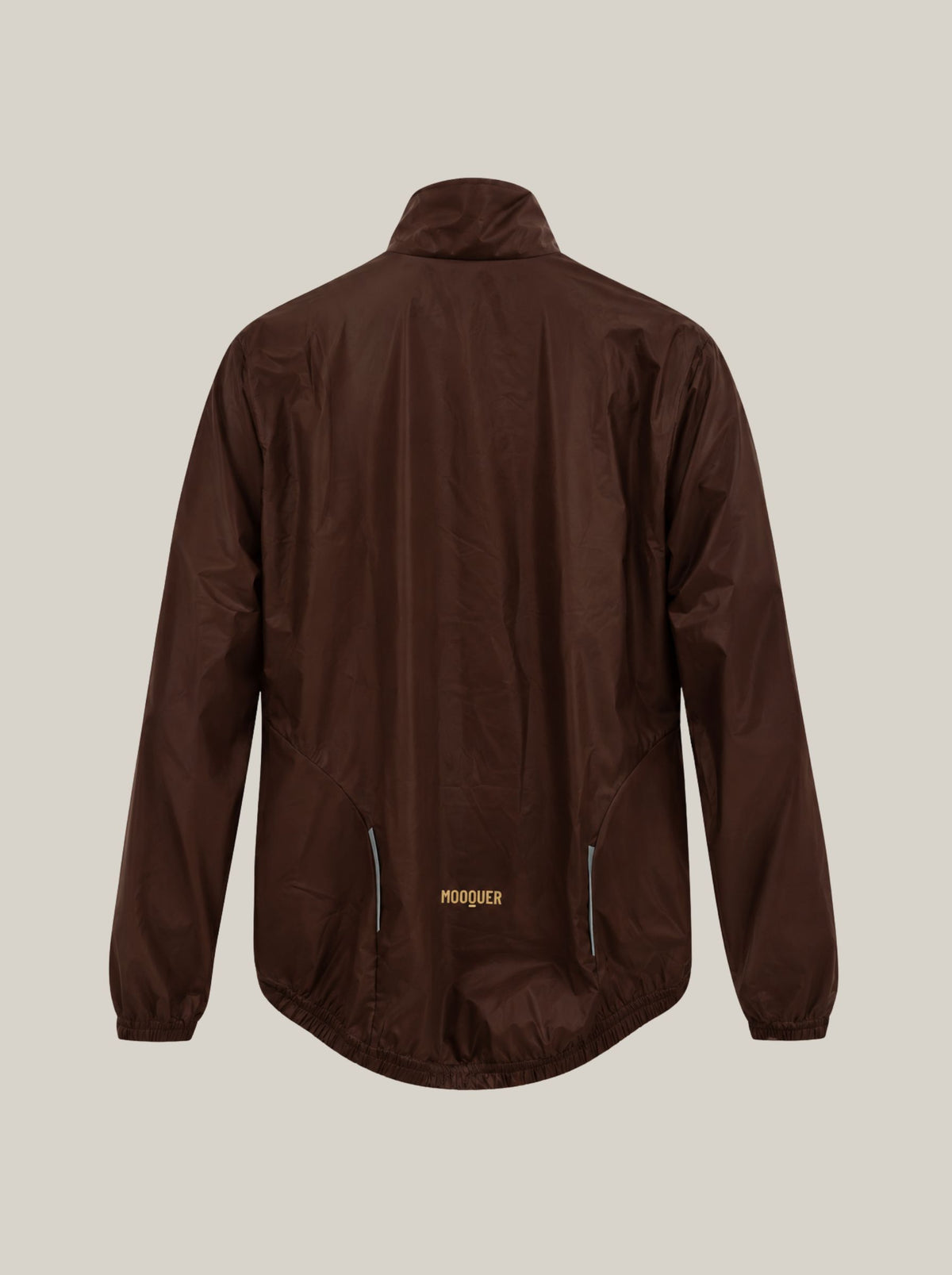
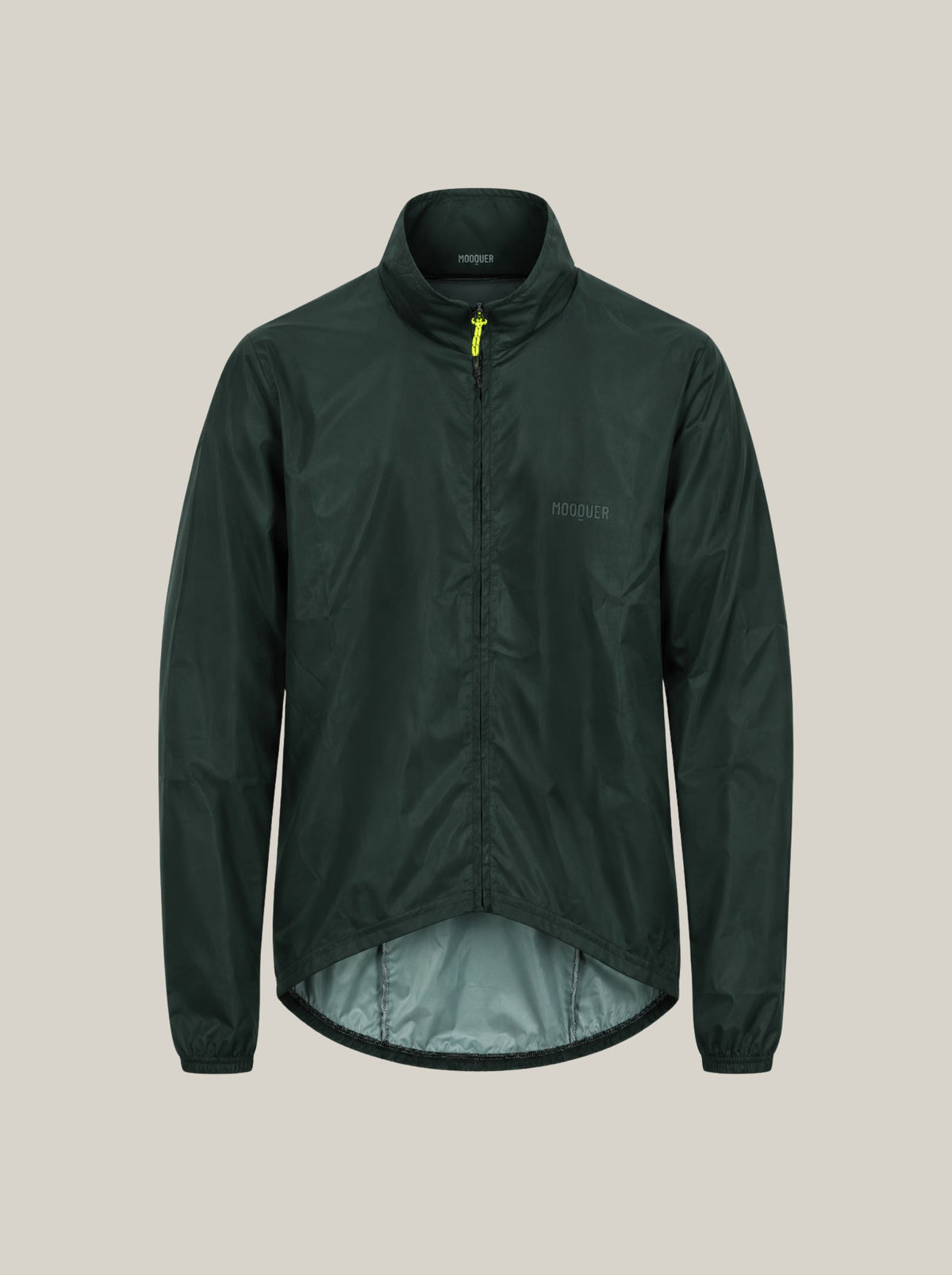
Fabric softener leaves a film on the fiber. On a towel it is pleasant; on a technical fabric it covers exactly the holes through which sweat should come out, and on garments with a repellent finish it reduces their ability to make water slide. We leave it written on the label of our Mist rain jacket precisely for that reason.
4. No dryer or radiator
Dry heat is the greatest enemy of elastane and the foam of the chamois. Hang the garment in the shade, stretched out and without clips on the elastic. In winter, better indoors with ventilation than on top of a radiator. Cycling shorts take a few hours to dry; if you need them the next day, wash them that same night.
5. No bleach or iron
Bleach attacks polyamide and colors. The iron melts the vinyls and DTF transfers. If a garment is wrinkled, the problem solves itself as soon as you put it on.
How to wash cycling shorts and care for the chamois
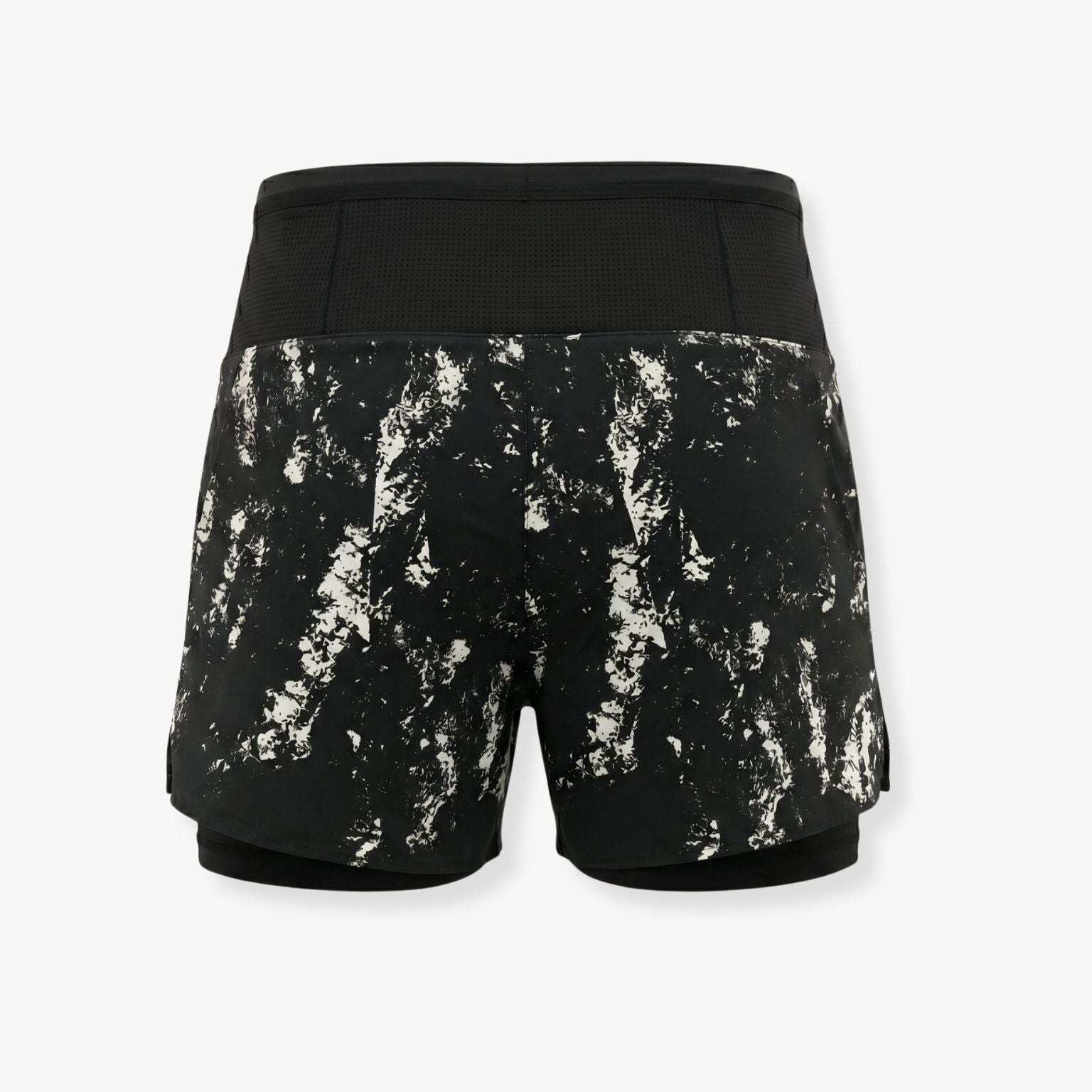
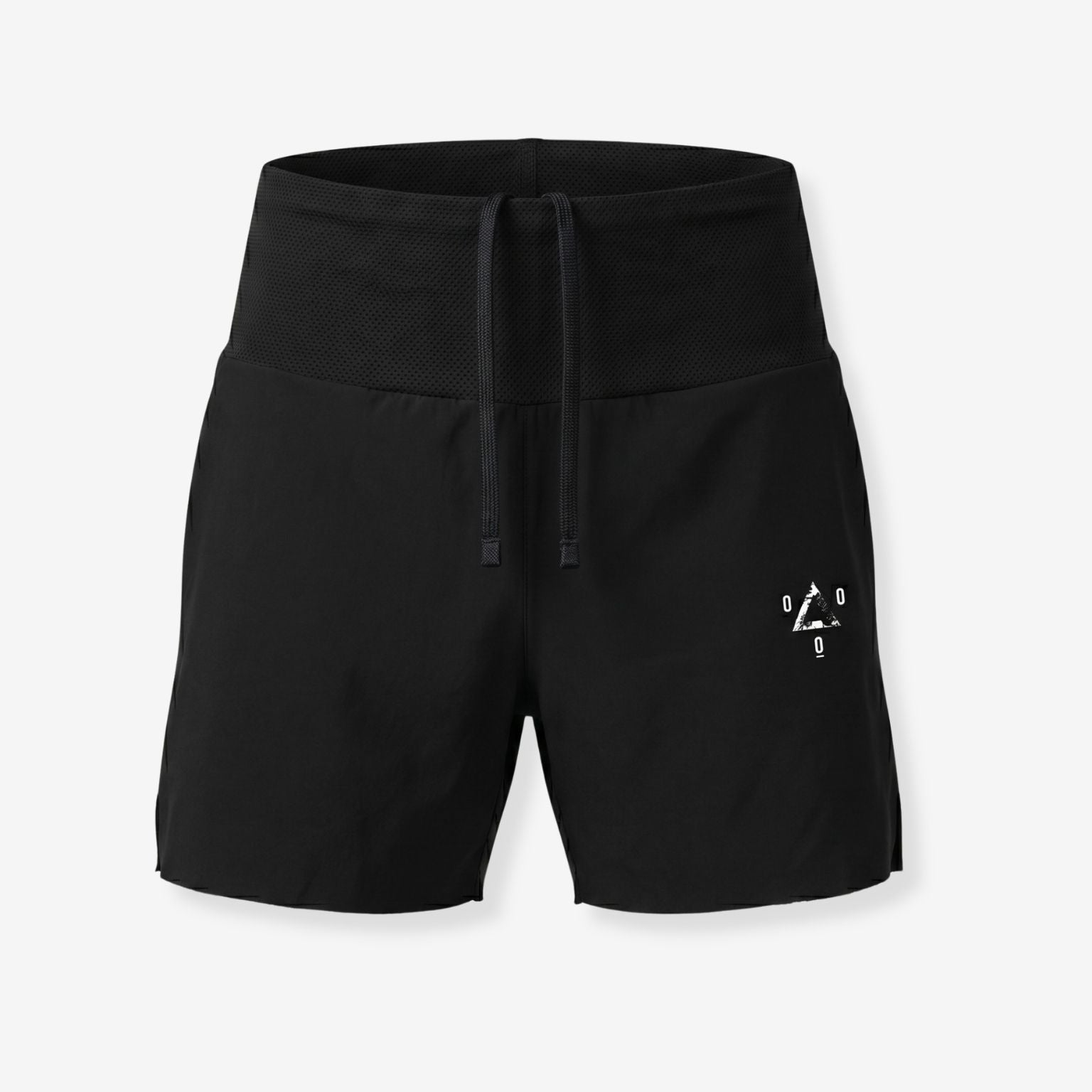
Cycling shorts are washed after every use, without exceptions. The chamois is in direct contact with the skin, without underwear, and accumulates sweat and bacteria. Leaving it dirty for two days in the sports bag is the fastest way to end up with irritations.
Before putting it in the washing machine, rinse it with cold water if you have mud. Then, normal wash at 30 degrees, inside out. When taking it out, do not wring it: press the chamois with a towel to remove water and hang the shorts with the chamois facing up so it dries evenly.
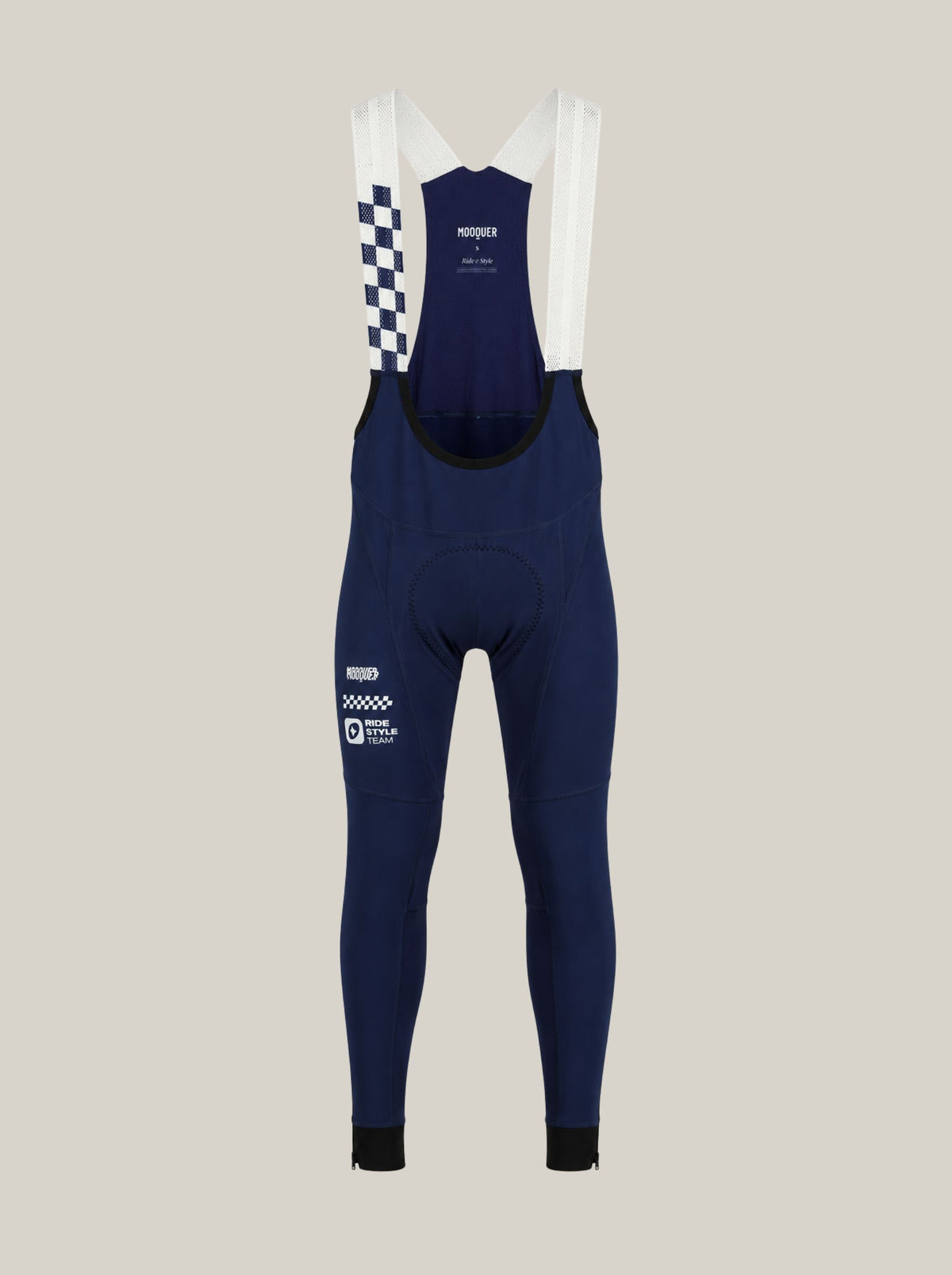
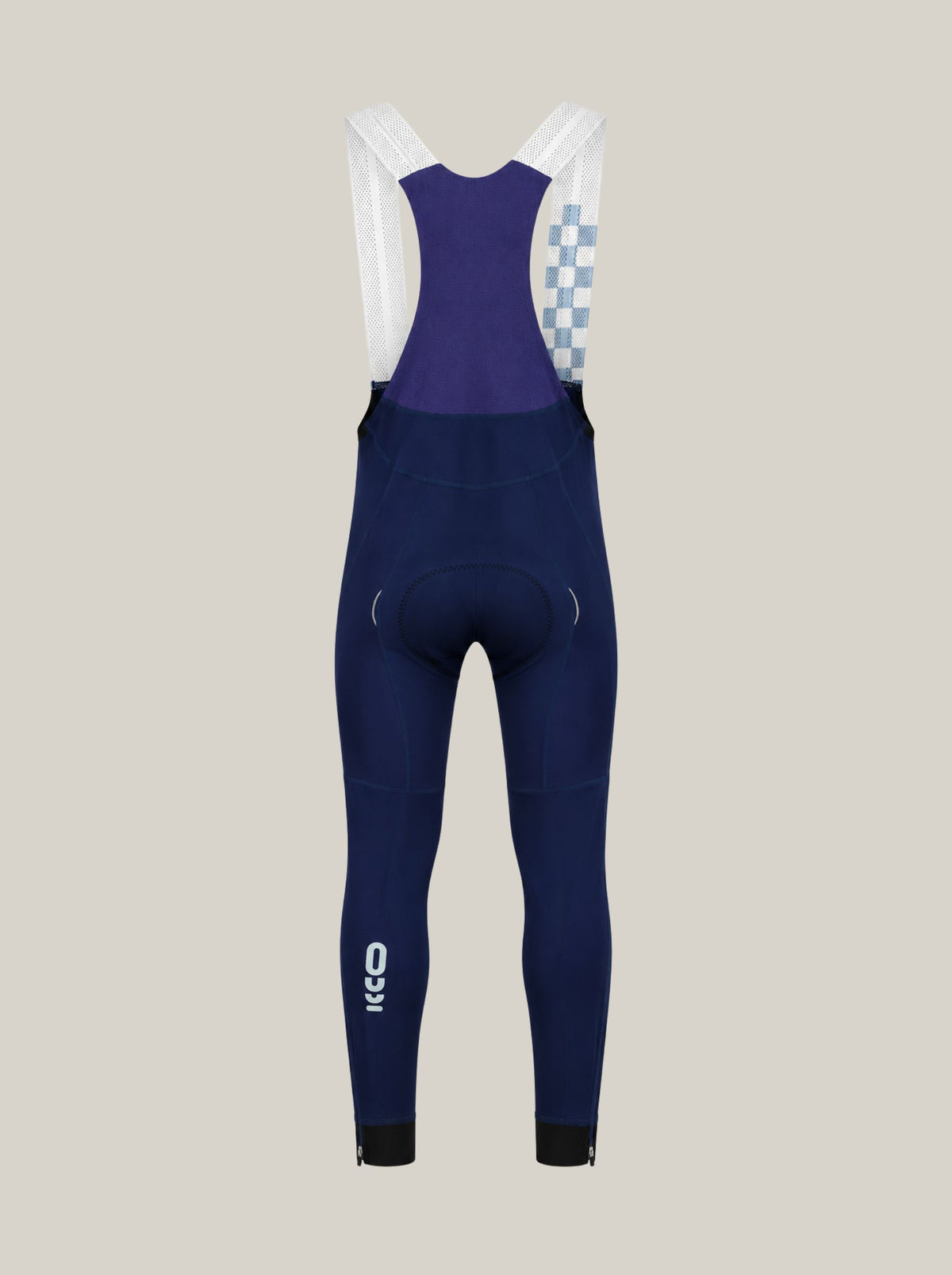
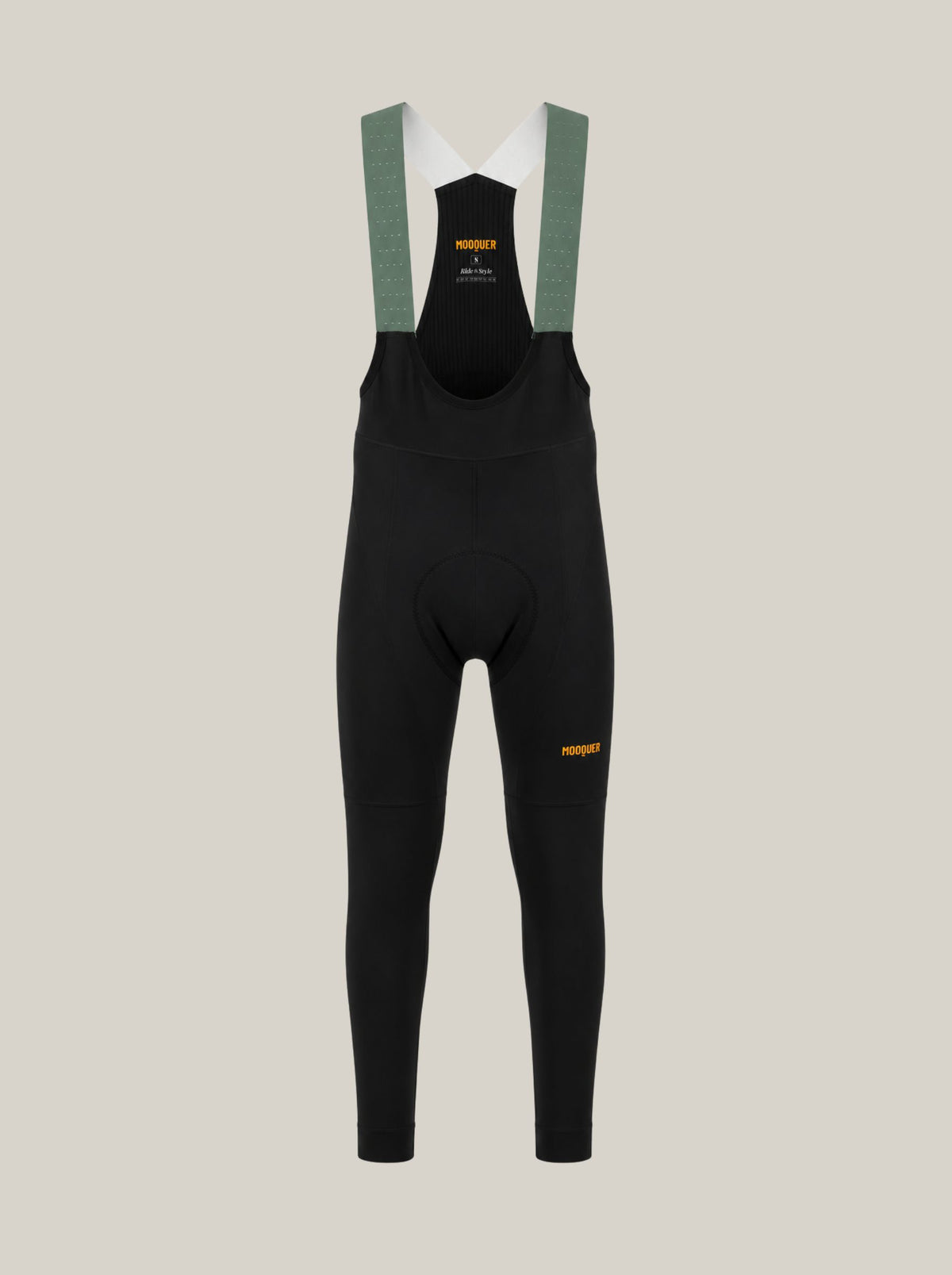
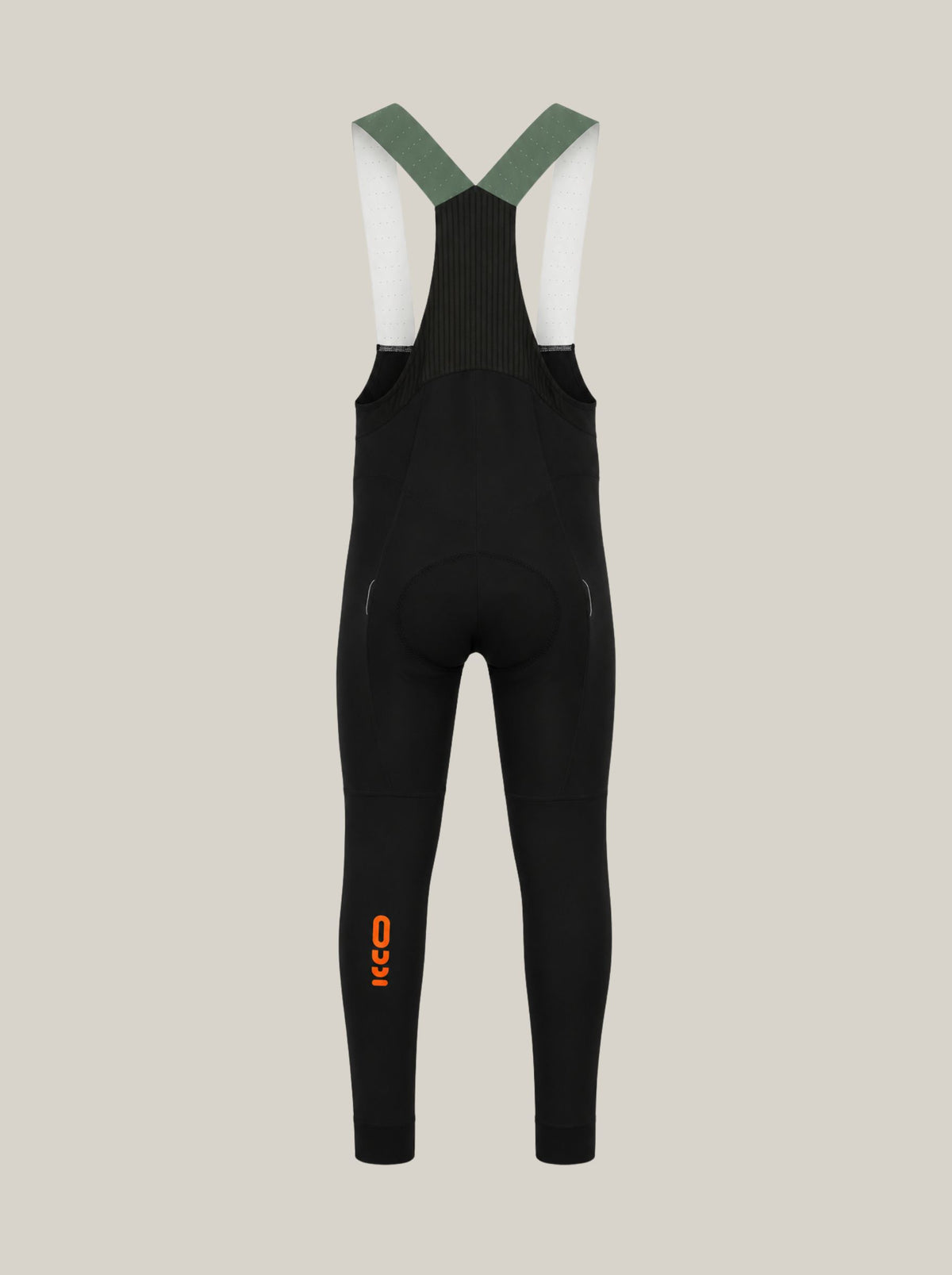
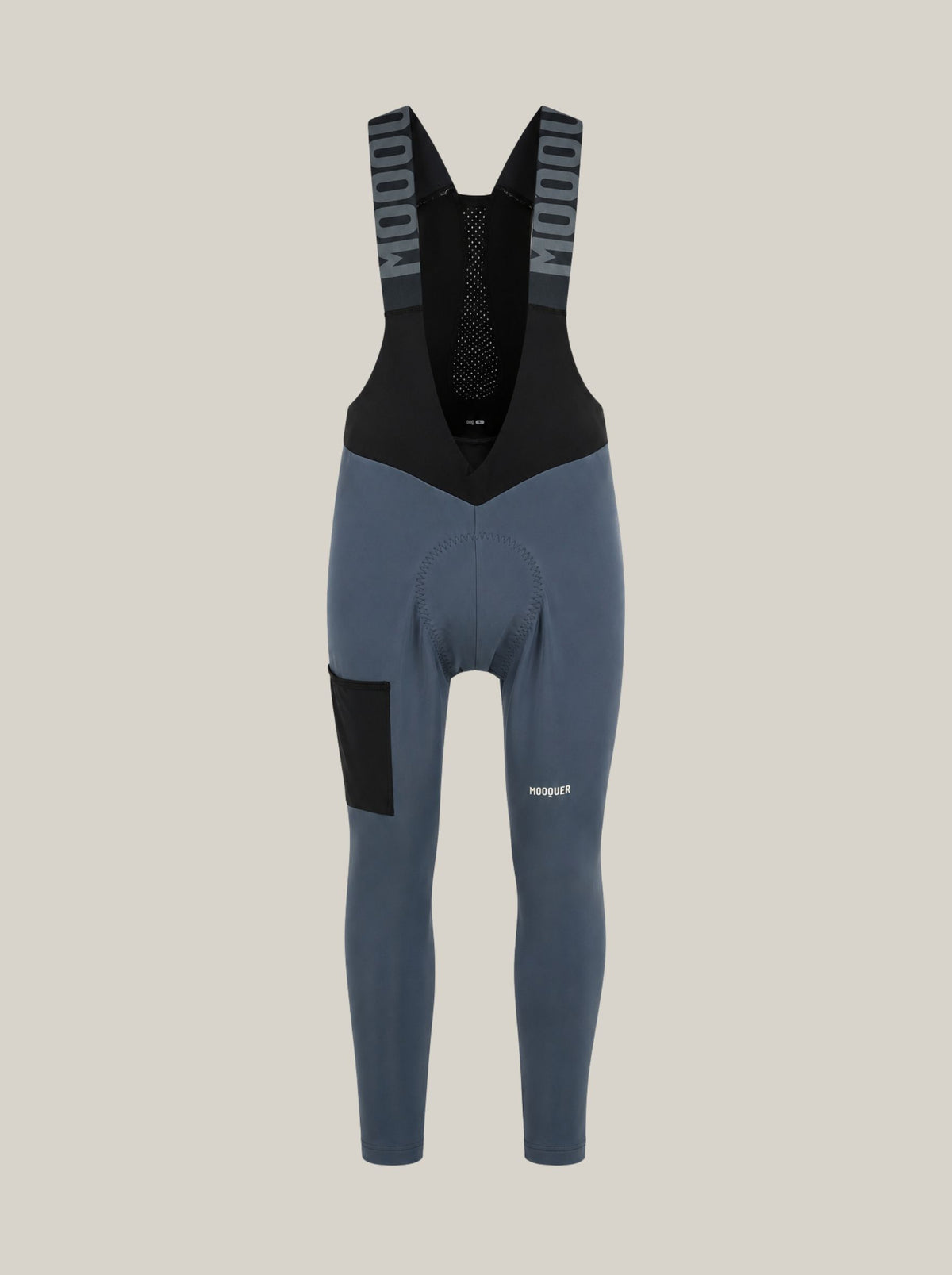
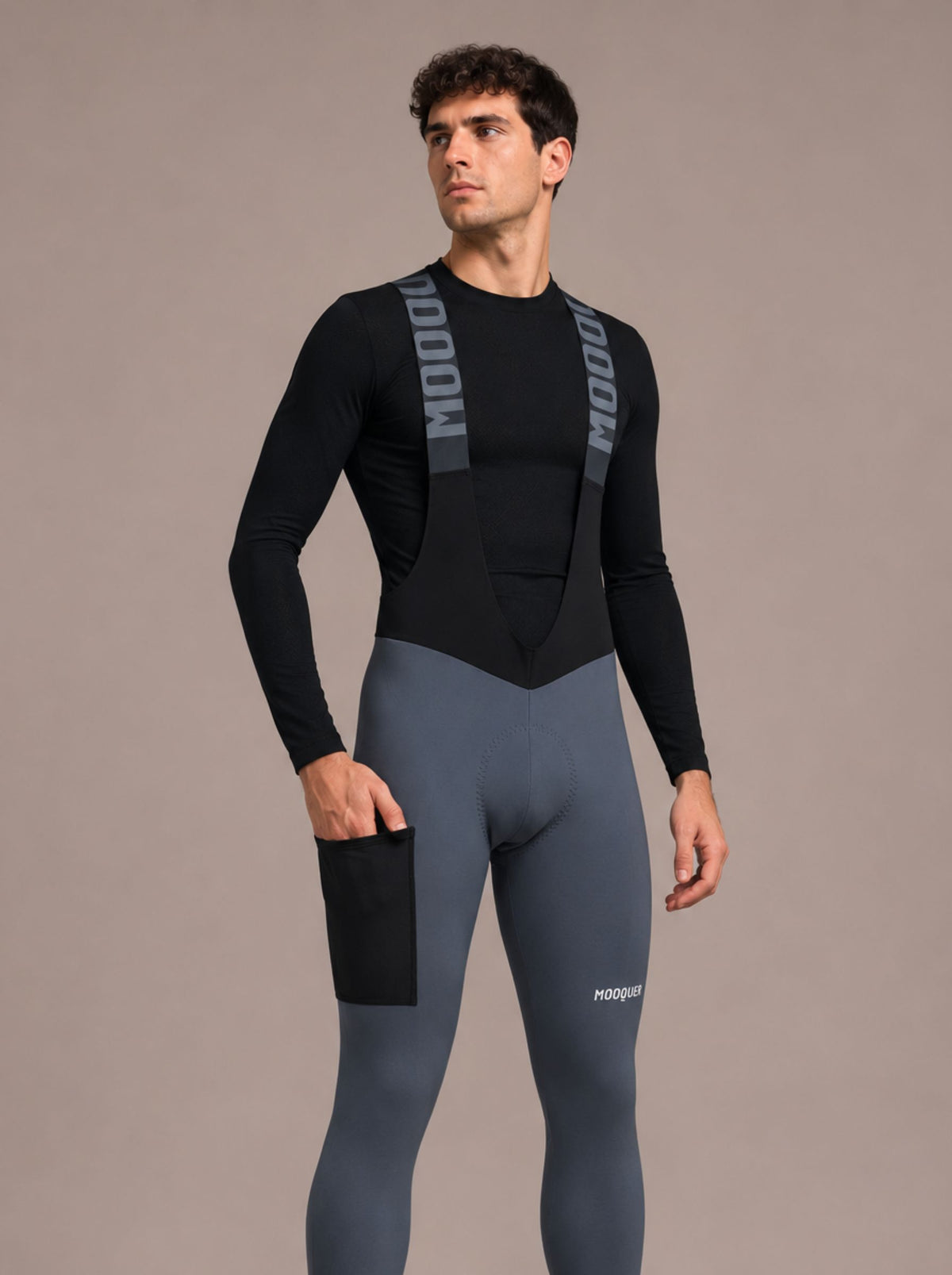
A well-made winter cycling short should last several seasons. The Basalt Corsa long cycling shorts are made with MITI SuperRoubaix Italian fabric that recovers its shape wash after wash, and the color is dyed in the factory, in the fiber and not on the surface, so that the black continues to be black over the passing winters. But that only happens if you respect the 30 degrees and the absence of a dryer. If you want to know why that fabric keeps warm without being thick, we explain it in what is MITI SuperRoubaix.
Jerseys and garments with printing
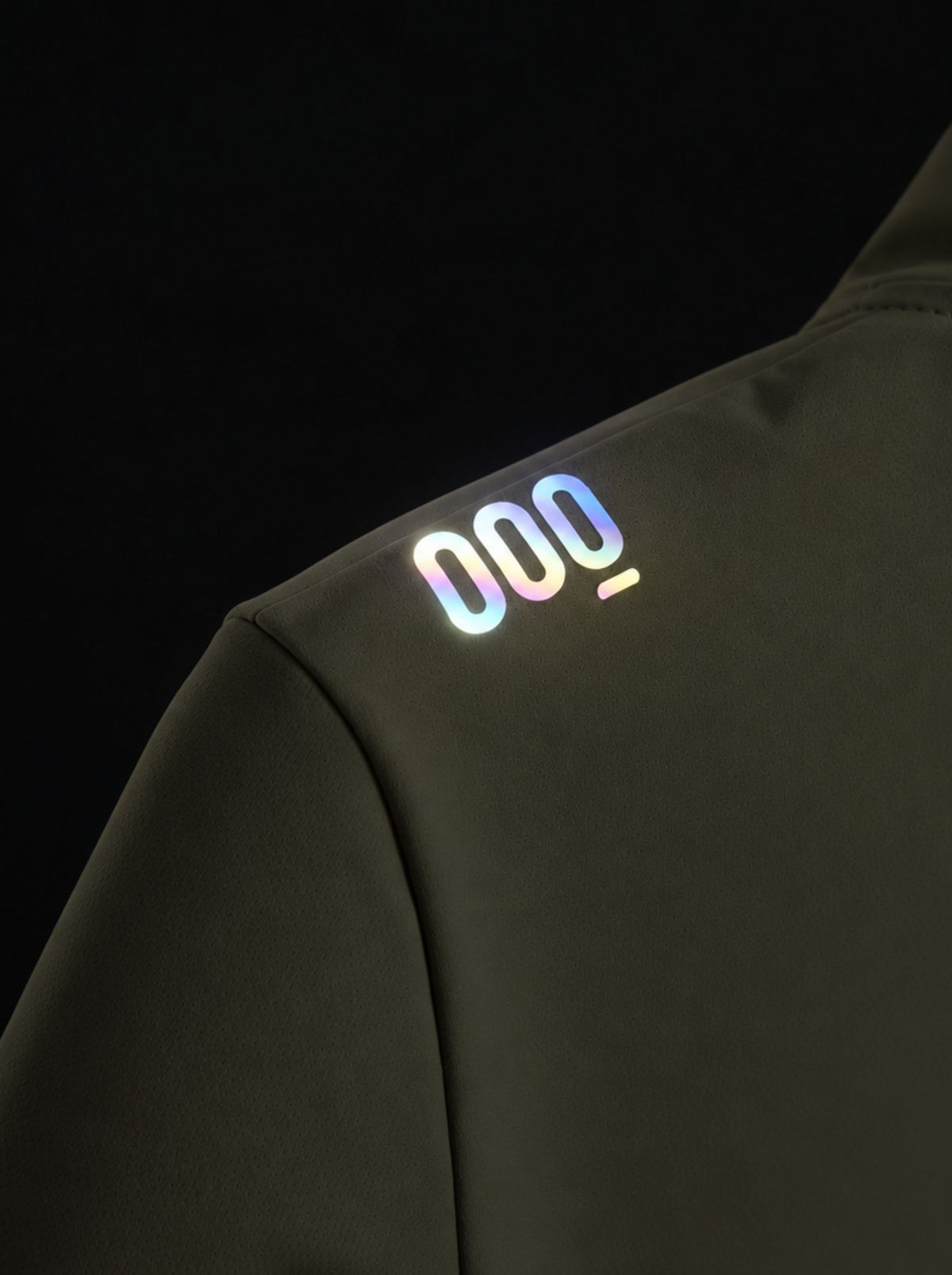
Jerseys usually have back pockets, a long zipper and prints. Close the zipper, empty the pockets (the forgotten gel is a classic) and wash it inside out. Sublimated designs are part of the fabric and do not crack; vinyls and some transfers do suffer with heat. We explain it technique by technique in screen printing, sublimation or embroidery: which one lasts.
Jackets, vests and water-repellent garments
Garments with a repellent treatment need a little more care. Same wash at 30 degrees, without fabric softener and with mild detergent. With the washes, the water stops sliding and starts soaking the surface; it does not mean that the garment is ruined, but that the finish has worn out. It can be reactivated or renewed. What exactly that finish is, and why it is not the same as a raincoat, is in what is DWR treatment.
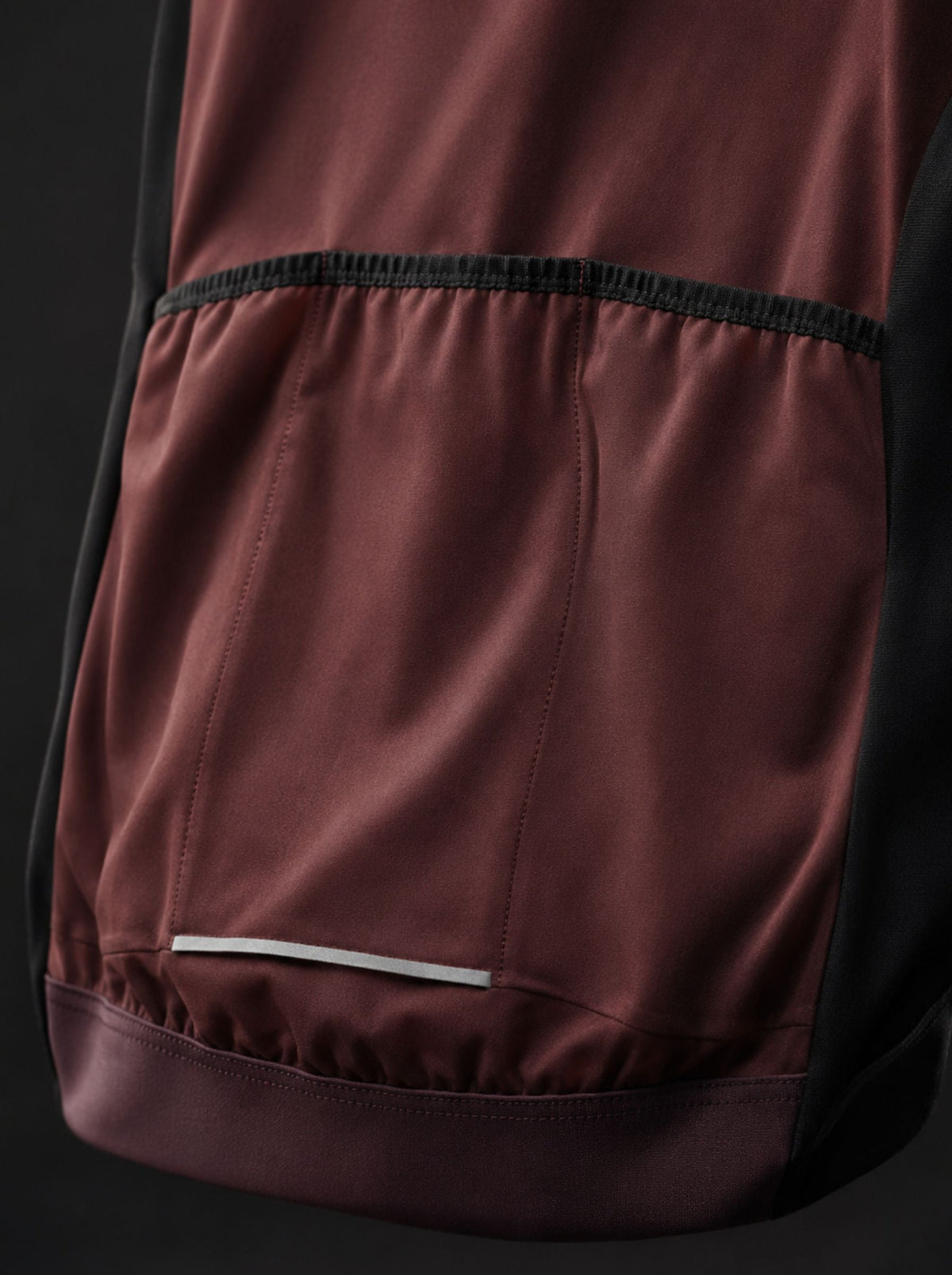
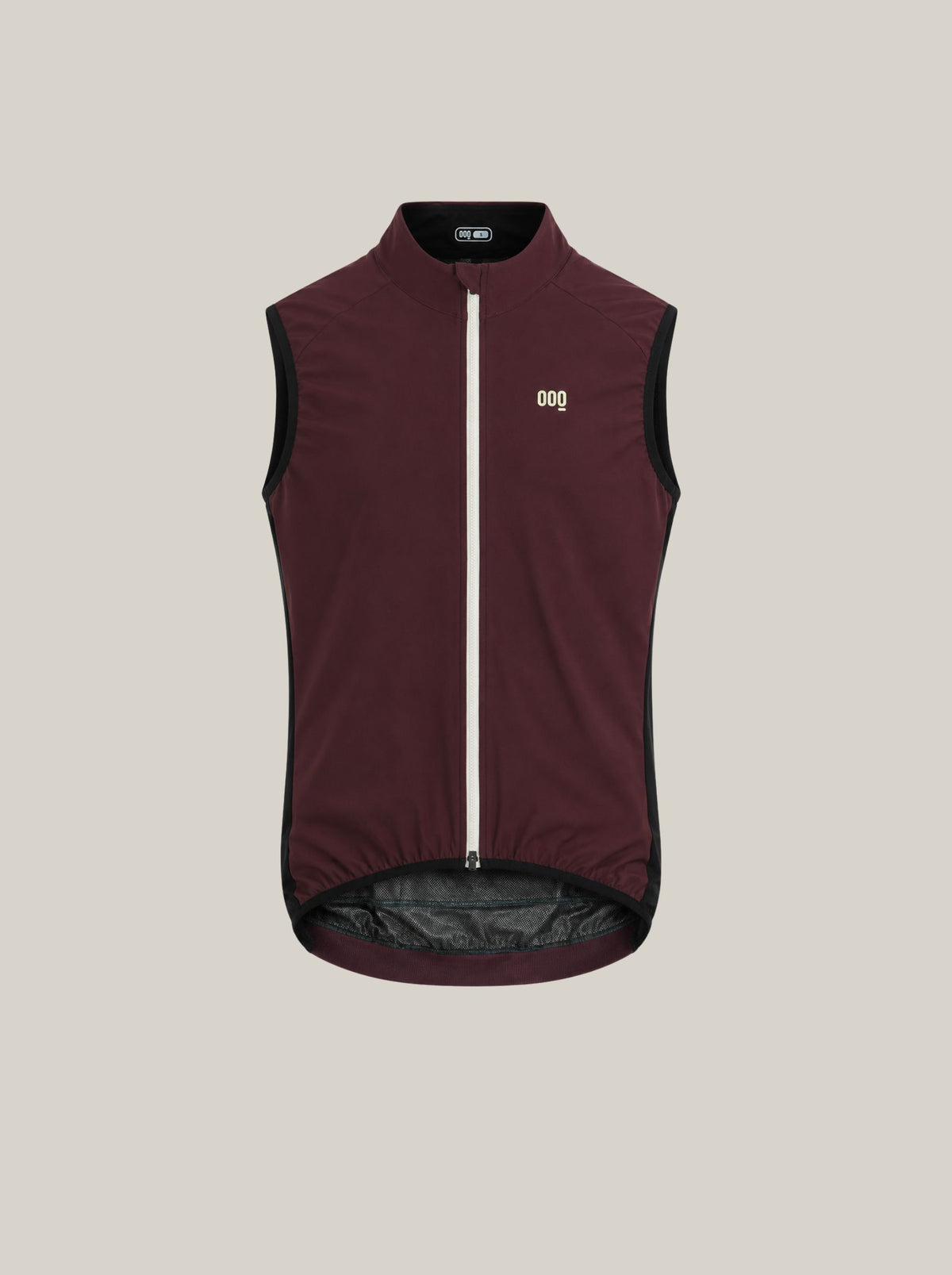
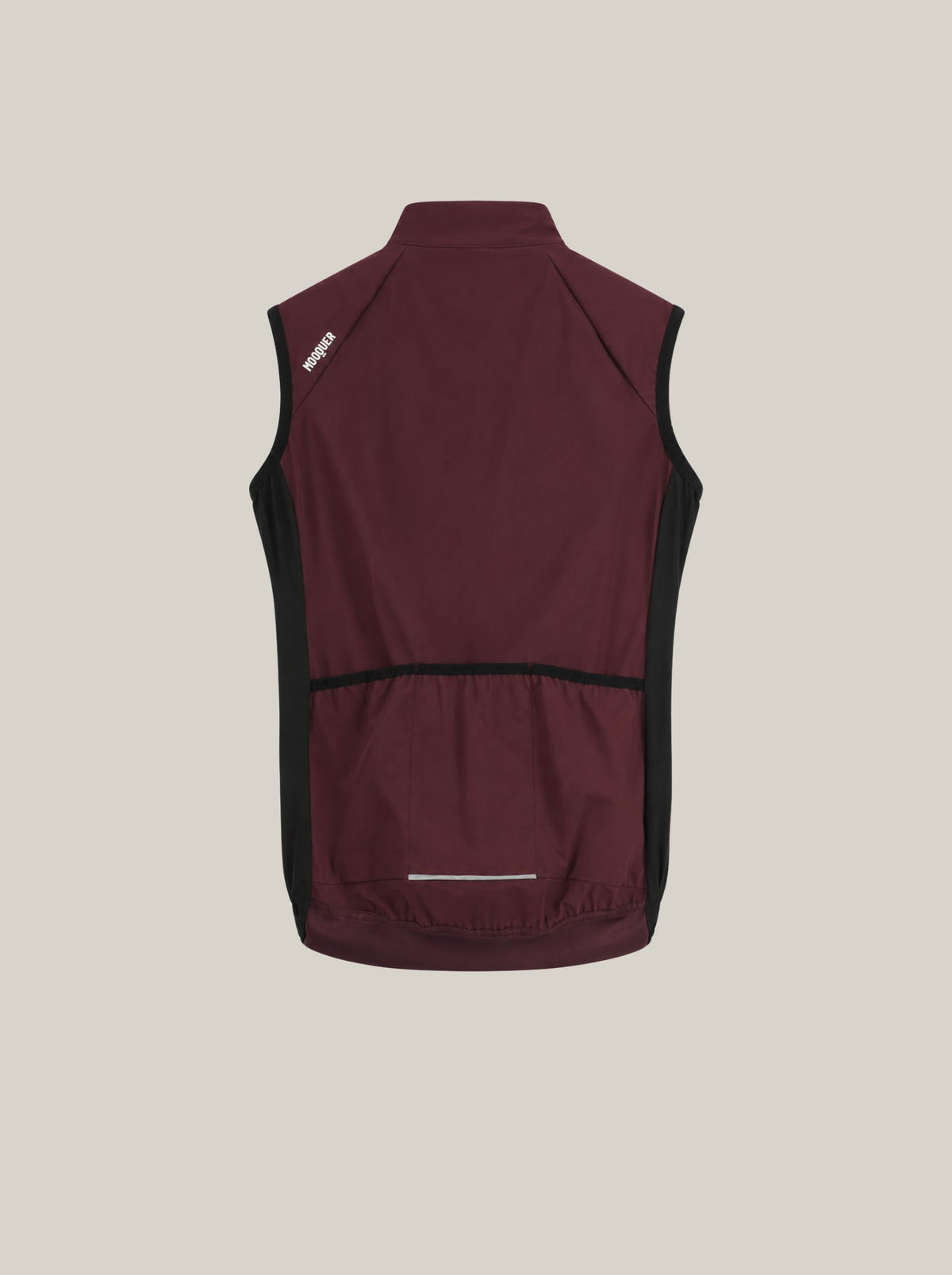
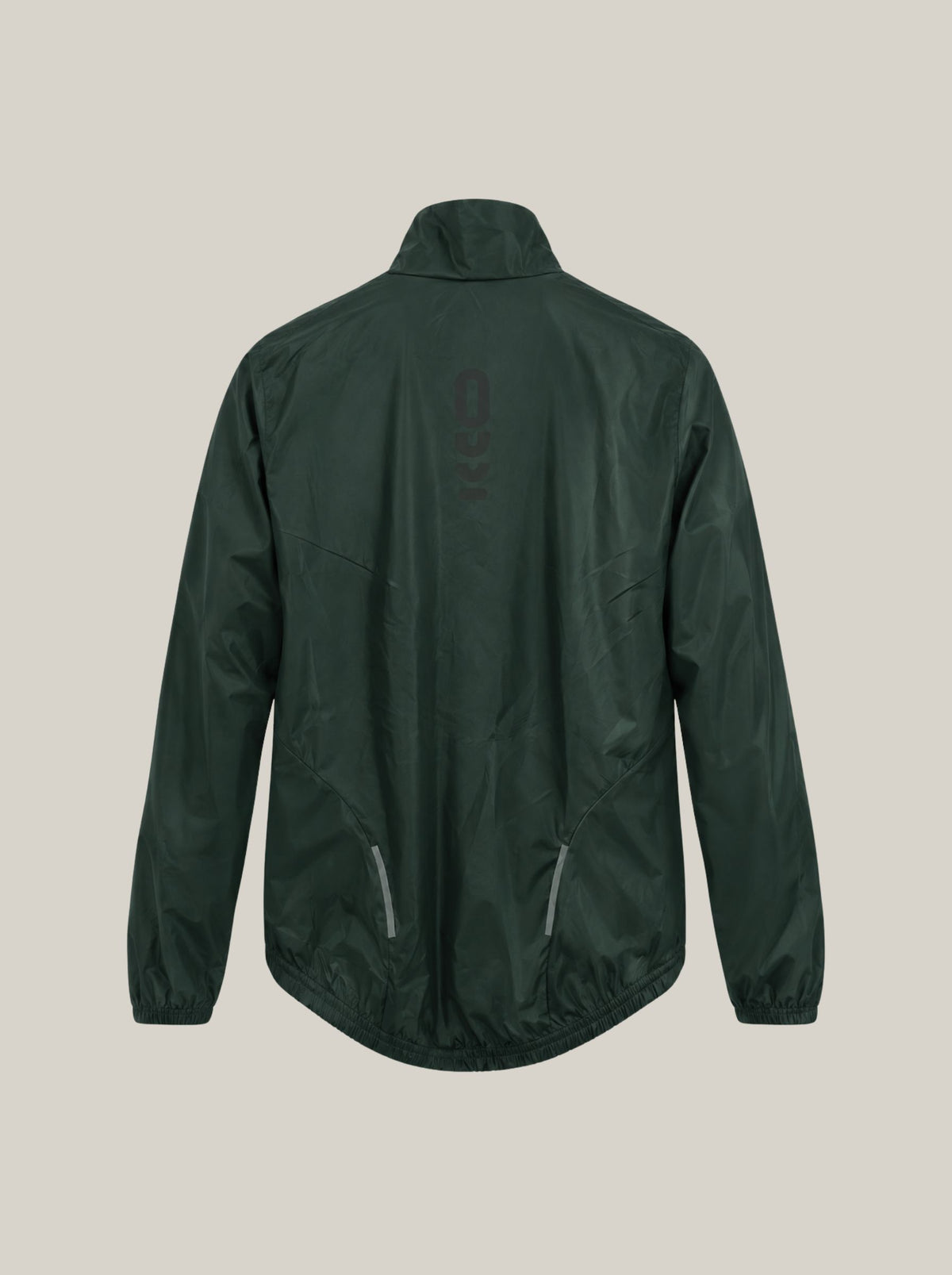
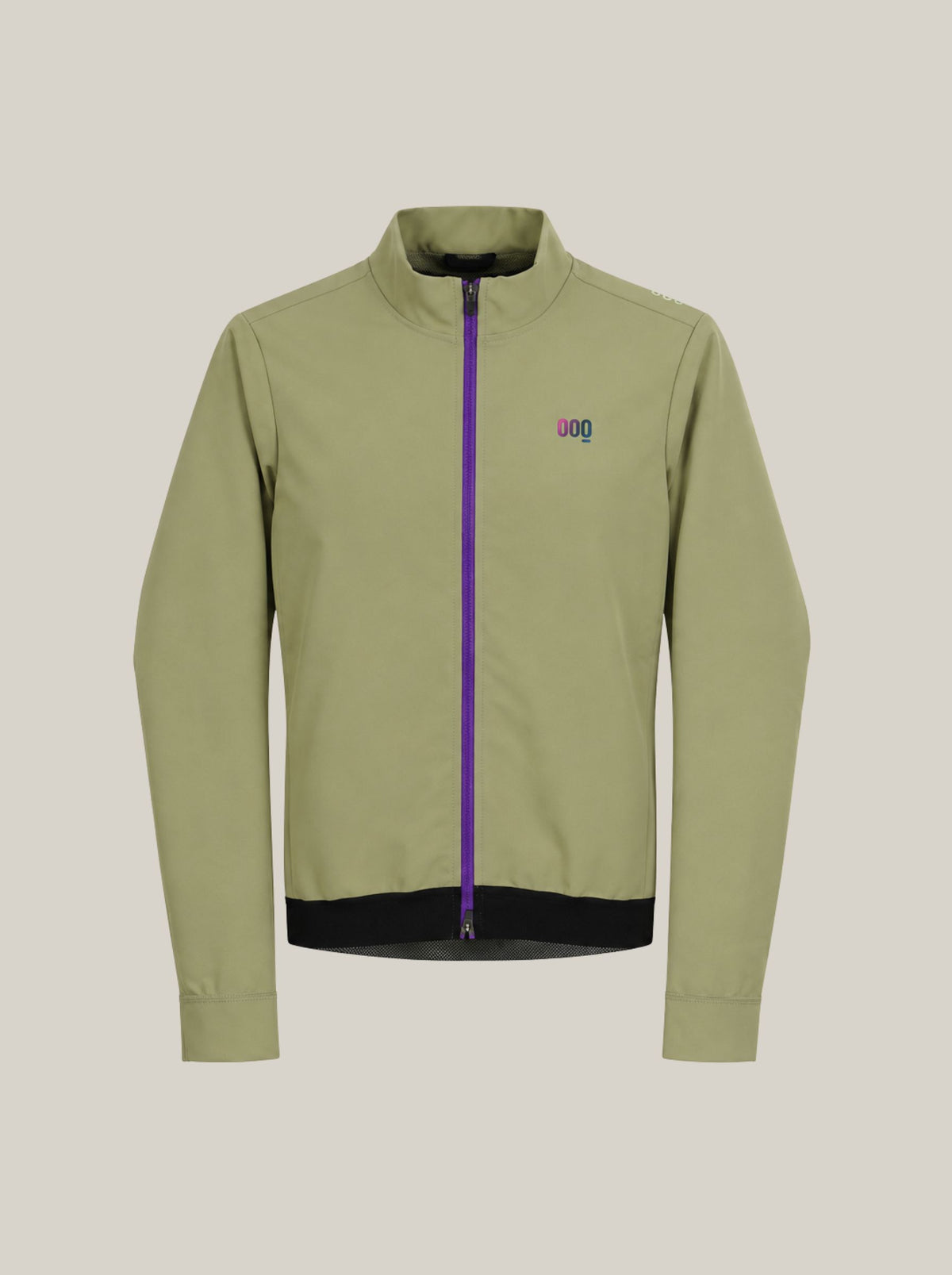
This is the case of our rain jackets and cycling jackets and the vests for windy days: the instructions on each product page are designed so that the fabric lasts, not to cover up the record.

Errors that shorten the life of your clothes
- Washing cycling shorts with jeans or towels: the friction with hard fabrics creates pills.
- Using powder detergent: it can leave residue on the chamois.
- Leaving clothes damp in the washing machine hours after the program.
- Drying in the summer sun: ultraviolet and heat dull colors and damage elastane.
- Storing damp clothes in the sports bag until the next day.
For caps, which have their own rules because of the visor, you have how to wash a cap without it losing its shape.
Washing well does not take longer than washing badly. It only requires not putting bike clothes in the usual program. If you are thinking about renewing winter gear, look first at the care instructions of each garment: they say a lot about how long it will last.
Frequently asked questions
At what temperature is cycling clothing washed?
At 30 degrees maximum. Higher temperatures damage the elastane and the chamois, which is the first thing that fails in a cycling garment.
Can cycling shorts be put in the dryer?
No. Dry heat deforms the foam of the chamois and takes away elasticity from the fabric. It is air-dried, in the shade and with the chamois facing up.
Should cycling shorts be washed after every ride?
Yes. The chamois is in direct contact with the skin and accumulates sweat and bacteria. Reusing it without washing is the most common cause of irritations.
Why can't fabric softener be used on sports clothing?
Because it leaves a film on the fiber that reduces sweat wicking and, in garments with a repellent finish, makes the water stop sliding.











Leave a comment
This site is protected by hCaptcha and the hCaptcha Privacy Policy and Terms of Service apply.