






How to wash a cap without it losing its shape
To wash a cap without ruining it, wash it by hand in cold water with a mild detergent, scrub the inner band with a soft brush, rinse thoroughly, and let it air dry in its shape, stuffed or on a round support. Avoid the dryer, hot water, and bleach, and check the label first: it trumps any trick.
A cap accumulates more than it seems: sweat, forehead sebum, sunscreen, dust. The yellowish mark on the inner band isn't surface dirt; it's grease and salt that become embedded in the fabric. The sooner you wash it, the easier it comes out. Here is the step-by-step method, what changes depending on the type of cap, and the mistakes that really deform a cap forever.

Before getting it wet: three checks
Read the care label
It seems obvious, and it's what almost no one does. The label tells you if it's machine washable, at what temperature, and what not to do. On our caps, for example, the instruction is hand washing, no dryer, and no ironing over the embroidery or transferred logo. It's not excessive caution: heat is what most damages raised embroidery, vinyls, and reflective logos.
Look at what the brim is made of
Today's caps have plastic brims, which tolerate water without a problem. Some older or very cheap caps have cardboard ones, and that cardboard softens and deforms if it gets soaked. If you press the brim and it feels crunchy like cardboard, don't submerge it: clean it only on the outside with a damp cloth.
Test the color
Dampen an inconspicuous corner of the inside with water and a drop of detergent and press with a white cloth. If it bleeds, wash that cap separately and don't leave it soaking for a long time.
How to wash a cap by hand, step by step
- Remove dust dry. Use a clothing brush or an old soft-bristled toothbrush, on the outside and along the seams.
- Prepare cold water with mild detergent. A basin or the sink, cold or lukewarm water at most, and a small amount of neutral detergent for delicate garments. No bleach or harsh stain removers.
- Treat the inner band. It's the area that gets the dirtiest. Apply a little detergent directly to it and scrub with the brush in short strokes, without pressing too hard so as not to lift the fibers.
- Let it soak for a short time. Fifteen to thirty minutes is usually enough for the detergent to loosen the grease.
- Scrub gently on the outside. Use a soft brush, in the direction of the fabric, and carefully around the embroidery.
- Rinse thoroughly. With clean, cold water, until no foam comes out. Detergent residue attracts dirt later.
- Drain without wringing. Press the cap between two towels. Wringing it is the fastest way to deform the crown and the brim.
How to dry it so it doesn't lose its shape
Drying determines whether the cap returns to how it was. Stuff the crown with a rolled-up towel or place it on something round the size of a head, a jar, or a small ball, and let it air dry, in a ventilated area and away from radiators or direct sunlight. Never in the dryer: heat shrinks some fabrics, deforms the brim, and can peel or crack the logos.

Can you wash a cap in the washing machine?
It depends on the cap, and the short answer is that, if the label doesn't expressly say so, it's better not to. A structured cap, with a reinforced front, comes out of the washing machine with a wrinkled or collapsed crown, and the spin cycle deforms the brim. If the label allows it, wash it on a delicate cycle with cold water, inside a laundry bag or a pillowcase, without a strong spin cycle, and always air dry it in its shape.
A clarification on a trick that circulates a lot: the dishwasher. Dishwasher detergents are much more aggressive than laundry detergent, and the cycle uses heat, which is exactly what to avoid. It's not worth it.
What changes depending on the type of cap
Structured caps and snapbacks
They are the most delicate because the front reinforcement can get marked or deformed. Always wash them by hand, without a long soak, and don't press them when draining. If the embroidery is raised, like on our everyday caps embroidered in Spain, brush around it, not on top of it, and never run an iron over that area.
Unstructured cotton caps
They handle hand washing and friction well, and usually gain that washed look over time that makes them more comfortable. Cotton can shrink a bit with hot water, so keep the water cold.

Technical running and trail caps
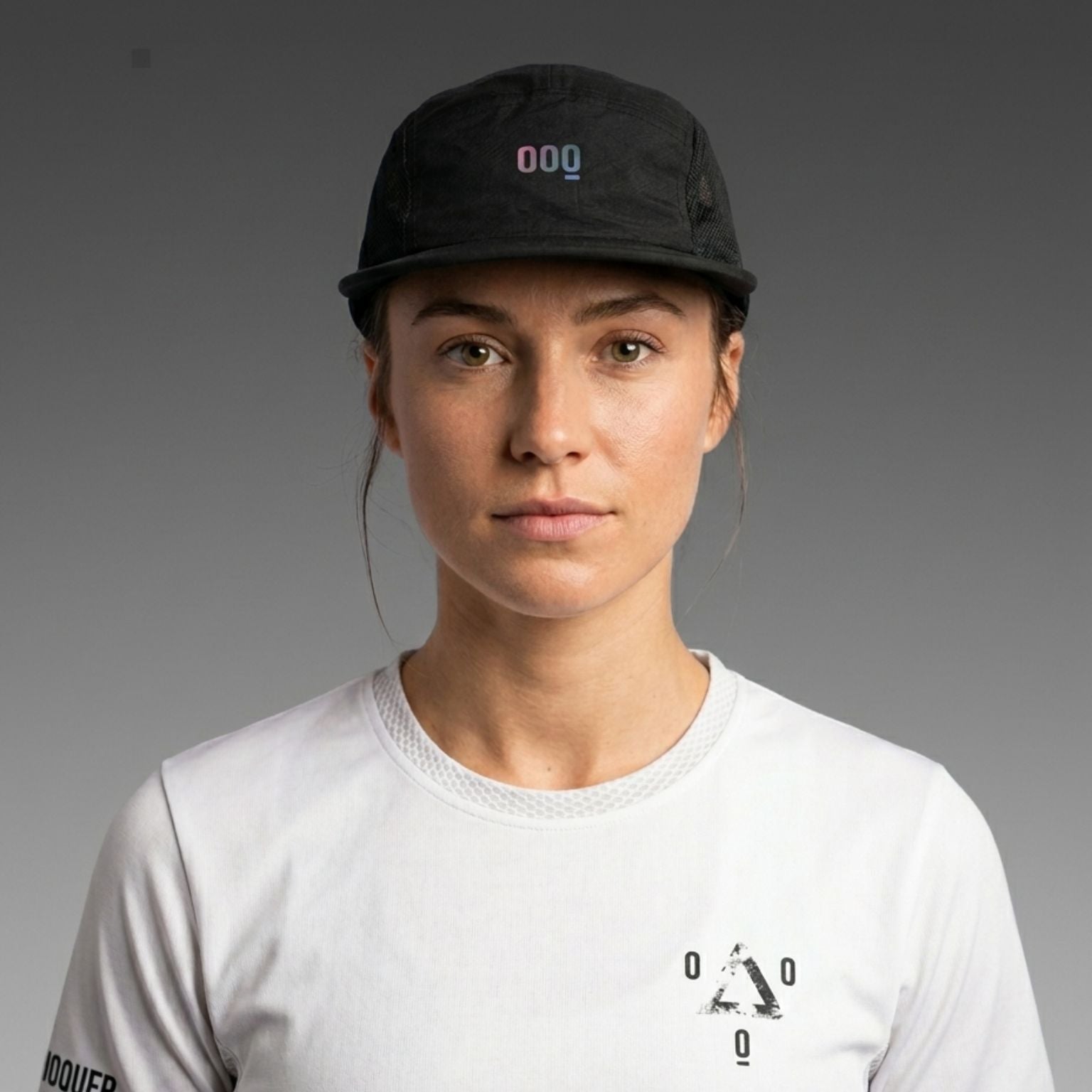
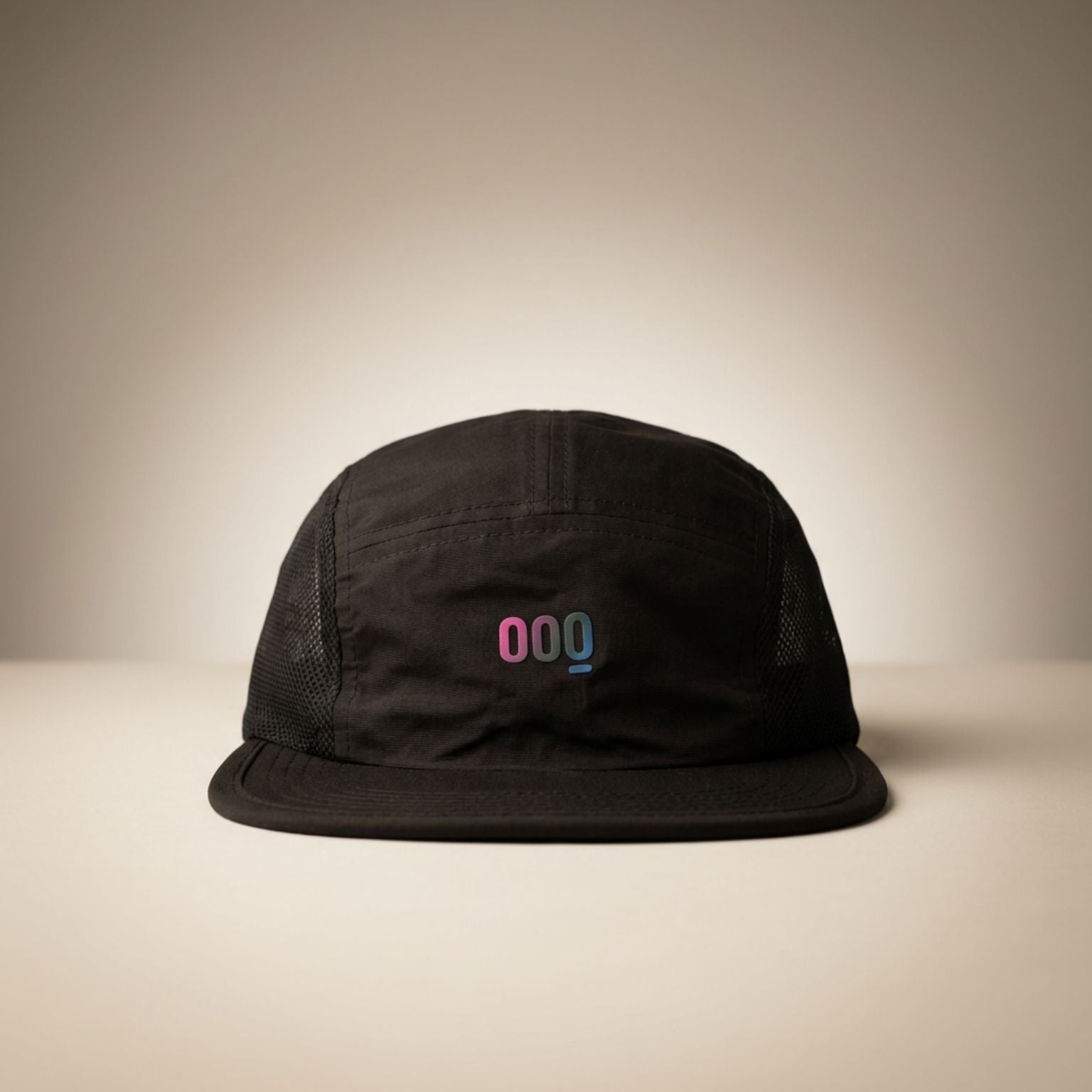
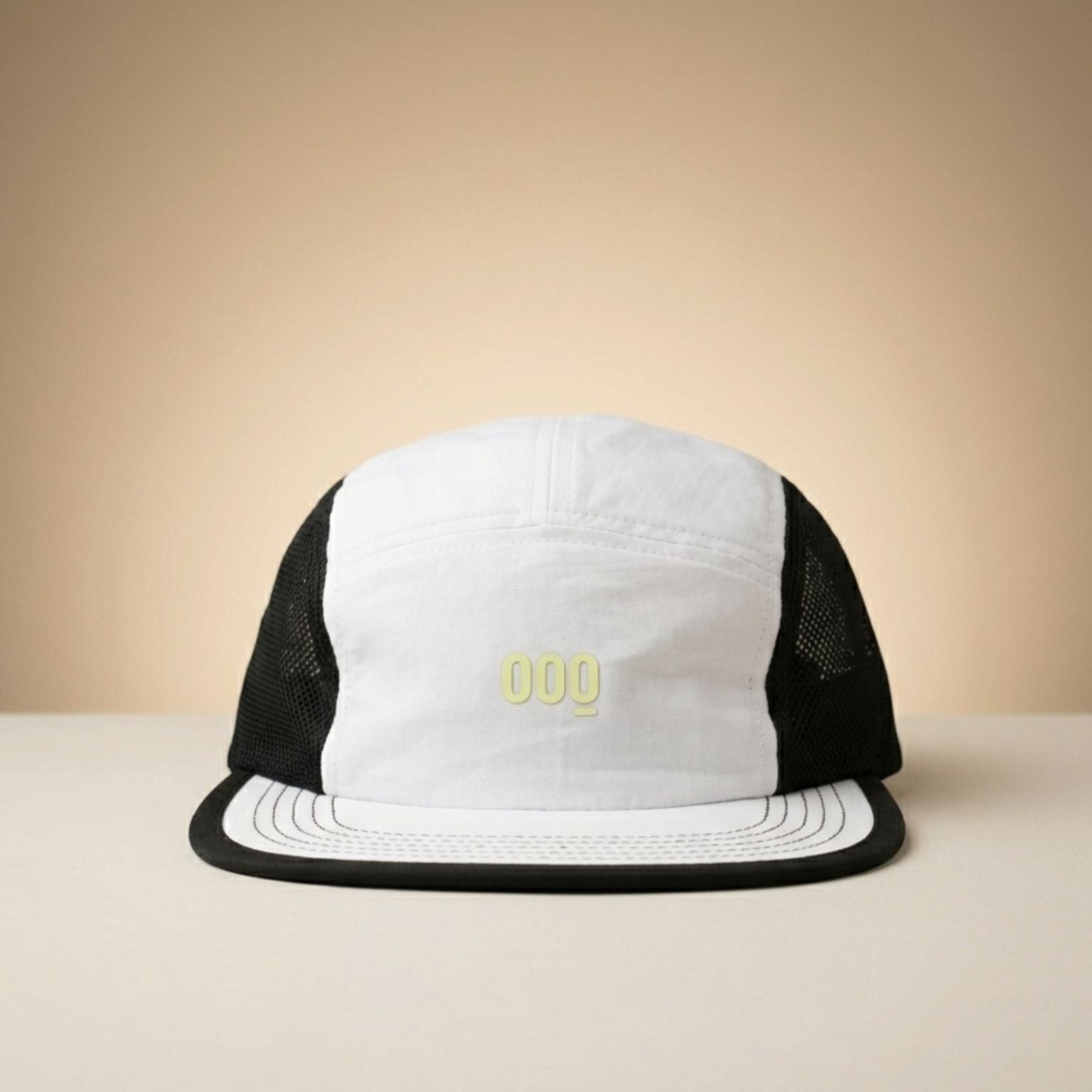
They are the ones that get the dirtiest from sweat and the ones that wash the best: synthetic fabric, unstructured, quick drying. Even so, by hand and in cold water. If they have a water-repellent treatment, like the Lime Fade trail cap, made of recycled nylon with a PFC-free water-repellent finish, avoid fabric softener, because it leaves a film that cancels the repellency, and don't iron the reflective logo. As for why fabric softener and dirt dull a repellent finish, we explain it in what is DWR treatment.
Cycling caps
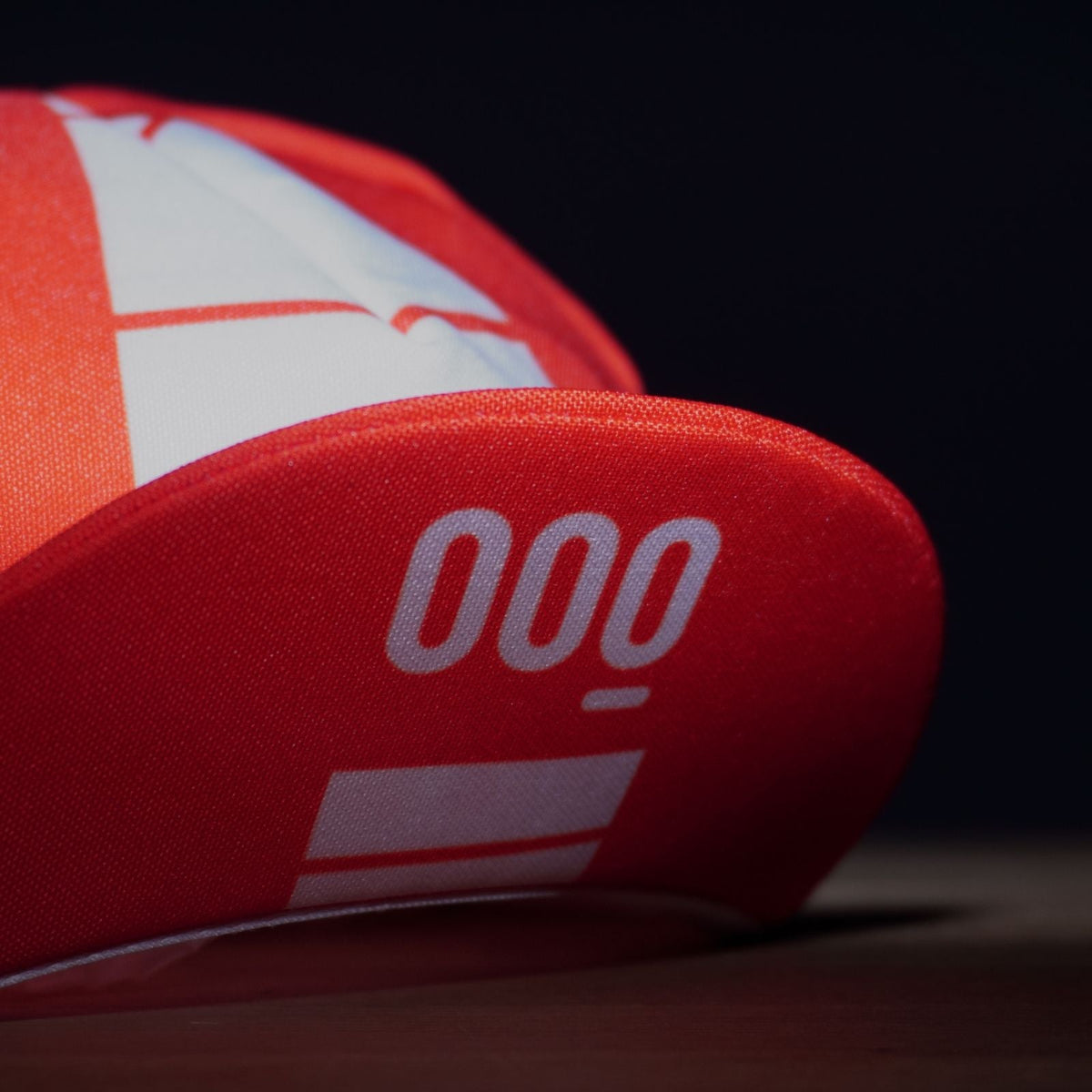
They are made of thin fabric and are washed practically like a technical garment. The FAST Corsa cycling cap is washed inside out, without bleach, without a dryer, and without an iron. Since it goes under the helmet and receives all the sweat from the forehead, it's worth washing it more frequently than an everyday cap.

How to remove sweat stains from the band
If the yellow mark is already set, normal washing isn't always enough. Make a paste with baking soda and a little water, spread it over the inner band, let it work for a while, and scrub with the brush before washing it as usual. For very old stains, you may need to repeat it. Test it first on an inconspicuous area if the cap is dark.
In any case, the most effective thing is not to let the stain get old. A cap you use for training appreciates a quick wash every few outings.
Frequently asked questions
Can you put a cap in the washing machine?
Only if the label allows it. In that case, delicate cycle in cold water, inside a laundry bag, and without a strong spin cycle. Structured caps and those with cardboard brims must always be washed by hand.
How do you dry a cap without it deforming?
By air, with the crown stuffed with a rolled-up towel or on a round object, in a ventilated area and away from heat sources. Never in the dryer or on the radiator.
What water do you wash a cap with?
With cold or lukewarm water at most. Hot water can shrink cotton, fade colors, and damage embroidery and logos.
How often should you wash a cap?
An everyday cap, when you see the band marked or it smells. A training or cycling cap, every few outings, because accumulated sweat stains and deteriorates the inner band.
Can you iron a cap?
It's not advisable. The heat of the iron damages raised embroidery, transferred logos, and reflective ones, and can deform the brim.
A well-cared-for cap lasts for years. If you want to see how ours are made inside, band included, you can take a look in the Oviedo store.







Leave a comment
This site is protected by hCaptcha and the hCaptcha Privacy Policy and Terms of Service apply.