





What is DWR treatment and how does it differ from a waterproof coating
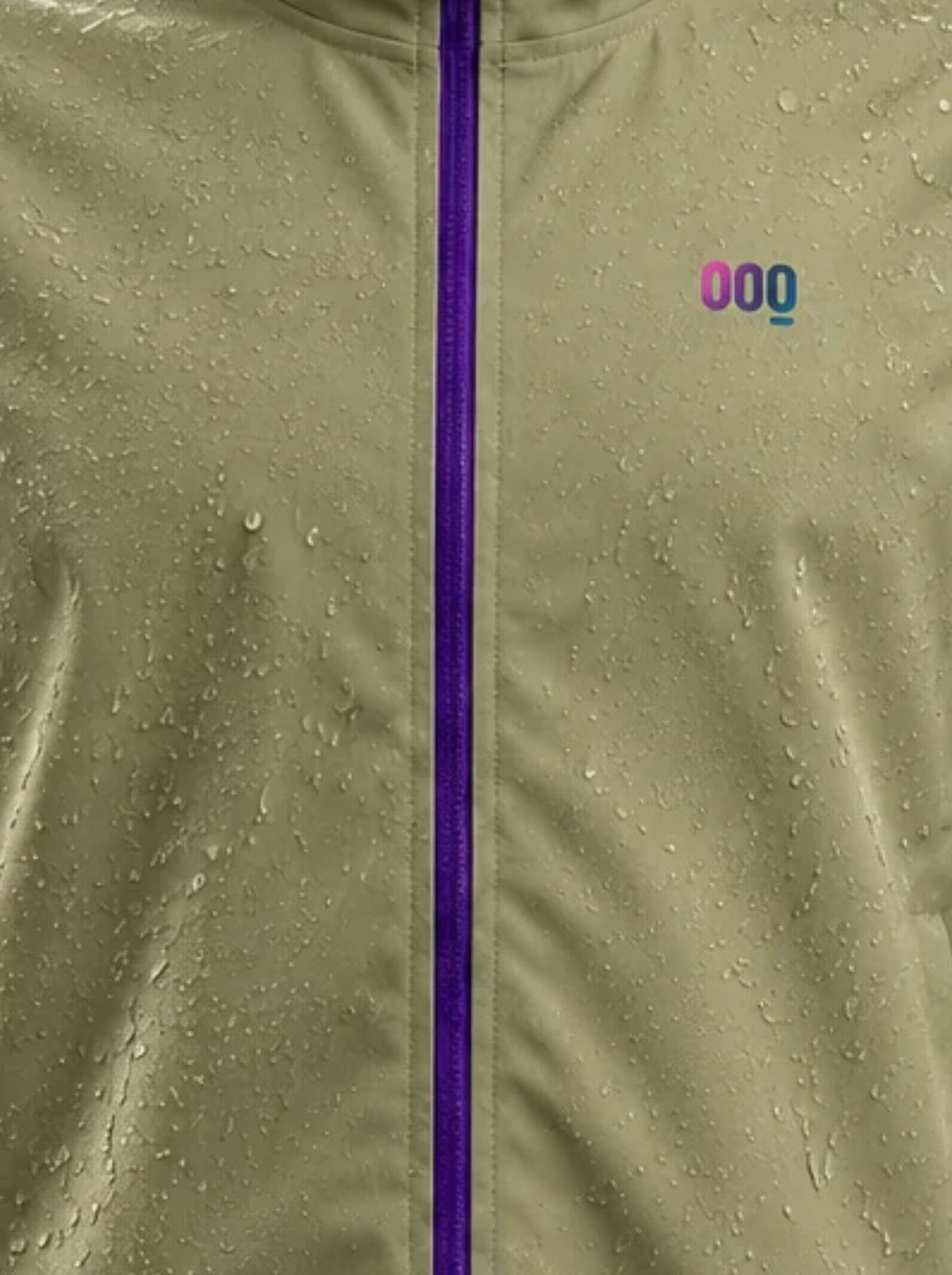
DWR (Durable Water Repellent) treatment is a finish applied to the outer face of the fabric so that water forms droplets and beads off instead of soaking in. It doesn't make a garment waterproof: it holds up to drizzle, mist and road spray, but will eventually soak through in continuous rain.
That difference, which may seem minor, determines whether you get home dry or shivering. And in the Atlantic winter, where water arrives more in the form of persistent dampness than downpours, it is worth understanding before choosing a layer.

What DWR does exactly
Untreated technical fabric absorbs water through capillary action: the droplet touches the fibre, spreads and soaks in. DWR reduces the surface tension of the fabric's outer face, so water cannot spread and remains in droplet form. With body movement and leaning, that droplet falls.
What matters is what happens next. A garment that does not soak through continues to weigh the same, continues to cut the wind and, above all, does not chill you. Water against the body steals heat much faster than air, and that is why a wet jersey on a long descent is the fastest way to lose feeling in your hands.
What DWR does not do
It does not seal seams, it does not include a membrane on its own and it does not resist prolonged water pressure. In heavy, constant rain, water eventually passes through the seams, through the areas of most friction or simply through fabric saturation. If someone sells you a garment "with DWR" as waterproof, they are selling you something else.

Water-repellent versus waterproof: the real difference
A waterproof garment blocks the passage of water over a sustained period. It usually combines an outer fabric, a membrane or coating and taped seams. In Europe there is a standard for classifying rain protection clothing, EN 343, replaced in 2025 by EN ISO 24232 with the same classes: it rates water penetration resistance from 1 to 4 and, separately, breathability from 1 to 4 (Fristads, EN 343 / EN ISO 24232 standard data sheet).
A water-repellent garment is not intended to achieve that. Its territory is another: drizzle, light showers, mountain mist, wet asphalt after the rain. In return, it preserves almost all of the fabric's breathability, which is exactly what you lose with a closed rain jacket when climbing a mountain pass at pace.
- Water-repellent (DWR): drizzle, mist, road spray, outings with a risk of short showers. Breathes well. Lightweight.
- Membrane waterproof: hours of continuous rain, days of bad weather. Protects more, breathes less and is bulkier.
For most winter outings in Asturias, where water arrives more in the form of dampness than downpours, a well-chosen repellent layer solves more days than a waterproof jacket that you end up carrying in your pocket.
What water column millimetres mean
When a garment has a membrane, its water resistance is expressed in millimetres. You will see figures like 5,000, 8,000 or 20,000 millimetres and almost no one explains what they are.
It is a laboratory test, the ISO 811 standard. A tube is placed over the fabric and filled with water until the pressure causes the first droplet to pass through. The height of that column, in millimetres, is the figure. So 8,000 millimetres means eight metres of water resting on the fabric before it penetrates.
Three things are worth having clear. The first is that it measures pressure, not the amount of rain or hours of resistance. The second is that rain, no matter how hard it falls, never exerts that pressure on its own: what increases it is placing something on top, the straps of a backpack, kneeling or sitting on the wet fabric. And the third is the scale:
- Up to 5,000 mm: basic protection, short showers.
- From 6,000 to 10,000 mm: moderate rain with confidence.
- From 11,000 to 15,000 mm: heavy rain.
- More than 20,000 mm: extreme mountain conditions.
From about 2,500 millimetres, a fabric is already considered waterproof in the laboratory. But beware the jump from there to the finished garment: a waterproof fabric with unsealed seams does not make a waterproof garment. Water enters through the needle holes even if the fabric does not let a single drop through. That is why an honest data sheet distinguishes between what the fabric does and what the garment does.
Where DWR makes sense in your kit
In the gilet
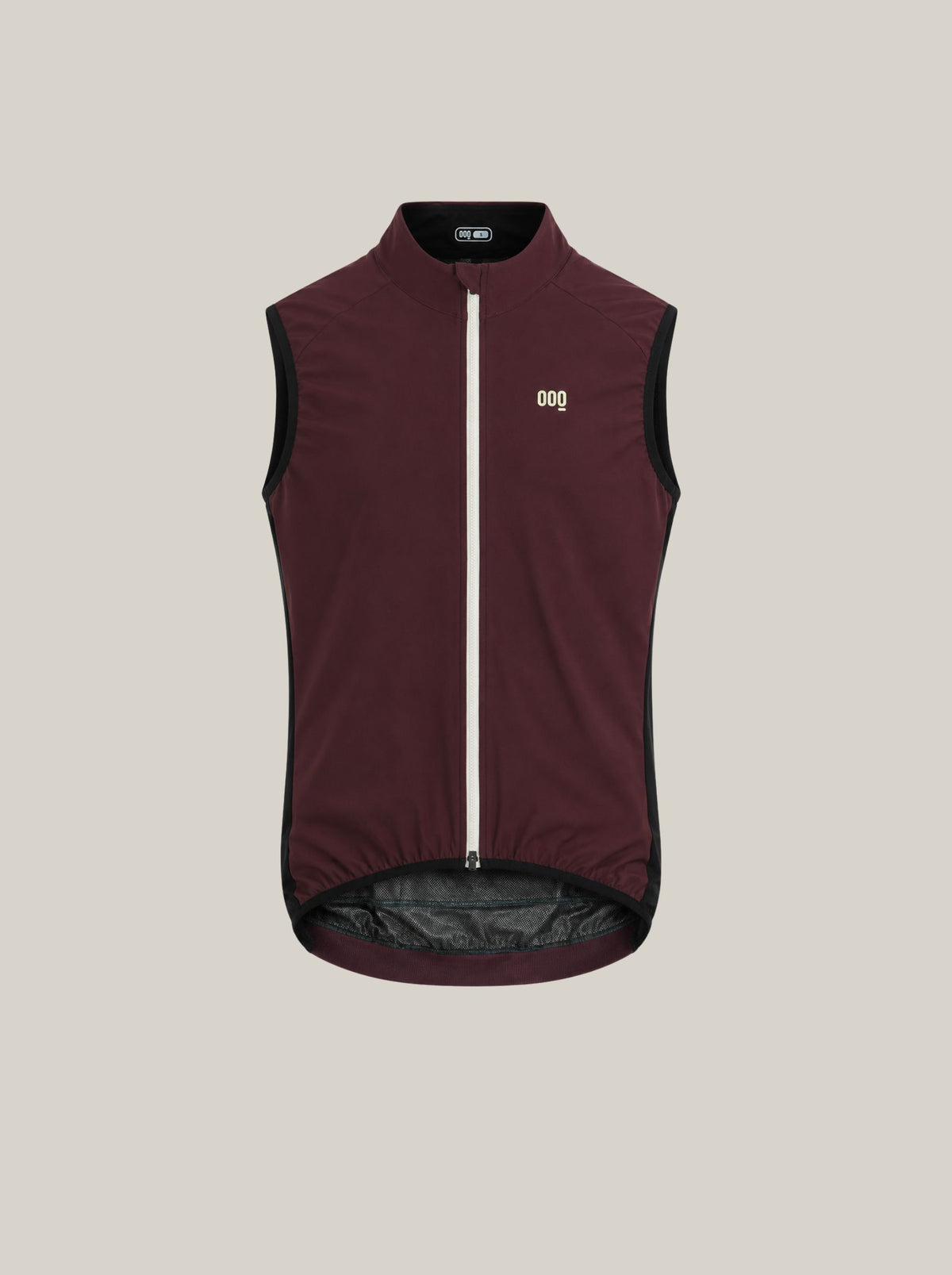
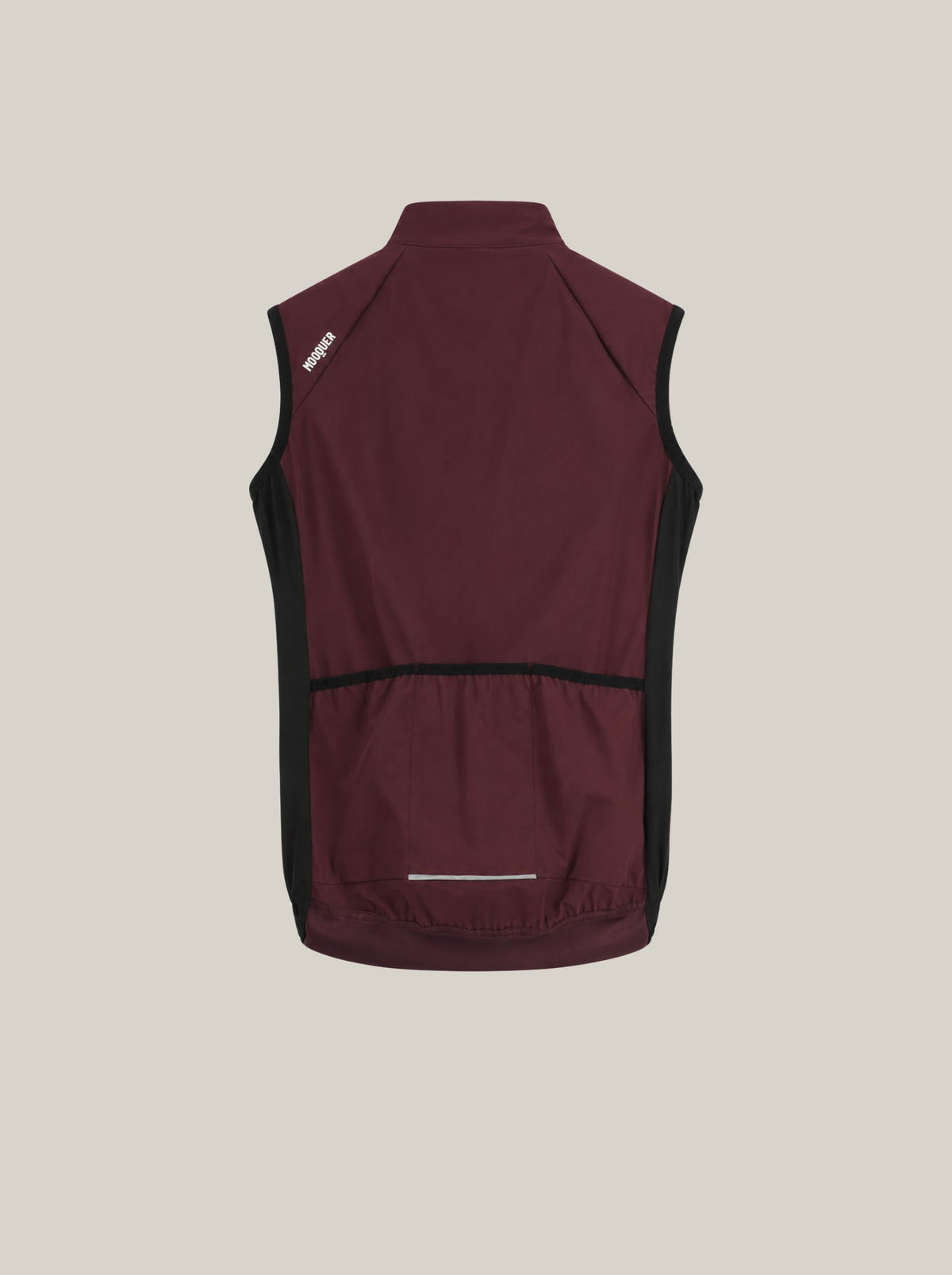
The gilet is the layer where DWR performs best. It cuts the frontal wind, stops drizzle and stores in a pocket. Our windproof gilet with DWR finish weighs 48 grams in size L, has an elastic mesh back so that heat escapes from behind while the front protects you, and an automatic locking zipper that does not come undone in a sprint or on a descent. It is made in Portugal.
If you are interested in seeing how it behaves in hand, Borja explains it in the video "The gilet you didn't want... until it weighs 48 grams".
In the windbreaker
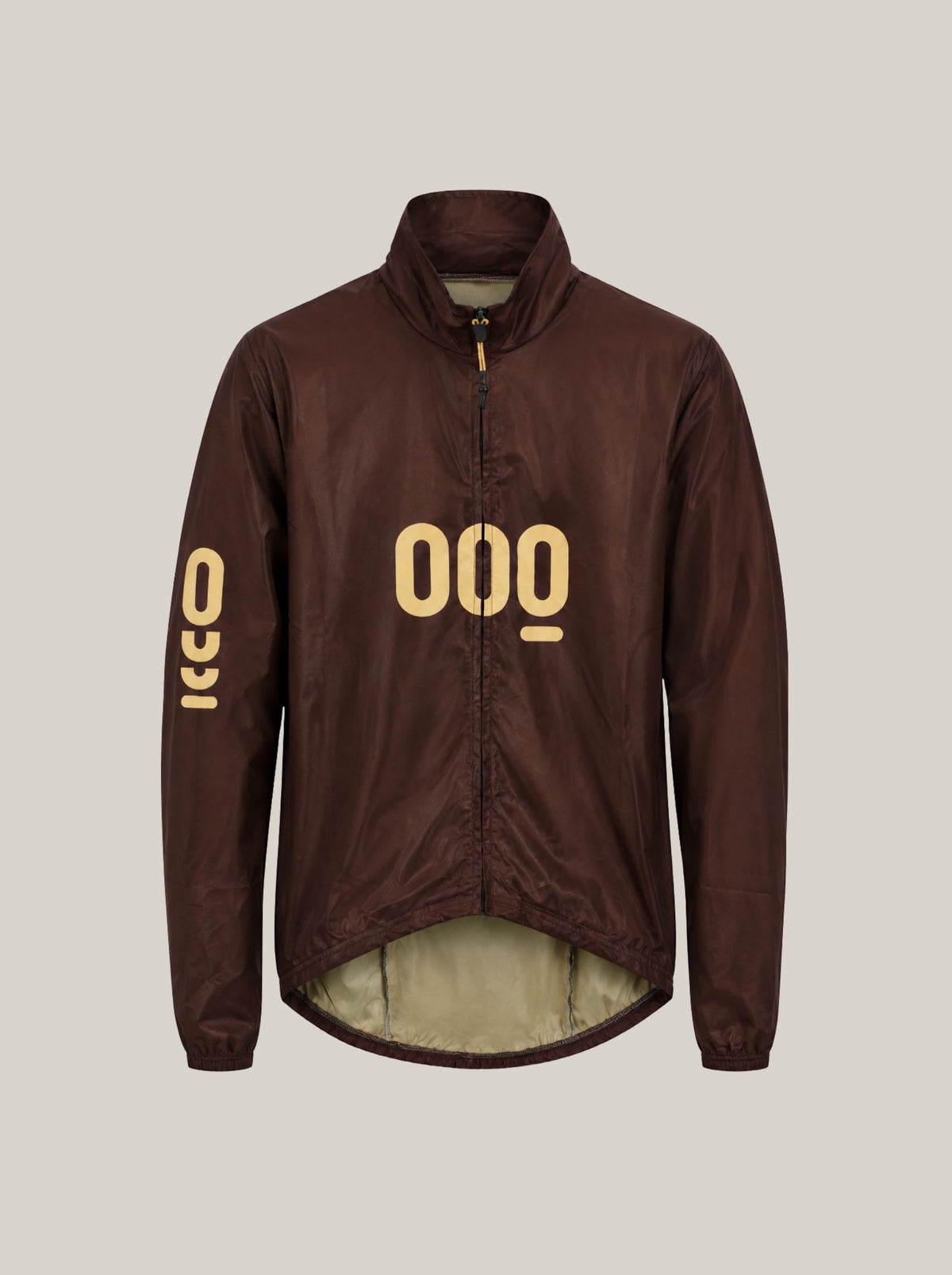
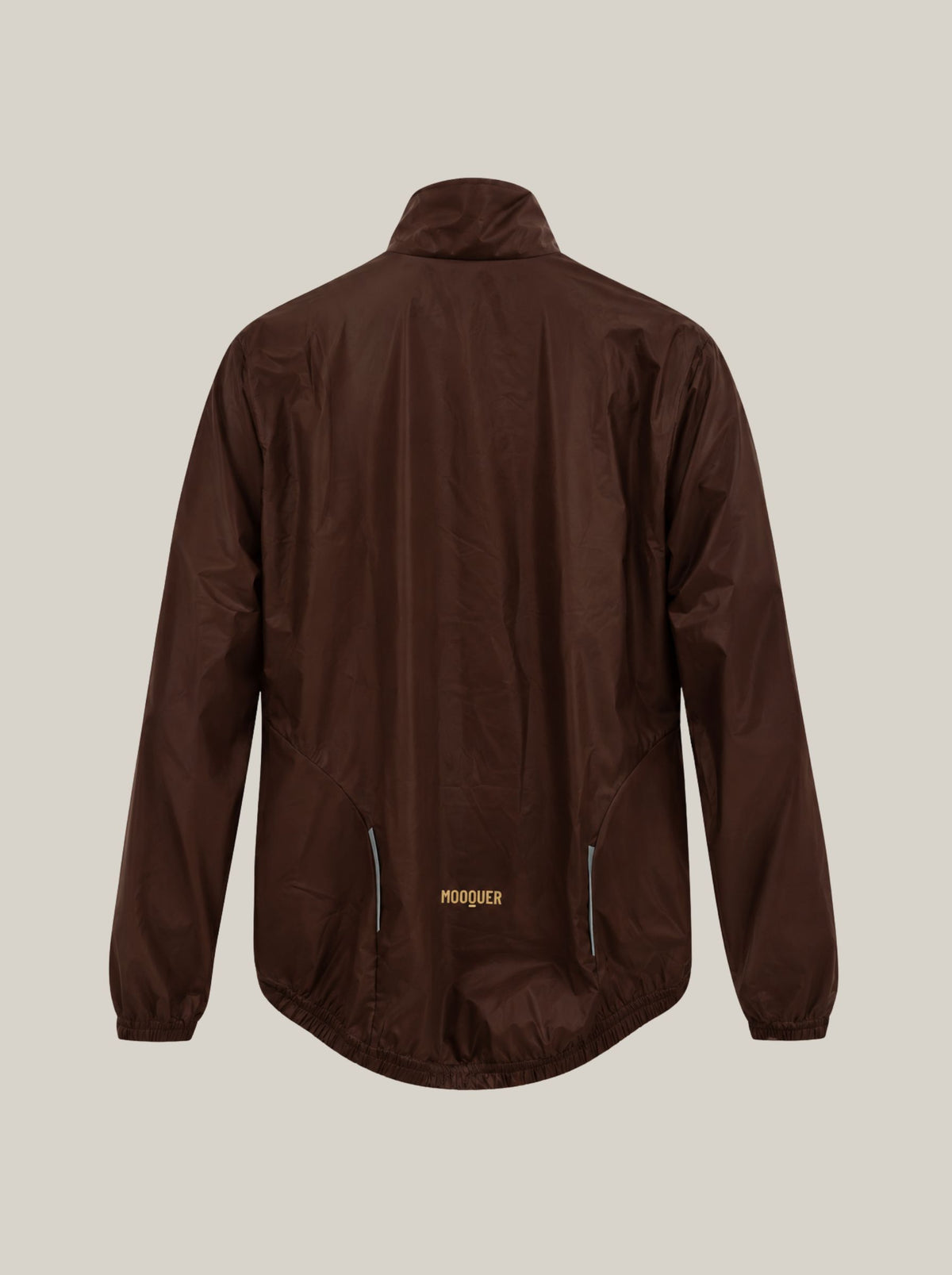
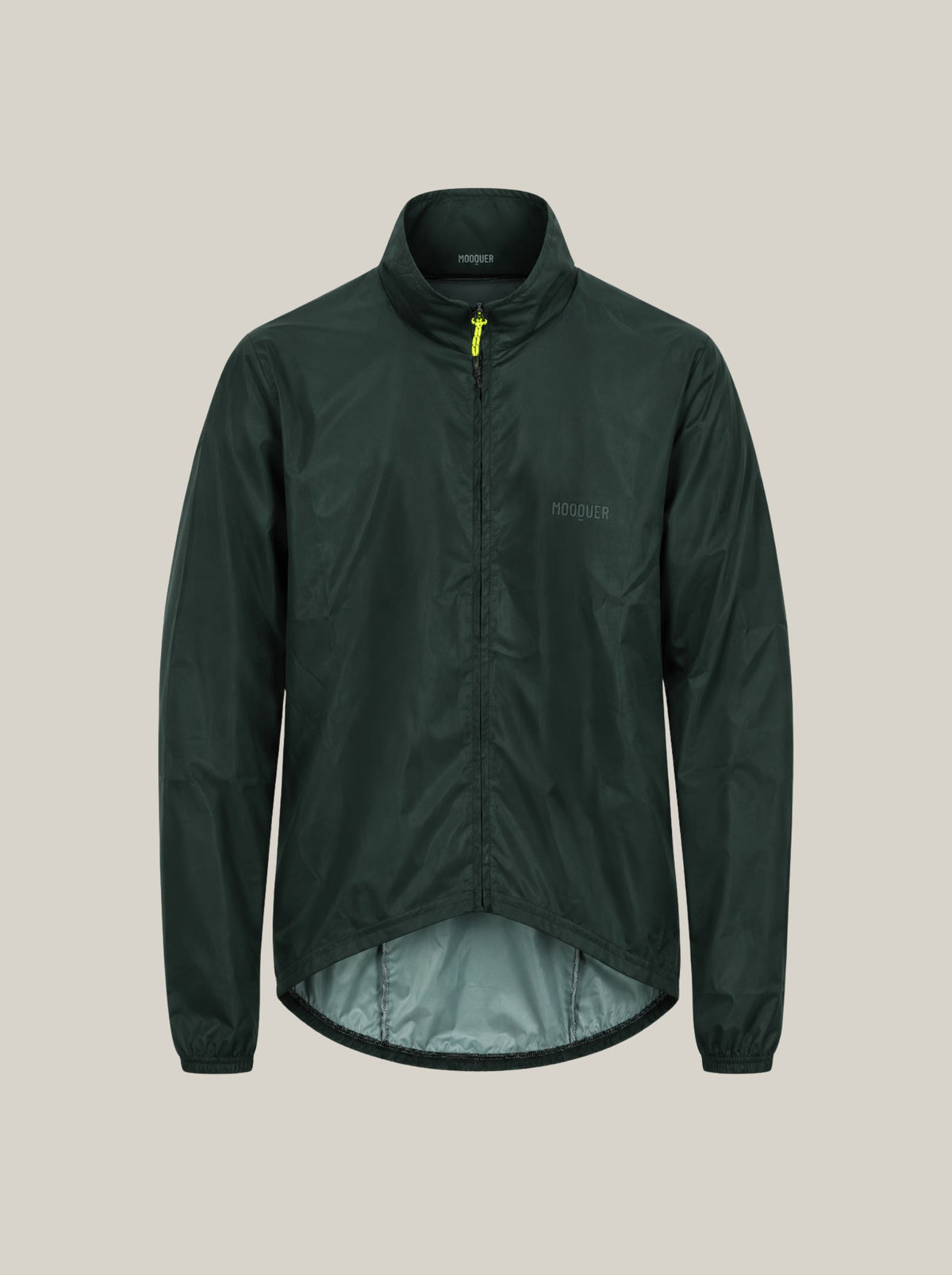
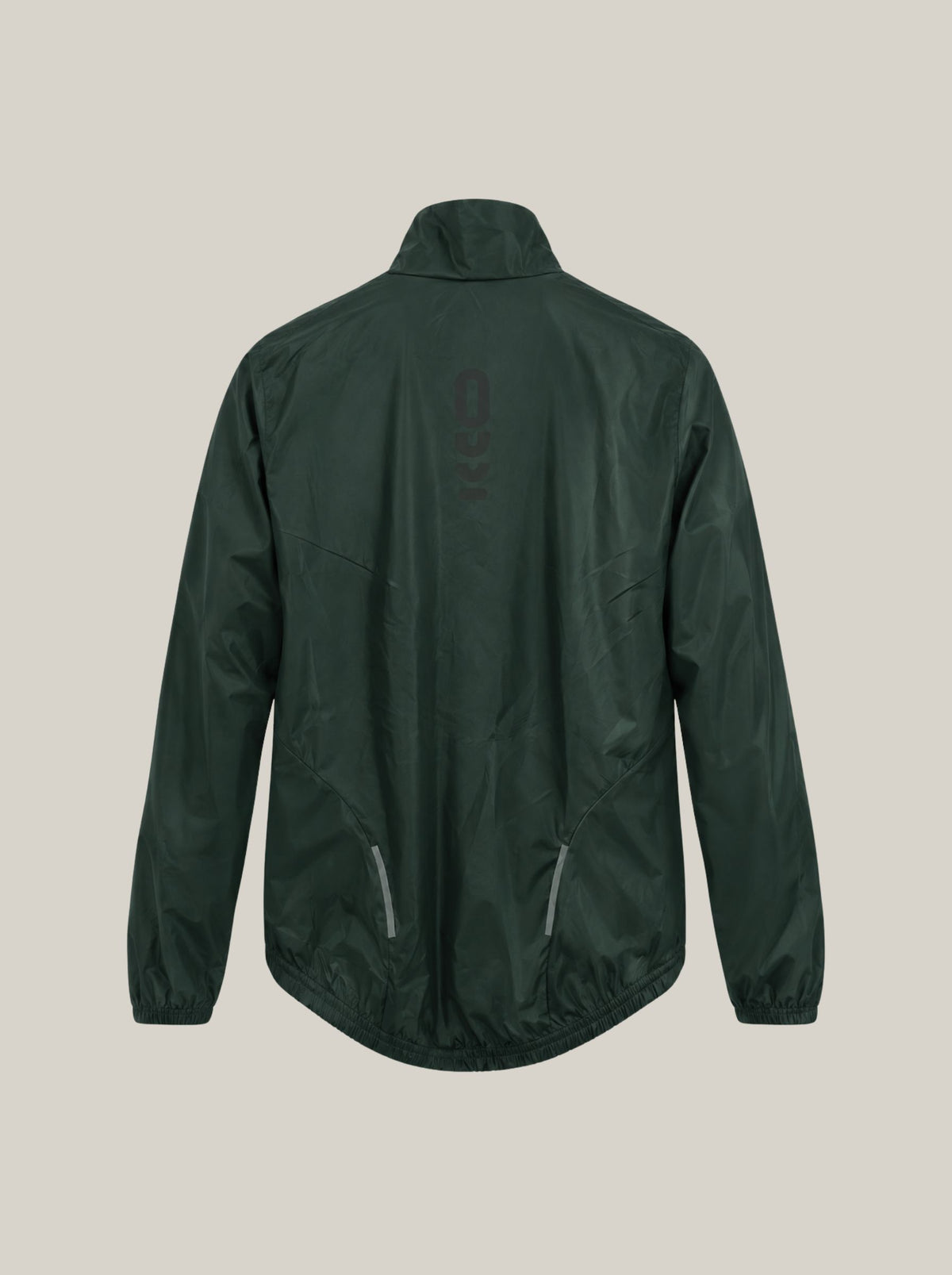
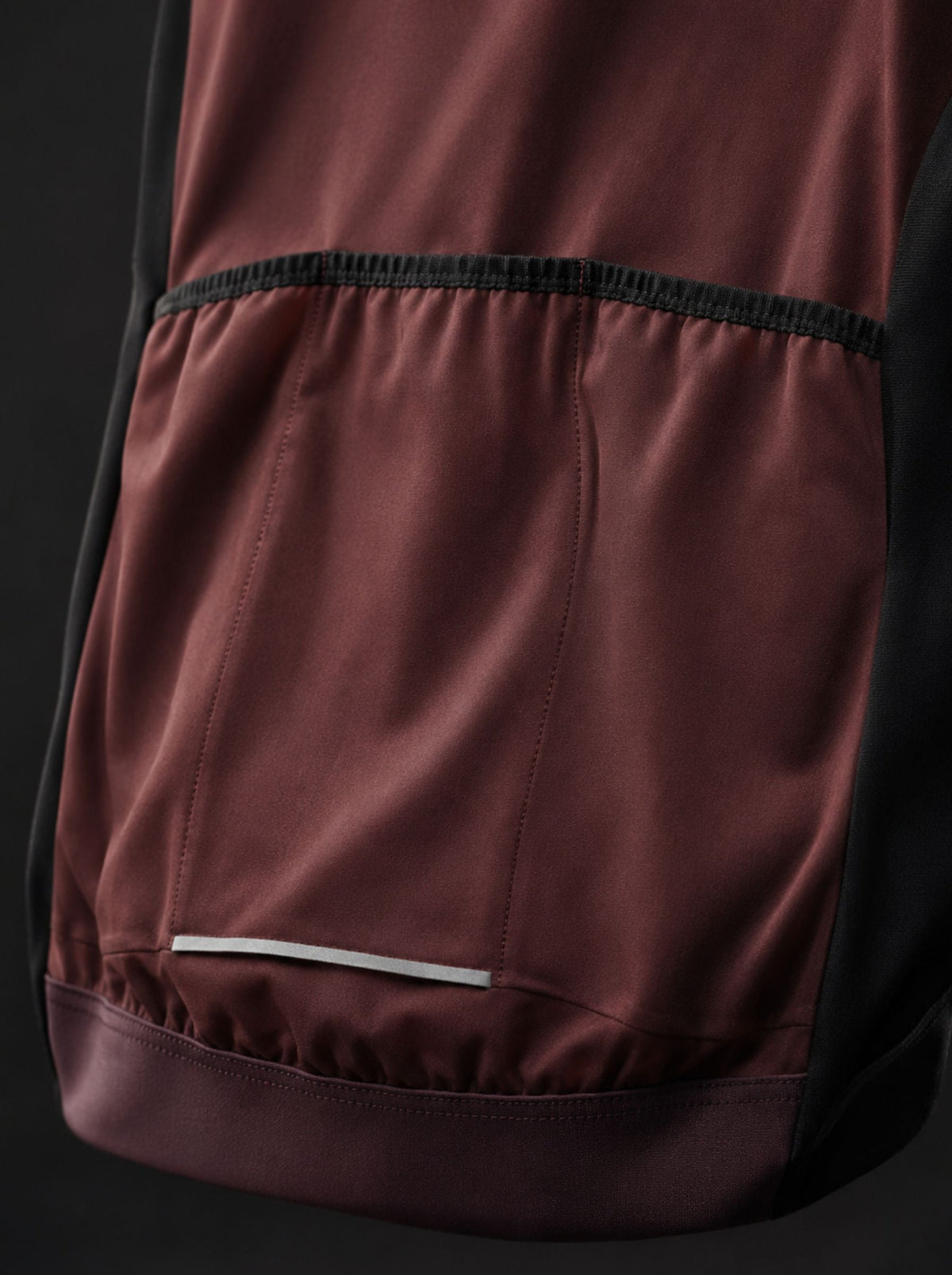
It is the gilet with sleeves, and it solves the day when the wind comes from the front. Water-repellent fabric that lets drizzle slide off, a long back tail folded up to fit in a jersey pocket, which is the only condition for such a garment to truly go with you. We have it in Mist grey and in Heather burgundy, and it works just as well for cycling as for running.
In the thermal jacket
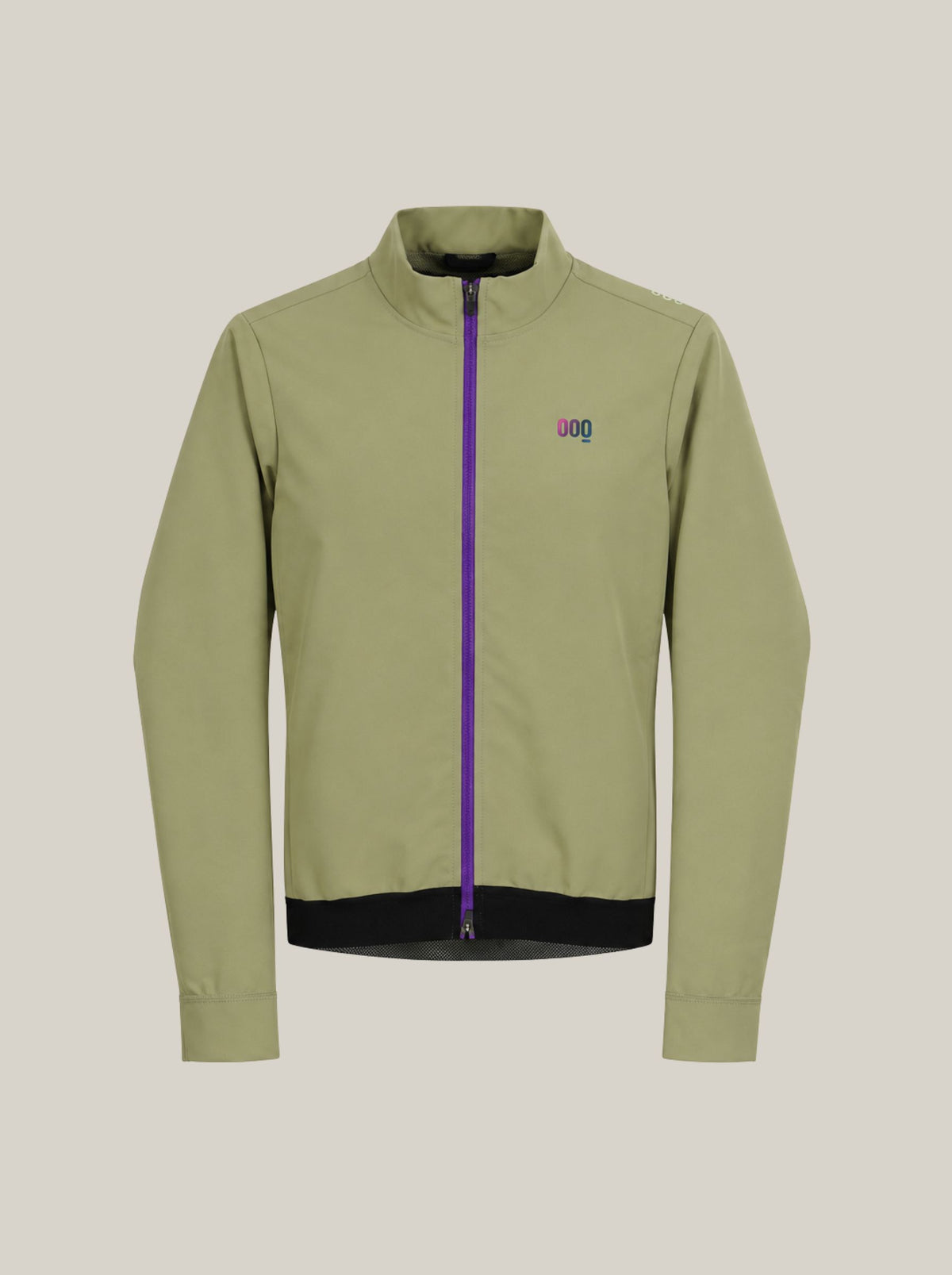
In a thermal jacket, DWR adds a second function: that the fleecy fabric does not soak up water. The NFT Corsa thermal jacket is designed for riding between 0 and 10 degrees, with a fleecy interior that retains a layer of warm air, DWR treatment for light rain and laser-cut cuffs so that the long glove seals over them.

And when DWR is not enough: the membrane
When cold is added to sustained water, the repellent finish falls short and a membrane is needed. The Haven Signature lightweight jacket features Italian Tornado WR fabric with ZeroWind membrane and 8,000 millimetres of water column, in a range of 2 to 15 degrees. Its seams are not taped, and it is intentional: it is made for riding hard in the rain, not for waiting for it to clear up.
In the gloves
The hands are the first to complain. The Blurry winter gloves combine a windproof membrane, fleece lining and water-repellent treatment. They are not a neoprene glove or intended to be: they are designed for the Atlantic winter, which almost always moves between 0 and 10 degrees, and so that you continue to feel the brake levers.

Why DWR "wears out" and how to care for it
The word "durable" is relative. The finish loses effectiveness with friction (backpack, hydration belt, loaded back pockets), with dirt and with washing. You will notice it because the water stops beading and the fabric darkens when wet: it is what they call wetting out in English.
Three habits extend its useful life:
- Wash the garment when it is dirty. Chain grease and sweat salt cover the finish more than washing itself.
- Avoid fabric softener: it leaves a film on the fibre that works exactly against repellency, and in a garment with a membrane it also removes breathability.
- Respect the care label of each garment. Some finishes are reactivated with gentle heat, but in cycling clothing with elastics and silicones the label always rules.
When the finish no longer responds, there are waterproofing sprays or for the washing machine. Apply the one indicated by the fabric manufacturer and over the clean garment.
DWR and chemistry: what has changed
For years, the most effective repellent finishes were based on perfluorinated compounds (PFAS, the so-called "forever chemicals" because of how long they take to degrade). Regulation is closing that door. In the European Union, Regulation (EU) 2024/2462 restricts PFHxA and its related substances in consumer clothing and footwear textiles from October 10, 2026, and France prohibits PFAS in consumer clothing and footwear from January 1, 2026, with thresholds and exceptions (Beveridge & Diamond, summary of the PFAS textile regulations).
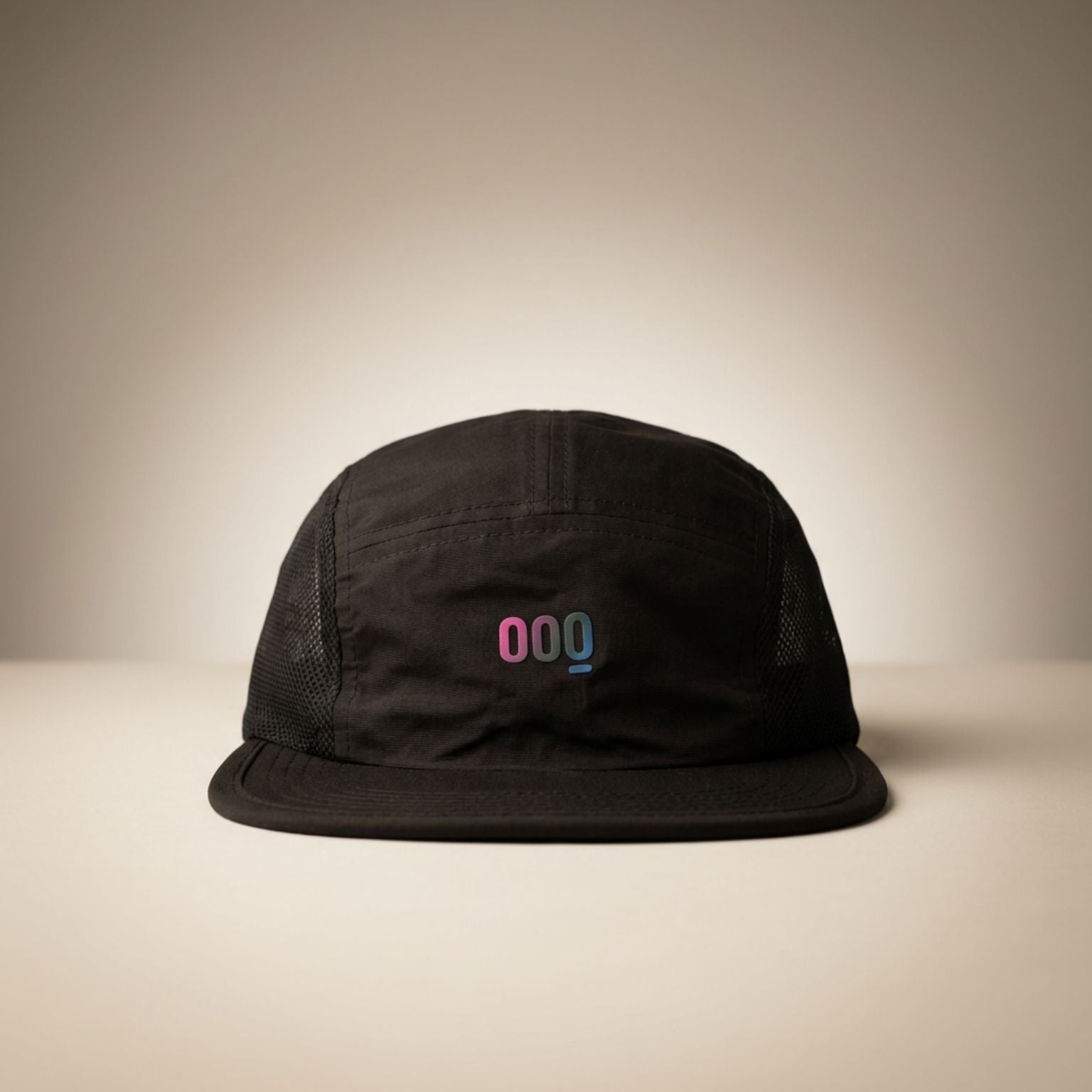
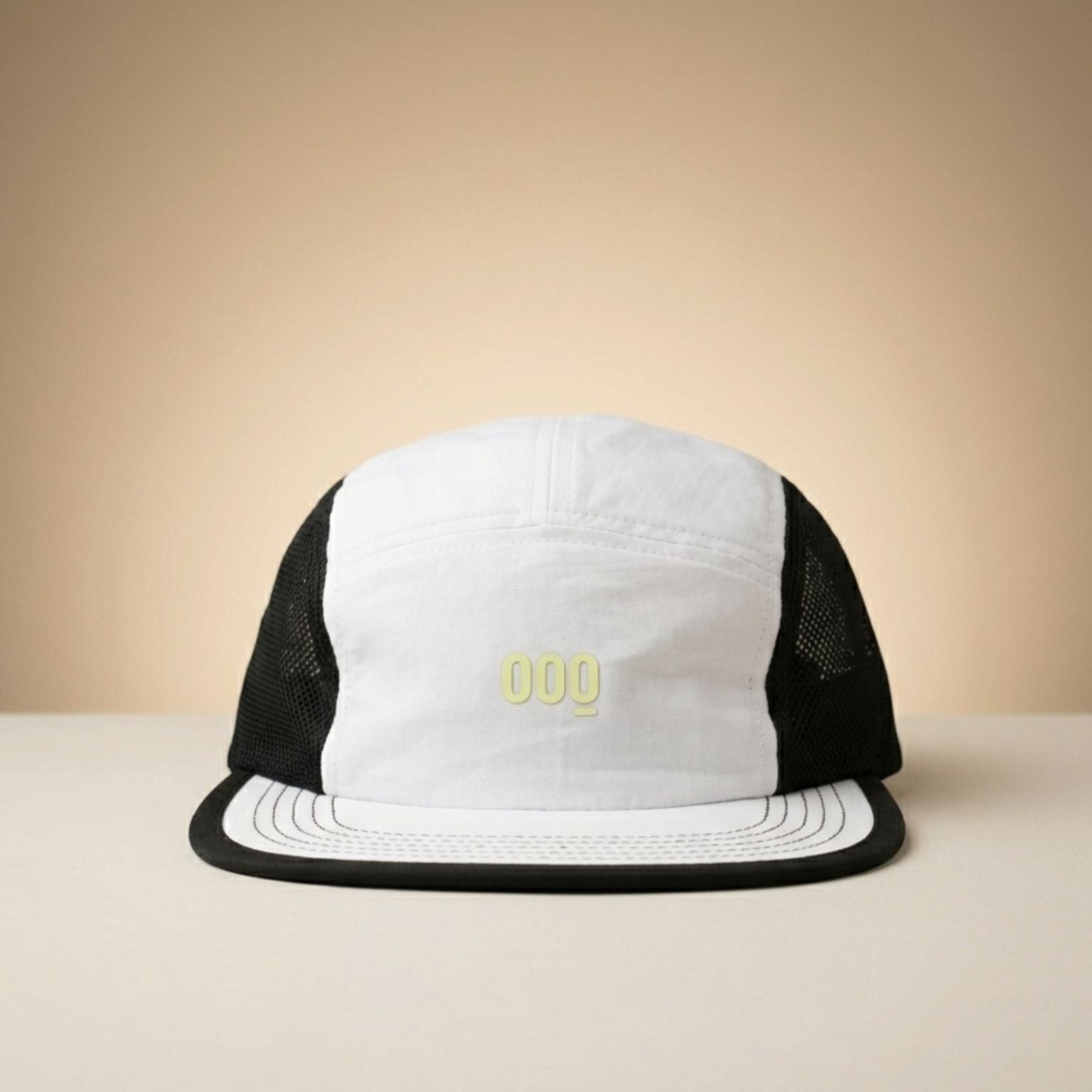
In practice, the industry is migrating to fluorine-free (PFC-free) finishes. They repel water well, although they usually resist grease worse and need a bit more maintenance. Our Lime Fade trail cap, for example, uses recycled nylon with a PFC-free water-repellent treatment.
How to choose according to your ride
Look at the morning forecast and think about the worst hour of the route, not the first. If the risk is drizzle or wet road, a repellent layer over the thermal is enough and you will not overheat climbing. If the forecast gives continuous rain all morning, you need a membrane. For fine-tuning the layers by temperature you have our guide on how to dress on the bike according to the temperature.
Frequently asked questions
What does DWR mean in clothing?
It stands for Durable Water Repellent. It is a finish on the outer face of the fabric that makes water form droplets and bead off. It protects from drizzle and splashes, but it does not make the garment waterproof.
Is a garment with DWR waterproof?
No. It resists light rain and splashes for a while, but with continuous rain water eventually enters through the seams and areas of friction. A waterproof garment needs a membrane or coating and taped seams.
What do 8,000 mm of water column mean?
That the fabric withstands a column of eight metres of water before the first droplet penetrates, according to the ISO 811 test. It is a measure of pressure, not the amount of rain. Between 6,000 and 10,000 millimetres are garments prepared for sustained moderate rain.
How long does the DWR treatment last?
It depends on use, friction and washing. It loses effectiveness gradually: when the water stops beading and the fabric darkens when wet, it is time to clean it well and, if it does not respond, reapply a waterproofing agent.
What is best for the bike in winter, gilet, windbreaker or jacket with membrane?
For drizzle, mist and wet road, the repellent gilet if only the frontal wind bothers you, and the windbreaker if you want to cover your arms too. For cold with sustained rain, a jacket with a membrane. And for dry and intense cold, a thermal jacket, which is something else entirely.
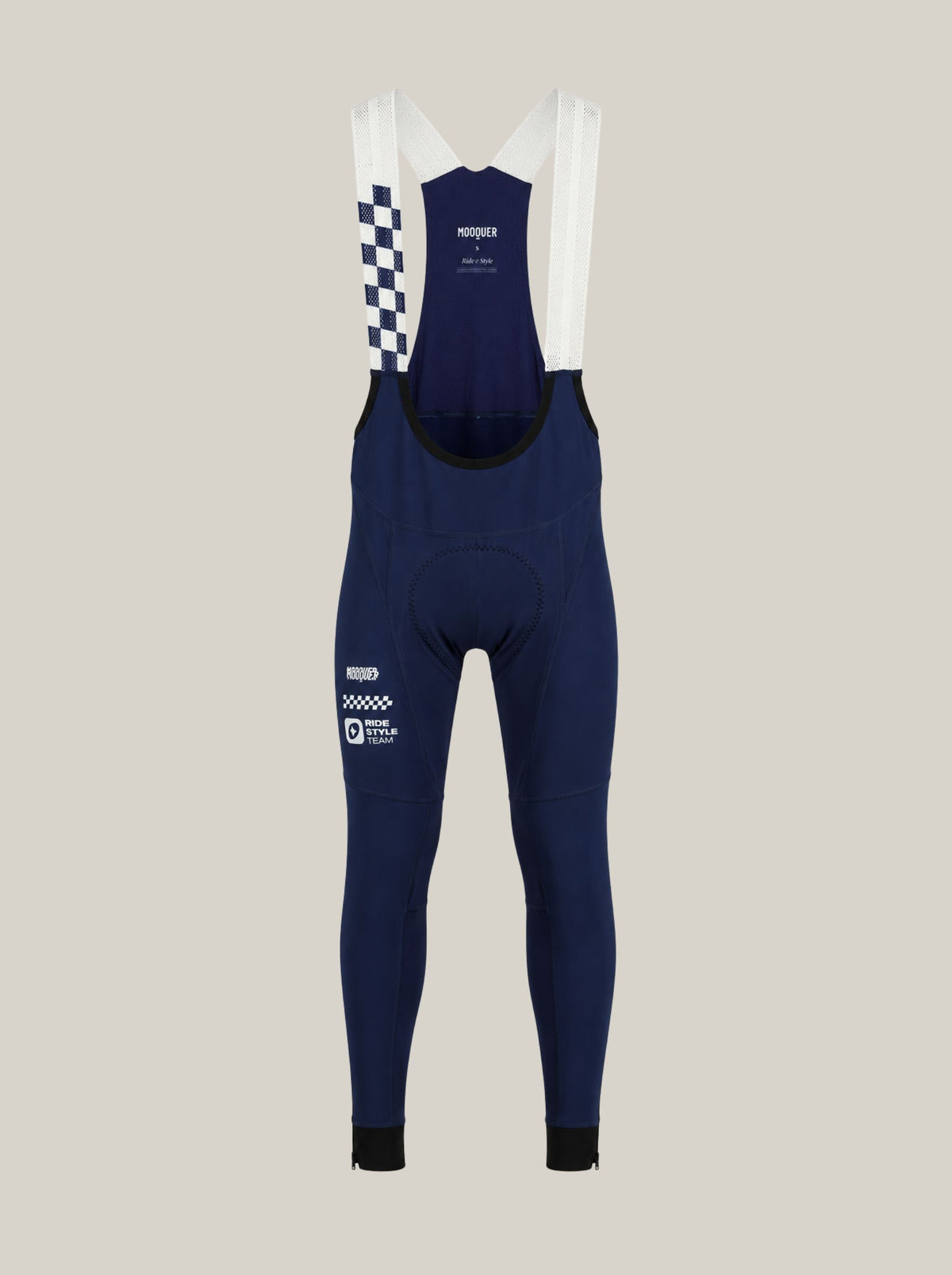
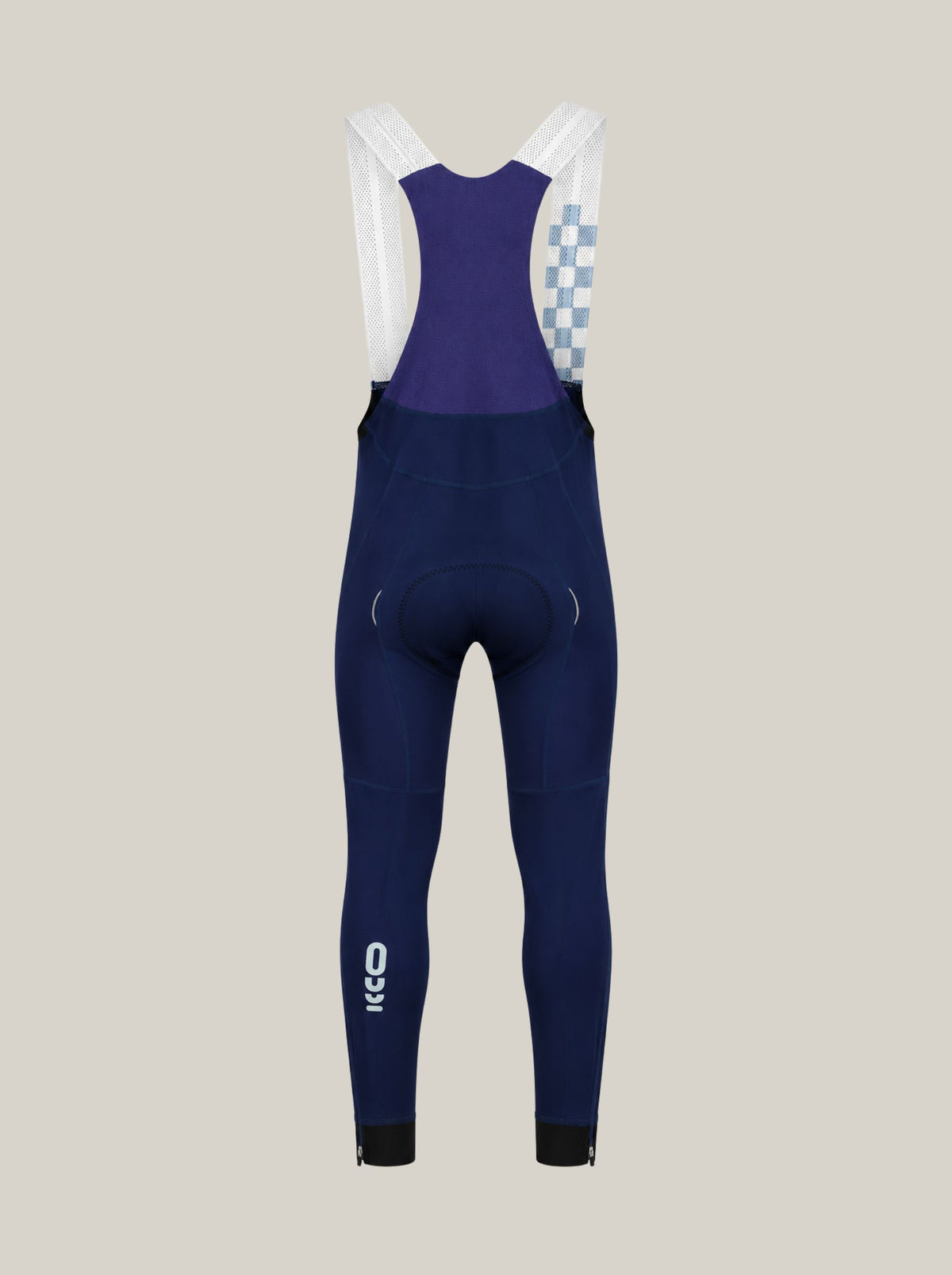
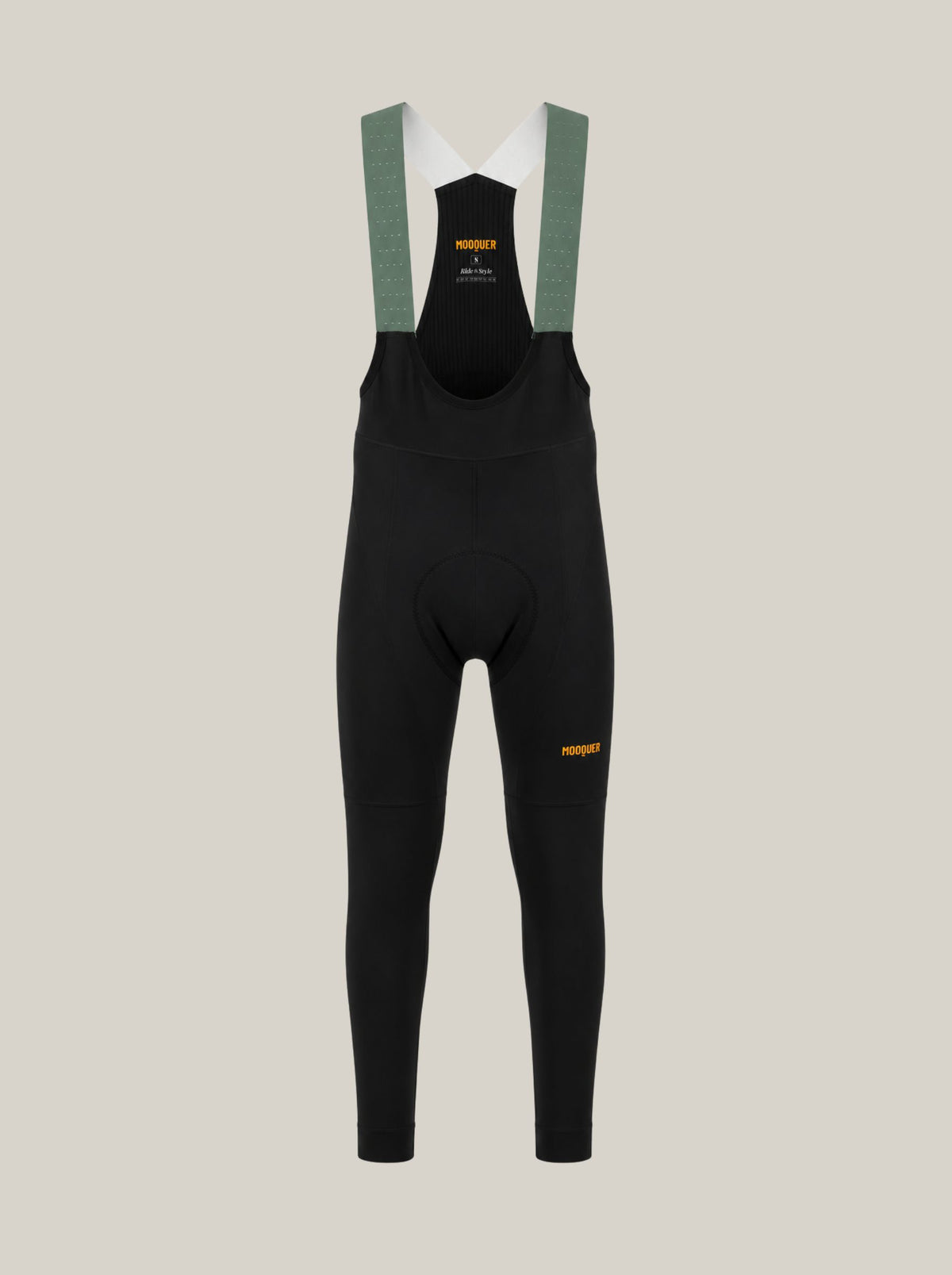
If you want to see them up close, in the Oviedo store we have the gilet, the windbreakers, the jackets and the gloves so that you can check the feel before deciding.








Leave a comment
This site is protected by hCaptcha and the hCaptcha Privacy Policy and Terms of Service apply.