




What to wear when cycling based on temperature
Short rule: dress for mile ten, not for mile one. If you leave home comfortable, you'll get hot as soon as the first climb begins. If you leave feeling a bit chilly, you'll be at your ideal temperature in ten minutes.
It's the mistake we see most often in the shop, and one that many people make for years. Here's a section-by-section guide, and at the end, the three most common mistakes.

The chart, section by section
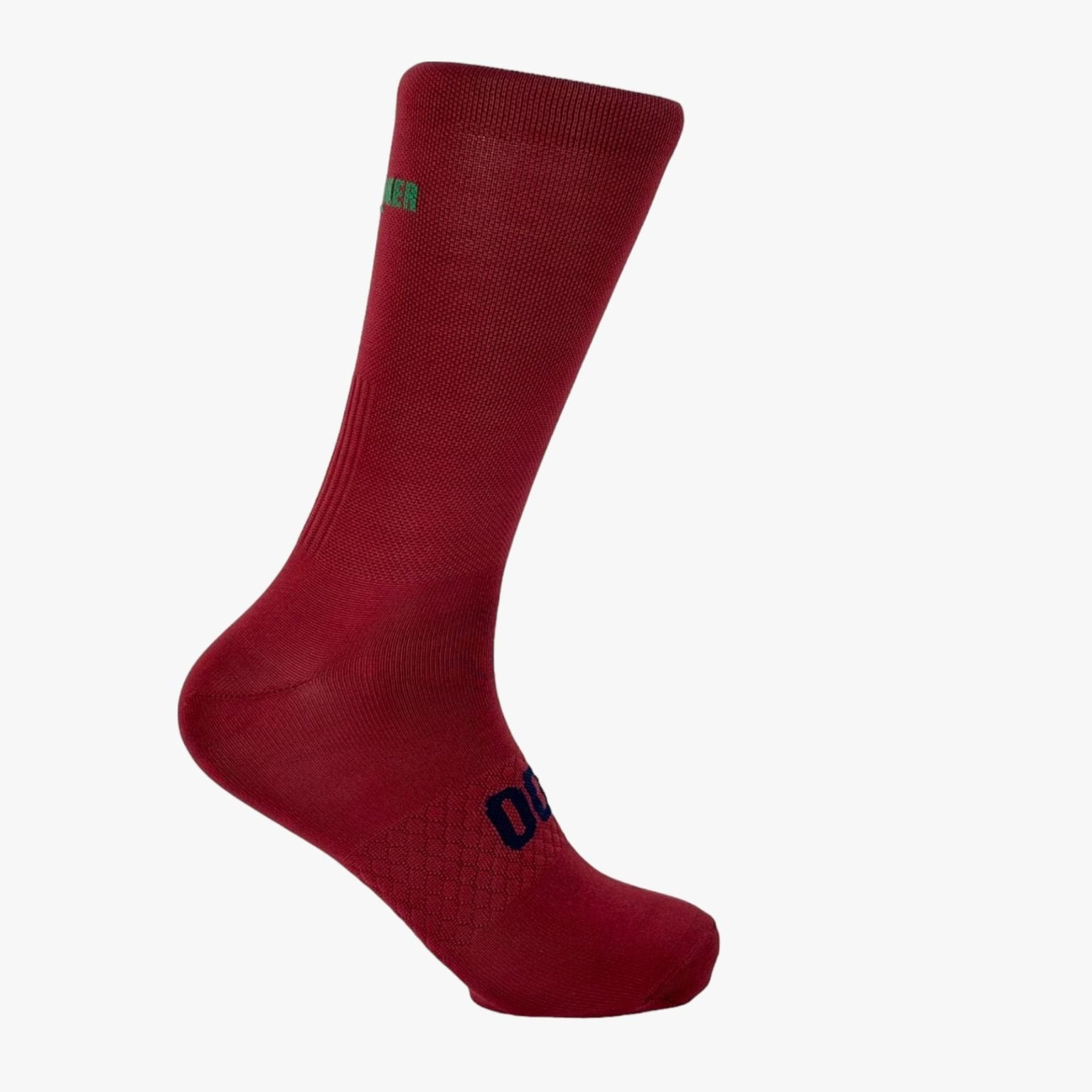
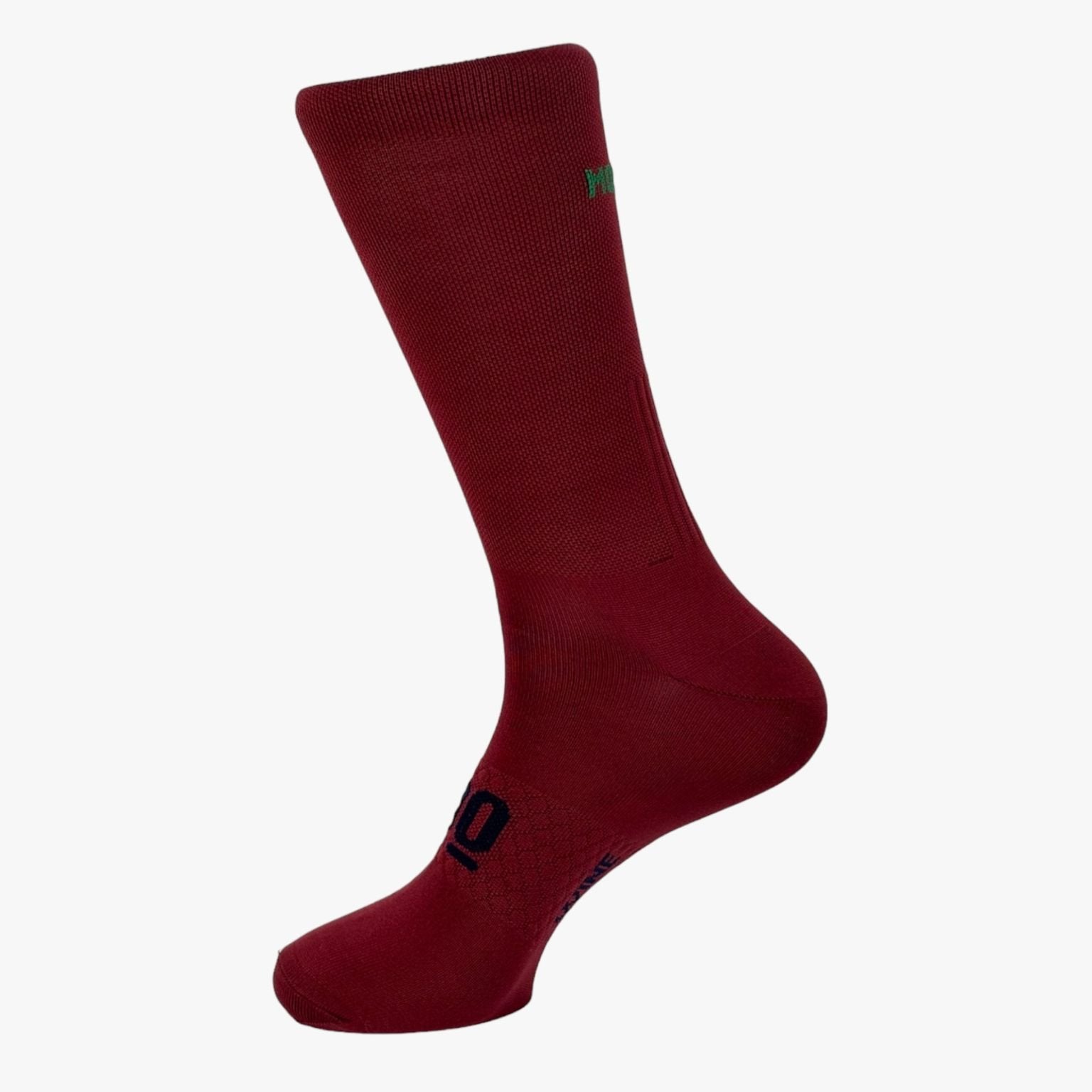
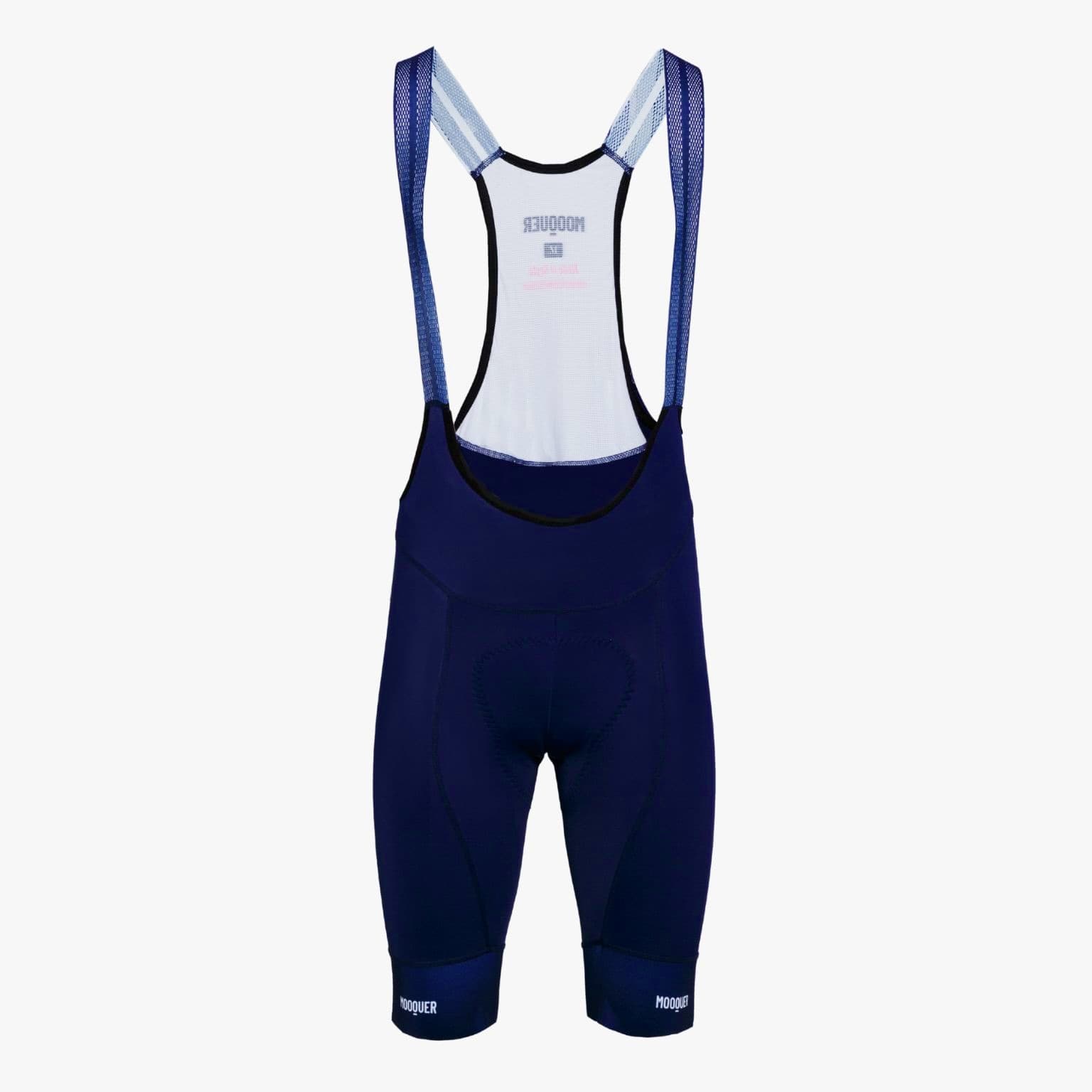
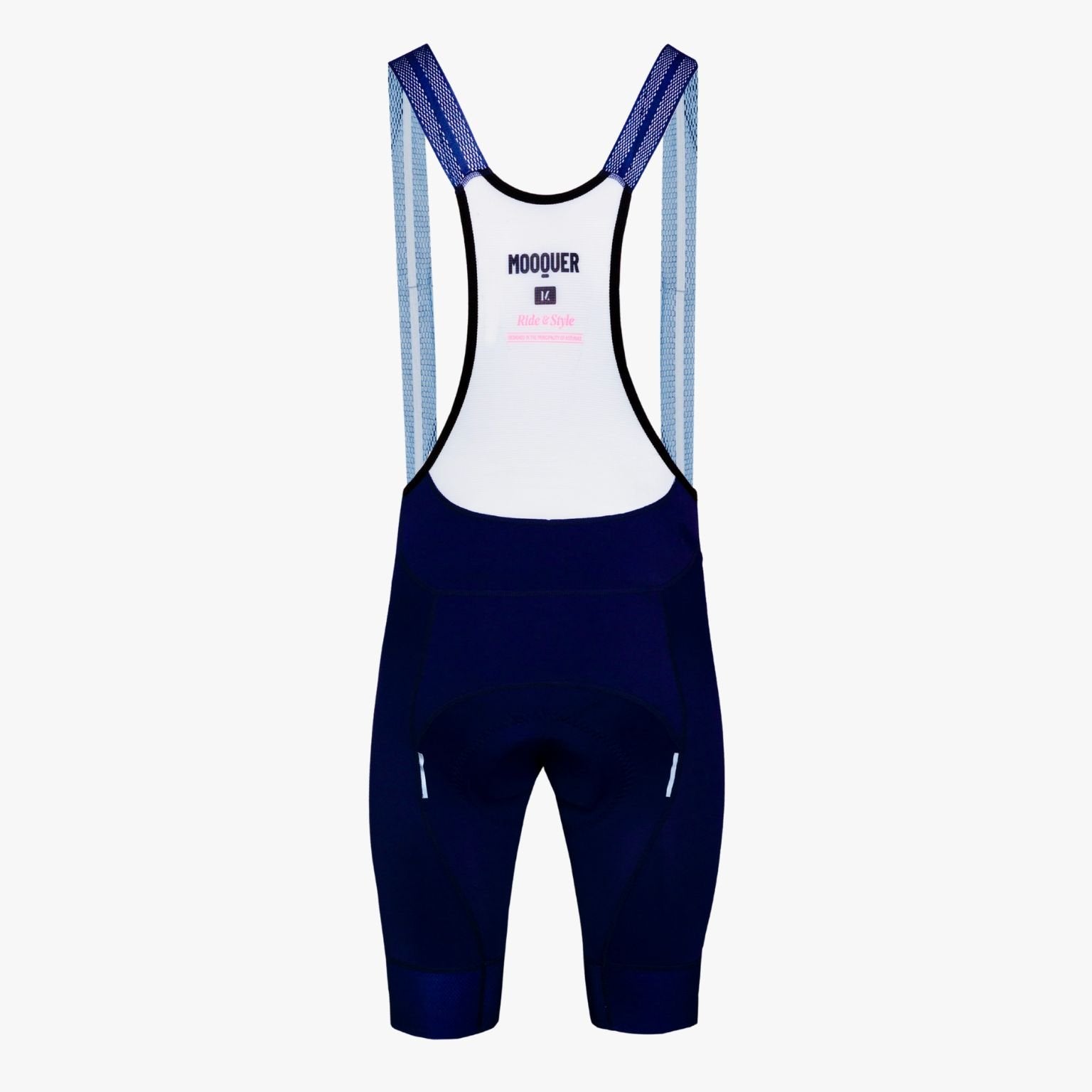
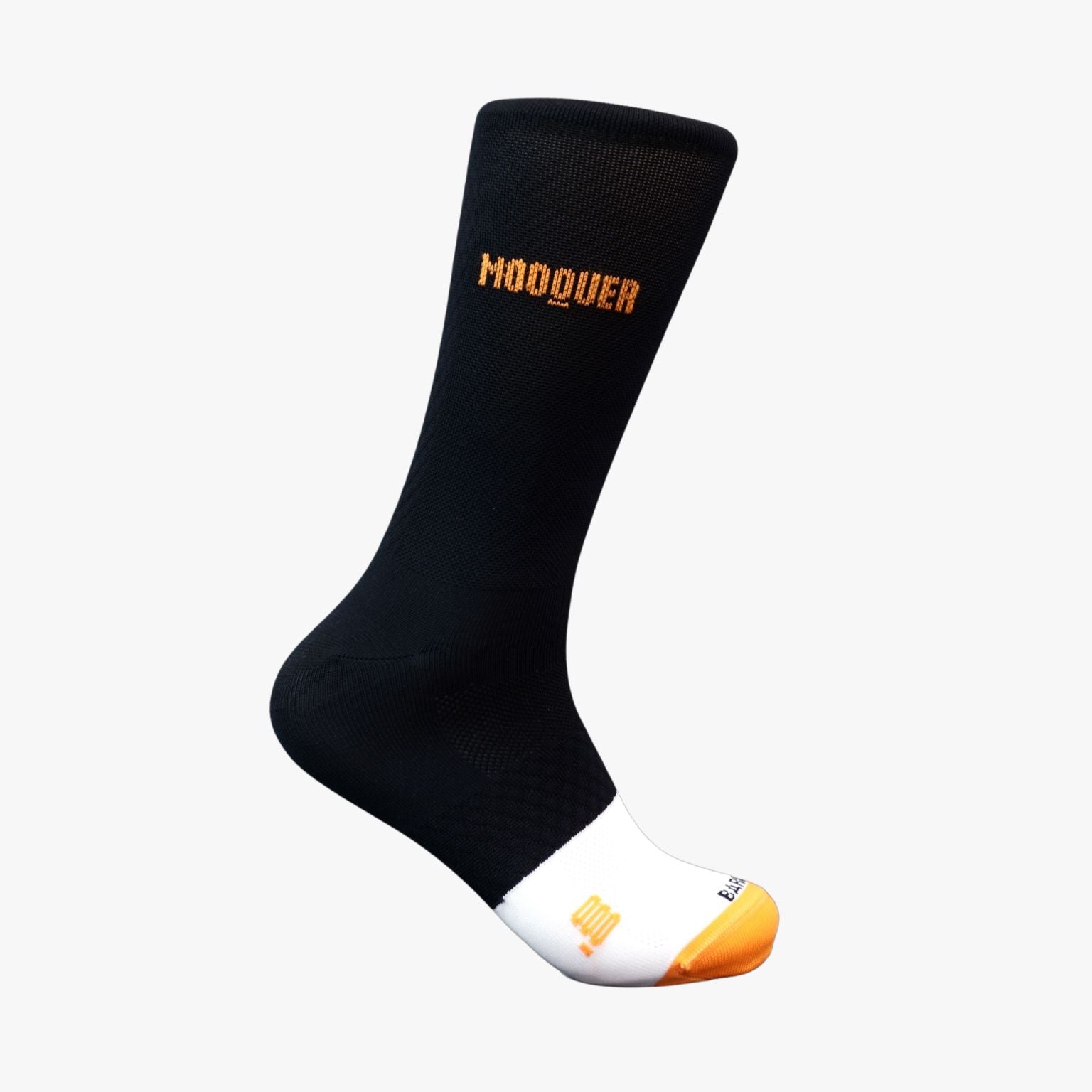
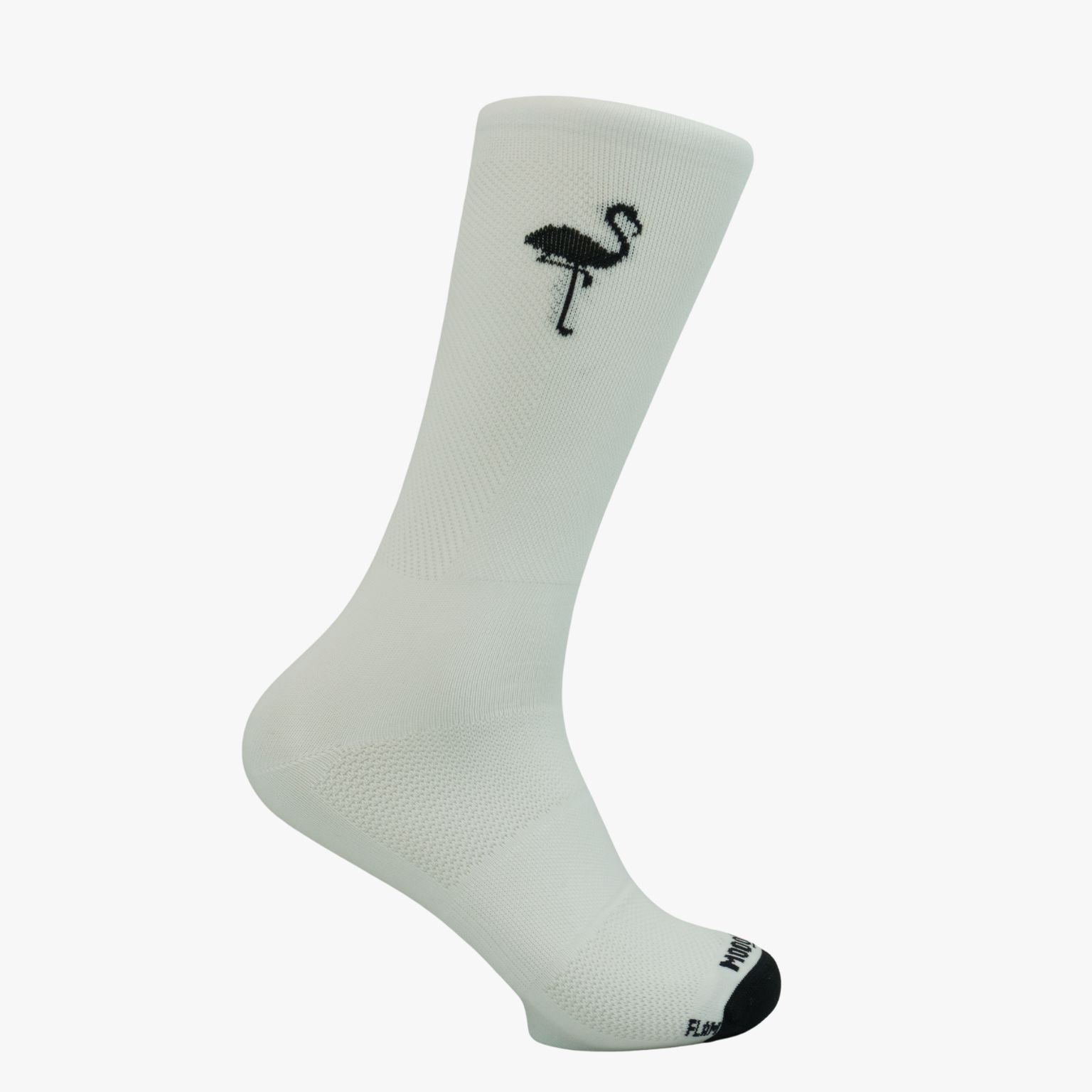
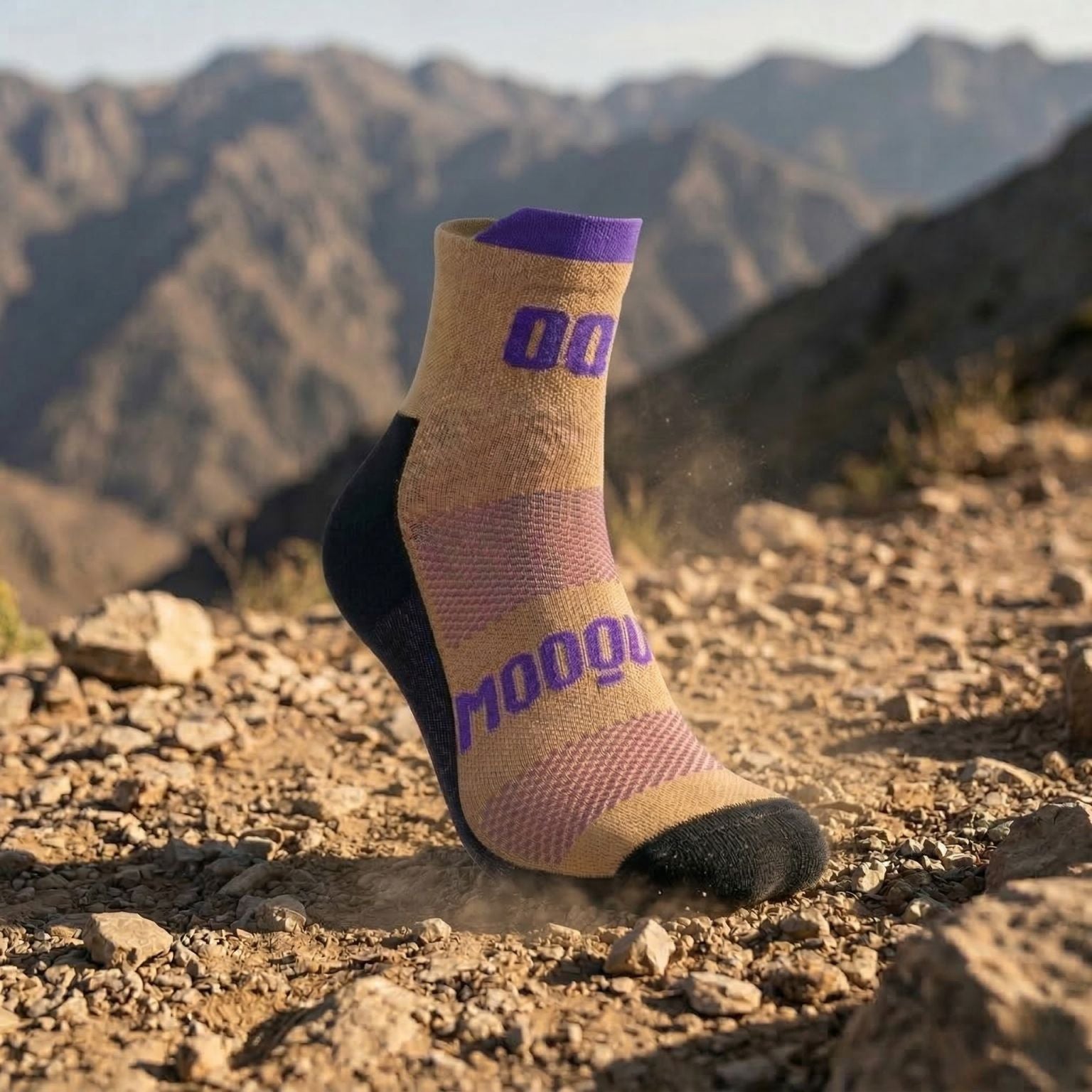
- Above 25 °C. Short-sleeve jersey, short bib shorts and thin summer socks. If you sweat a lot, a sleeveless mesh base layer: it seems counterintuitive to add a layer in the heat, but it keeps the jersey off your skin and dries faster.
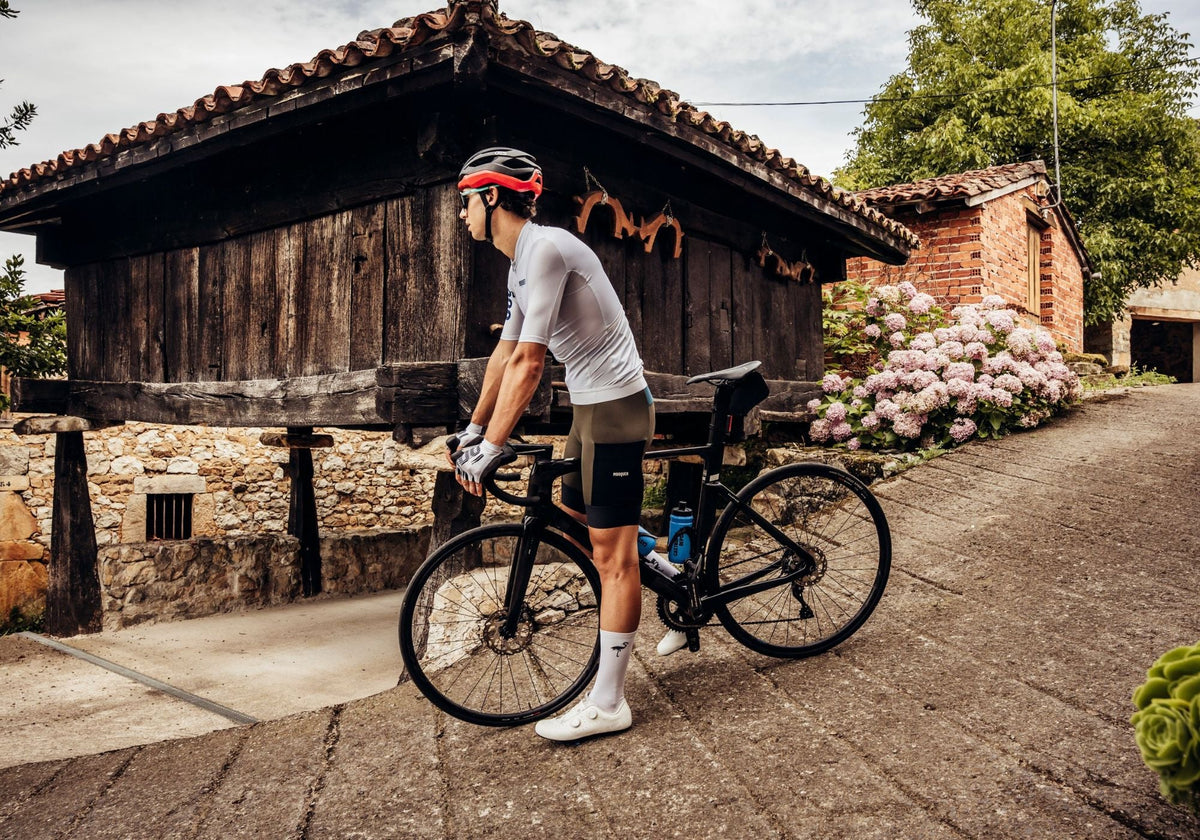
- From 20 to 25 °C. The same, plus a light vest in your pocket if you leave early or return late. In August, it dawns at 16 °C and by mid-morning it's 27 °C.
- From 15 to 20 °C. This is where real mid-season starts and where most people make mistakes. Two valid options: a long-sleeve jersey, or a short-sleeve jersey with a vest. The second is more versatile because the vest can be removed and fits in a pocket; the first keeps your arms warmer on long descents.
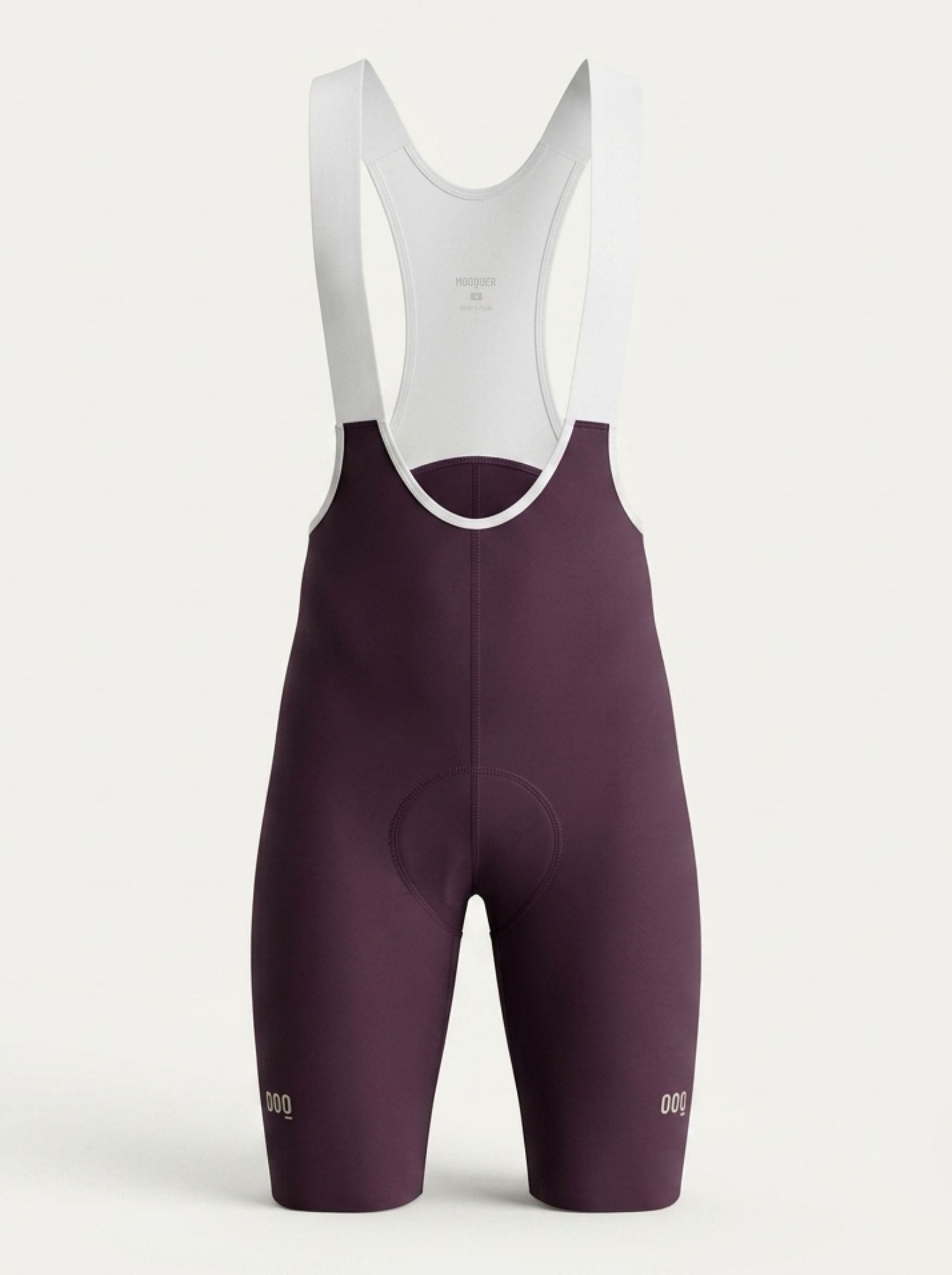
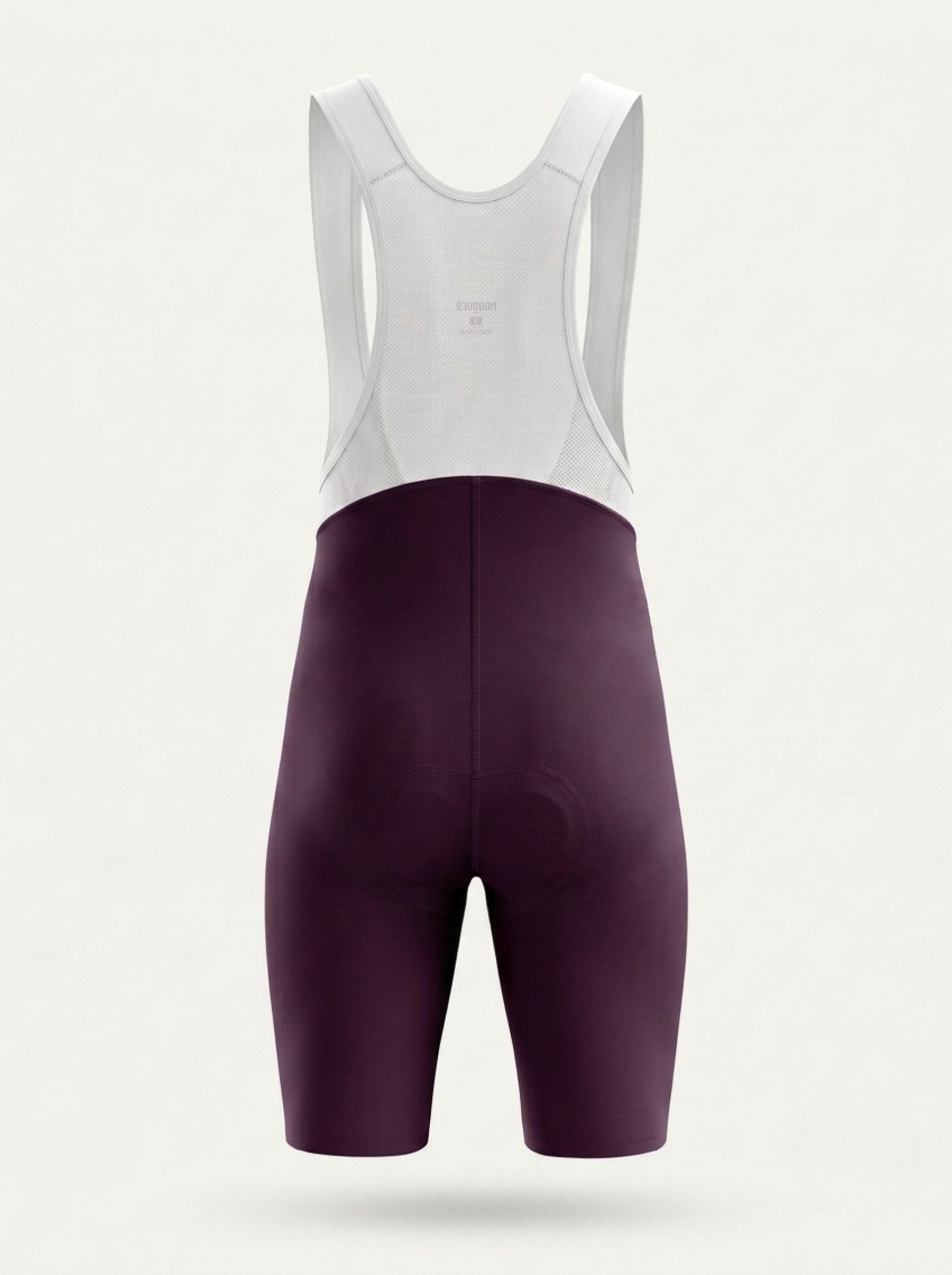
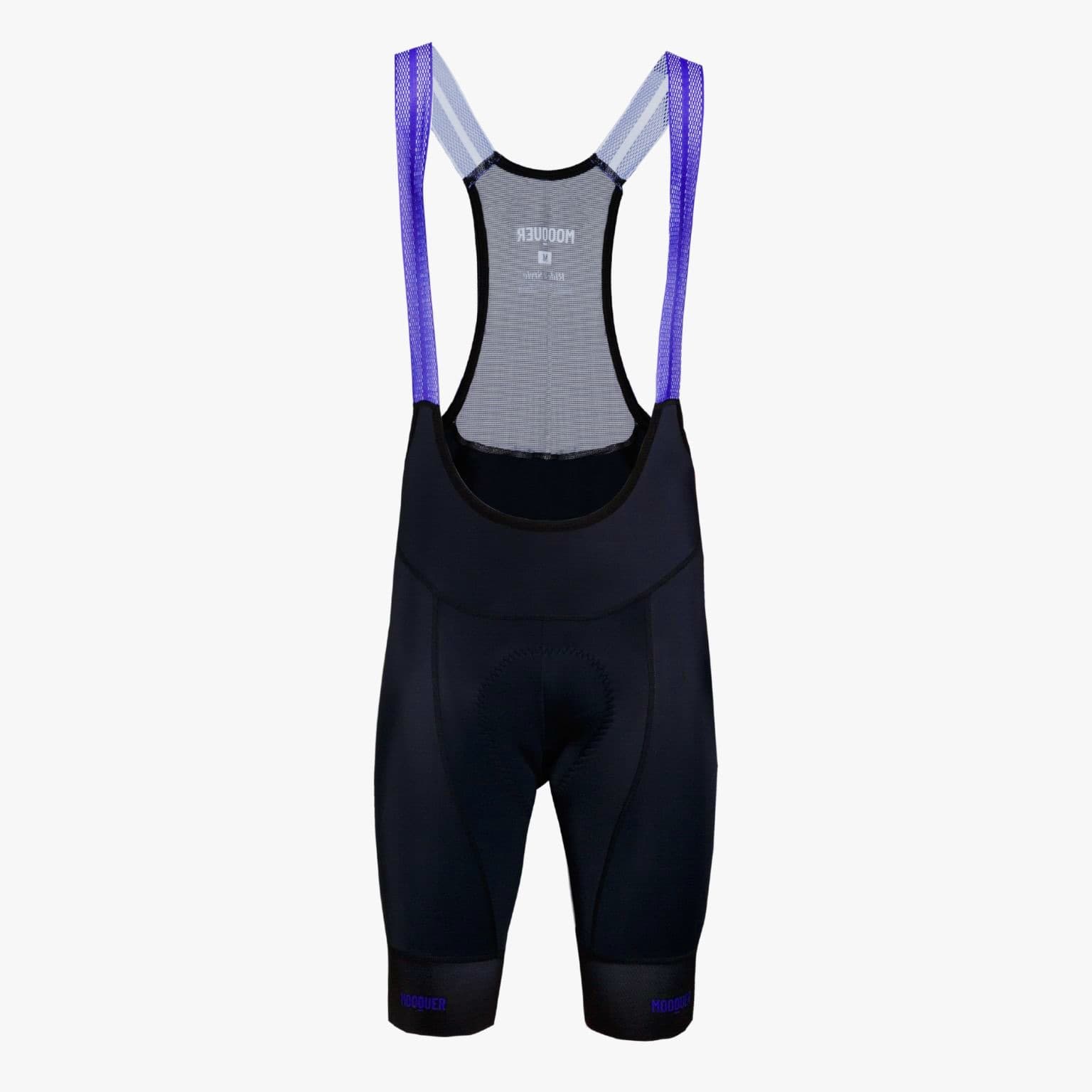
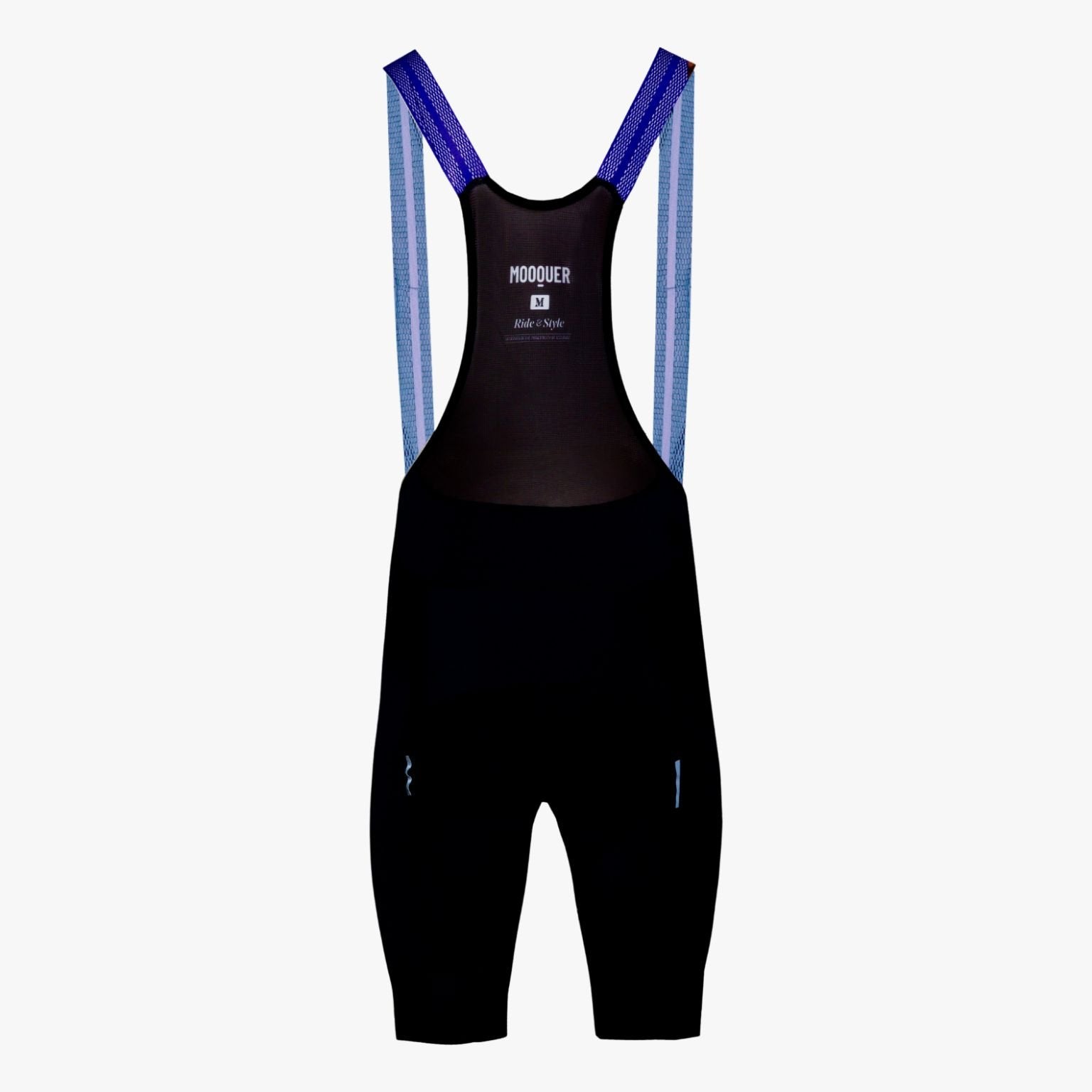
- From 10 to 15 °C. Long-sleeve jersey plus vest, short-sleeve base layer, thin long gloves. Short bib shorts still hold up if you're riding at pace; if you're going to ride leisurely, long bib shorts are better.
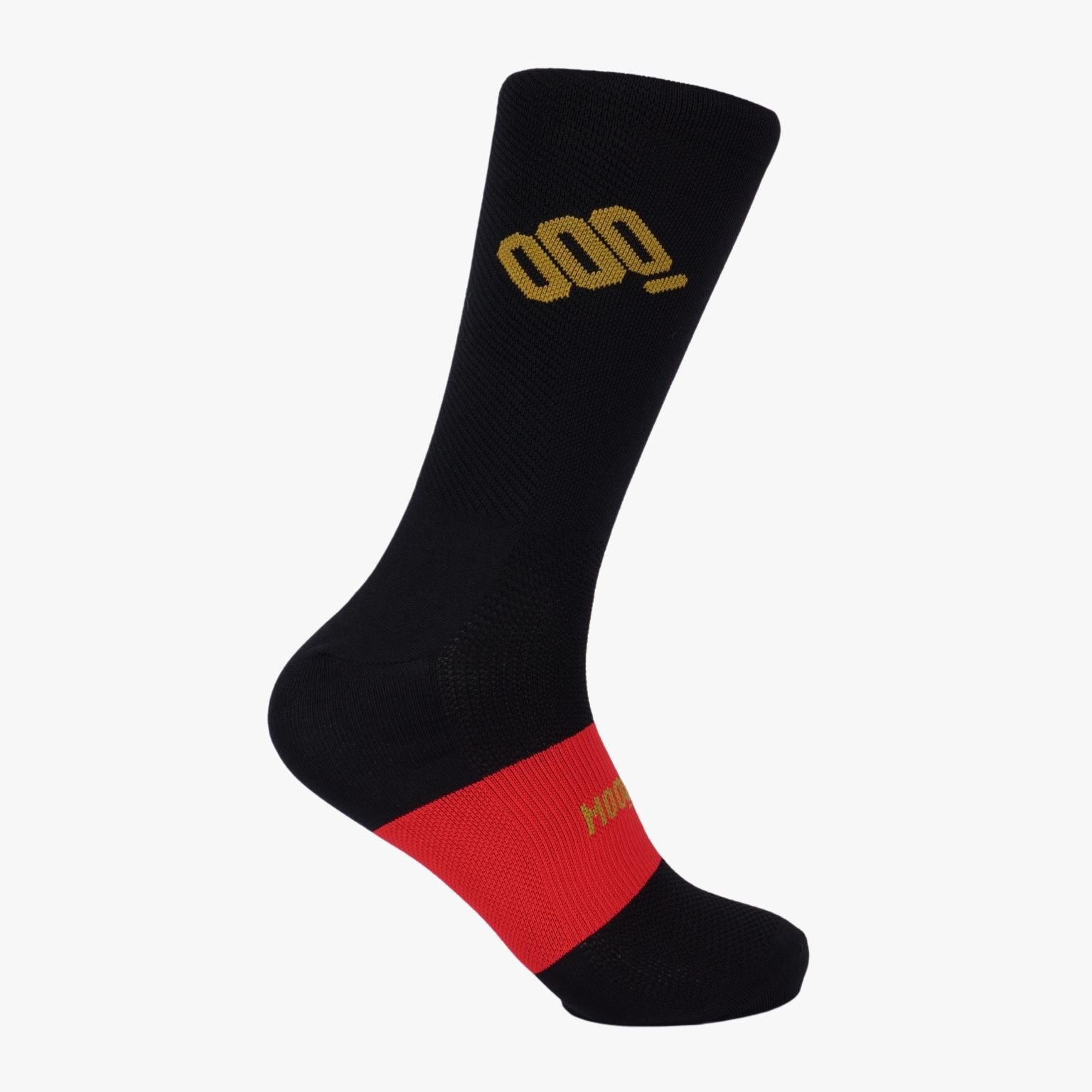
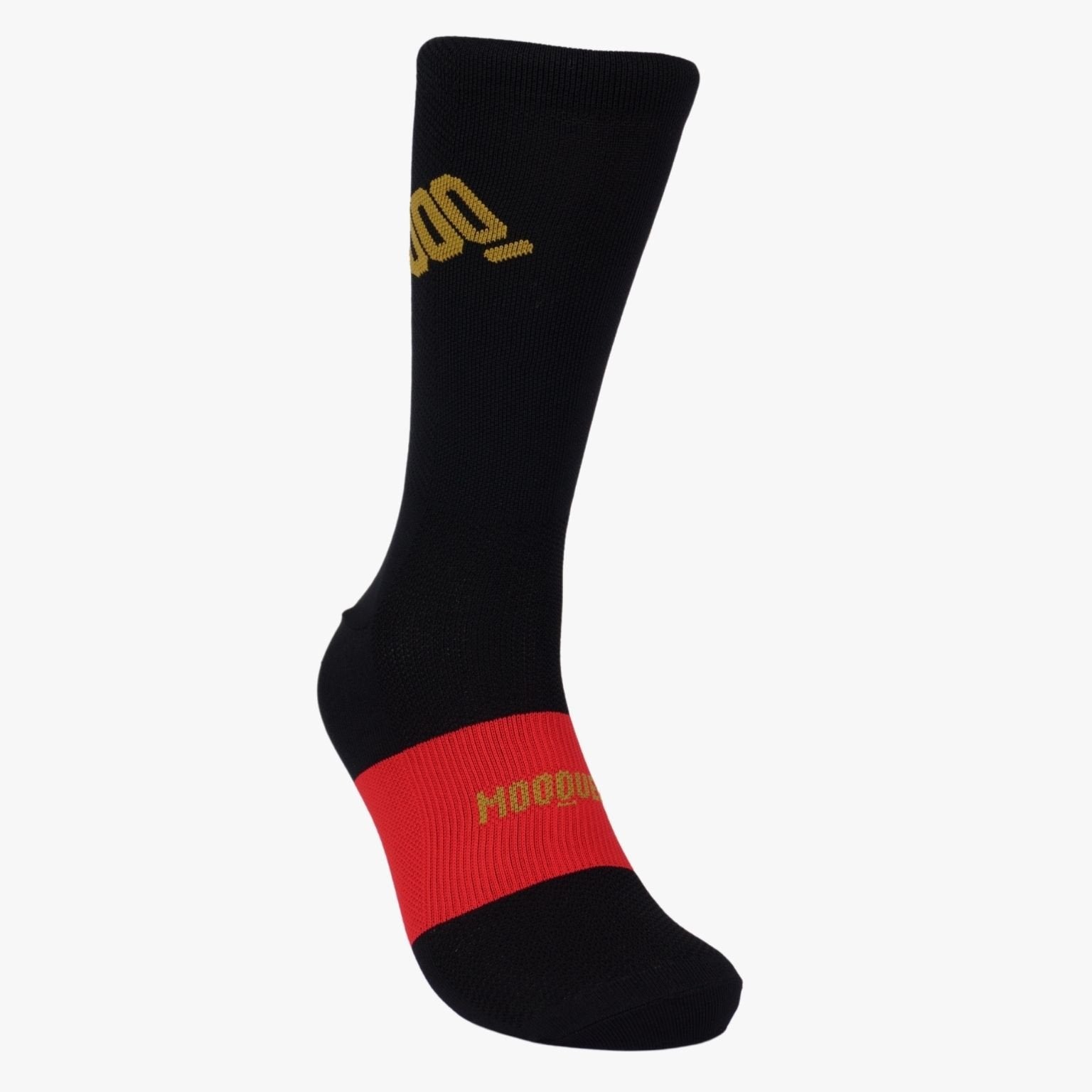
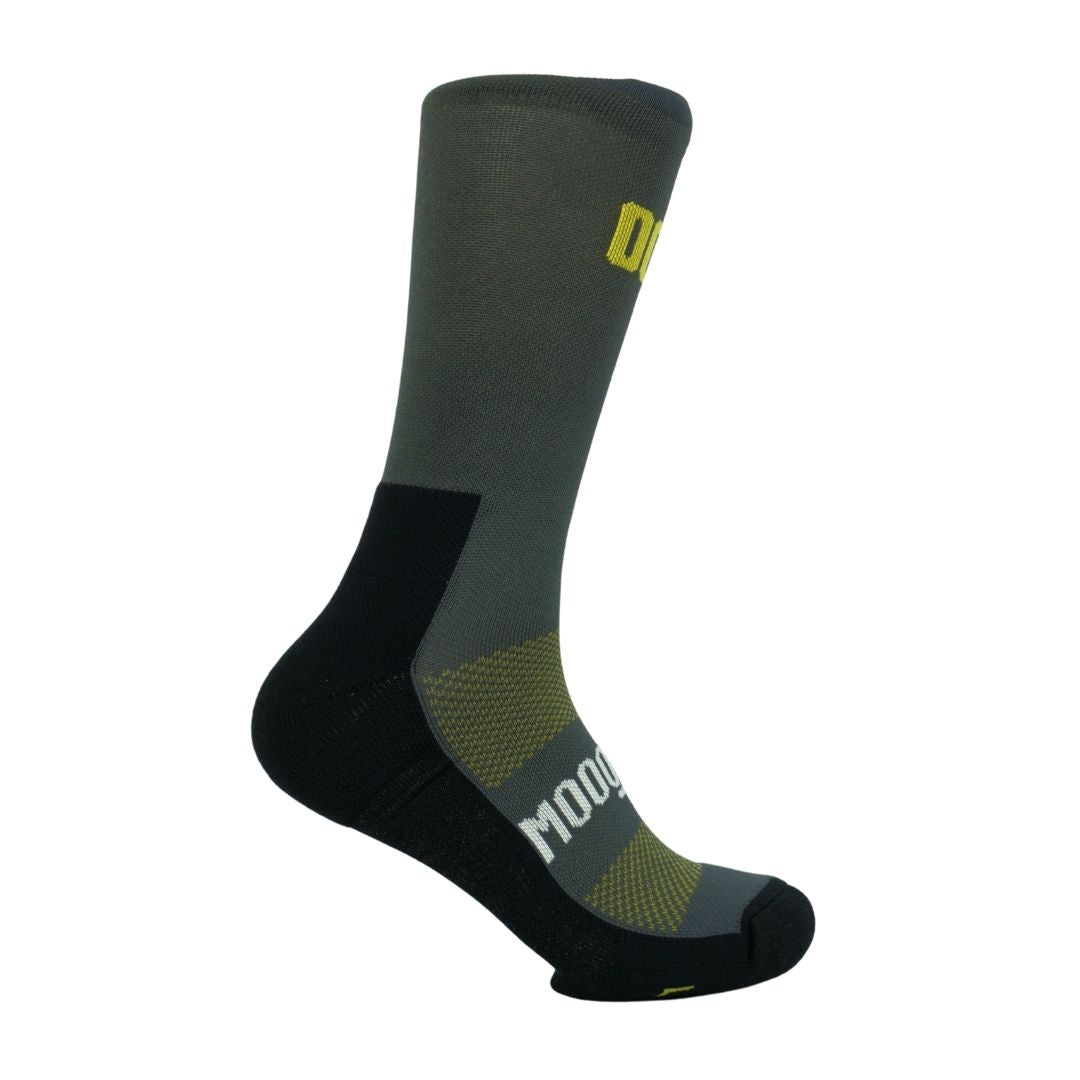
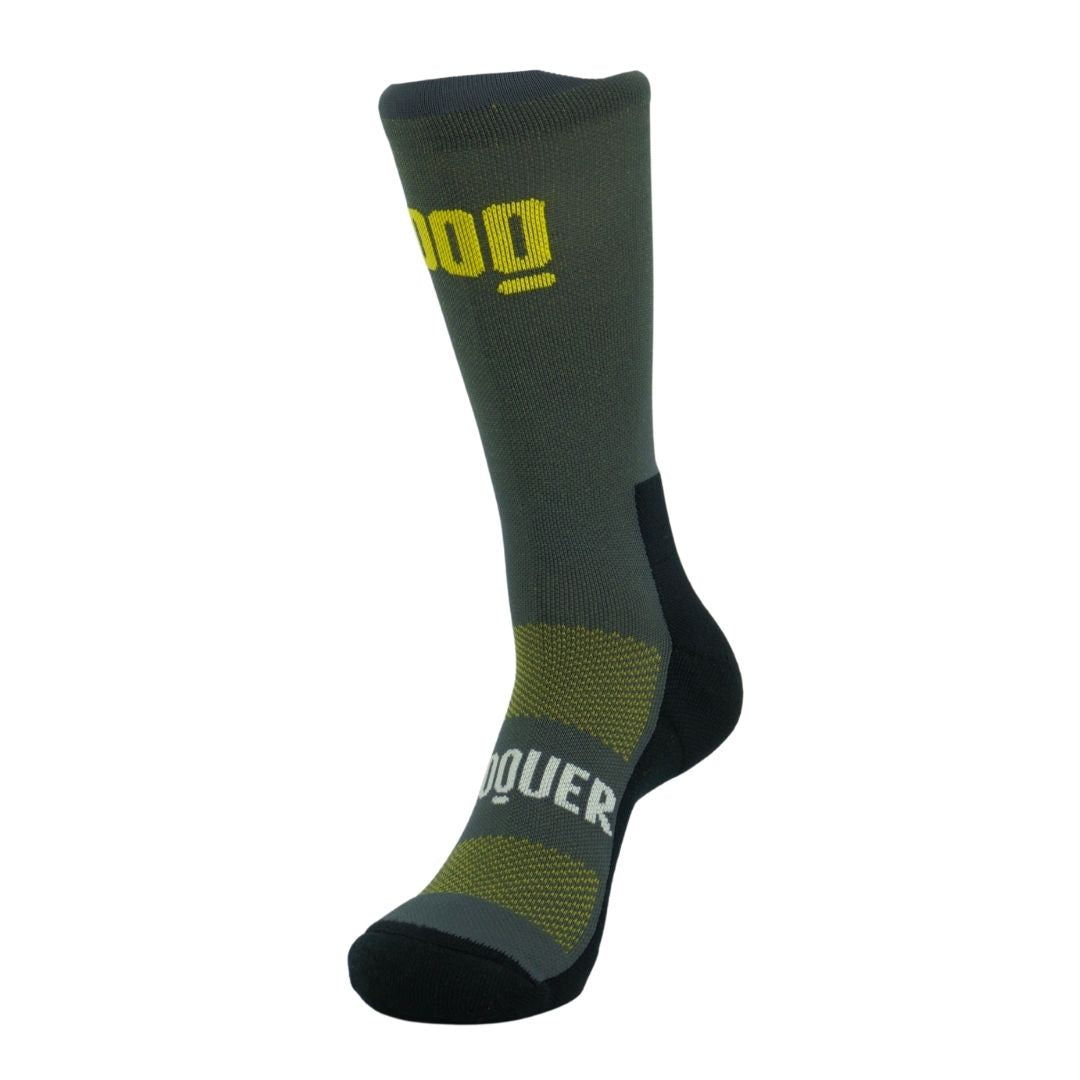
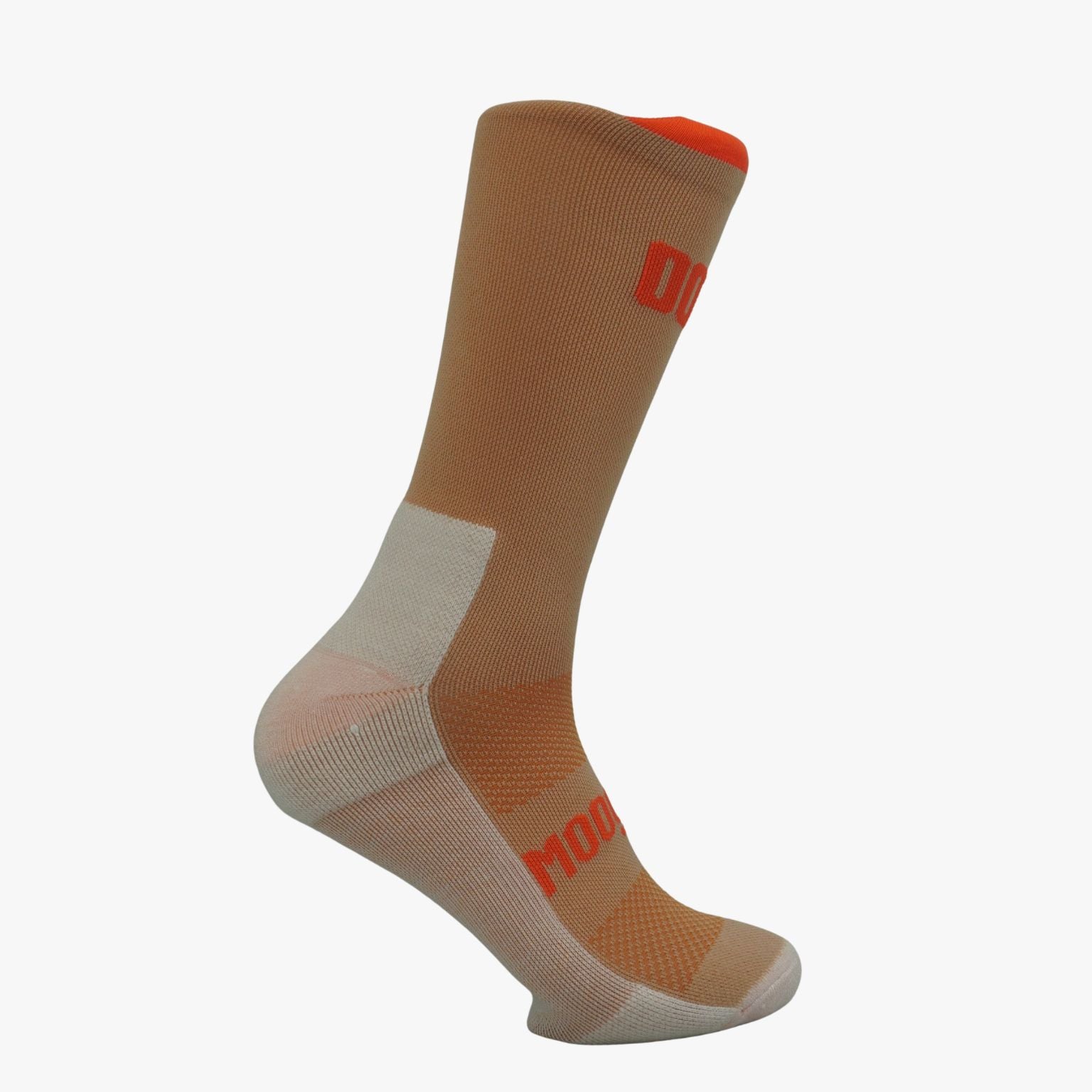
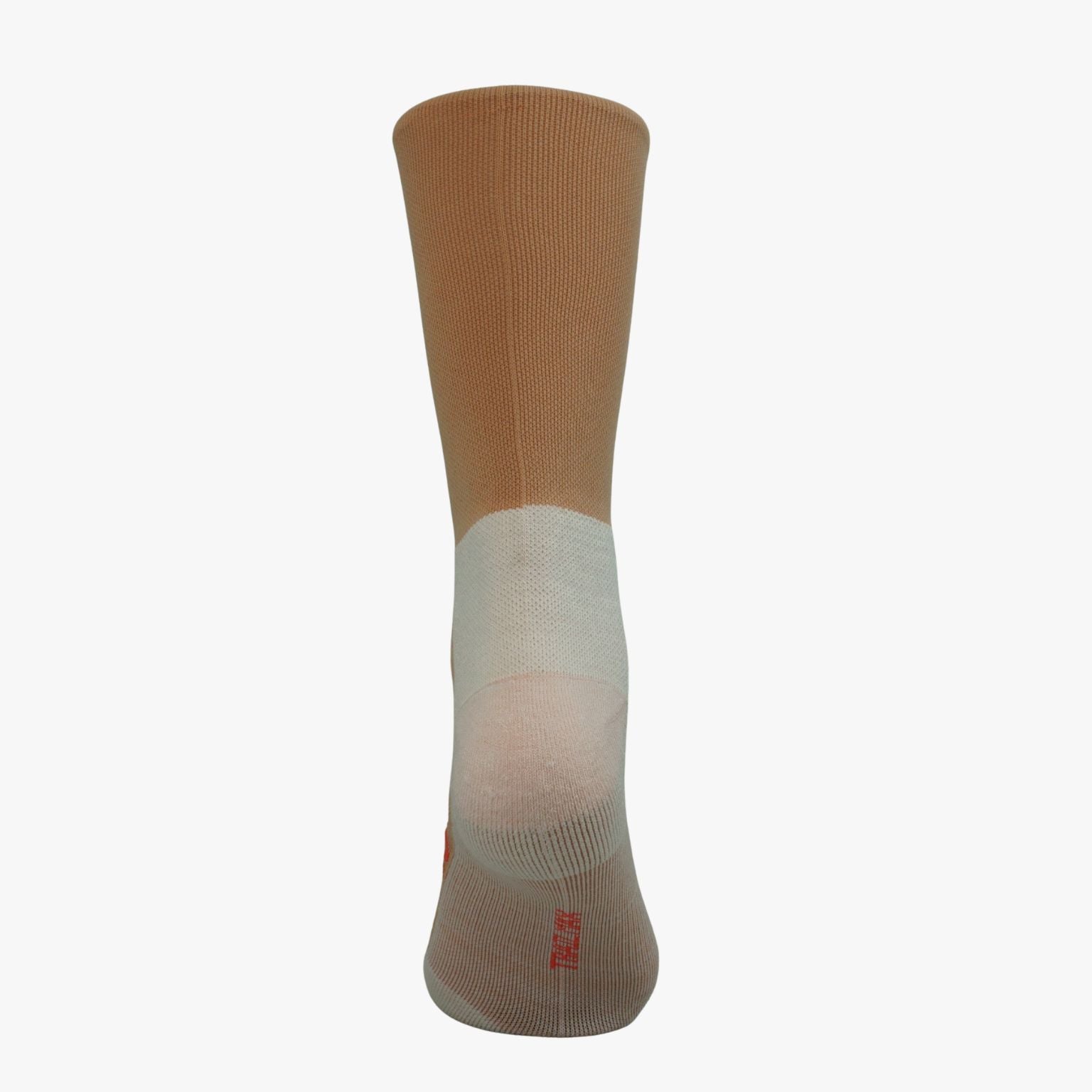
- From 5 to 10 °C. Thermal jacket, long-sleeve thermal base layer, long bib shorts, winter gloves, thermal socks. From here on, your feet and hands decide whether the ride is enjoyable or torture.
- From 0 to 5 °C. All of the above plus the vest over the jacket. It sounds strange and it's what professionals do: the vest cuts the wind on the chest during the descent, which is where you really get cold. Add shoe covers and a neck gaiter.
- Below zero. Double base layer, thermal jacket, vest, lined winter gloves and waterproof shoe covers. And shorten the ride: below zero, two hours is more than enough.
The difference between a vest, a windbreaker and a jacket
They are used as synonyms but they are not. Confusing them is why many people buy the wrong garment.

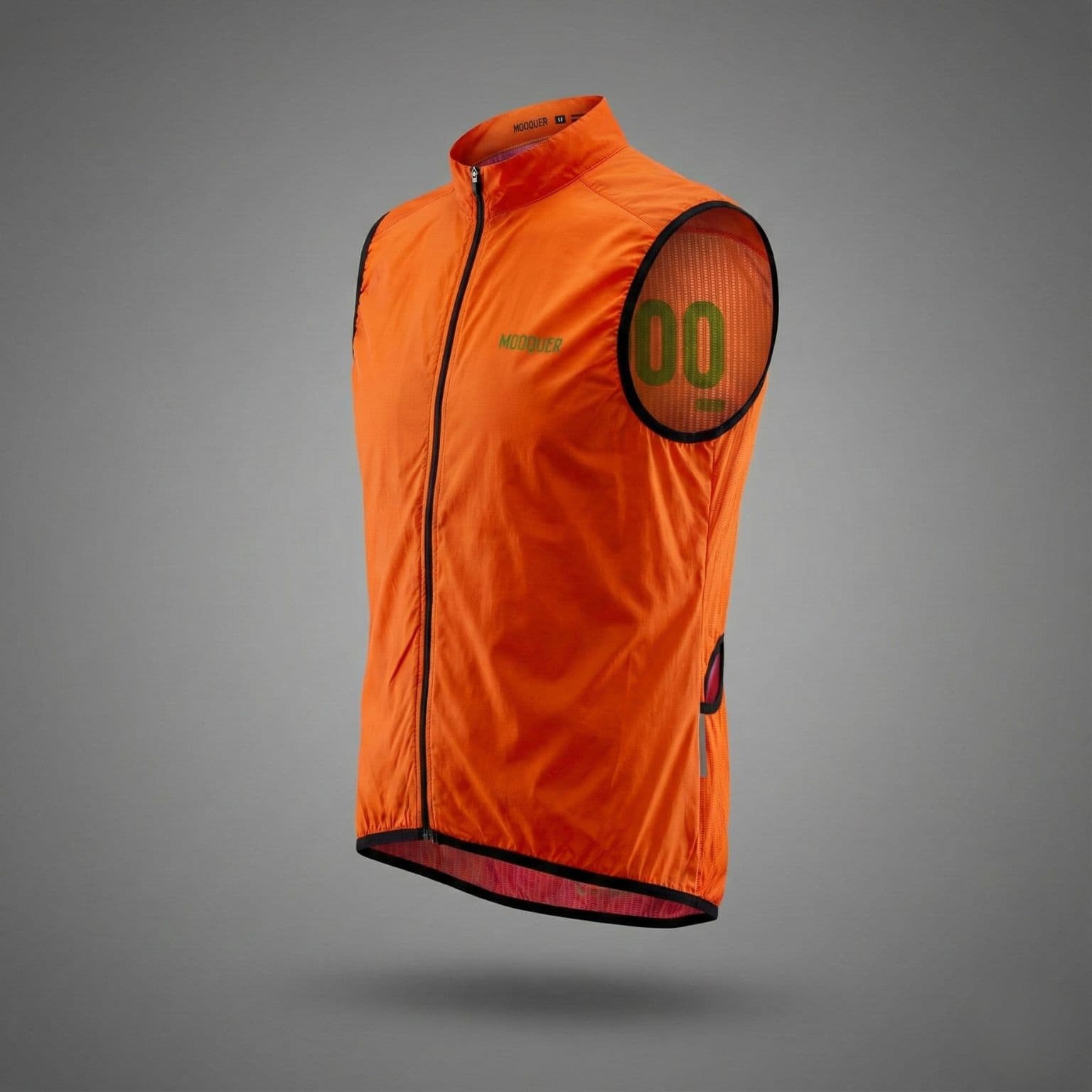
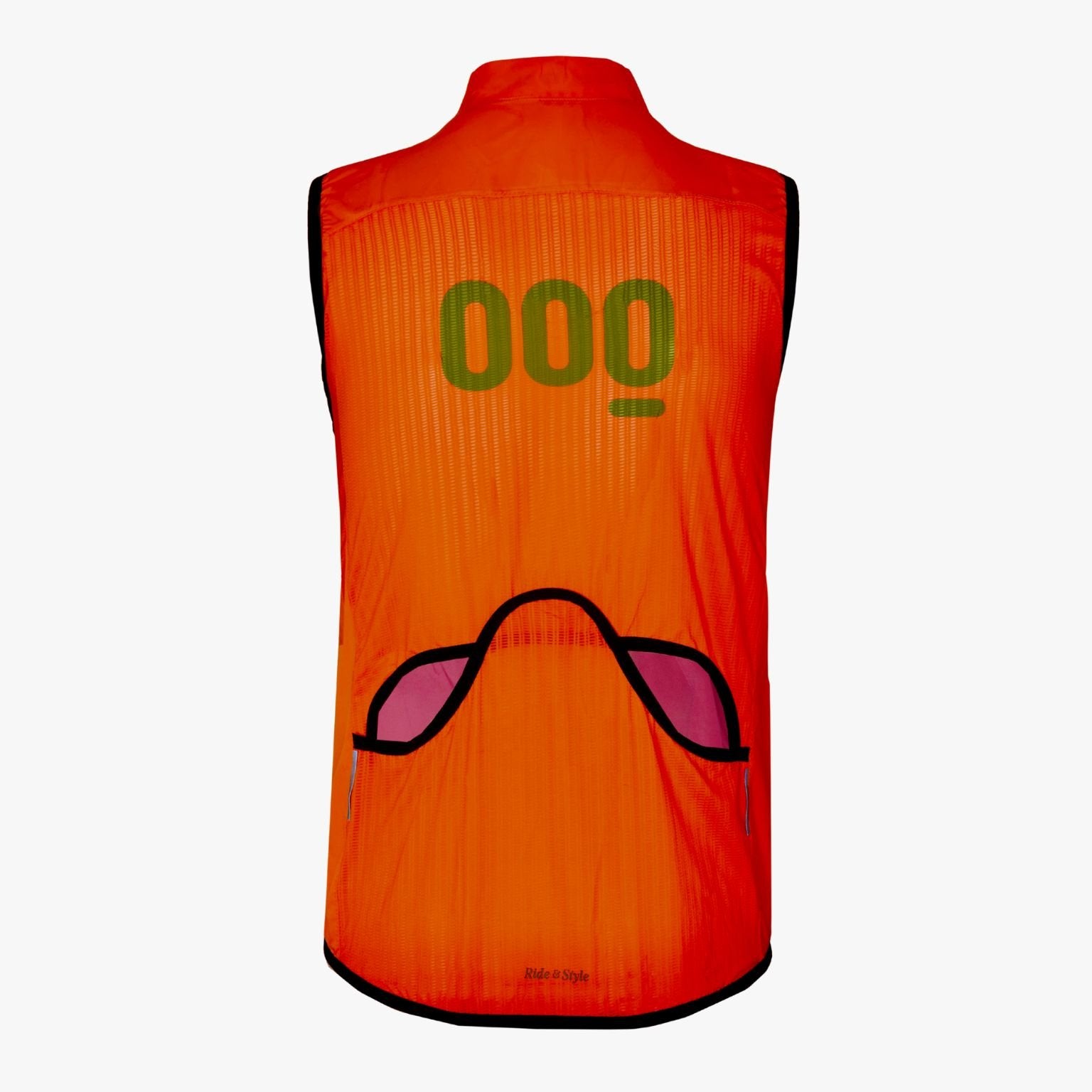
The vest is sleeveless and its function is to protect the torso from the wind without restricting arm movement or adding unnecessary warmth. It is the most underrated garment in the wardrobe and probably the one that offers the best ratio between its weight and its effectiveness. Ours weigh 48 grams in size L, which means it fits in your jersey pocket and you forget you're wearing it.
A windbreaker is a light jacket with sleeves, without thermal insulation. It doesn't provide warmth: it cuts the air. It's for long descents and windy days, not for cold weather.
A thermal jacket does provide warmth, because it has a brushed interior that traps a layer of warm air next to the skin. Ours is designed for the 0 to 10 °C range.
And rainwear is another distinct category, and here it's important to be honest: almost no cycling apparel is truly waterproof. What most of them, including ours, have is a DWR treatment, which makes water bead and roll off. It works very well with drizzle, fog, and wheel spray. It doesn't work with two hours of rain. Anyone who sells you a 50-gram windbreaker as waterproof is deceiving you.
The three recurring mistakes
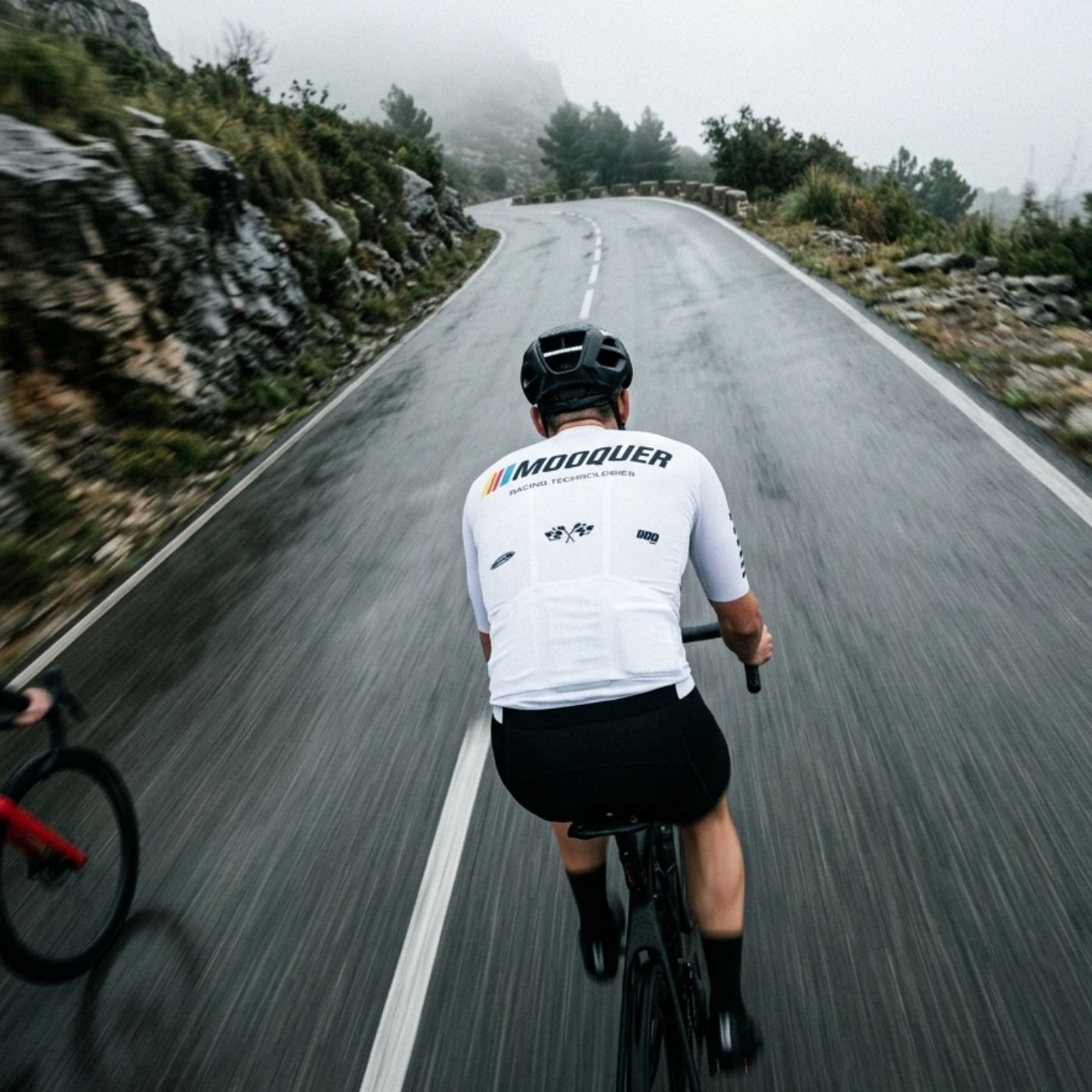
One: dressing for the starting temperature. The body takes about ten minutes to get going and the perceived temperature rises several degrees. Leave with a slight chill.
Two: forgetting the extremities. You buy a good jacket and continue to use thin gloves and summer socks. The torso warms up just by pedaling; hands and feet don't. If anything is going to ruin a winter ride, it's them.
Three: not bringing anything just in case. A 48-gram vest in your pocket is the difference between enjoying a twenty-minute descent and shivering down with no feeling in your hands to brake. It weighs as much as two gels.
What we use
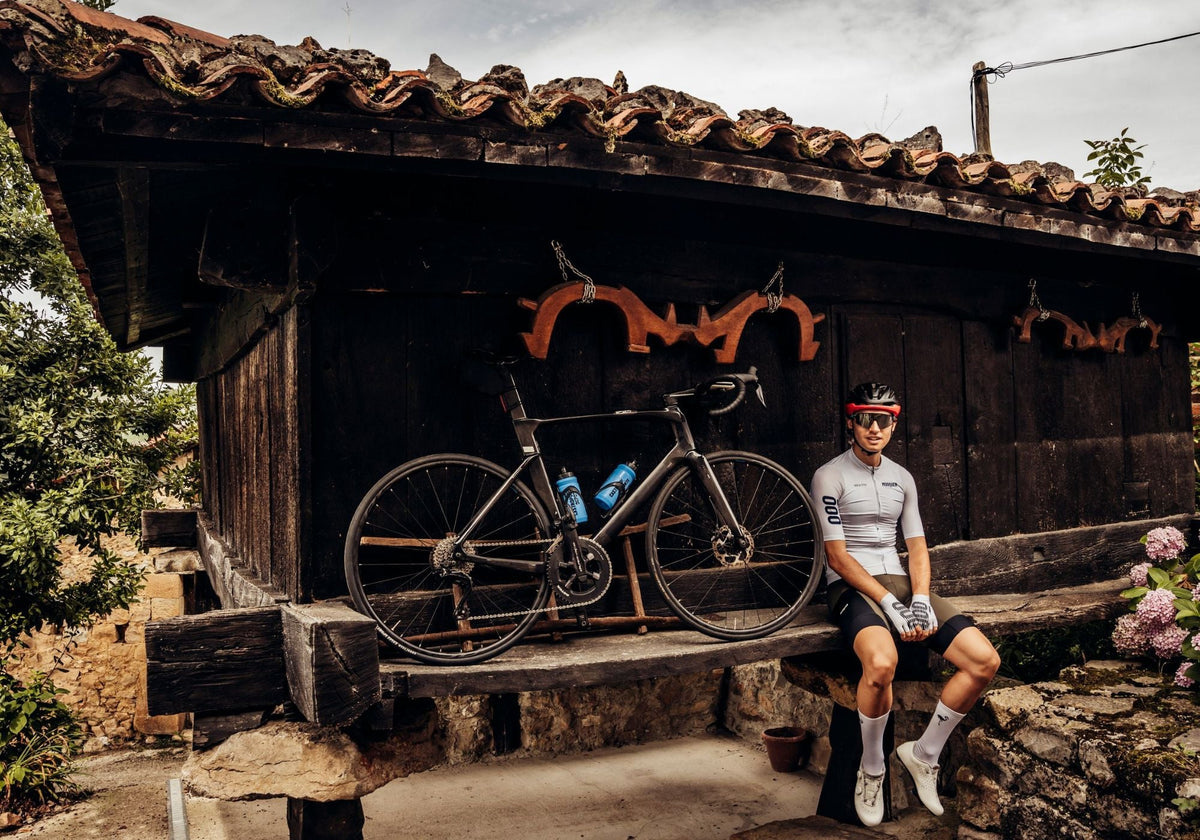
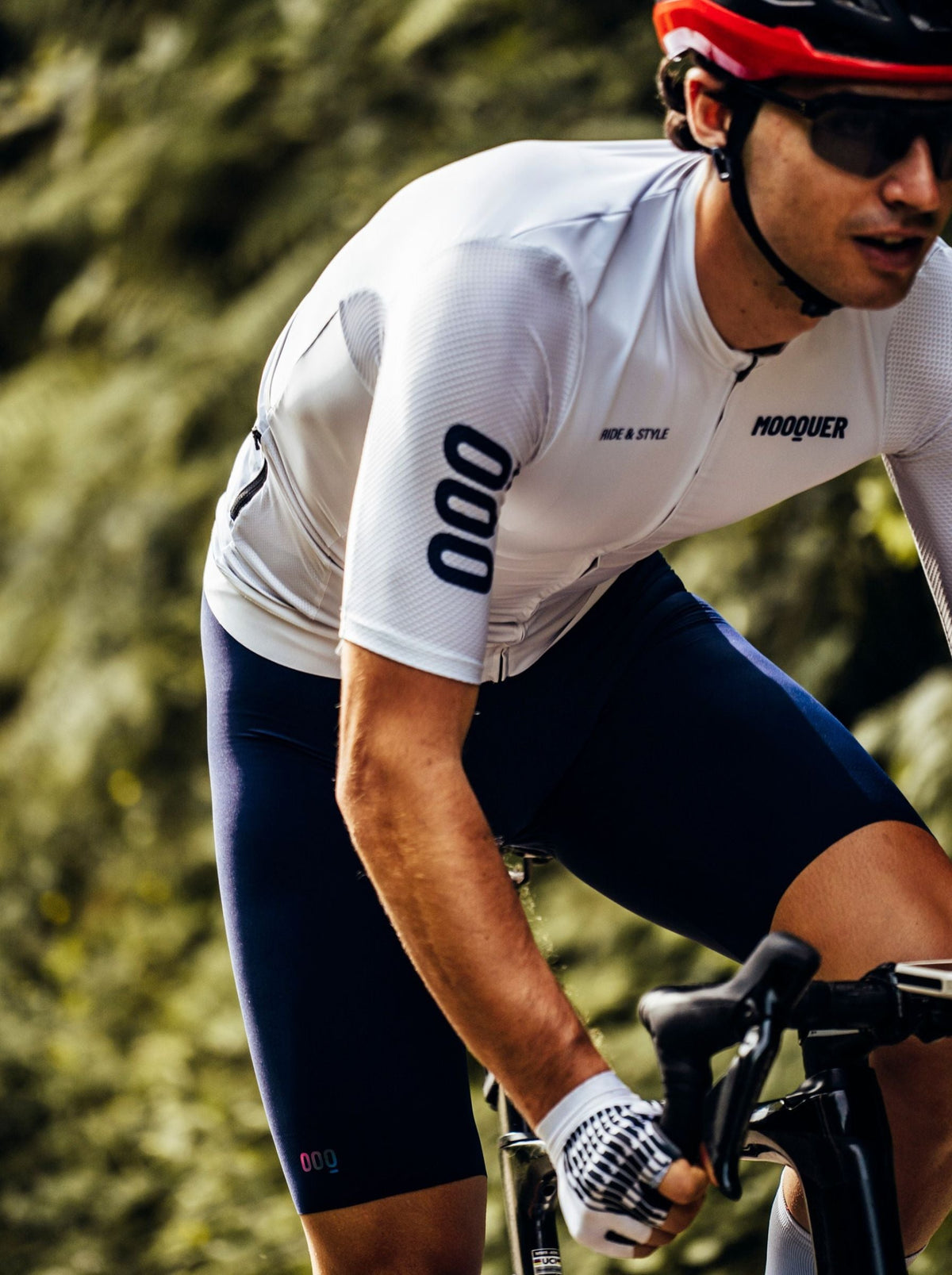
For mid-season, long-sleeve jersey made in Italy, designed for the 10 to 20 degree range.
For wind and descents, a 48-gram DWR vest with an elastic mesh back and an auto-locking zipper that won't open on its own when sprinting. And a 58-gram version at a more affordable price.

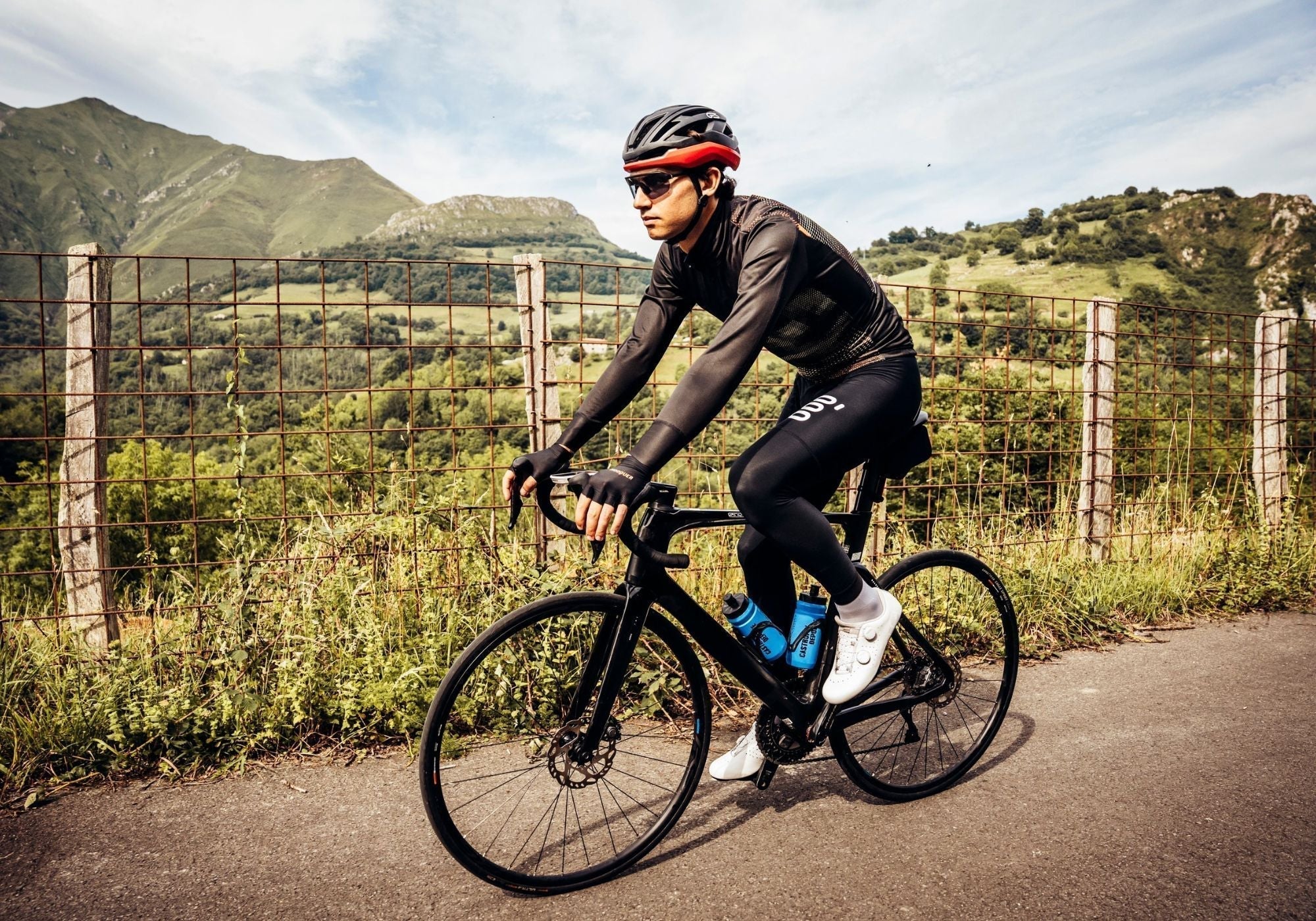
For real cold, the thermal jacket with a brushed interior, DWR treatment and three back pockets, for the 0 to 10 degree range.
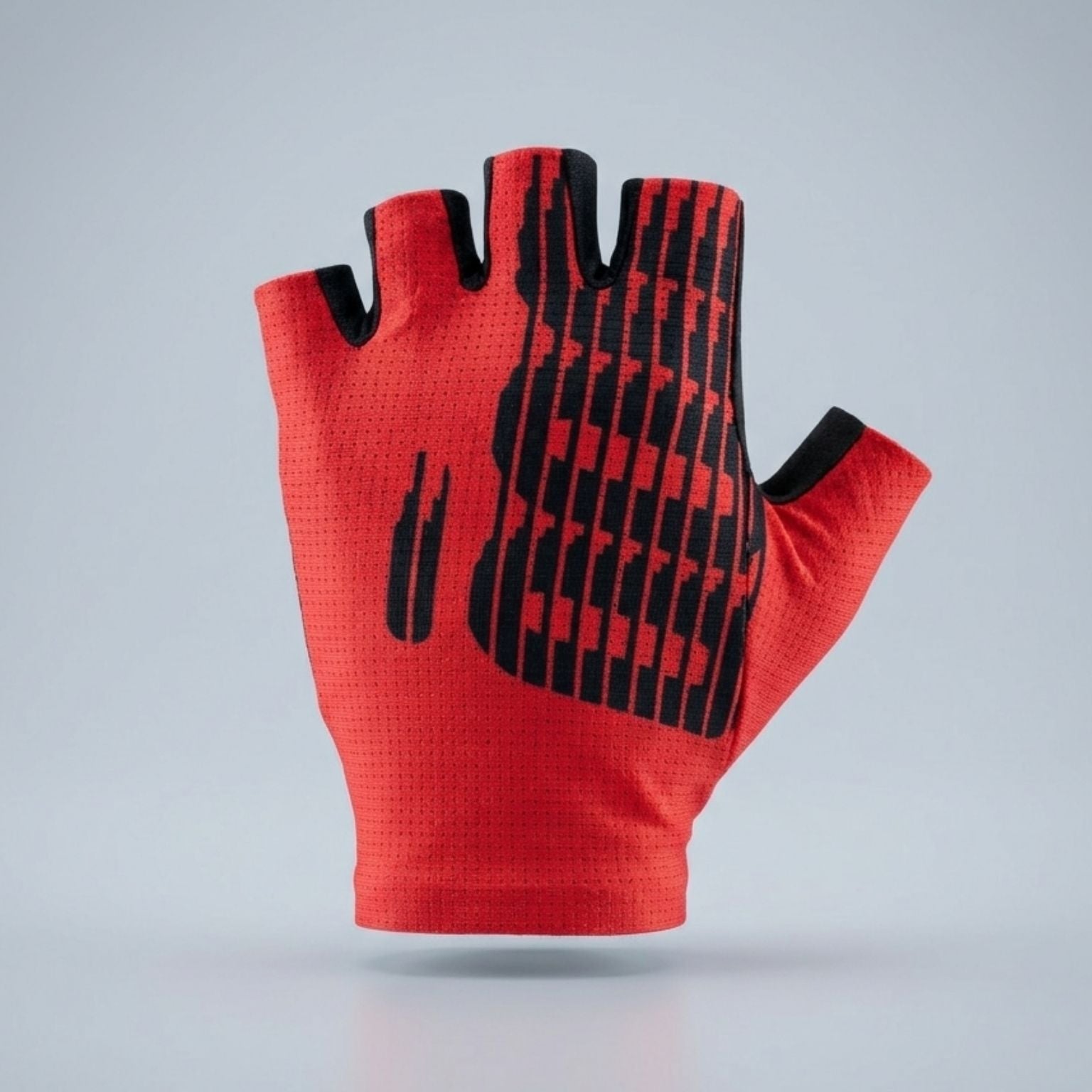
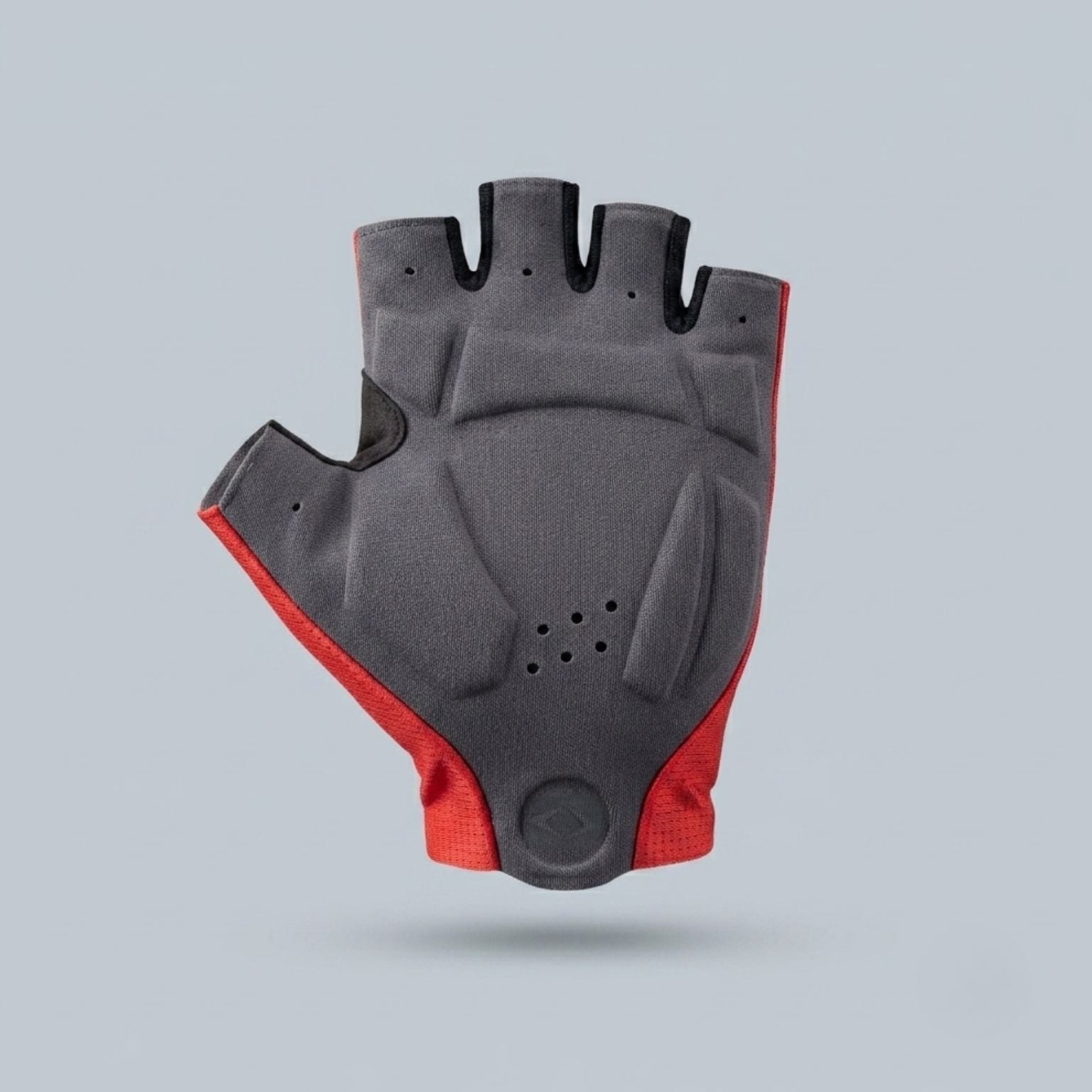
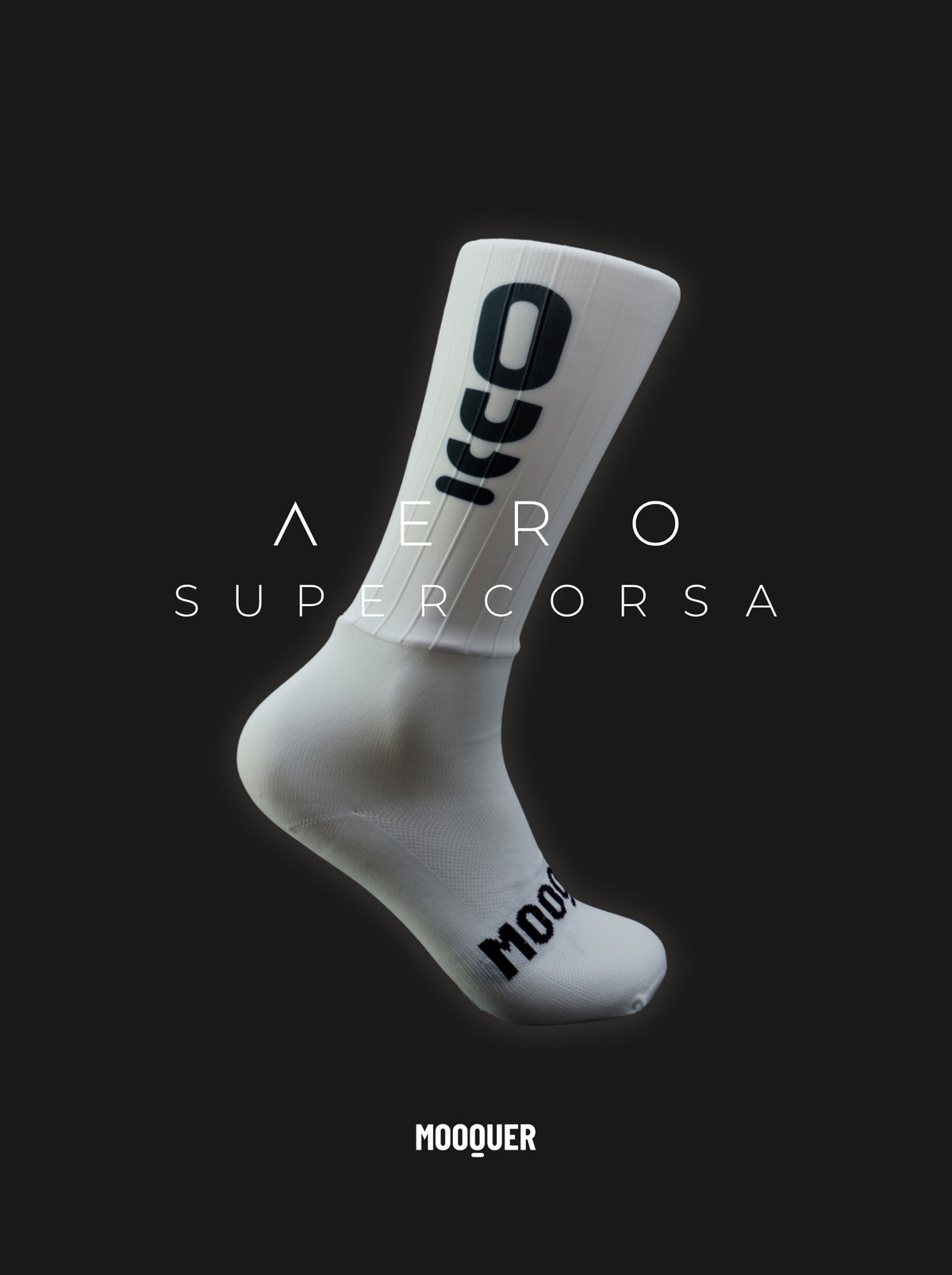
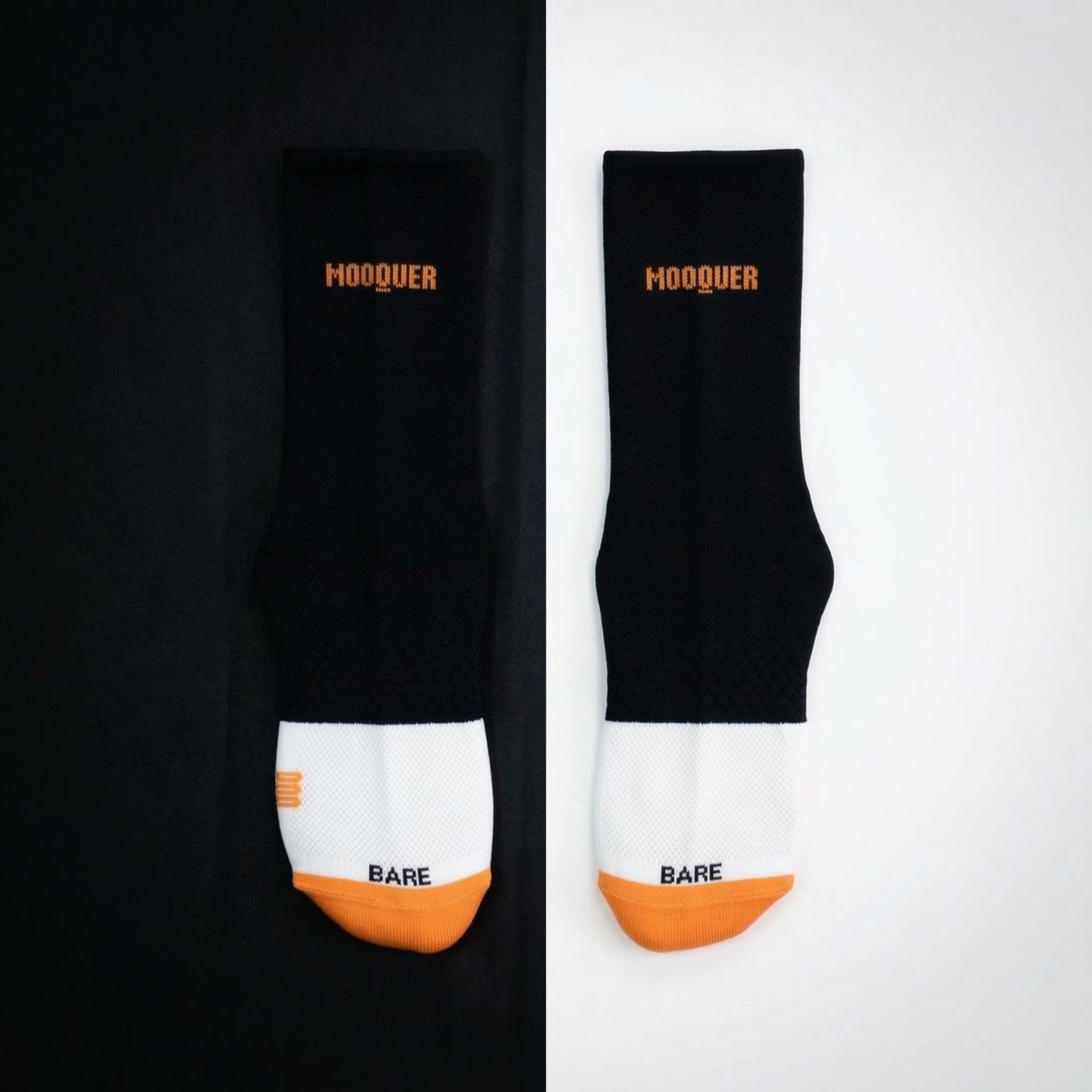
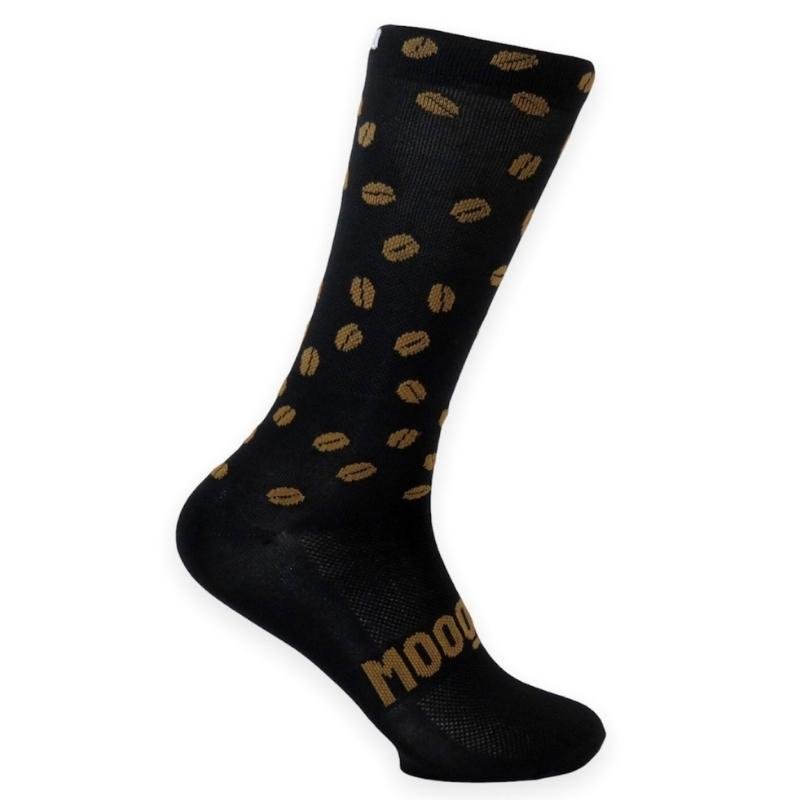
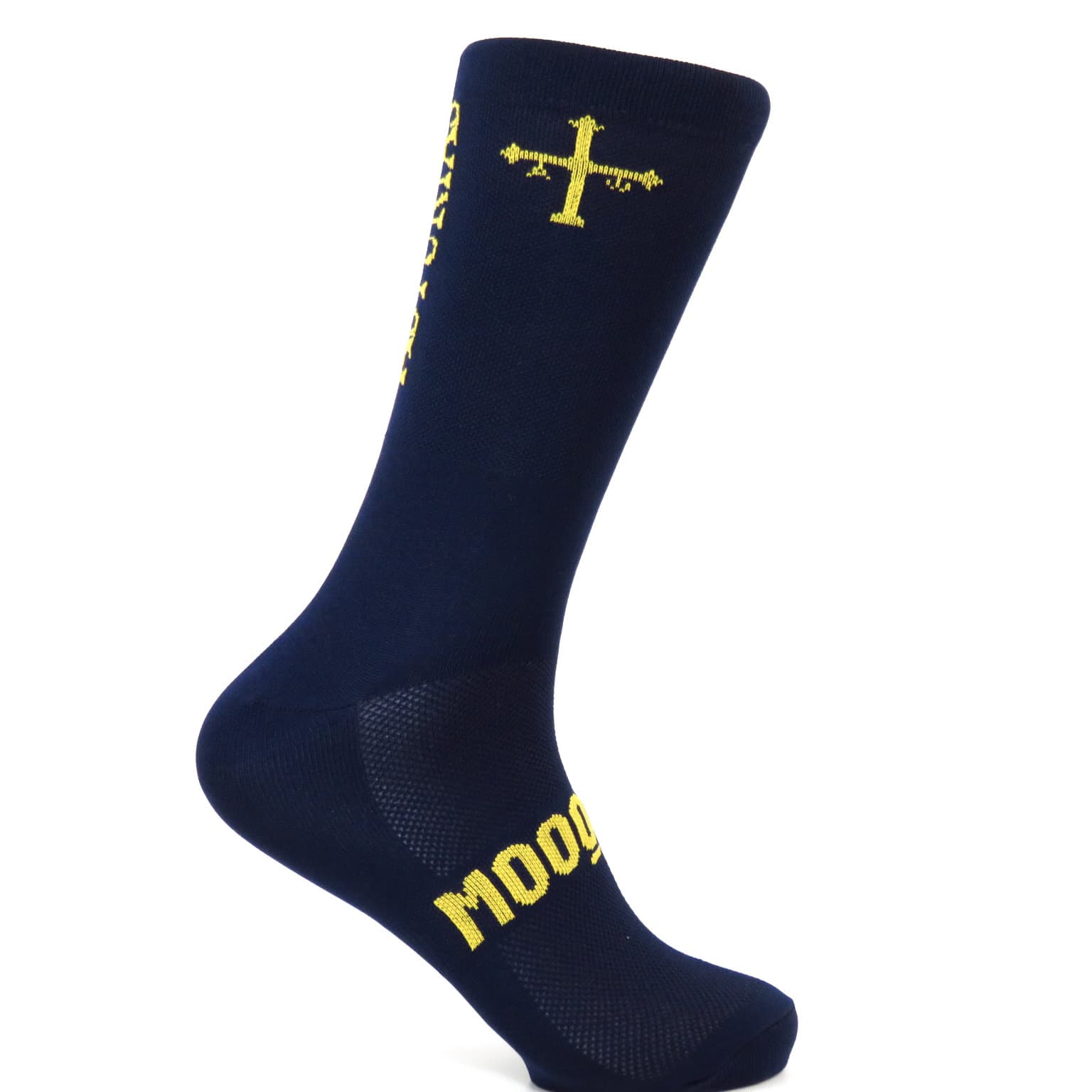
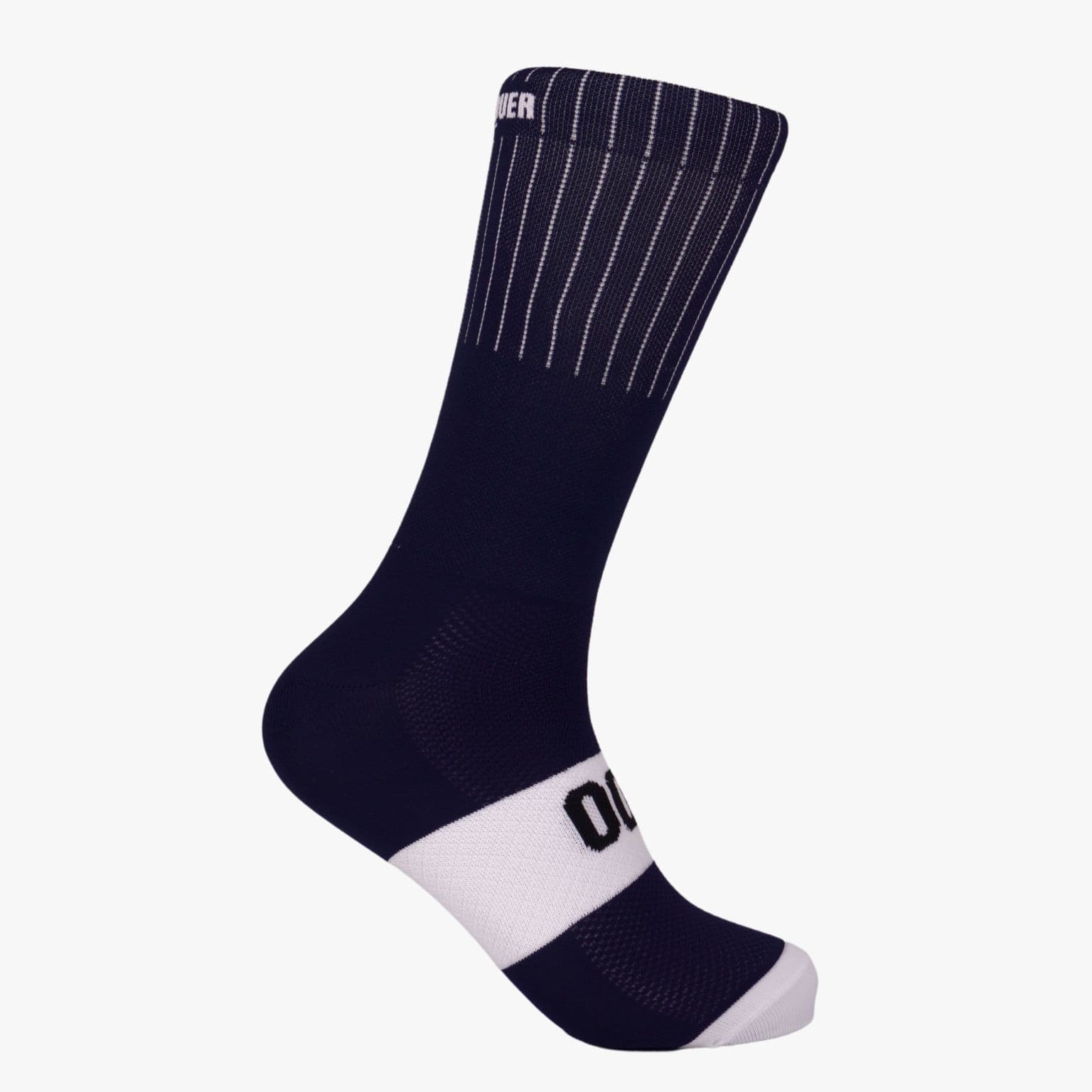
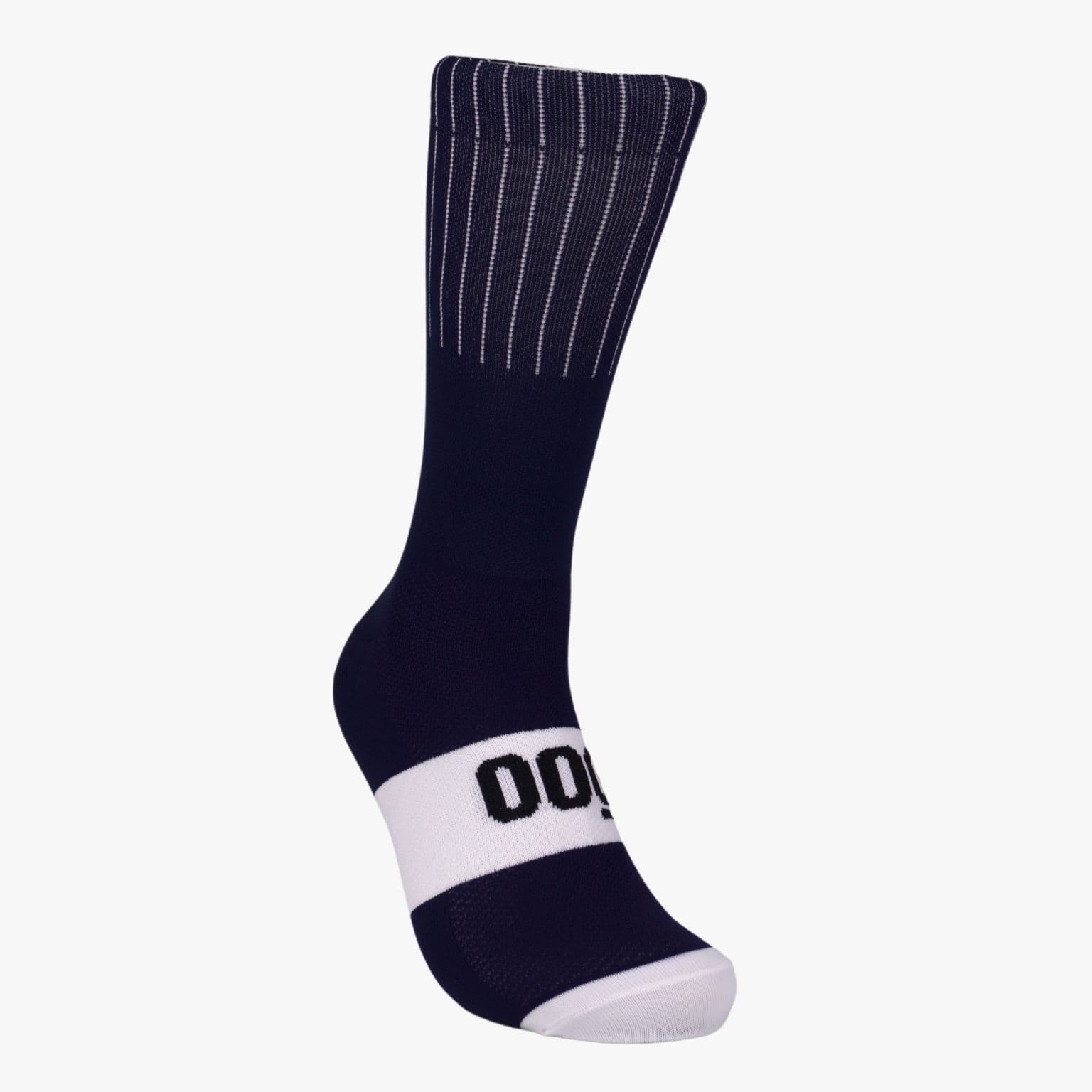
Underneath everything, the base layer, which is the layer most people skip and the one that makes the biggest difference in thermal sensation. And for the extremities, gloves and winter socks.
All designed in Oviedo and manufactured in Spain, Italy and Portugal.
If you also plan to go on long rides, you might be interested in understanding how a cycling bib shorts' chamois works, as it's the other piece that determines whether you finish comfortably.
Frequently asked questions
- At what temperature should you wear long bib shorts? As a guide, below 12 degrees. But it depends on the pace: if you're going to ride gently or stop, raise that threshold a couple of degrees. If you're going to go all out, short bib shorts can handle more than they seem.
- Can a cycling vest be used for running? Yes. A light windbreaker vest works just as well for running on windy days or early morning runs. It's one of the few garments that are shared between the two disciplines without compromise.
- What is the difference between DWR and waterproof? DWR is a treatment that makes water slide off the fabric. It is effective with drizzle, fog, and splashes, and ceases to be effective with sustained rain. A truly waterproof garment has a membrane and sealed seams, weighs much more, and breathes less.
- Why is the vest worn over the jacket and not under it? Because its function there is to cut the wind on the chest during descents, and for that it has to be on the outer layer. Underneath it is useless.
- How do I know if I'm dressed too warmly? If after fifteen minutes of starting you need to fully unzip, you were overdressed. The correct feeling is to be a little cool for the first five minutes.




Leave a comment
This site is protected by hCaptcha and the hCaptcha Privacy Policy and Terms of Service apply.