


Blisters while running: why they appear and how to prevent them
Blisters appear when running when the foot rubs repeatedly against the same spot while the skin is damp and warm. They can be avoided by tackling all three causes at once: a properly sized shoe that keeps the foot from moving around, a technical seamless sock that reduces friction and wicks away moisture, and skin prepared in the areas you already know are prone to problems.

Why blisters form
A blister is not a surface friction burn. It is a separation between layers of skin: when the foot slides inside the shoe, the outer layer stays still, stuck to the sock, while the layer underneath moves with the bone. This repeated shearing thousands of times separates the layers and the gap fills with fluid.
Three factors multiply the problem:
- Friction: shoes that are too big, too small, or poorly tied, sock seams, fabric wrinkles.
- Moisture: wet skin is softer and adheres more to the fabric. Sweat, rain, or puddles.
- Heat: summer asphalt, fast paces, long runs.
That is why they appear more often in races than in training: faster pace, more heat, lighter shoes and, sometimes, a brand-new pair of socks worn for the first time that day.

Where they appear and what they are telling you
The area where the blister appears usually indicates the cause. At the tips of the toes or under the nails, the shoe is too short or the foot slides forward on descents. At the heel, the counter is not holding the foot, and it moves up and down. On the sole, under the forefoot, there is heat and pressure combined with moisture. Between the toes, one toe rubs against another, very typical with wide feet in narrow shoes.
How to avoid them
The shoe, first
No sock can compensate for a poorly chosen shoe. Leave approximately a finger's width of space in front of the longest toe, because the foot swells on long runs and slides forward on descents. And tie it properly: many heel blisters disappear by using the last eyelet to lock the ankle.
The sock, the great forgotten
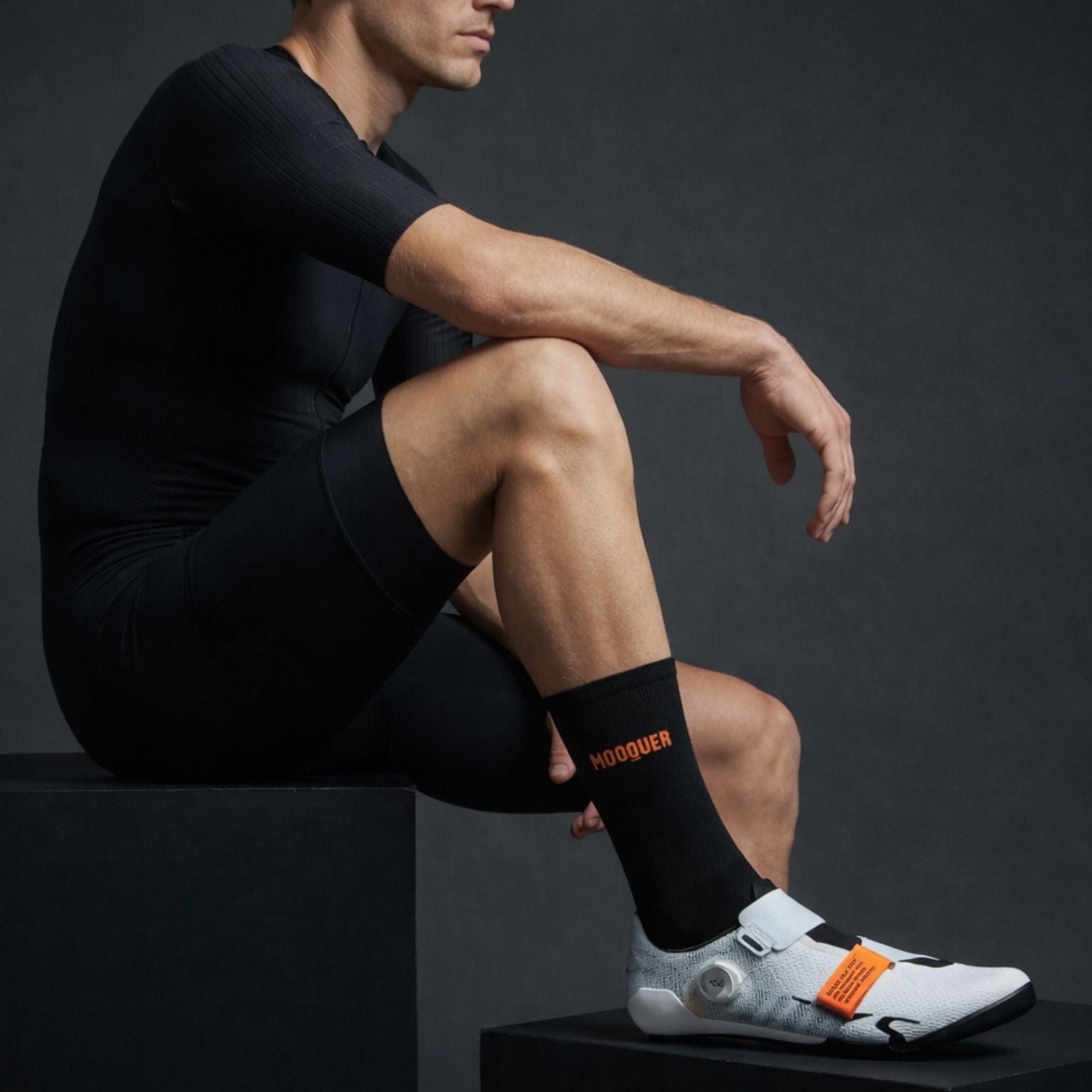
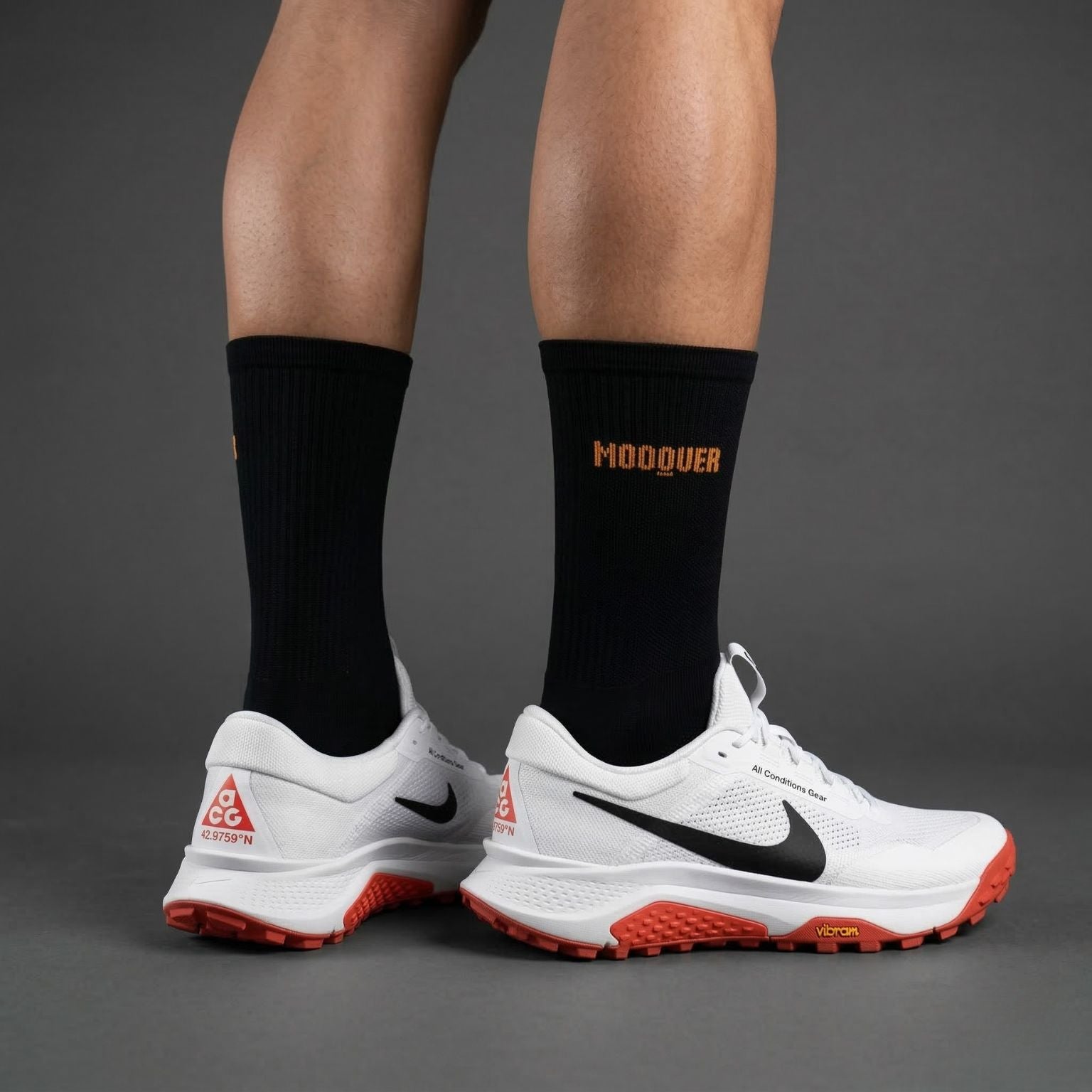
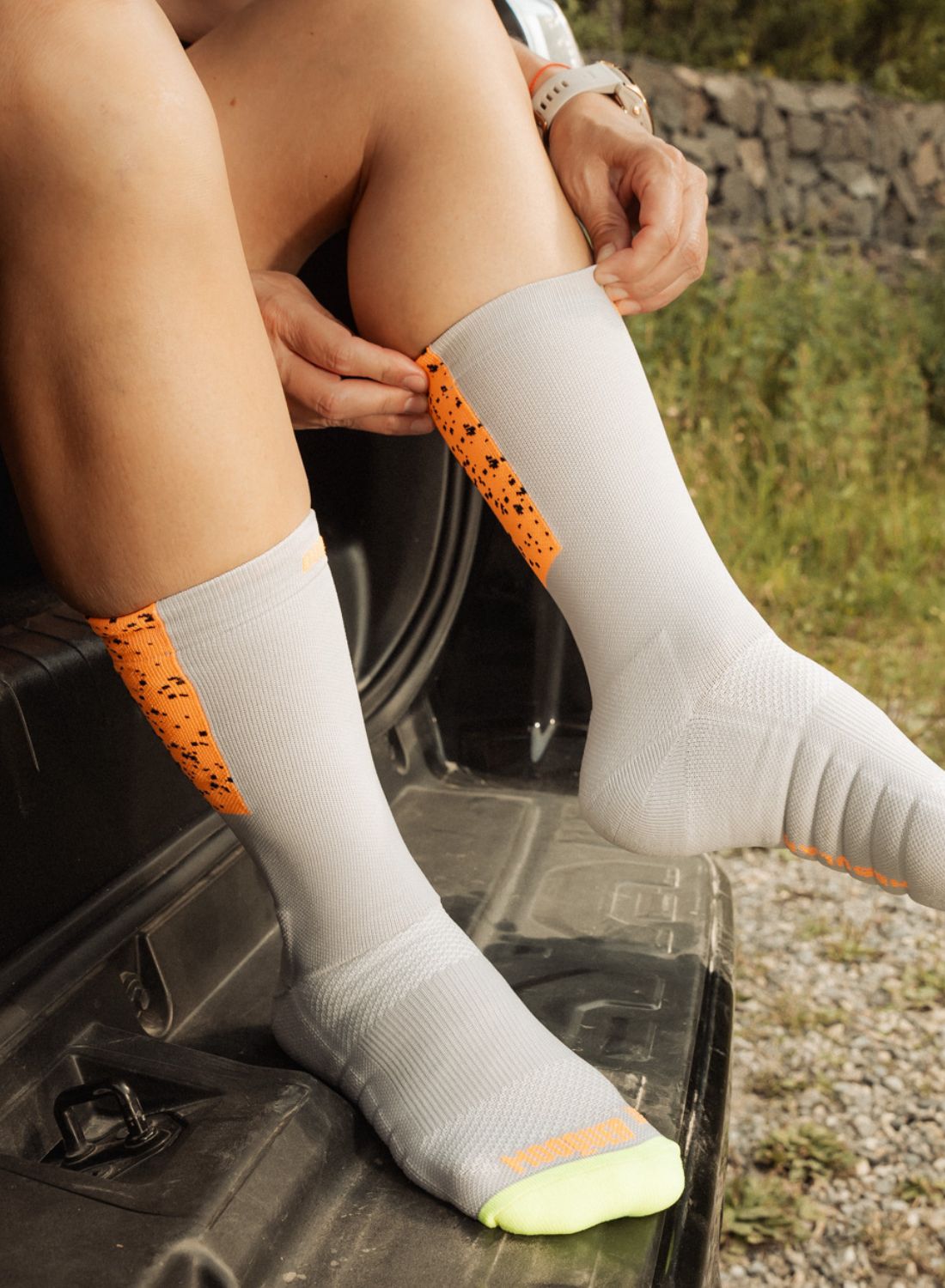
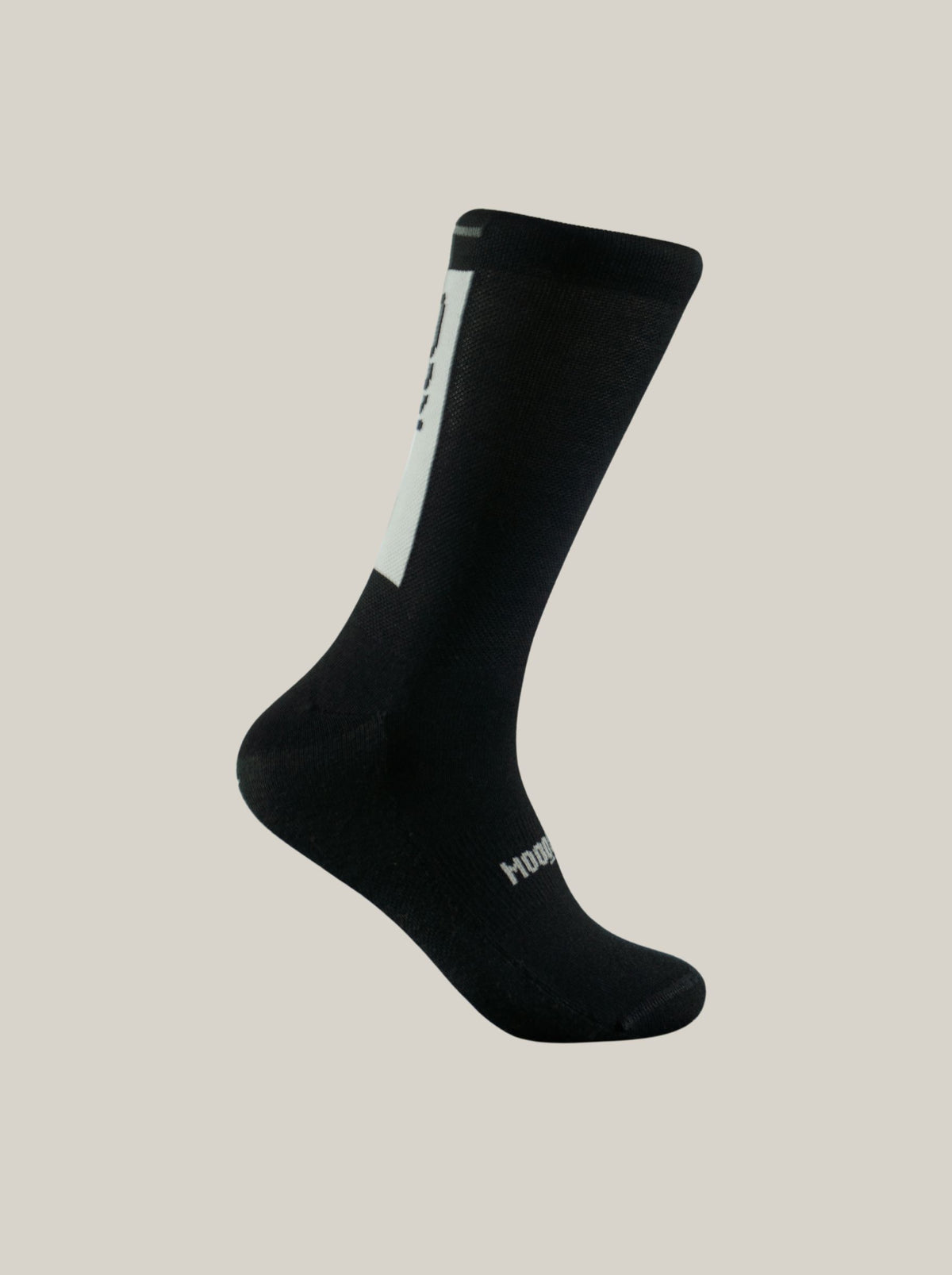
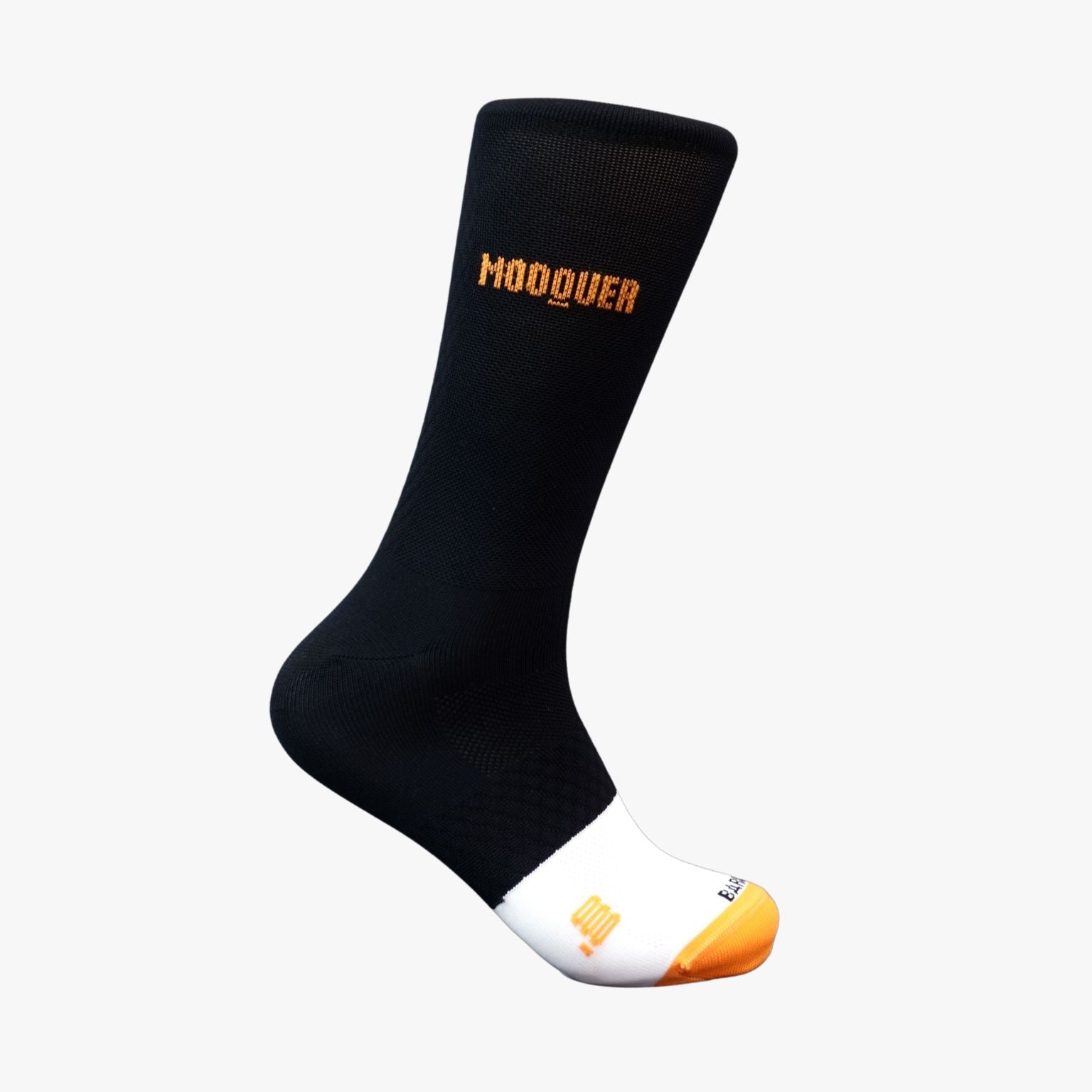
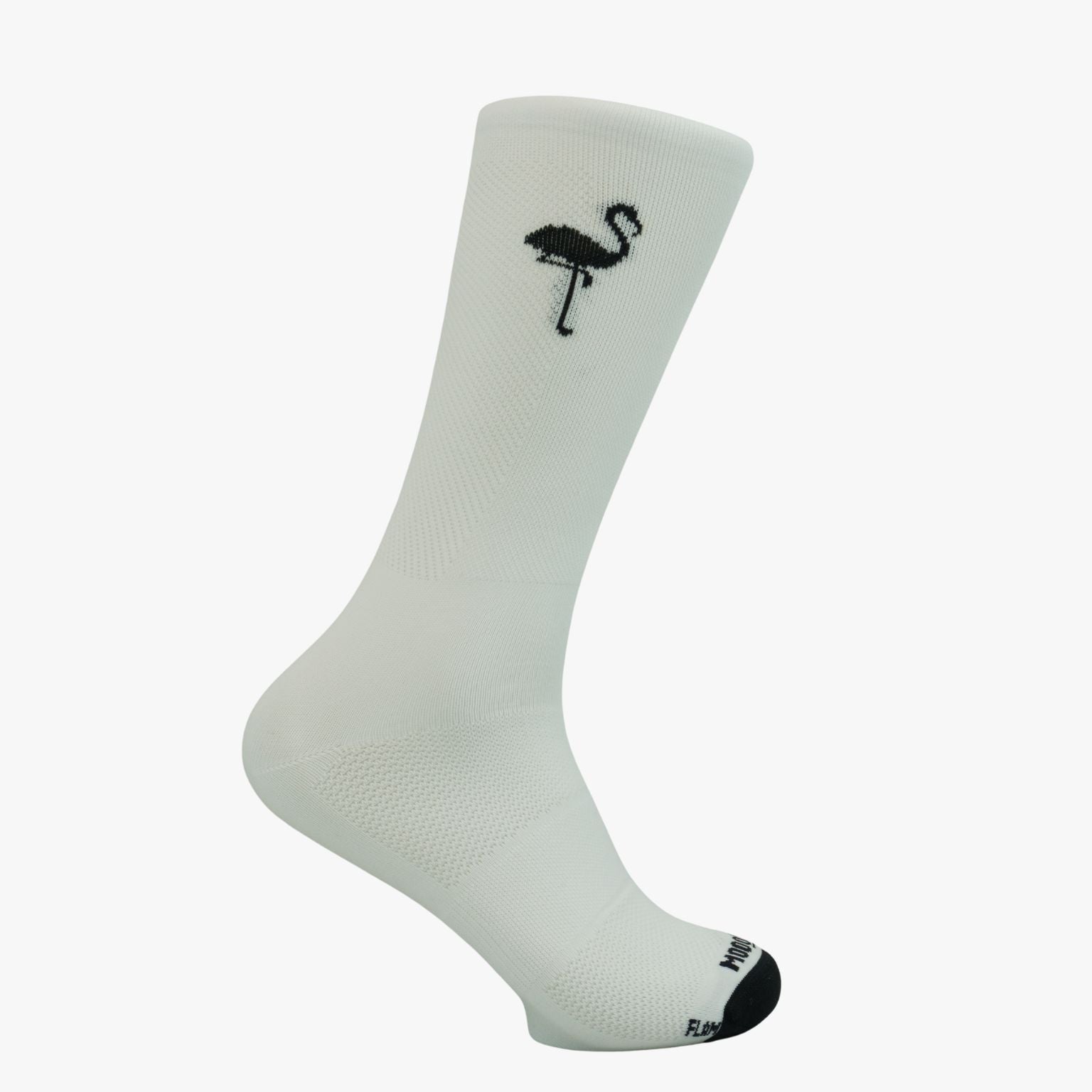
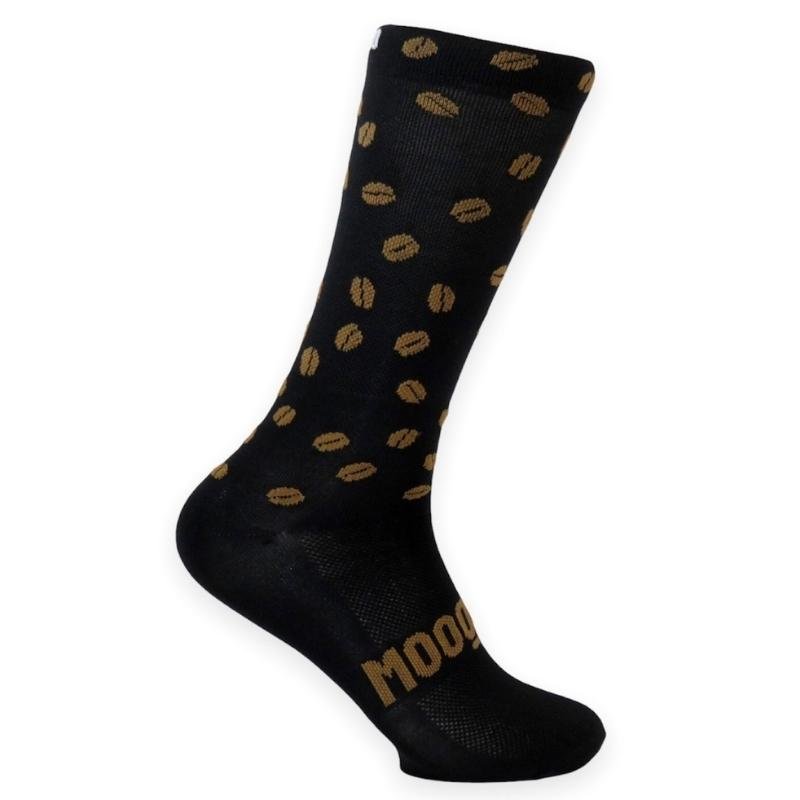
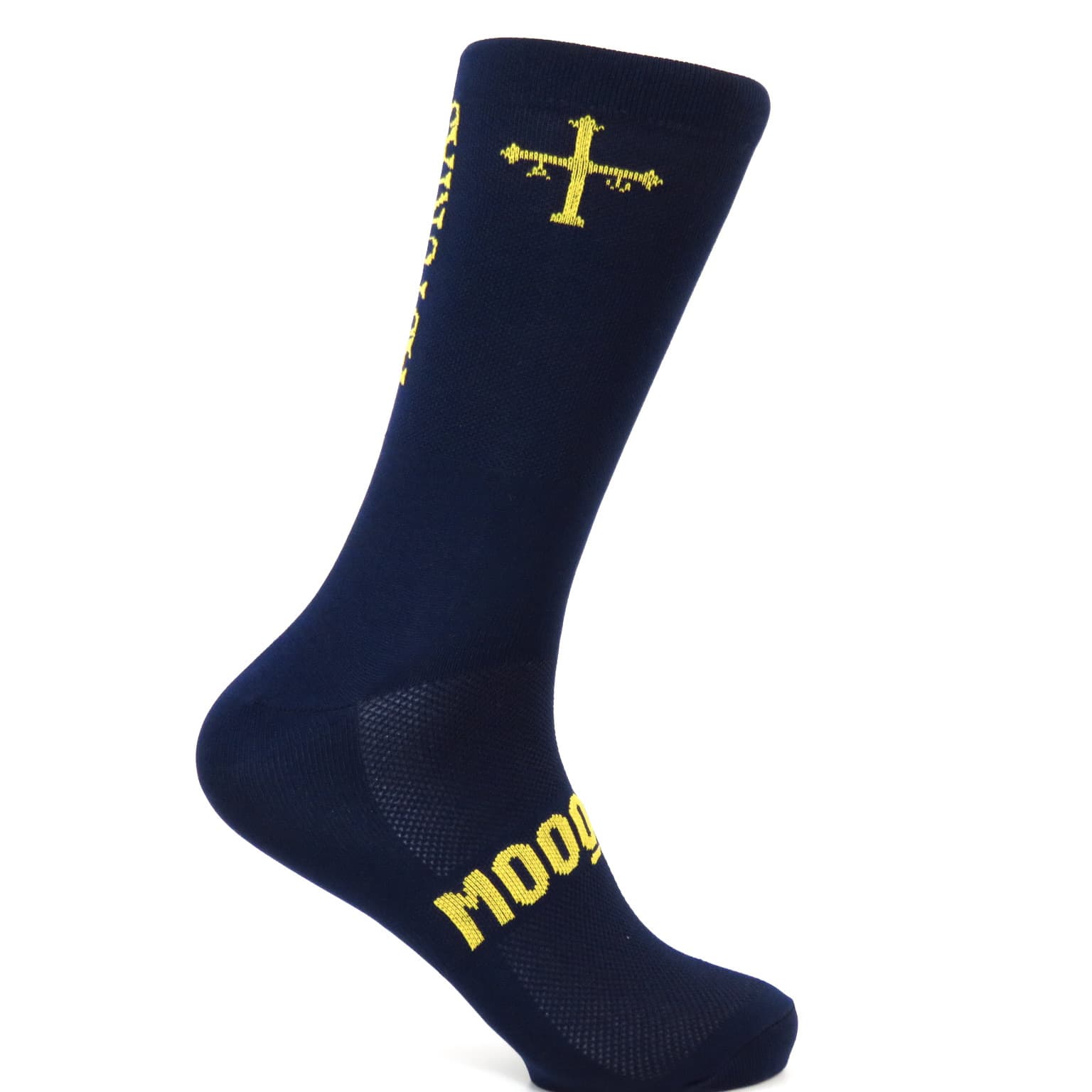
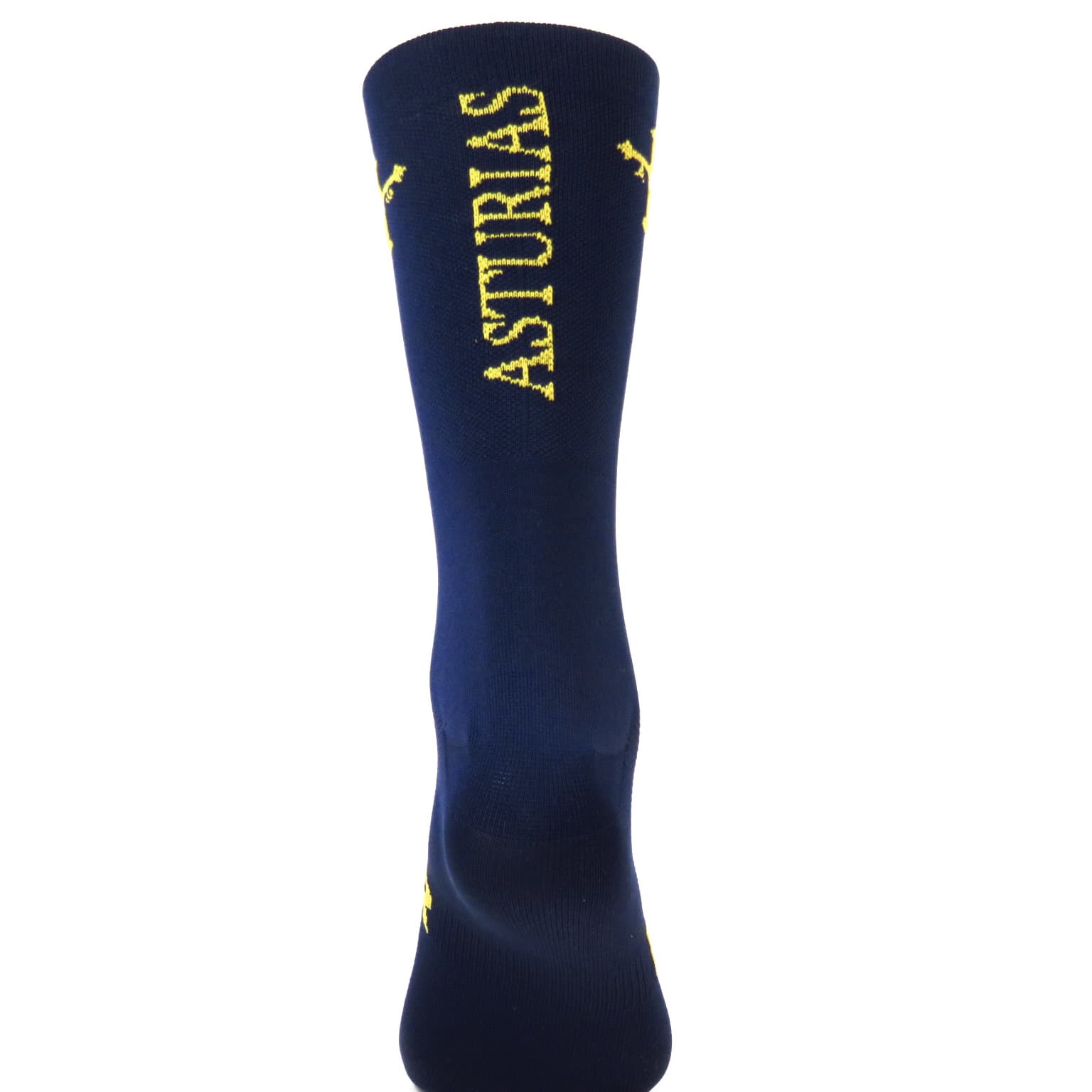
Cotton absorbs sweat and holds it against the skin: that is exactly what you do not want. A technical running sock does three important things: it fits without wrinkling, has no thick seams at the toe, and wicks moisture away.
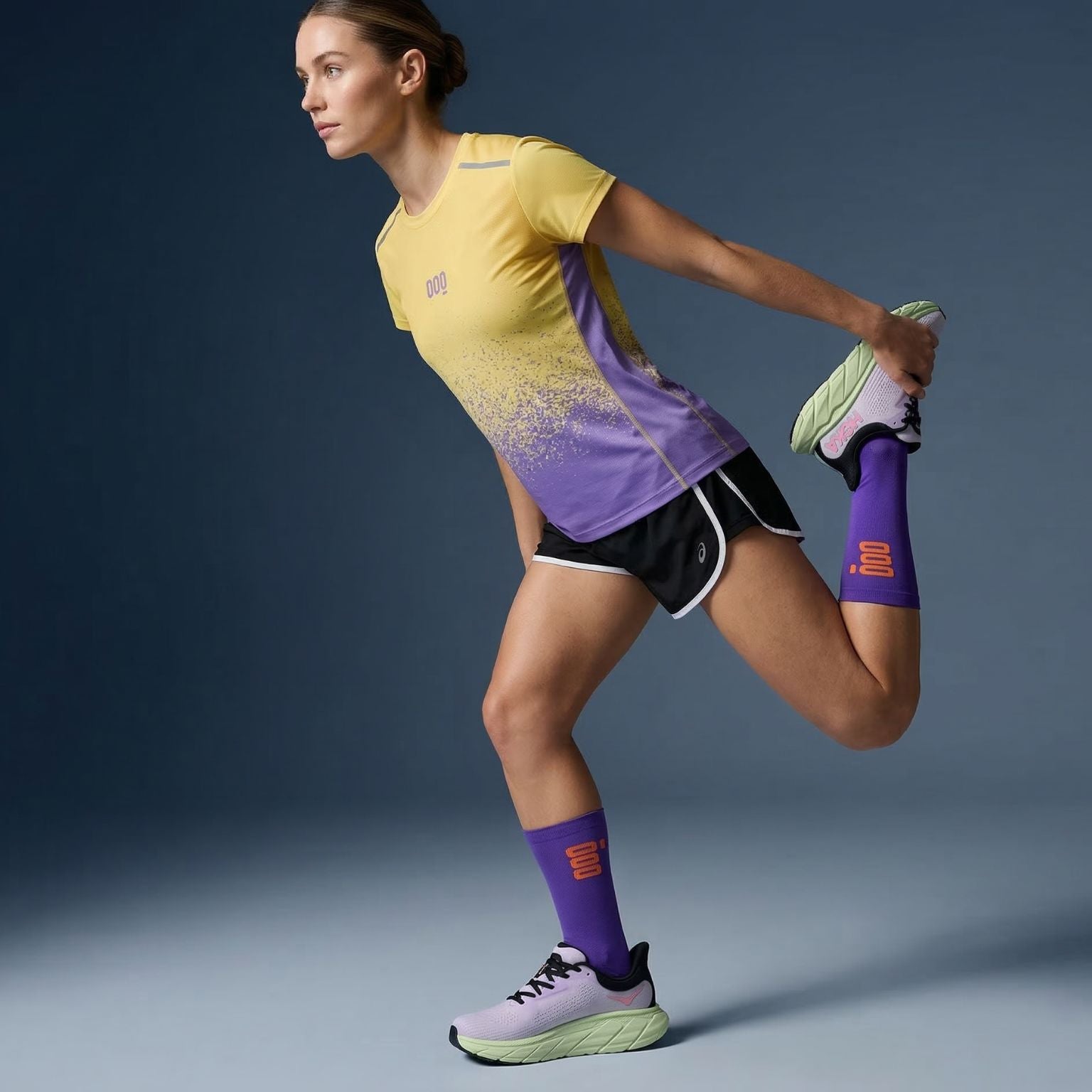
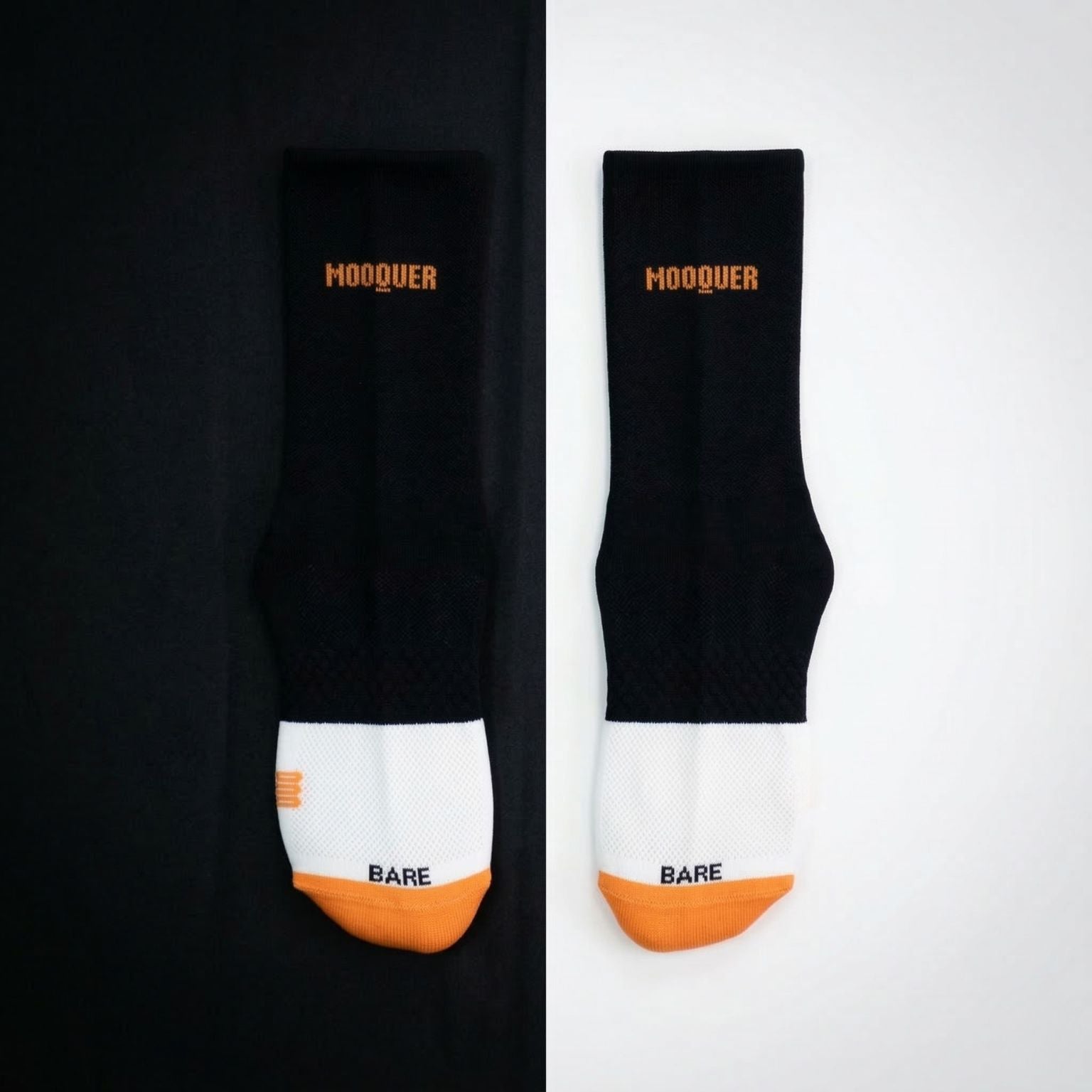
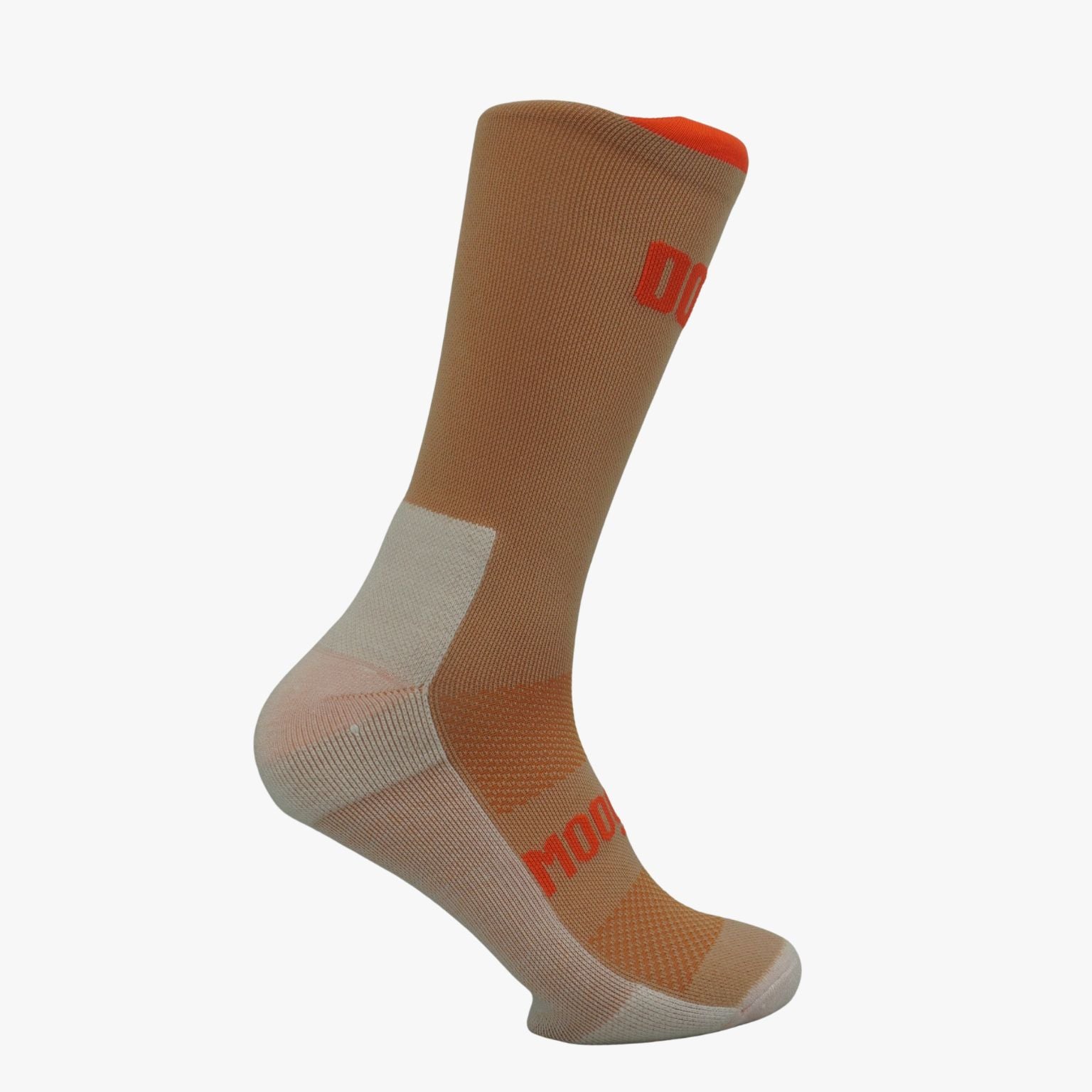
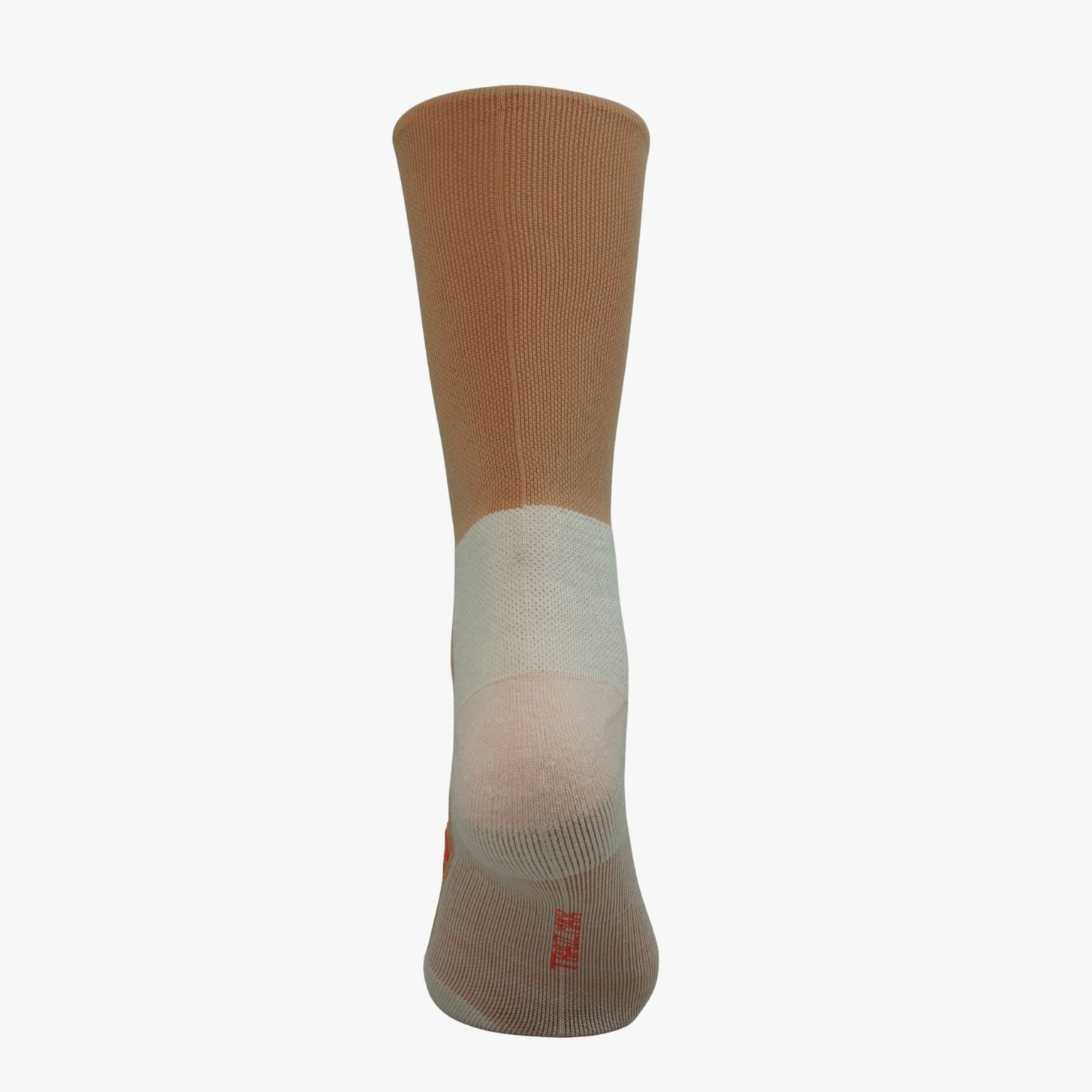
On asphalt, the Lilac Run socks from our RUN line have flat seams, a mesh instep to let the foot breathe, and a fit that is neither too tight nor slips down, which prevents the fabric from wrinkling halfway through a run. The entire line is available in our technical running socks, made in Spain.
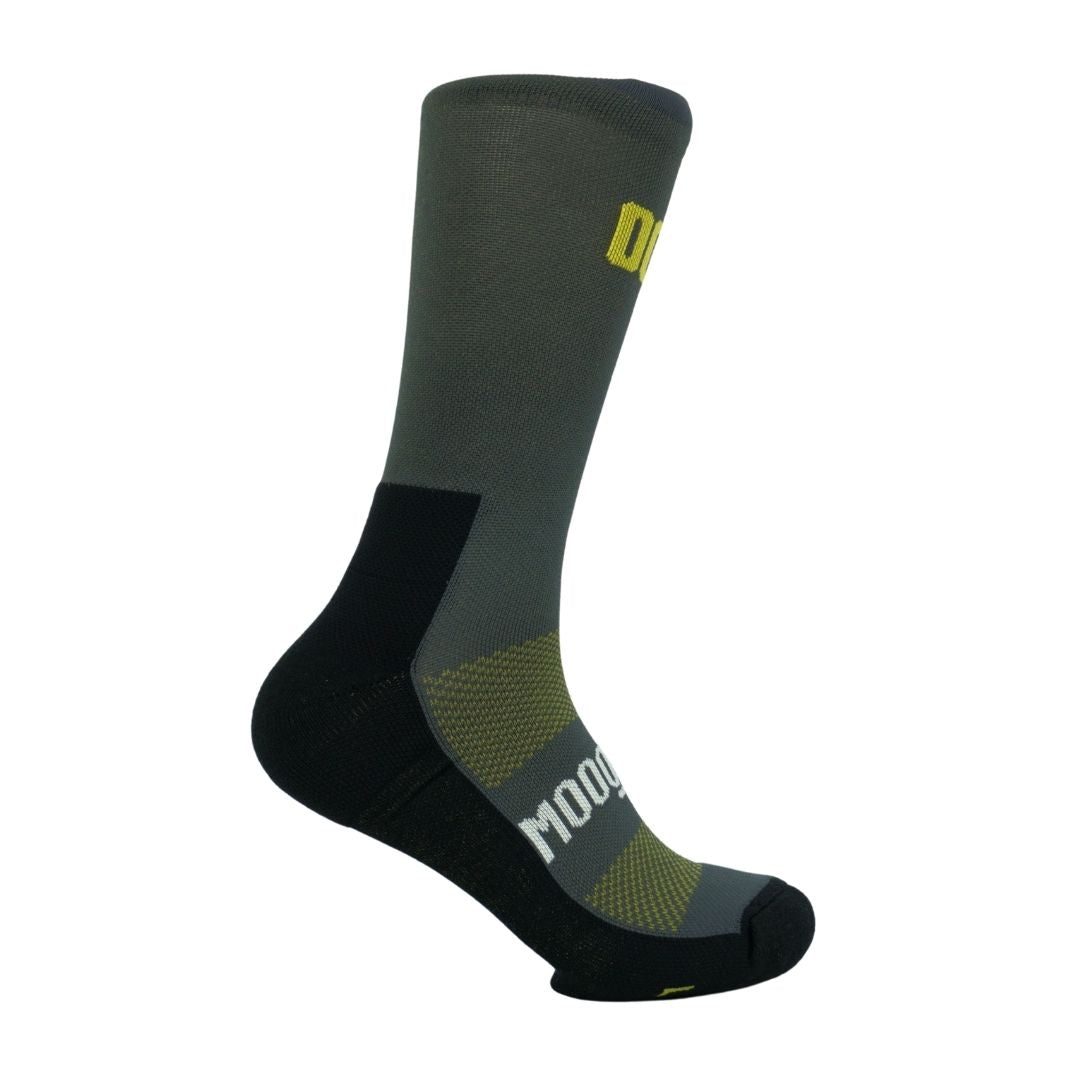
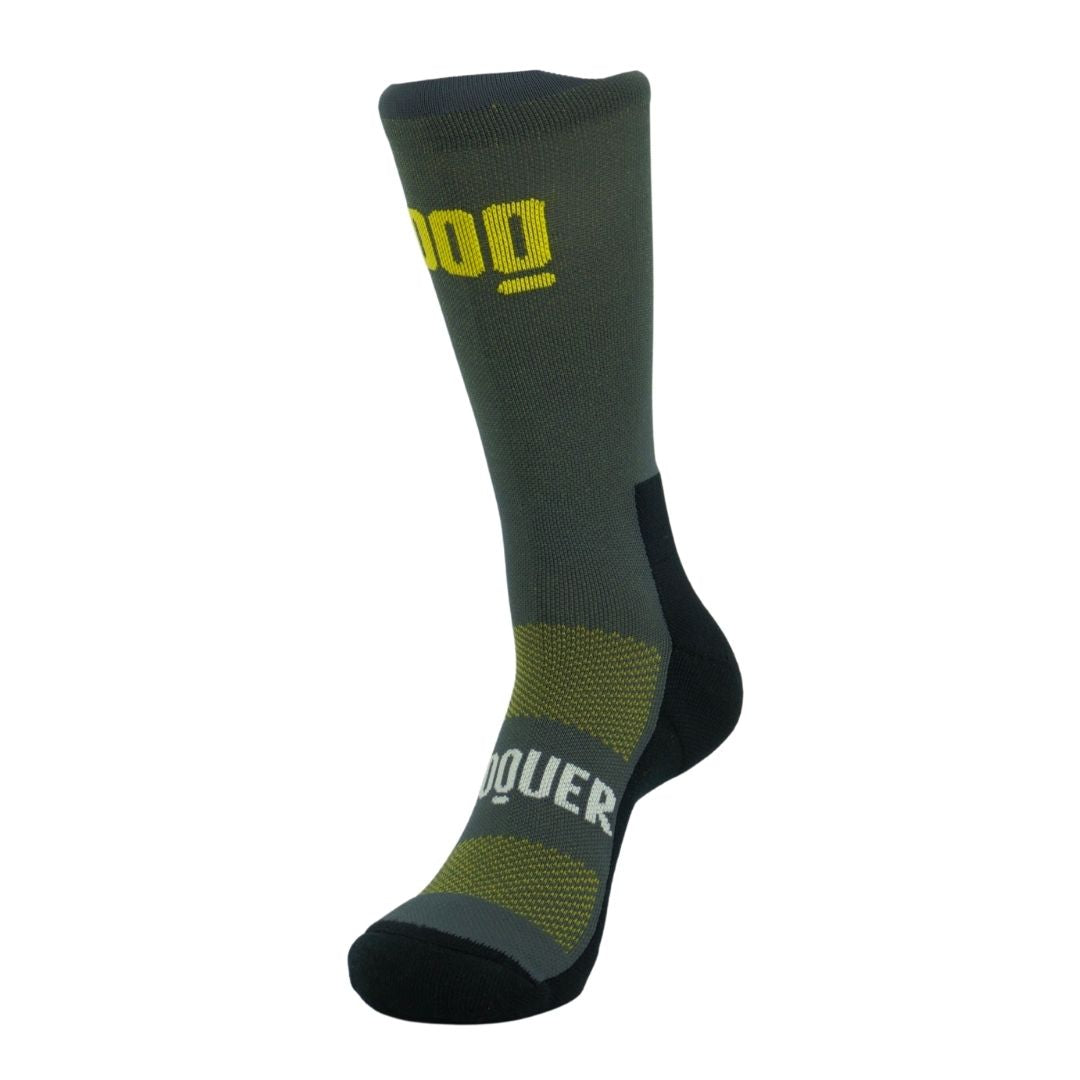
On the trails, the foot suffers more: long descents, uneven terrain, water. The Earth Trail Max high-cut socks feature extended reinforcements at the toe, arch, and heel, and chitin integrated into the sole, with a high absorption capacity to keep the foot drier during exercise. What chitin is and what to expect from it, without making the sock bulky, can be found in why we put chitin in the sole of our socks. The rest of the trail models are in trail socks.

The skin, prepared
If you already know where they appear, protect that area before heading out. An anti-friction lubricant reduces friction on the toes and heel. Medical tape or a technical dressing over a problem area works if it is well attached and has no lifted edges. And keep your nails short: a long nail pushes the sock and creates friction at the tip.
Break in new gear during training, never in a race
Shoes, socks, and lubricant should be tested on long runs before the big day. The rule about never trying anything new in a race exists because of blisters more than anything else.
If it rains or there is water
The risk skyrockets with wet feet. A sock that wicks away water well and, on long races, a spare pair in your backpack make the difference. We explain it in detail in running in the rain without ending up soaked.

What to do if you already have a blister
If it is small and does not hurt, leave it intact: the skin on top is the best dressing there is. Protect it with a hydrocolloid dressing or gauze and reduce friction for a few days.
If it is large and hurts when you step, many healthcare professionals recommend draining it with a sterile needle through the side, without removing the skin on top, disinfecting it, and covering it. If redness appears and spreads, heat, pus, or fever, stop experimenting and consult a professional. And if you have diabetes or poor circulation in your feet, any blister is worth consulting a professional about.
Most runners live with blisters as if they were a toll. They are not. Check your shoe size, switch to a technical sock, and prepare the skin in your weak spot: that is how almost all of them disappear.
Frequently asked questions
What socks prevent blisters when running?
Technical seamless socks with a good fit and fabrics that wick away moisture. Cotton retains sweat and increases friction, so it is best to avoid it for running.
Should you pop a blister?
If it is small, no: protect it and let it heal on its own. If it is large and painful, it is usually recommended to drain it with sterile equipment without removing the skin on top, and consult a professional if signs of infection appear.
Why do I get blisters on my heel when running?
Usually because the foot moves up and down inside the shoe. Tightening the laces better, using the last eyelet to lock the ankle, or checking the size usually solves it.
Is Vaseline good for preventing blisters?
It reduces friction in problem areas and works for many runners on long runs. Like any change, try it during training first.









Leave a comment
This site is protected by hCaptcha and the hCaptcha Privacy Policy and Terms of Service apply.