






Running in the rain: what to wear and how to avoid getting soaked
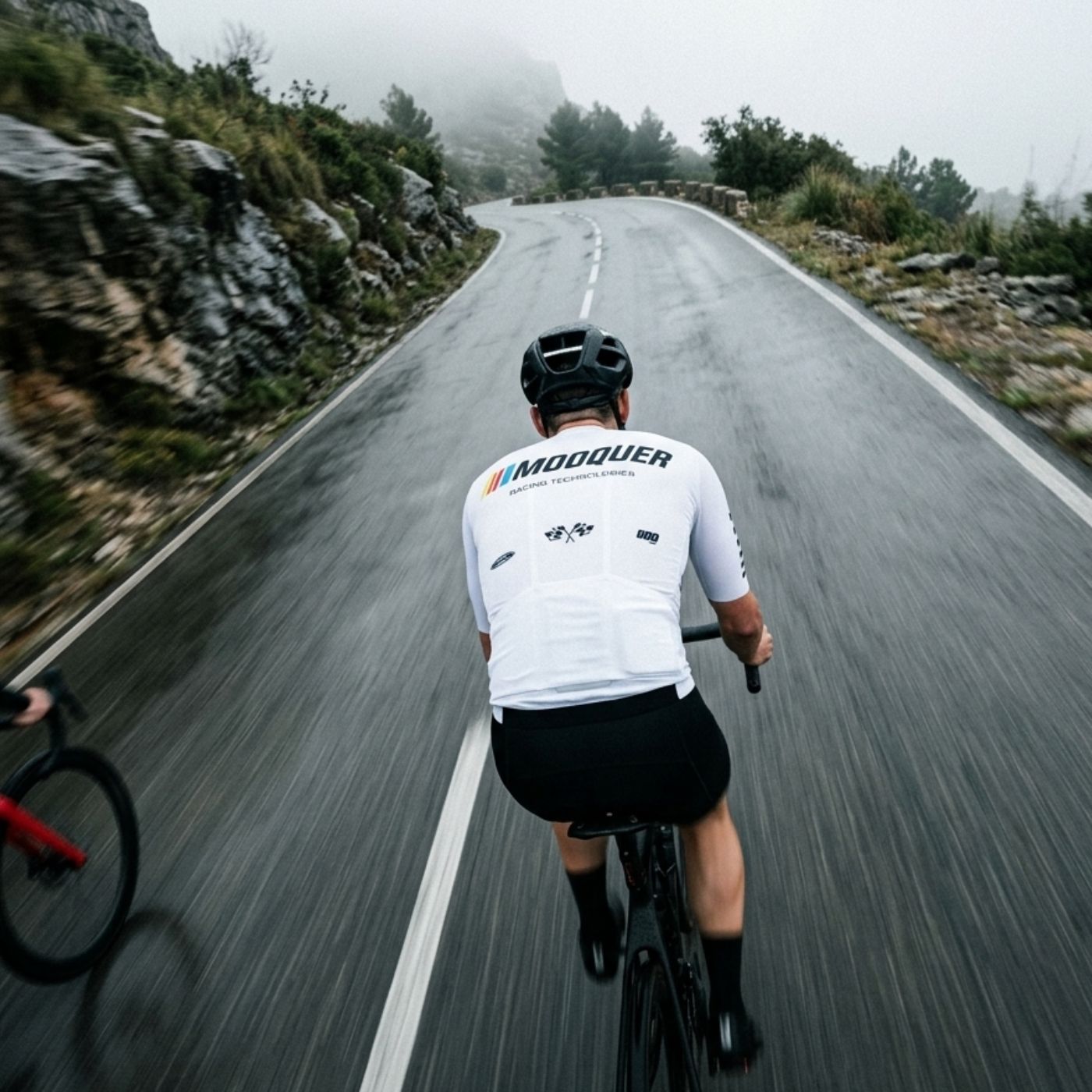
Running in the rain is safe and even enjoyable if you manage three things: that your clothes don't retain water, that your feet don't get chafed, and that you don't get chilled when you stop. Dress as if it were a few degrees warmer than the thermometer shows, protect your face with a visor, and leave cotton at home.
Rain itself is rarely the problem. The problem is what it does to what you're wearing: a t-shirt that weighs twice as much after twenty minutes, a sock that bunches up inside your shoe, a raincoat that makes you sweat profusely. This is what works.
Before you head out: what the forecast decides
Drizzle at 14 degrees is not the same as a downpour at 6 degrees with wind. Look at three pieces of data: temperature, rainfall intensity, and wind. In mild temperatures and light rain, almost any technical clothing will do. In cold and windy conditions, water amplifies the wind chill, and the outer layer takes center stage.
Also consider the terrain. On asphalt, rain barely changes the plan. In the mountains, mud, wet rock, and roots call for a different pace and different shoes. And if there's a thunderstorm, the run is postponed: on a ridge or in an open field, there's no garment that will protect you from that.

What to wear for running in the rain
First layer: technical fabric, never cotton
Cotton absorbs water and retains it; a technical synthetic fabric also gets wet, but it weighs less when wet and dries much faster. Look for quick-drying t-shirts with a fit that doesn't hang loose, because loose, soaked fabric chafes. Our quick-drying technical t-shirt Alba Signature, for example, combines ultra-quick-drying fabric with mesh at the neck and sides, and is made in Portugal.
Outer layer: water-repellent before waterproof
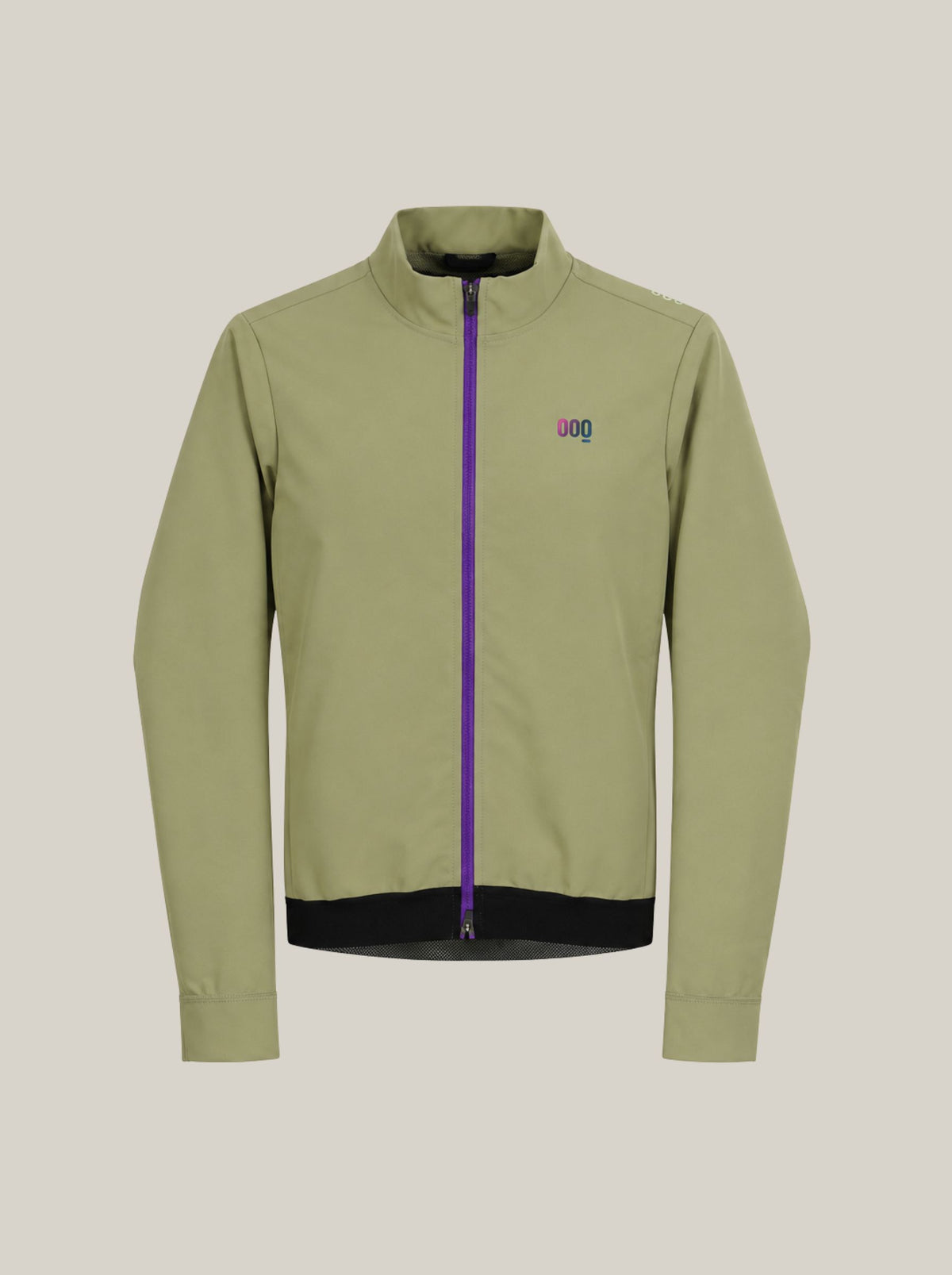
Running generates a lot of heat. A closed raincoat protects you from the water outside, but it will soak you in sweat from the inside as soon as you pick up the pace. For light or intermittent rain, a water-repellent and windproof layer is usually the better compromise: it lets heat escape and slows the wind, which is what really chills you.
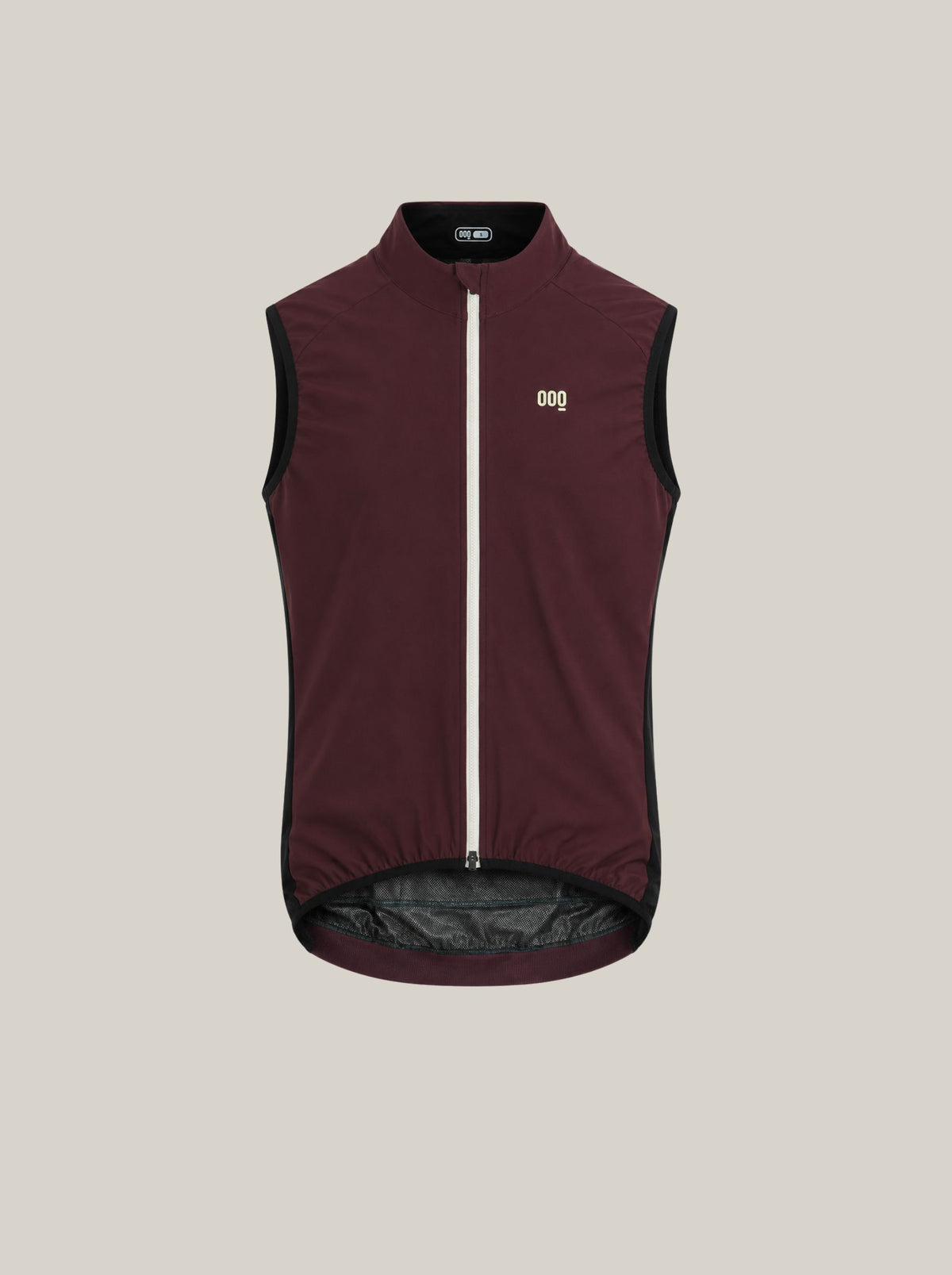
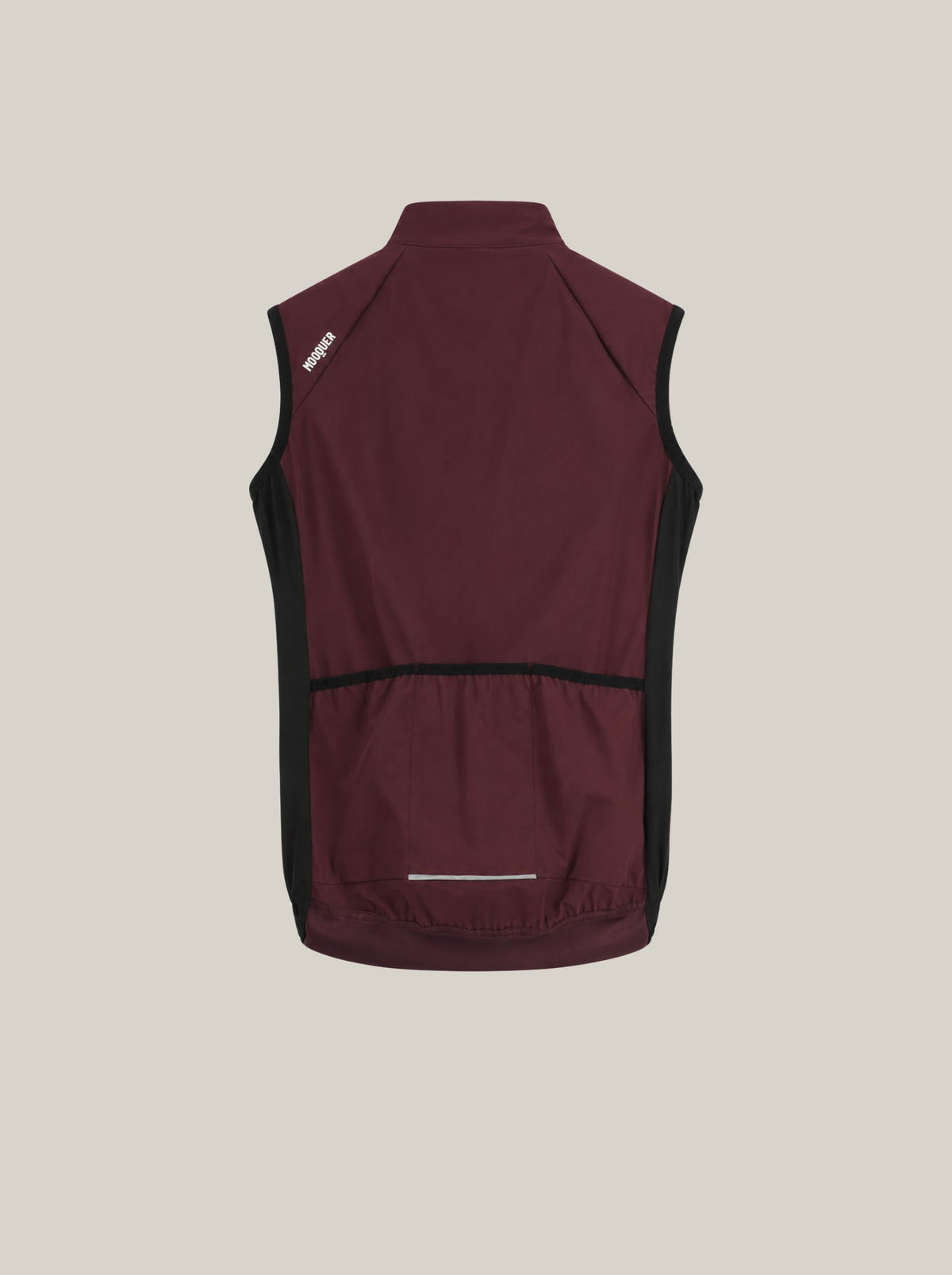
The DWR Orange Aero vest was born for cycling, but it works just as well for running on windy days: 48 grams in size L, with a water-repellent finish on the front, mesh back to release heat, and an intense orange that stands out in gray dawns.
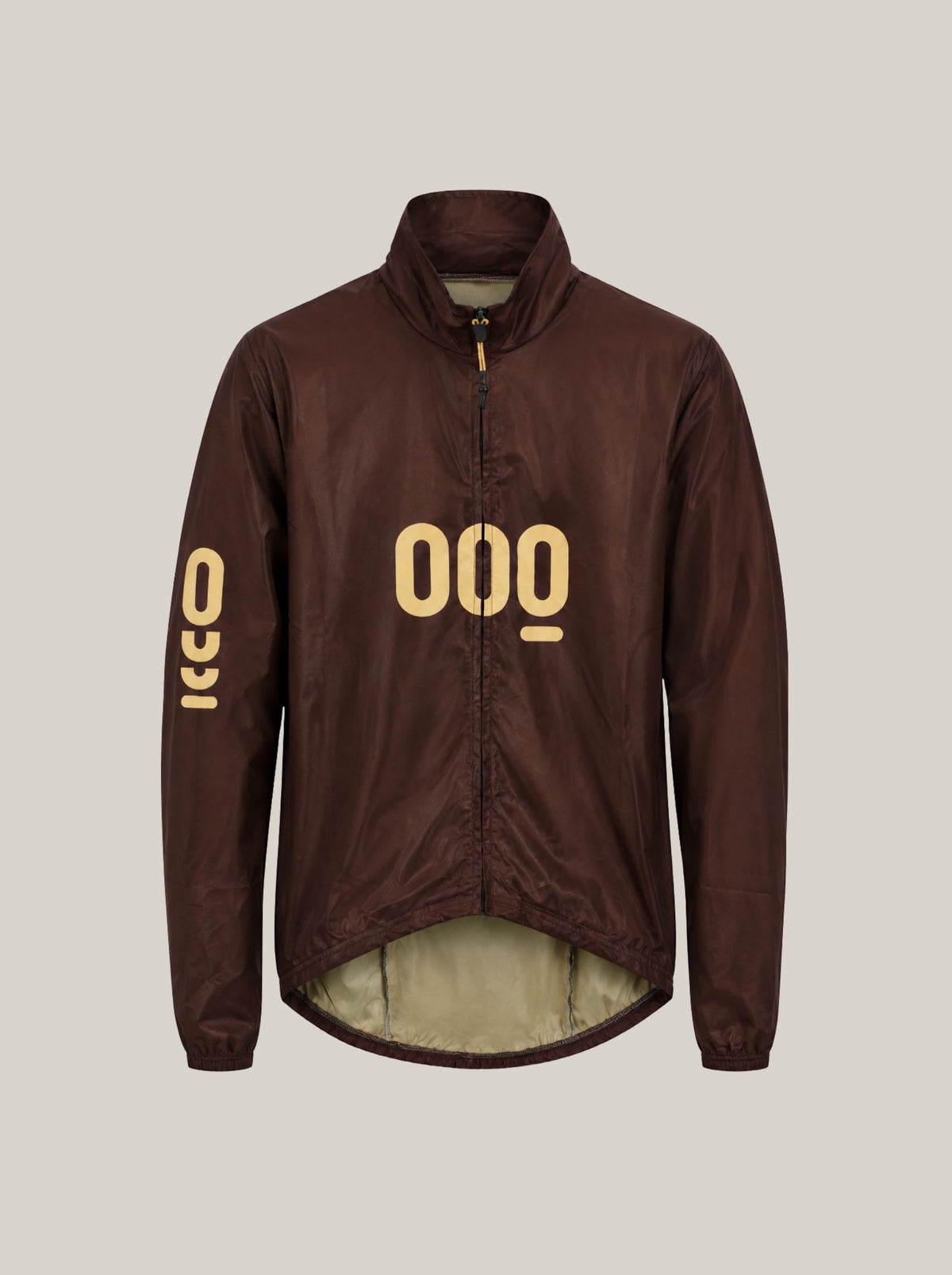
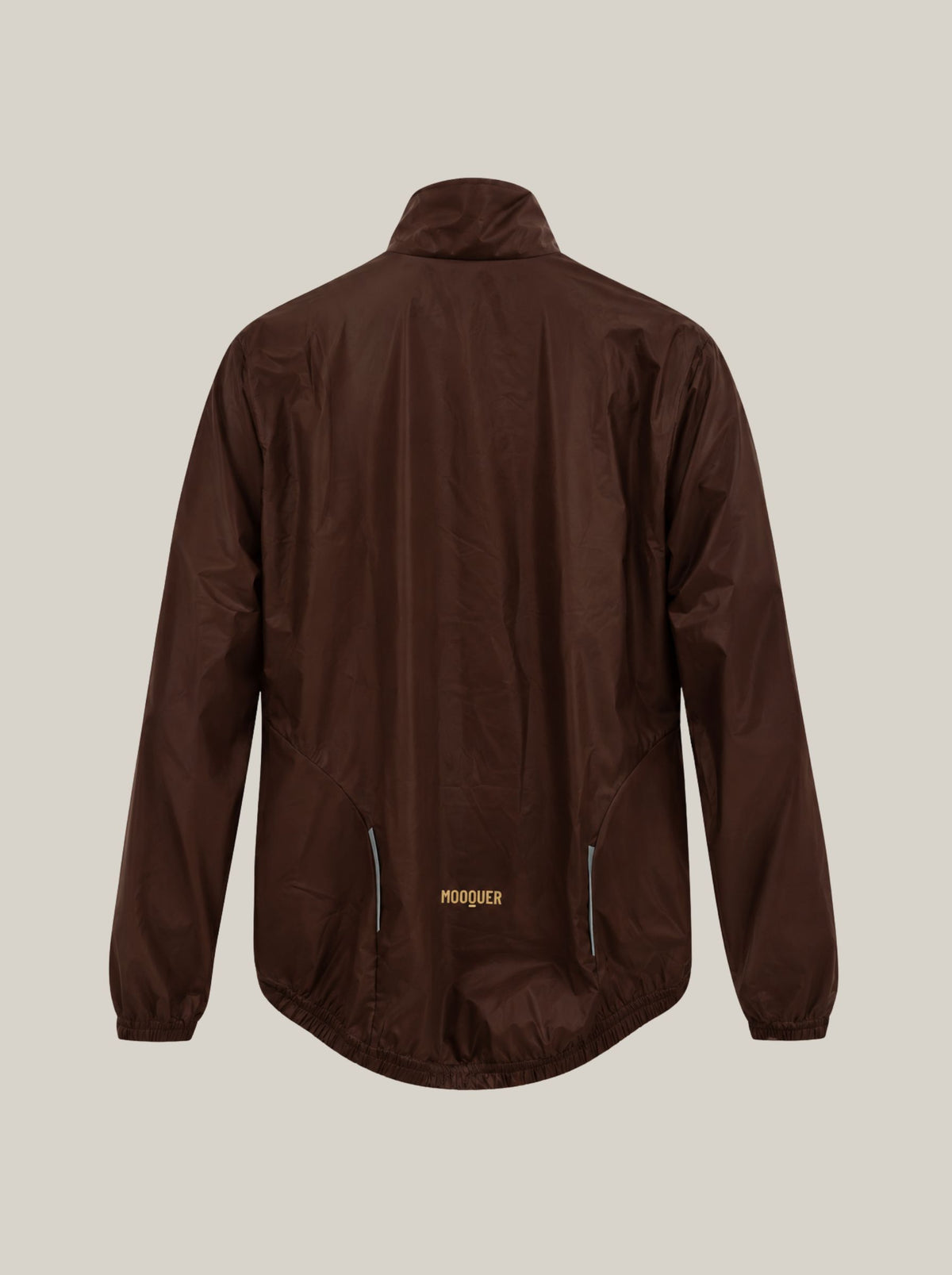
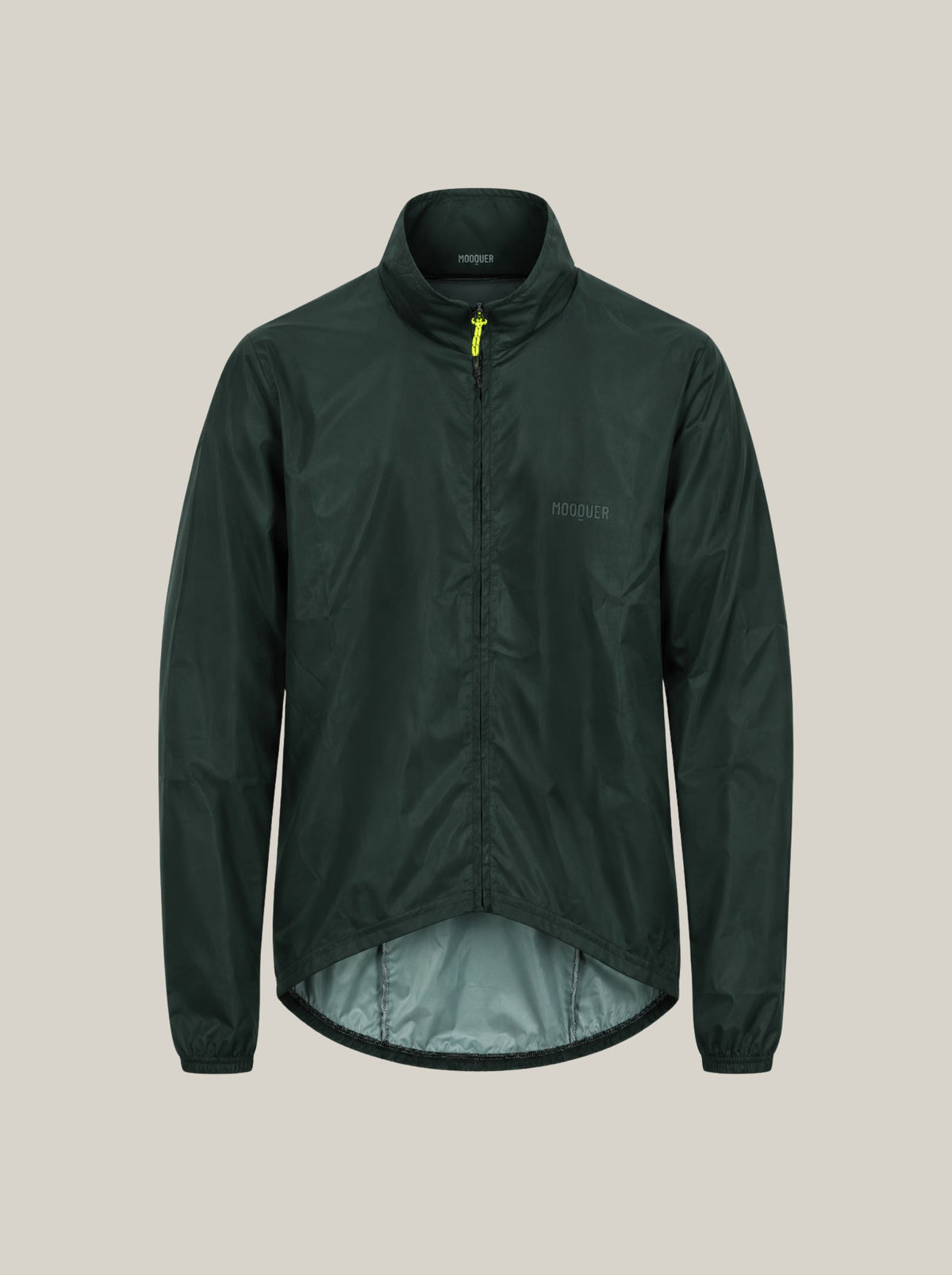
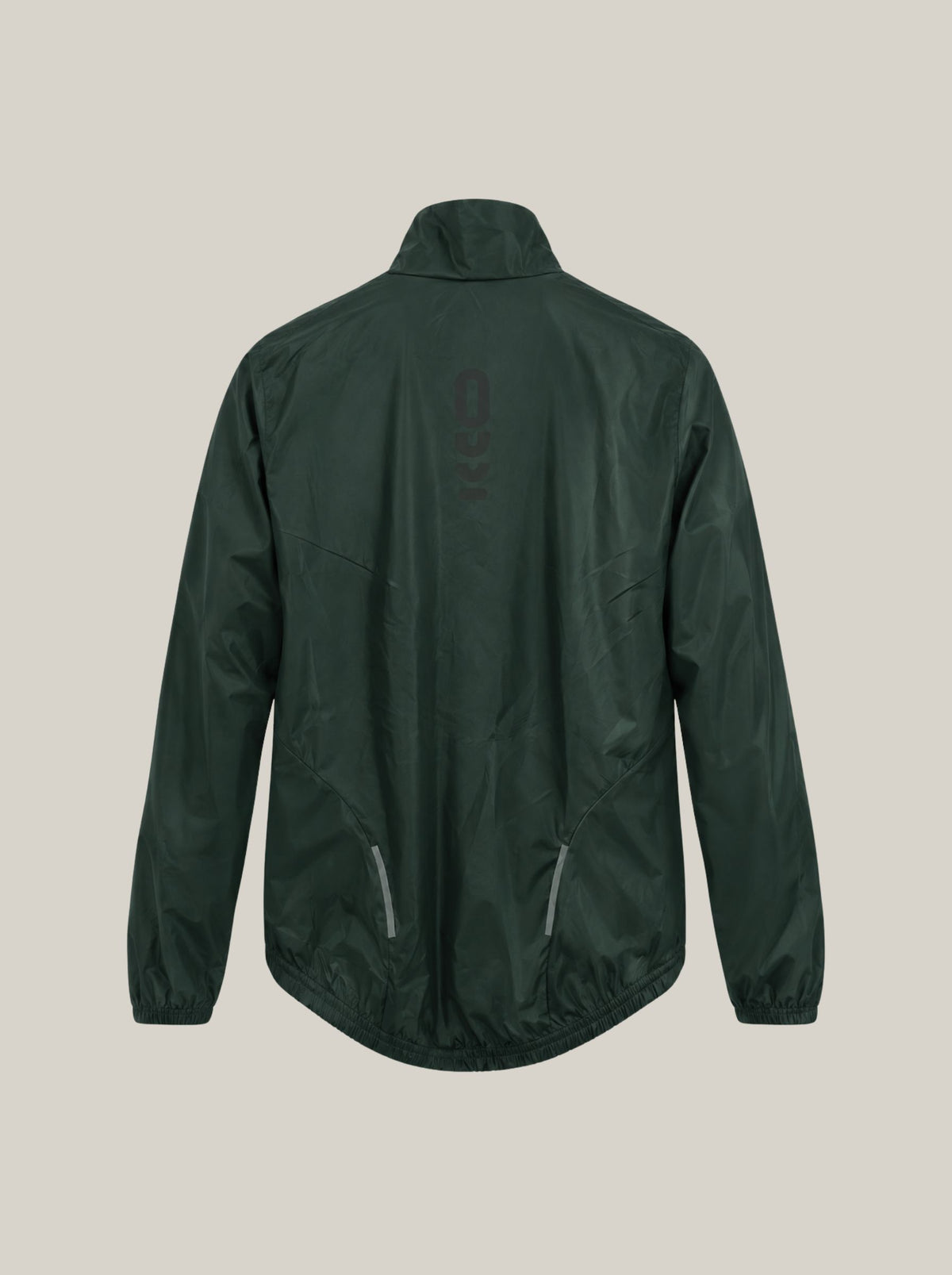
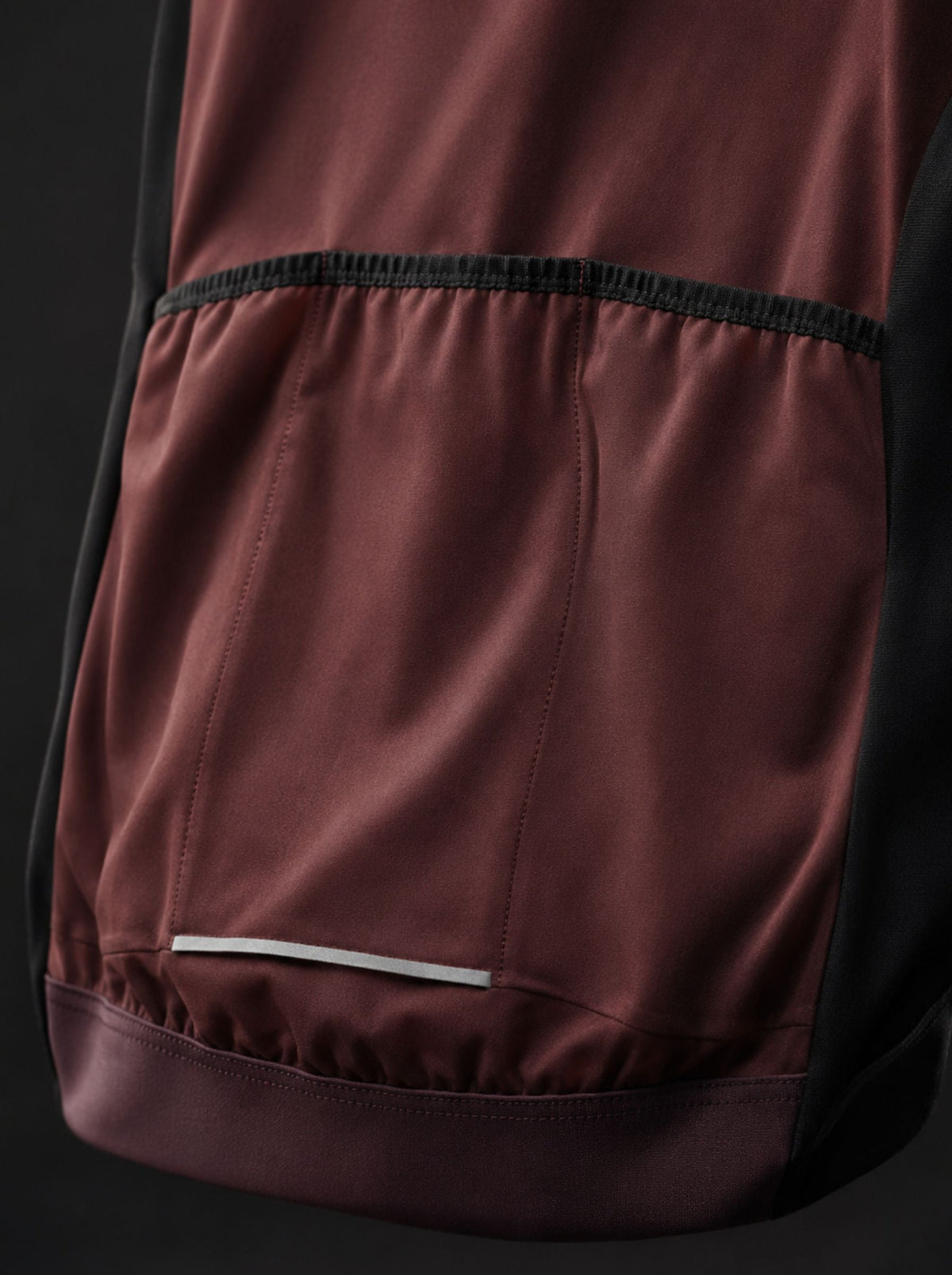
If you prefer to cover your arms too, our windbreaker is the same idea with sleeves: water-repellent fabric, it folds up to fit in a pocket, and weighs just a little more than the vest. It's available in Mist gray and Heather burgundy. For heavy and prolonged rain, you do need a running waterproof jacket with a membrane.
Bottoms: shorts almost always
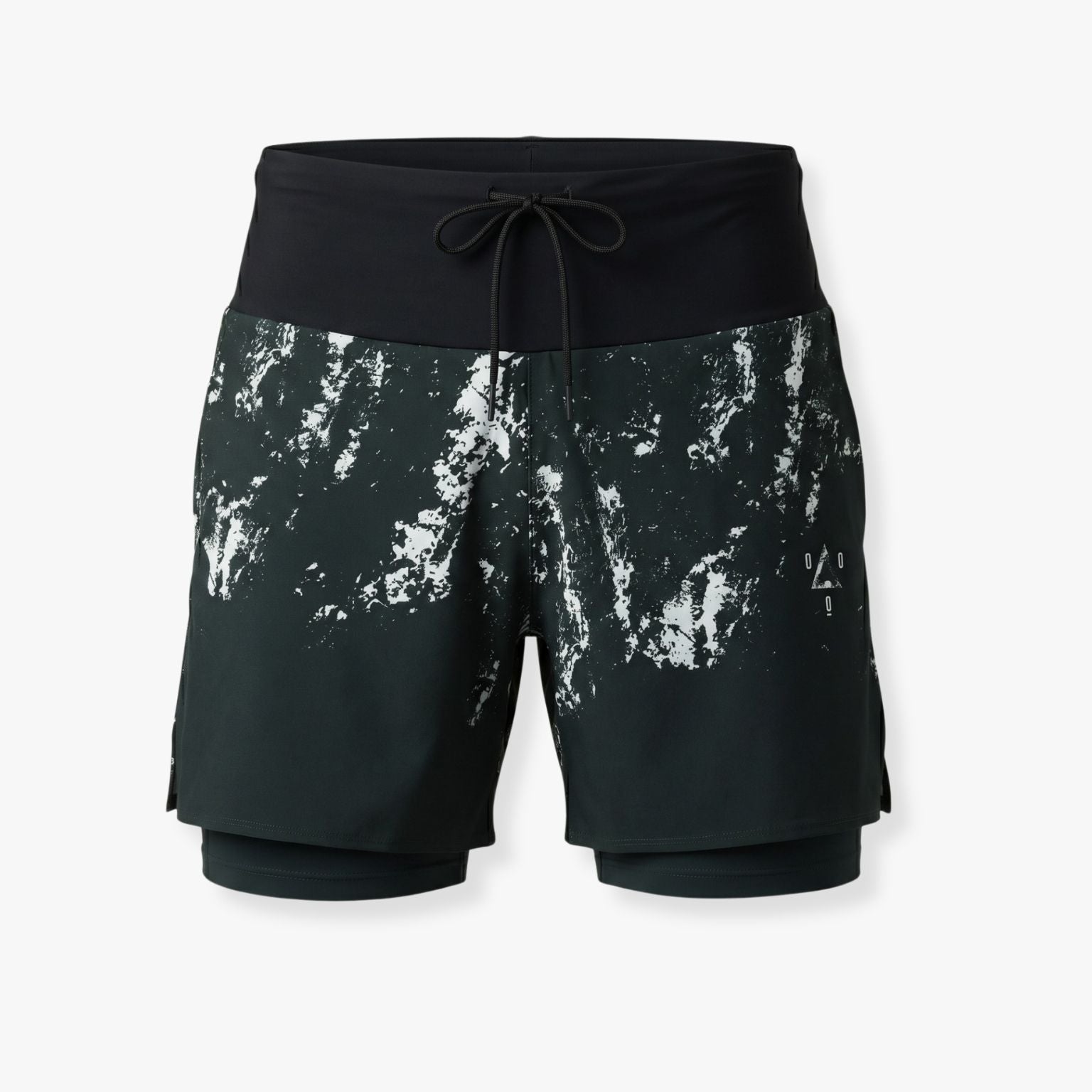
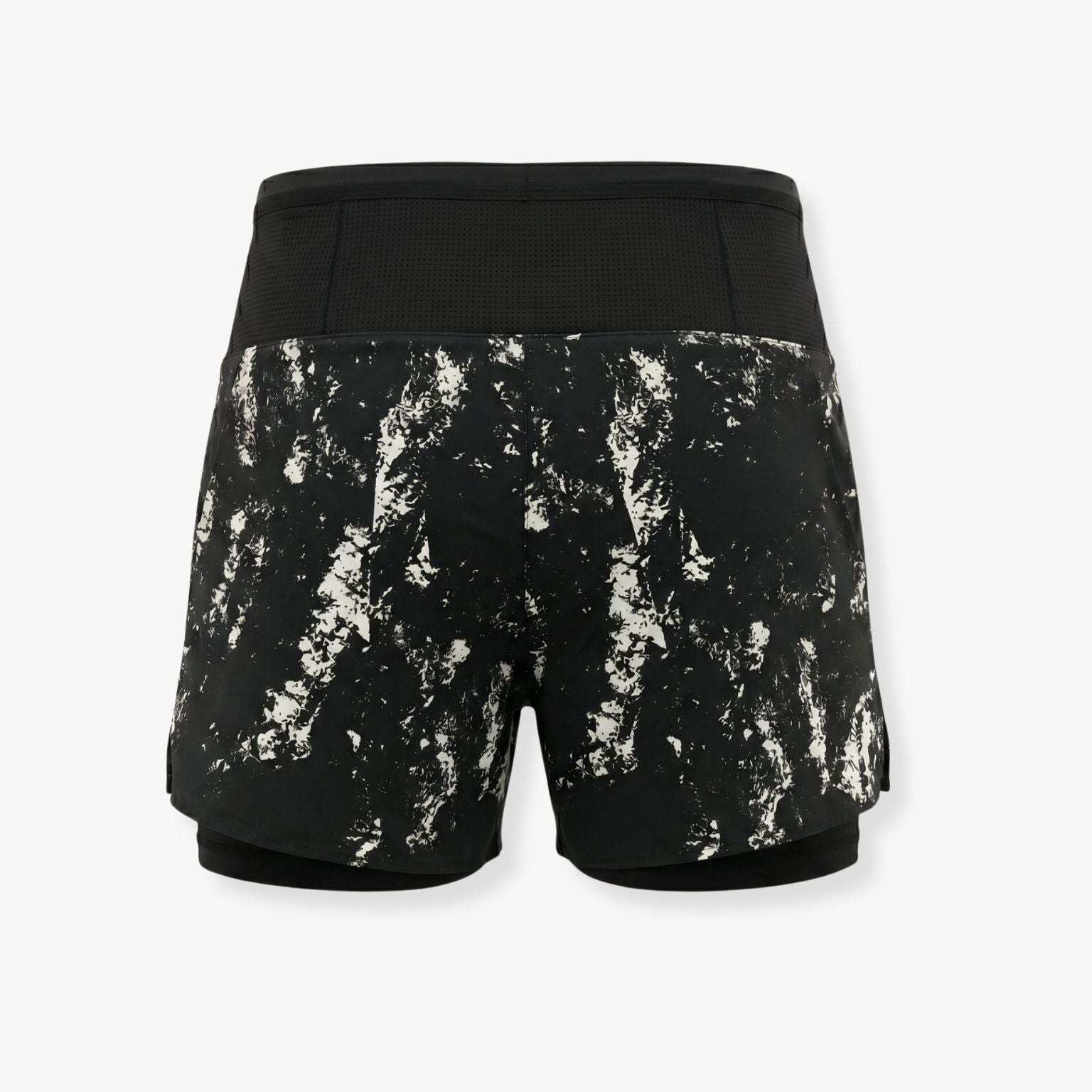
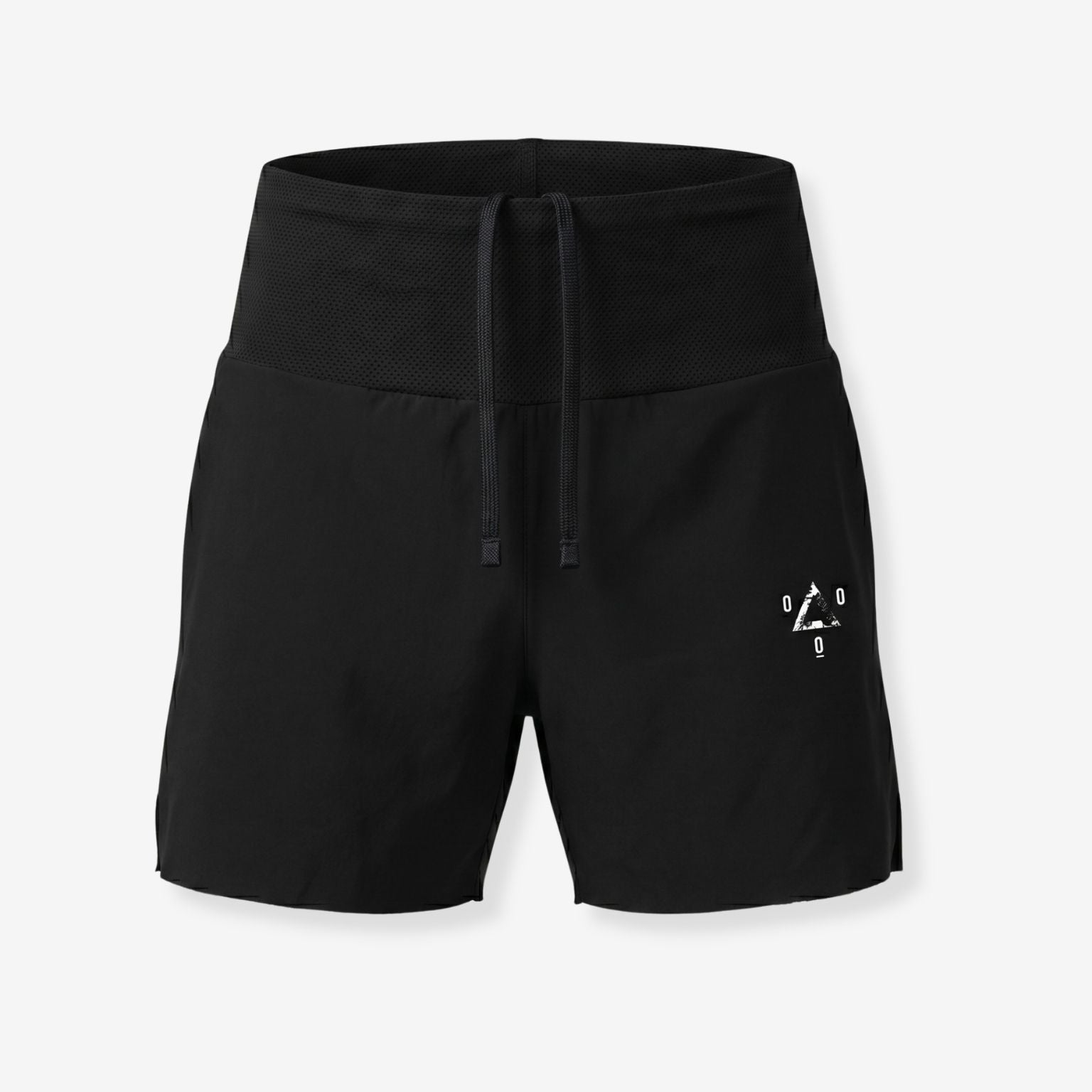
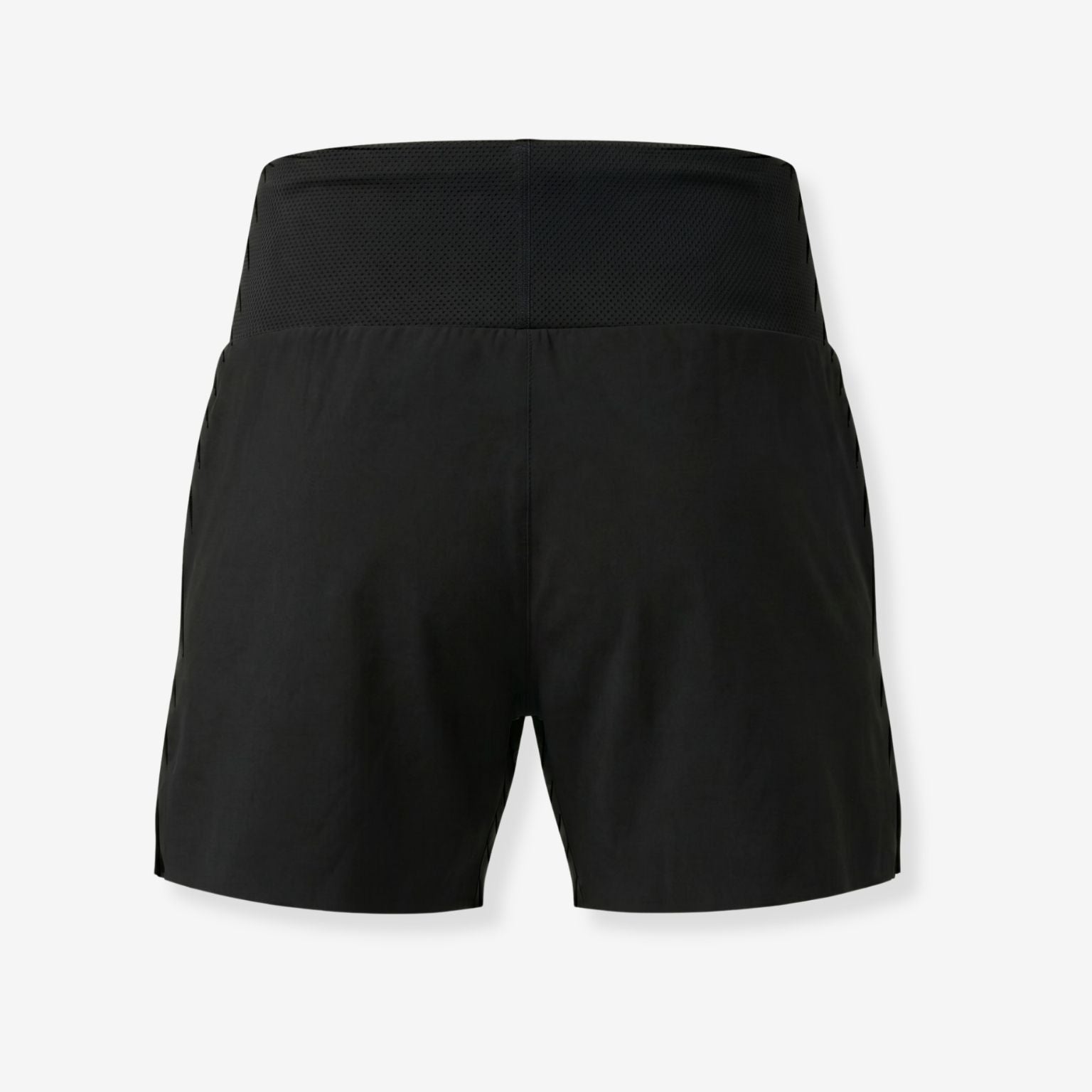
Your legs generate heat, and skin dries faster than any fabric. Above 8 or 10 degrees, shorts are the most comfortable option in the rain. If you're torn between models, in this article we explain when a pair of pants with a mesh lining is worth it, which matters more than it seems in the rain because of chafing.
Cap with a visor: the garment that makes the biggest difference
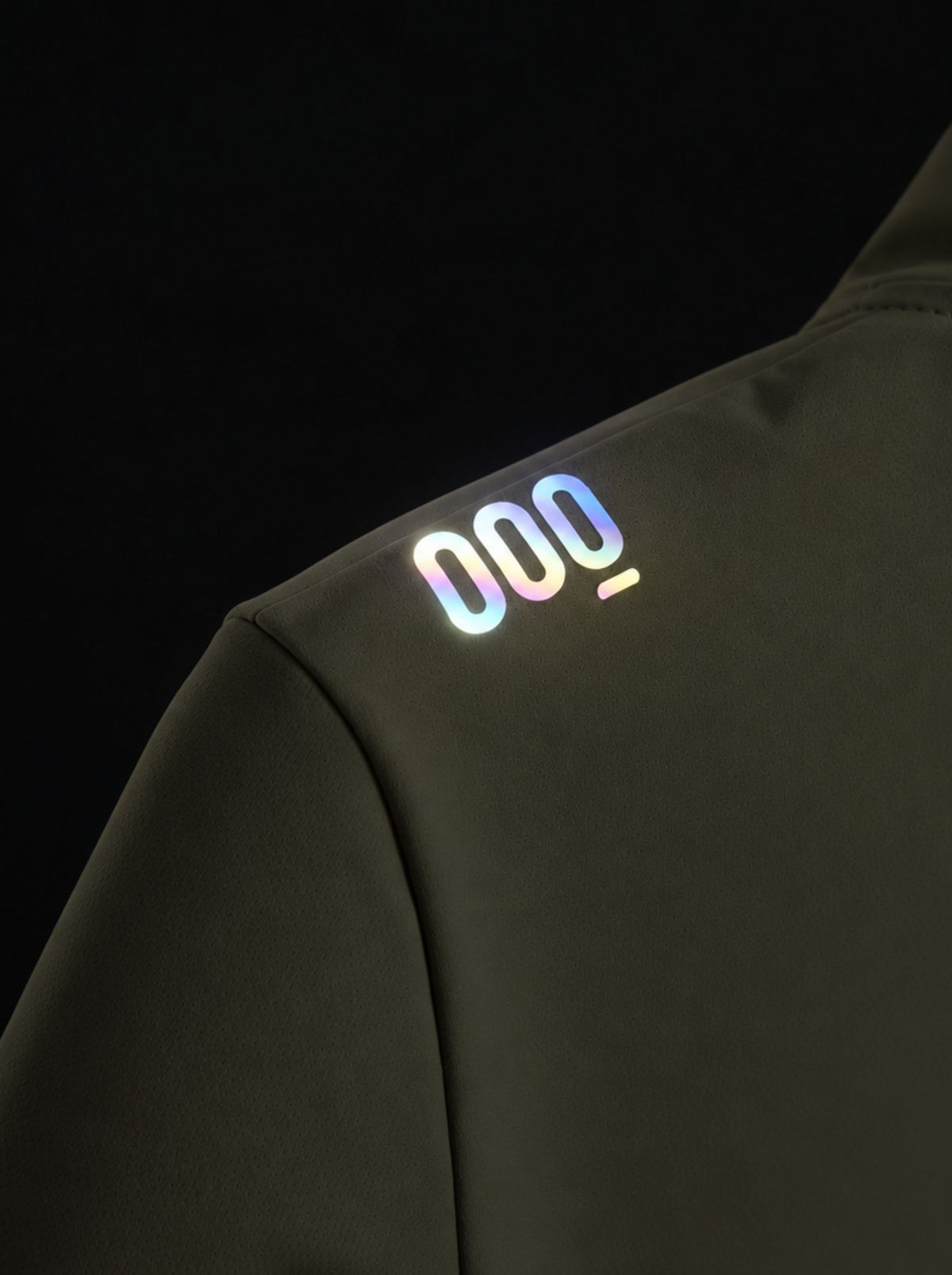
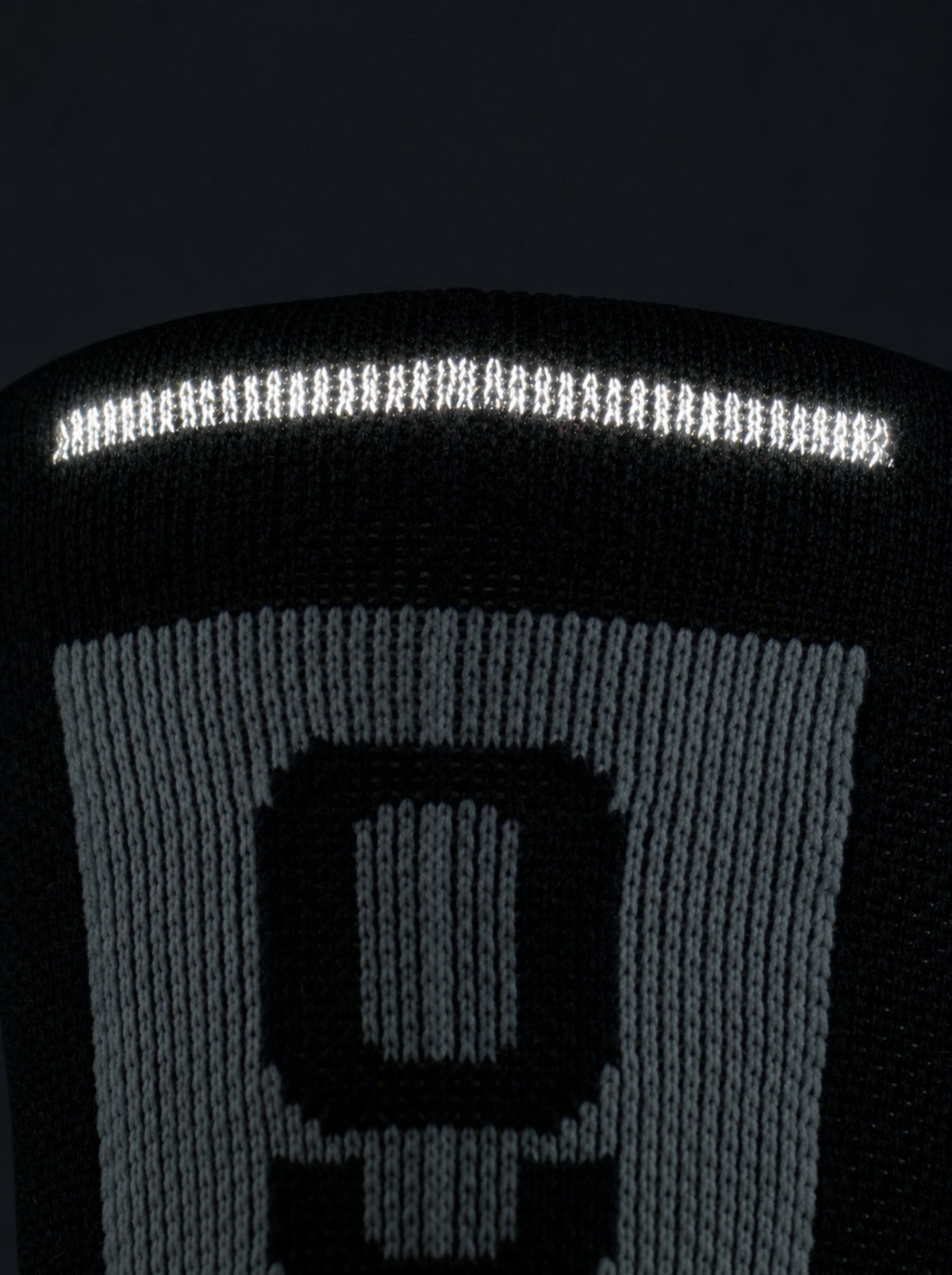
The visor keeps water out of your eyes and lets you see the ground. It's the difference between running with your eyes open and running with your eyes squinted. Our trail caps with a water-repellent treatment use PFC-free repellent recycled nylon, a soft visor that folds, and a reflective logo that lights up with headlights.

Your feet: where you win or lose the run
In the rain, your feet will get wet. Accept it. The question is not how to avoid it, but how to prevent a wet foot from turning into blisters. That's where the sock matters more than the shoe.
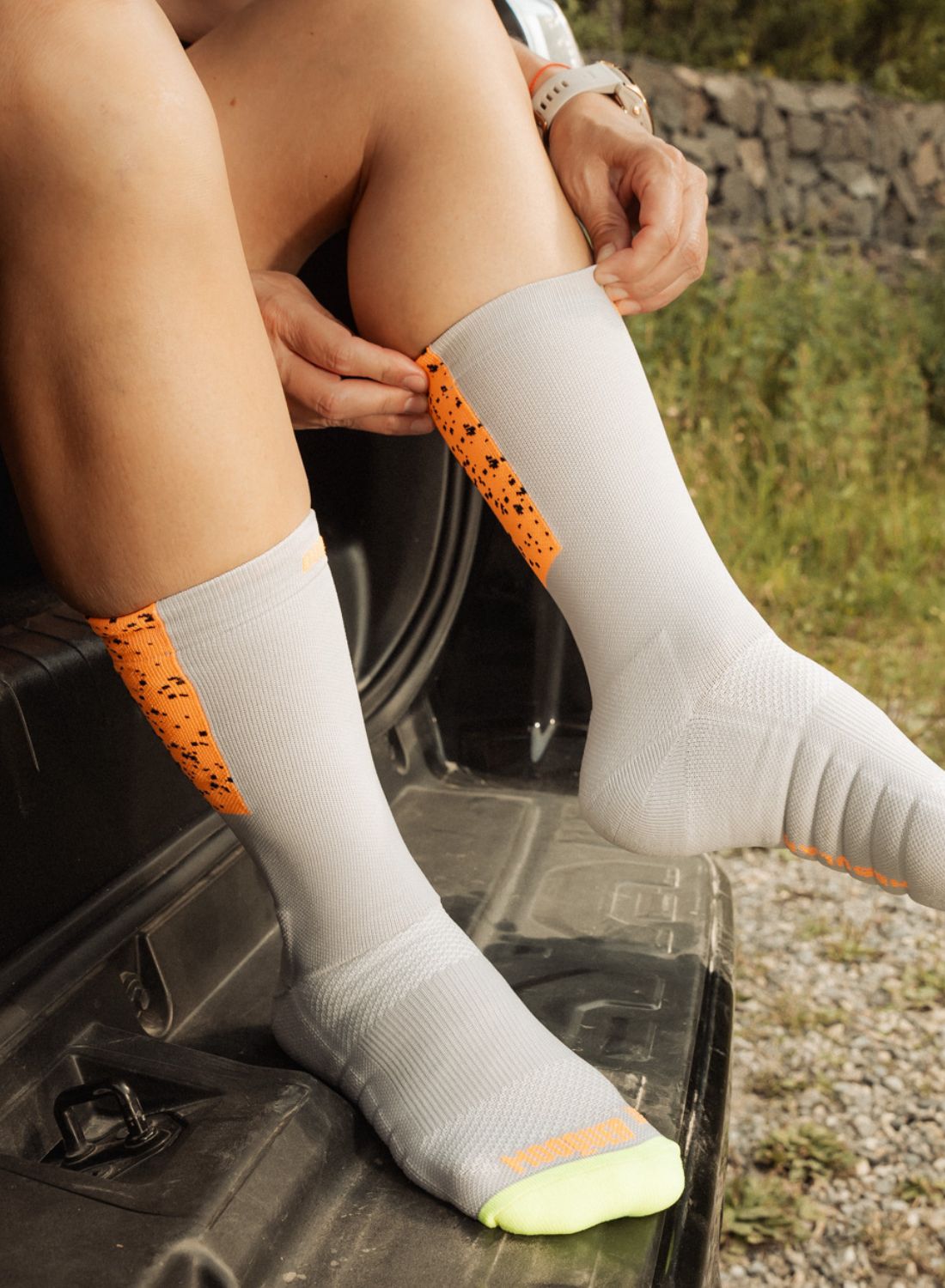
- Snug fit: a loose sock will bunch up when wet, and every bunch is a friction point.
- Flat or invisible seams at the toe.
- Reinforcements on the heel and toe, which are the areas that suffer most with a damp foot.
- Slightly higher cuff in the mountains: prevents mud and small stones from getting in through the ankle.
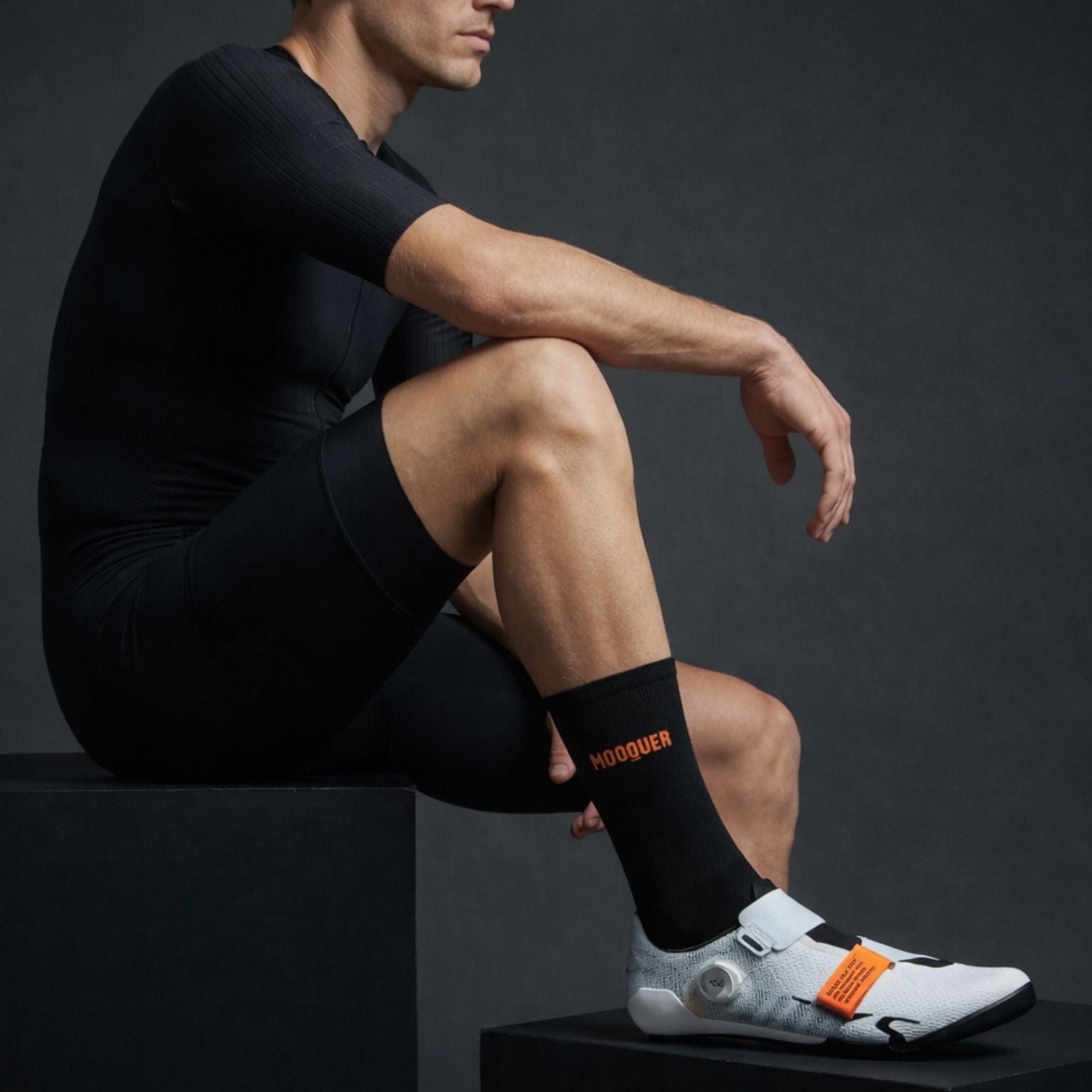
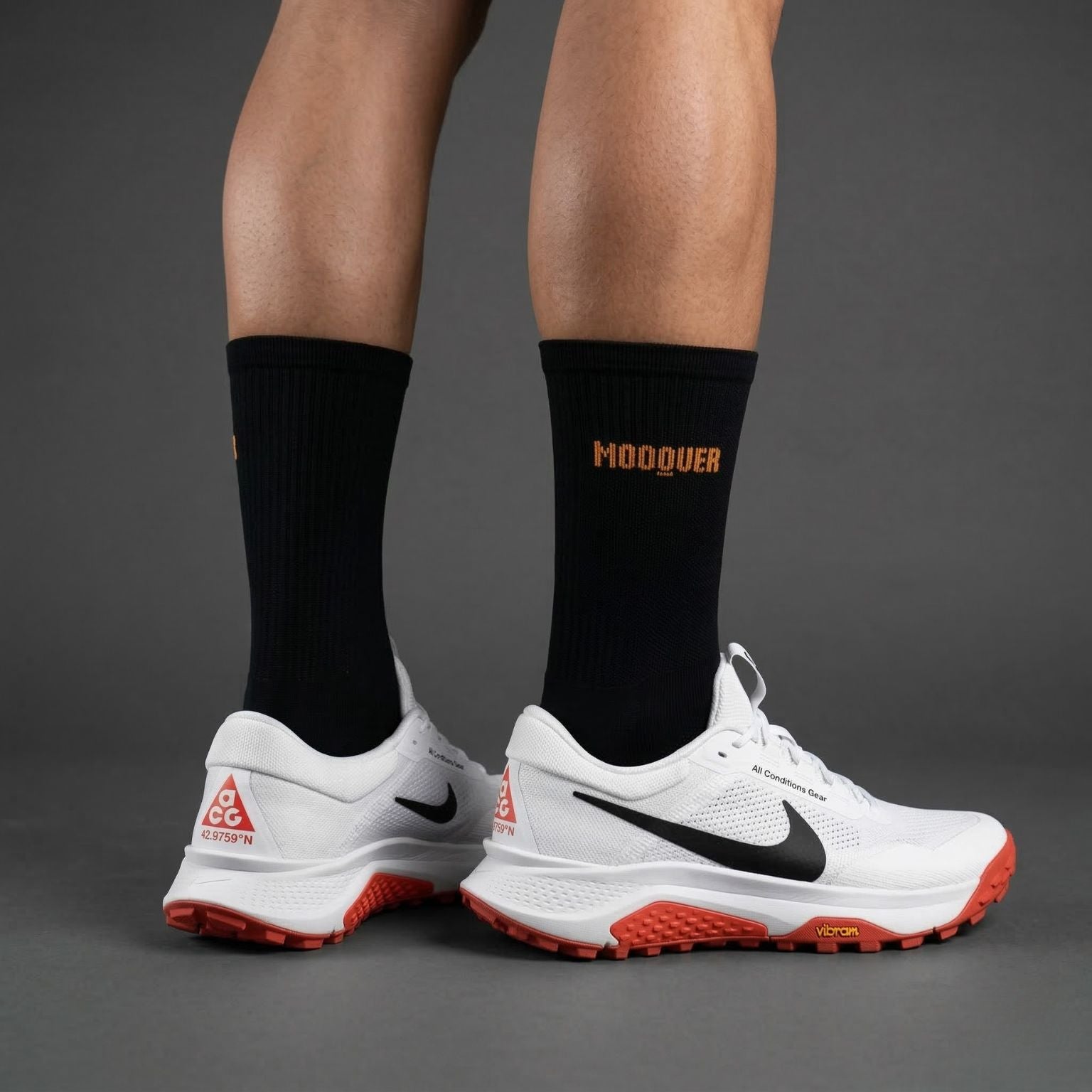
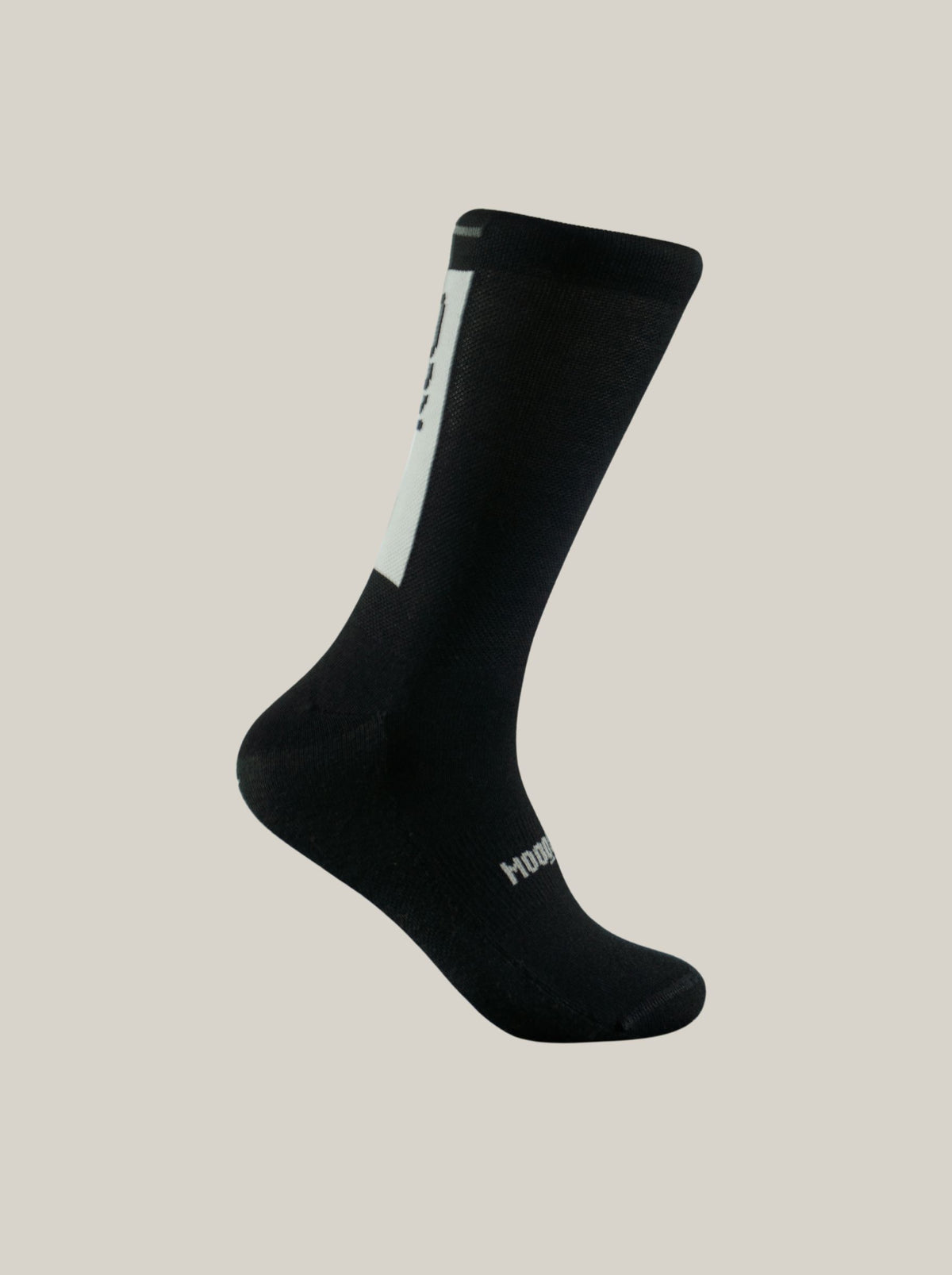
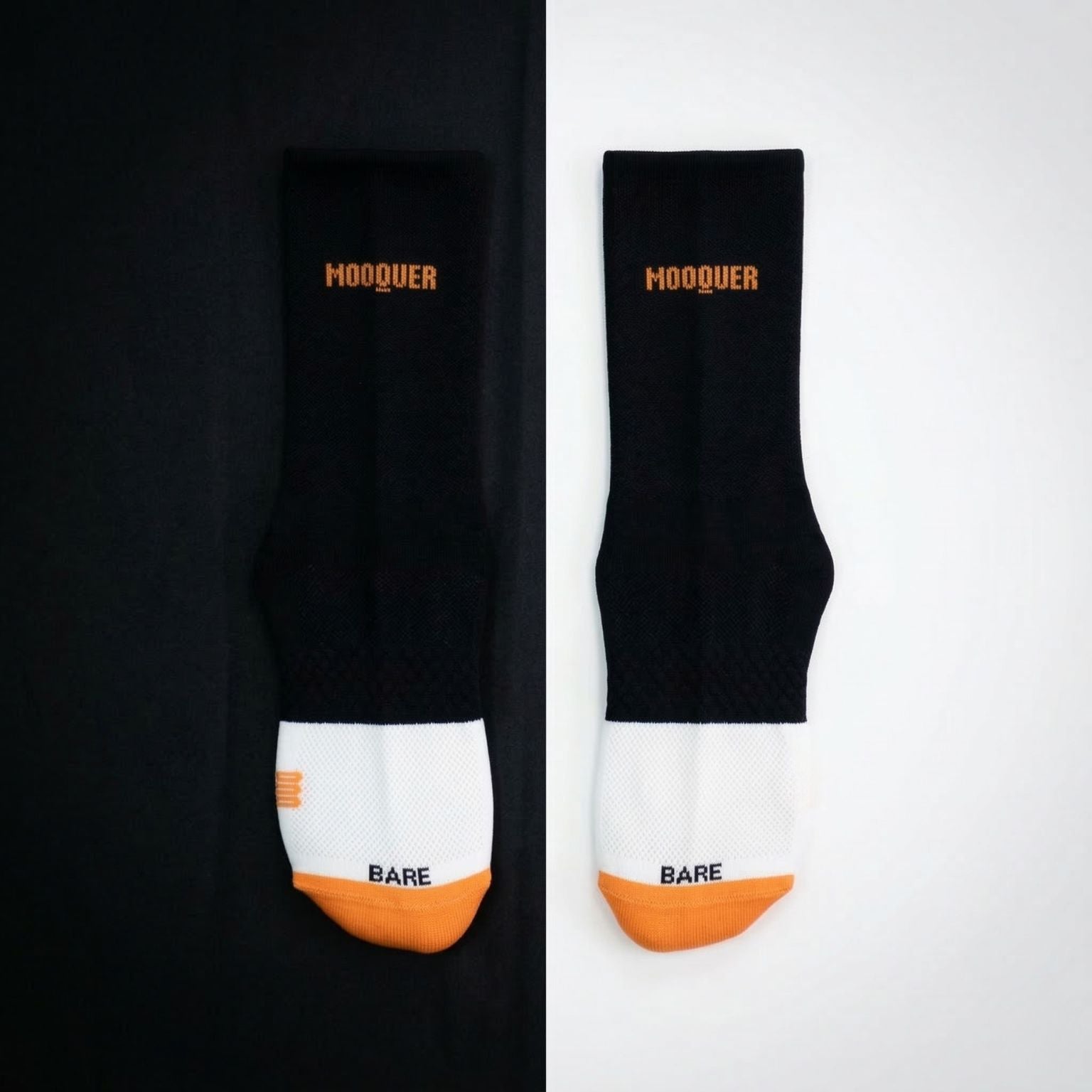
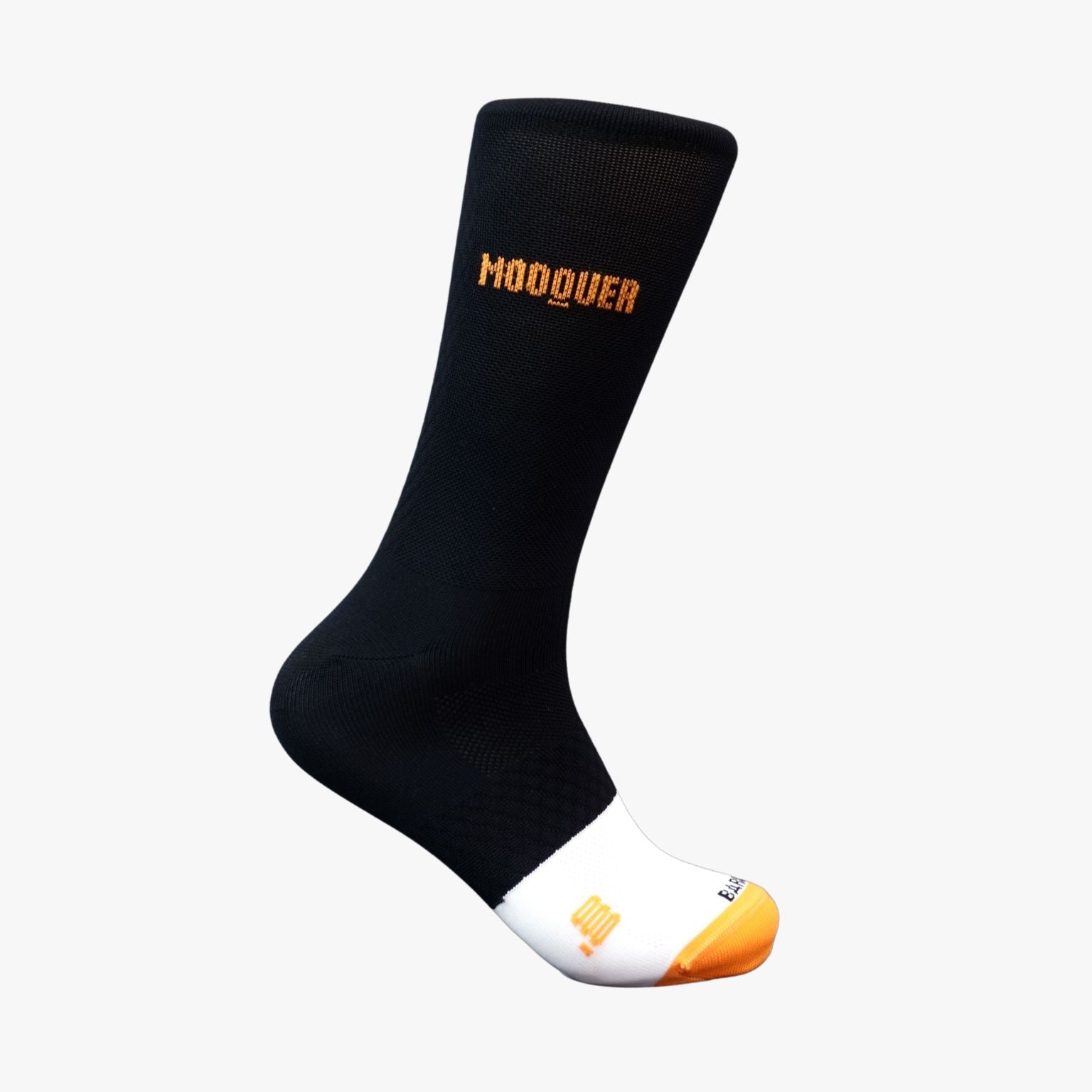
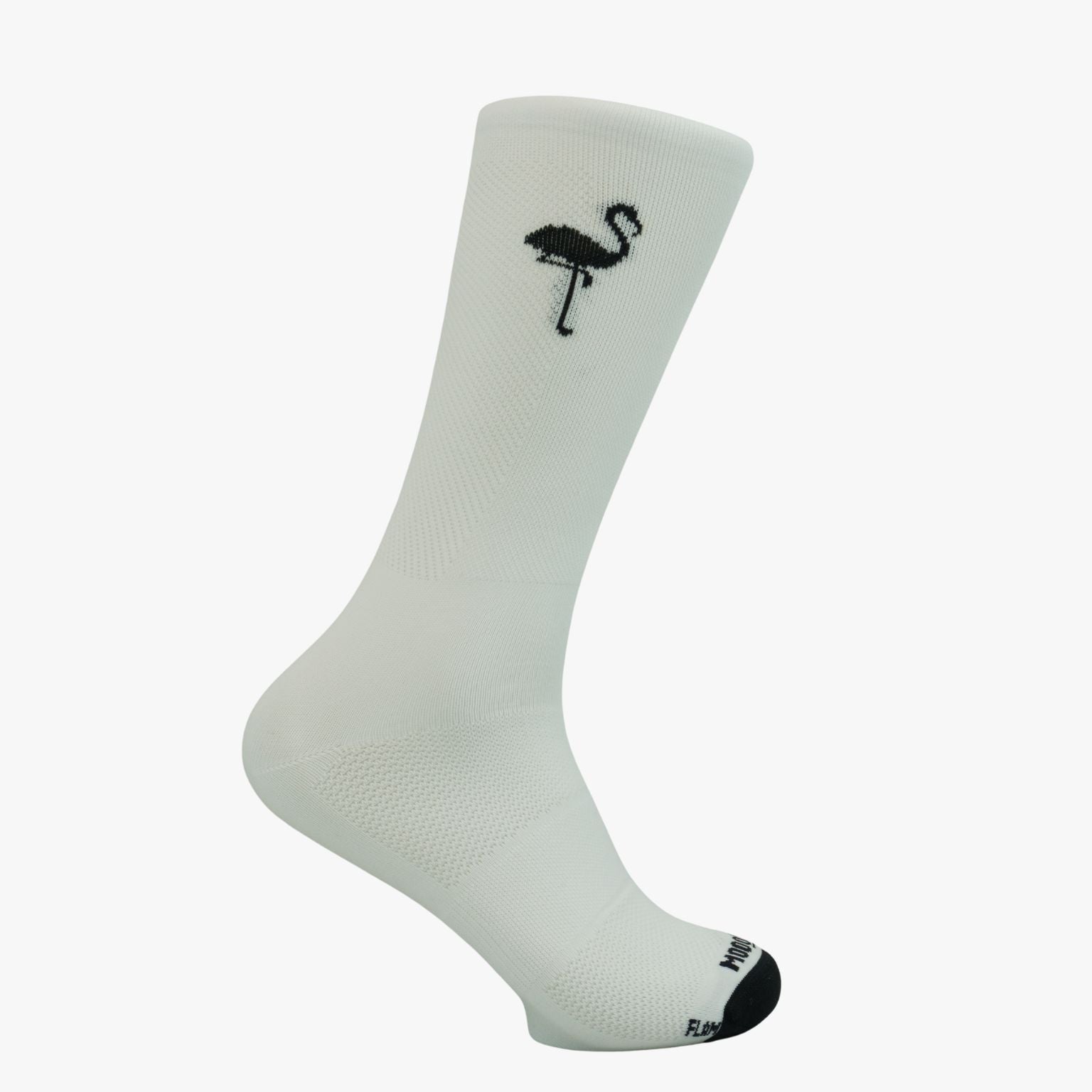
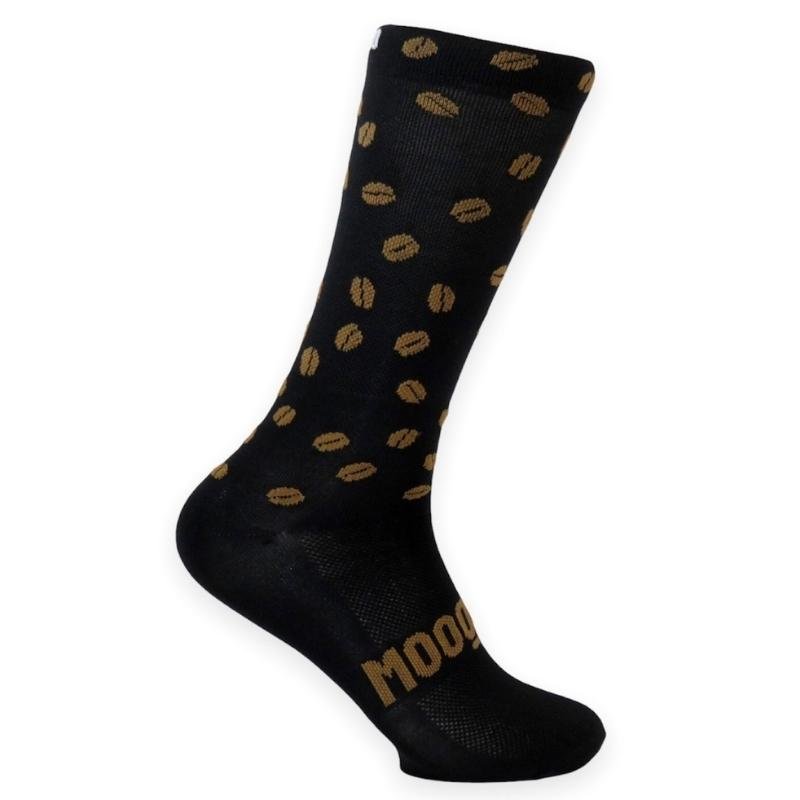
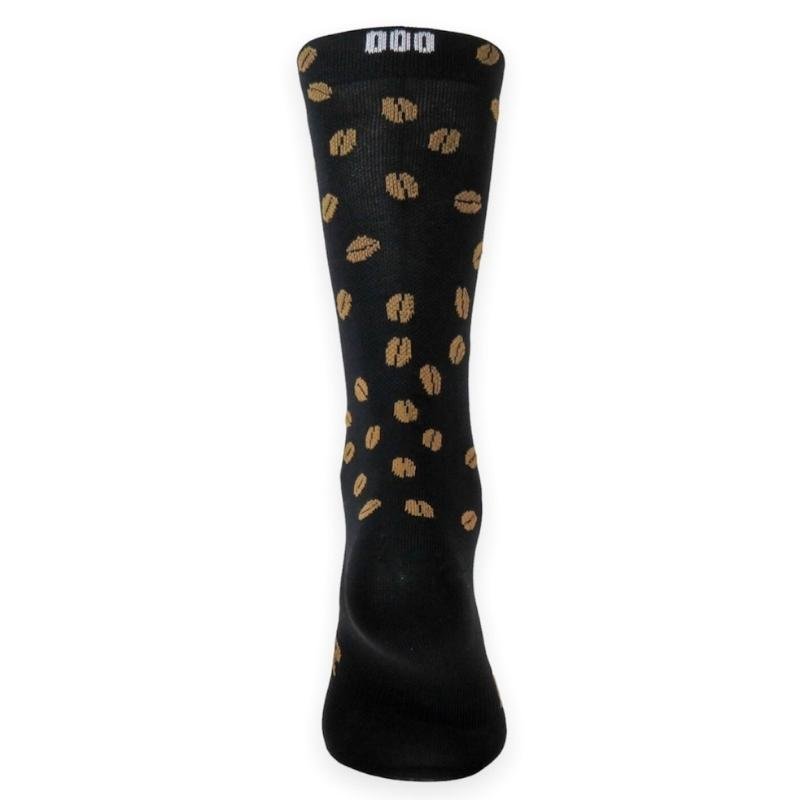
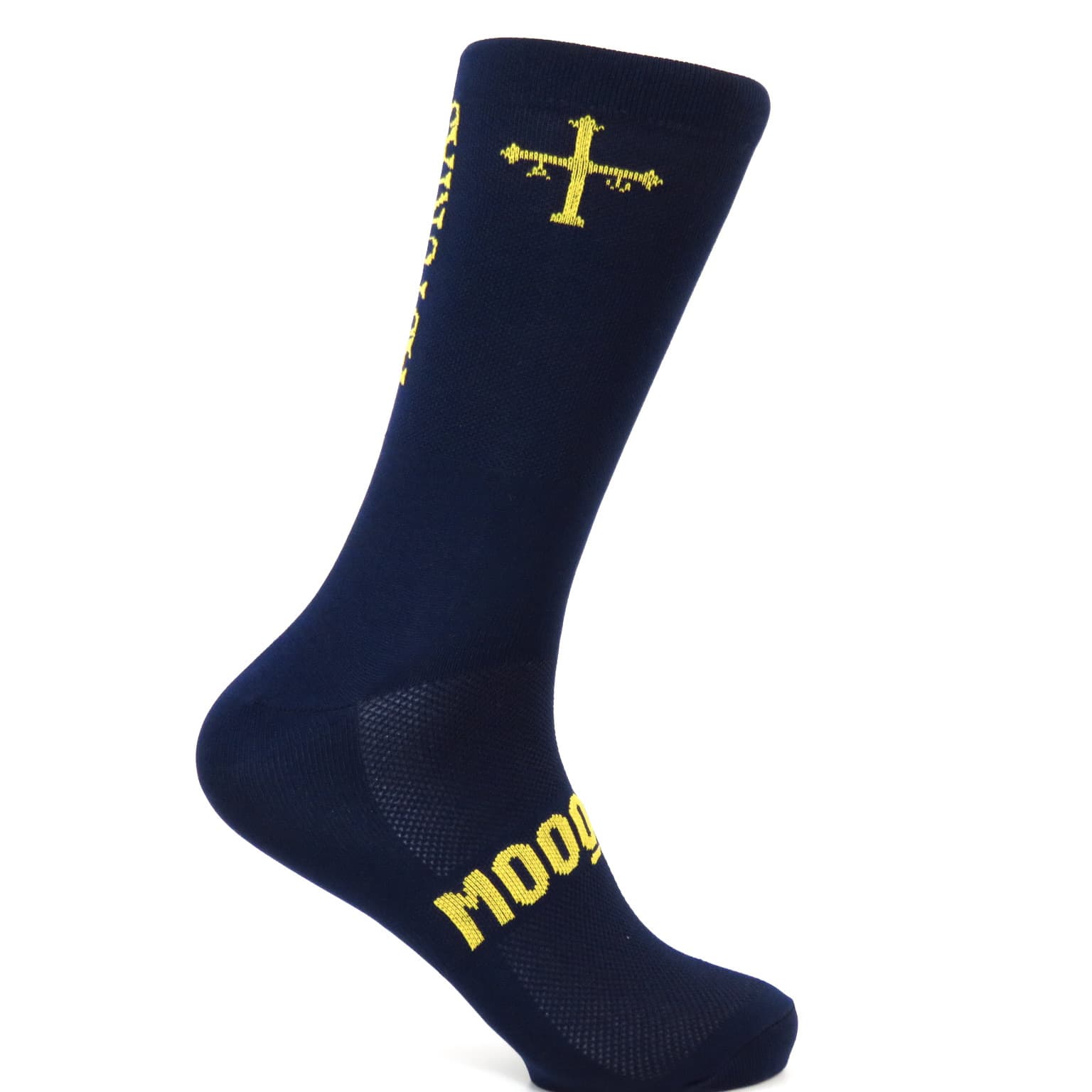
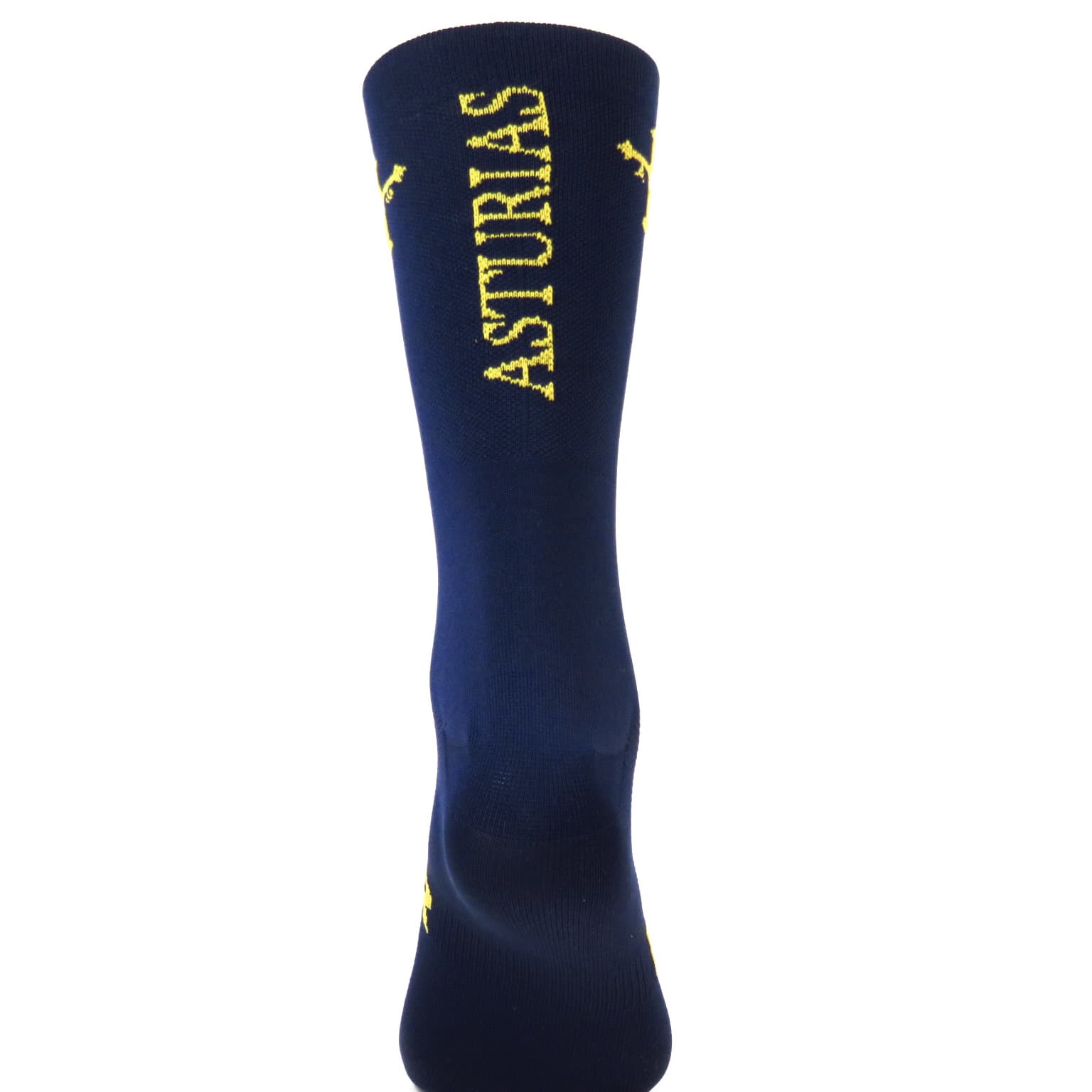
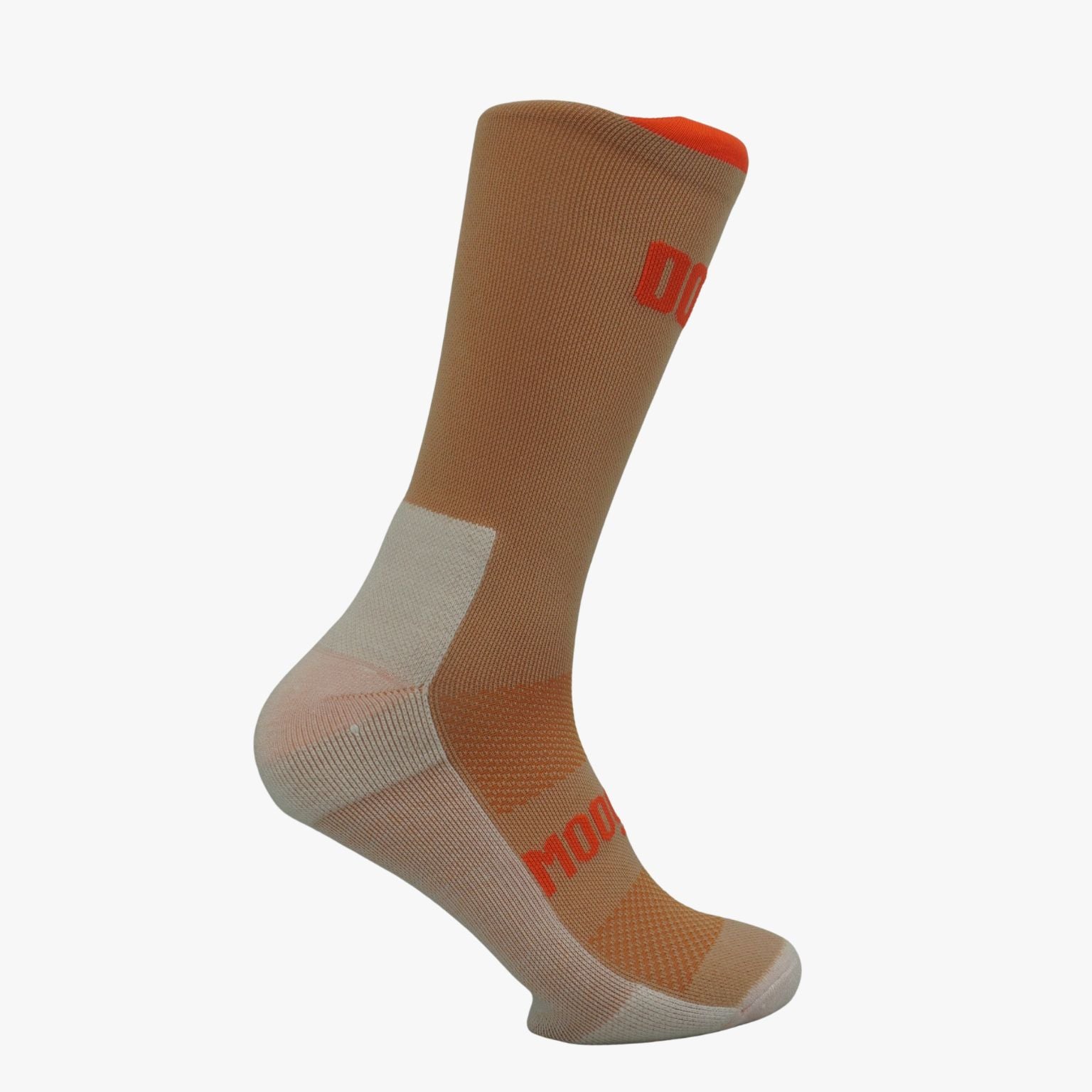
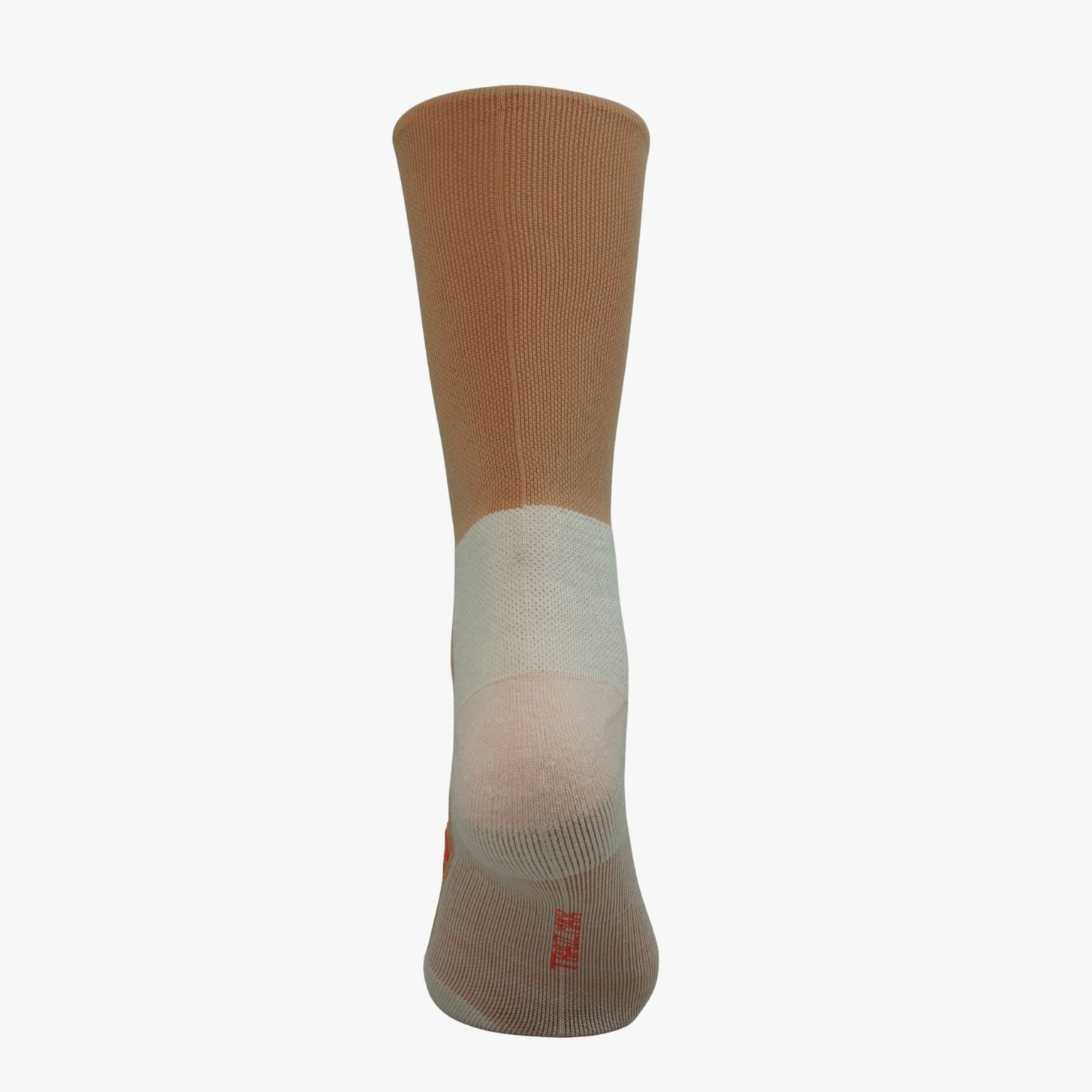
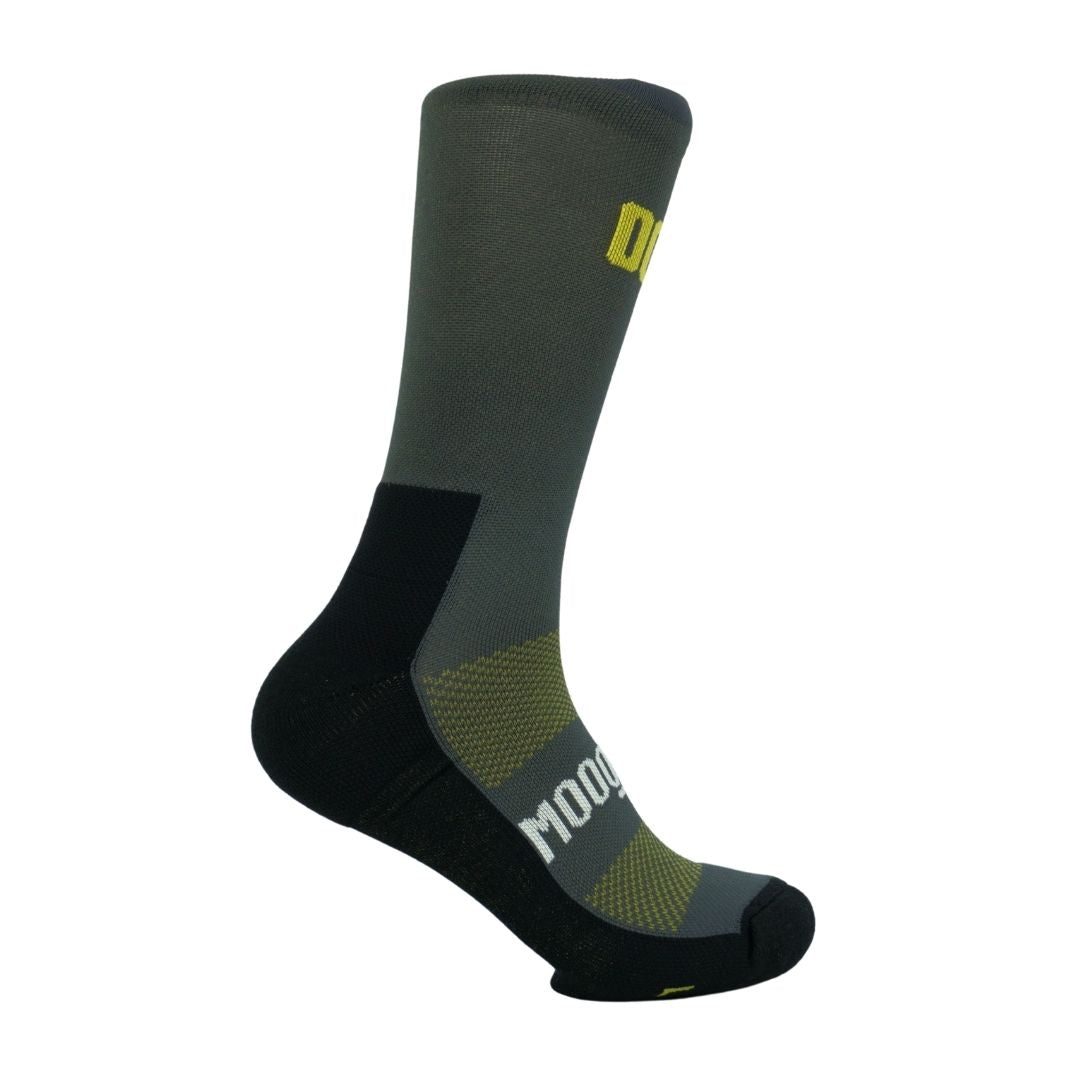
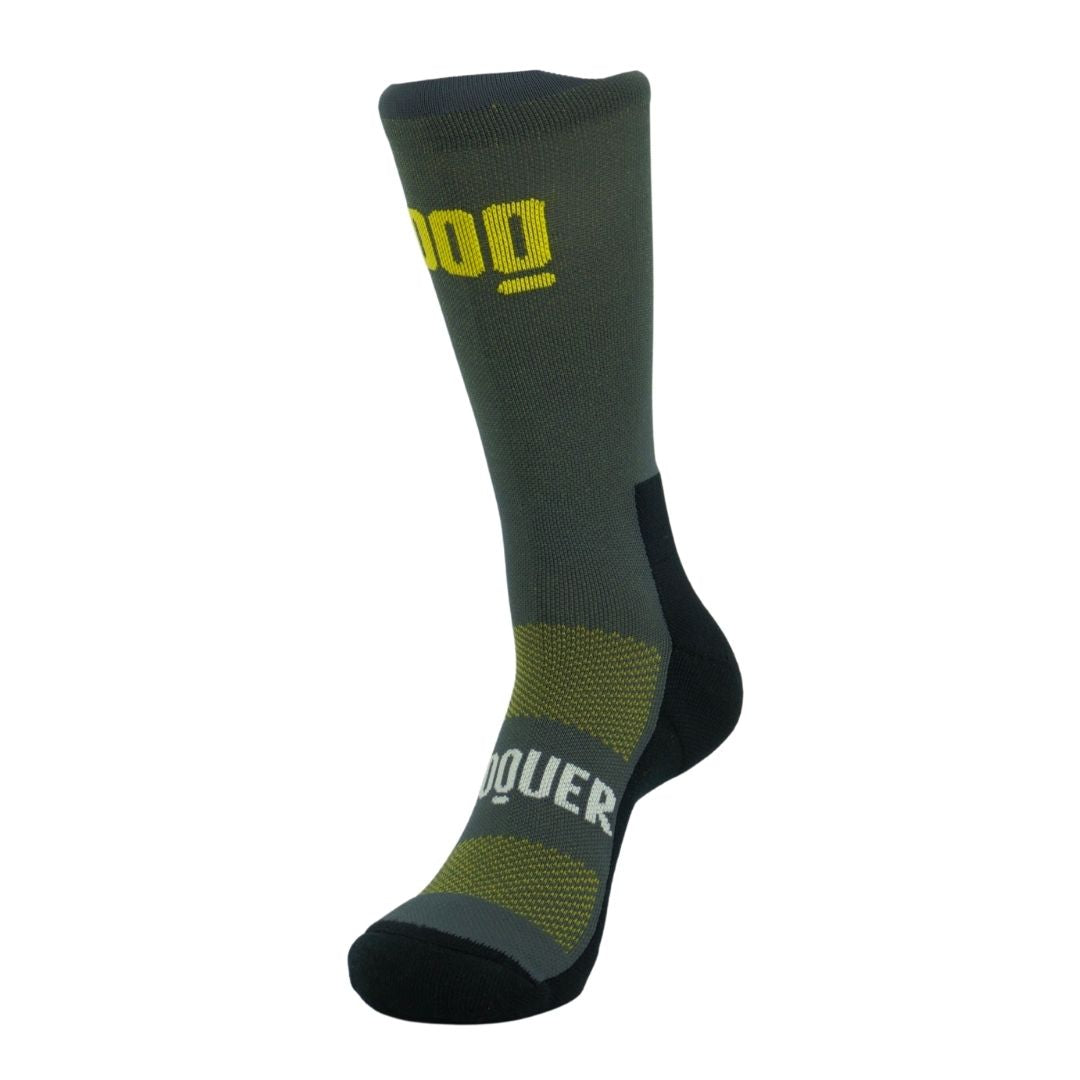
The Earth Trail Max high-cuff socks are designed exactly for that: enlarged reinforcements on the toe, fascia, and heel that go up the Achilles tendon, invisible seams, and Chitin integrated into the sole. They are made in Spain. If you're wondering what chitin has to do with a sock, we explain it without exaggeration in what chitin is and why it's in the sole of our socks.
About the shoe: a waterproof membrane helps with puddles and wet grass, but if water gets in from the top, it also takes longer to get out. In continuous rain, many runners prefer a shoe that drains well and a good sock. The sole, of course, needs to grip on wet surfaces.

During the run
Shorten your stride slightly and land lower with your center of gravity on descents and curves. Be wary of painted lines on the asphalt, manhole covers, leaves, and smooth rock: they are the slipperiest surfaces. If you run at dawn or dusk, remember that drivers see worse in the rain; a bright color and something reflective are not just for aesthetics.
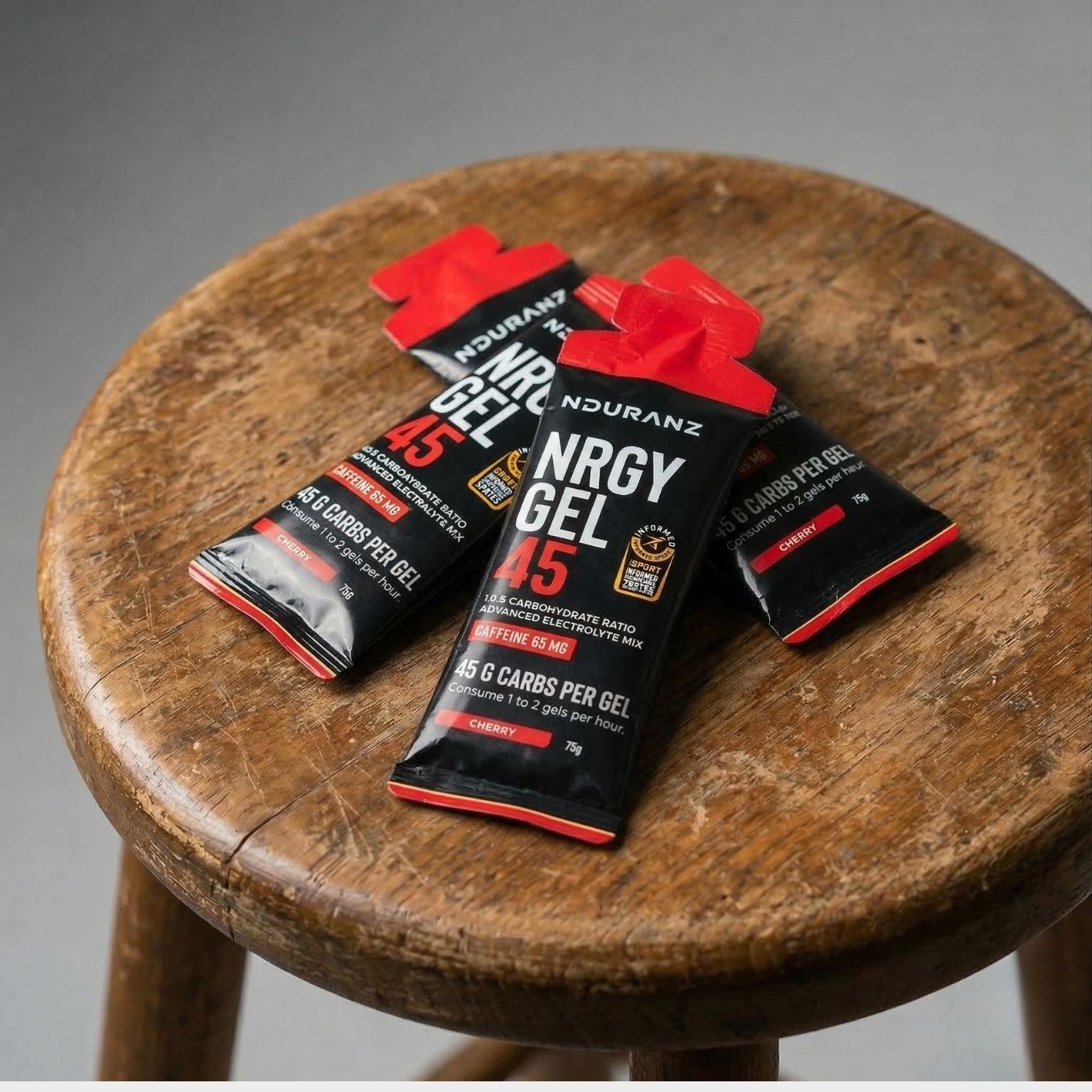
Drink even if you're not thirsty. Rain is deceiving: you sweat just as much, even if you notice it less.
When you finish: the ten minutes that matter
The real risk of running in the rain appears when you stop. Your body stops producing heat, and your wet clothes keep taking it away. Bring dry clothes in the car or change as soon as you arrive, starting with a t-shirt and socks.
For your shoes: remove the insole, stuff them with newspaper, and let them dry at room temperature, away from the radiator. Direct heat deforms foam and peels off adhesives. Wash technical clothing without fabric softener so it continues to release water well next time.
Frequently asked questions
Is it bad to run in the rain?
No, if the temperature is not extreme and there is no thunderstorm. The risk is slipping and getting chilled when you stop, not getting wet. Adapt to the terrain and pace, and change your clothes as soon as you finish.
What to wear for running in the rain?
Quick-drying technical t-shirt, shorts if it's not very cold, water-repellent windproof layer, cap with a visor, and snug technical socks. Avoid cotton, which retains water and chafes.
How to avoid blisters when running in the rain?
Use snug technical socks, with flat seams and reinforcements on the heel and toe, and shoes in your size that don't leave any room. If the run is long, an anti-chafing lubricant on sensitive areas helps.
Is a raincoat or vest better for running in the rain?
For drizzle or intermittent rain, a vest or a water-repellent windbreaker, because they breathe and won't make you sweat profusely. The vest weighs less and ventilates more; the windbreaker covers your arms, which is what you appreciate with a headwind. For heavy and prolonged rain in cold conditions, a running waterproof jacket with a membrane.
If you have doubts about the size of the socks or the cap, stop by the store in Oviedo or write to us and we'll help you choose.











Leave a comment
This site is protected by hCaptcha and the hCaptcha Privacy Policy and Terms of Service apply.