


What is the MITI SuperRoubaix and why does it keep you warm without being thick
If you look at the product page for any decent long winter cycling tights, the word Roubaix is very likely to appear. It is one of those names that everyone repeats and almost no one explains.
Where the name comes from
Roubaix is a city in northern France, the finish line of Paris-Roubaix. The name became associated with fabrics designed for riding in cold and wet conditions, and today it identifies a specific type of construction rather than a brand.
The MITI SuperRoubaix is the version from MITI, a spinning mill in Urgnano, in the province of Bergamo, that knits for a large part of the professional peloton. It is a warp knit of 85% polyamide and 15% elastane, with a weight of 245 grams per square meter, bluesign and OEKO-TEX certified.

Brushing is what matters
The inner face of the fabric undergoes a brushing process that raises thousands of short fibers, creating a fleecy surface. And here is the trick: those fibers do not keep you warm by themselves, they keep you warm because they trap air.
Still air is an excellent thermal insulator. It is the same principle as down, neoprene, or double glazing. What brushing does is immobilize a layer of air between your skin and the outside, and it is that chamber, not the thickness of the fabric, that keeps you warm.
That is why a brushed fabric of 245 grams keeps you warmer than a smooth one of 300. And that is why well-constructed winter tights do not have to be stiff or bulky.

The outer face does another job
While the inside is brushed, the outside remains smooth and compact. This serves two functions. It blocks the wind, which is what really cools you down on the bike, and prevents the fabric from acting like a sponge when the road is wet.
Some versions add a fluorine-free water-repellent treatment. It does not make the tights waterproof, but it makes the spray bead off instead of soaking through. If you want to understand how far that type of finish goes, we explain it in the article about DWR treatment.

SuperRoubaix, Thermodream, Blizzard: they are not the same
Several brushed thermal fabrics of similar weight coexist on the market, and brands mention them as if they were interchangeable. They are not, although the differences are not where people think.
The Thermodream, also from MITI, weighs 240 grams and contains 52% polyamide, 32% polyester, and 16% elastane. That third of polyester goes precisely on the brushed face, and it has a concrete consequence: polyester absorbs around 0.4% of its weight in moisture compared to 4% for polyamide, ten times less. On a wet ride, a Thermodream gets less soaked and dries faster.
The Blizzard, from Sitip, is not a fabric but a family that goes from 200 to 300 grams. The standard is 86% polyamide and 14% elastane, practically the same as a SuperRoubaix. The Power version goes up to 24% elastane and offers high compression for severe cold.
What the cyclist notices and what they do not
Let's start with the uncomfortable: in terms of warmth, there is no noticeable difference between the three. All are around 240-245 grams and all are brushed. If you ever felt colder with one than another, what changed was the wind, the inner layer, or the time you went out.
Where there are real differences are three.
In wet conditions the one with polyester wins, as we have just seen. Although the repellent finish weighs more than the fiber: a SuperRoubaix with DWR beats an untreated Thermodream.
In feel and fit pure polyamide wins. The 85/15 gives that second skin sensation and an elastic recovery that makes the garment return to its place wash after wash, instead of bagging out at the knees and glutes. You notice it in the first ten seconds of trying it on.
In durability too. Polyamide resists abrasion better than polyester, and in tights the area that wears out first is always the same: the saddle area. A fabric with a third of polyester has more chances of pilling right where it shows.

What temperature range to expect
A 245-gram SuperRoubaix tights moves well between 5 and 15 degrees. Below that you need either a heavier fabric or an inner layer. Above that you will sweat too much, and the problem of sweating in the cold is not the moment, it is the descent.
That range covers most of the winter on the Cantabrian coast, which is exactly where we test our garments.
And one thing more important than the fabric
If we had to rank what really decides whether you like winter tights or not, the fabric would be third or fourth.
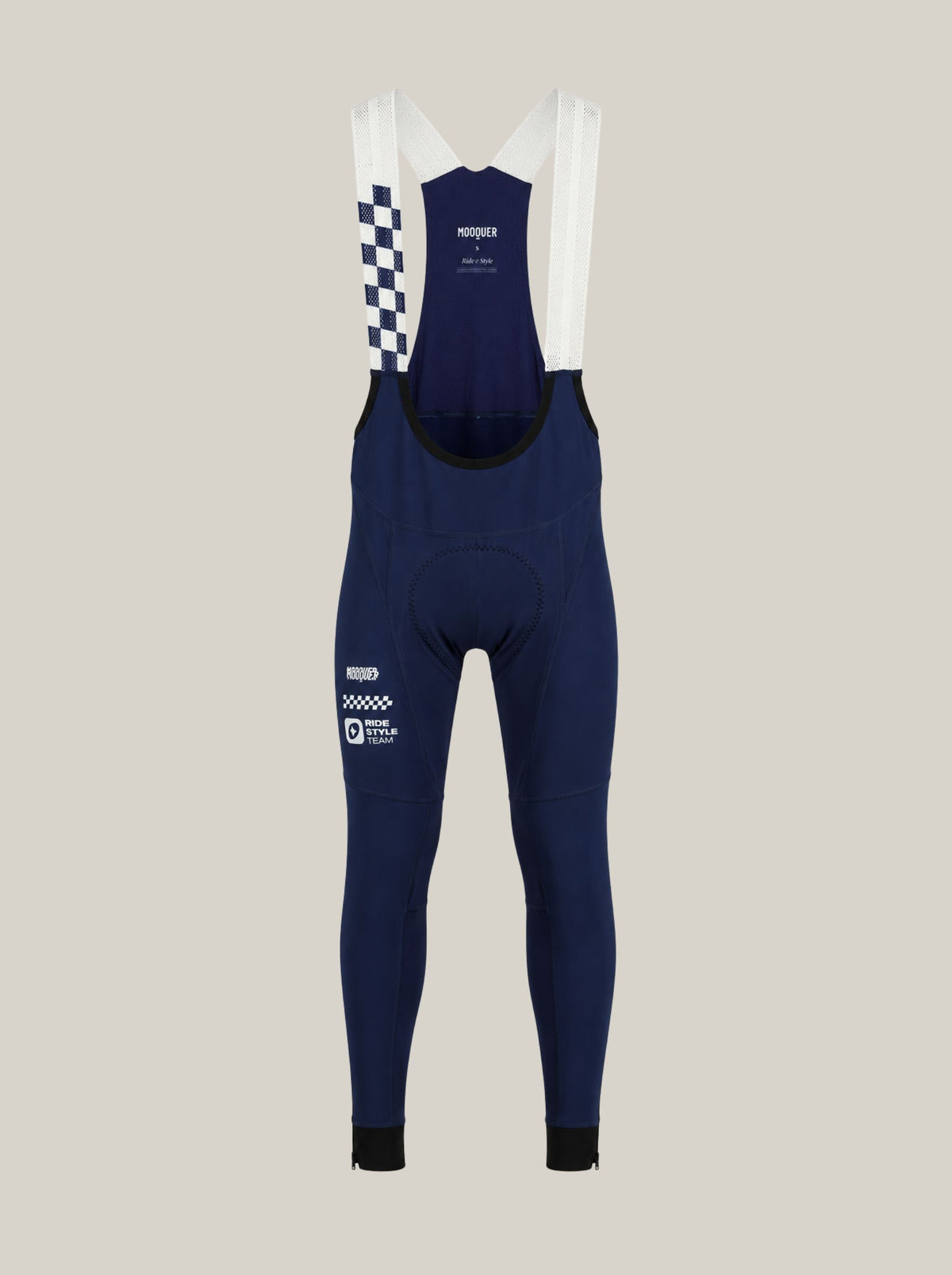
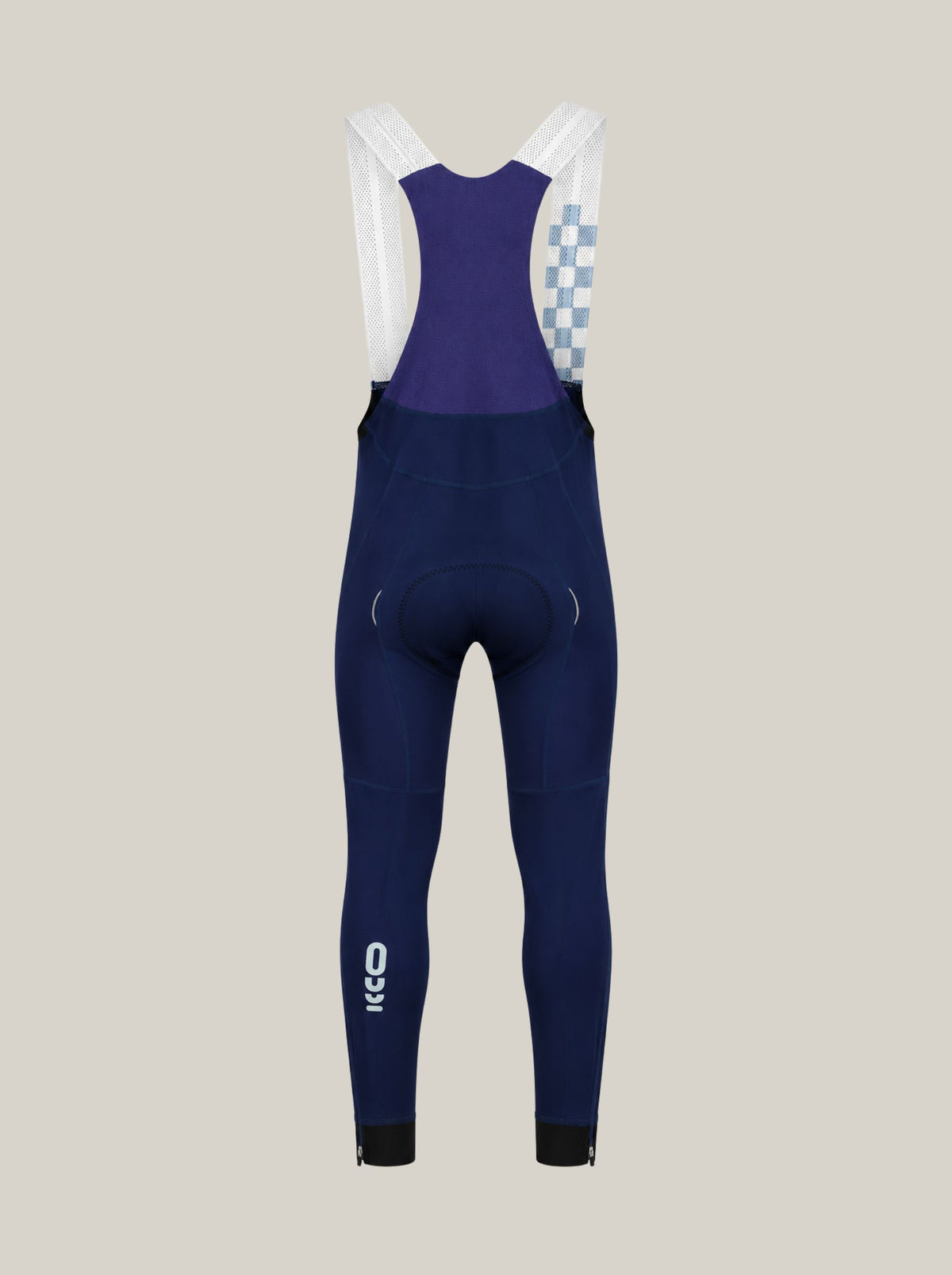
First comes the chamois, which is the only thing you will curse after three hours. Then the straps, which are what decide if the garment pulls on your neck in a descending position. Then the bottom of the leg: a tight elastic cuff stays in place but marks the ankle on long rides, while a zipper at the heel leaves the smooth bottom under the sock and saves you from taking off your shoes. And then, the fabric.
That is why distrust the brand that only talks to you about the fabric. We dedicate an entire article to the chamois: how the chamois of a cycling tight works.
Where we use it
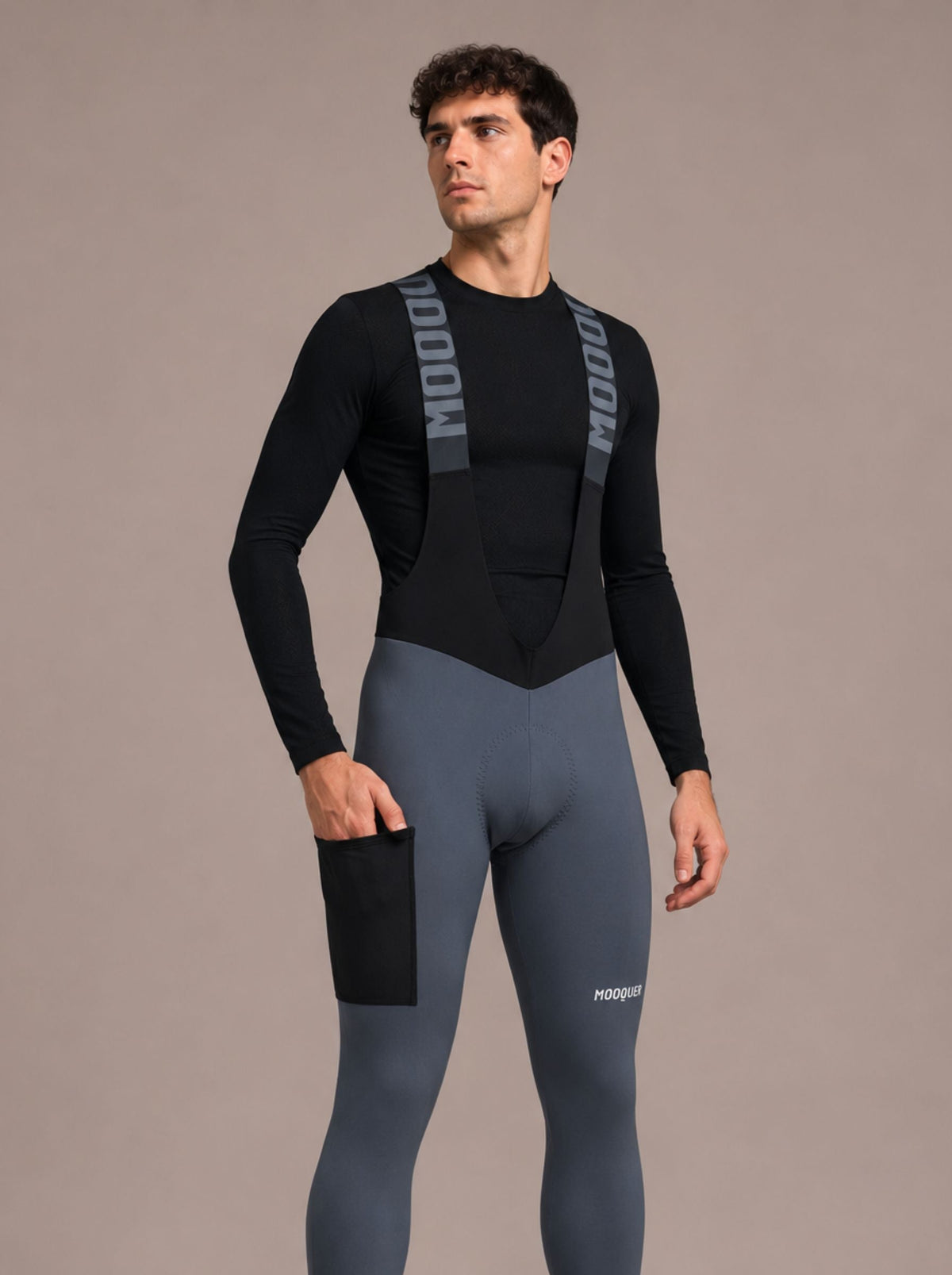
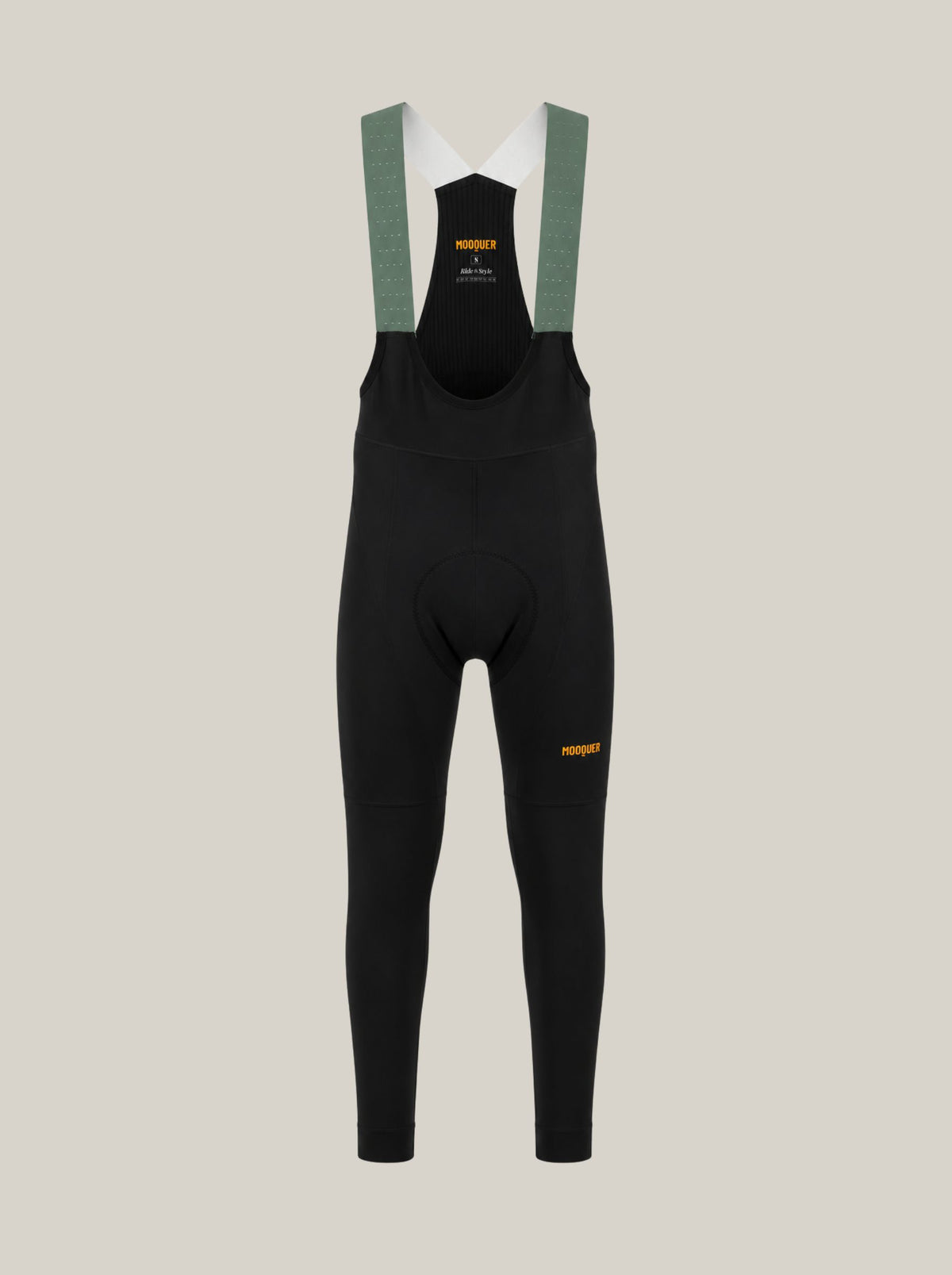
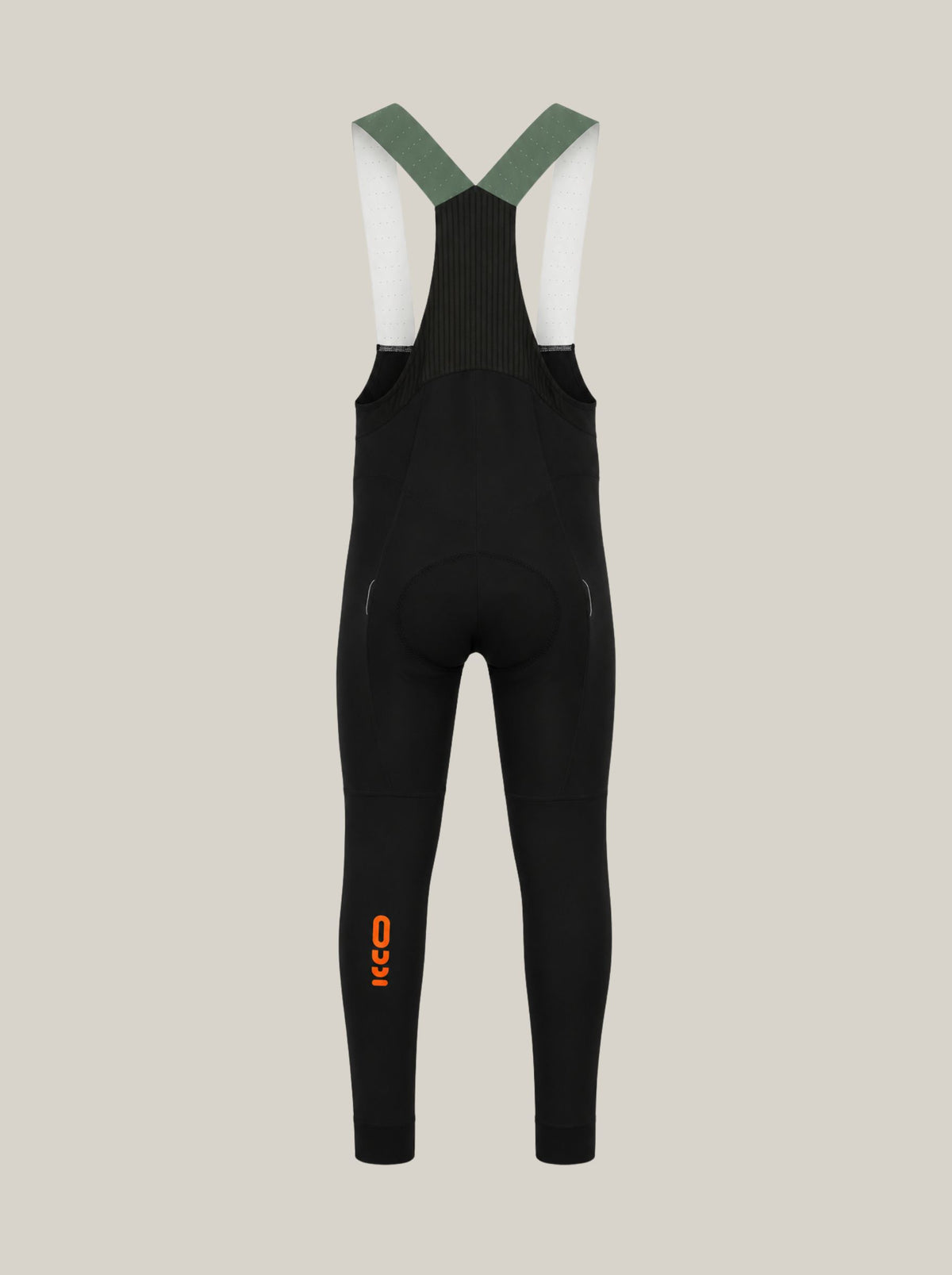
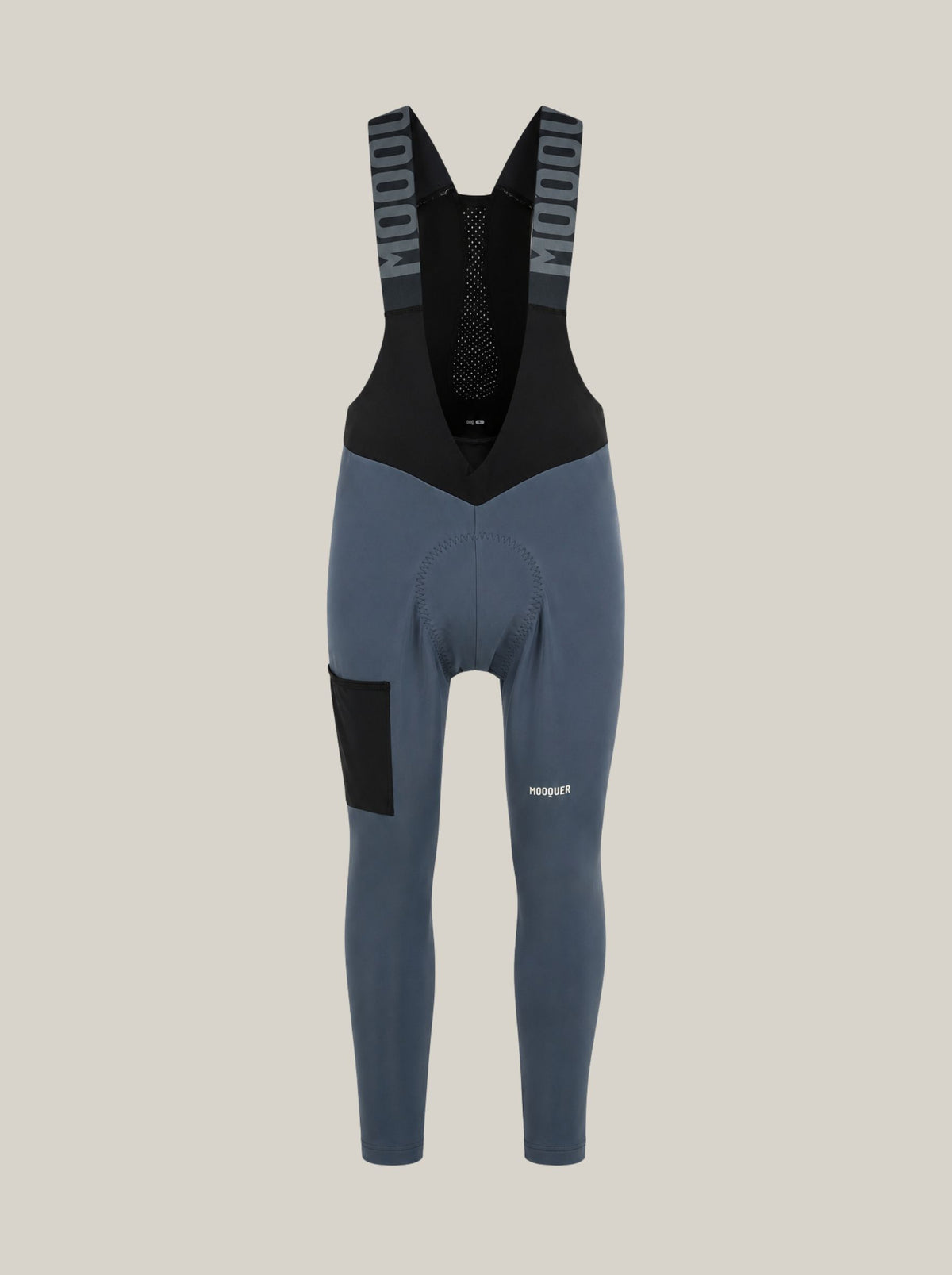
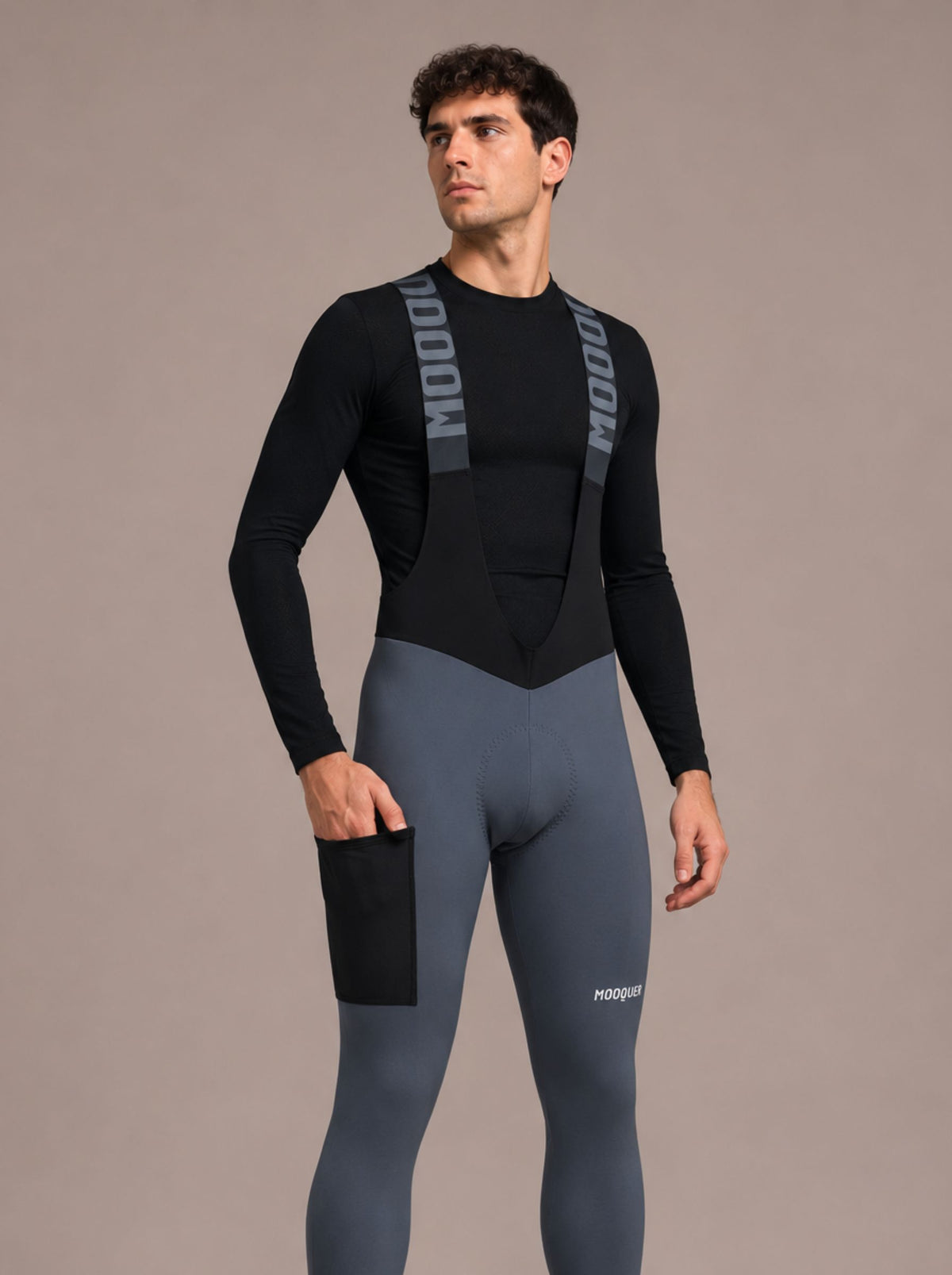
We use MITI SuperRoubaix in our long winter tights, made in Portugal: the Basalt in black and the Fathom in navy blue, the latter with the zipper at the heel that we mentioned above.
You can see them together with the rest in cycling tights.






Leave a comment
This site is protected by hCaptcha and the hCaptcha Privacy Policy and Terms of Service apply.