





Why a vest gets more use during the winter than a jacket
If you had to choose just one piece of outerwear for winter cycling, many people would say a jacket. They would be wrong.
The core is what matters
When you pedal, your body doesn't distribute heat evenly. Your core contains the organs that need to be kept warm, and your body prioritizes protecting them above all else: if it detects that your core is cooling down, it reduces blood flow to your extremities. That's why your hands and feet get freezing when your chest is exposed, and that's why thicker gloves often don't solve the problem.
Then there's aerodynamics. On the bike, you're leaning forward and the relative wind hits you full on in the chest and shoulders. At 30 km/h in 8 degrees, the wind chill on your torso is much lower than the actual temperature, and on a long descent that difference is multiplied.
Cover your core and you've solved most of the problem. That's the whole logic behind a gilet.
Your arms are a different story
Your arms generate heat because they're working, although less than your legs, and they have a lot of surface area to dissipate it. In practice, they're your thermostat: with your core protected, having your arms exposed or in arm warmers lets you regulate your temperature constantly.
A jacket eliminates that possibility. You put it on and ride with everything, or you take it off and ride with nothing. A gilet, on the other hand, combines the two: arm warmers for the first hour, off when the sun is strong, and back on when you reach the shade of the valley.
The real problem of winter isn't the cold, it's the change
A winter ride in Asturias doesn't have one temperature, it has four. You set off in 6 degrees, climb a pass sweating in 12, stop at the top and your body freezes, and then descend for twenty minutes in 4 degrees with sweat clinging to you.
The winning piece of clothing isn't the warmest: it's the one that adapts best to that sequence. A gilet that folds up and fits in your back pocket can be taken off at the foot of the pass and put back on in three seconds at the top, without having to get off the bike. You're not going to store a jacket anywhere.
If you want to learn more about how to layer according to the temperature, we break it down in how to dress for cycling according to the temperature.
Not all gilets are the same product
This is where it's worth checking the product page, because under the word gilet you'll find very different things.
The basic windproof gilet is made from a lightweight polyester or polyamide fabric, sometimes with a water-repellent finish. It blocks the wind, weighs nothing, and costs little. It holds up for a few minutes in the rain. It's perfect for spring and autumn.
The gilet with a membrane is another category. It has a laminated second layer that blocks liquid water from the outside and lets steam escape from the inside. It's measured in millimeters of water column: the European standard considers a fabric waterproof from 1,500 mm, and some reach 10,000. That's the difference between enduring ten minutes of drizzle and enduring three hours.
The thermal gilet, finally, isn't designed to protect from water but to insulate, usually with a brushed interior. It's for dry cold, not wet cold.
On the Cantabrian coast, where winter is wetter than freezing, the second one is the one that works most days.
What almost no one looks at and should
Three details separate a gilet you use all winter from one that ends up at the bottom of a drawer.
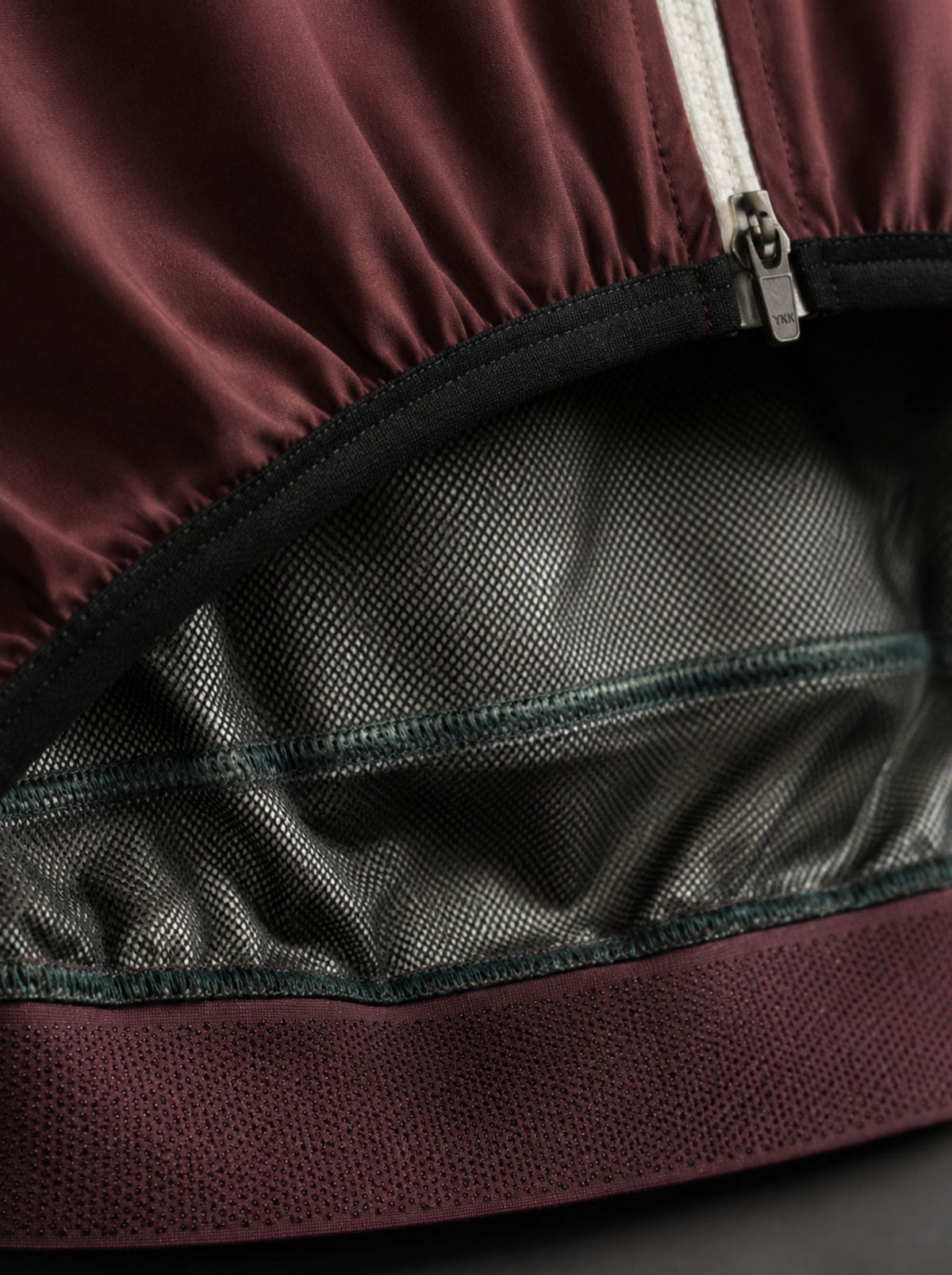
Whether it's stretchy or not. Fabrics with a membrane tend to be stiff, because laminating a membrane to a fabric limits stretch. The result is that it crinkles, bags at the back, and pulls on the shoulders when you lower your hands to the brake levers. A fabric with elastane that maintains the membrane is much harder to manufacture and you'll notice it on the first ride.
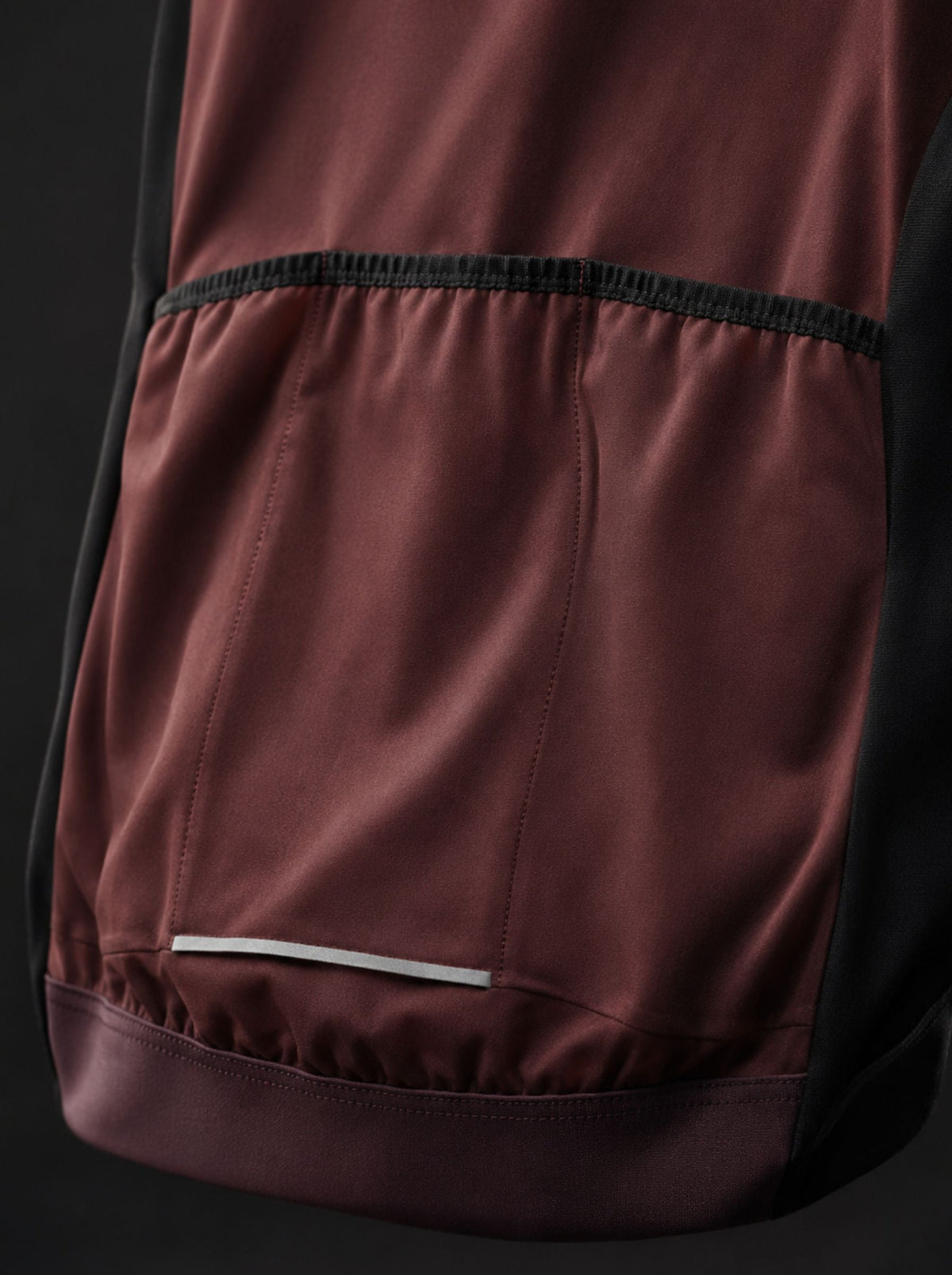
Whether it has its own pockets. A gilet without pockets covers up the ones on your jersey and forces you to choose between wearing it or being able to reach a gel.
What the zipper is like. A two-way zipper lets you open it from the bottom to ventilate your core on a climb without exposing your neck to the wind. And the automatic lock prevents the motion of pedaling from gradually closing it on its own.
And when do you actually need a jacket?
We're not going to sell it to you as the universal solution, because it isn't.
Below 5 degrees, in sustained rain or on long rides at a low pace, where you generate little heat, you need sleeves. Also if you're someone who gets cold easily or if your route is mostly downhill. There, a jacket isn't a luxury, it's the sensible choice.
The right way to look at it: the gilet covers the wide range of winter temperatures, between 6 and 14 degrees, which is where most of your rides are. The jacket covers the extremes. If you can only buy one piece of clothing this year and you live in the north, the gilet with a membrane will serve you more days.
On waterproofing, an honest warning
Just because a fabric is waterproof doesn't mean the garment is. If the seams aren't taped, water will eventually get in through them in a sustained downpour, no matter how many millimeters of water column the label claims. It's not a manufacturer's deception, it's a design decision: taping adds stiffness, weight, and cost.
We explain it in detail in what DWR treatment is and how it differs from a waterproof garment.
Frequently asked questions
Gilet or jacket for winter cycling?
The gilet covers the widest range of winter temperatures, approximately between 6 and 14 degrees, because it protects the core from the wind and allows you to regulate your temperature with your arms. The jacket is necessary below 5 degrees, in sustained rain or on low-pace rides where you generate little heat.
From what temperature do you use a cycling gilet?
A lightweight windproof gilet works between 14 and 20 degrees, especially for descents and the first few hours. A gilet with a membrane covers 6 to 14 degrees and adds protection against rain. Below 5 degrees, it's best to switch to a jacket.
What's the difference between a windproof gilet and one with a membrane?
The windproof is a single layer of lightweight fabric that blocks the air and, at most, has a repellent treatment that holds up for a few minutes of rain. The gilet with a membrane has a laminated second layer that blocks liquid water and lets steam escape, so it protects for hours instead of minutes.
What is water column and how much do I need?
It's the measure of how much water pressure a fabric resists before letting it through, expressed in millimeters. The European standard considers a fabric waterproof from 1,500 mm. For winter cycling with frequent rain, from 5,000 mm you start to notice the difference and 10,000 mm covers practically any situation except a storm.
Is a cycling gilet waterproof?
It depends on whether it has a membrane and, above all, whether the seams are taped. A waterproof fabric without sealed seams protects for many hours against drizzle and spray, but will eventually let water in through the seams under a sustained downpour.
Can you wear a gilet with arm warmers?
It's precisely the combination that gives the most performance in winter. The gilet protects the core from the wind and the arm warmers regulate your temperature: you take them off on a climb and put them back on before descending, without having to change garments.
Why do my hands get cold if I have good gloves?
Because the body protects the core temperature by reducing blood flow to the extremities. If your core is exposed, your hands and feet will get cold no matter how good your gloves are. Warming your chest usually solves more than upgrading your gloves.
Our gilets
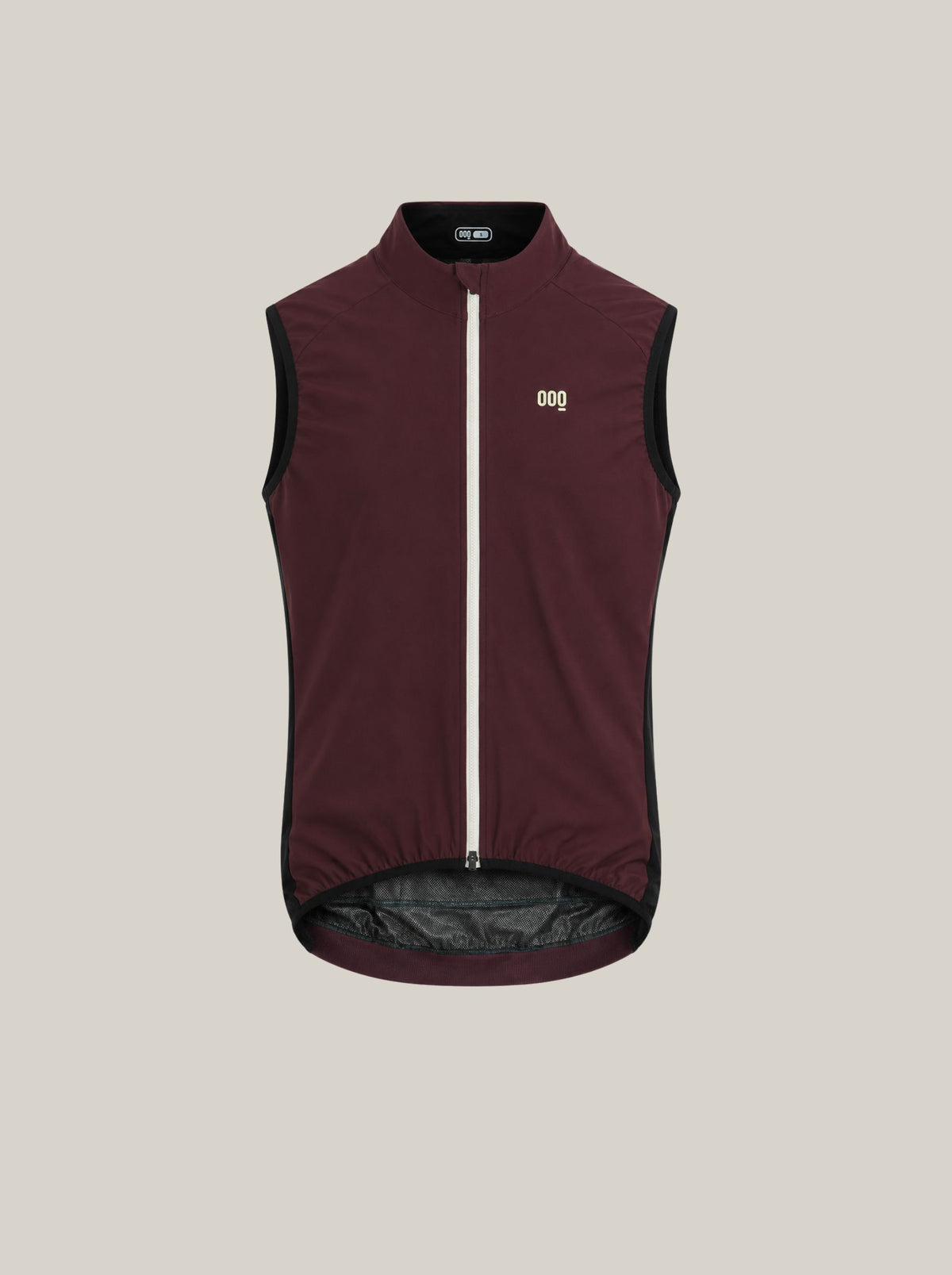
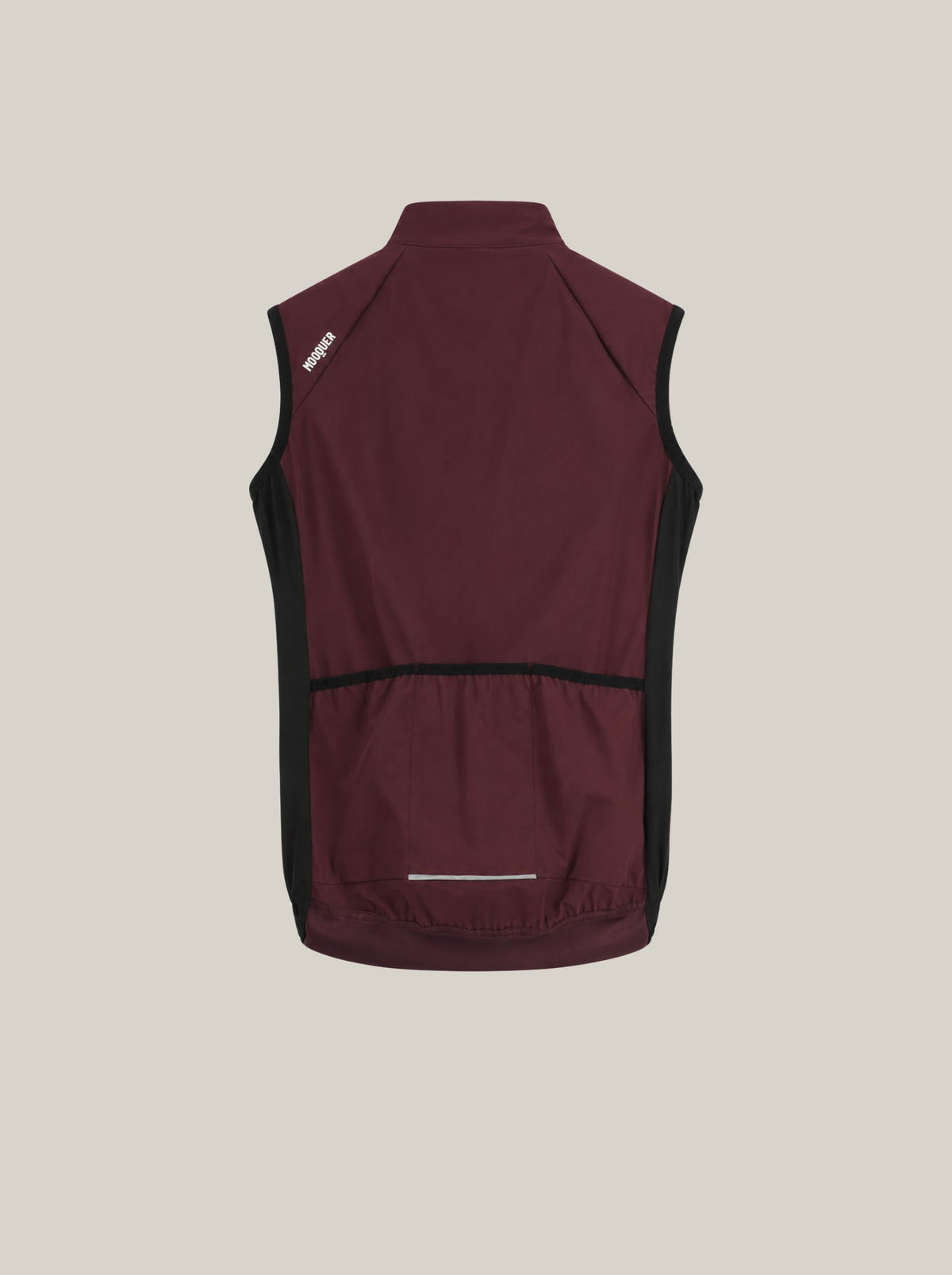
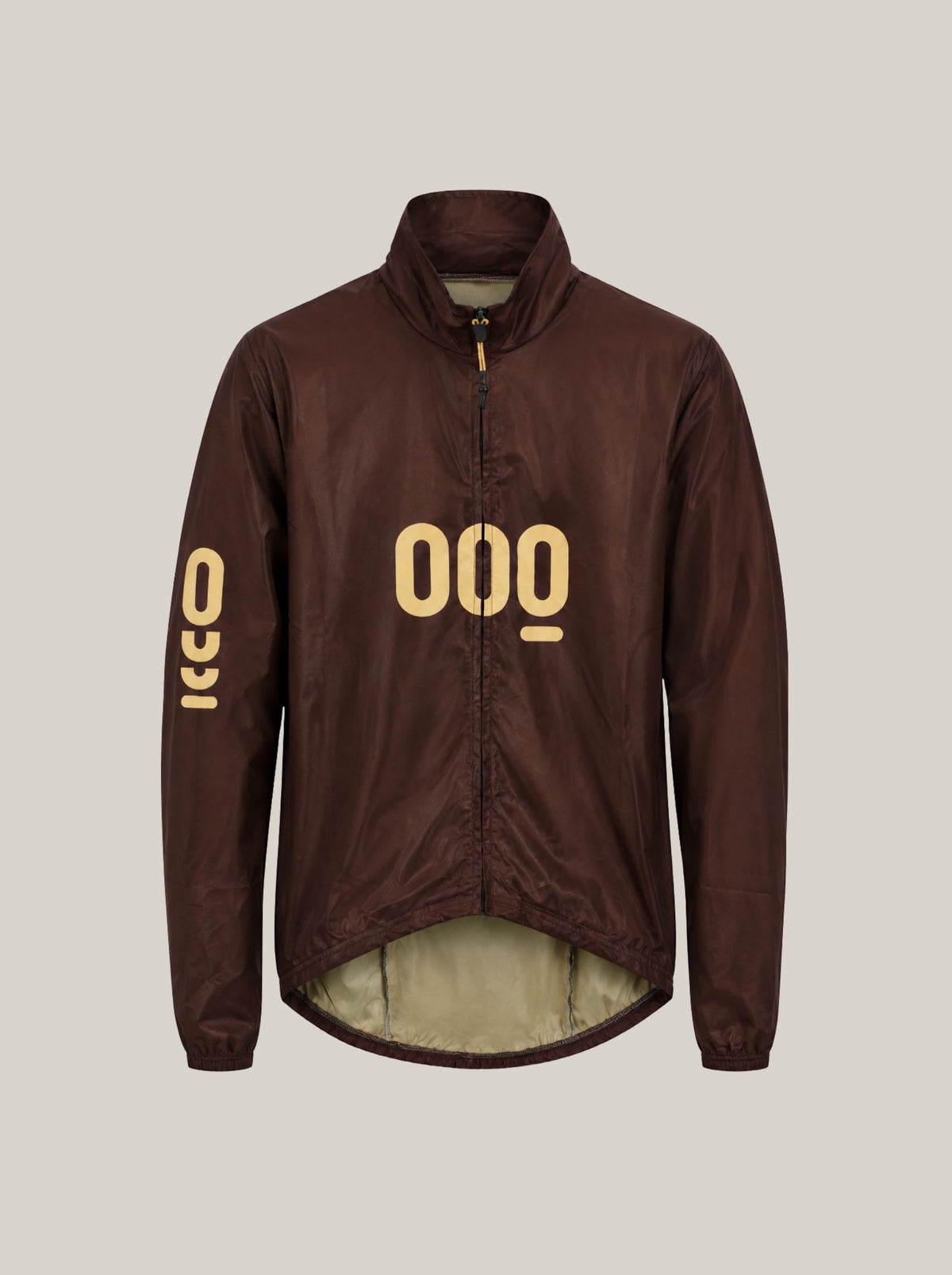
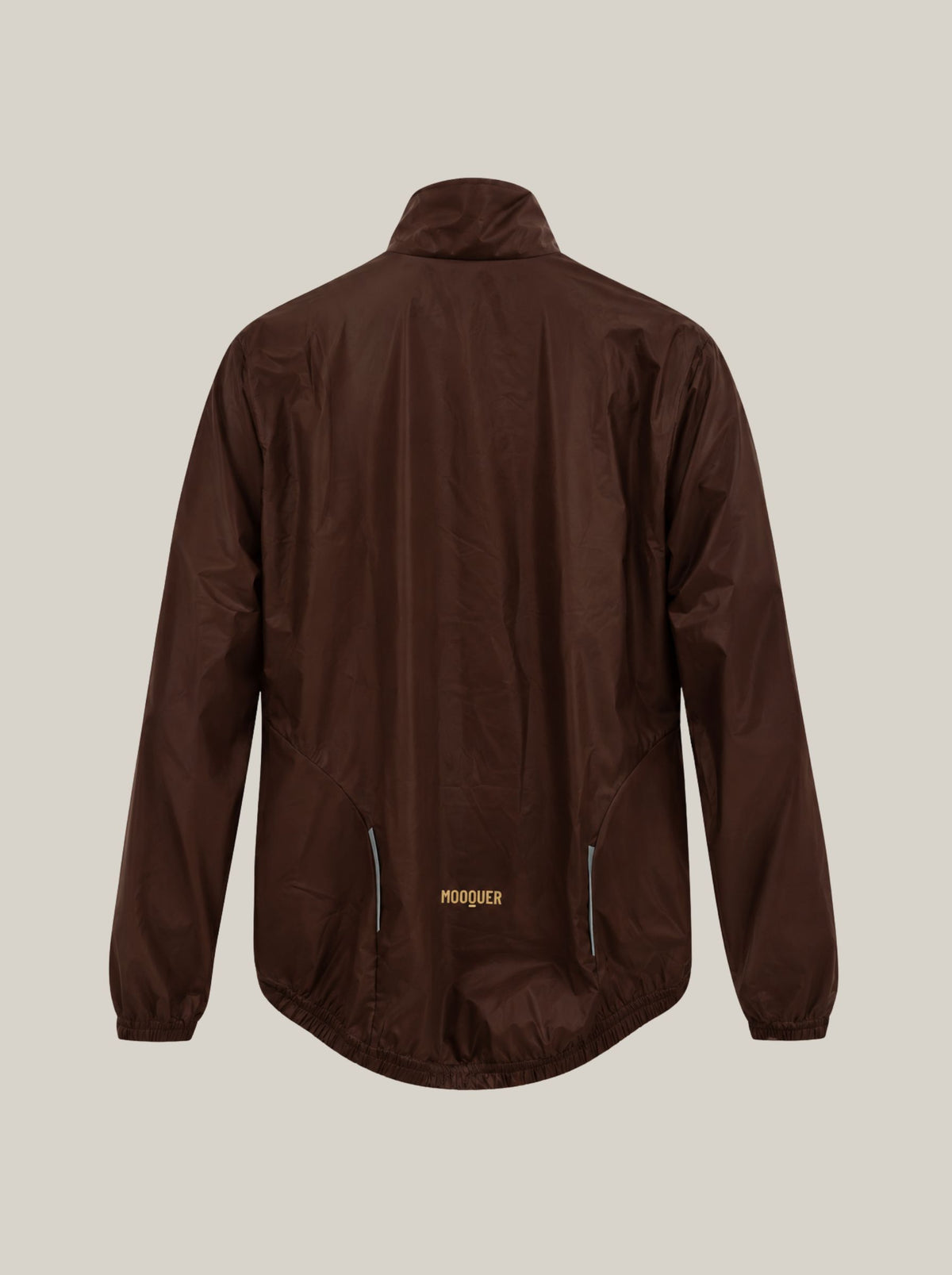
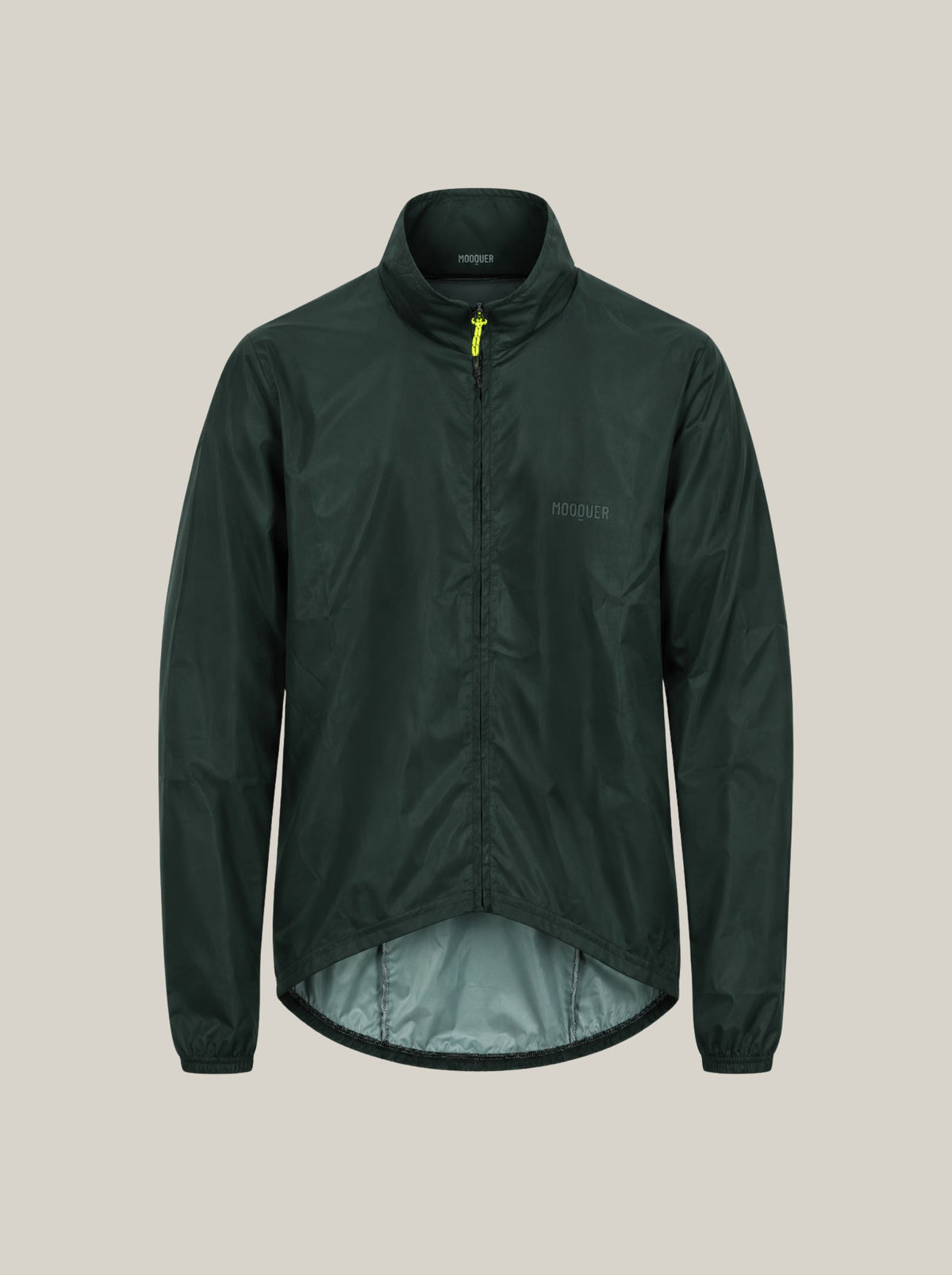
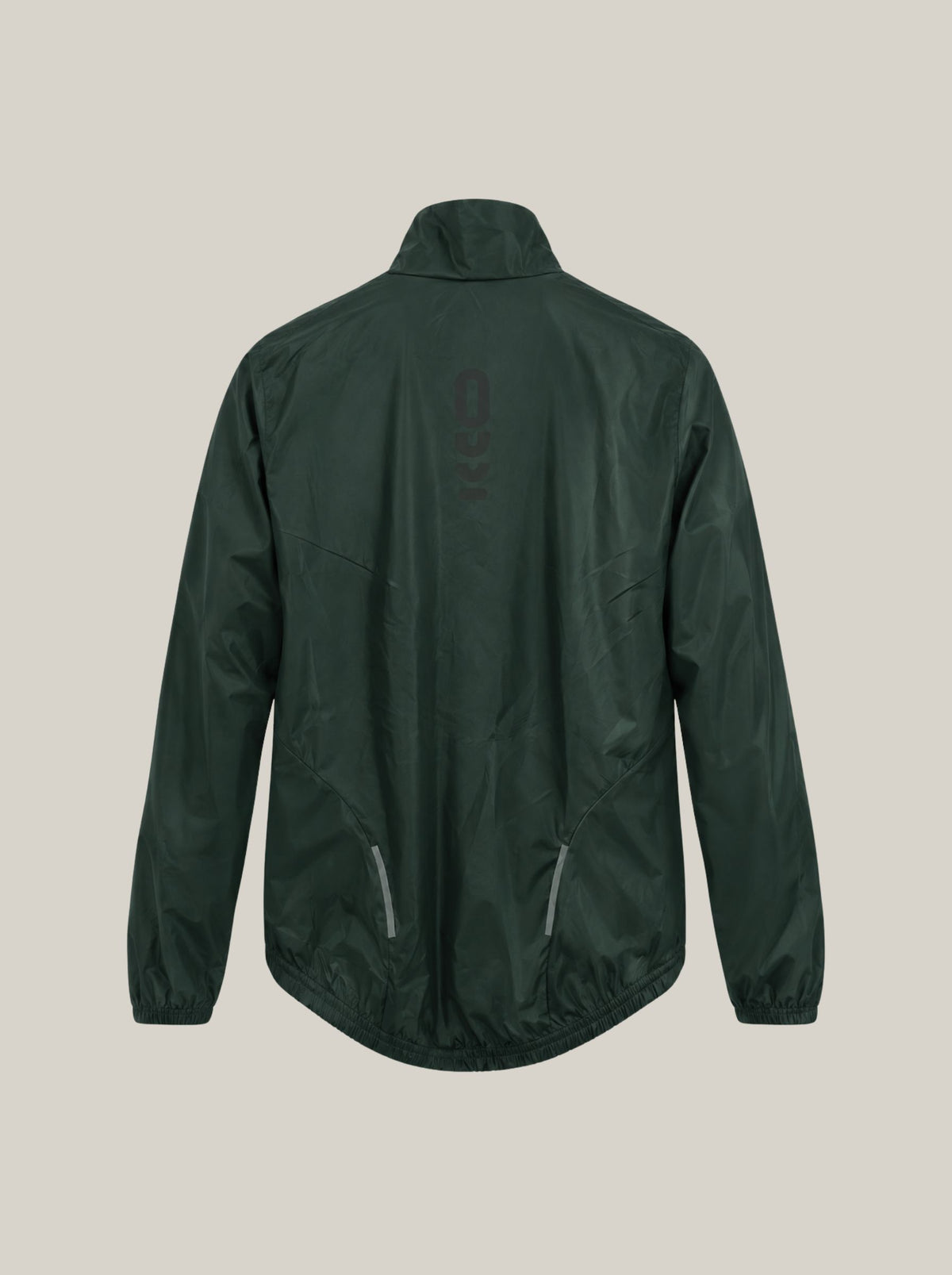
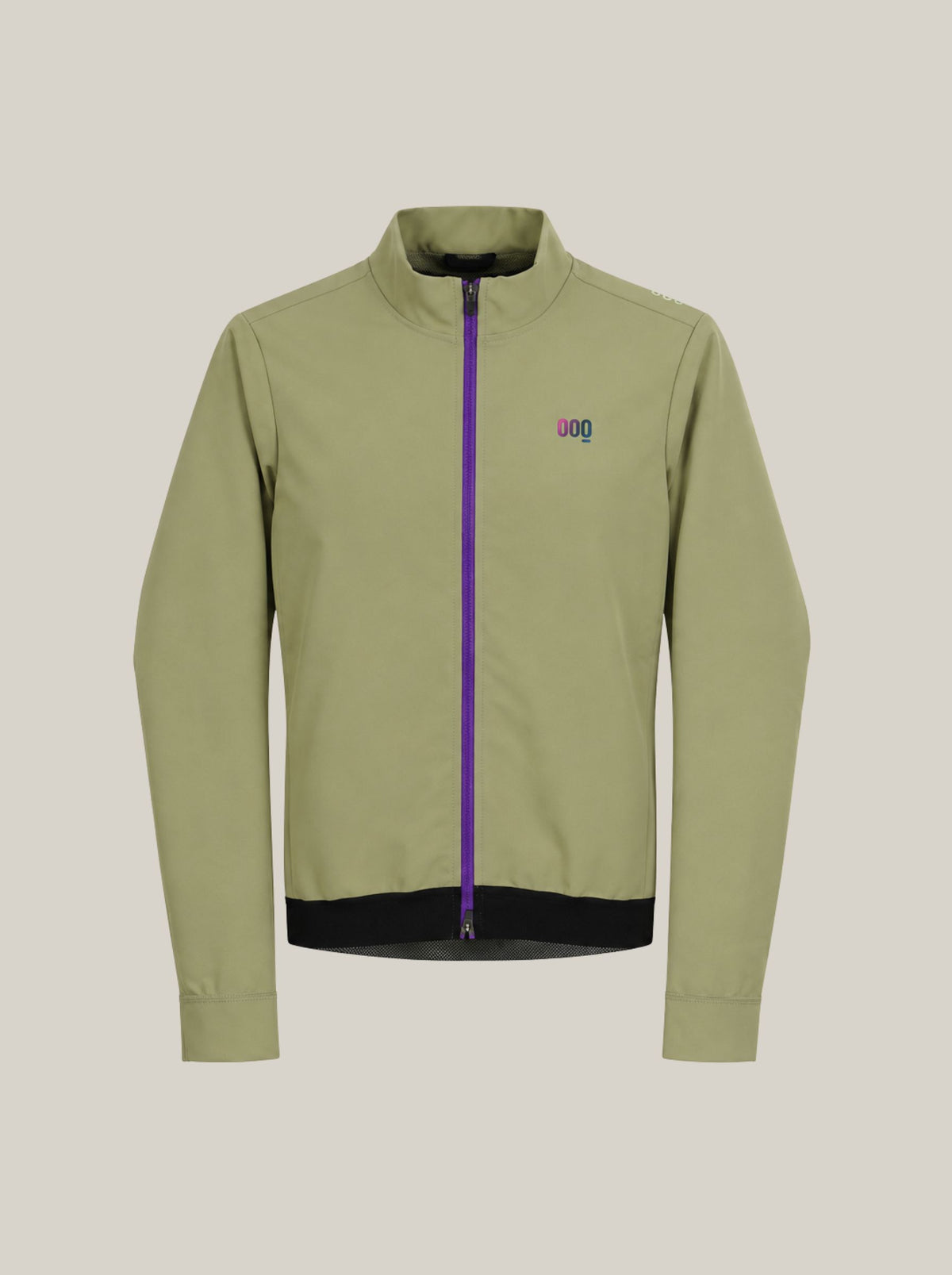
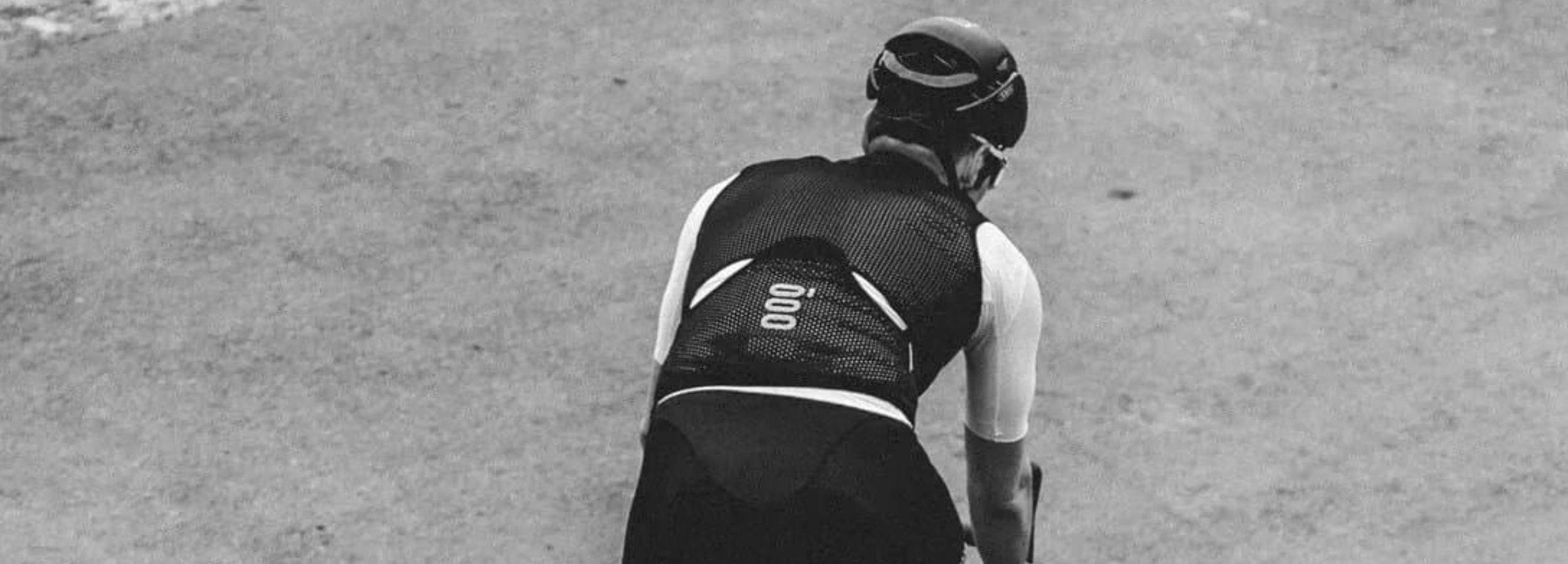
We have three, and they are for different uses. The Aero in green and orange are lightweight windproof gilets with a repellent treatment, made in Portugal, for transitional weather and to always keep in your pocket.
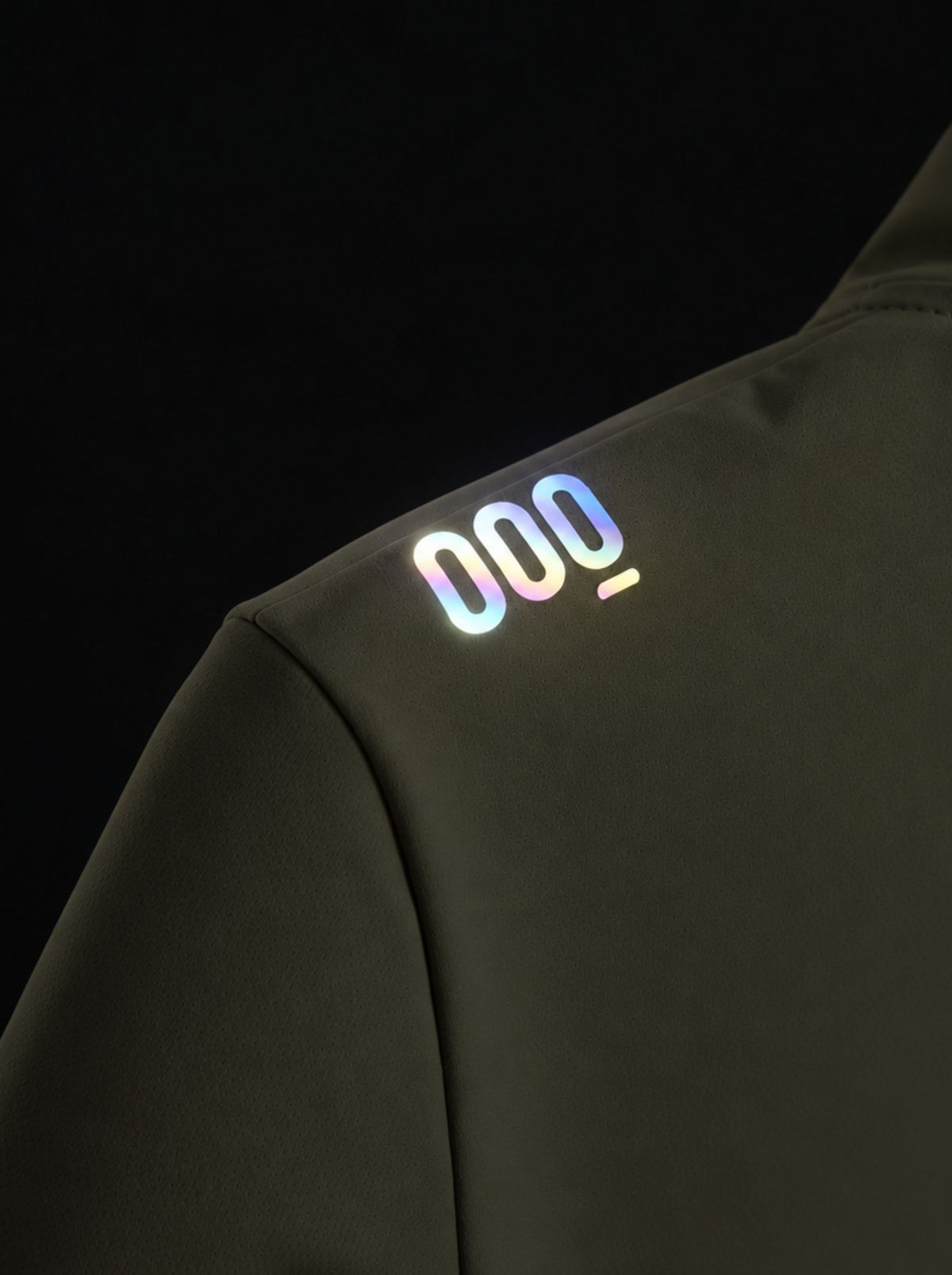
The Sienna Signature is the winter one: made in Italy with Pidigi Tallin WR fabric, ZeroWind hydrophilic membrane, 10,000 mm water column, stretchy and with three reflective back pockets.
You can see them all in cycling gilets.









Leave a comment
This site is protected by hCaptcha and the hCaptcha Privacy Policy and Terms of Service apply.