





Puerto de Pajares by Bike: Profile, Traffic and the Climb to Cuitu Negru
The Puerto de Pajares by bike is 19.7 kilometres from Campomanes with around 1,000 metres of climbing and an average gradient of around 5%, up to the 1,378-metre pass with León. It is long, steady, and without killer ramps. The gradient is not the difficult part: it is the traffic.
And then there is the Cuitu Negru, which is another story.
The numbers for the Puerto de Pajares
The sources do not agree to the metre, as always happens with long climbs that start in the middle of a valley. Cyclefiesta measures it at 19.7 km with 991 metres of climbing. Climbfinder at 19.2 km with 1,000 metres and an average of 5.2%, with a hundred-metre section reaching 14.2%. The summit is at 1,378 metres, on the N-630, the road connecting Oviedo and León without going through the toll.
Translated: it is a first-category climb that you can ride seated. If you come from the Angliru or the Gamoniteiru, it will seem like a motorway. If it is your first long climb, you will be grateful that it never forces you to stand up.
To give you an idea of the time, Climbfinder estimates 1h45 at 11 km/h average and 1h17 at 15 km/h. For a fit enthusiast, somewhere between those two figures is reasonable. With a 34x28 you will have plenty.

The problem with Pajares: the trucks
This is what almost no climb profile tells you in the first line, and it is the first thing you should know.
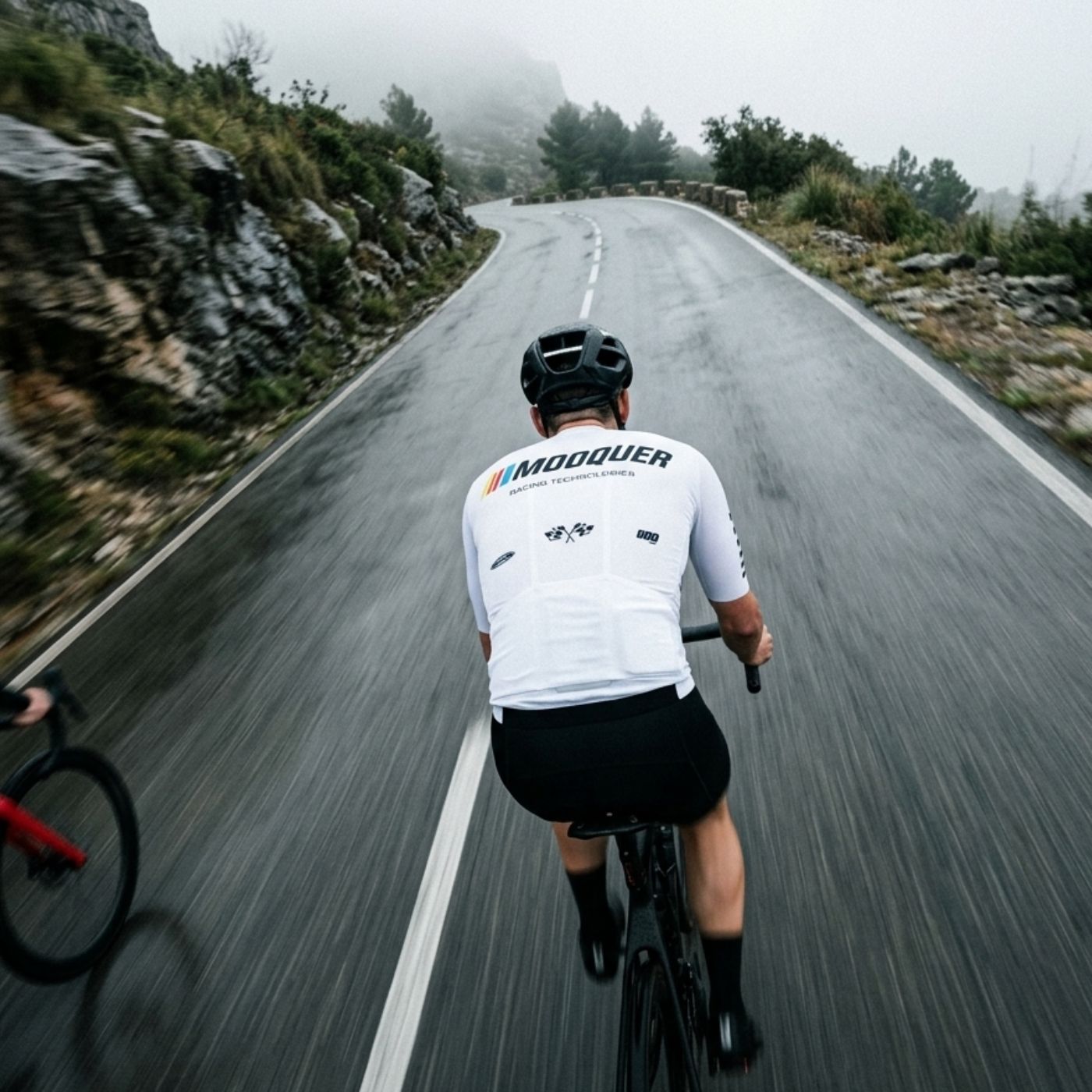
The N-630 is the free alternative to the Huerna motorway. That means traffic all year round, with many trucks avoiding the toll. The road is wide and the asphalt is very good, but on the steepest sections overtaking can be very close. Cyclefiesta says it bluntly and, in fact, recommends La Cubilla as an alternative.
Our take: Pajares is worth it for what it means and for what there is at the top, but choose the time well. Early Sunday is another road. A Tuesday mid-morning, not so much. Bring a rear light even if it is sunny: in the shaded curves at the top, a car approaching you at 80 km/h will see you sooner by the light than by the clothes.
Pajares or La Cubilla: same town, different world
The two climbs start in Campomanes. That is why it is worth having them clear.
La Cubilla is almost thirty kilometres of continuous ascent on a narrow road, without traffic and with a high mountain landscape. Pajares is shorter, wider, more direct and with much more history. If you only have one day and you do not care about the main road, climb Pajares and come down where you came from. If you are looking for silence, La Cubilla. If you have legs, chain them together: they leave the same town.
Pajares in La Vuelta
According to Cyclefiesta, Pajares has appeared in La Vuelta a España since 1945, and for decades it was one of those climbs that decided stages. It has been in the race since long before the Angliru appeared on the route, in 1999.
Its role changed when the organisers decided not to stop at the top and keep climbing.
The Cuitu Negru: when Pajares falls short
From the top of Pajares, the road leads to the Valgrande-Pajares station. About five more kilometres to the Cuitu Negru, at around 1,850 metres, with ramps exceeding 20%.
La Vuelta debuted it in 2012, in a 183.5-kilometre stage between Gijón and Valgrande-Pajares that was won by the Italian Dario Cataldo. According to the report by Cyclingnews, the last two kilometres reached 24%.
If you are going for the Cuitu Negru, change your mindset. Pajares is climbed with a 34x28. The Cuitu Negru calls for 34x32 or more, and even so you will be standing in the last section. It is the difference between climbing a climb and scaling a wall.

Pajares in winter
If you search for "Puerto de Pajares" in December, half of what you find is for drivers: snow, chains and closures. At 1,378 metres, in the middle of the Cantabrian divide, the climb is affected by the storms every winter. Before going, check the state of the roads on the DGT traffic information.
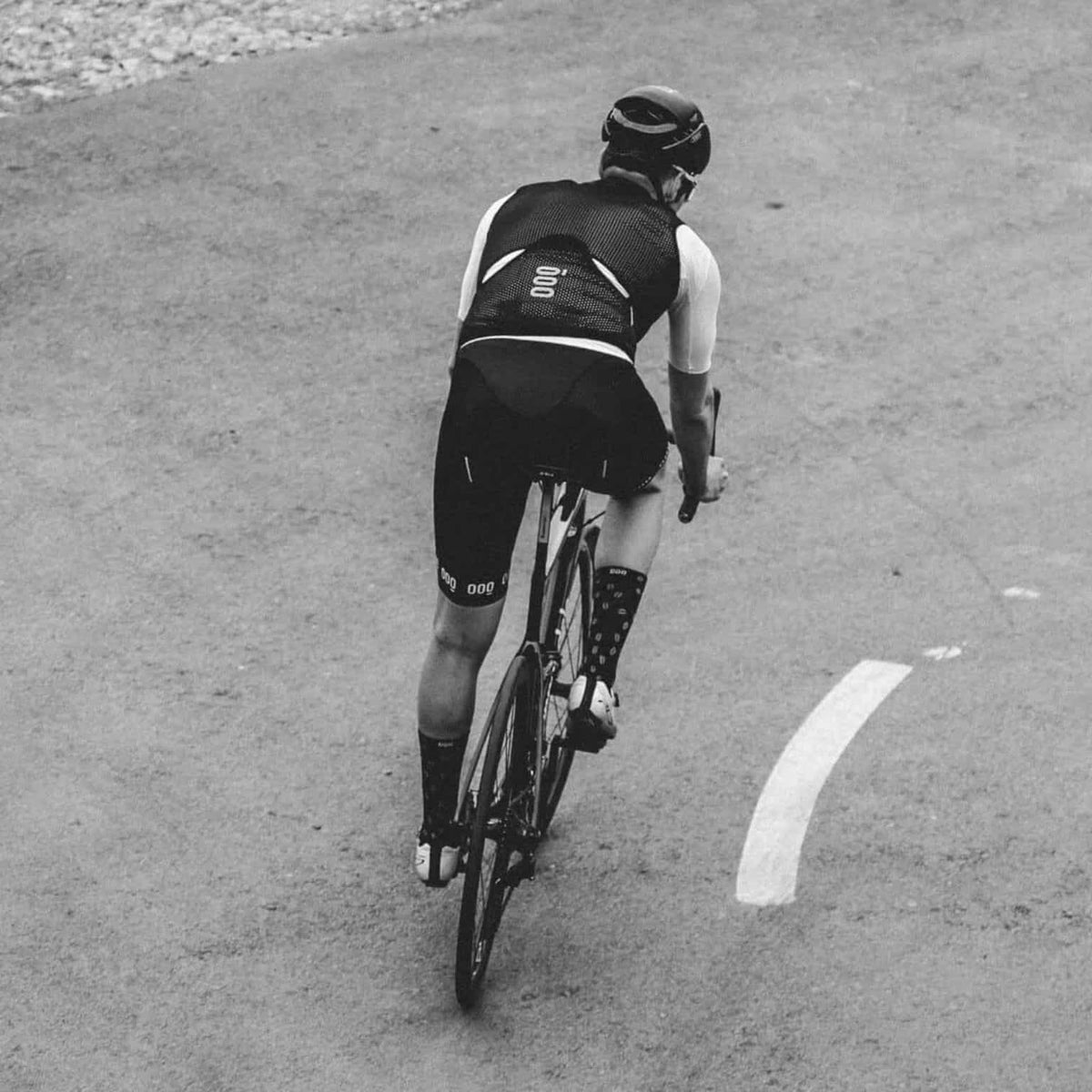
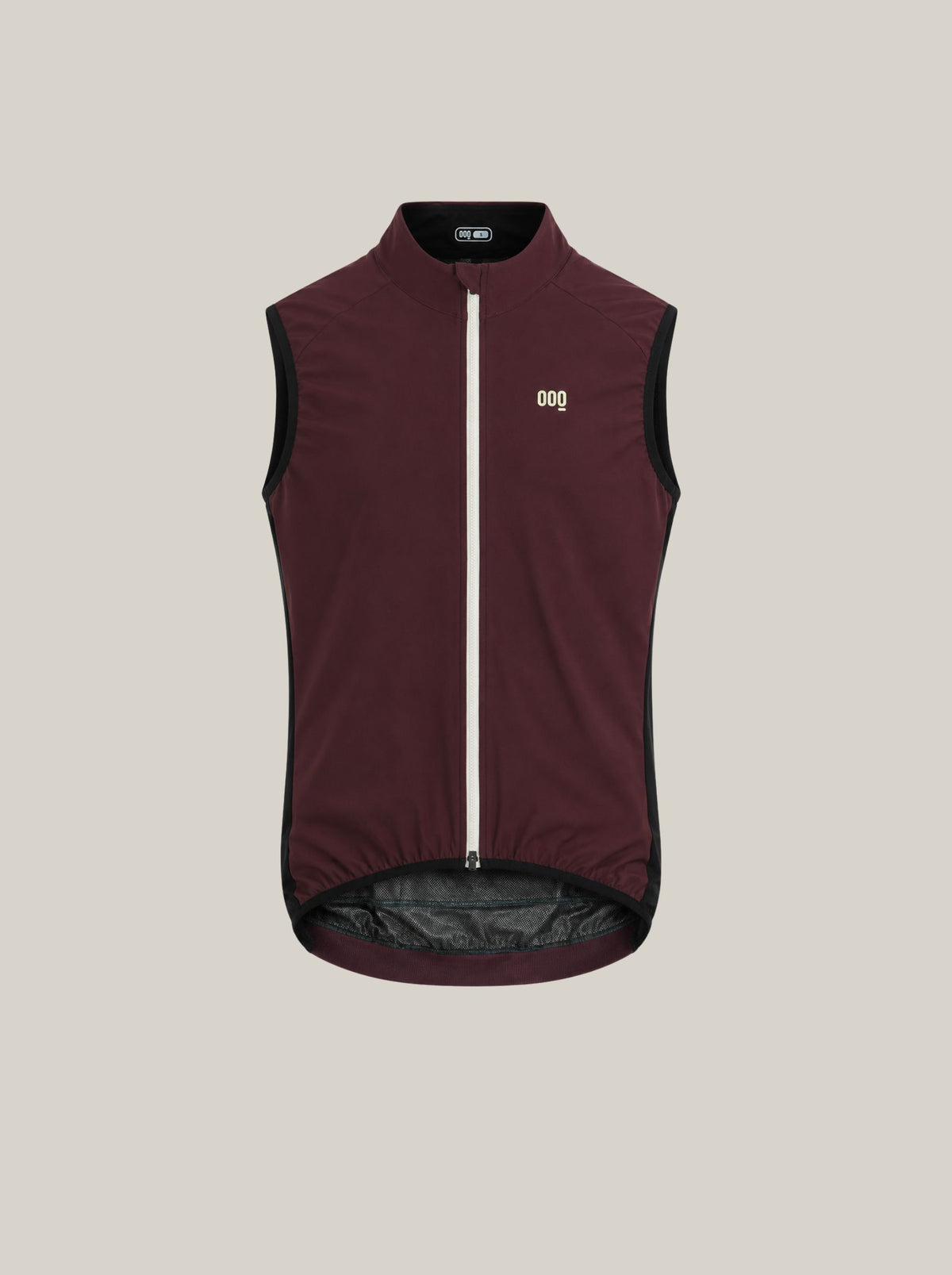
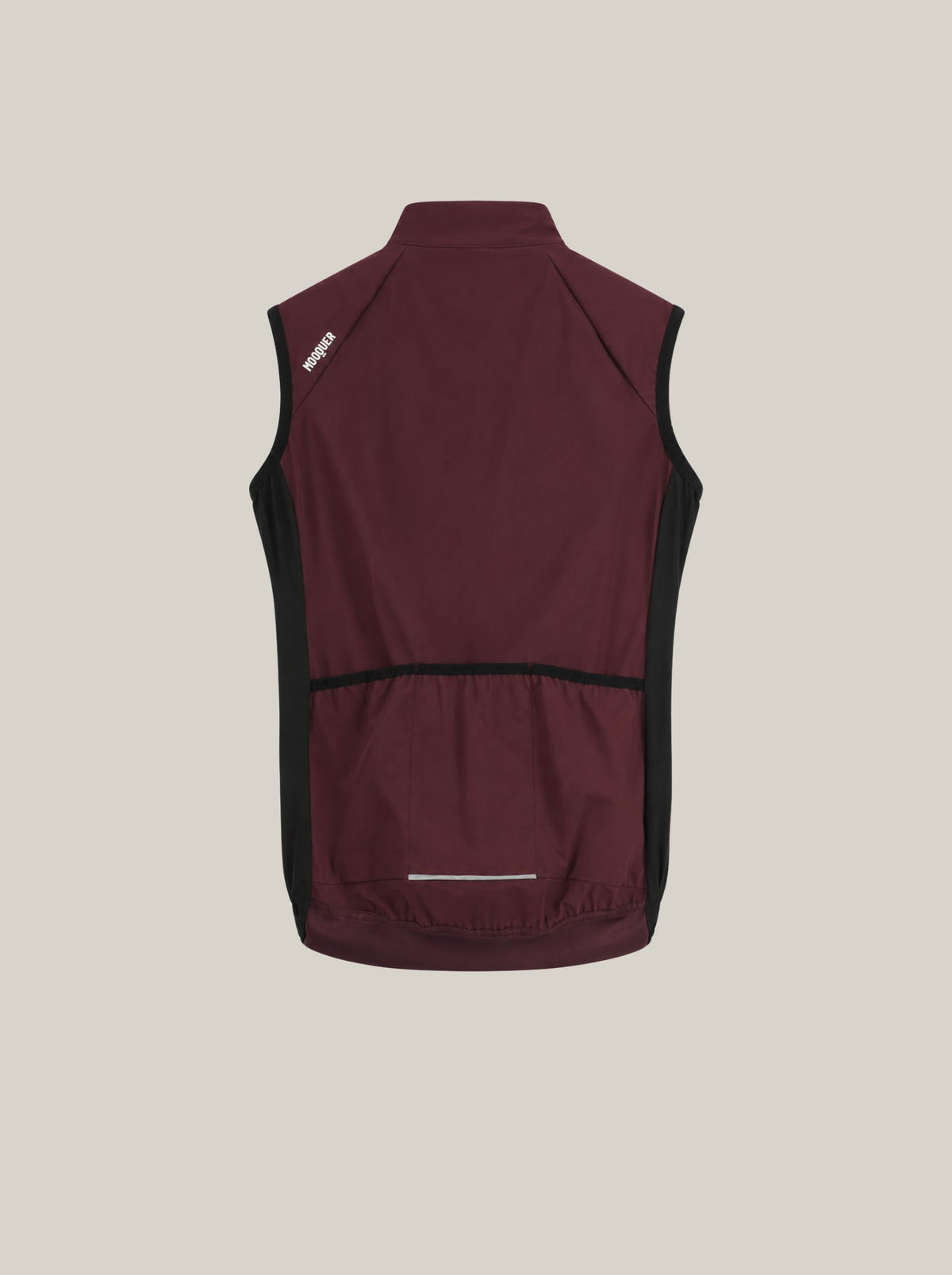
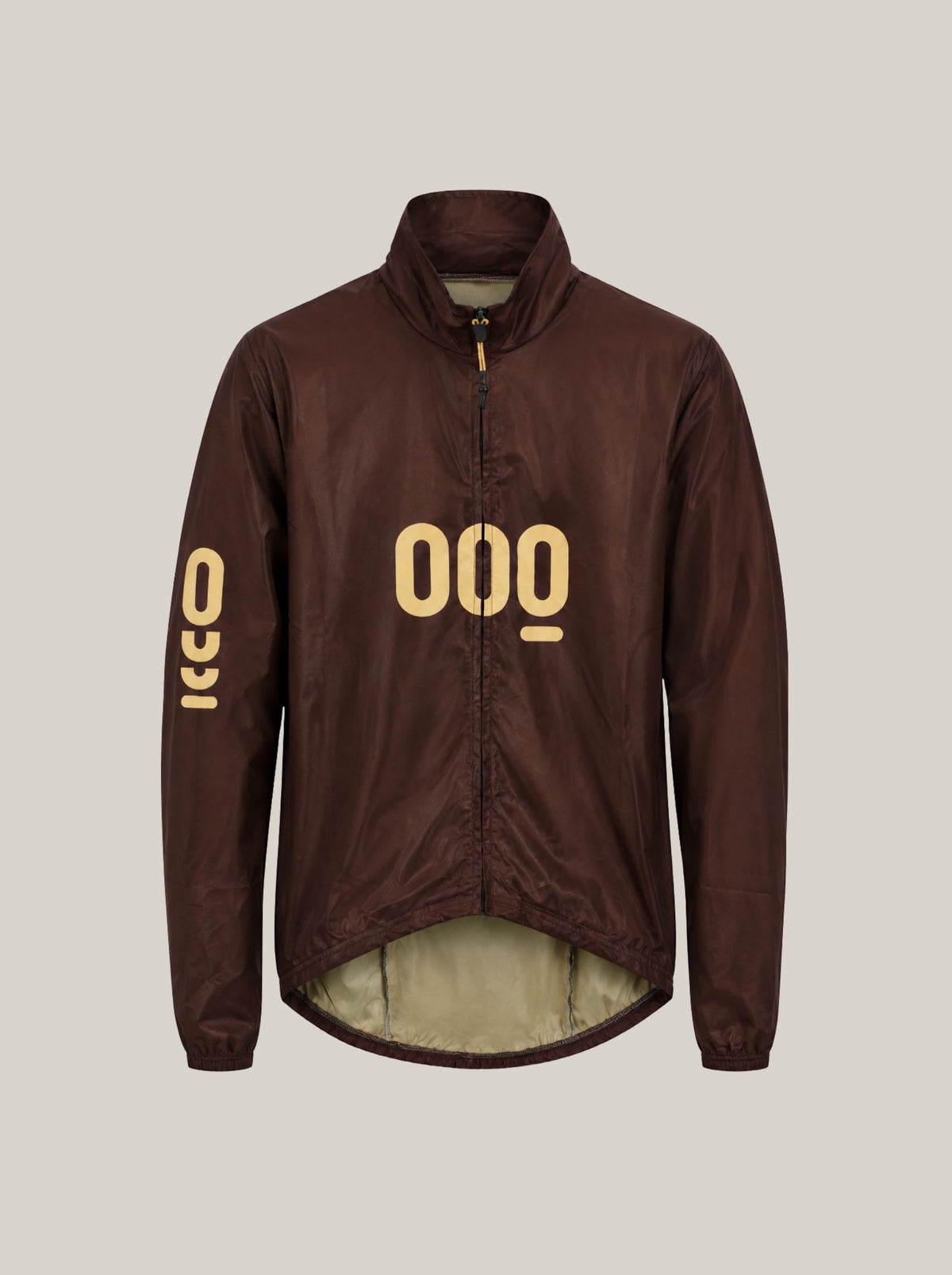
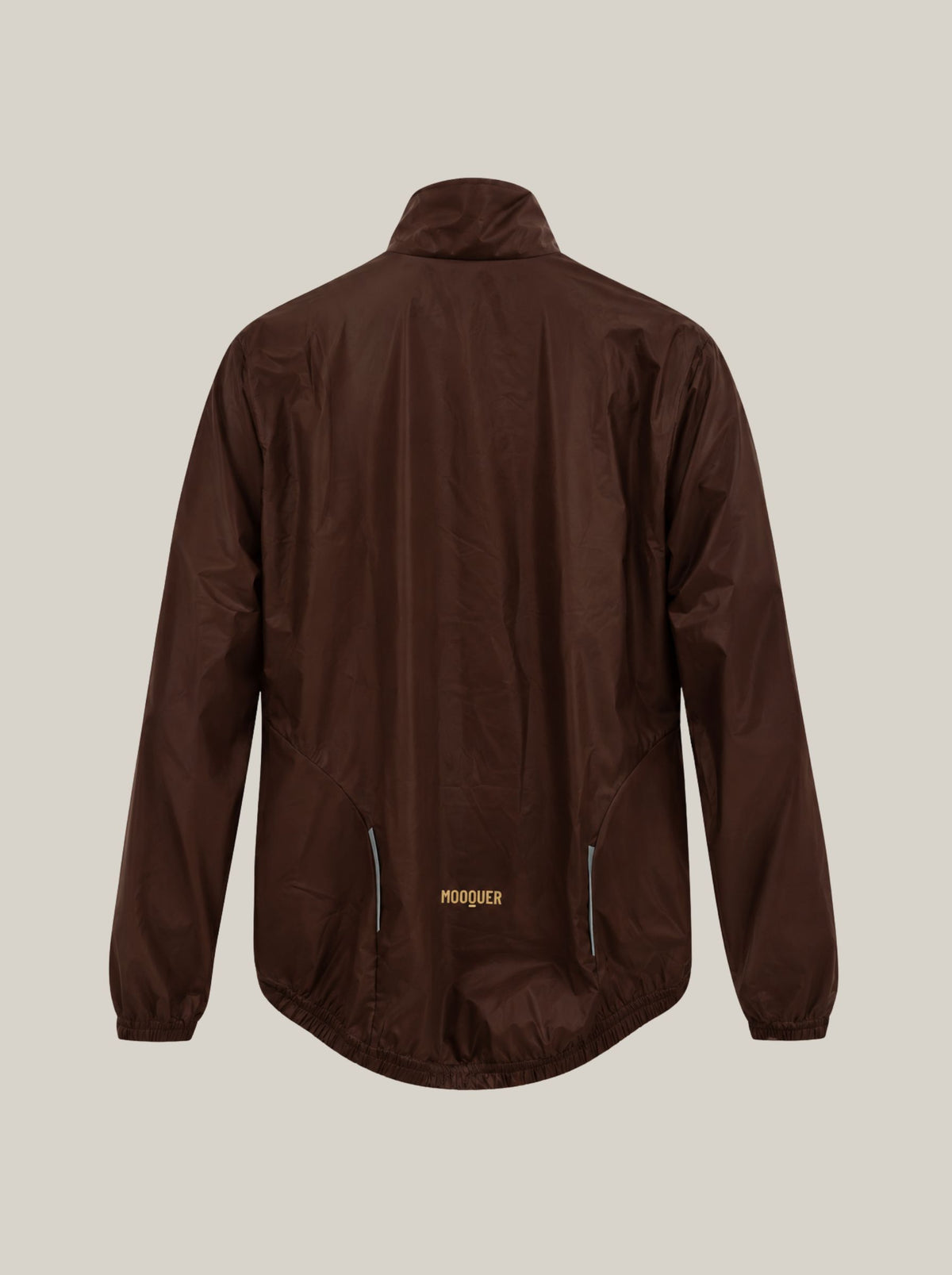
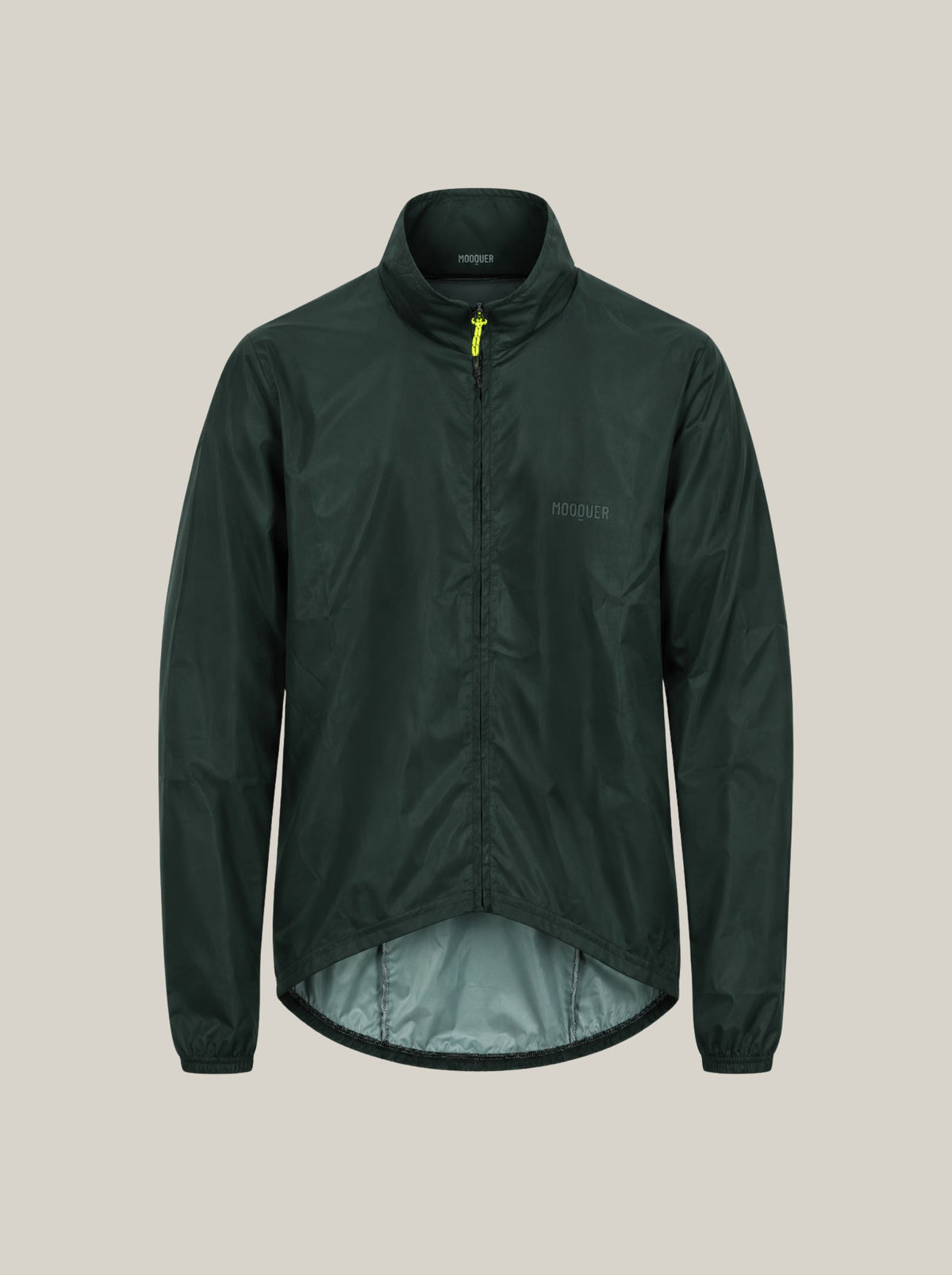
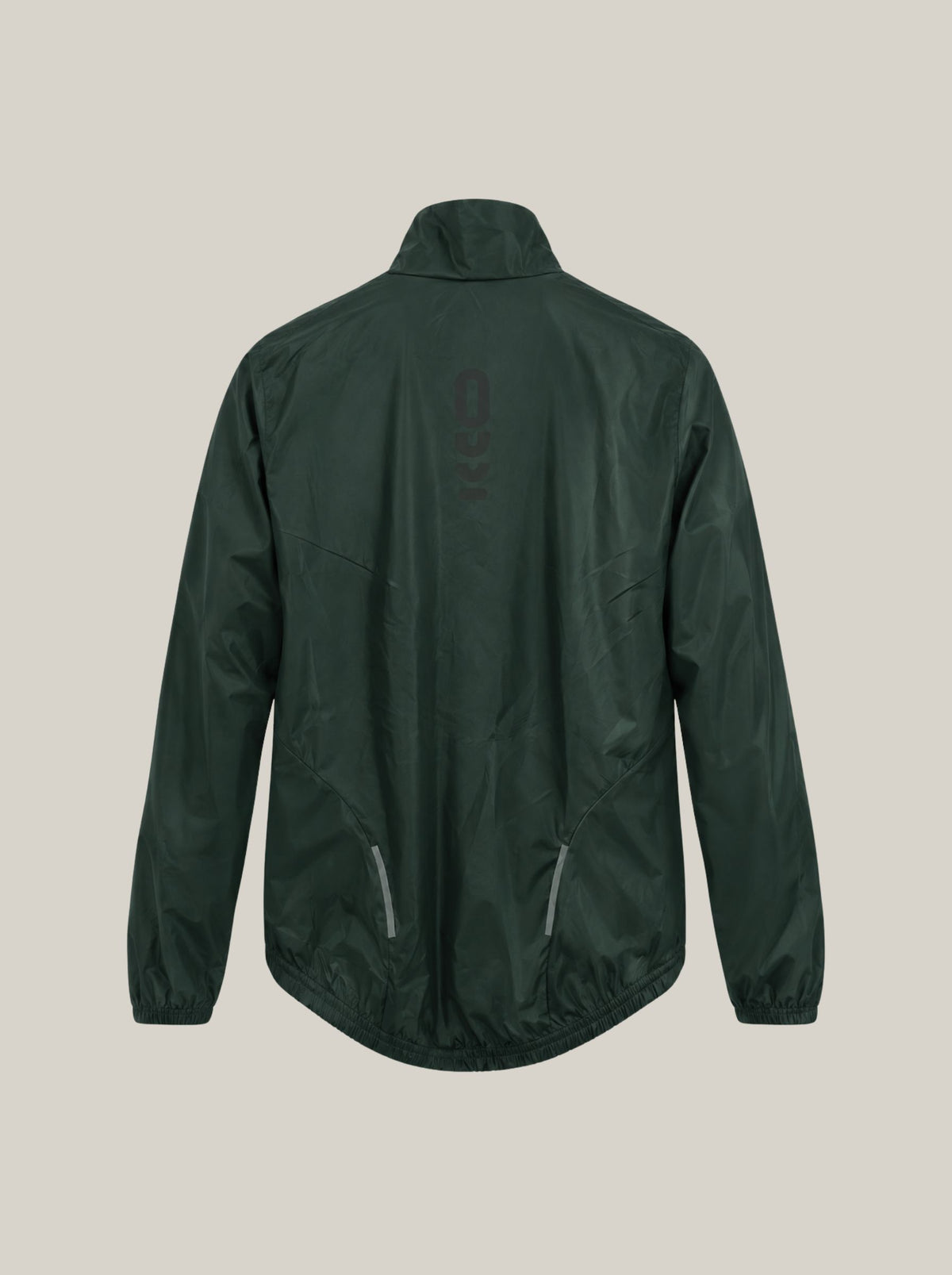
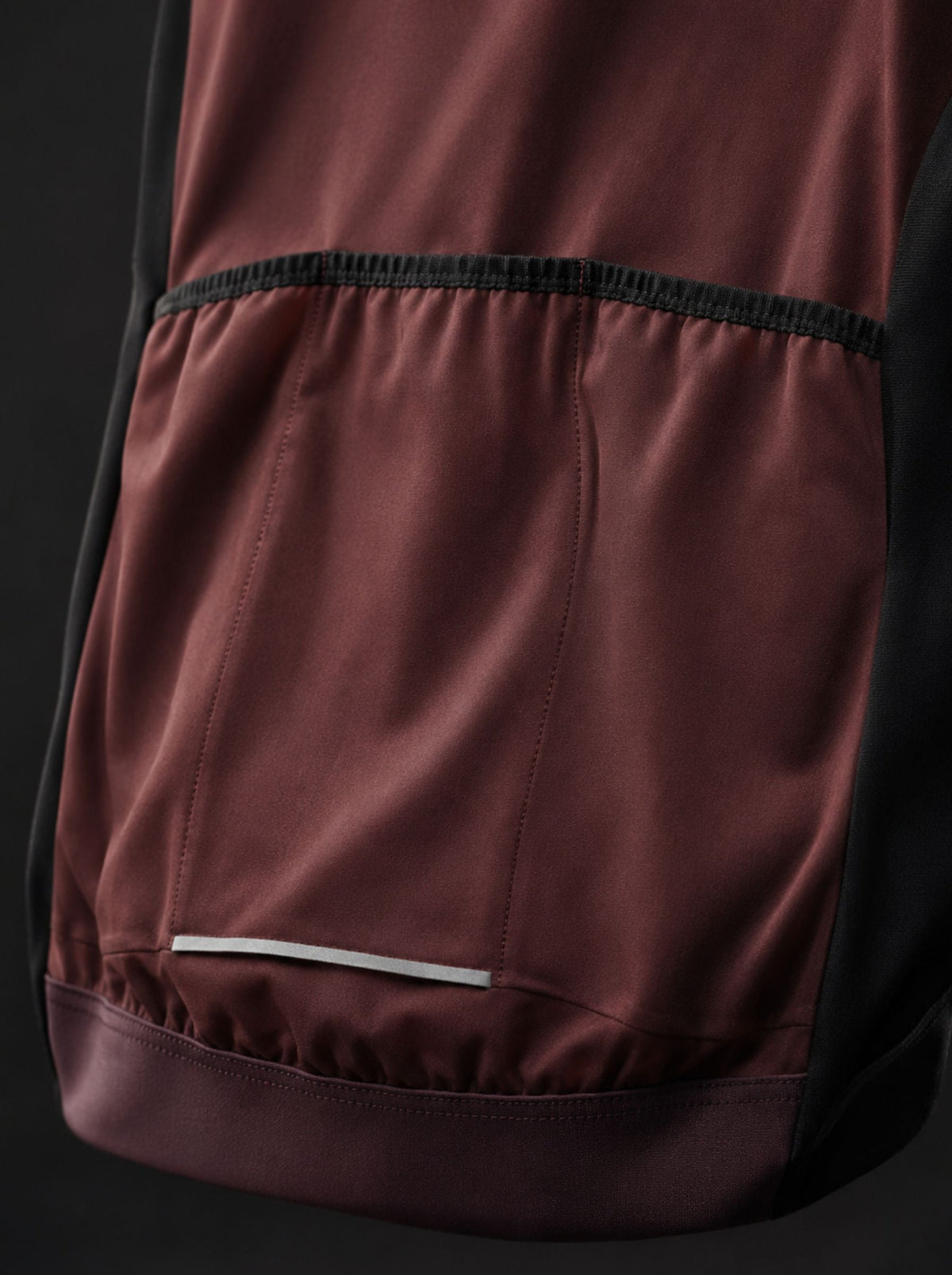
By bike, from November to March, the rule is simple: you can climb in the sun and come down in the fog. The temperature difference between Campomanes and the summit can be several degrees, and the descent of almost twenty kilometres without pedalling is where you really get cold. That is where the vest you carry folded in your pocket changes the day. The Sienna Signature windproof vest that we make in Italy weighs just enough to forget about it on the climb: 140 g/m² fabric with ZeroWind windproof membrane and 10,000 mm water column, and it folds down to fit in the jersey. It is what we put on at the top, before the first curve.
The same with gloves. Cold hands on a long descent are not an inconvenience, they are less strength in the brake levers. If you are going to climb climbs of more than 1,300 metres between November and March, bring winter cycling gloves with windproof even if you do not need them below.
What does not come out in the data
Do not count on a shop at the top. There are places to eat and drink around the climb and the station, but not always open outside the season. Leave with water and something to eat.
The descent is fast and wide. That is good and bad: you gain speed without realising it and share the lane with trucks. Descend visible and without rushing.
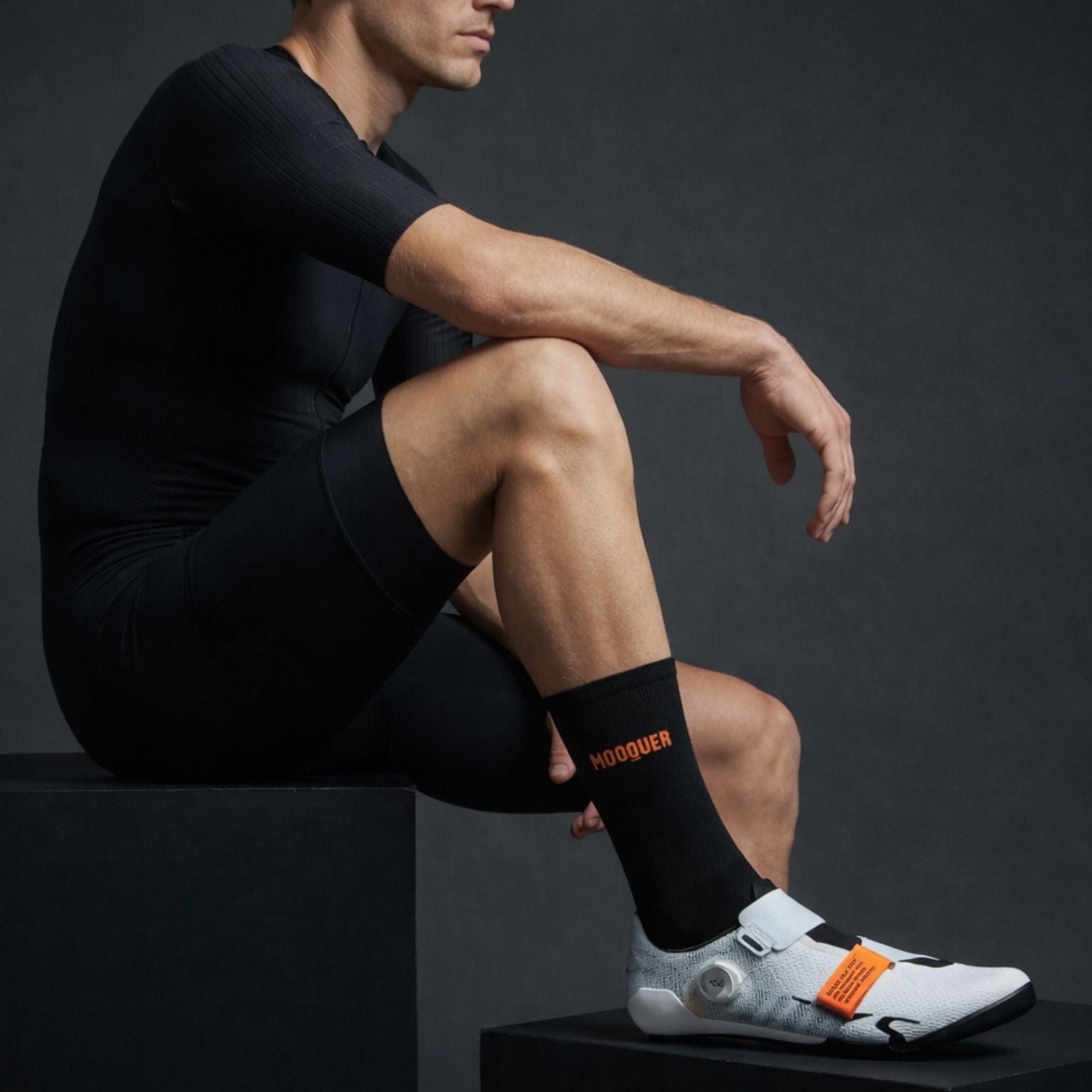
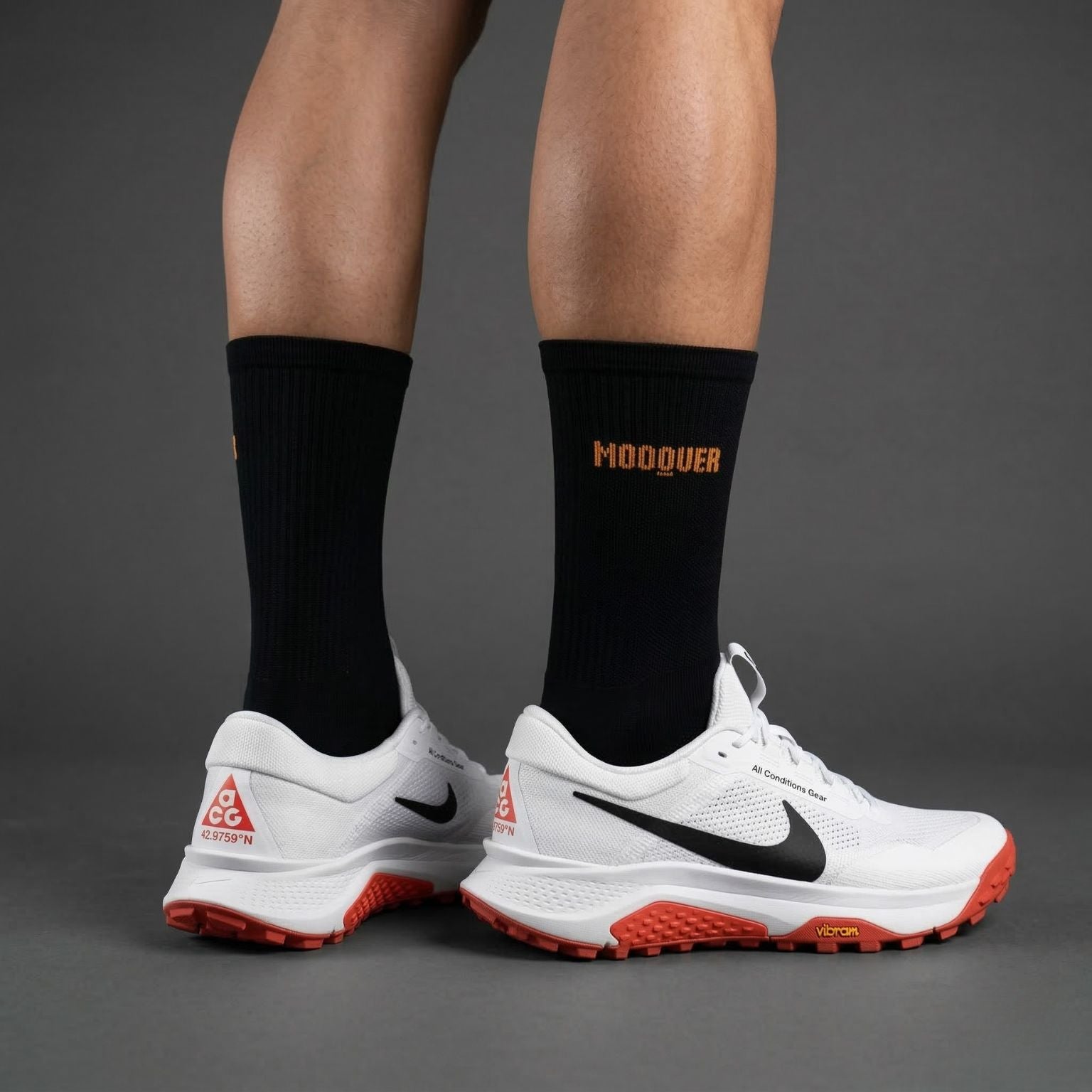
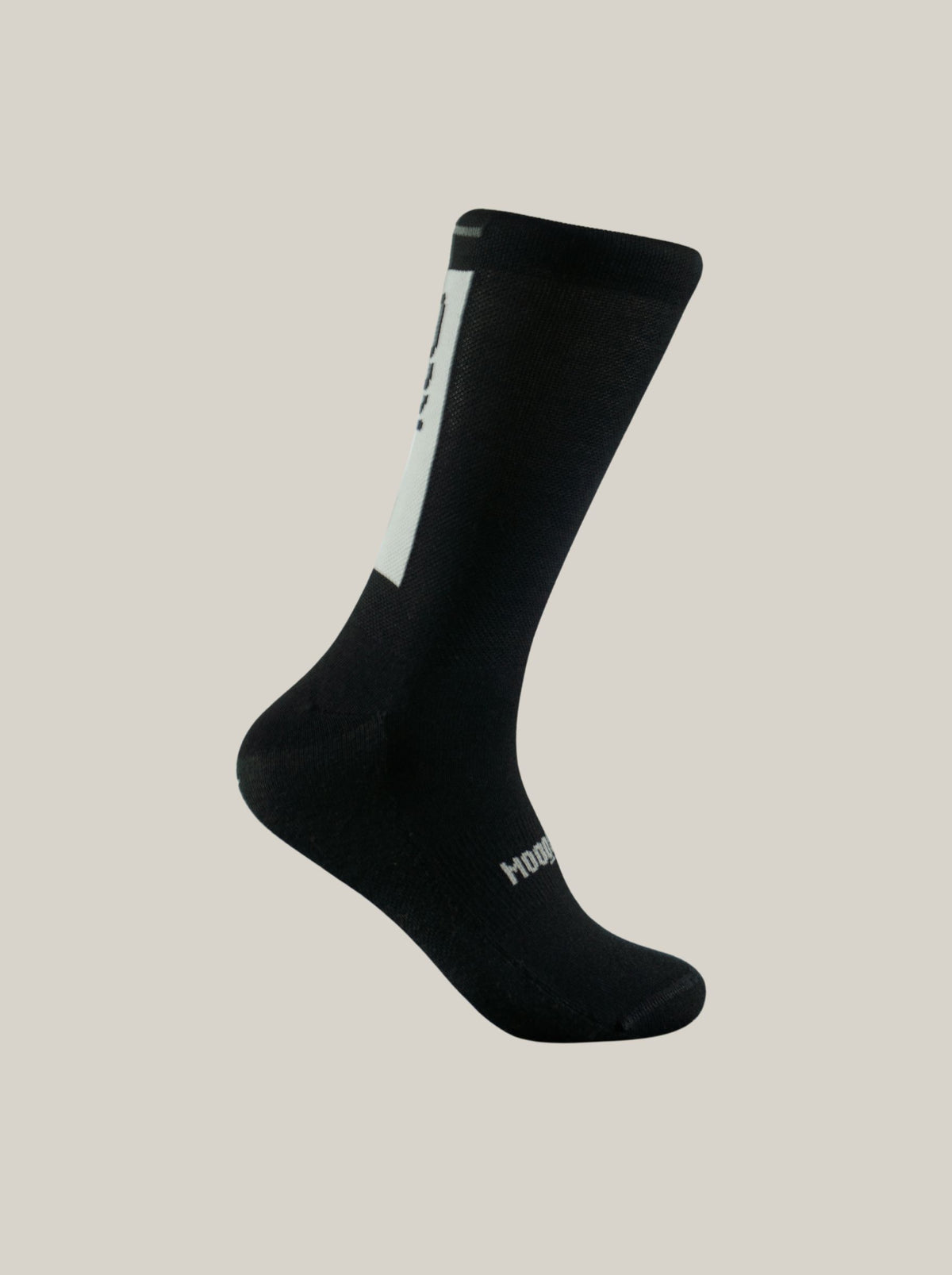
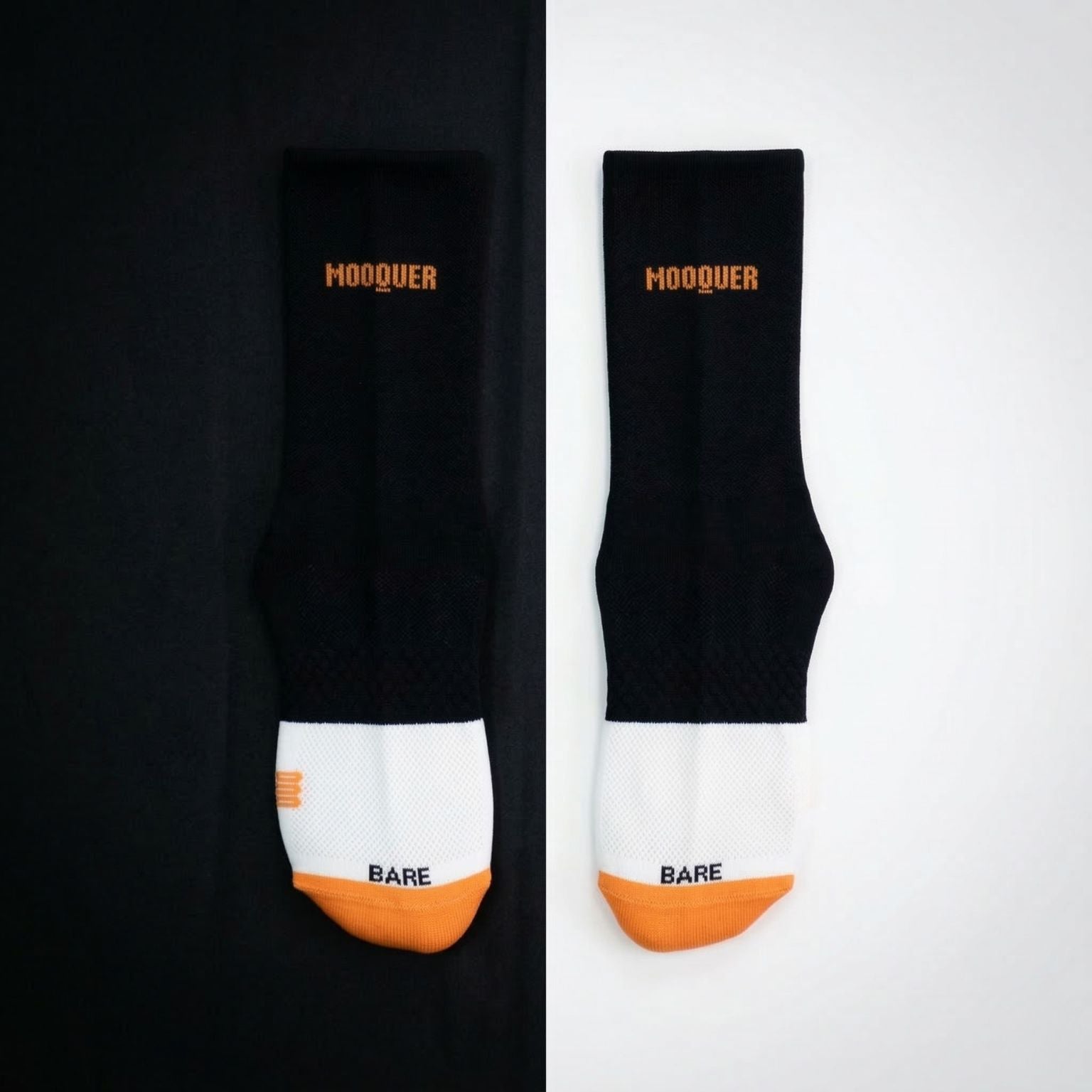
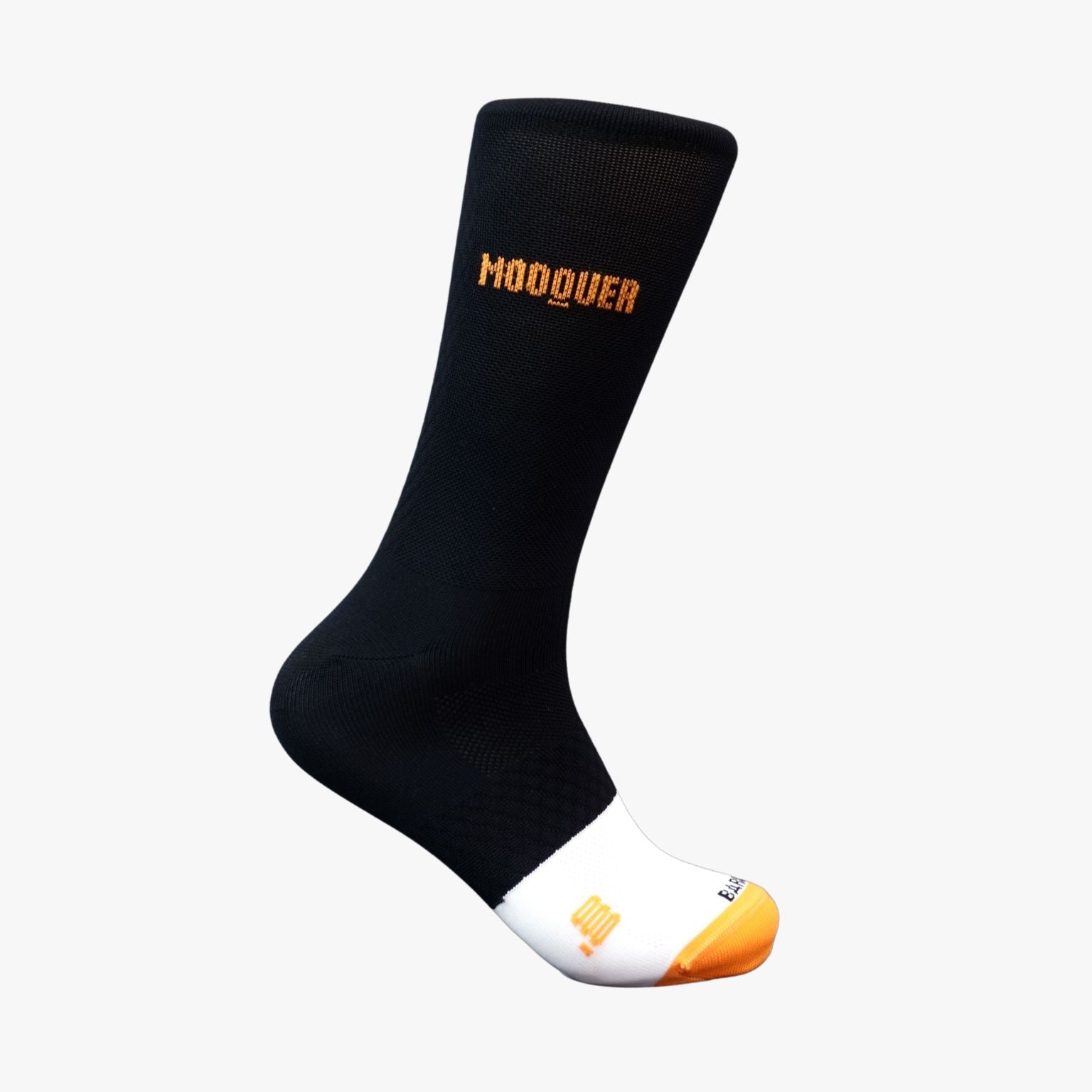
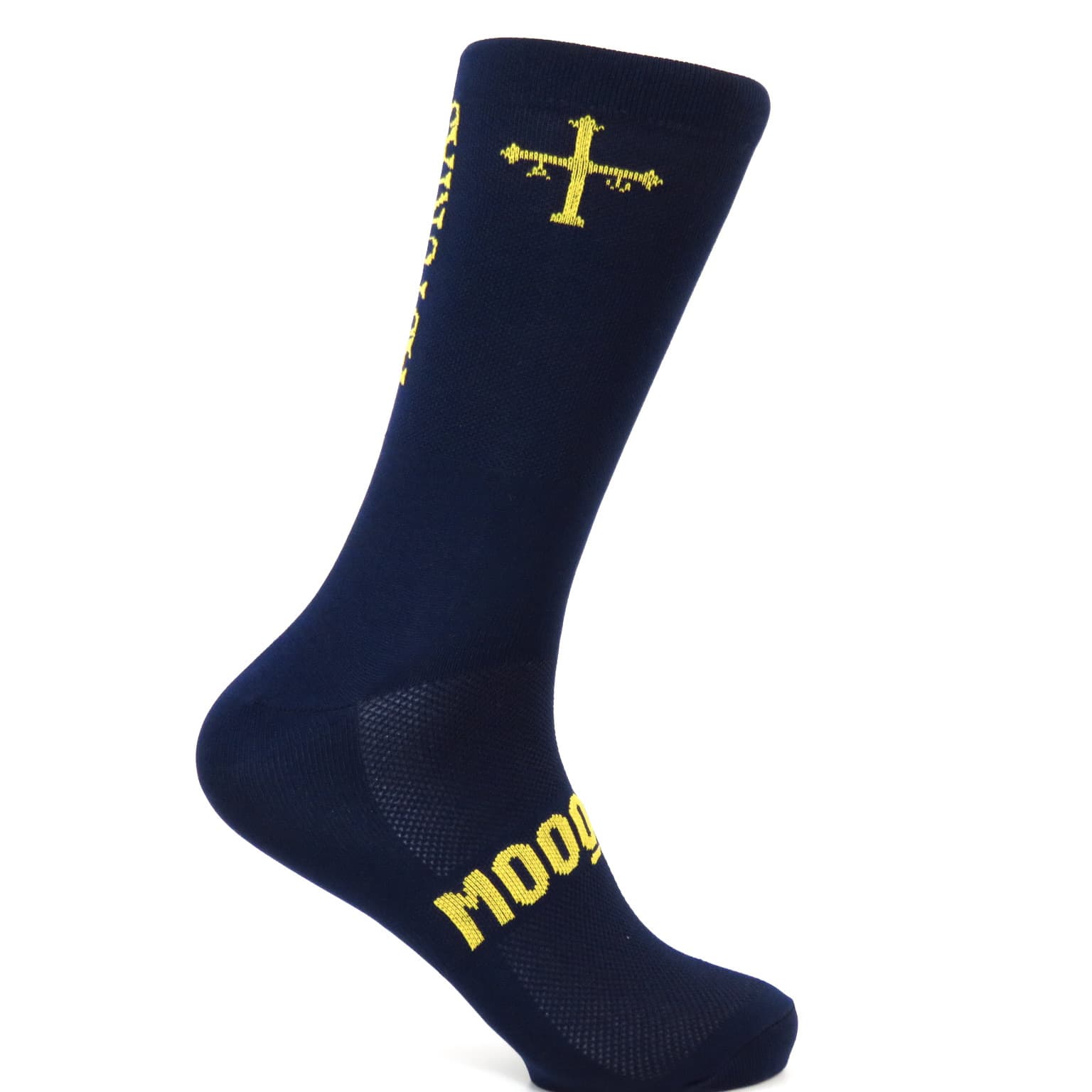
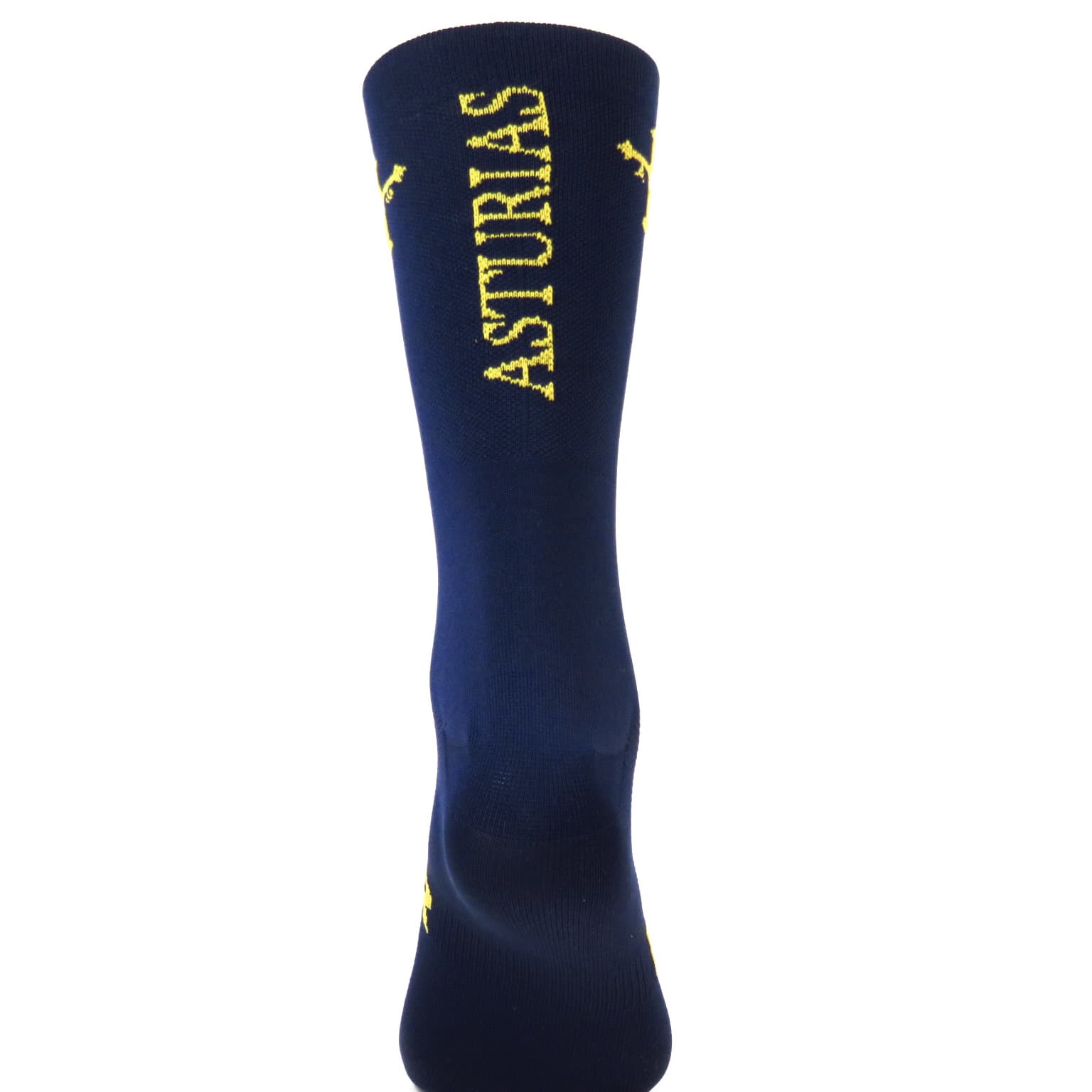
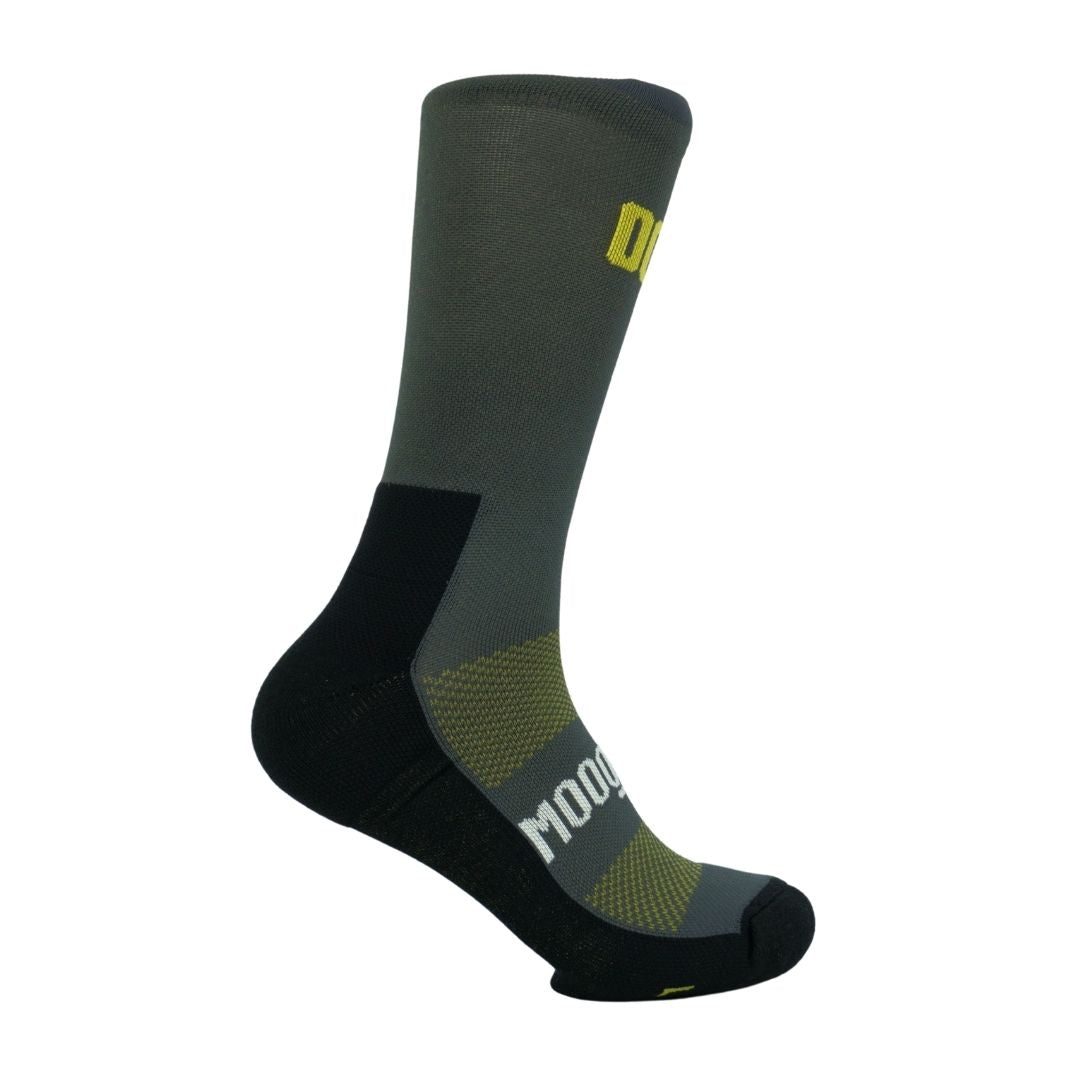
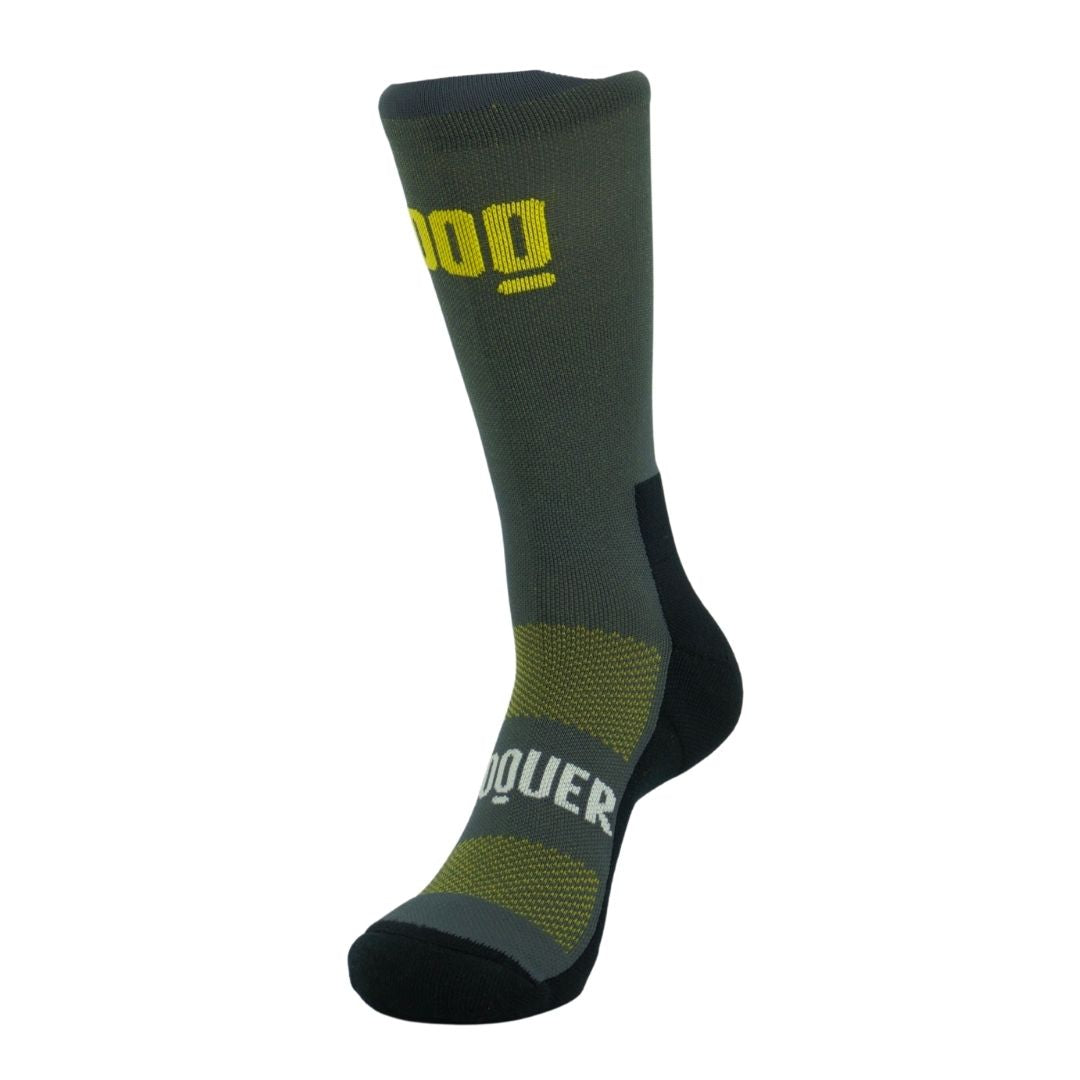
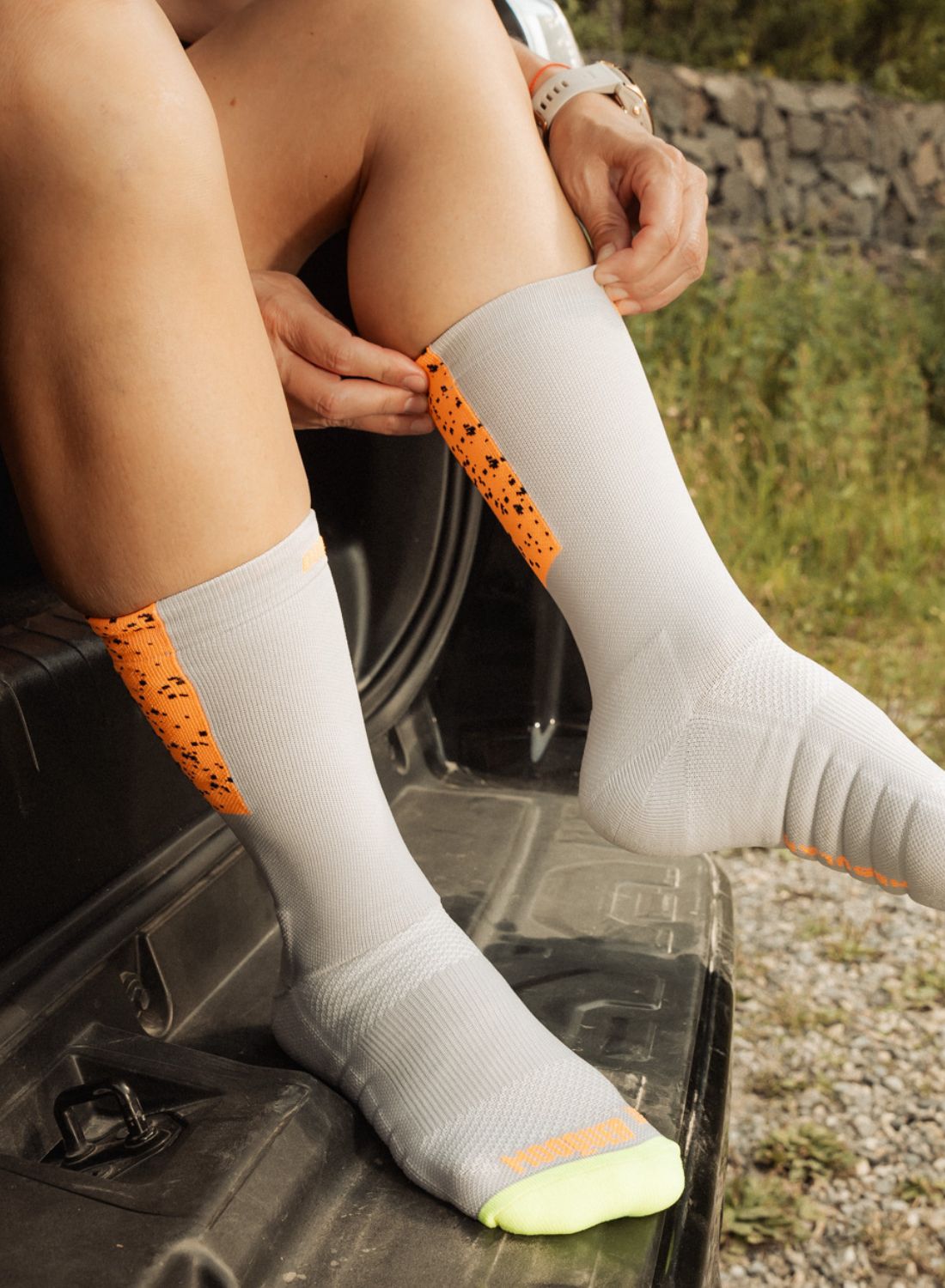
It is a climb to wear Asturias. Our Asturias Corsa socks, navy blue with Asturian details and mesh instep, are designed for the warm months, which is when Pajares is enjoyed without looking at the sky.
The other climbs. Pajares appears among the mentions of our free guide to the climbs of Asturias: ten ascents with profile, times by level and six routes that chain them together.
Download the guide to the climbs of Asturias
Frequently asked questions
How many kilometres is the Puerto de Pajares by bike?
From Campomanes, between 19.2 and 19.7 kilometres according to the source, with around 1,000 metres of climbing and an average gradient of 5%. The summit is at 1,378 metres, on the N-630.
Is it dangerous to climb Pajares by bike?
The asphalt and the width are good, but it has heavy traffic all year round, with many trucks avoiding the motorway toll. Climb it early, on the weekend and with a rear light.
What is the Cuitu Negru?
It is the five-kilometre extension from the top of Pajares to the Valgrande-Pajares station, at around 1,850 metres, with ramps of more than 20%. La Vuelta arrived in 2012 and Dario Cataldo won.
What gearing do I need?
For Pajares a 34x28 is enough. For the Cuitu Negru a 34x32 or more is advisable.
Can you climb Pajares in winter?
Yes, when there is no snow, but at the top it can be several degrees colder than in the valley and the descent is long. Check the state of the road on the DGT and bring a vest and winter gloves.











Leave a comment
This site is protected by hCaptcha and the hCaptcha Privacy Policy and Terms of Service apply.