









Puerto de Tarna by Bike: The Longest and Quietest Pass in the Redes Mountains
The Puerto de Tarna on a bike is a long and steady climb: from El Campu, in Caso, it is 22.7 kilometers with 964 meters of elevation gain and an average gradient of 4.3% up to the 1,489 meters of the border with León. It has no killer ramps or traffic. It has kilometers, silence, and one of the most beautiful valleys in Asturias.
It is the pass you go to when you want to climb a lot without suffering too much.
The numbers of the Puerto de Tarna
It depends on where you start counting. Climbfinder measures it from El Campu: 22.7 km, 964 meters, 4.3% average, seven hairpin turns, and a hundred-meter stretch at 10.2% as the steepest point. It classifies it as a second-category pass. Cyclefiesta starts counting further up, in La Foz de Caso, and leaves it at 15.7 km at 5.2%.
Both readings are correct. The first counts the entire valley, the second only the part that really shows in the legs. The road is the AS-117, and the summit, at about 1,490 meters, marks the pass to the province of León.
To give you an idea of the time from El Campu, Climbfinder estimates 2h04 at 11 km/h average and 1h31 at 15 km/h. It is a long time, but it is time at pace, seated, with a normal road gear ratio.

What the climb is like
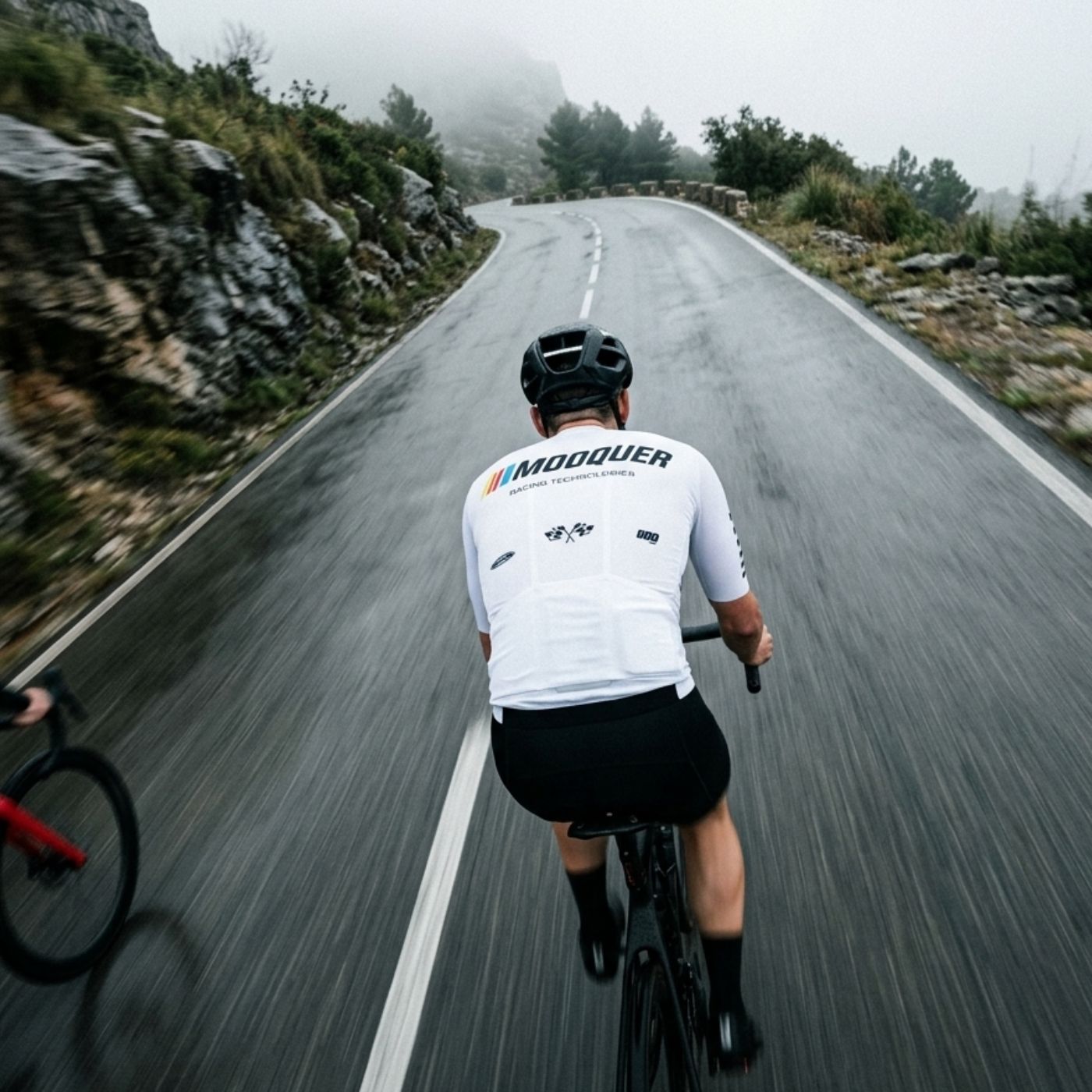
Tarna is not like the passes in the center of Asturias. There are no walls or kilometers that make you look at the odometer with fear. It is a road that climbs the Nalón valley through the municipality of Caso, inside the Redes Natural Park, and that gains altitude without haste.
The first kilometers are in the valley, almost a warm-up. The gradient settles from La Foz and from there it is constant, with the hairpins concentrated in the upper part. That is where the landscape opens up and you start to see the high pastures.
The real difficulty of Tarna is the duration. An hour and a half or two climbing, even at five percent, empties the tank if you don't eat. Take something and put it in your stomach before halfway, not when you already need it.
Who is this pass for
For those who are starting to climb long passes and want to add climbing kilometers without getting into double-digit gradients.
For those preparing an endurance ride and need to learn to climb for a long time at a sustained intensity. Tarna is a threshold training with views.
For the active rest day of a trip in which you have already climbed the Angliru or the Lakes. It gives you mountain without punishing you.
And for those looking for an empty road. It is one of the climbs in the mountain range with the fewest cars.

Tarna and San Isidro: the southeast day
Tarna and the Puerto de San Isidro are the two great steady passes of southeastern Asturias. Both are climbed at pace, both end at the border with León, and both have clean descents. Together they form a long and demanding day by accumulation, very different from the explosive difficulty of the central area.
If you plan it that way, don't do it without calculating the return: between valleys there are many kilometers and few places to stop. Look carefully at the map and bring food for more hours than you think.
What to bring to Tarna
At 1,489 meters it is cold almost all year. In spring and fall you can leave Caso in short sleeves and arrive at the summit with fog and five degrees. And then you have many kilometers of descent left.
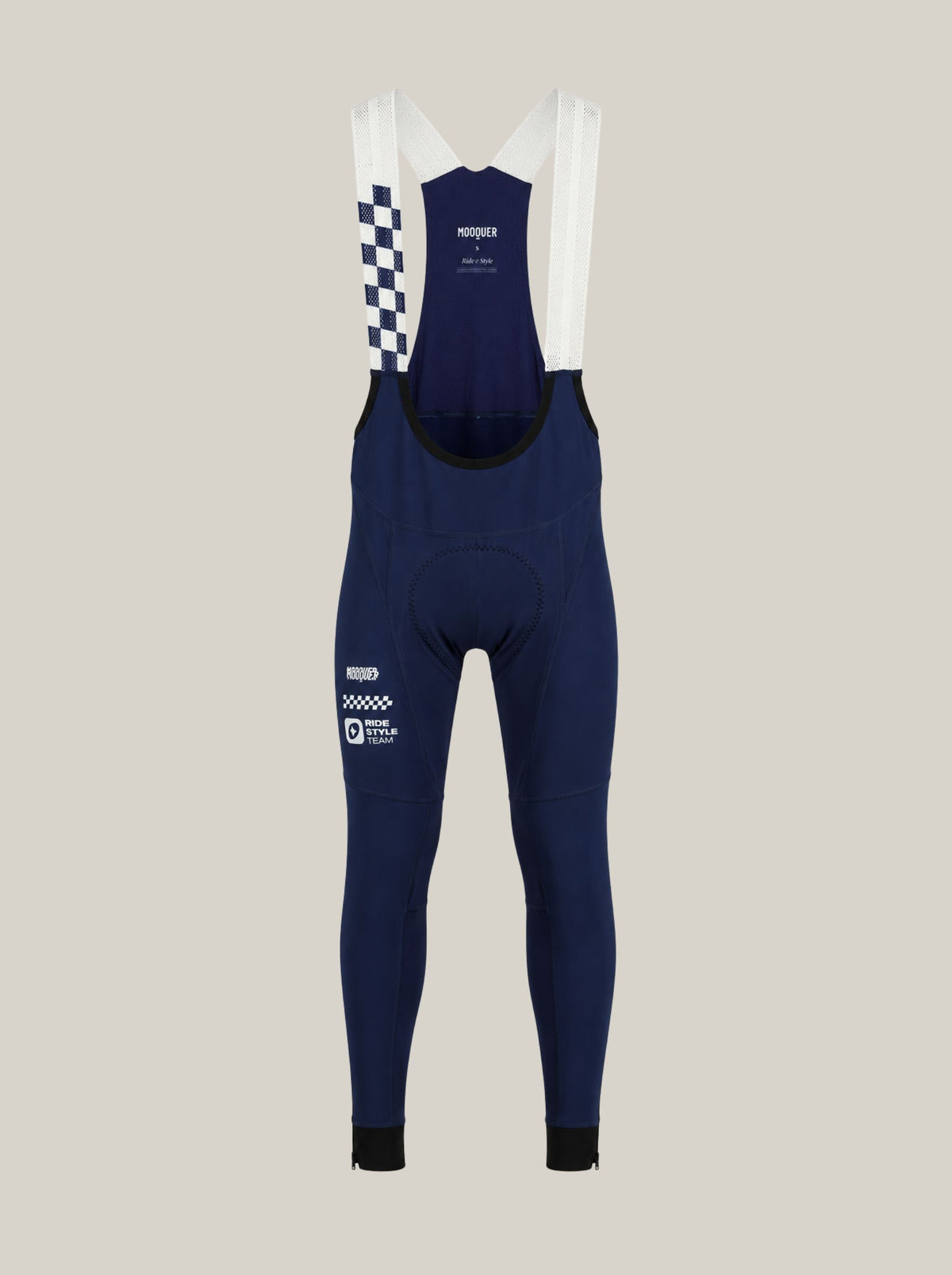
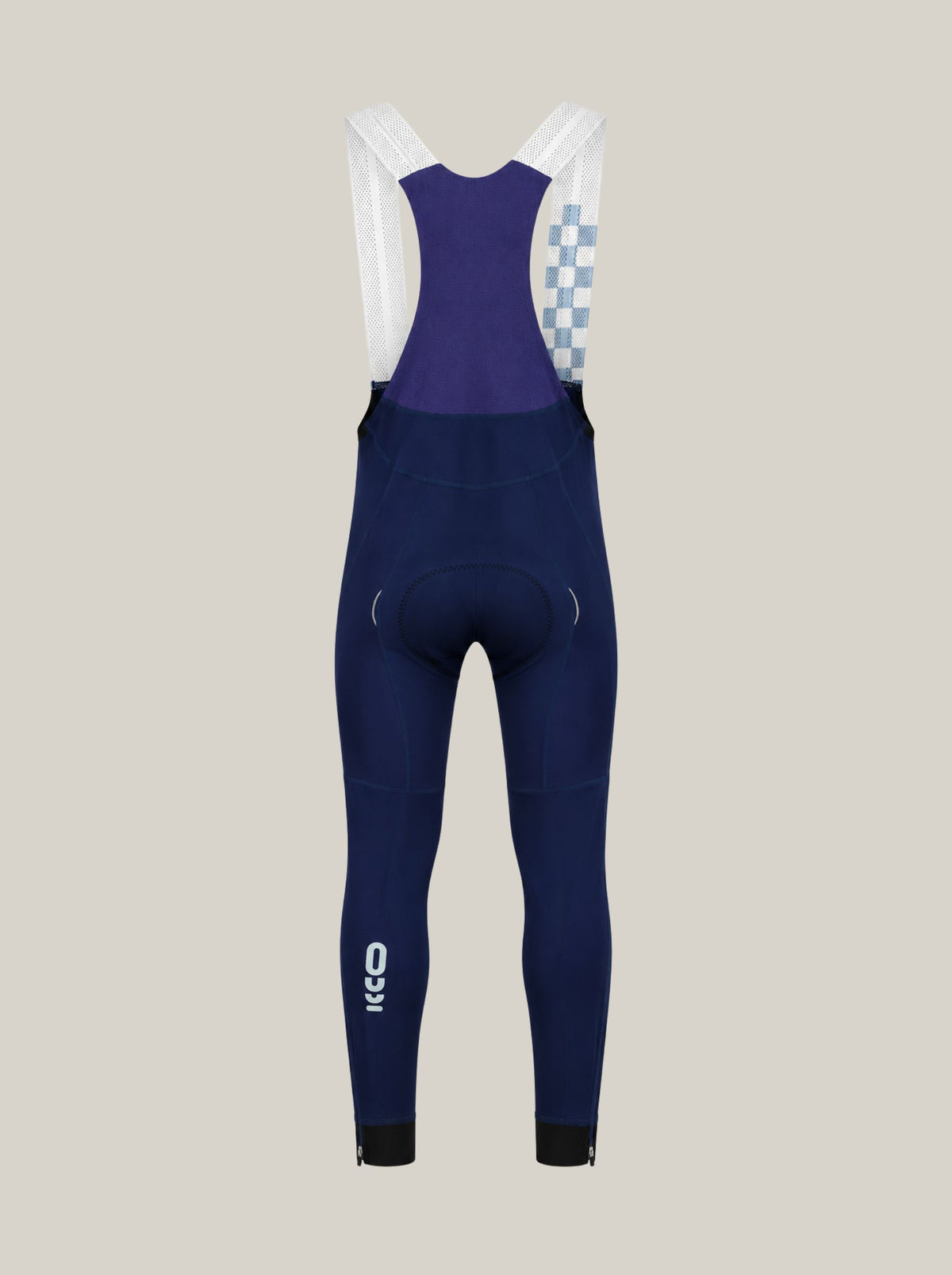
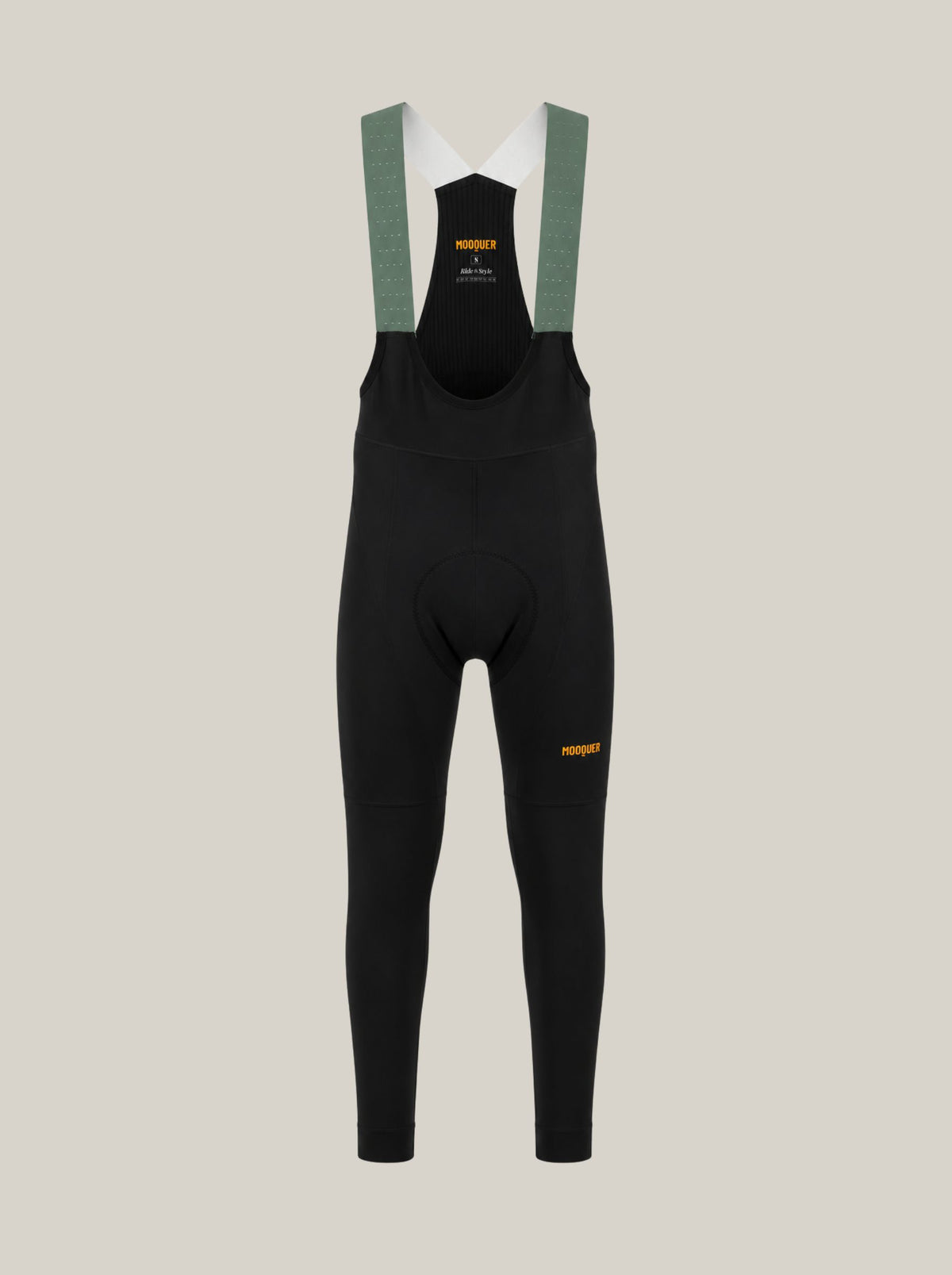
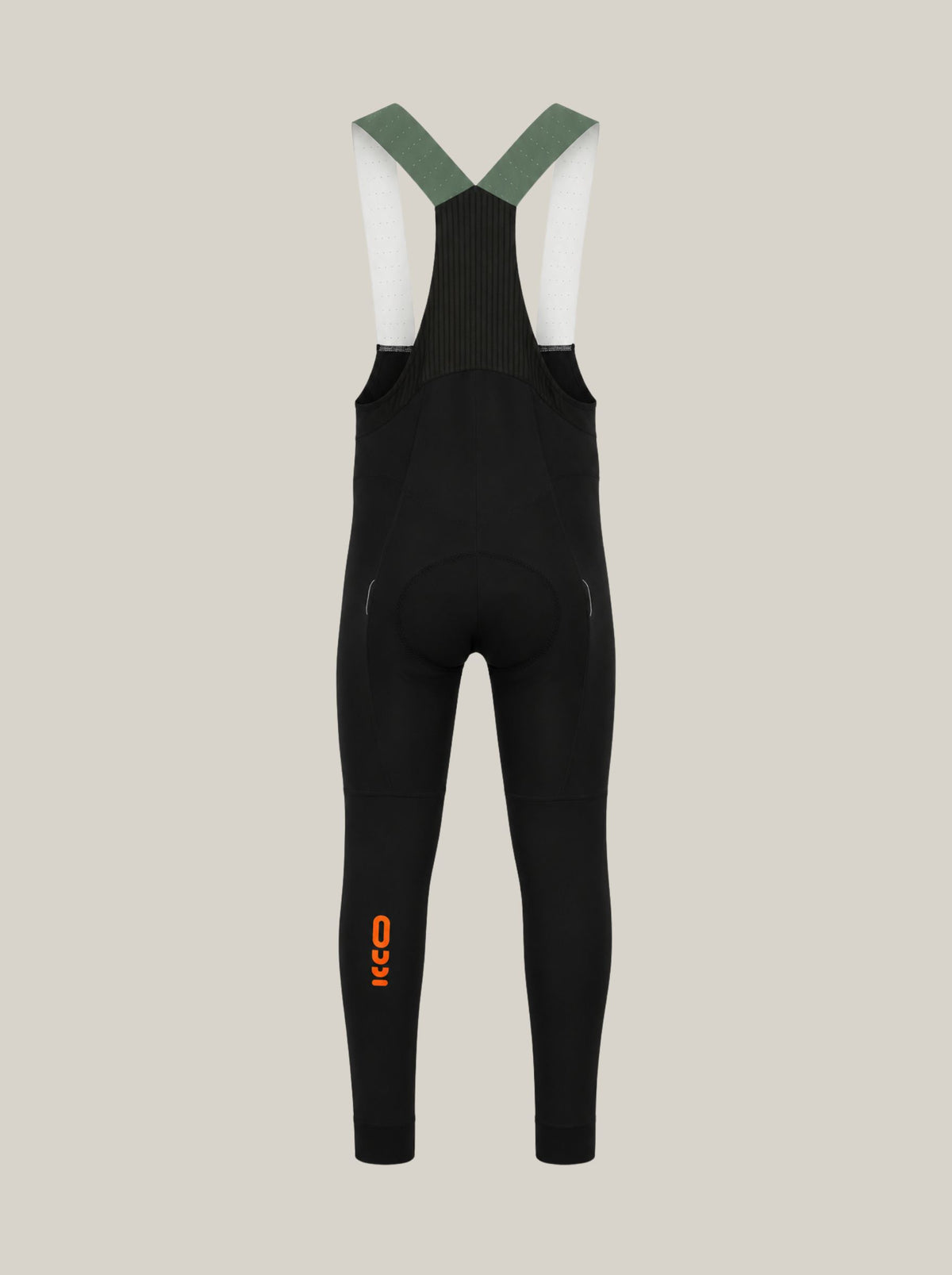
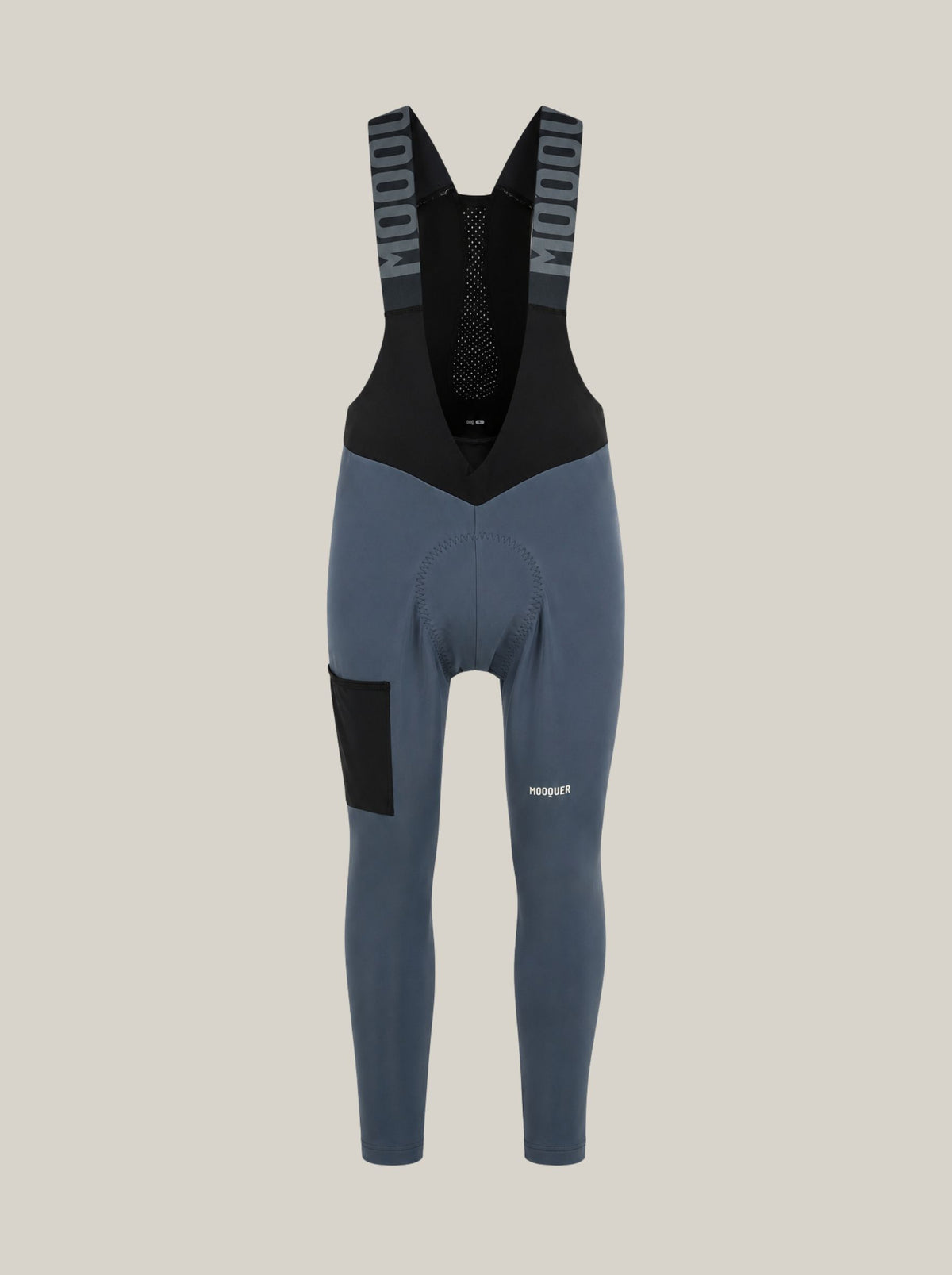
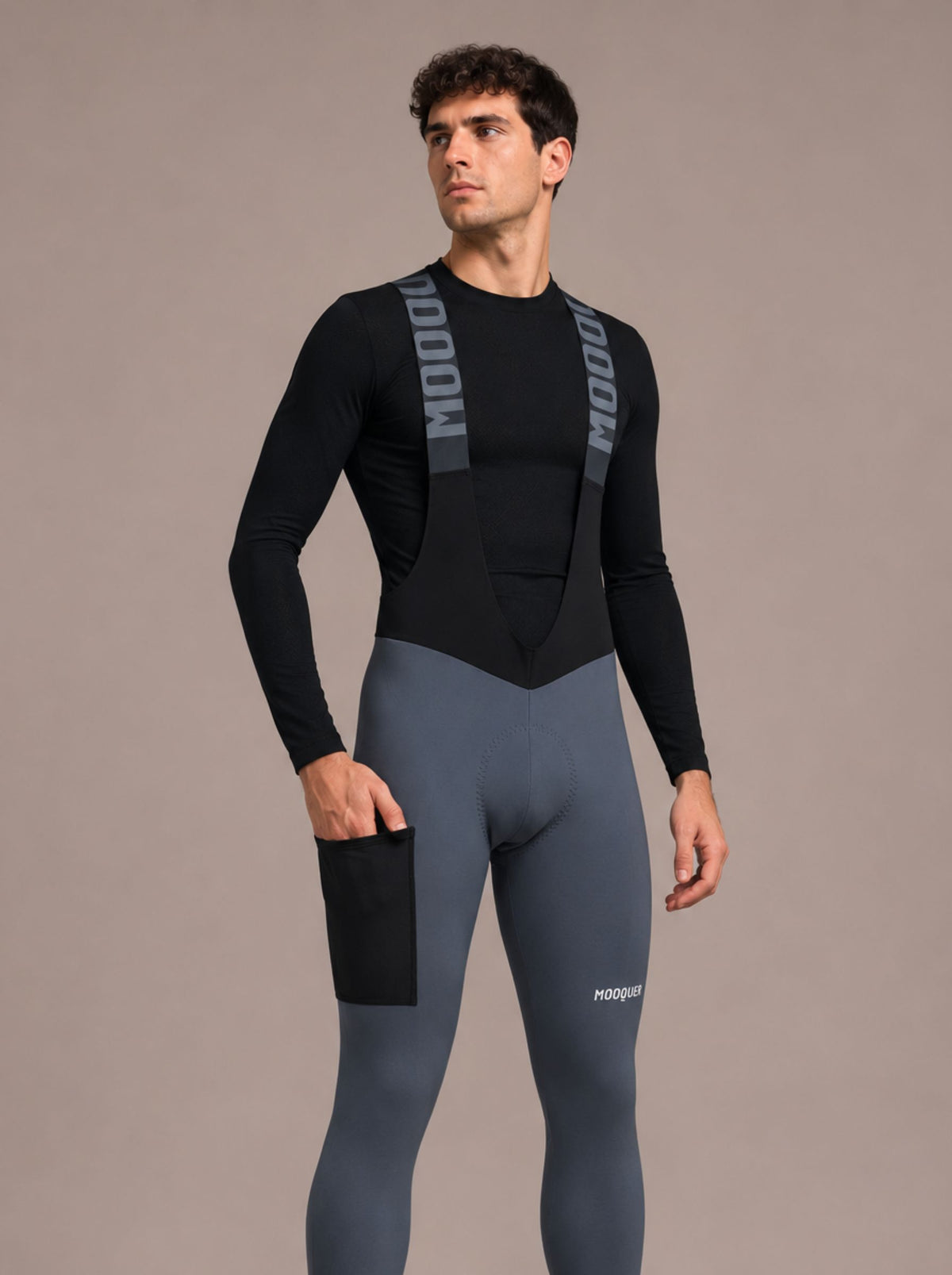
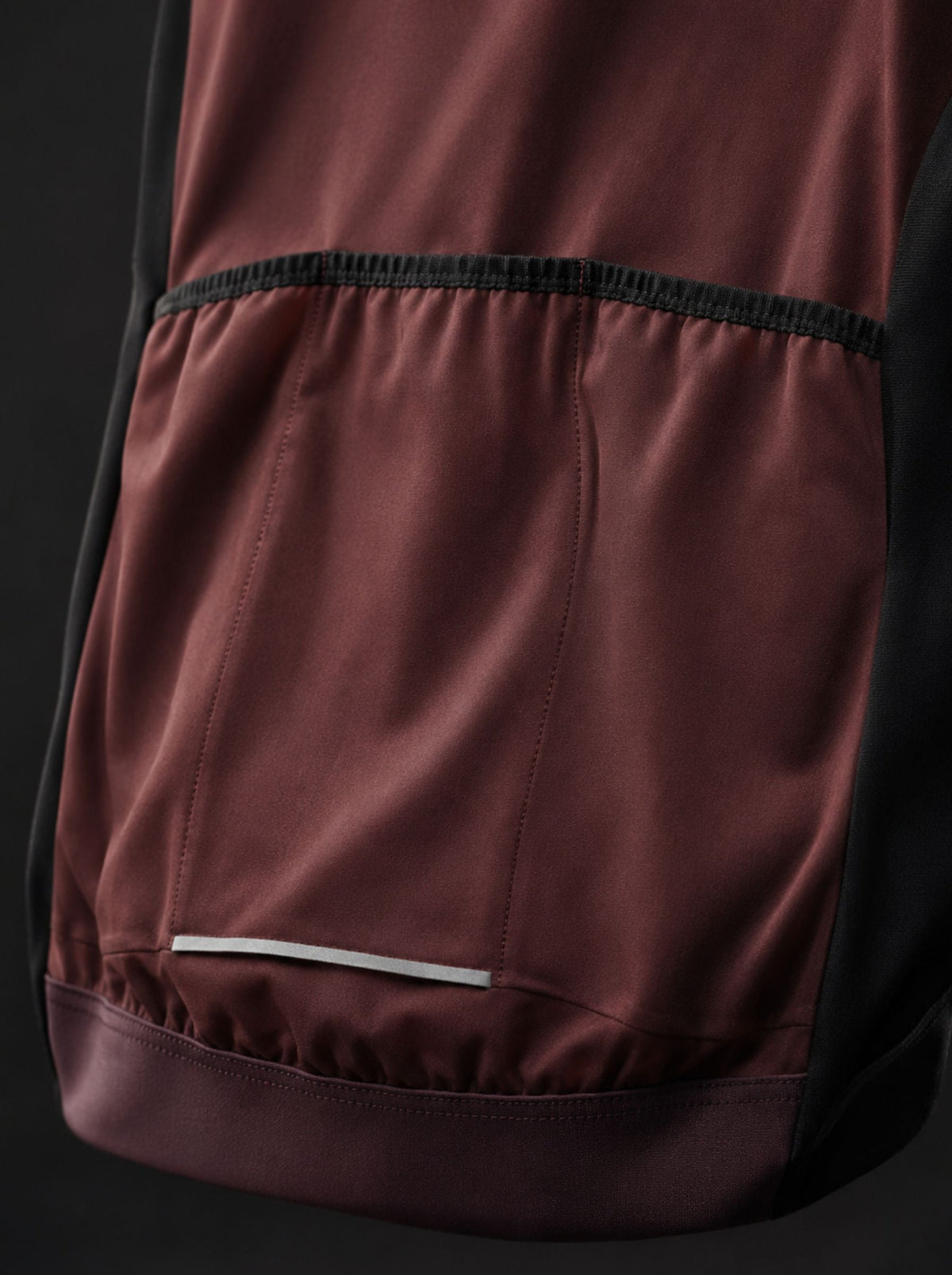
For those shoulder season days, long cycling bib shorts are more useful than they seem. The Basalt Corsa long cycling bib shorts feature 245 g/m² Italian MITI SuperRoubaix fabric with a brushed interior: the fuzz traps air and it is the air that insulates, so it keeps you warm without stiffness. Its natural range is between 5 and 15 degrees, which is exactly what you find in Tarna outside of summer. If you are interested in why that fabric works, we explain it in what is MITI SuperRoubaix.
Up there, gloves. The Blurry winter gloves feature a windproof membrane on the outside and a fleece lining on the inside, with just enough thickness to keep finding the levers without looking for them. They are designed for the range of 0 to 10 degrees, which is that of a descent of an Asturian pass in November.
What doesn't show in the data
Check the condition of the road in winter. Due to altitude, Tarna can be affected by snow. Before going, check the DGT traffic information.
Leave with water and food. In the upper part do not count on services.
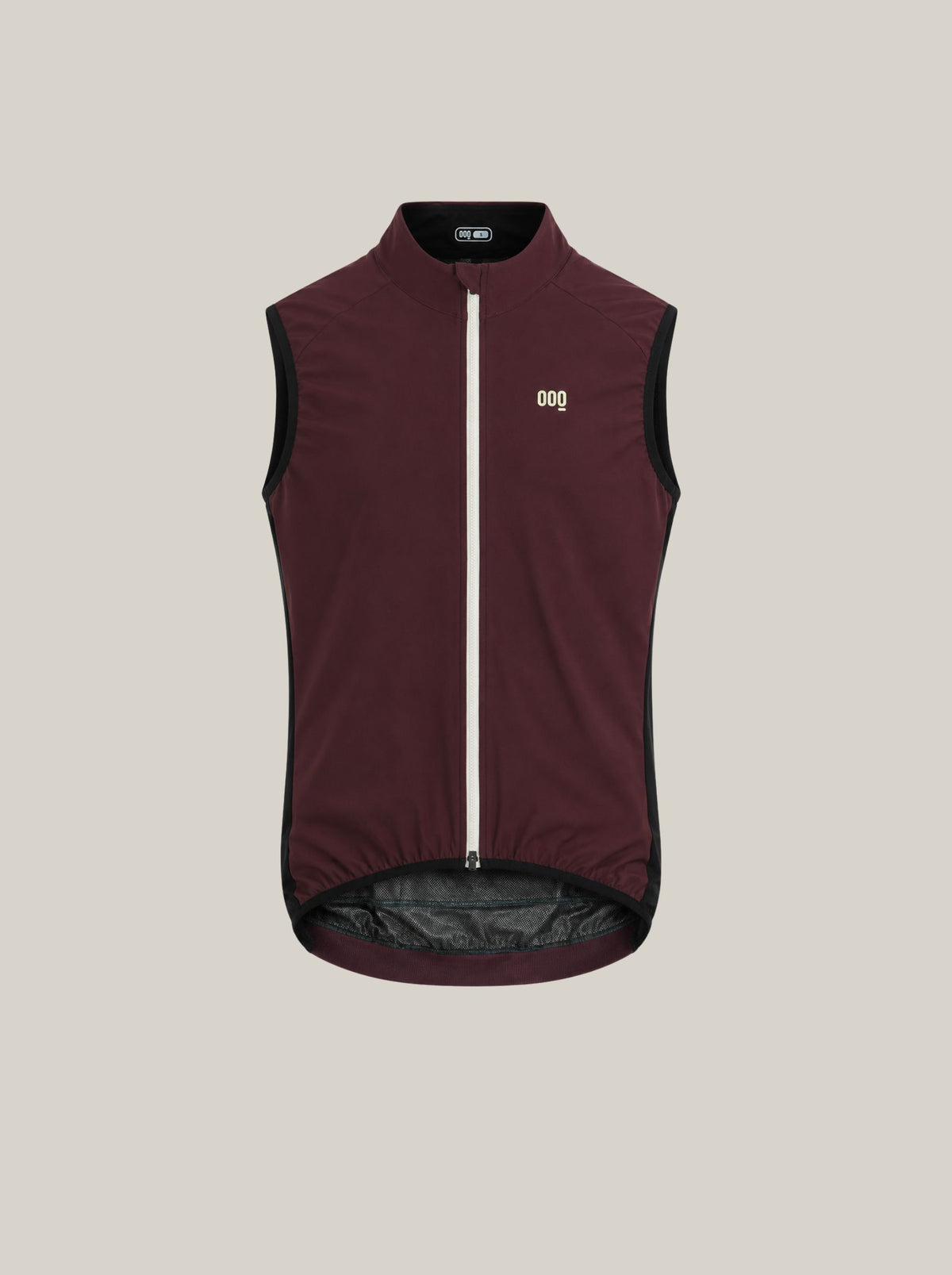
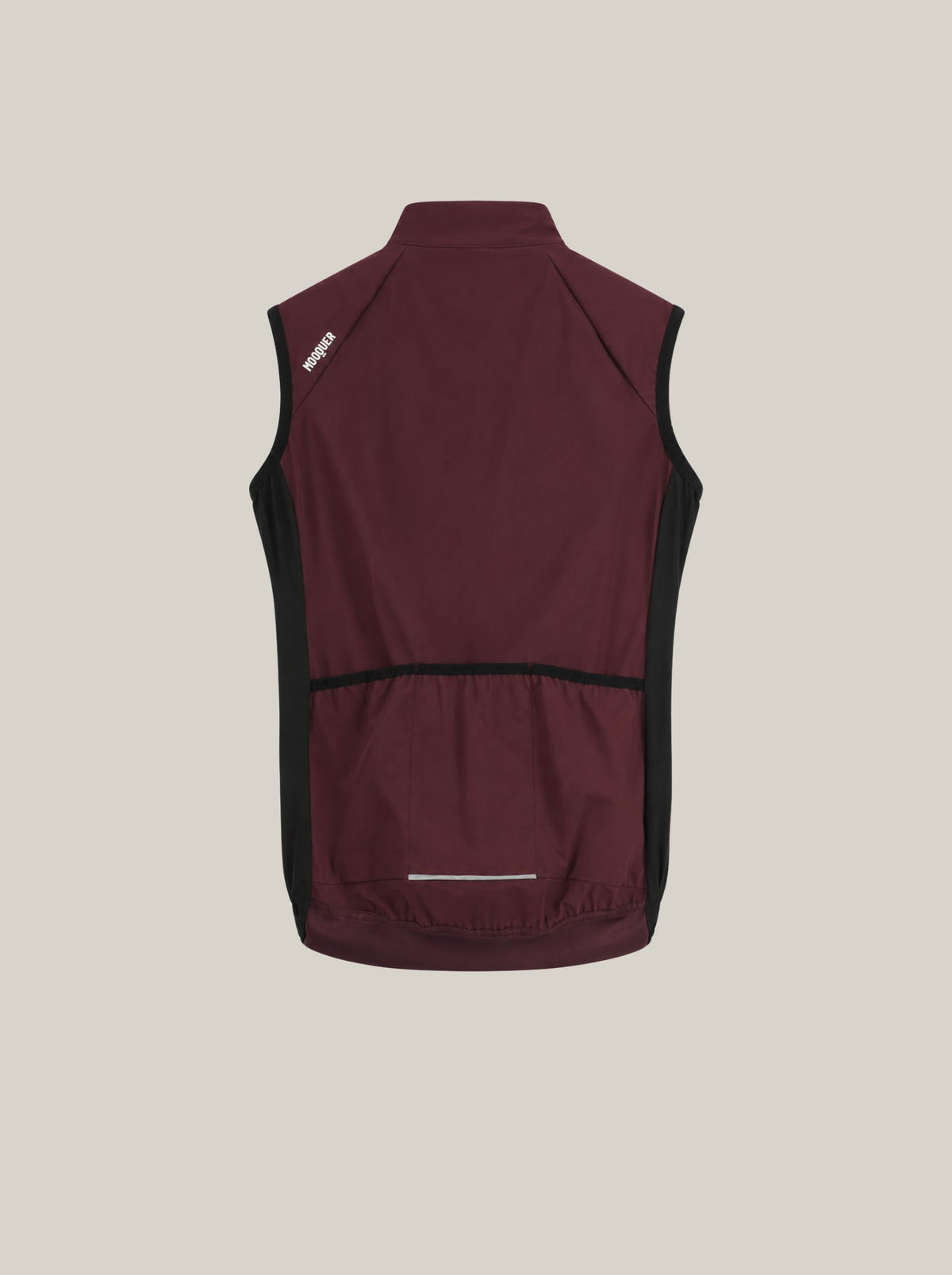
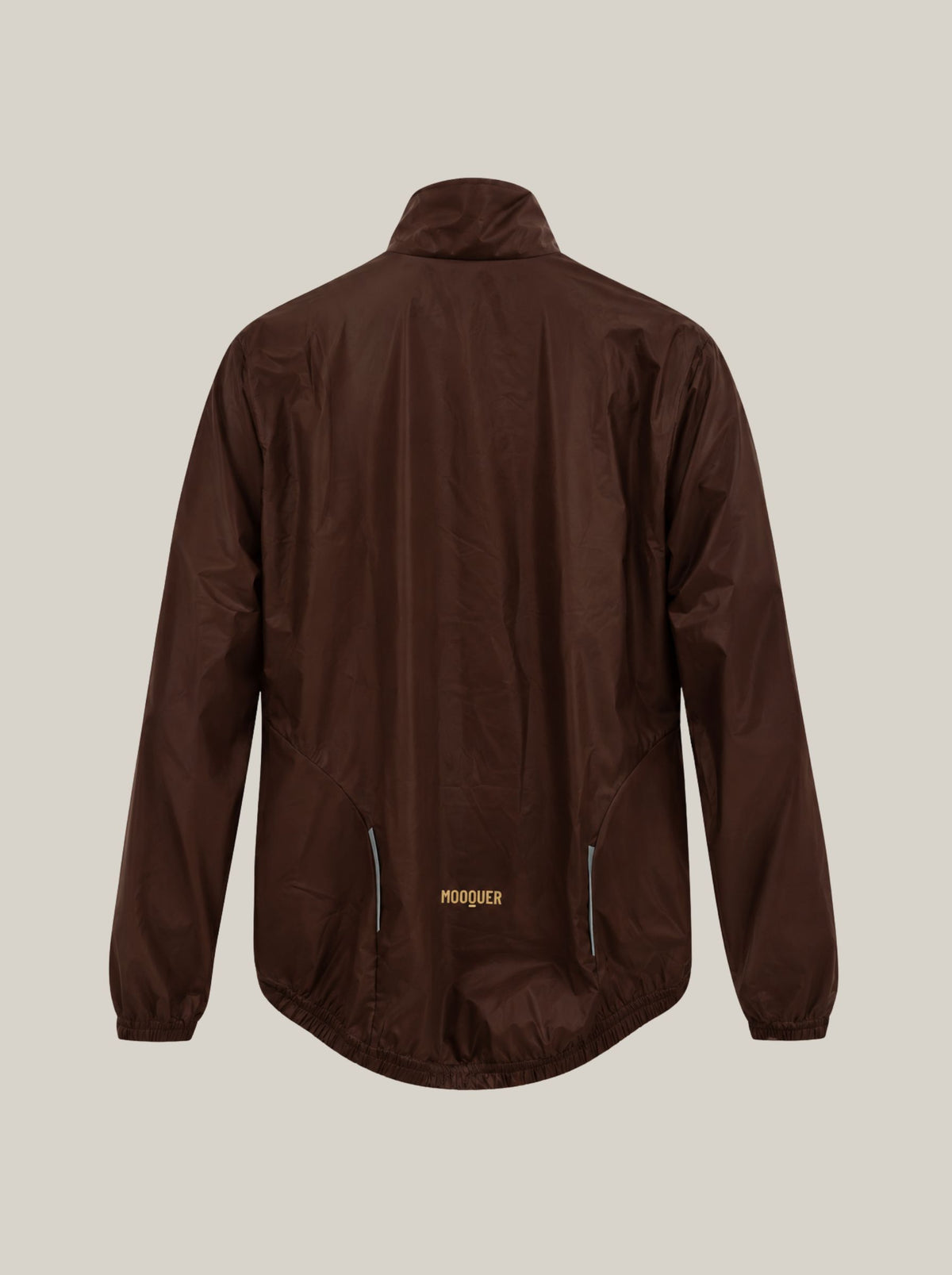
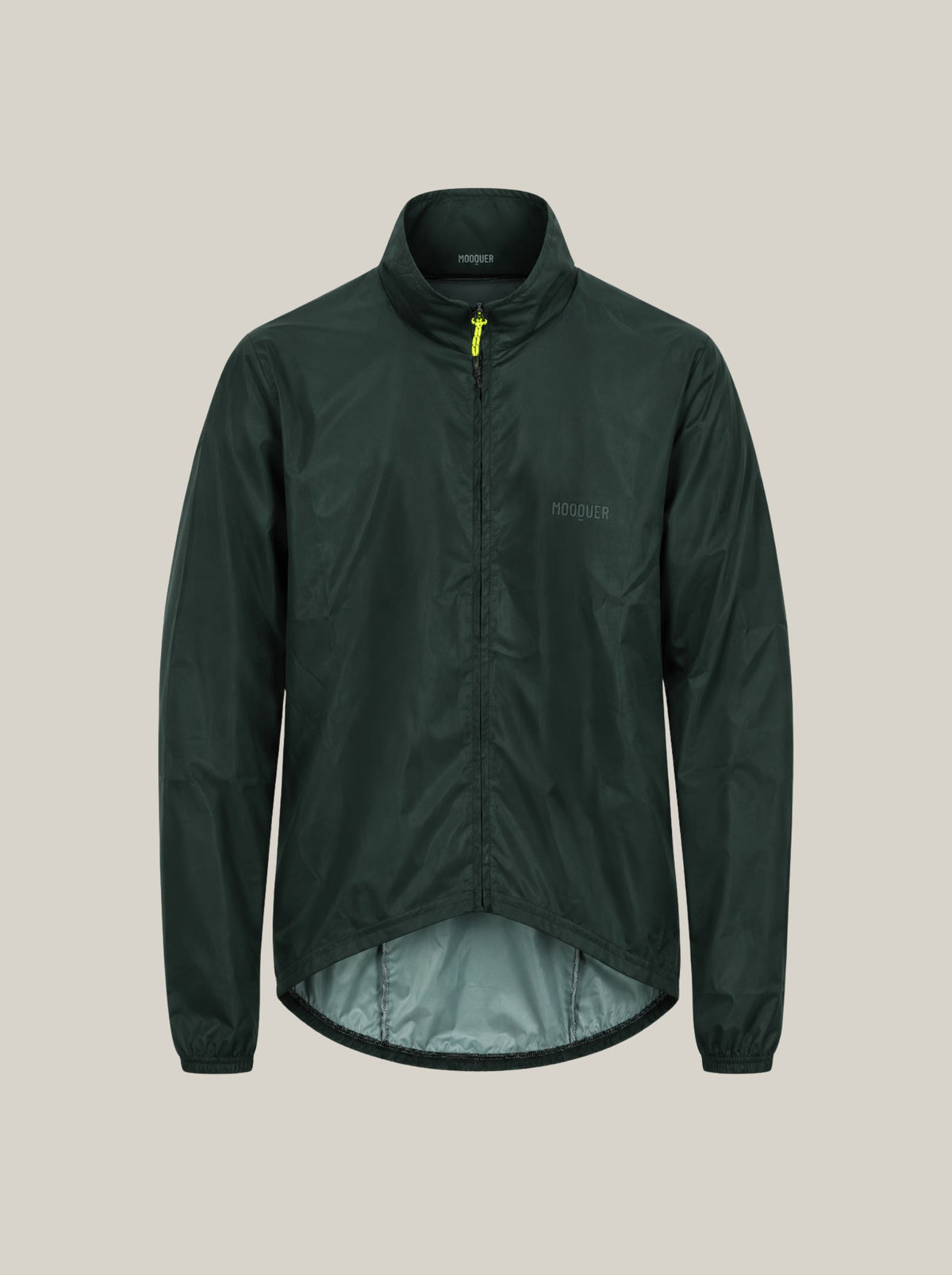
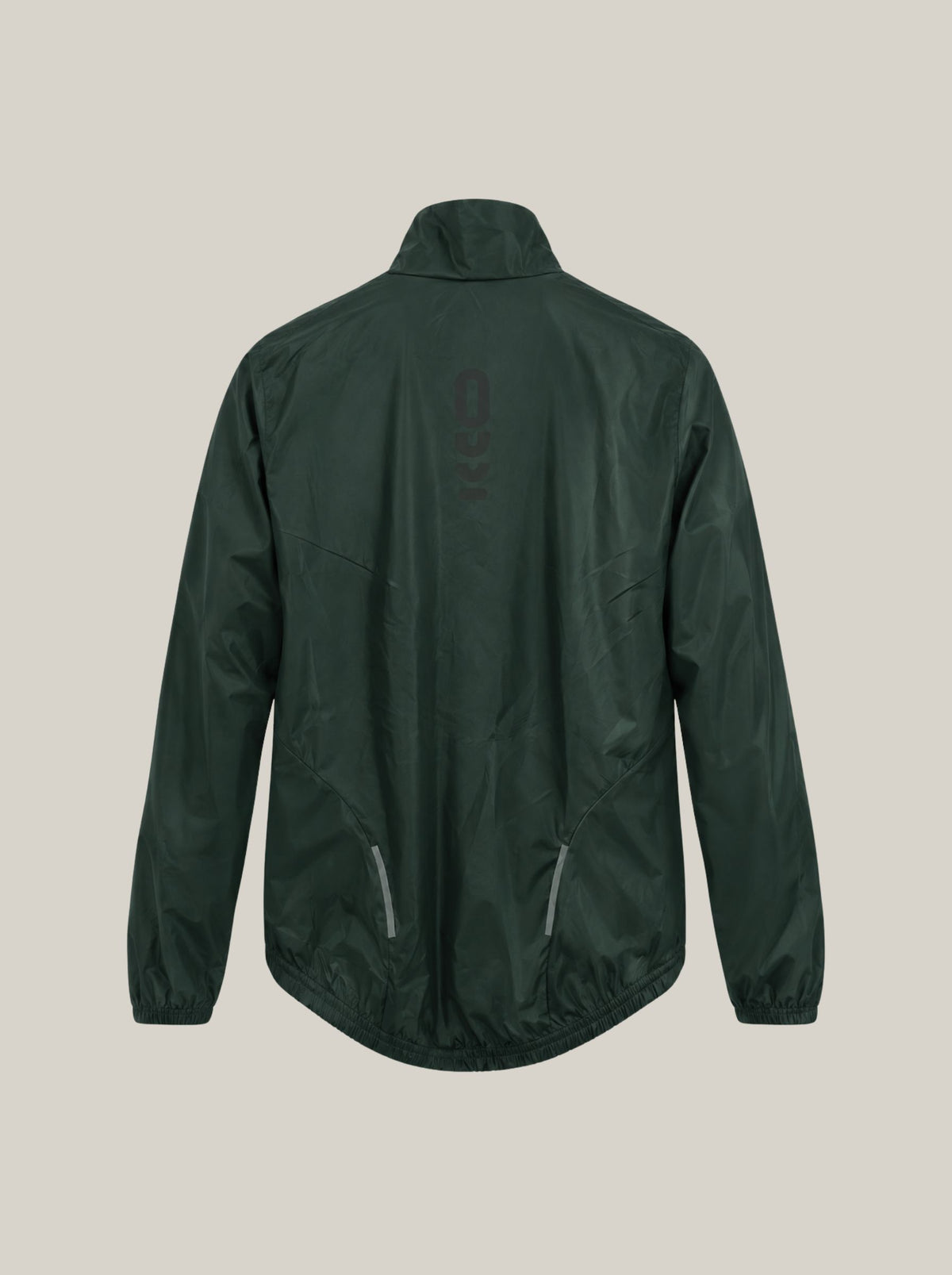
Do not underestimate the descent. It is long and it gets cold. Put on the vest at the top, before starting, not halfway when you are already frozen.
The other passes. Tarna is among the mentions of our free guide to the passes of Asturias, along with ten great climbs with profile, times by level, and six routes that link them.
Download the guide to the passes of Asturias
Frequently asked questions
How many kilometers is the Puerto de Tarna?
From El Campu, in Caso, it is 22.7 kilometers with 964 meters of elevation gain and an average of 4.3%. If you start counting in La Foz de Caso, it is 15.7 kilometers at 5.2%.
Is it hard to climb Tarna on a bike?
Not because of the gradient, which has no sustained double-digit ramps. The difficulty is in the duration: between an hour and a half and two hours climbing for an average enthusiast.
At what altitude is the Puerto de Tarna?
At about 1,490 meters, on the border between Asturias and León, on the AS-117 road.
With which pass can it be linked?
With the Puerto de San Isidro. They are the two great steady passes of southeastern Asturias and together they form a long and demanding day by accumulation.













Leave a comment
This site is protected by hCaptcha and the hCaptcha Privacy Policy and Terms of Service apply.