







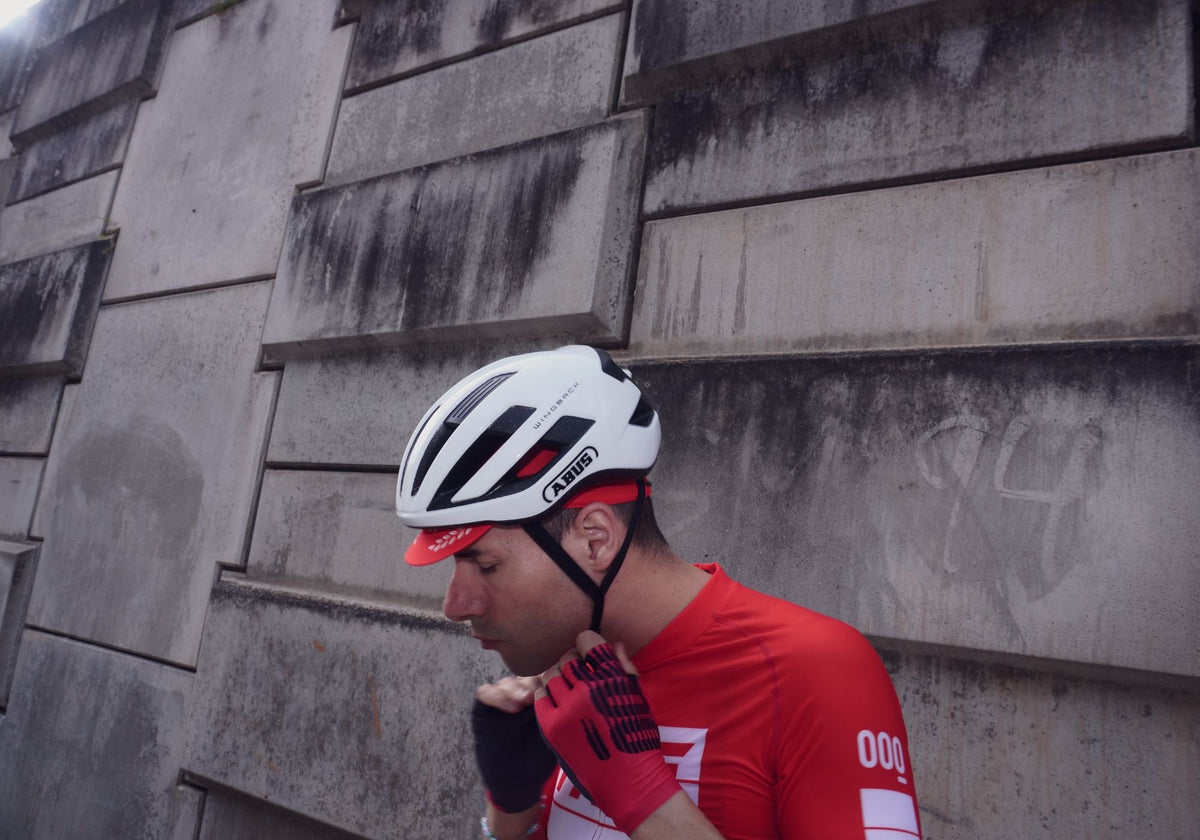
San Isidro Pass by Bike: The Most Cyclist-Friendly in Asturias
Every climb in this guide is a struggle to get up. Except for this one.
San Isidro is the only one of the ten great Asturian climbs that you can spin: seated, at a steady pace, with standard gearing, while looking at the scenery. And that, after two days of fifteen percent ramps, might be exactly what you need.
The numbers
From Felechosa, in Aller, it is 16.5 kilometers with 905 meters of elevation gain, an average gradient of 5.5%, and a maximum of 11%. The summit is at 1,520 meters, on the border with León, via the AS-112.
On our difficulty scale, it scores 50. The Angliru scores 128 and the Gamoniteiru 142. It is less than half the climb, and it is a good thing that it is.

The profile, kilometer by kilometer
| Km | 1 | 2 | 3 | 4 | 5 | 6 | 7 | 8 | 9 | 10 | 11 | 12 | 13 | 14 | 15 | 16 |
|---|---|---|---|---|---|---|---|---|---|---|---|---|---|---|---|---|
| % | 3 | 3 | 4 | 5 | 5 | 6 | 6 | 7 | 7 | 6 | 7 | 8 | 7 | 6 | 5 | 4 |
That profile is almost a perfect bell curve. It rises progressively from three to eight and then drops back down. There is not a single kilometer above eight percent on the entire climb.
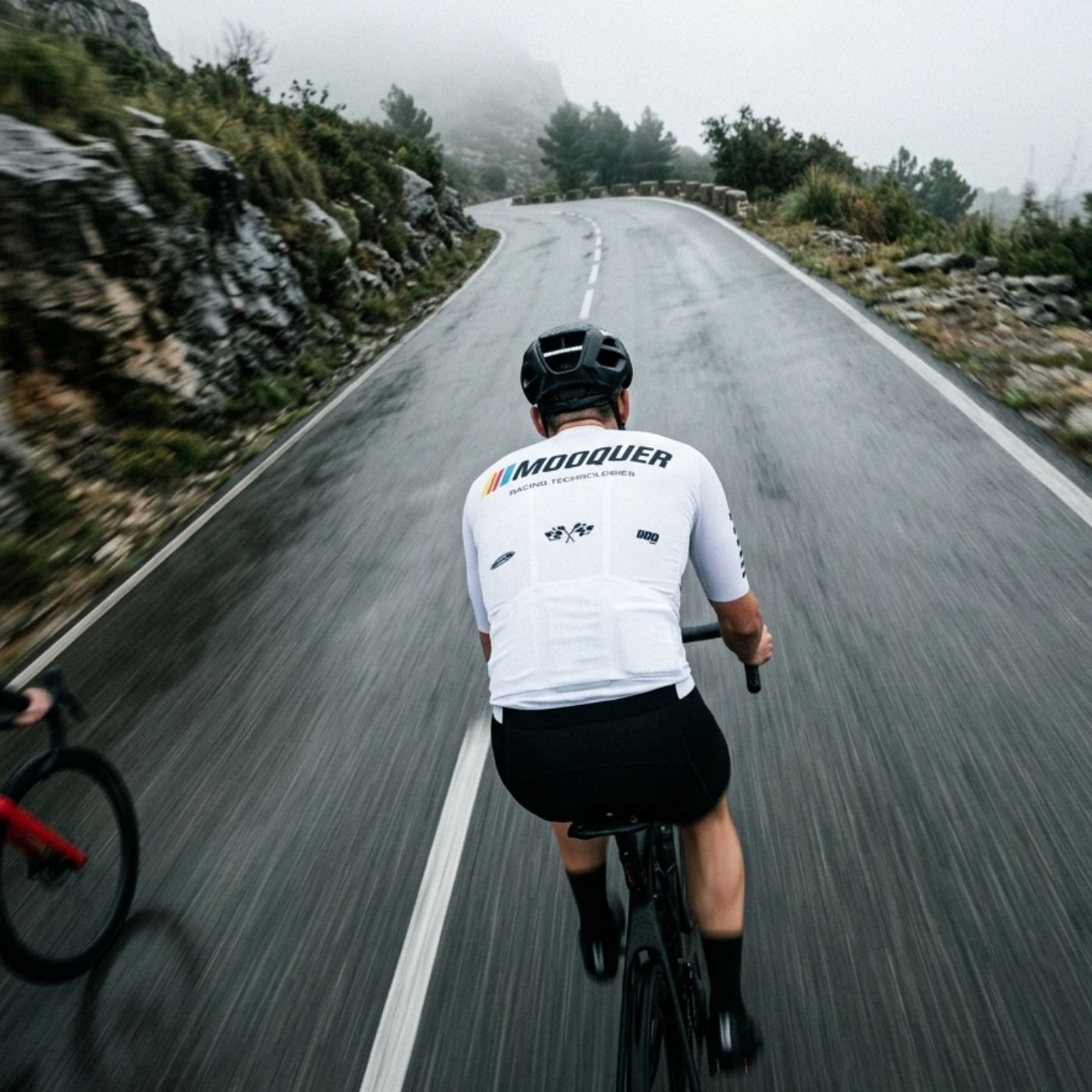
The first few kilometers are through the Aller valley, gentle and good for warming up. From Felechosa onwards, the road begins to trace linked switchbacks, which is the part people remember: you can see where you were ten minutes ago, two hundred meters below.
How long it will take you
| Cyclotourist | 1h42 |
| Fit amateur | 1h18 |
| Competition pace | 52 min |
Who this climb is for
For the first day of a trip, if you come from riding on the flat and want to gauge your fitness without ruining your week.
For the third day, when you have already climbed the Angliru and La Cobertoria and your legs are begging for something that isn't a wall.
For those riding a bike with standard road gearing who don't want to fit anything special. A 34x28 works perfectly here.
And for those looking to rack up kilometers, because the descent is fast, clean, and wide, and it links well with the rest of the southeast region.

The La Vuelta climb
San Isidro has been a regular feature in La Vuelta a España since the eighties, and in 2008, it was a stage finish at the ski resort, with a victory for Alberto Contador.
It is not a climb that decides a general classification on its own: it is a mountain pass and a place of attrition, the kind that sets up the race before the finale.
What the data doesn't show
There is a cafe at the top, in the ski resort, though only during the season. It is one of the few Asturian climbs where you can count on something hot at the summit, but don't bank on it in the middle of August.
The descent is the best in the guide. Wide, well-paved, with open curves and good visibility. If we have told you to descend carefully on other climbs, you can actually enjoy yourself here.
Link it with the Puerto de Tarna if you want a full day in the southeast. They are two long, steady climbs that complement each other.
It is cold at the top. 1,520 meters at the divide with León. Bring something for the descent.
The other nine. San Isidro is one of the ten legendary Asturian climbs that we have compiled in a seventeen-page guide: kilometer-by-kilometer profiles, times by level, and six routes that link them together. It is free.
Download the Asturian climbs guide
Frequently asked questions
How long is the Puerto de San Isidro?
16.5 kilometers from Felechosa, with 905 meters of elevation gain, an average gradient of 5.5%, and a maximum of 11%. The summit is at 1,520 meters, on the border between Asturias and León.
Is it difficult to climb San Isidro by bike?
It is the most accessible of the great Asturian climbs. No kilometer exceeds an 8% average, and it can be climbed seated and at a steady rhythm with standard road gearing. On our difficulty scale, it scores 50, compared to 128 for the Angliru.
Are there services at the summit?
Yes, there is a cafe at the ski resort, but only during the season. Outside of it, bring what you need for the climb.
Which other climb can it be linked with?
With the Puerto de Tarna. They are the two great climbs of the Asturian southeast and together they form a long, steady day, very different from the harshness of the central area.





















Leave a comment
This site is protected by hCaptcha and the hCaptcha Privacy Policy and Terms of Service apply.