





What is gravel and why is so many people getting into it
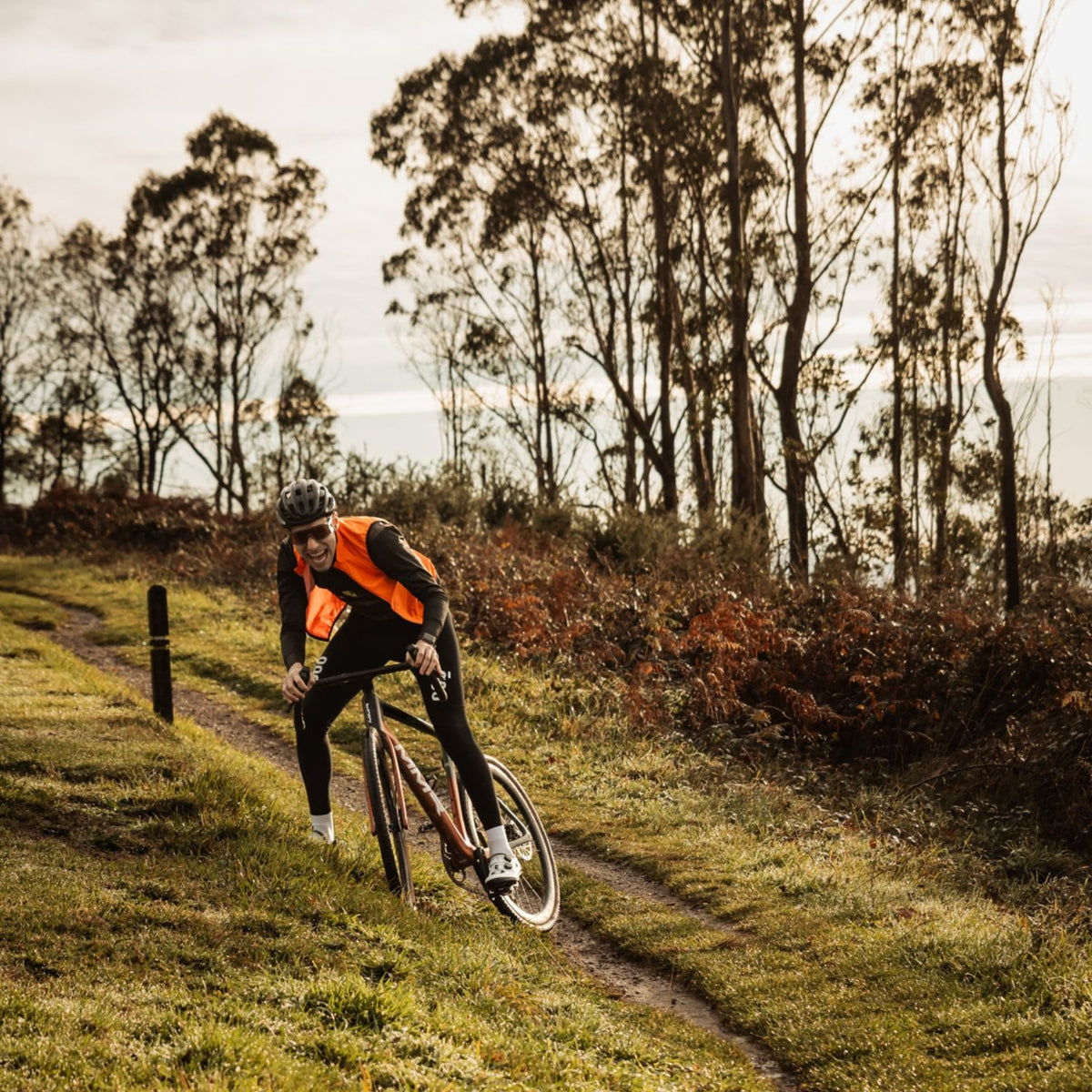
Gravel is cycling on a bike similar to a road bike, with drop handlebars, but equipped for getting off the asphalt: wider, knobby tires, more clearance in the frame and fork, and more stable geometry. It’s perfect for linking gravel tracks, rural roads, easy trails, and secondary roads in a single ride, without having to choose between them.

Where gravel comes from
The name comes from English and means gravel. It was born in the American Midwest, where thousands of kilometers of unpaved farm roads connect towns separated by hours of flatland. The first races were almost homemade: a long route, little organization, and a lot of self-sufficiency. This gave rise to races like Unbound Gravel in Kansas, which today bring together professionals and amateurs on the same start line.
In Europe, gravel arrived later and through a different door: that of those who were tired of sharing the road with cars. The UCI has organized a Gravel World Championship since 2022, but most people who ride it don’t compete. They just get out and ride.
[BORJA: how did you get into gravel, what made you trade road rides for gravel tracks, and what keeps you hooked]
Gravel, road, and MTB: how they differ
The easiest way to understand it is to compare the three bikes in terms of what really changes the experience:
- Road: narrow tires, aggressive position, maximum efficiency on asphalt. Off it, it suffers.
- Gravel: road handlebars with a wider lower section, wide tires, disc brakes, and shorter gears. It rides well on asphalt and holds its own on gravel.
- MTB: flat handlebars, suspension, and very wide tires. Unbeatable on technical trails, slow and heavy on the road.
Gravel isn’t the best at anything in particular. Its virtue is that it’s not bad at almost anything, and that changes the kind of routes you consider. A ride that on the road would force you to take a highway becomes a circuit of forest tracks. On an MTB it would have been slow; on a gravel bike, it’s a perfect morning.
The trend is toward larger wheels and tires. We discuss this in the Ciclismo Serio episode about 32-inch wheels and why they are going to take over.
What bike you need to get started
You don’t need to buy anything to try it. If you have a road bike with disc brakes and room for slightly wider tires, you can start on compact tracks and see if you get hooked. If you have a hardtail MTB, that also works for getting a feel for the terrain.
If you decide to buy, what matters most day-to-day is tire clearance, gearing (you climb slower on gravel and it’s best to have legs to spare), and bag mounts if you’re into bikepacking. A carbon frame or electronic groupset come much later.
What changes in clothing when you leave the asphalt
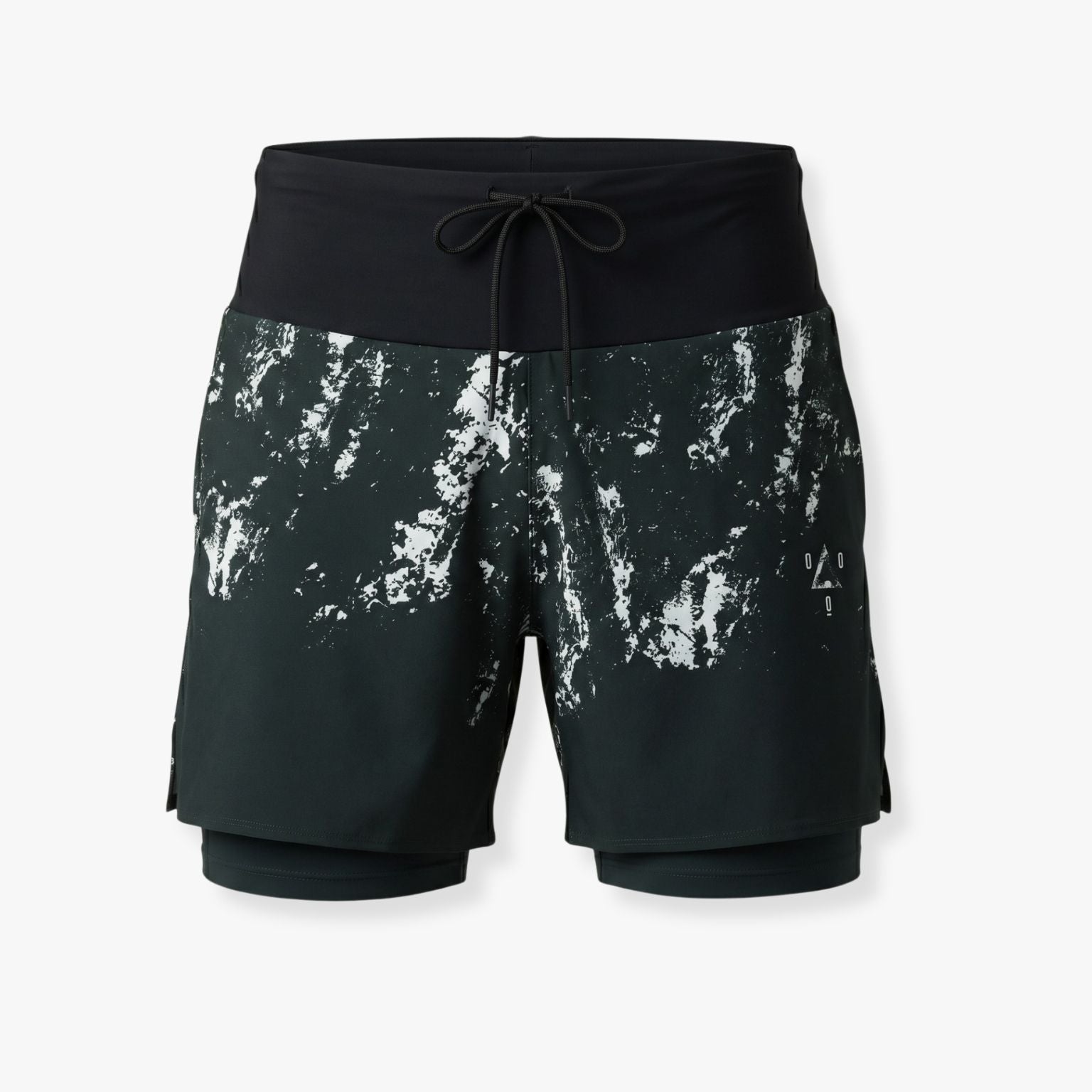
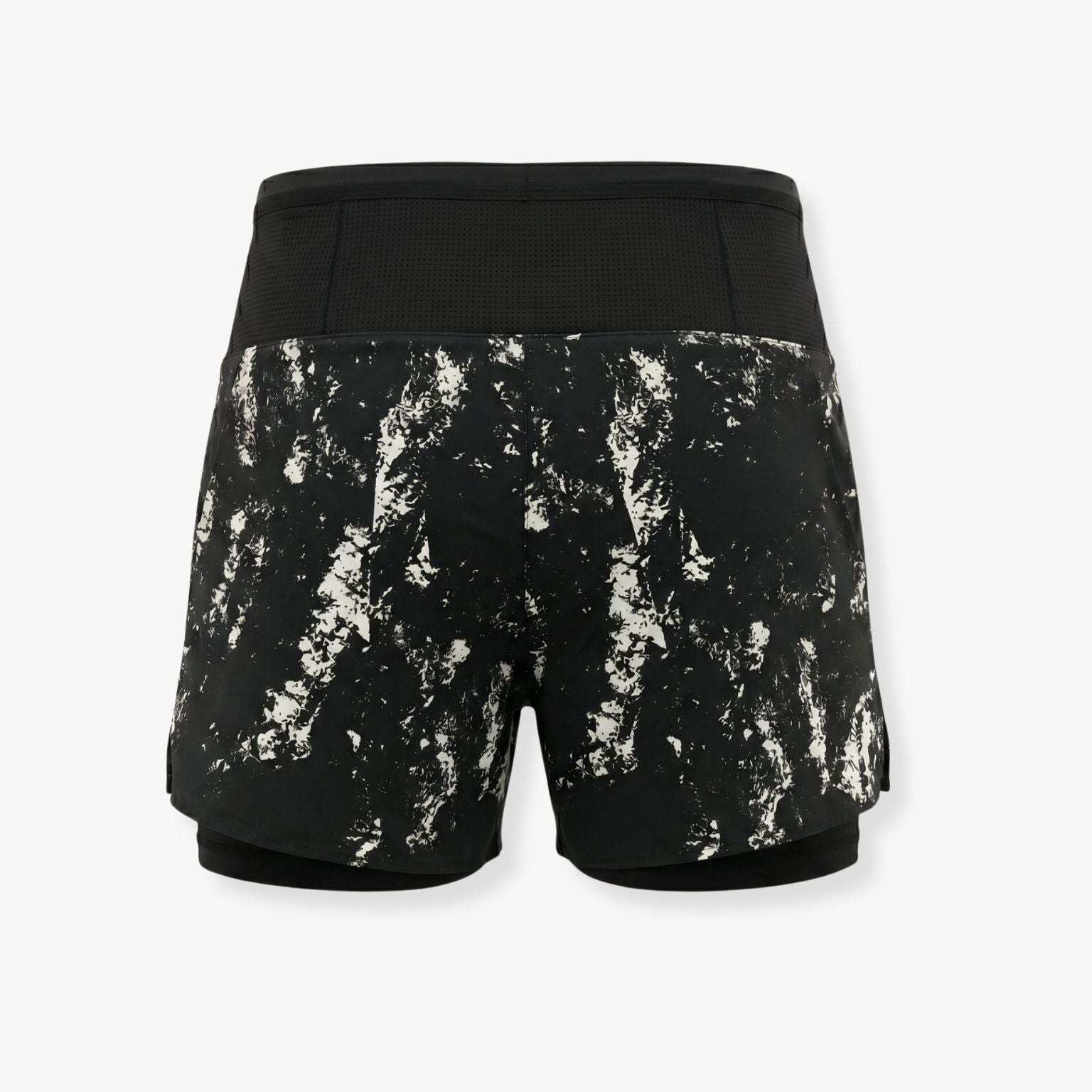
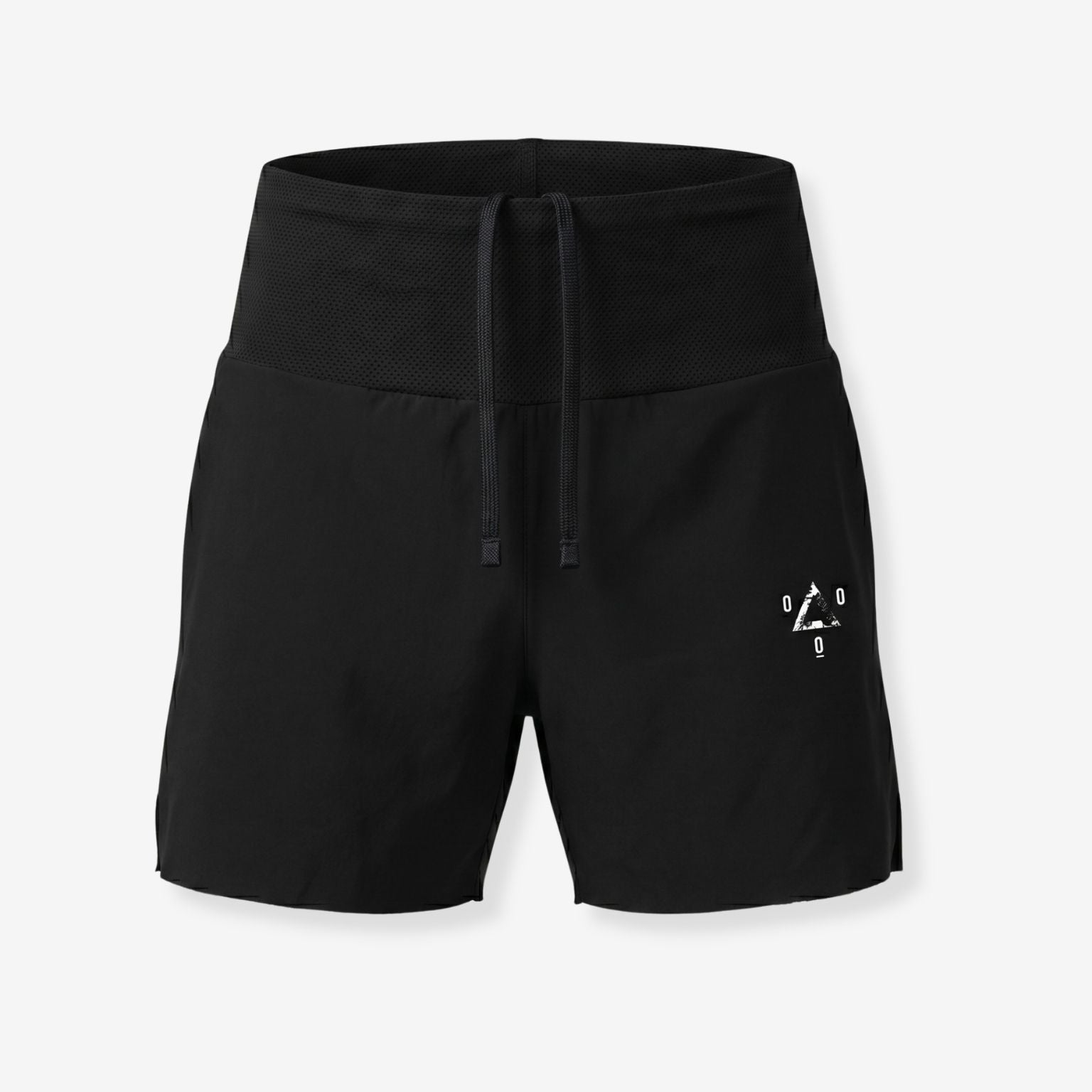
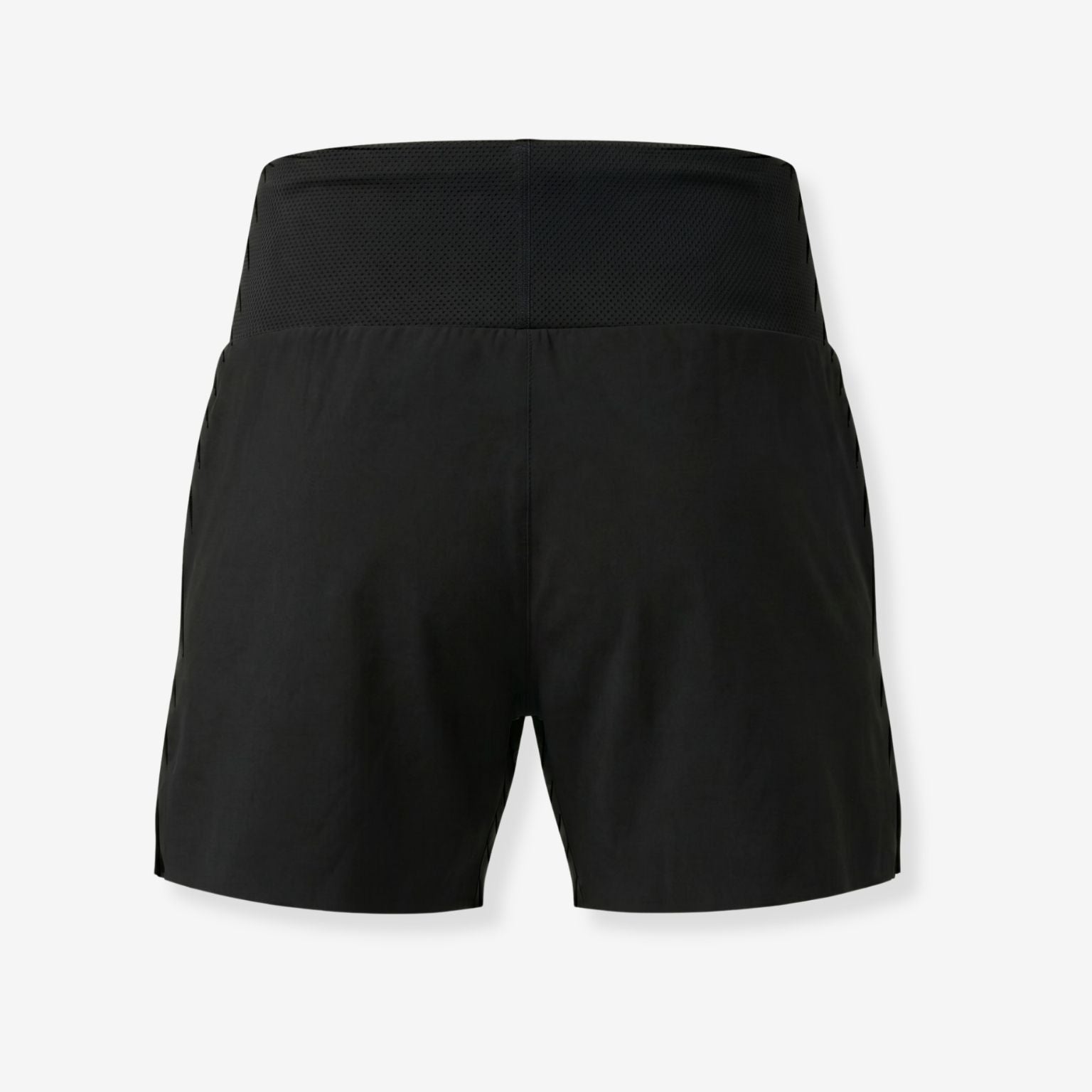
Gravel clothing is cycling clothing, but with different priorities. You go slower, spend more hours on the bike, get off to push, get dirty, and feel the vibration. That translates into four things.
Hands: protection and grip
On gravel, the handlebars transmit every stone. A long glove protects if you fall and maintains grip when you sweat or it rains. The Rock Factory long gloves are designed exactly for this: a lightweight, stretchy back so you don’t lose sensitivity and a highly ventilated 3D mesh palm. That ventilation is a plus for most of the year and a disadvantage on the colder days of winter; we warn you exactly as it is on the product page.
Bib shorts: hours, not watts
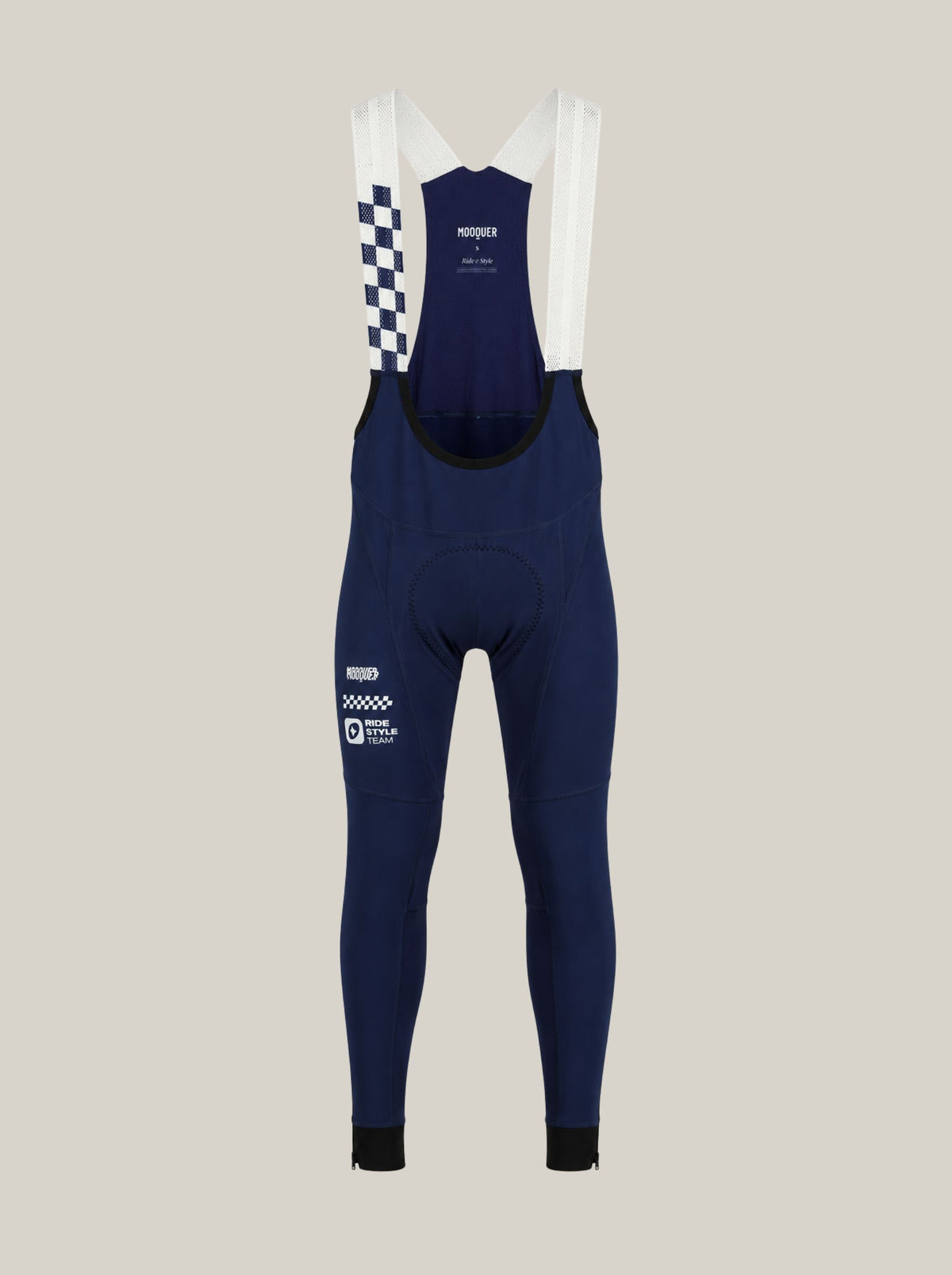
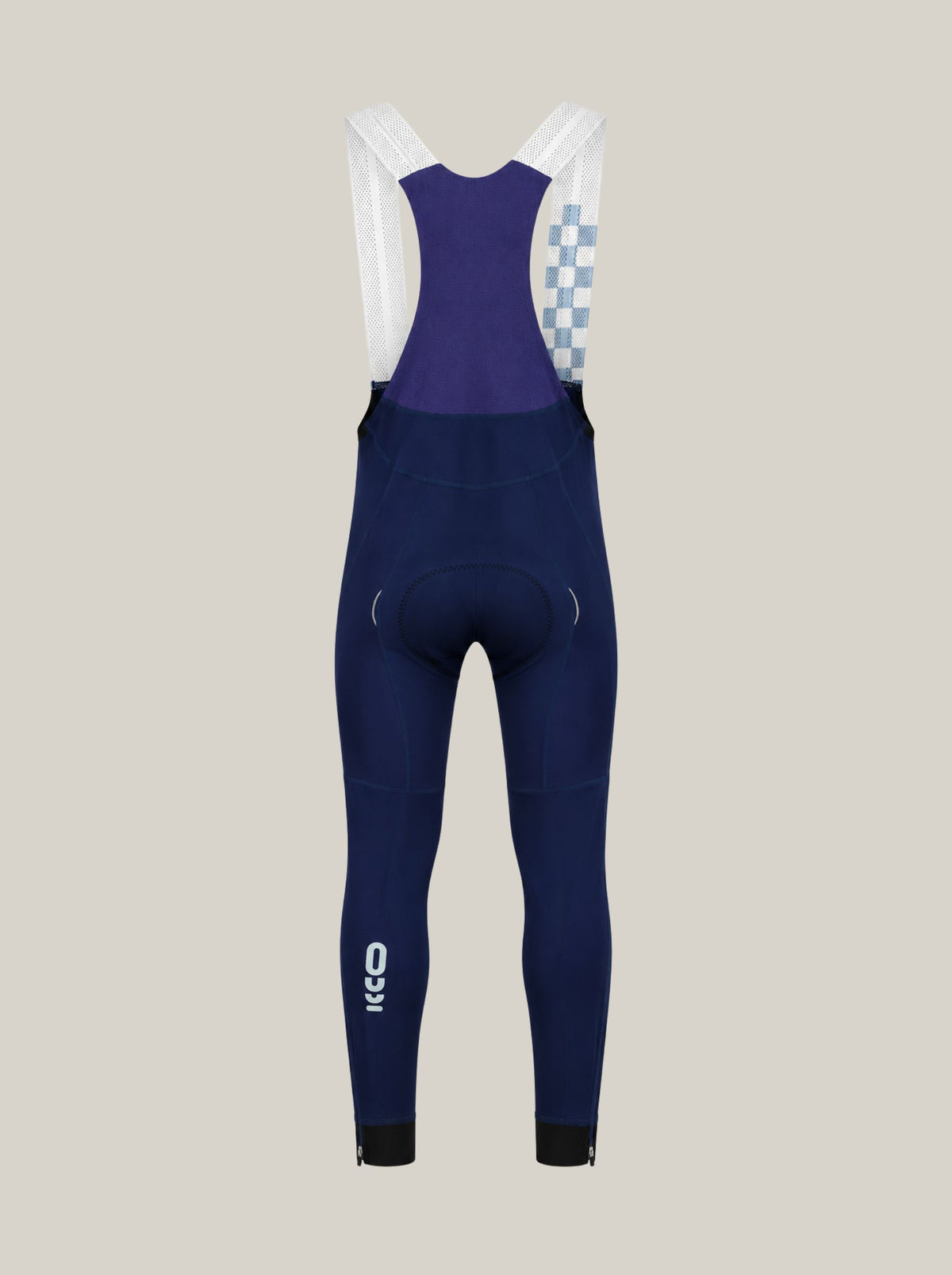
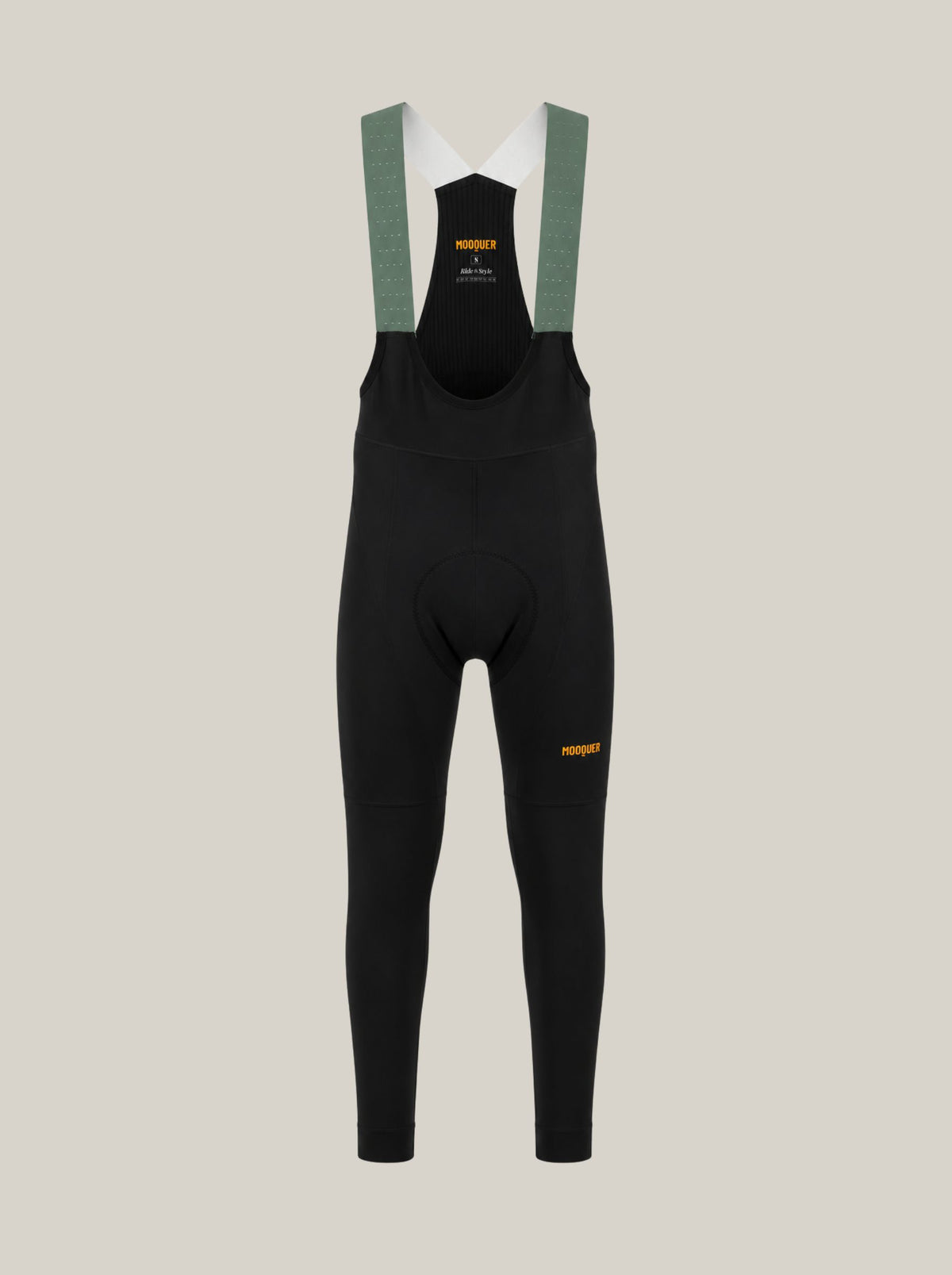
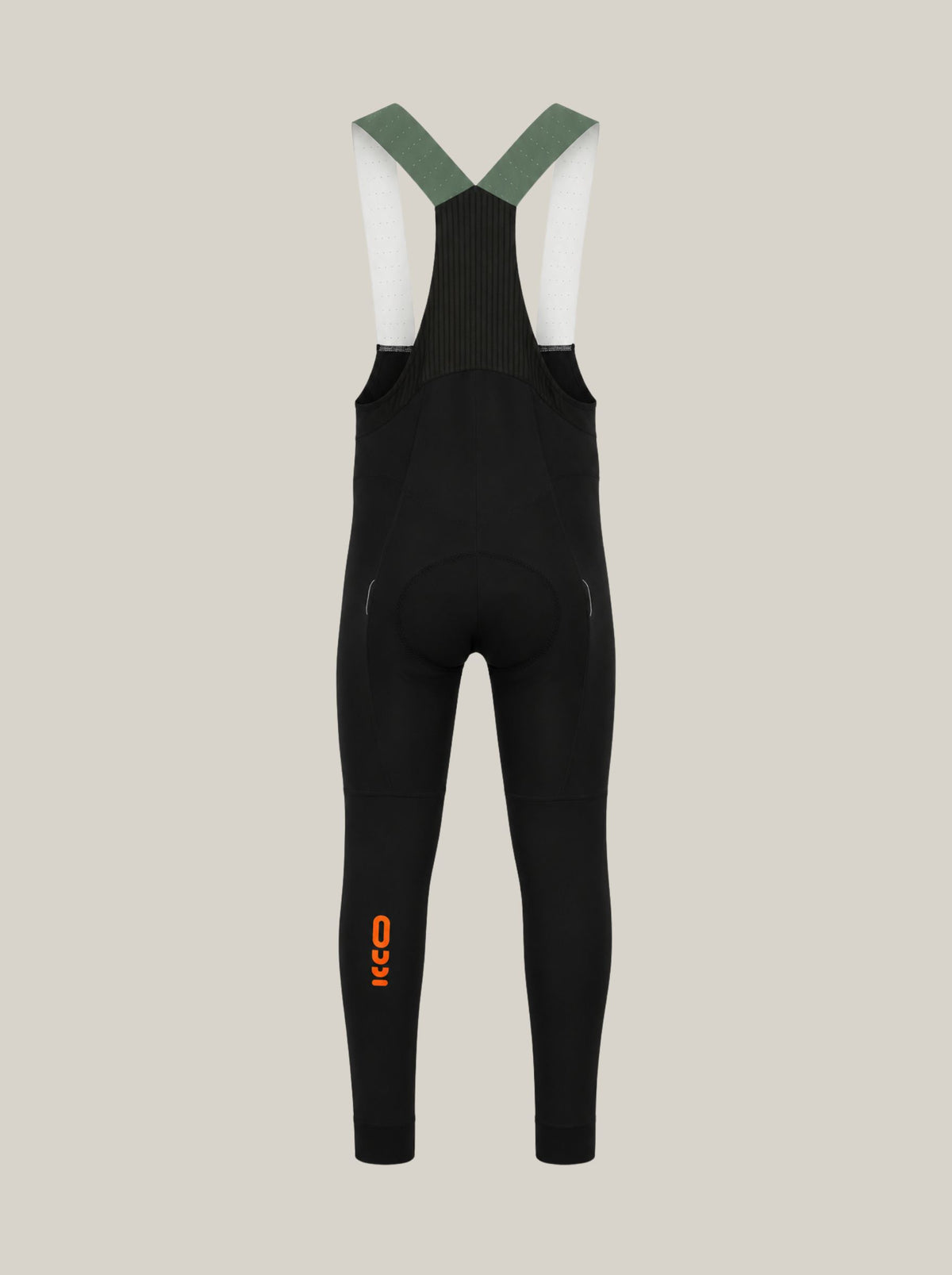
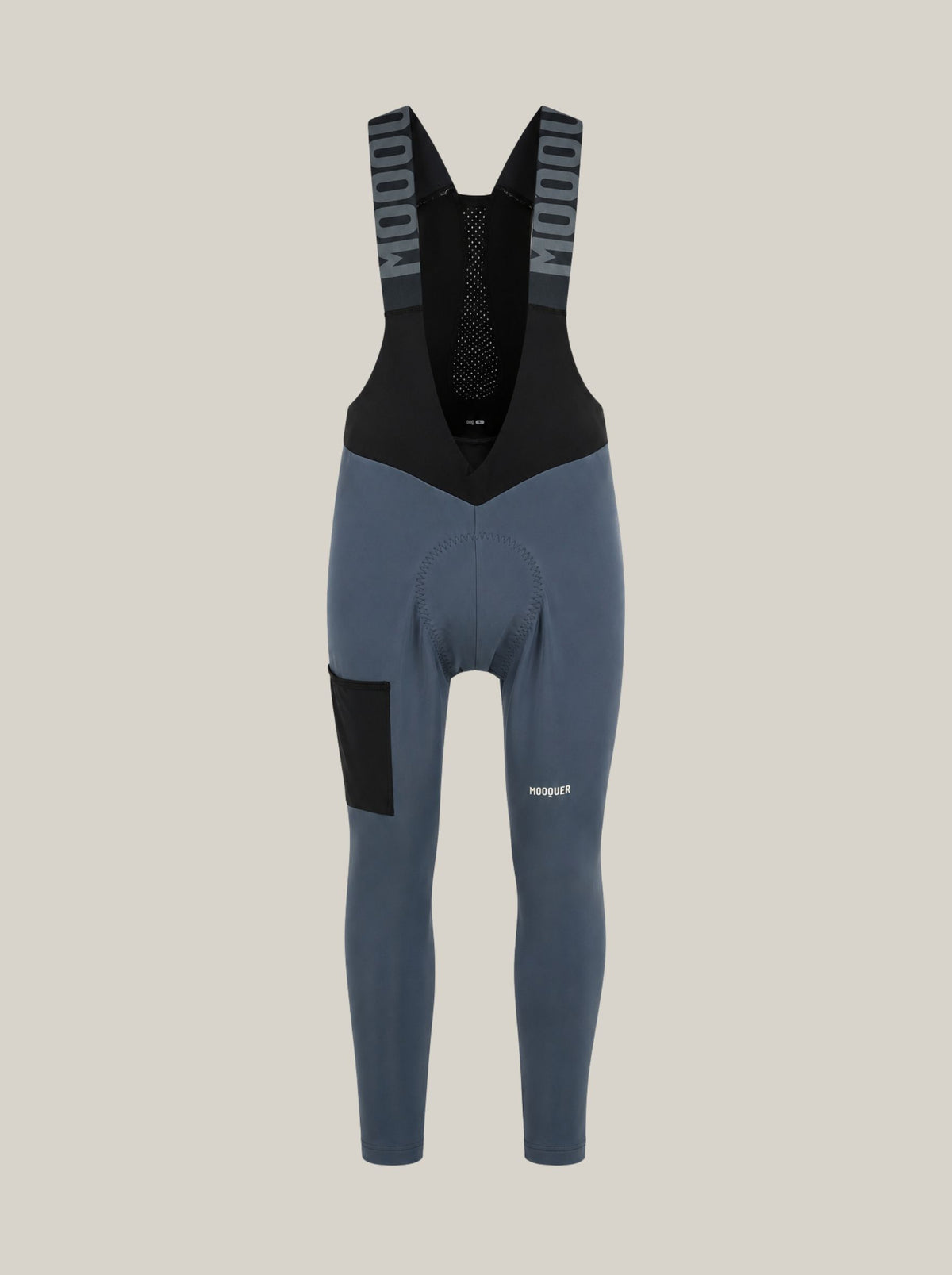
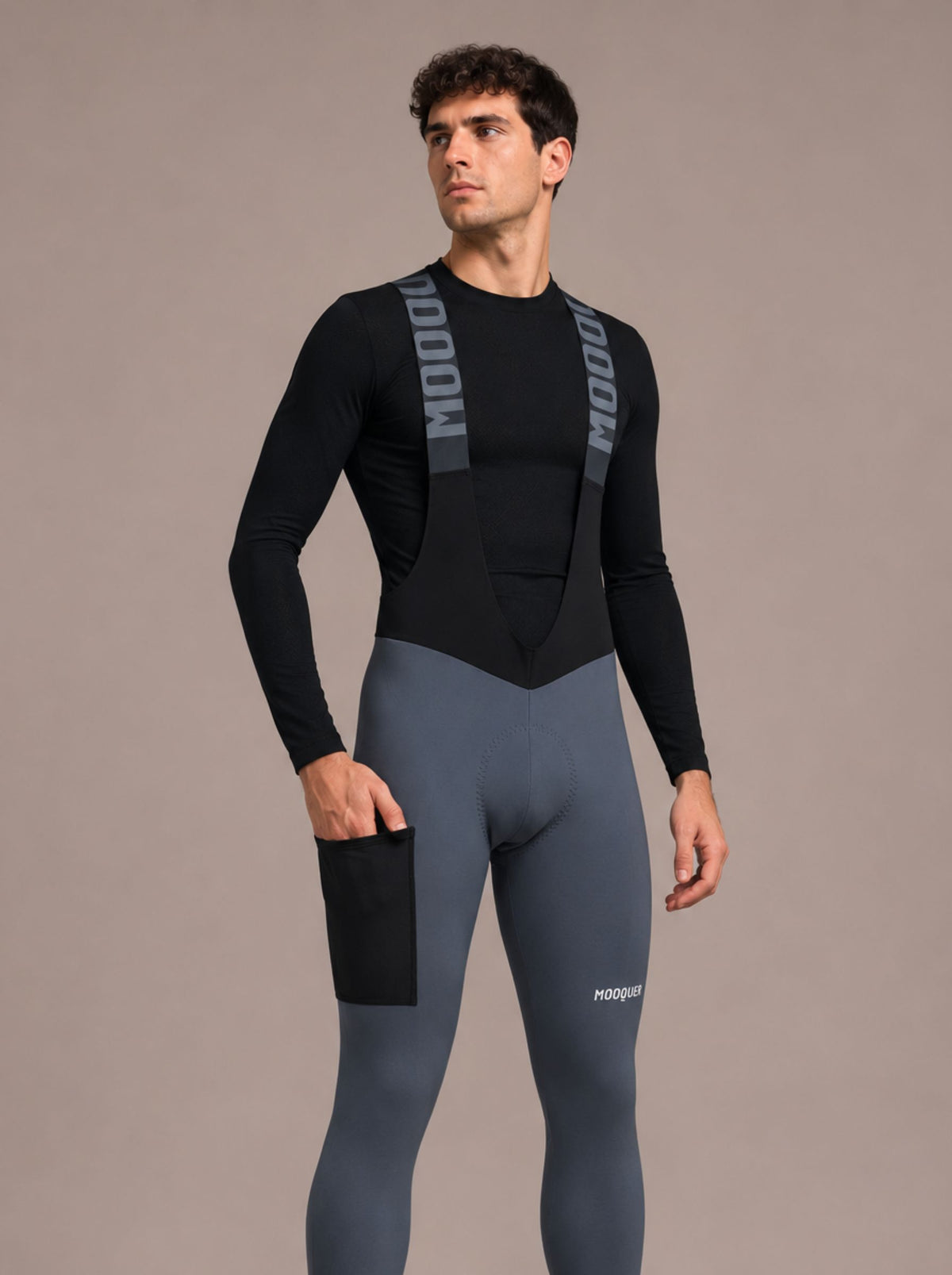
In gravel, you spend many hours sitting with constant vibration, so the chamois matters more than on a quick road ride. If you want to understand what to look for, it’s all in how a bib short chamois works. In winter, the Basalt Corsa long cycling bib tights are designed for road and gravel: Italian MITI SuperRoubaix fabric at 245 g/m² brushed on the inside, for the 5 to 15-degree range, and a seven-hour Mooquer chamois.
Feet: more calf and more resistance
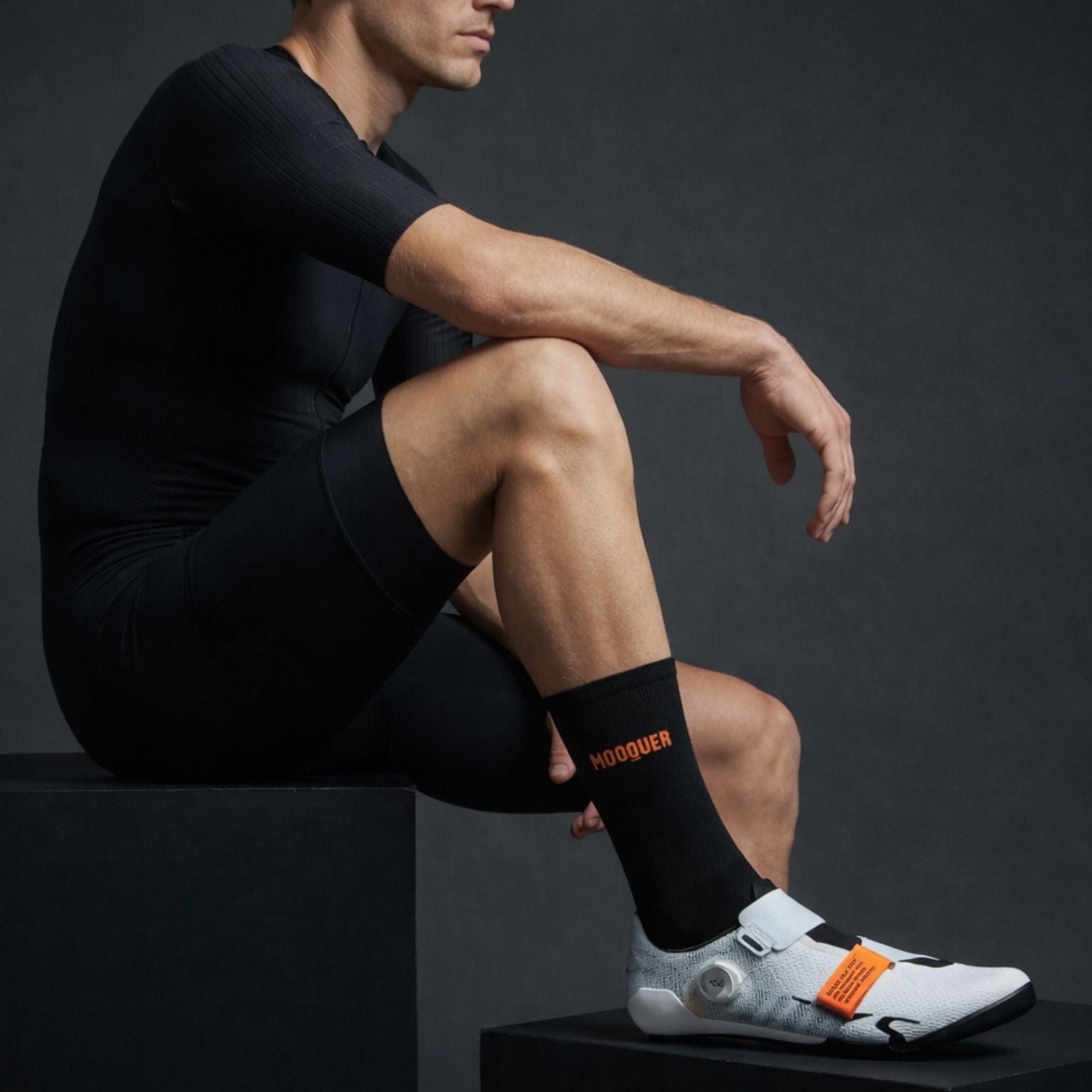
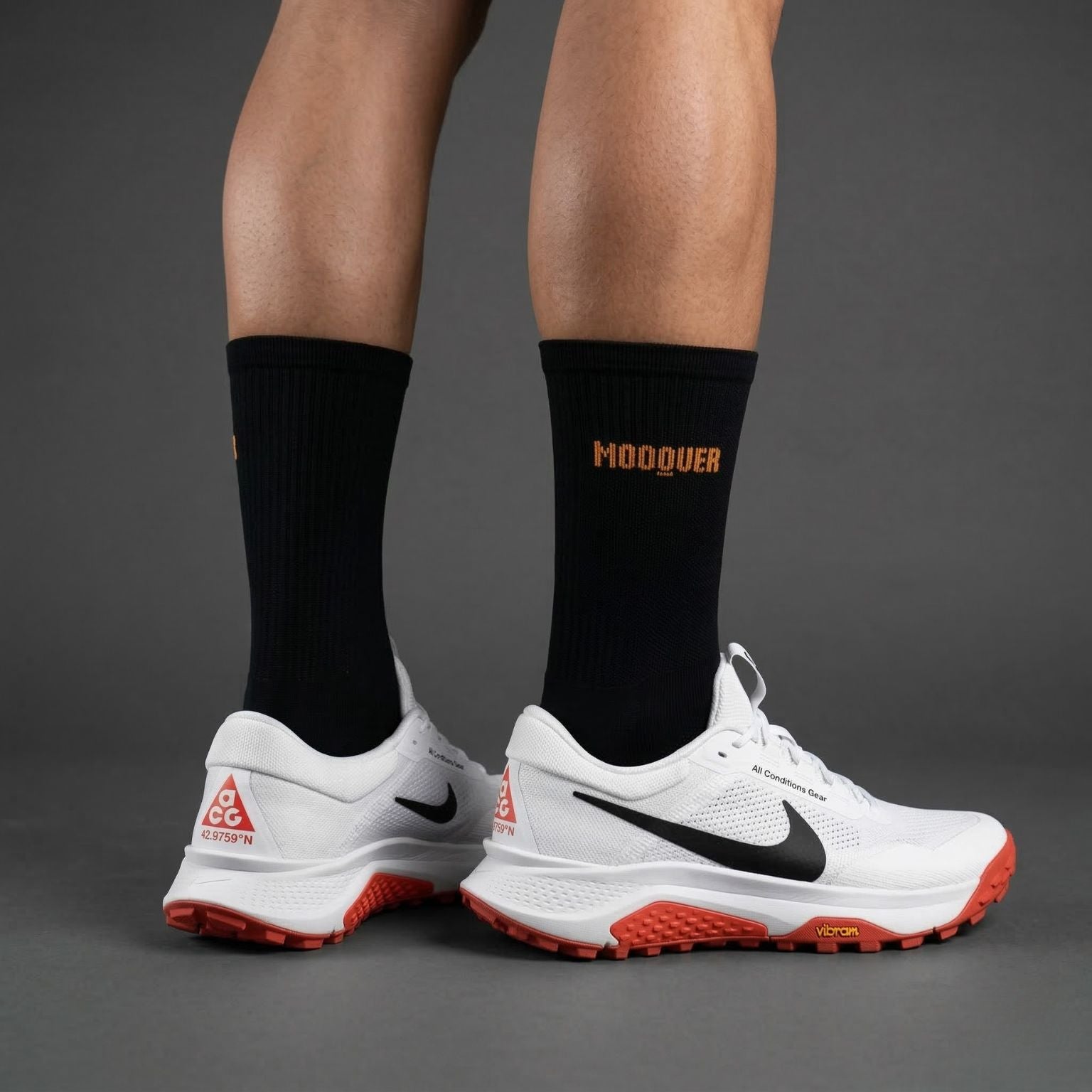
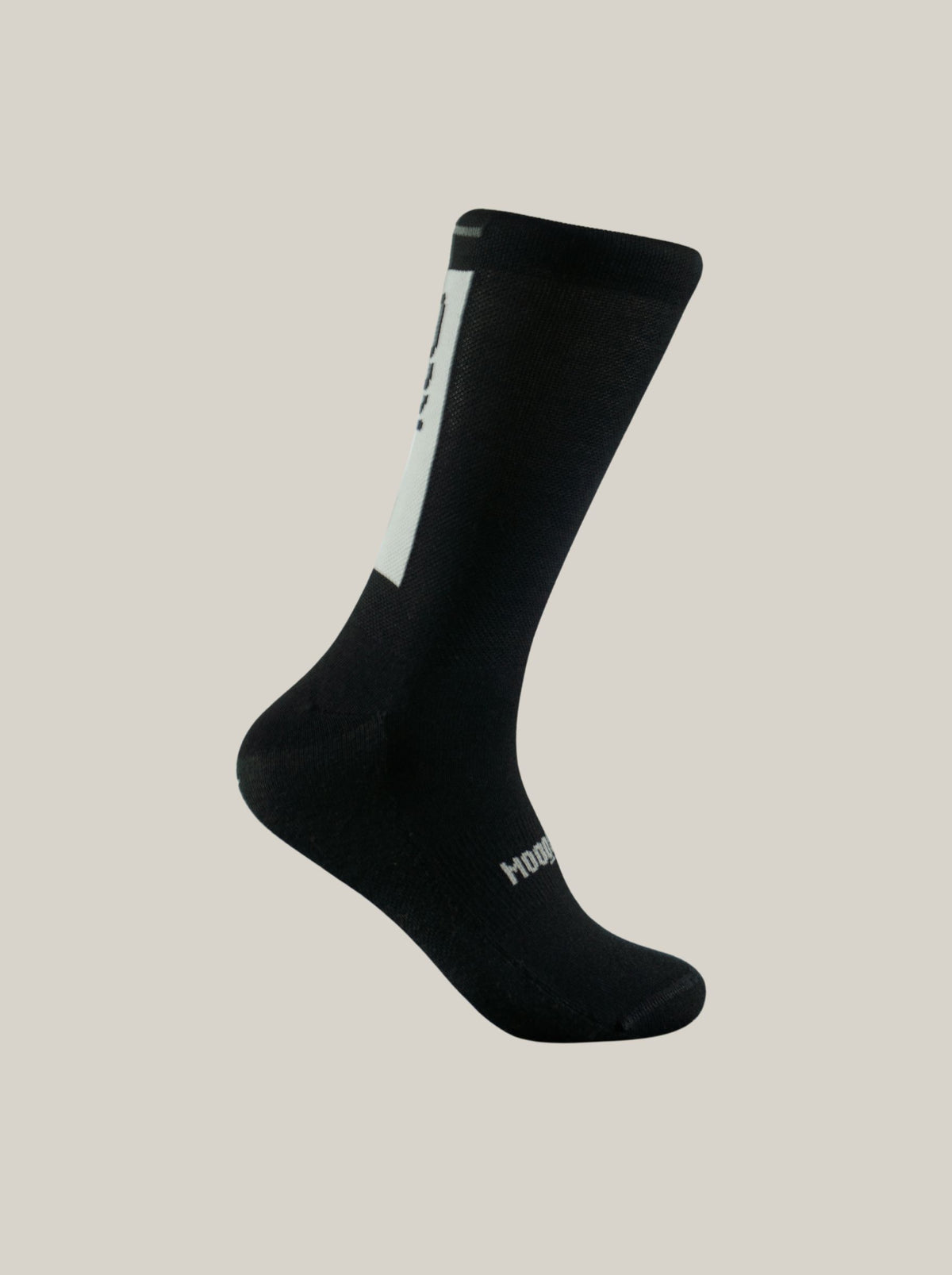
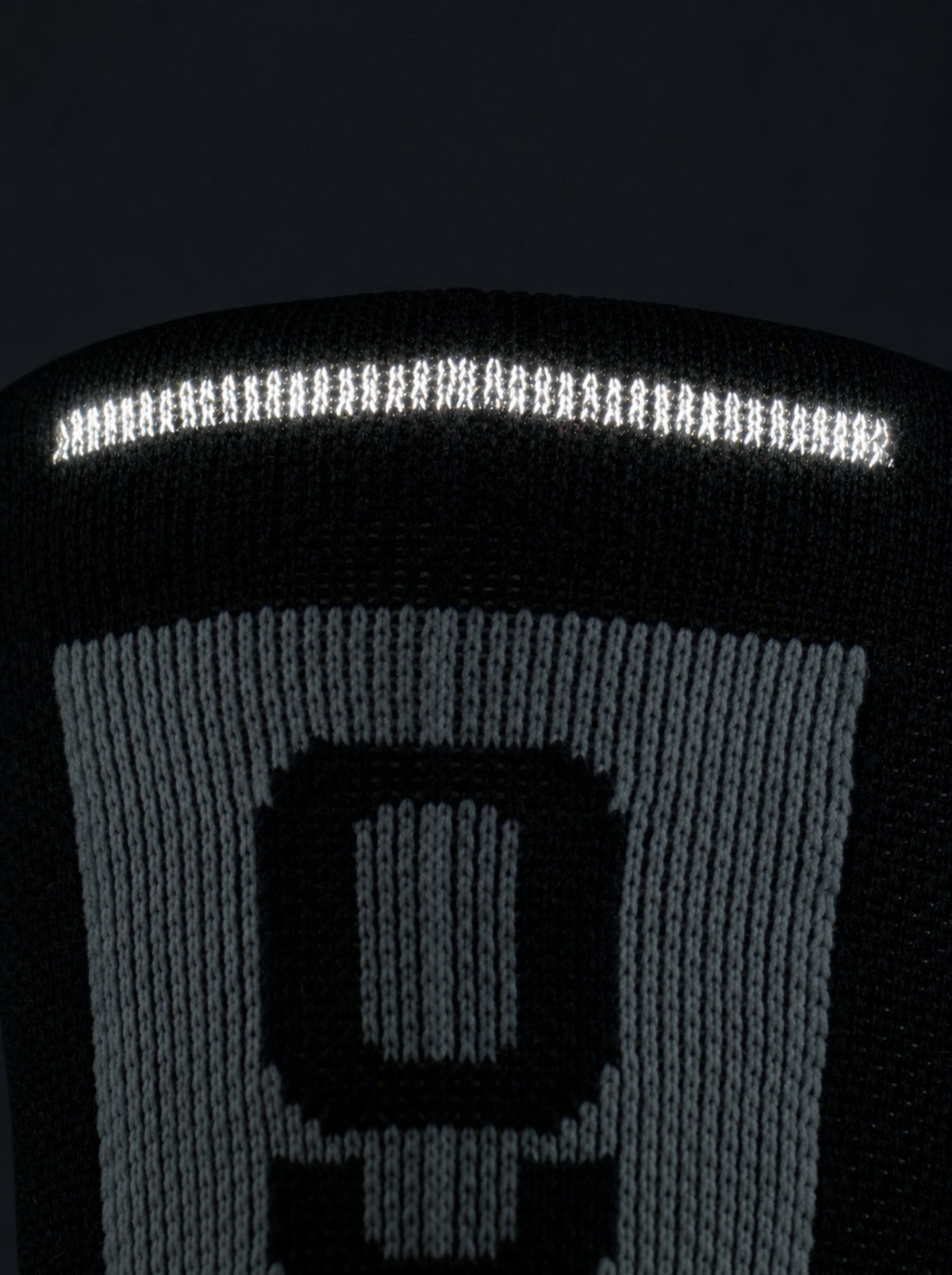
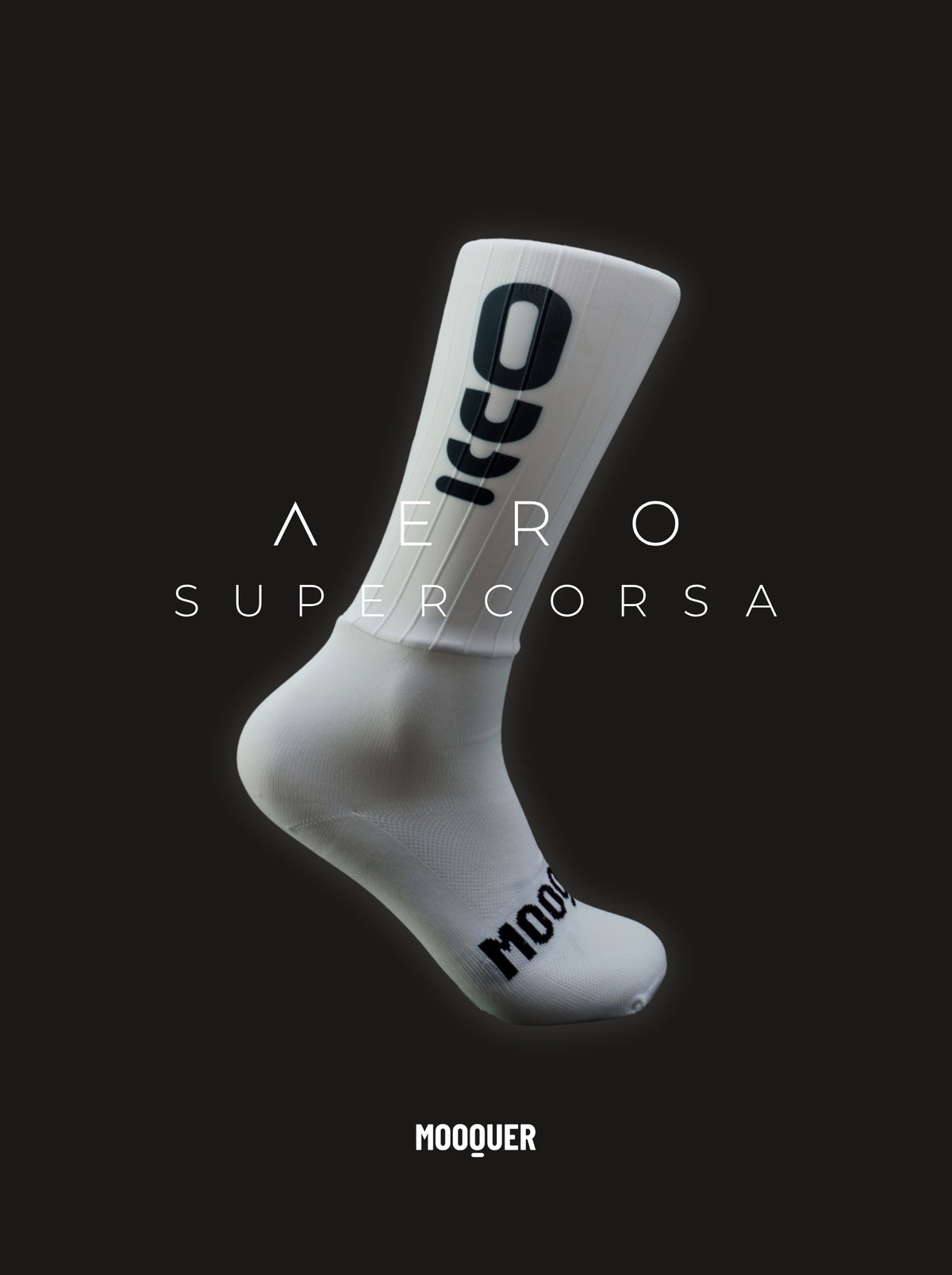
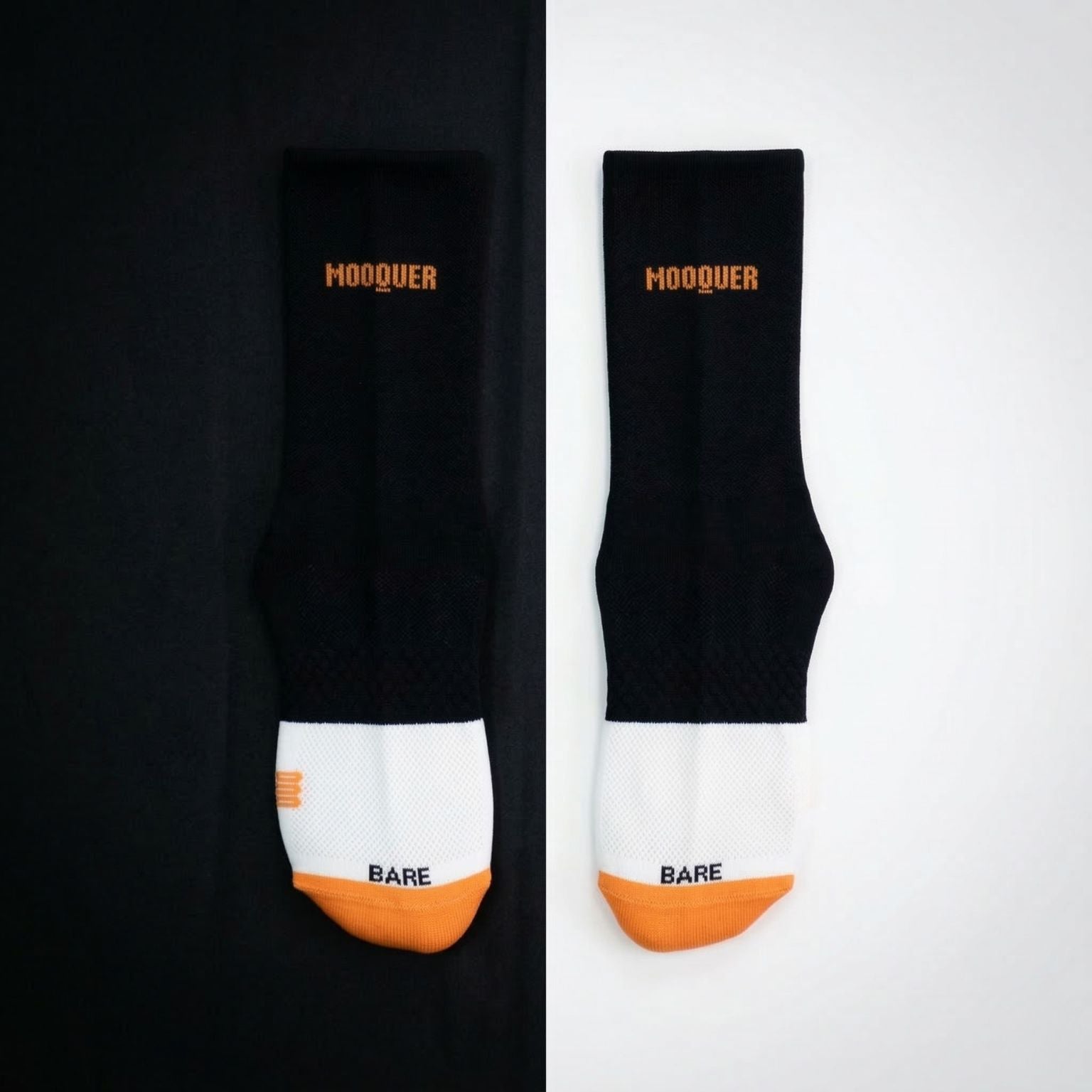
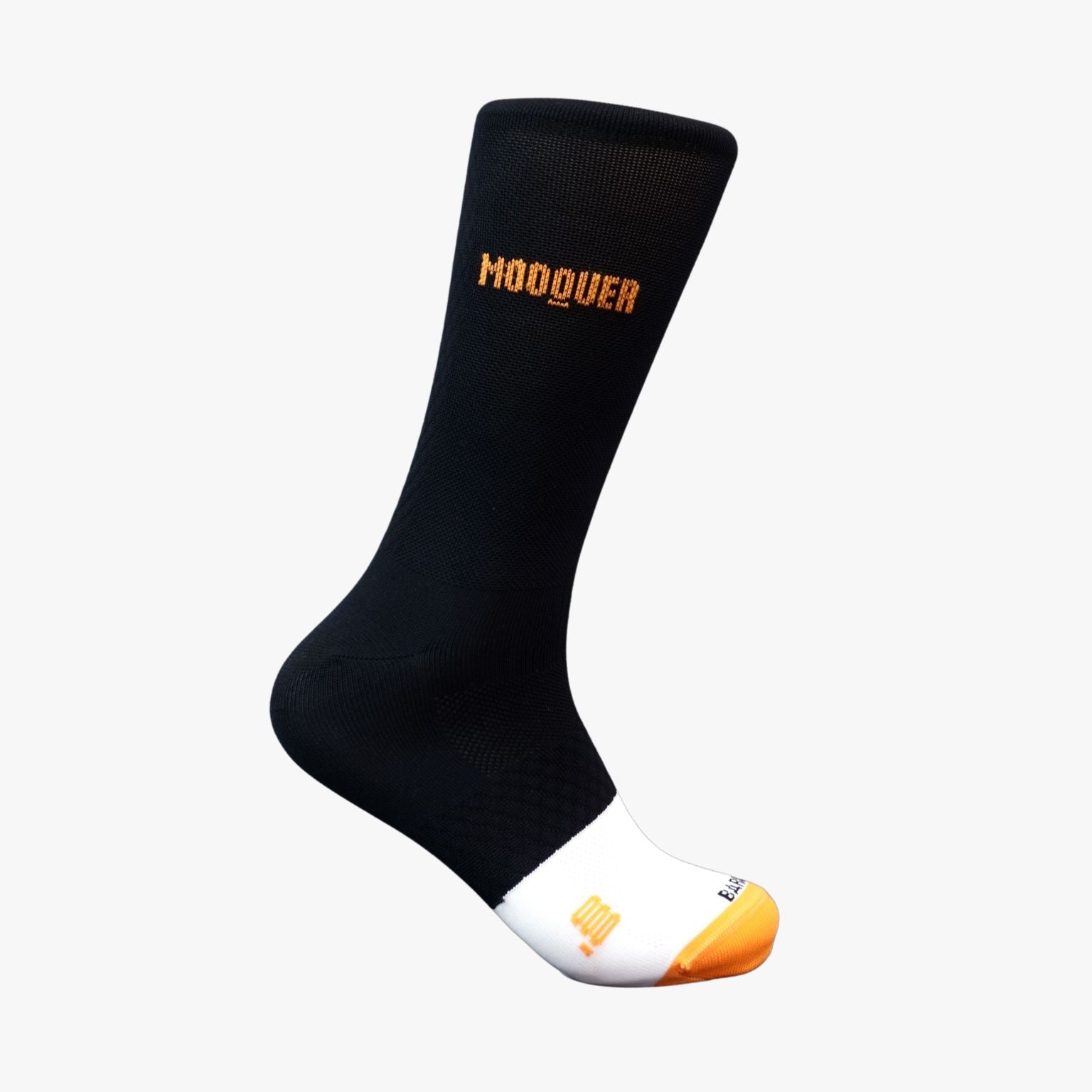
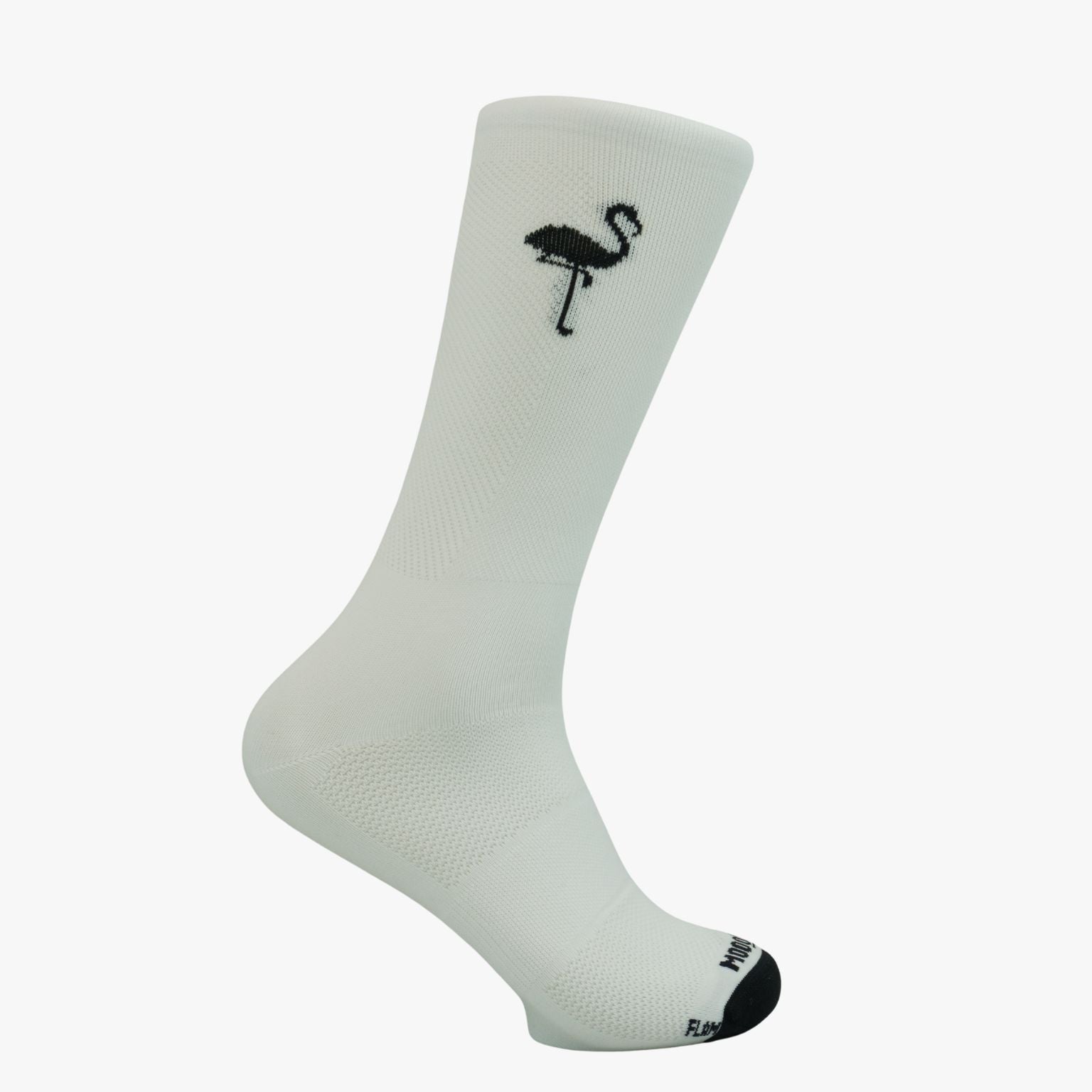
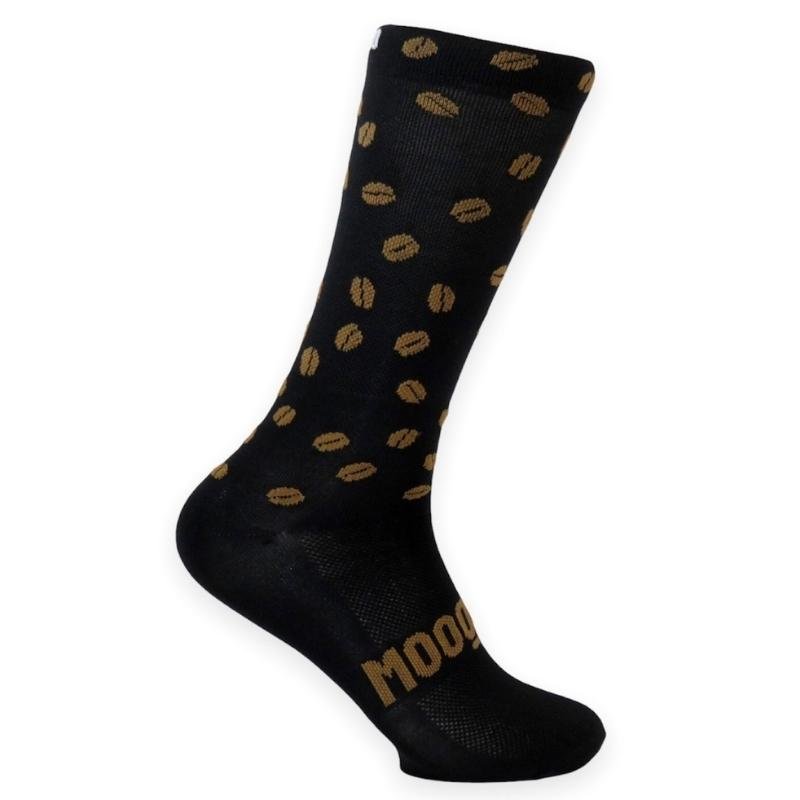
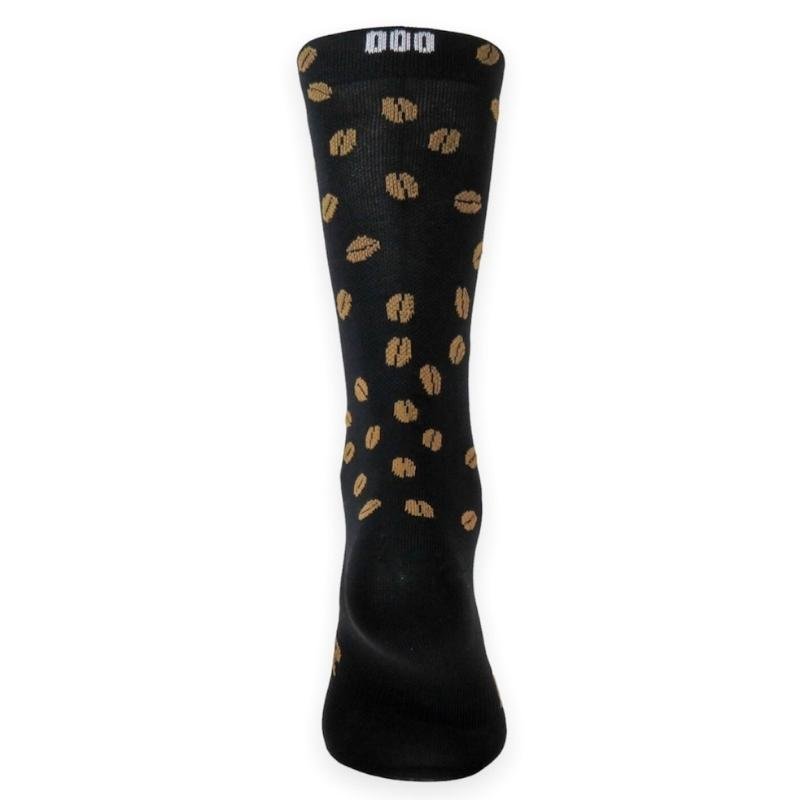
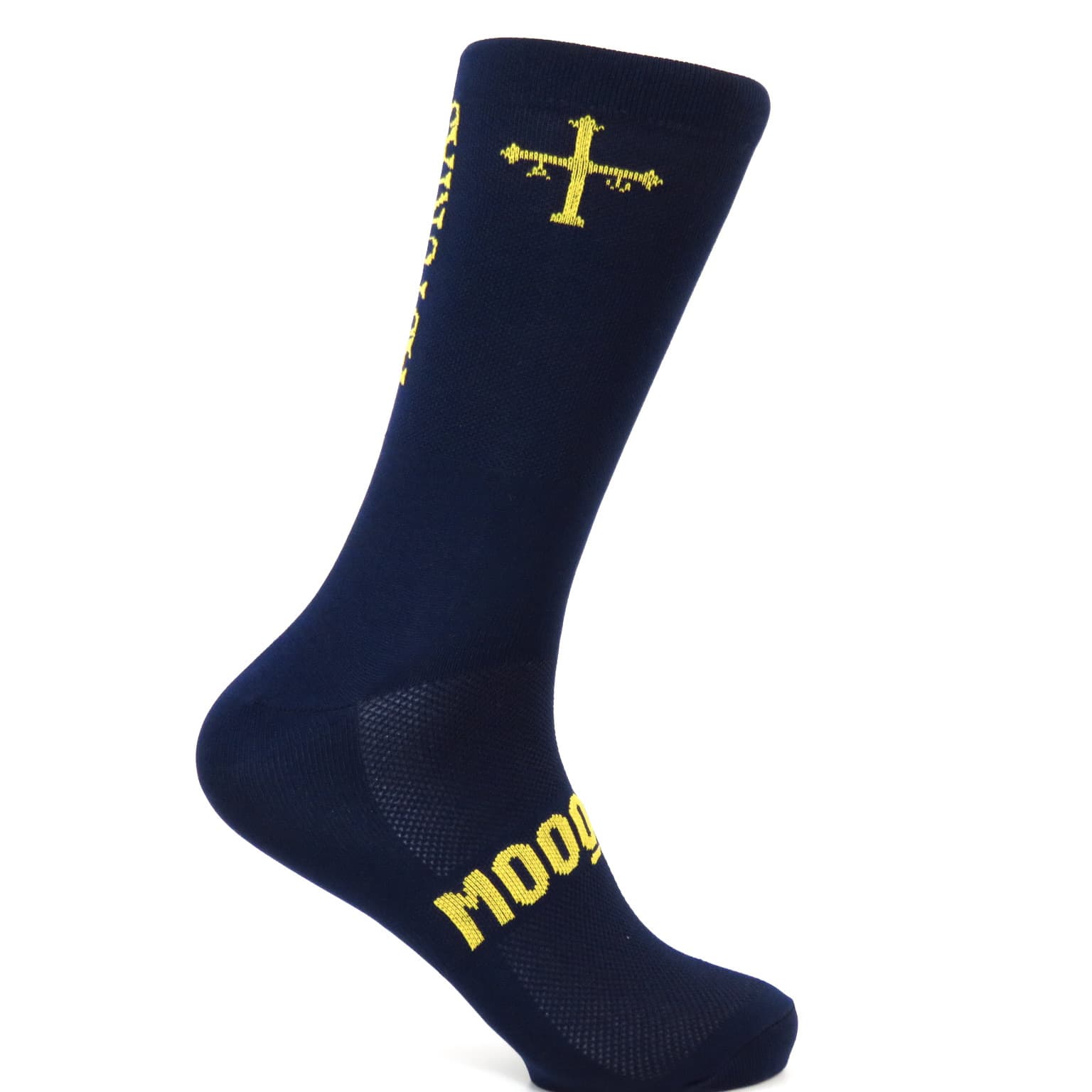
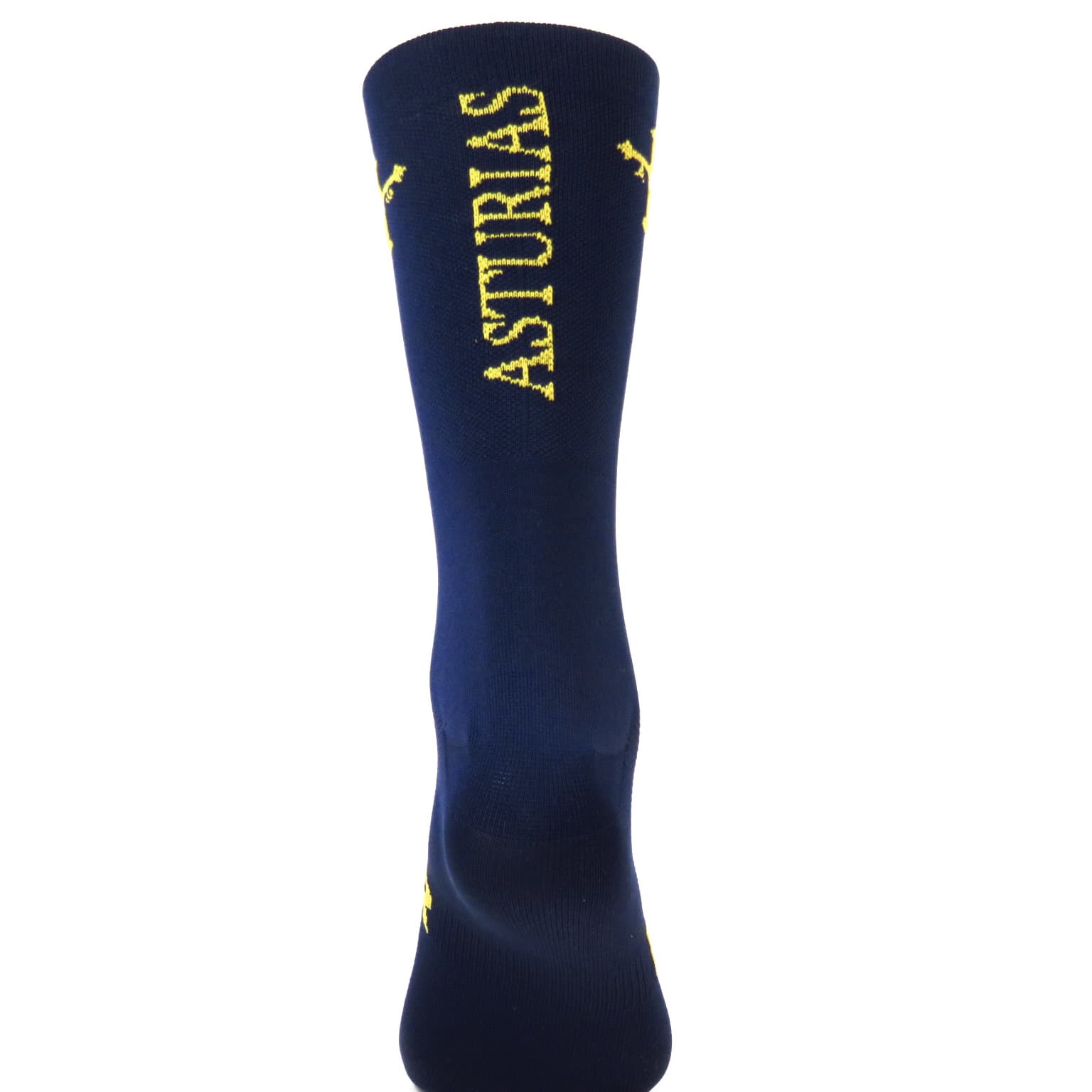
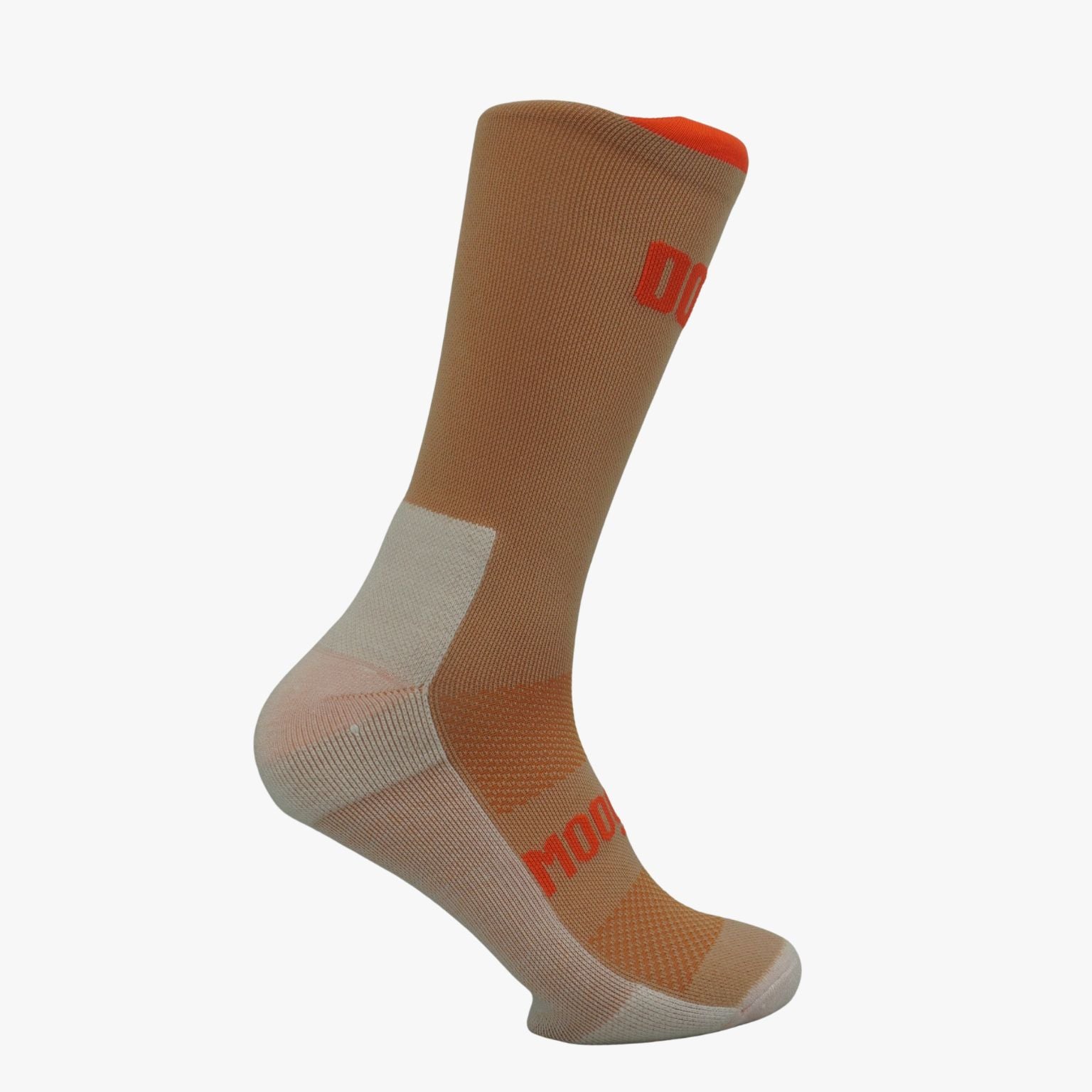
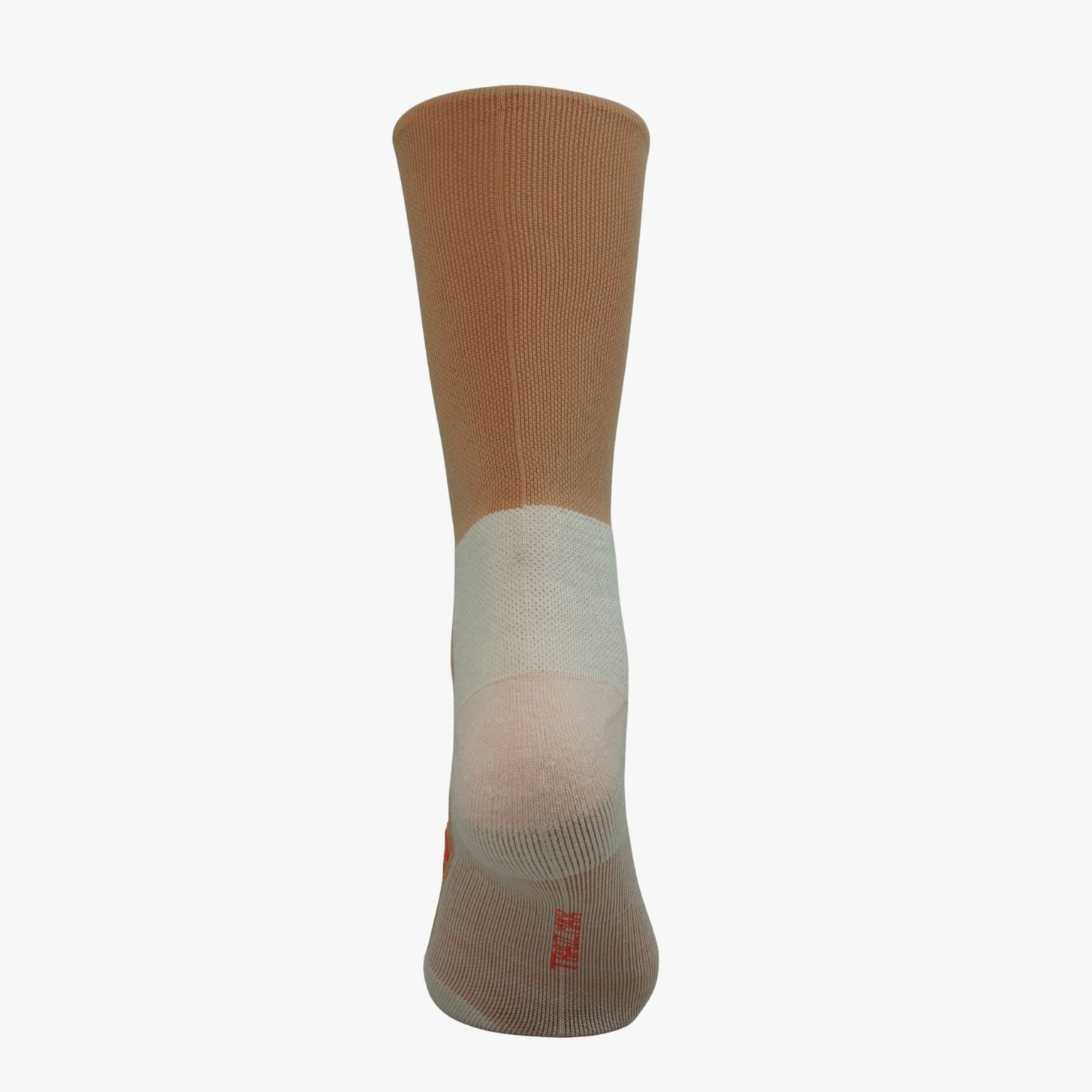
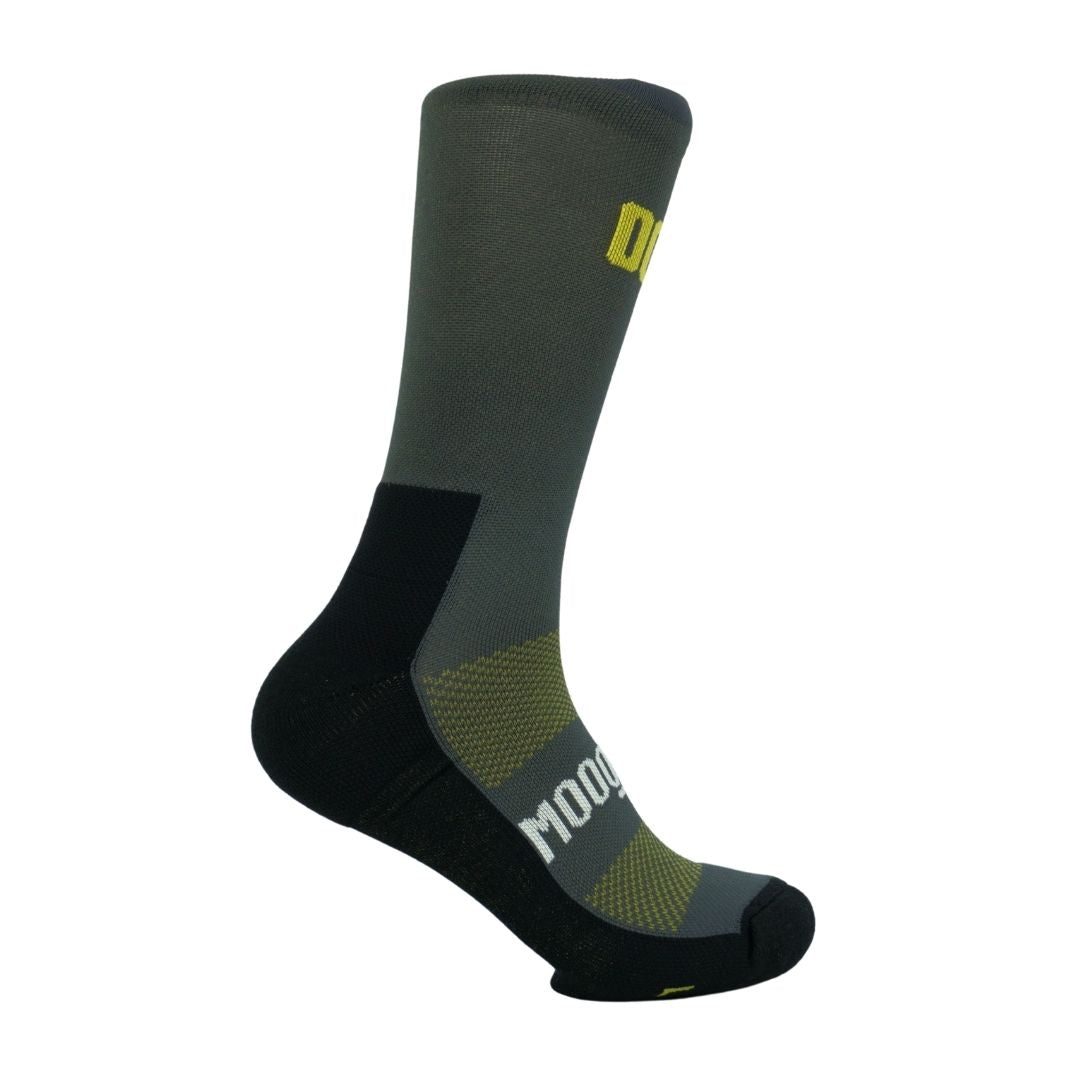
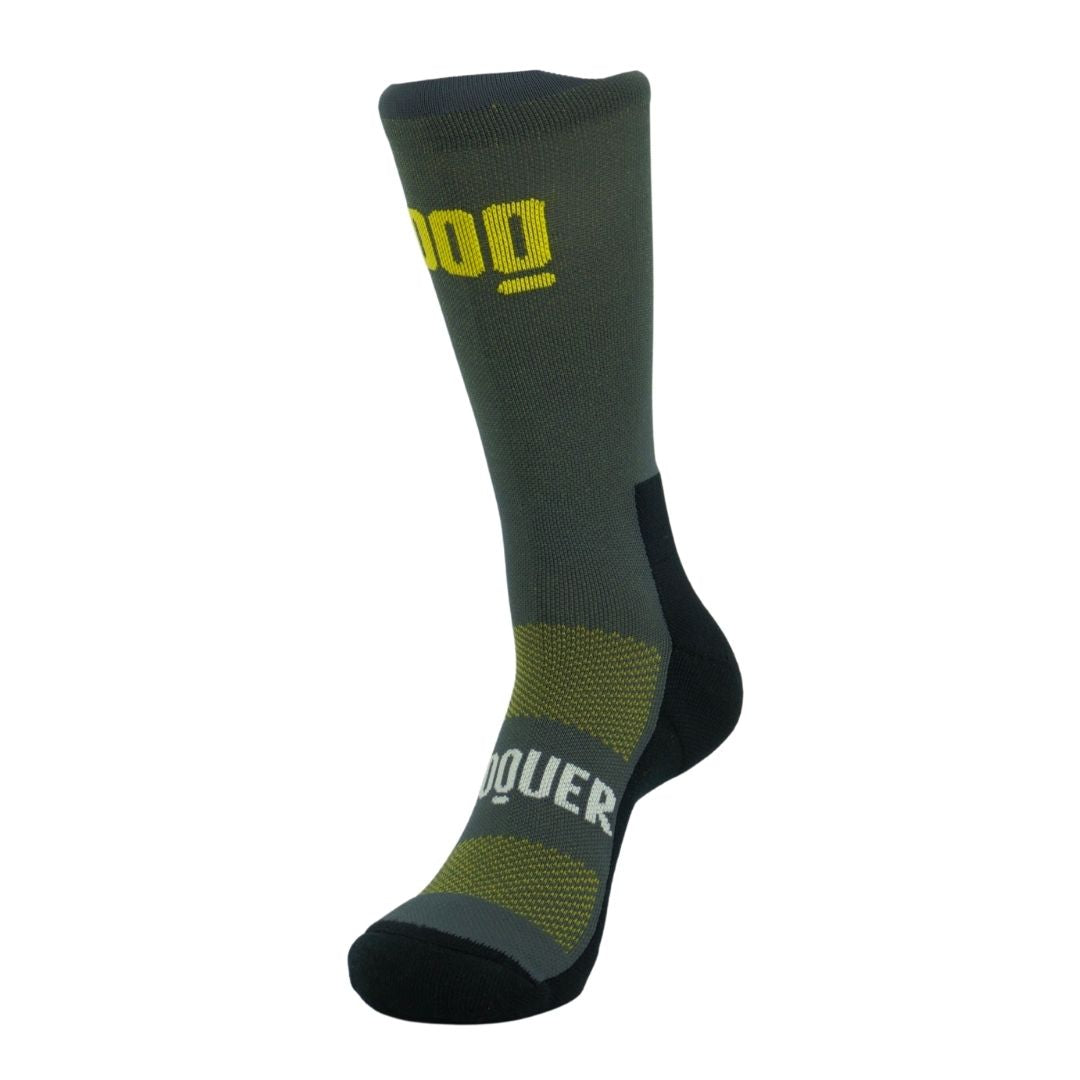
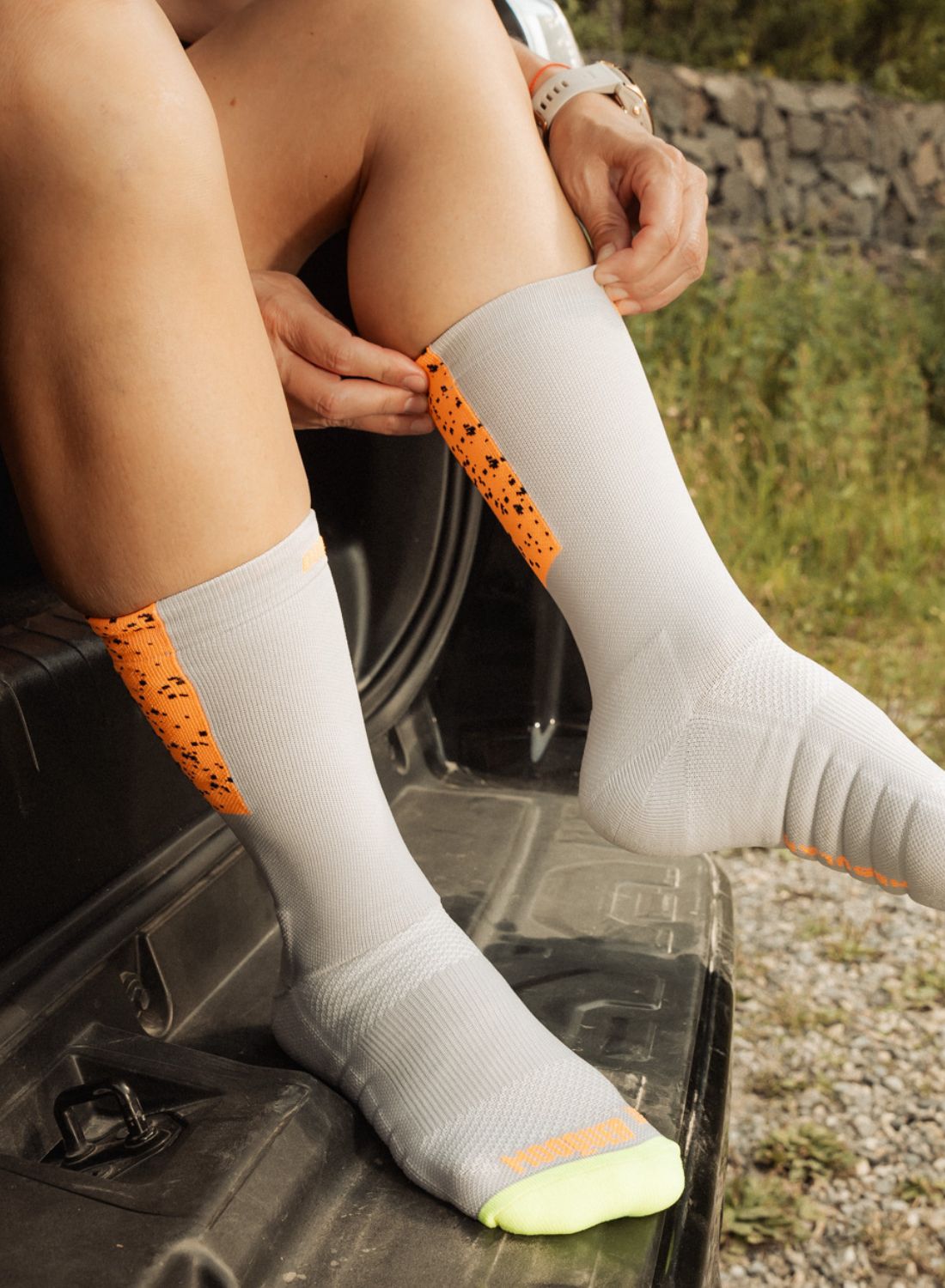
In gravel you walk, step in mud, and brush against vegetation. A sock with a bit more calf and a resistant sole withstands that treatment better. The socks we use for MTB and gravel go in that line.
Layers: carry what you can store
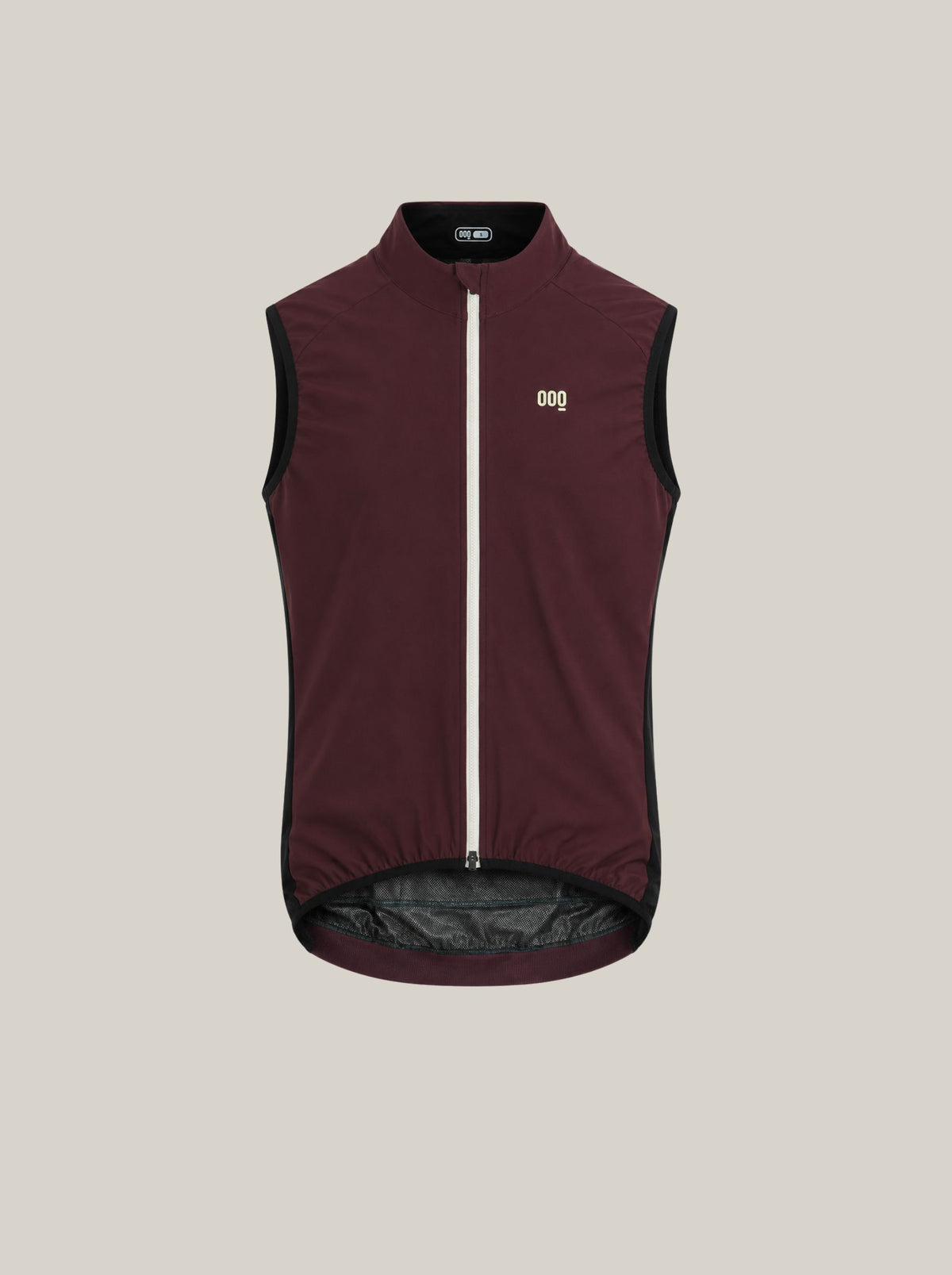
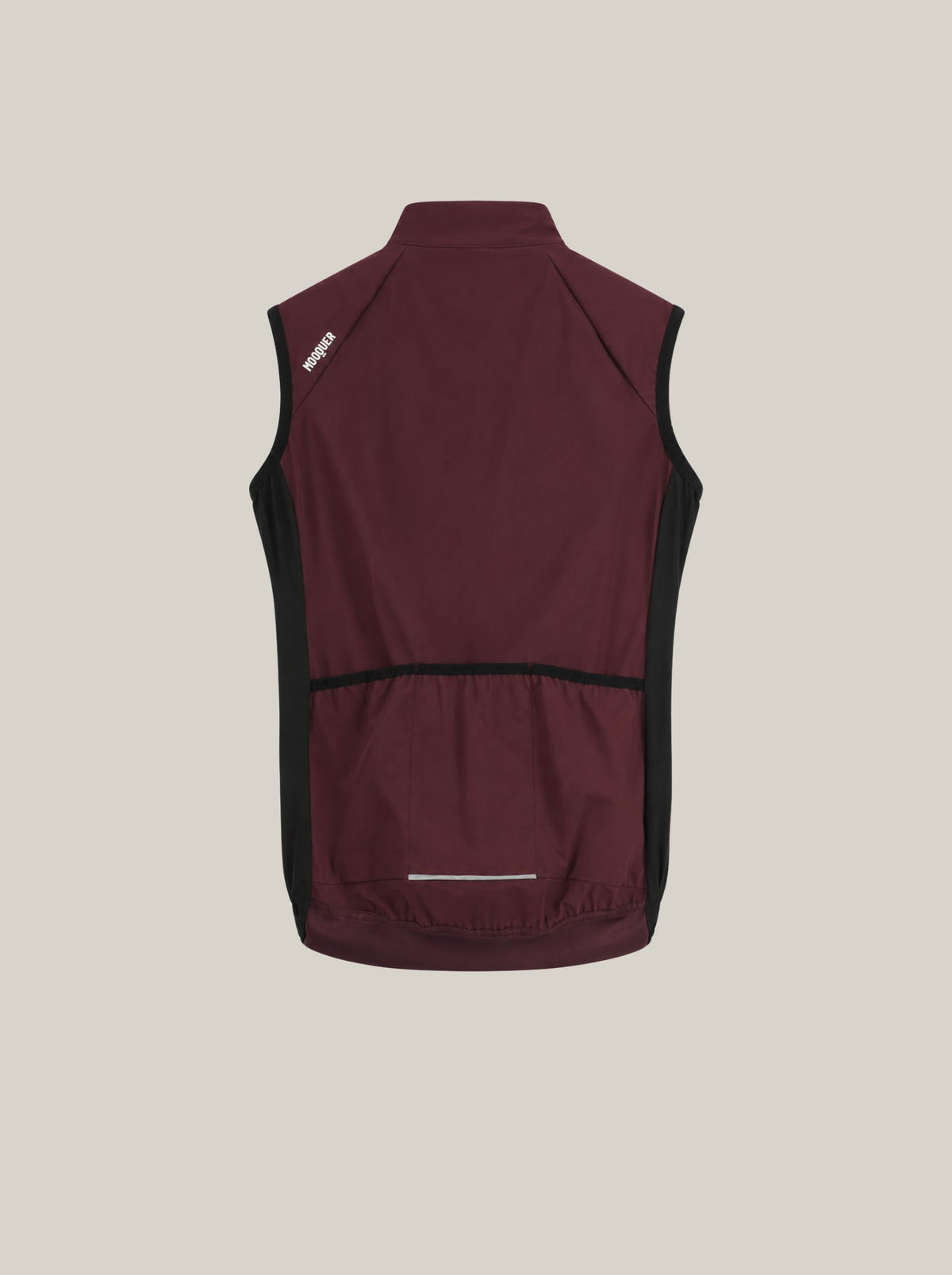
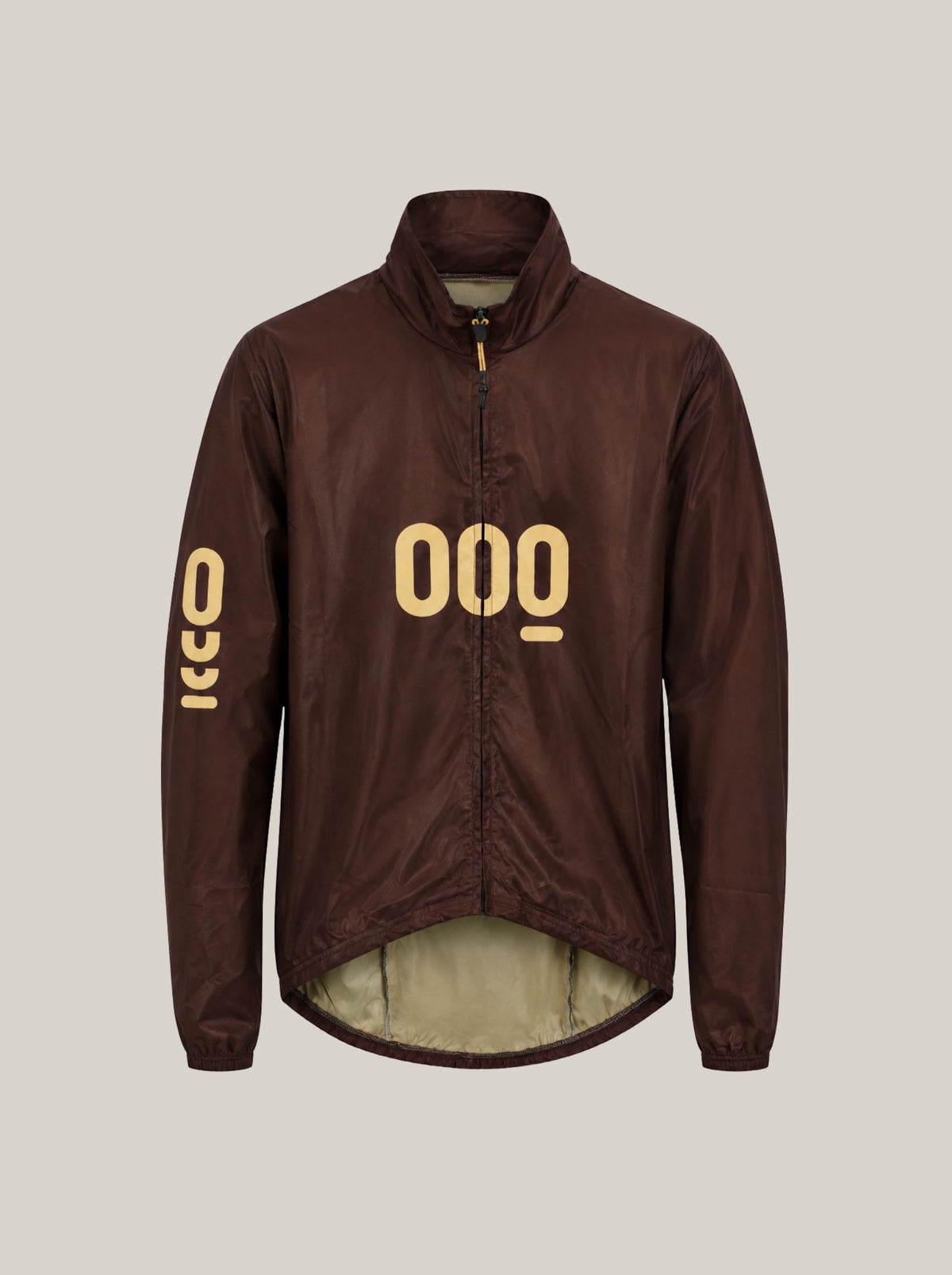
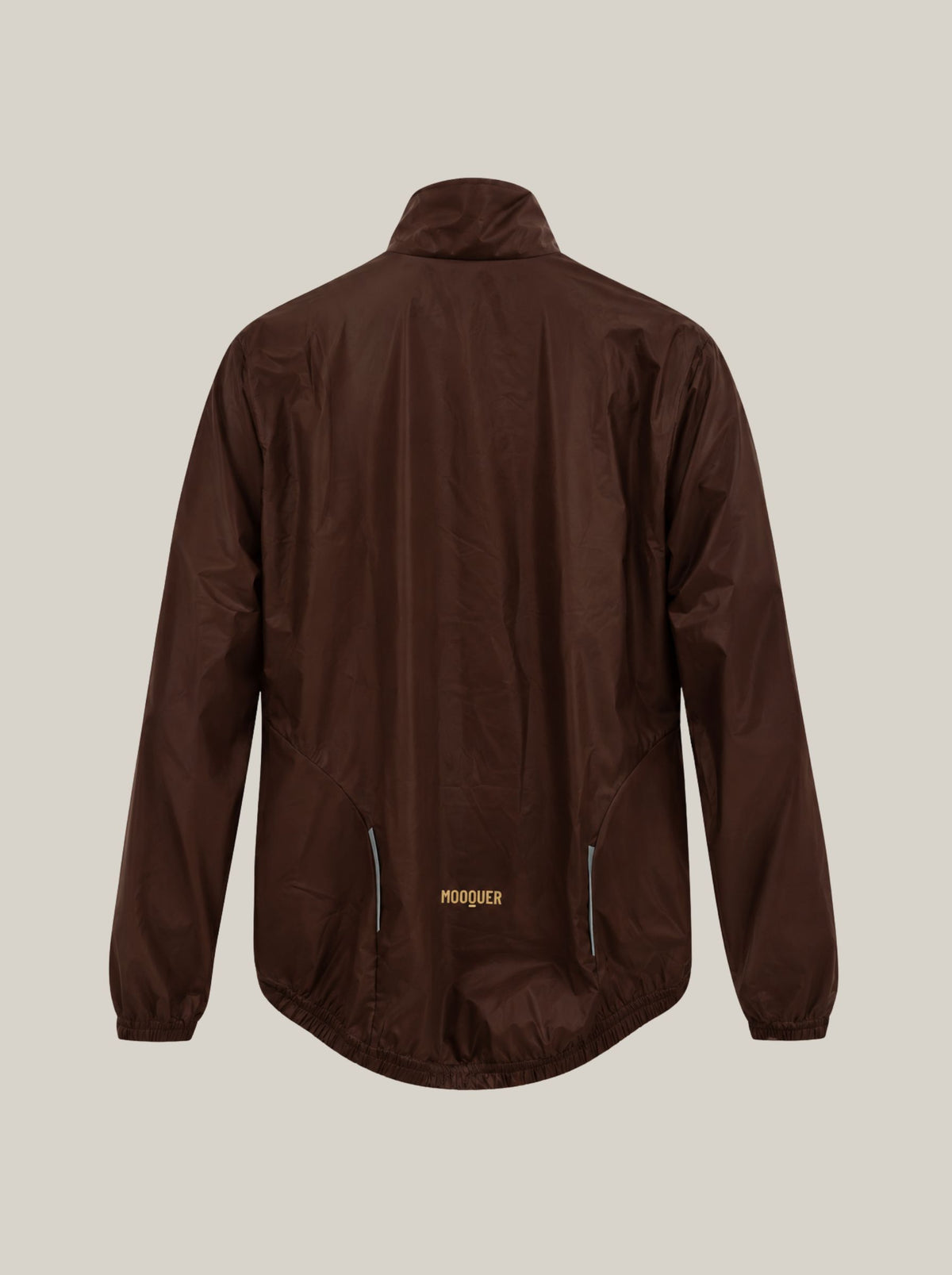
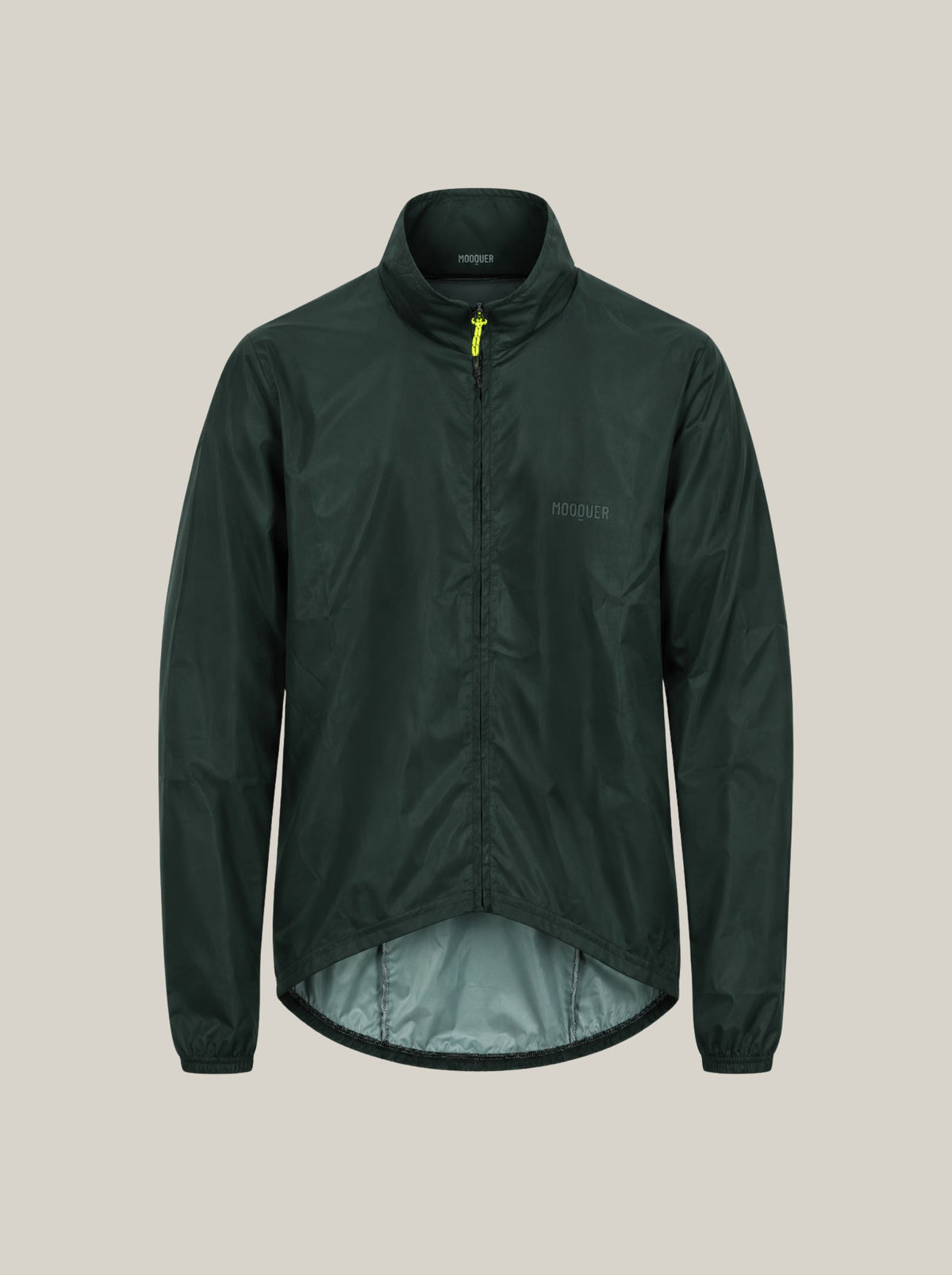
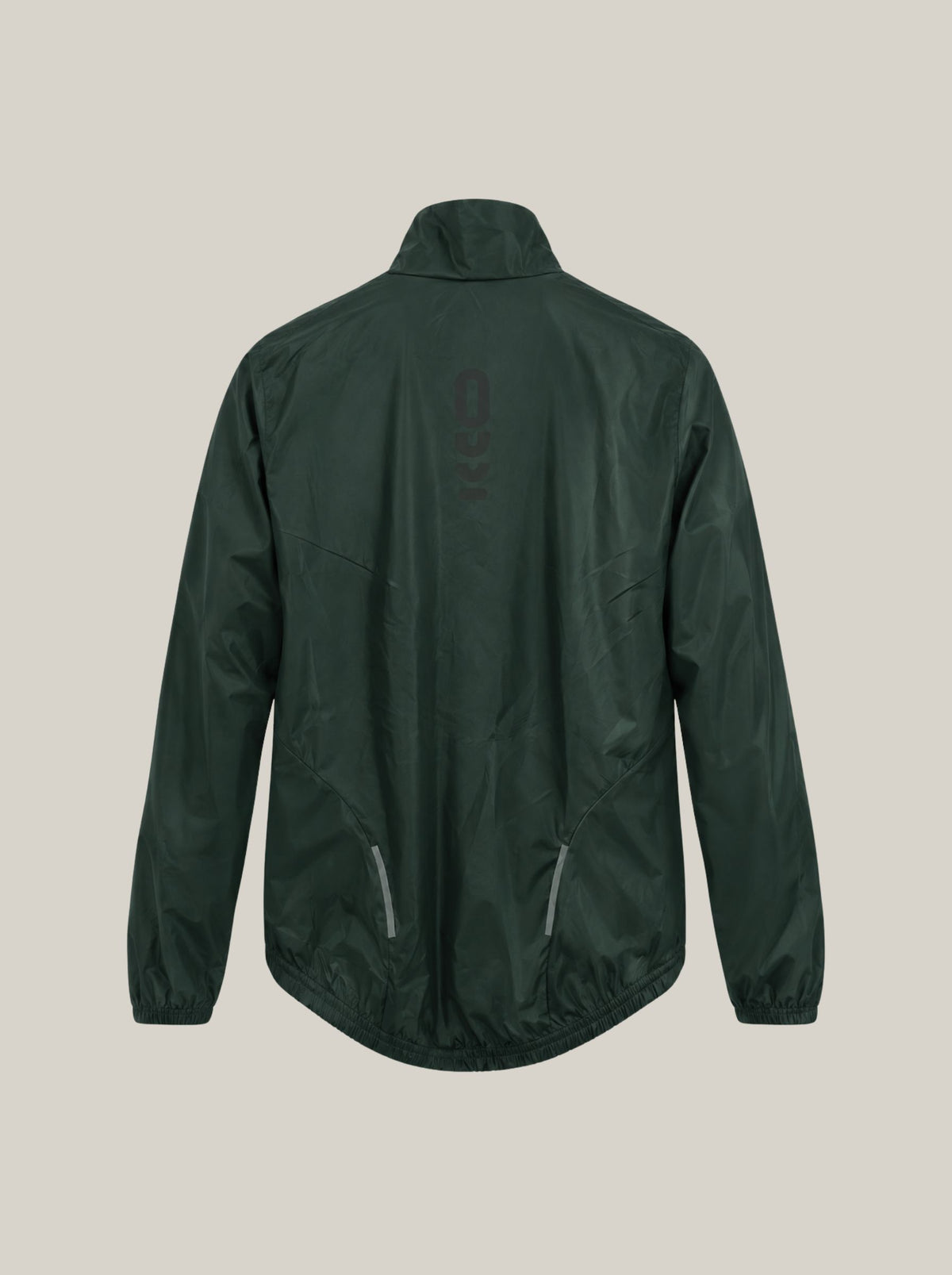
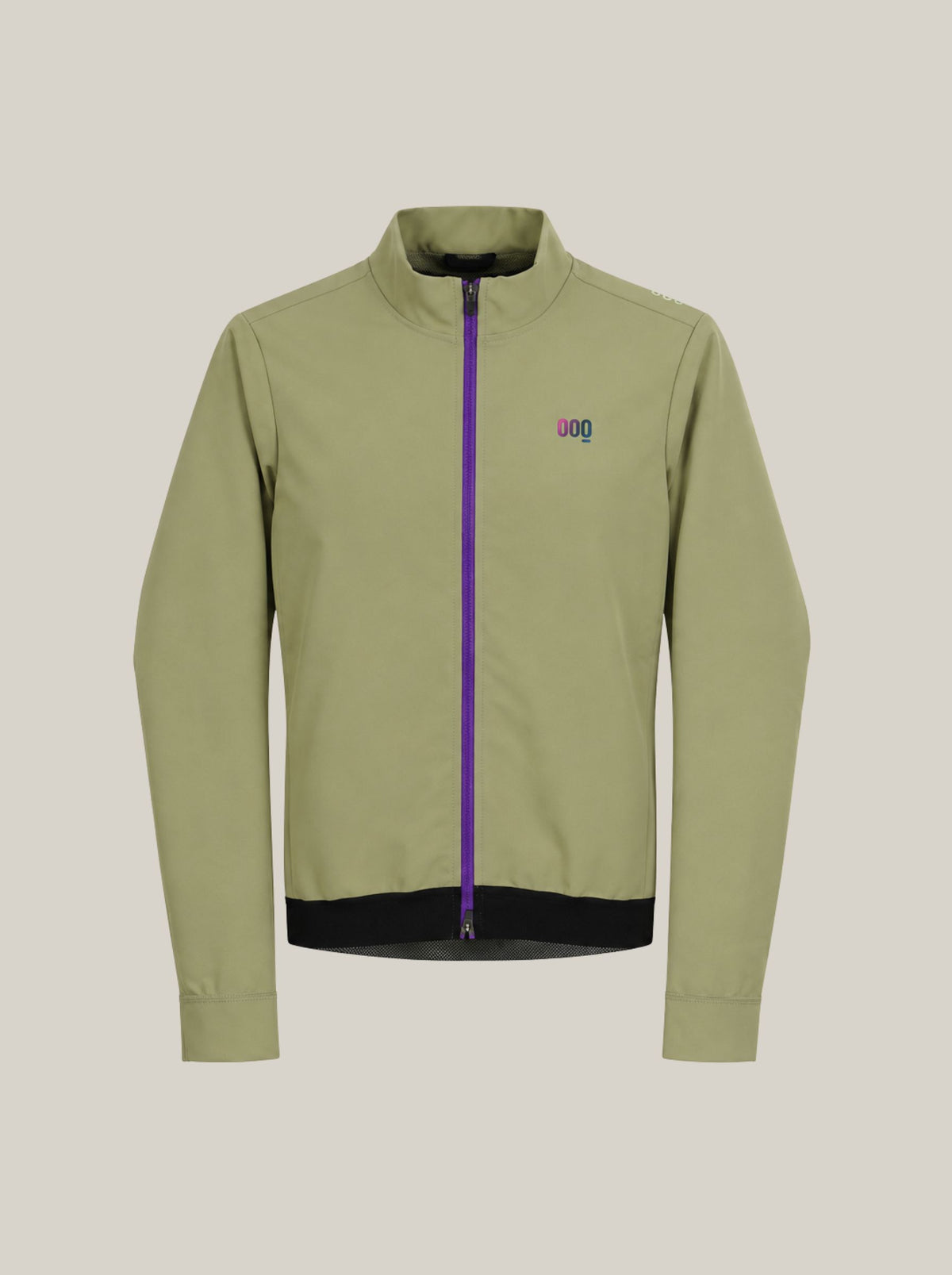
Gravel rides are usually longer and take you further from a bar. Always carry a layer that fits in your pocket. You have the logic of what to wear according to the degrees in how to dress on a bike according to the temperature.

Where to ride gravel in Asturias
Asturias is ideal terrain for gravel even though it has a reputation for roads and mountain passes. The cattle tracks in the central valleys, the greenways on old mining and railway routes, and the roads connecting mountain villages allow for long rides almost without cars. Mind you: here mud is part of the landscape from October to April.
If you feel like trying it, start with a track you know and a bike you already have. If you get hooked, there will be time to talk about tires.
Frequently asked questions
What is the difference between a gravel bike and a road bike?
The gravel bike accommodates much wider tires, has shorter gears, and more stable geometry. The road bike is faster on asphalt; the gravel bike is more versatile and comfortable on tracks and roads.
Can you ride gravel on a road bike?
On compact and well-maintained tracks, yes, especially if the bike has disc brakes and accommodates slightly wider tires. On loose terrain or with stones, the lack of grip and frame clearance is immediately noticeable.
Is gravel more like road or MTB?
In terms of position and handlebars, it’s like a road bike; in terms of terrain, like a simpler MTB. It’s an intermediate point designed for long routes mixing surfaces.
What clothing is used for gravel?
The same base as on the road, with more attention to the chamois, long gloves to protect your hands, resistant socks, and a layer that fits in your pocket.









Leave a comment
This site is protected by hCaptcha and the hCaptcha Privacy Policy and Terms of Service apply.