

Running at night: how to be visible and what to wear
To run safely at night you need three things: for drivers to see you in time, to see where you step, and to choose a route that makes it easier. The first is solved with reflective material on the moving parts of the body, the second with a proper headlamp, and the third with common sense. The color of the shirt matters much less than you think.

Why you end up running in the dark in winter
From November to February the day is short at both ends. If you work, the real window for training is before eight in the morning or after six in the evening, and both are at night. It's not a decision, it's the calendar. So the question is not whether you are going to run at night, but how to do it without depending on the person behind you paying attention.
Being seen: what the law says and what works
What the General Traffic Regulations require
If you run on the roadway or shoulder of an interurban road between sunset and sunrise, Article 123 of the General Traffic Regulations requires you to carry at least one luminous or reflective element visible to approaching drivers from 150 meters. The same obligation applies in fog or heavy rain. In the city it is not mandatory, but the physics are the same.
Reflective is not the same as fluorescent
Fluorescent yellow works during the day and at dusk, because it converts ultraviolet light into visible light. At night, without sun, it does nothing special: it's a light-colored shirt. Reflective material, on the other hand, returns the light from headlights to its source, which is exactly where the driver's eyes are. That's why a small strip of reflective material is seen before an entire neon-colored shirt.
Put the reflective material where there is movement
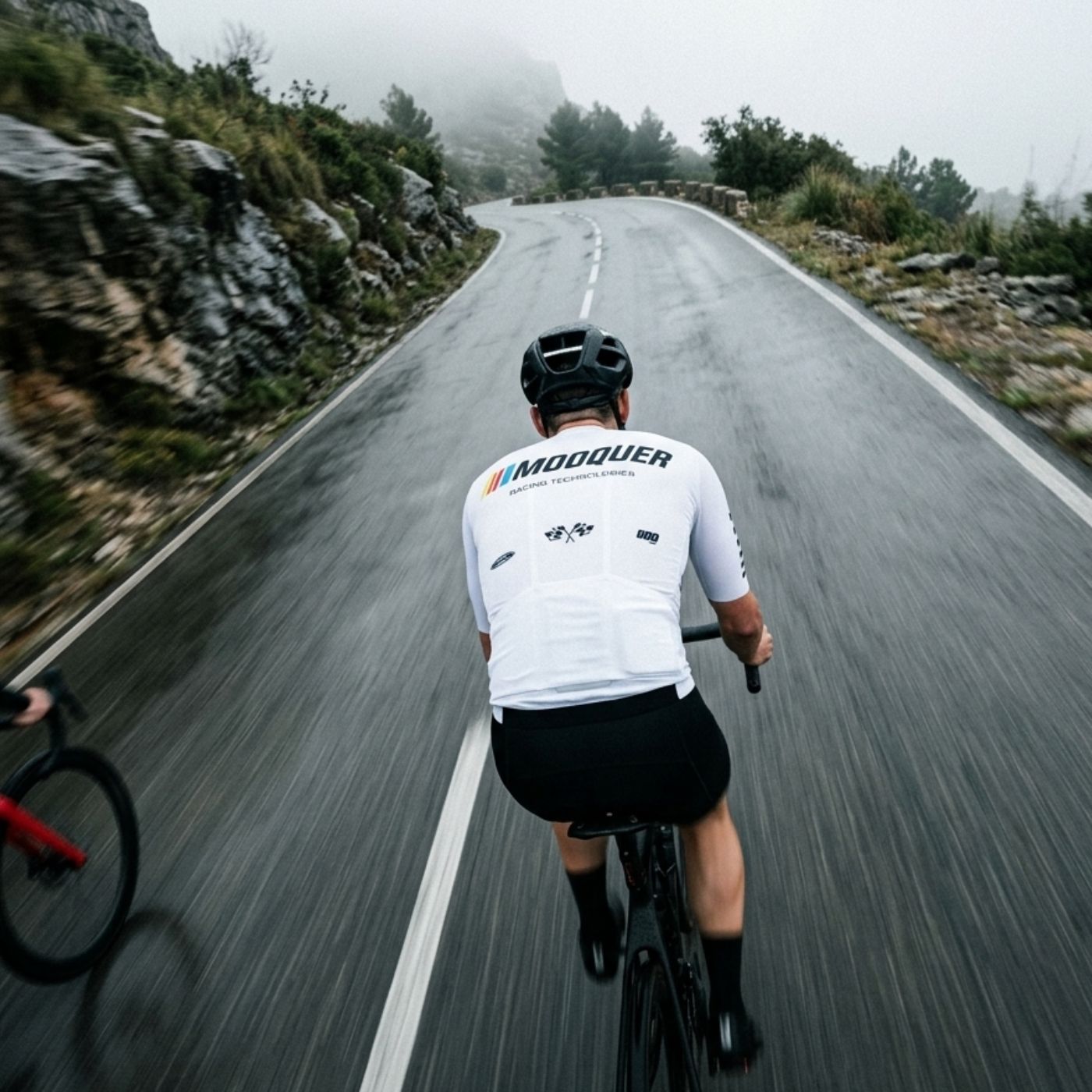
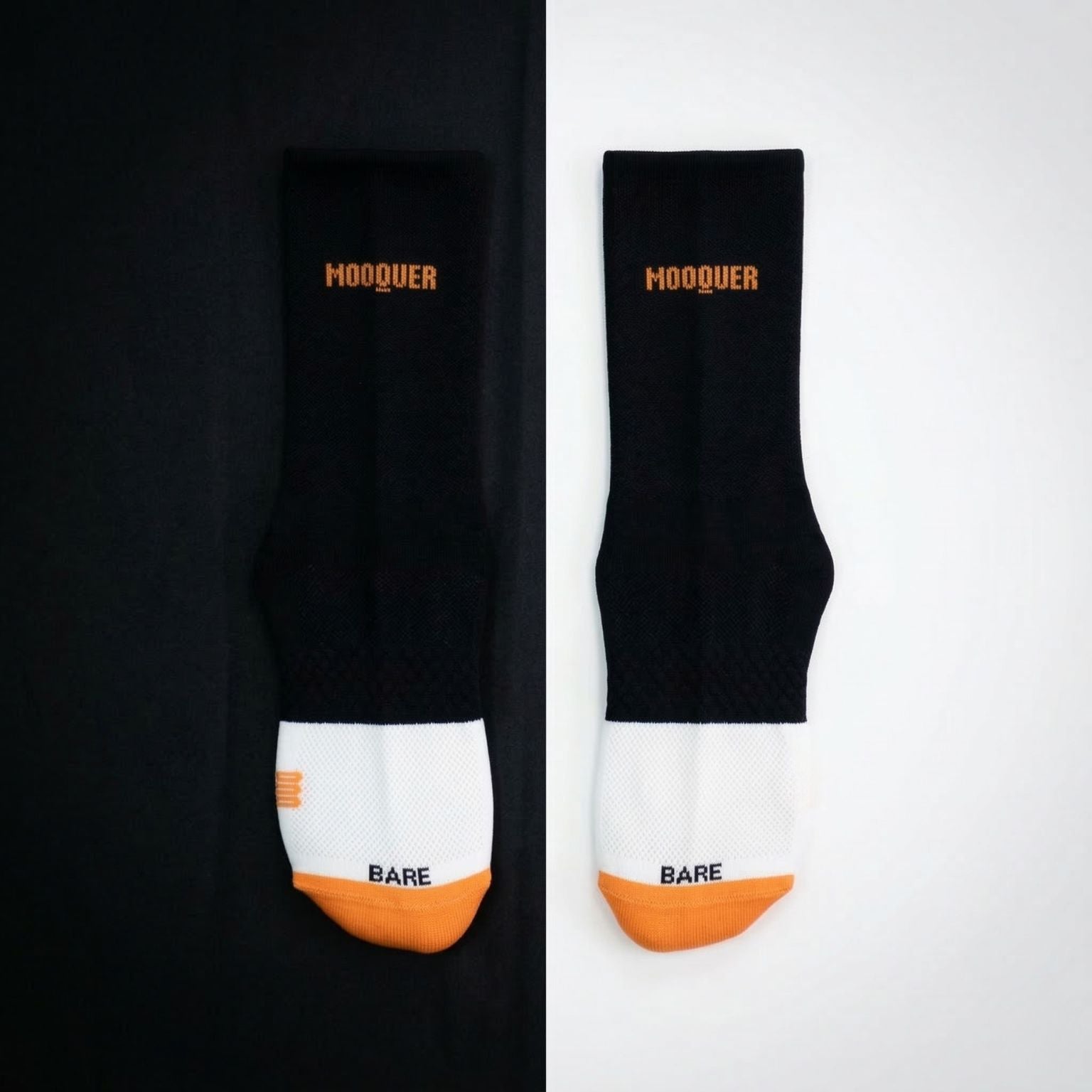
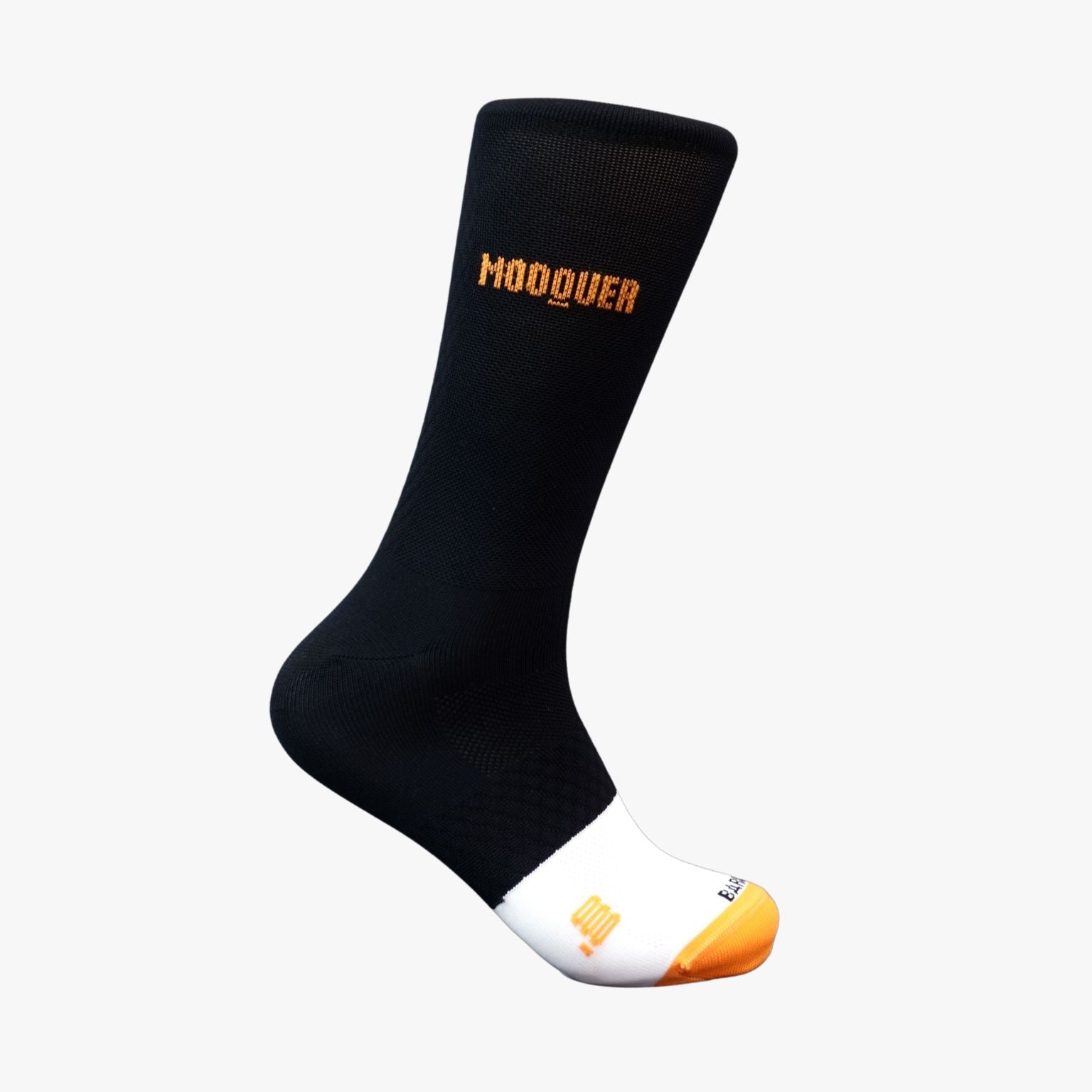
A driver's brain identifies a person by how they move before their silhouette. A bright spot that goes up and down with the pace of the stride is read as someone running; a still rectangle on the chest, as just another sign. Ankles, wrists, and head are the areas that work the most. We explain it with the studies that measure it in why an ankle reflector is seen before a vest; it is written for cyclists, but the principle is identical when running.
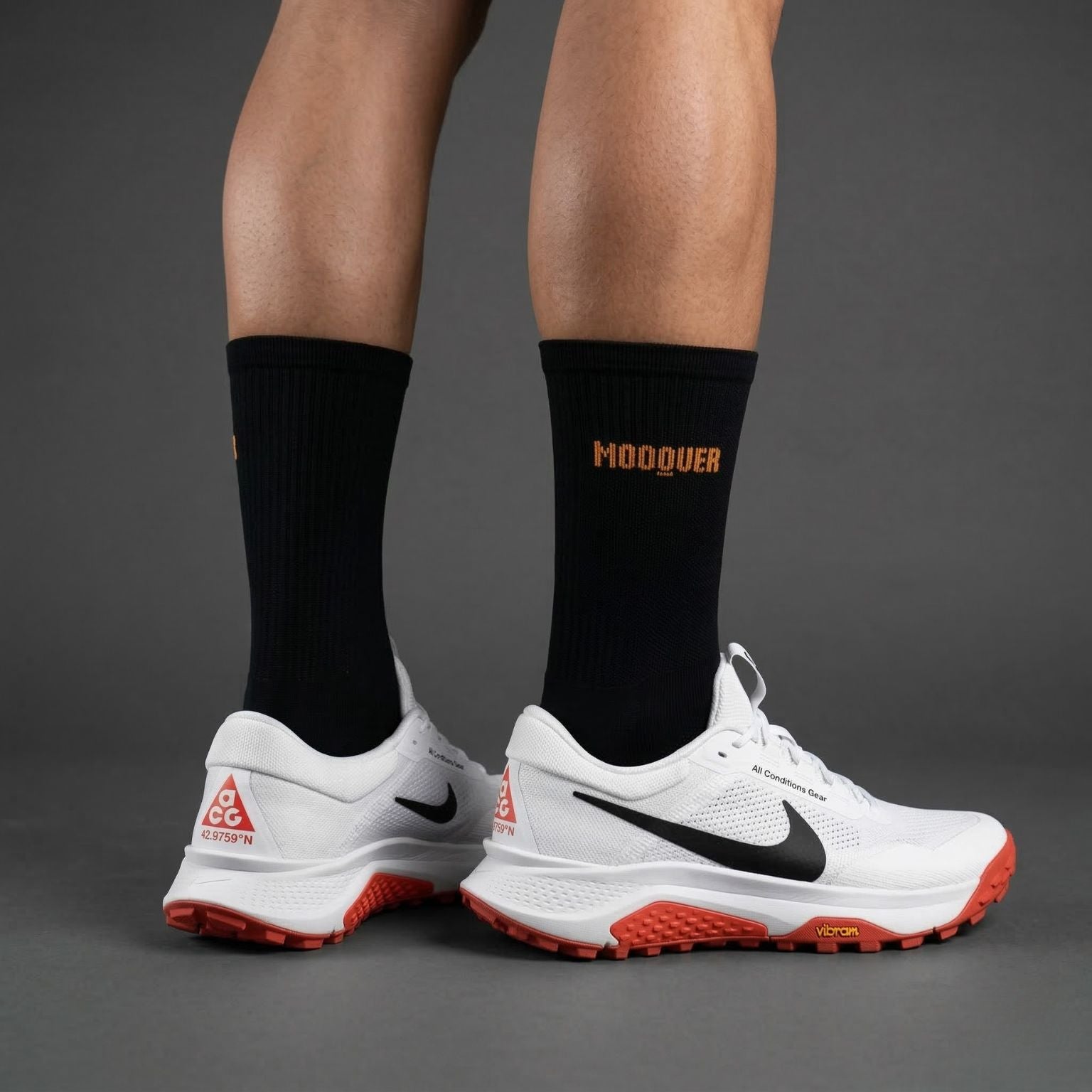
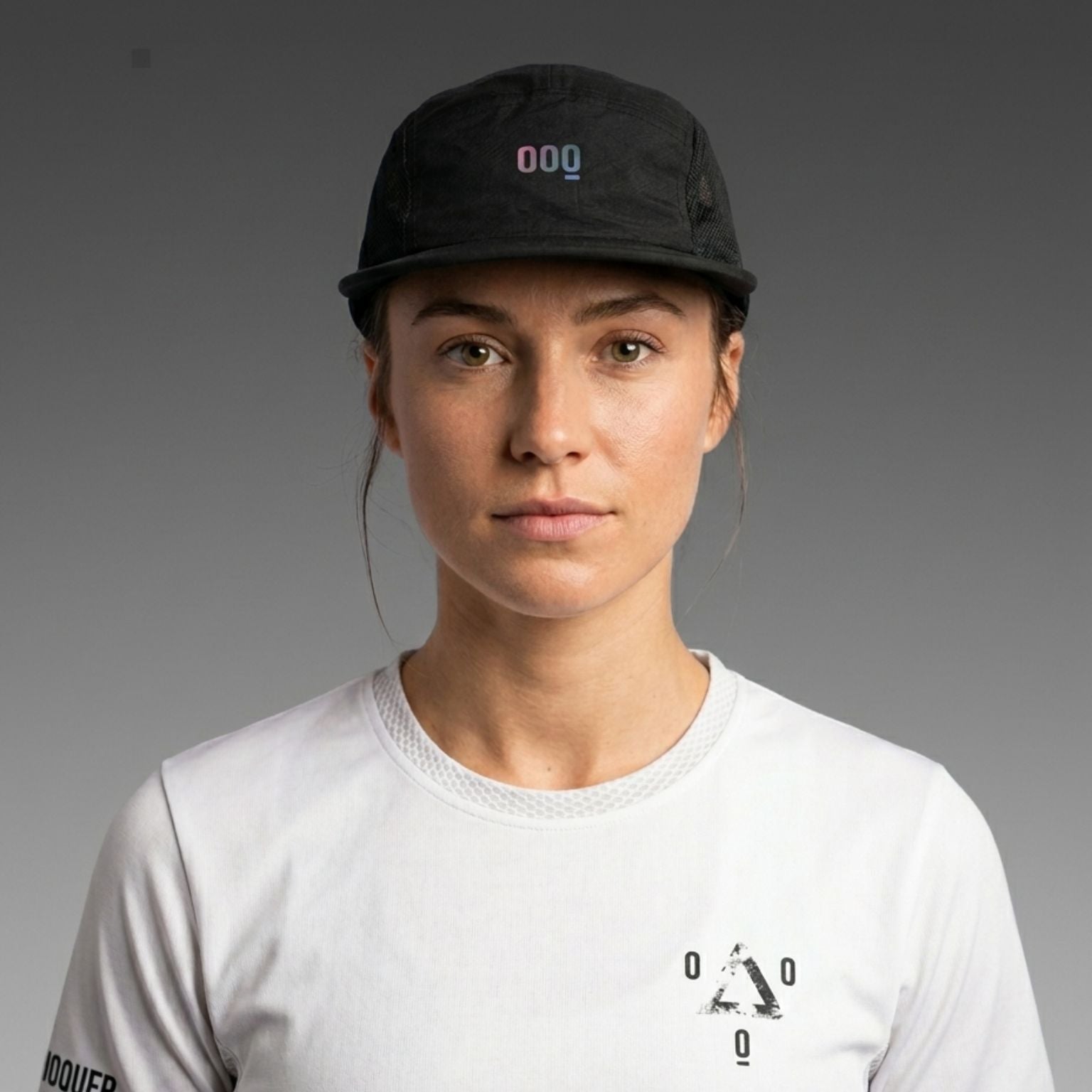
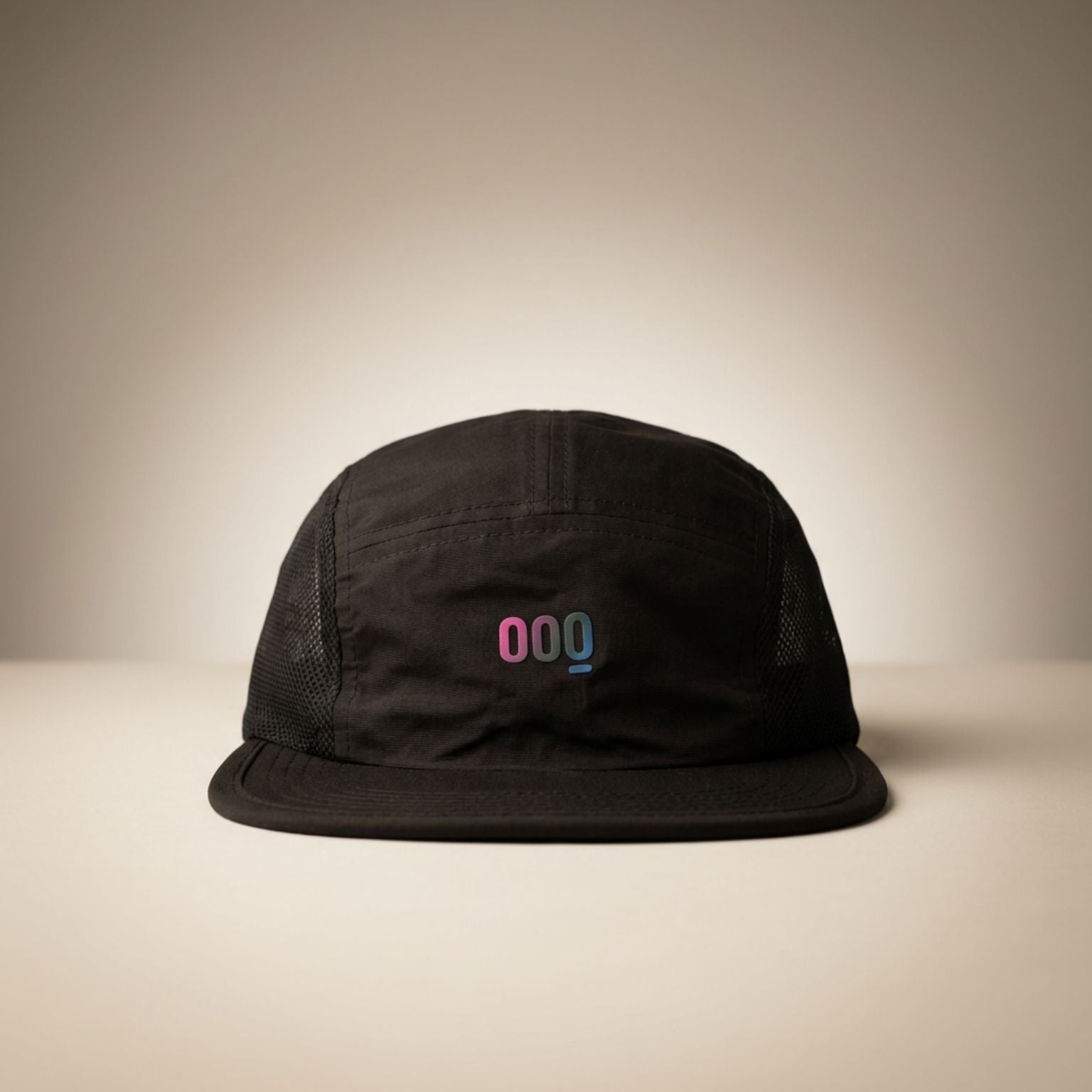
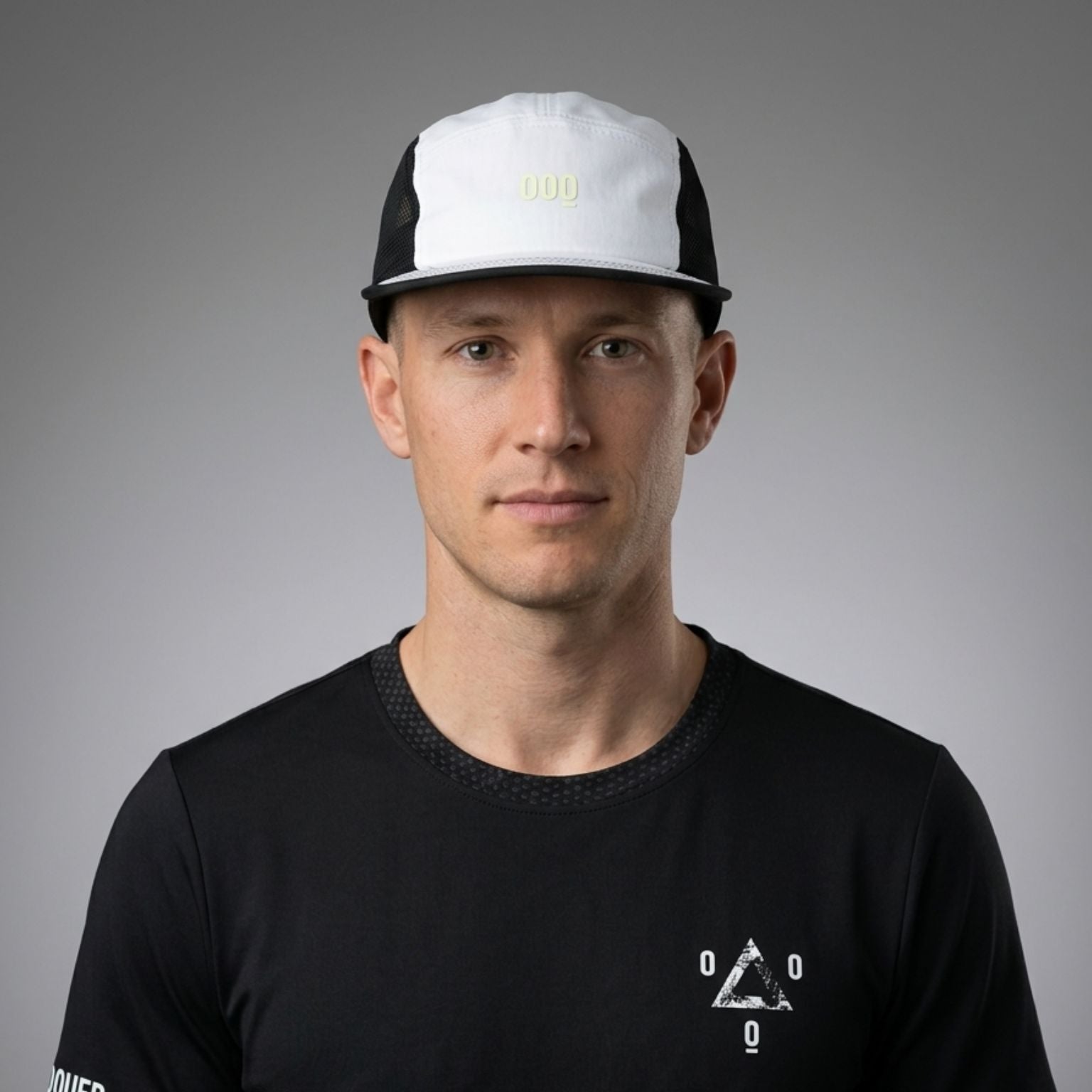
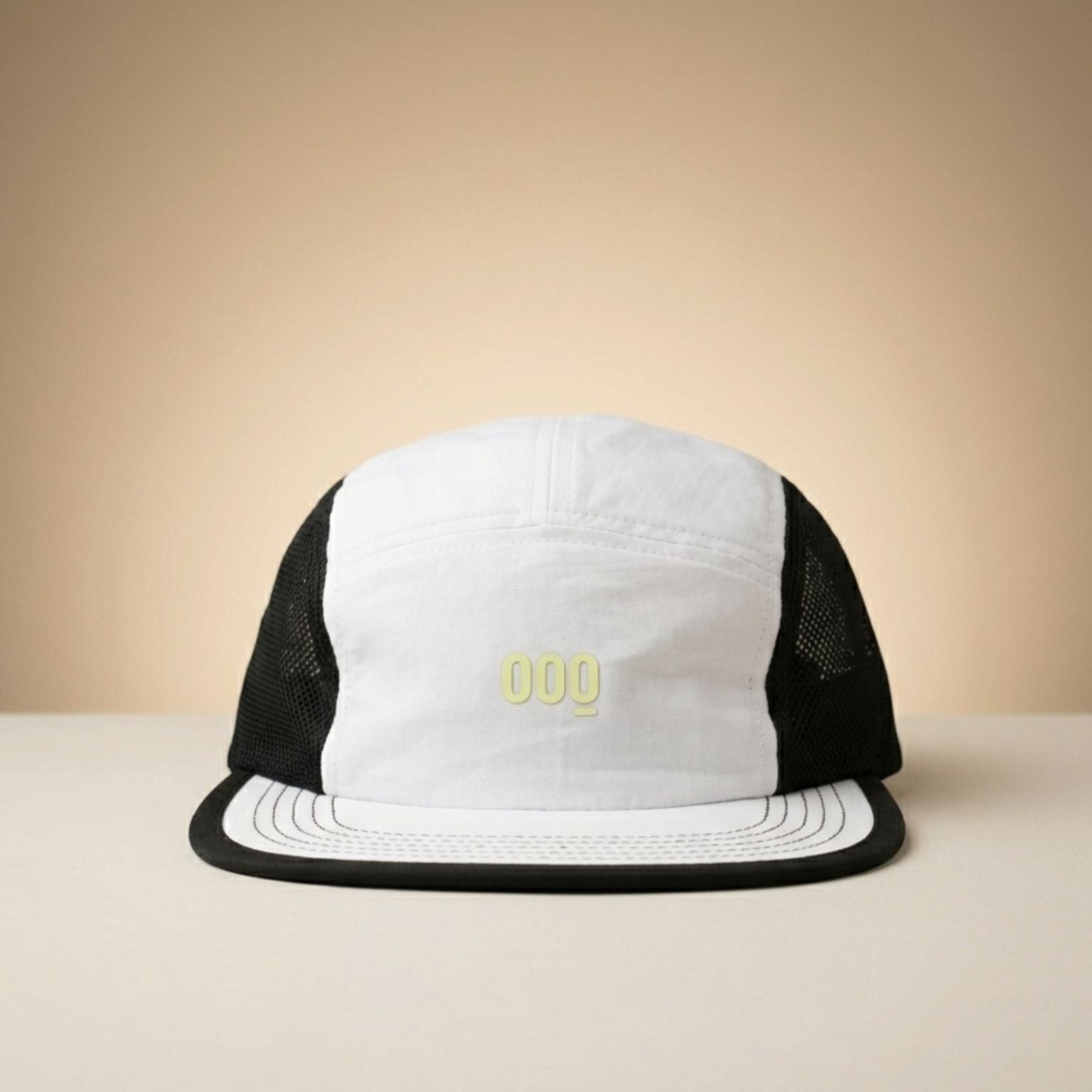
The head is the most undervalued area. It is high, at the level of a car's headlights on a curve, and is the first thing that shows up in a change of elevation. The Night Flare cap features the MOOQUER logo in orange DTF reflective material on water-repellent recycled nylon: during the day it is a black trail cap, at night it returns the light from the highest point of your body. The brim is soft and foldable, so it doesn't get in the way when you put the headlamp on top.

Seeing: the headlamp that makes sense
In the city, with streetlights, a headlamp is mainly useful so that people can see you. Outside of it, on a track or a trail, it is what decides if you get home with your ankles intact. Some guidelines that never fail:
- For lit asphalt, any lightweight headlamp with a flashing mode is fine.
- For tracks and trails, look for a beam that illuminates several meters ahead without blinding you with the reflection of condensation or rain.
- Check the battery life in the mode you are going to use, not the minimum advertised on the box.
- Carry a red rear light if you are going to run on the road. The cars that overtake you are the ones that expect you the least.
A mountain runner's trick: the headlamp on the head flattens the terrain because the light comes almost from your eyes and does not cast shadows. If you run on technical trails at night, a second light at waist height brings the relief back to the stones.
What clothes to wear for running at night
At night it is colder and the humidity drops. In Asturias, moreover, drizzle is almost the norm in November. The layering logic is the same as we told you in what to wear for running in the cold, with two nighttime nuances: light-colored garments help in areas with streetlights and reflective details must remain visible, not covered by a layer on top.
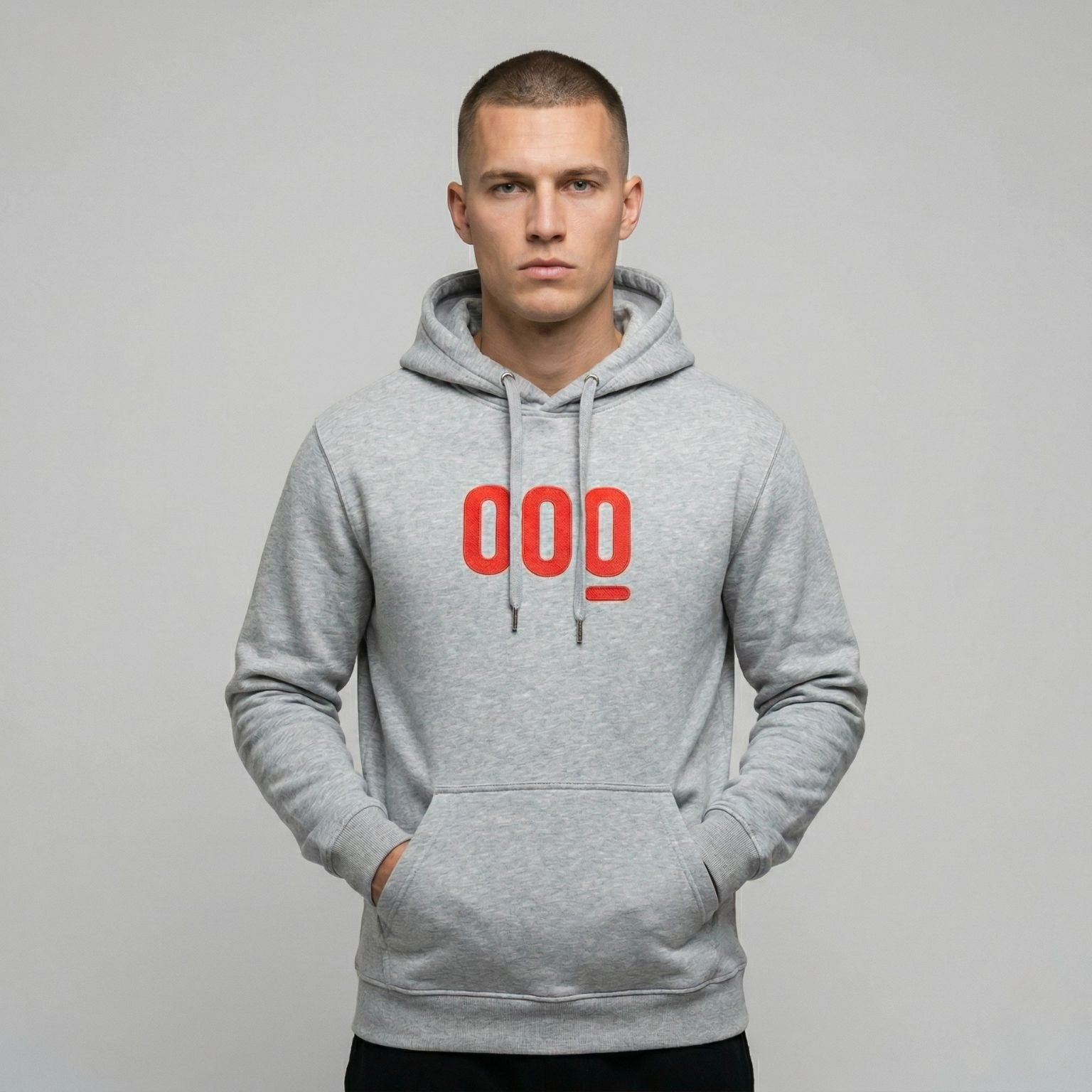
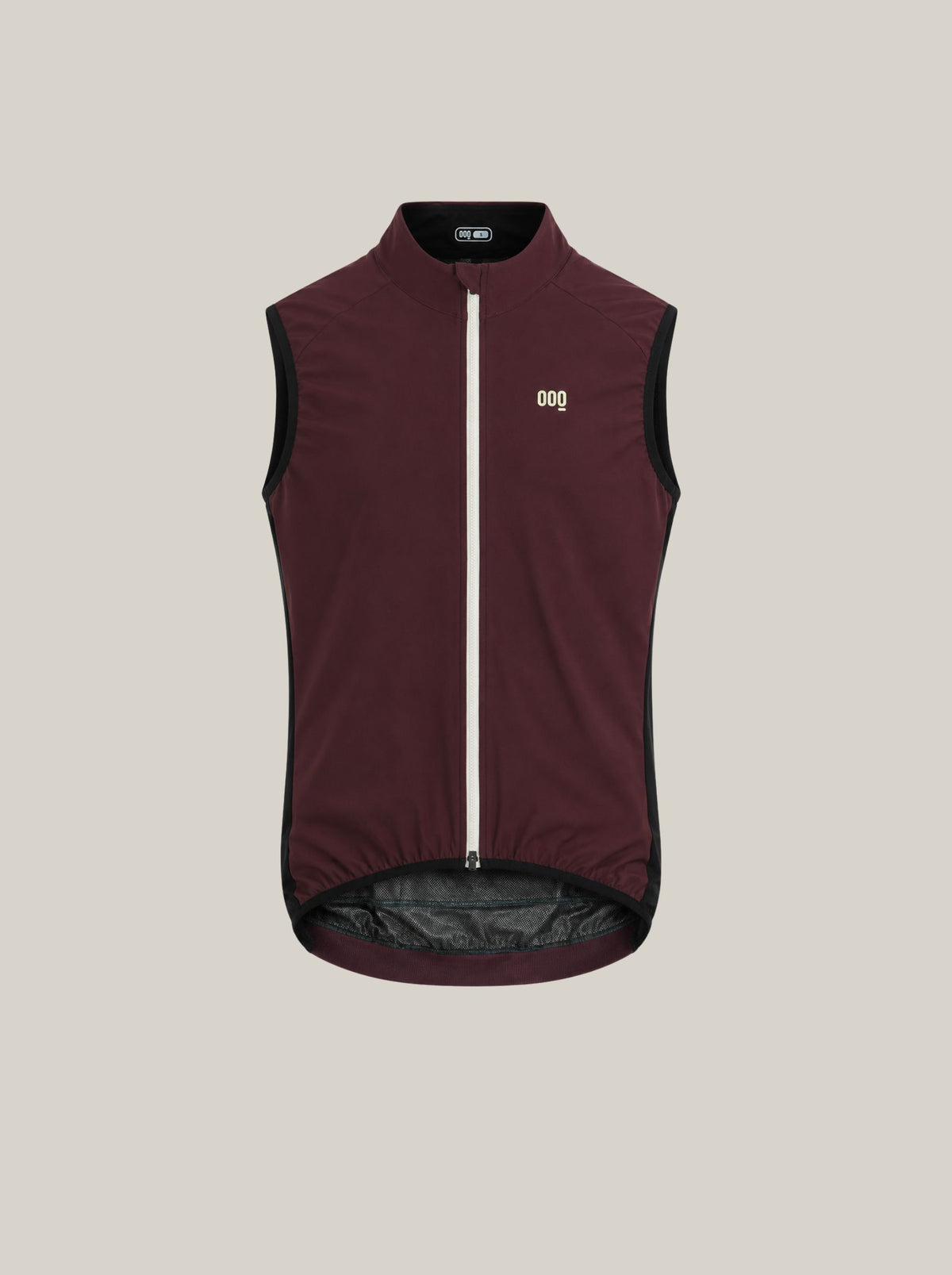
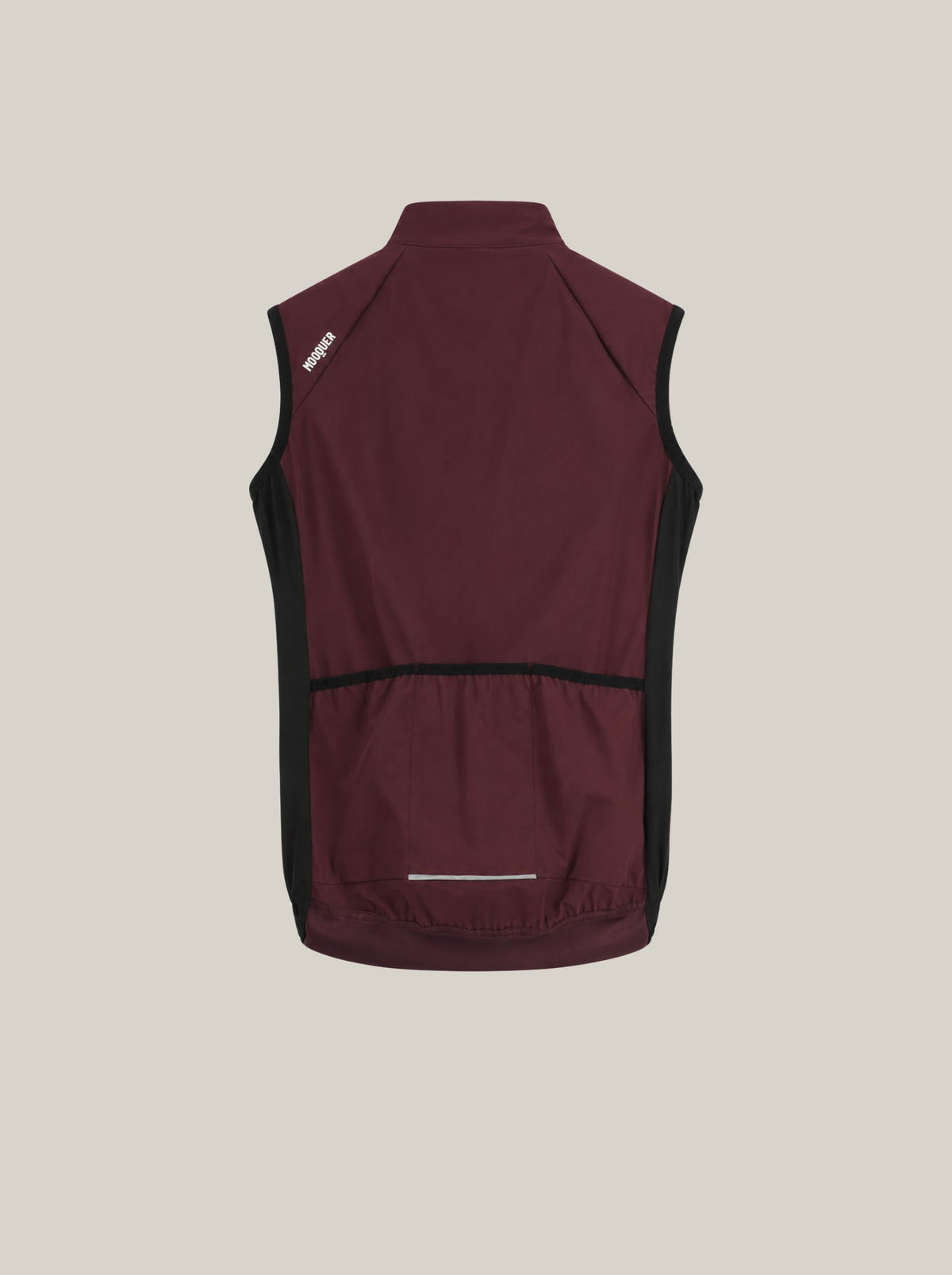
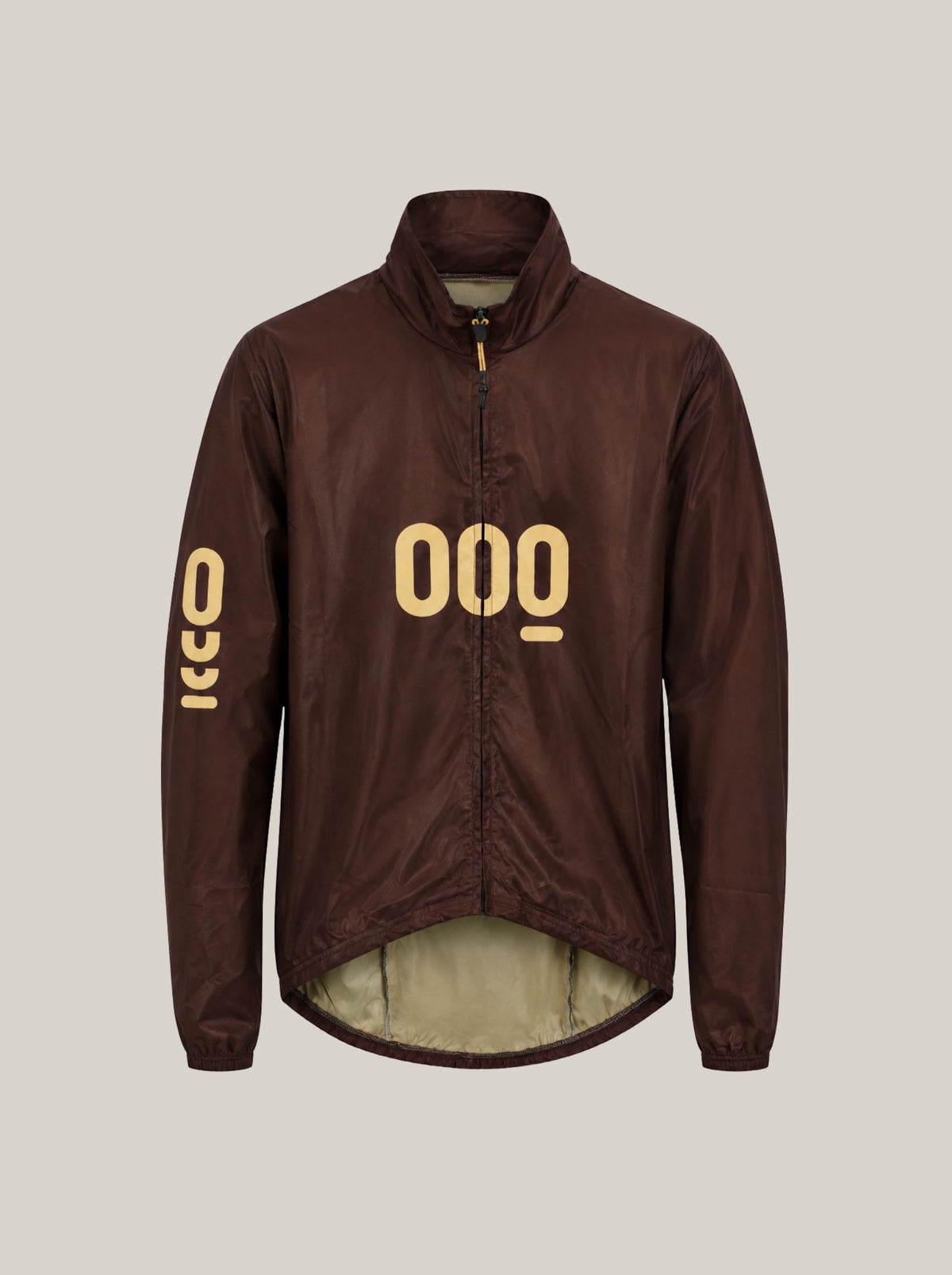
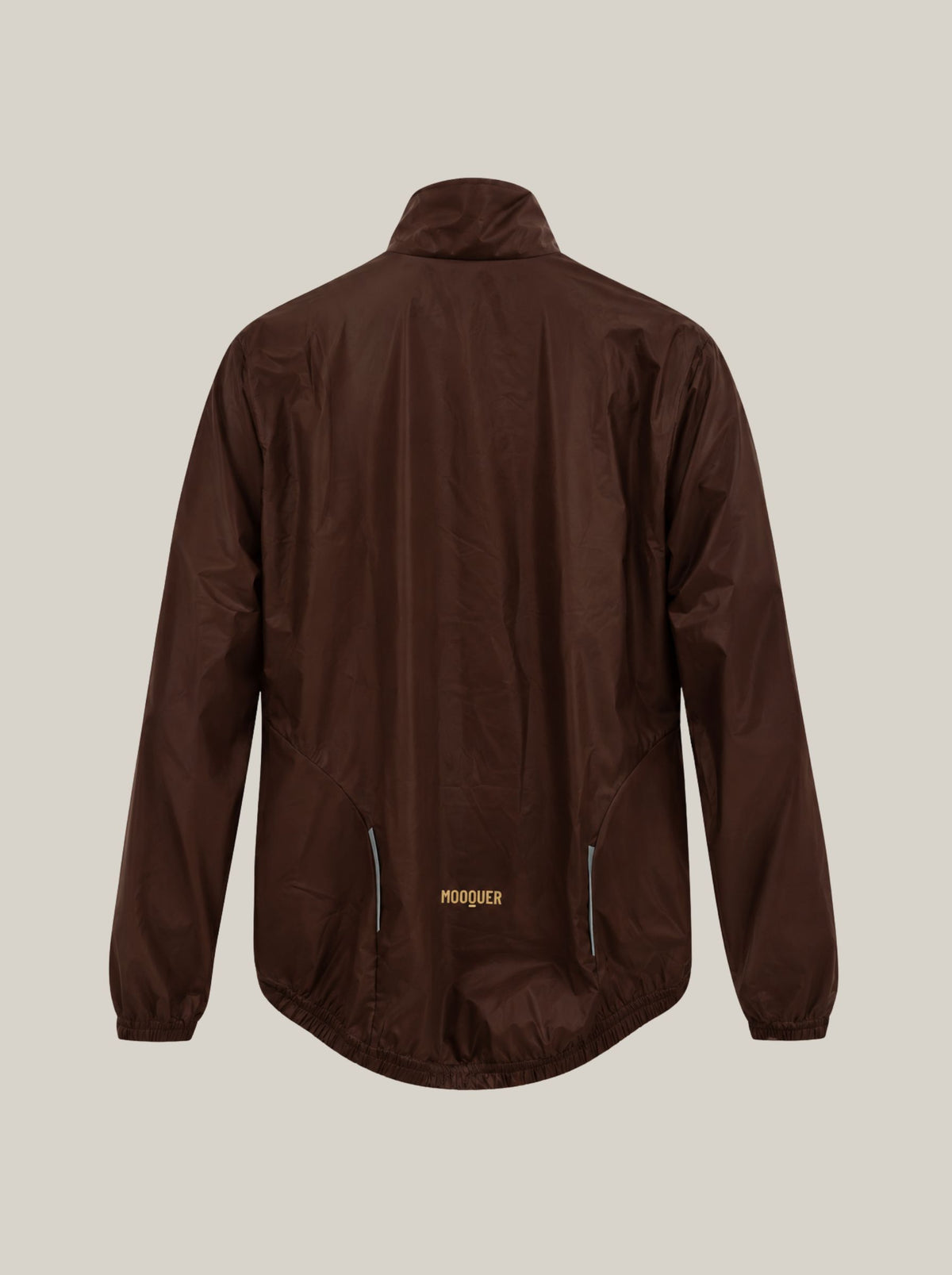
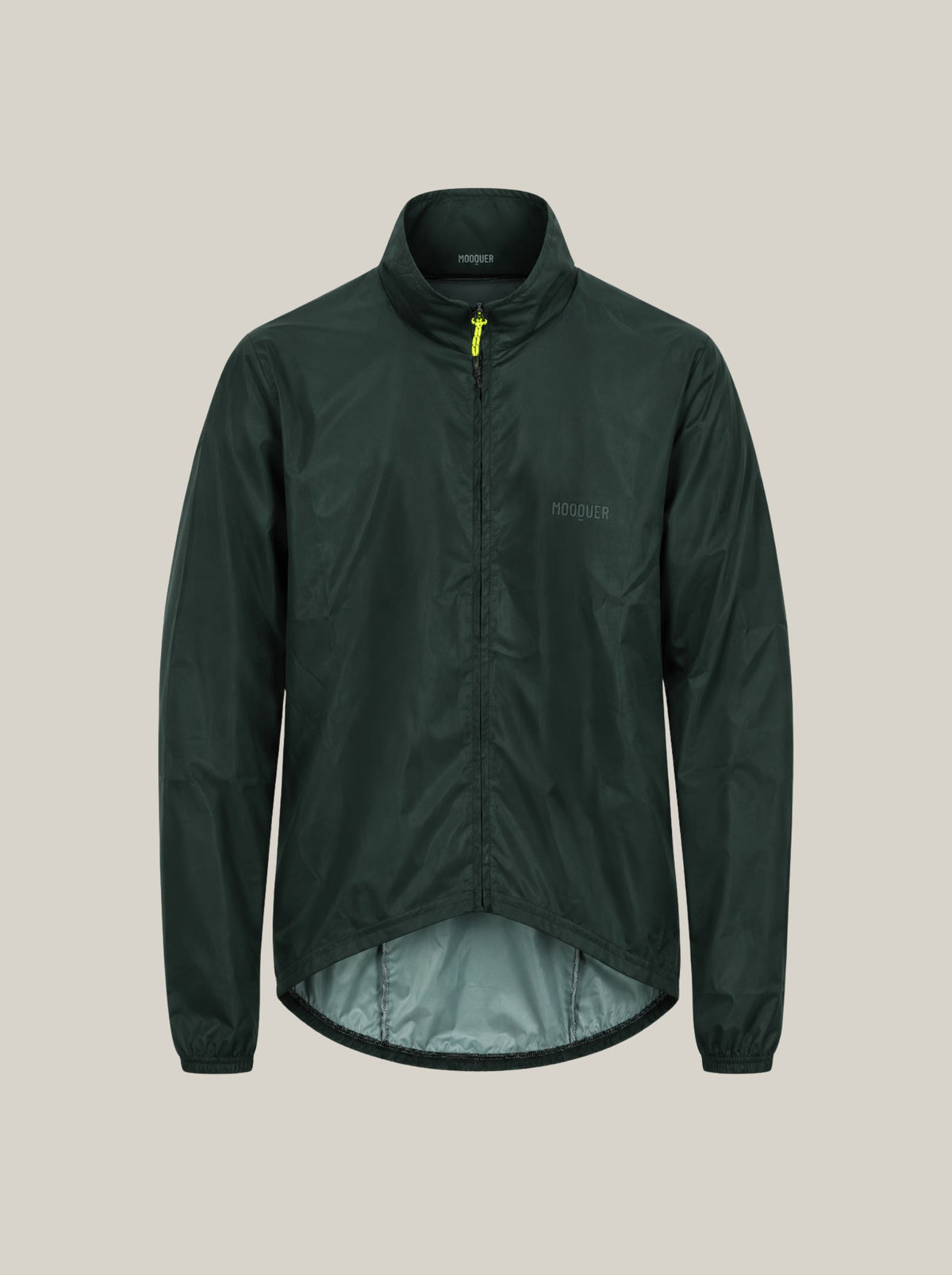
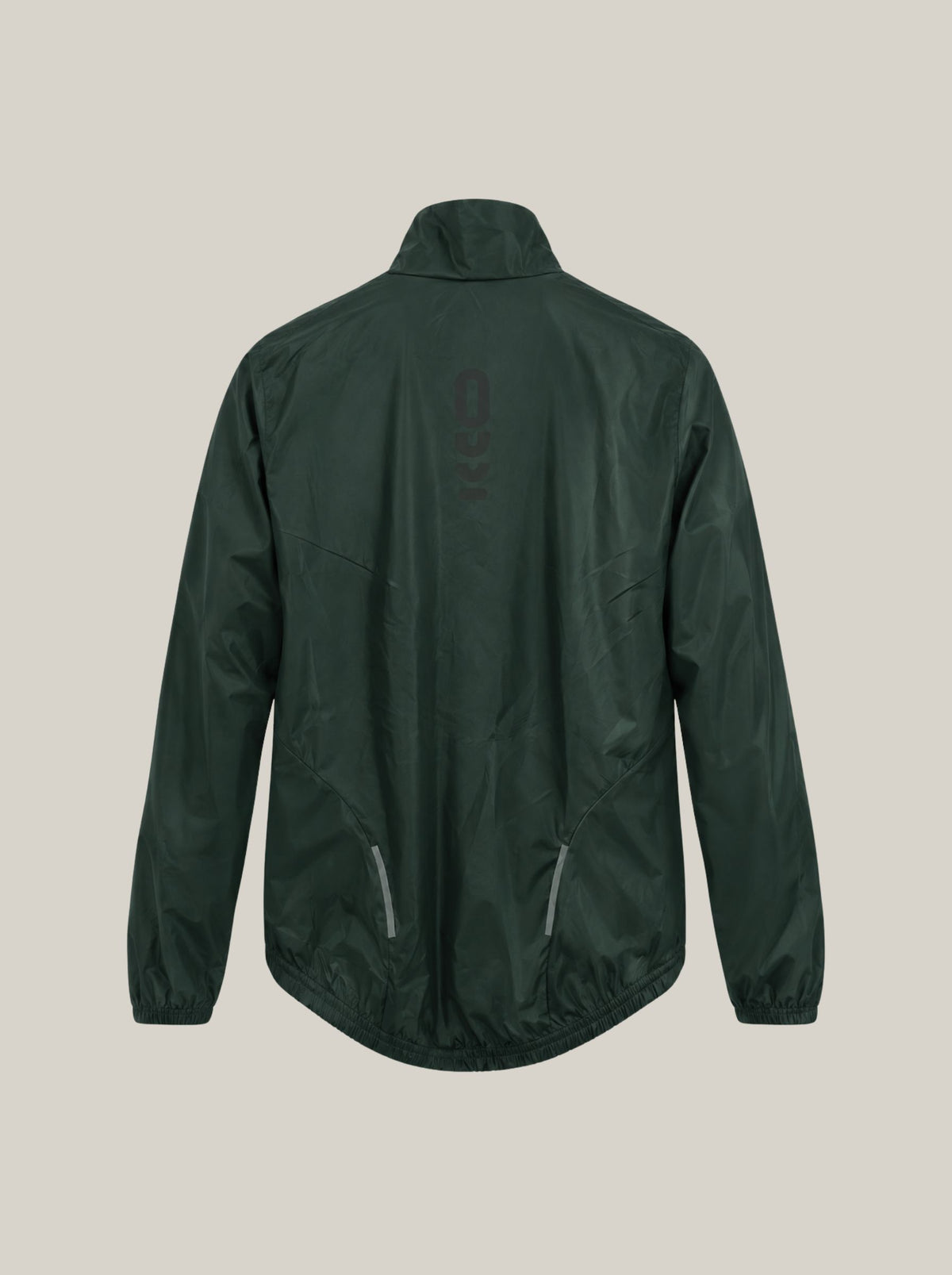
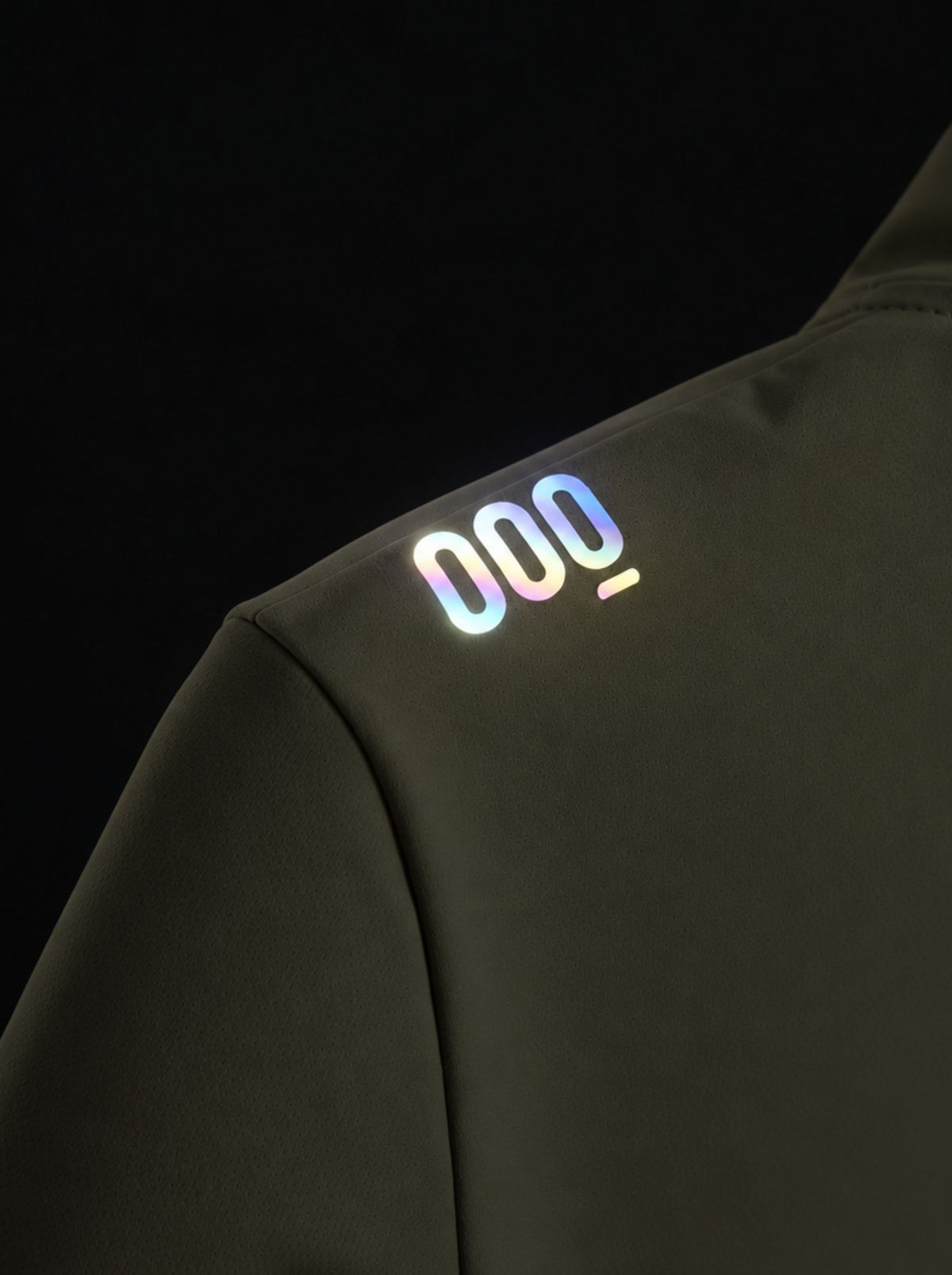
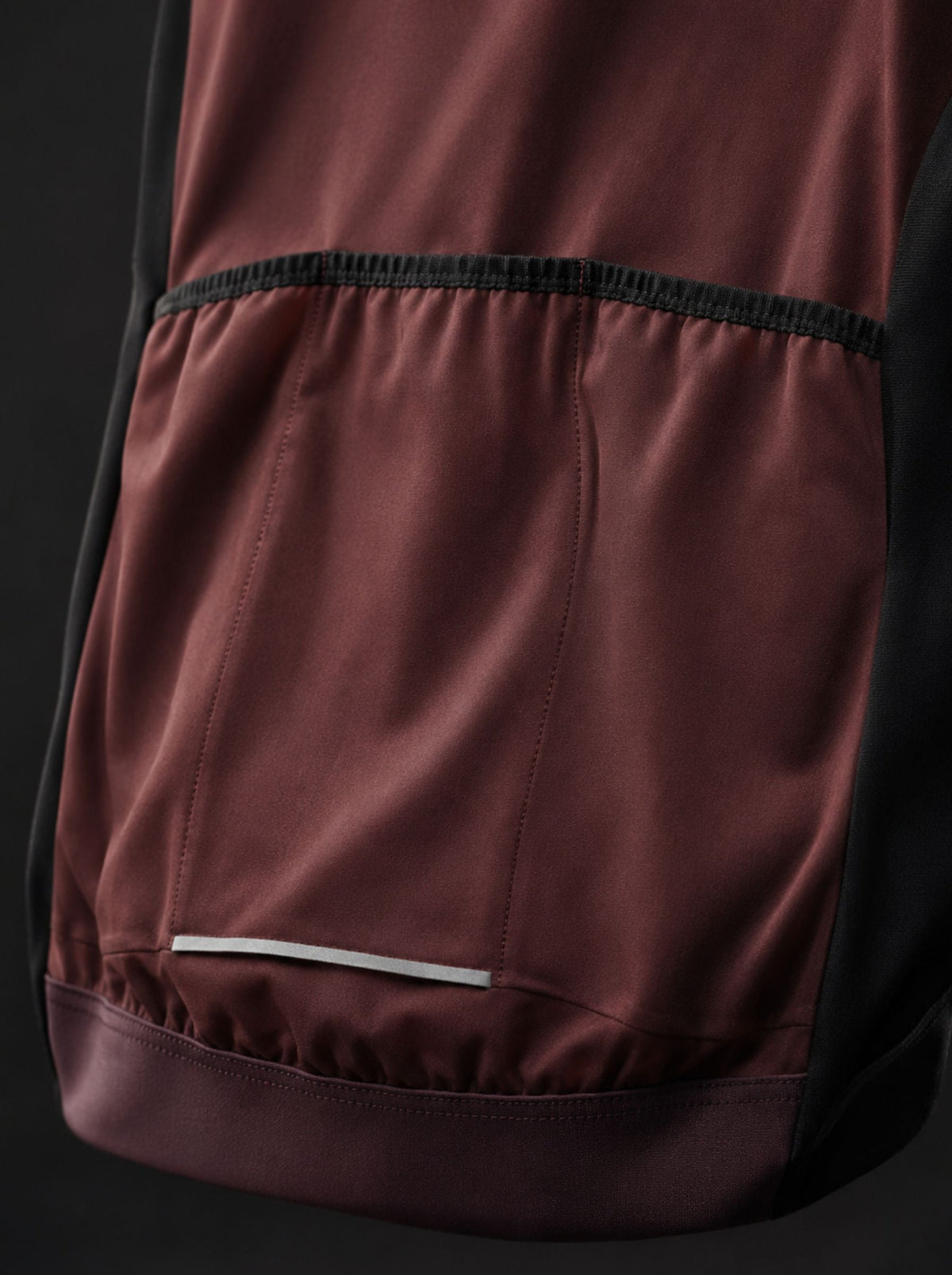
That's why it makes sense for the outer layer to be the one with the reflective material. The Mist Corsa windproof jacket is designed for cycling, but the fabric itself and the weight work the same when running: it cuts the wind, lets the drizzle slide off, has reflective trim and the OOQ logo on the back in reflective DTF, which during the day is barely distinguishable on the gray and at night returns the light from headlights. It folds up to fit in a pocket, so you can leave without wearing it and take it out when it gets cold.

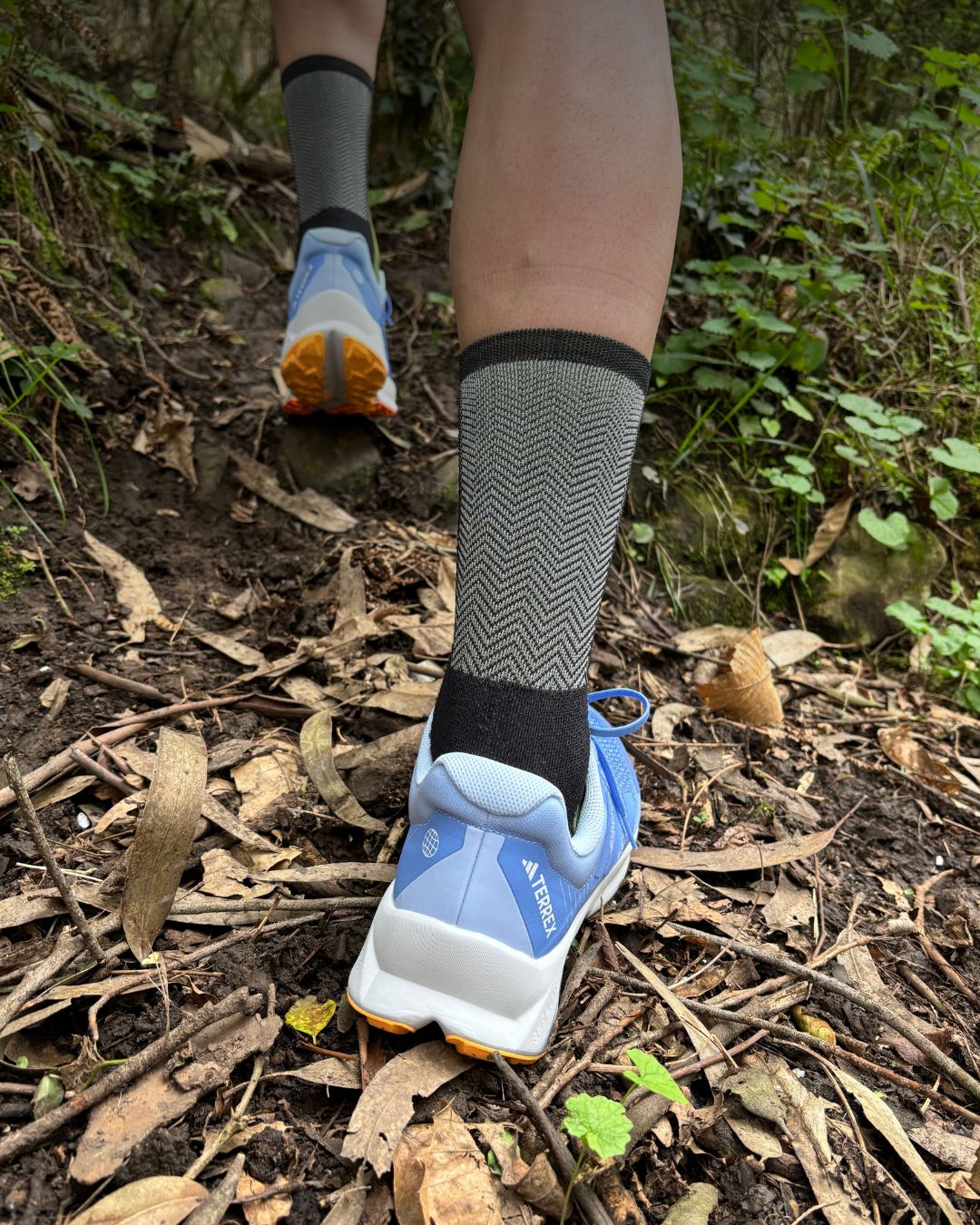
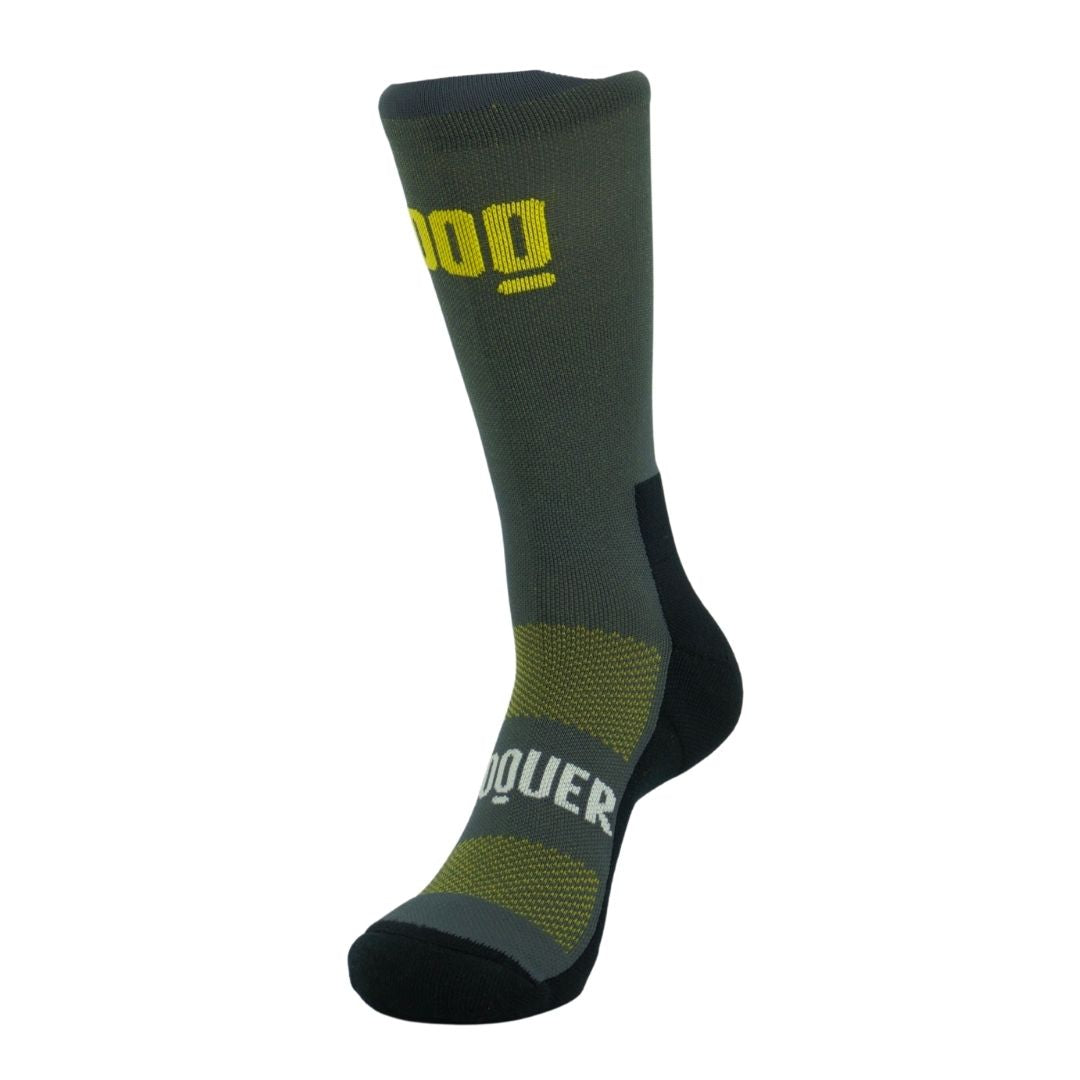
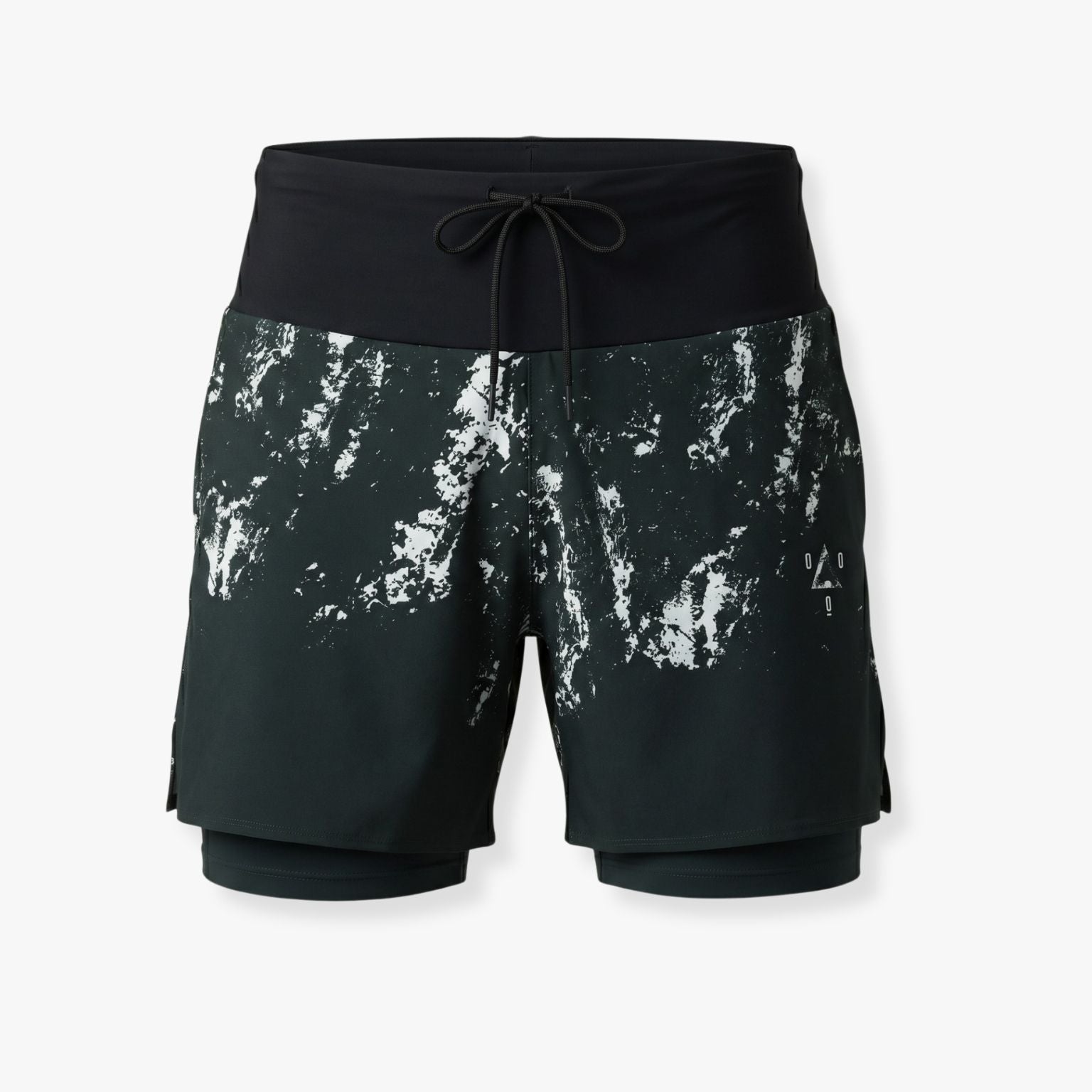
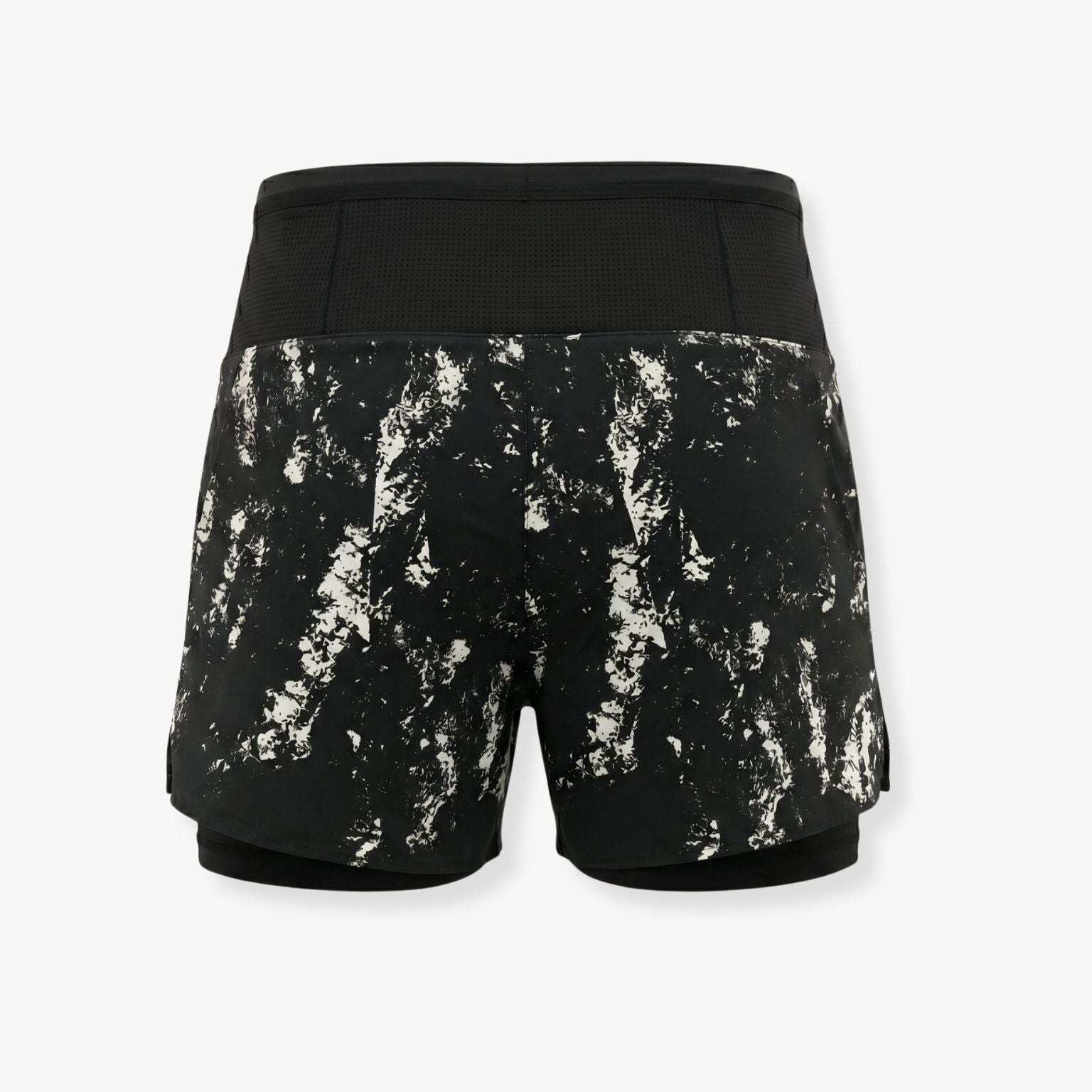
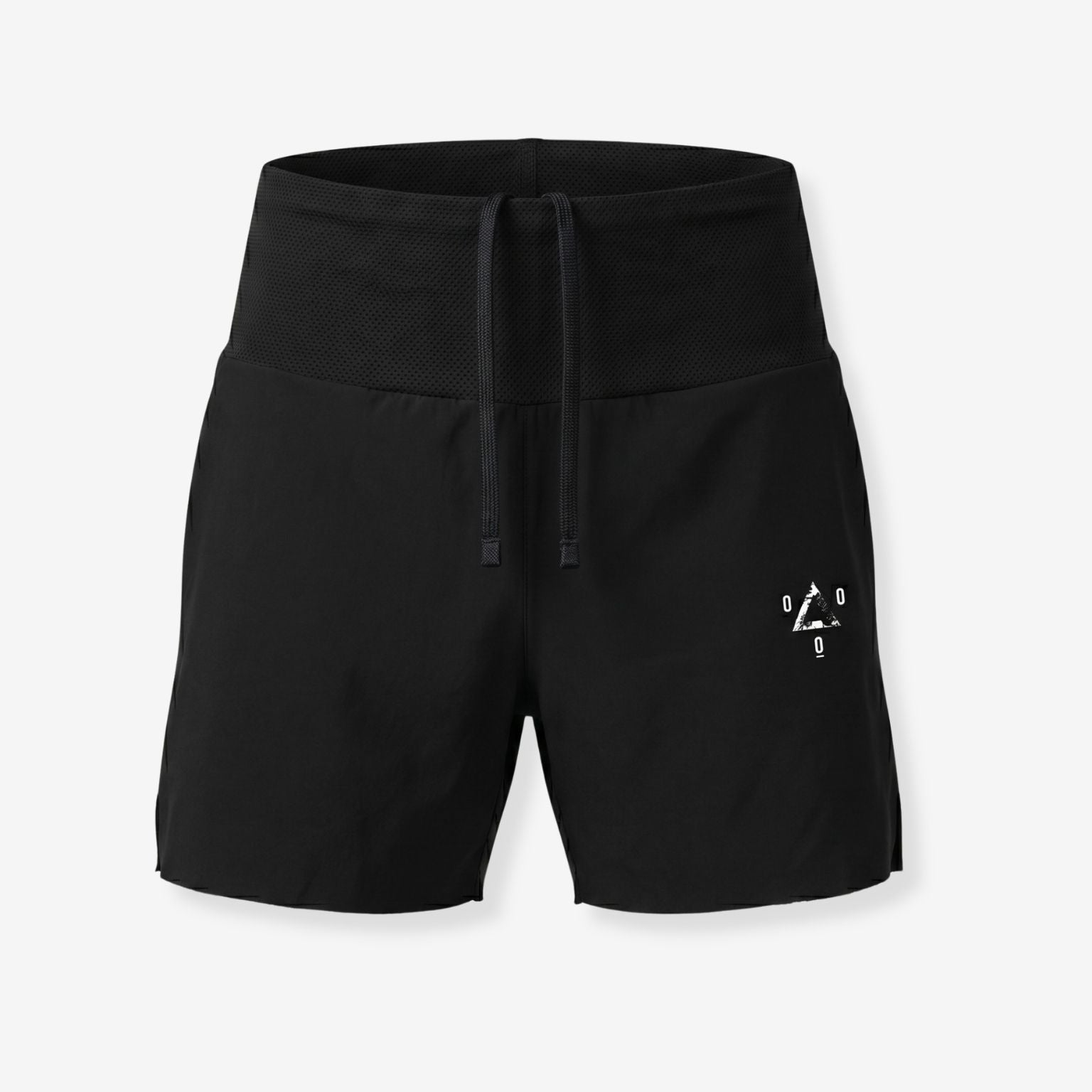
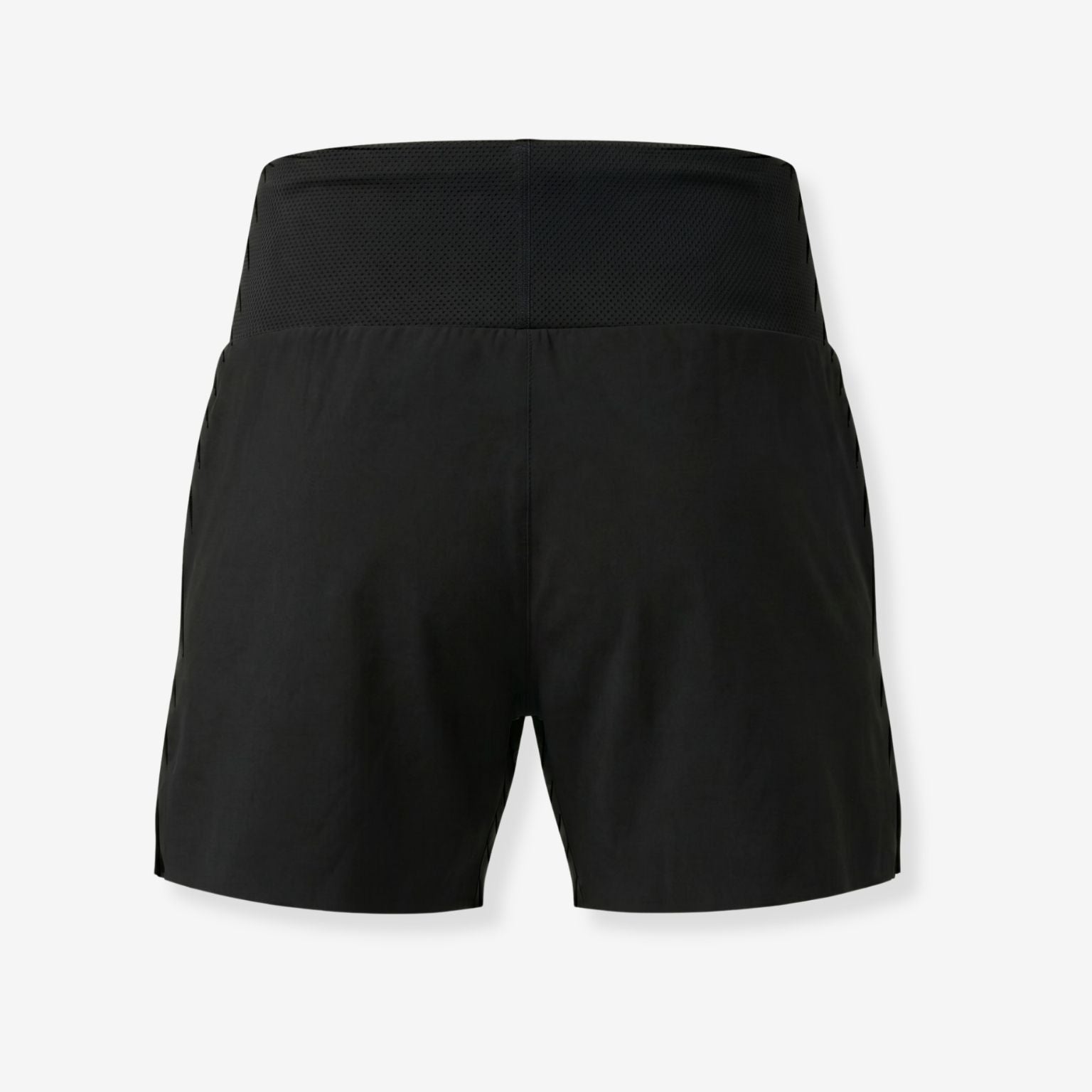
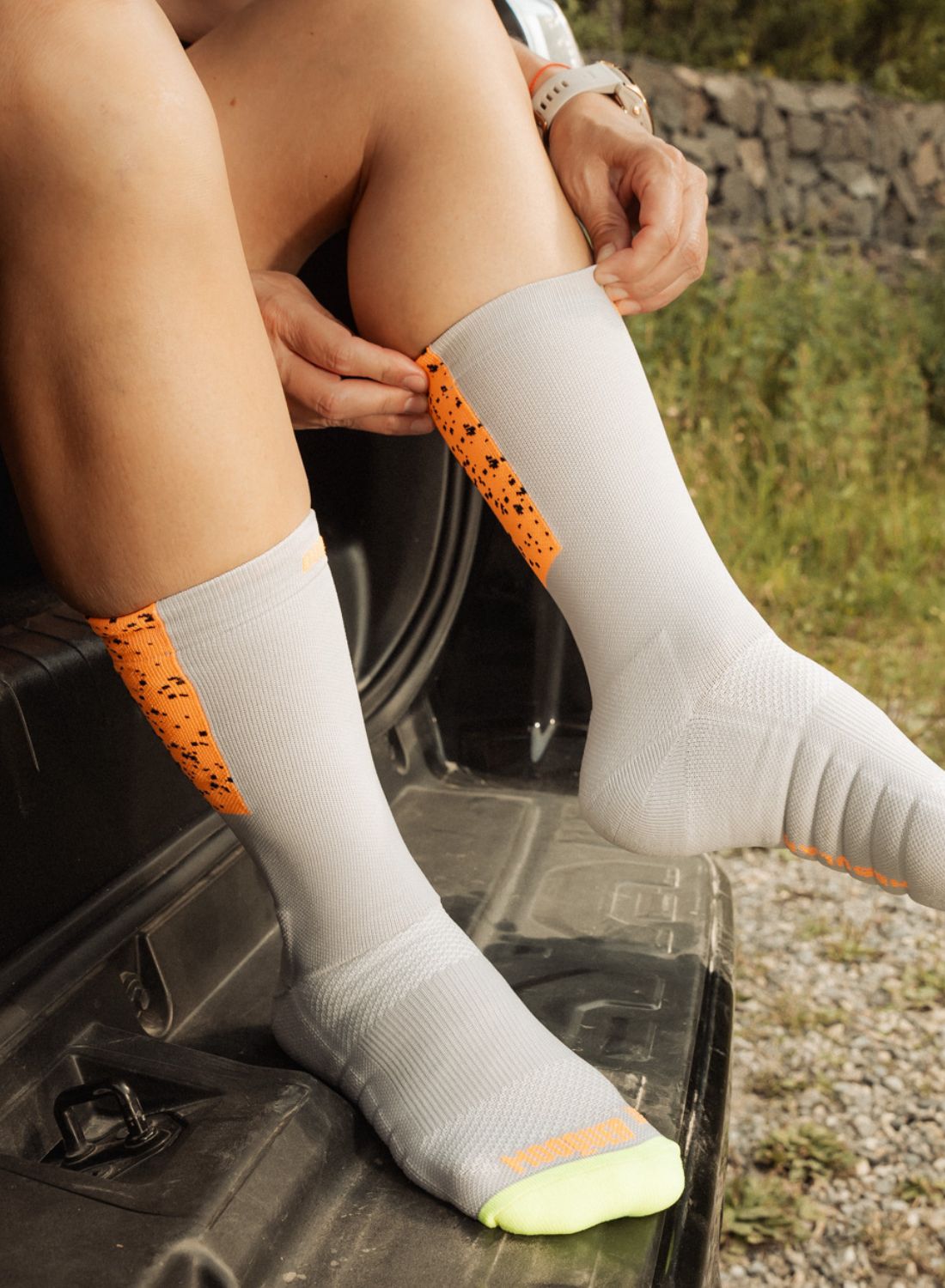
For the rest of the gear, the Mooquer technical running clothing follows the same rule as any winter outing: fabric that wicks away sweat and no cotton against the skin.
Route and habits: what you don't buy
The best material does not compensate for a bad route. At night it is best to choose known circuits, with sidewalks or separate lanes, and reserve the road without a shoulder for the day. Running facing traffic when there is no sidewalk allows you to see what is coming and move aside. Headphones, if you use them, should let ambient sound through: at night your ear warns you before your eyes.
And let someone know where you are going to go. It seems like common sense, but most nighttime scares have nothing to do with cars, but with a twisted ankle three kilometers from home and a phone without battery due to the cold.
If you want to try it with company, the San Silvestre de Oviedo is run at night through the center every December 31. It is the easiest way to check how much the feeling of pace changes when you don't see the horizon.
If it gets dark before you finish working, start with what has the most effect: a reflective dot on the head and another on the ankles. Everything else adds up later.
Frequently asked questions
Is it mandatory to carry reflective material for running at night?
Outside of town, if you run on the roadway or shoulder between sunset and sunrise, yes: Article 123 of the General Traffic Regulations requires a luminous or reflective element visible from 150 meters. In the city it is not mandatory, but it remains the most effective way for people to see you.
What color of clothing is seen best at night?
Without light, none stands out too much: fluorescent works during the day and at dusk. At night what is seen is the reflective material, especially if it is in moving areas, such as ankles, wrists, and head.
Is it bad to run at night?
No. The body performs the same or even better late in the afternoon, when body temperature is higher. The risks are visibility and terrain, and they are reduced with reflective material, a headlamp, and a known route.
Is cycling clothing useful for running at night?
Outer layers yes, if the cut lets you move. A lightweight windbreaker with reflective material works the same on a bike as running; very tight garments or with heavy back pockets, less so.







Leave a comment
This site is protected by hCaptcha and the hCaptcha Privacy Policy and Terms of Service apply.