





Running in the Cold: What to Wear and How to Get Out Without Suffering
When running in the cold, the rule is to start out feeling a little chilly: if you're comfortable at the front door, you'll be overheating by mile two. Warm your hands, head, and feet first, as that's where you lose heat. Wear thin layers you can take off, and plan what you'll do when you stop, because that's when the cold really sets in.
The rest is just a matter of adjustment.
The first-mile rule
The most common mistake in winter isn't being too cold. It's being too warm. You head out bundled up as if you were going for a stroll, and within ten minutes you're drenched in sweat. When you slow down or stop at a traffic light, that sweat cools against your skin. That's when you start to suffer.
Running generates a lot of heat in a very short time. That's why the benchmark isn't the temperature on the thermometer, but how you'll feel from mile two onwards. The first few minutes have to be a little uncomfortable. If they aren't, you're wearing one layer too many.

What to wear according to the temperature
This is the chart we use as a starting point. It's not set in stone: it depends on your pace, the wind, the humidity, and how sensitive you are to the cold. But if you're in doubt, it'll help you avoid making too many mistakes.
| Temperature | Top | Bottom | Accessories |
|---|---|---|---|
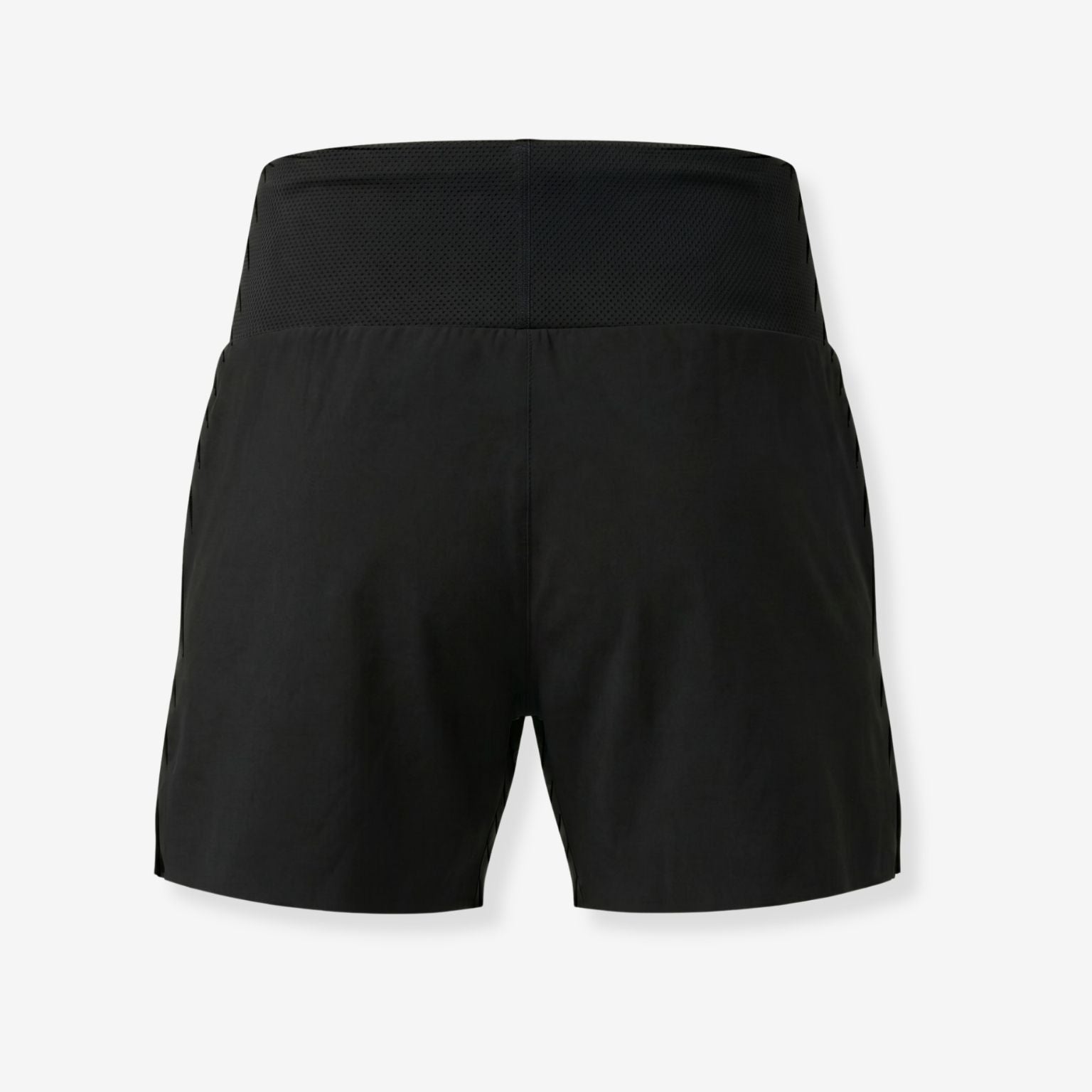
| Above 12°C | Short-sleeved technical t-shirt | Shorts | Nothing special |
| 7 to 12°C | Thin long sleeves, or short sleeves with a windbreaker in your pocket | Shorts or three-quarter tights | Cap or headband |
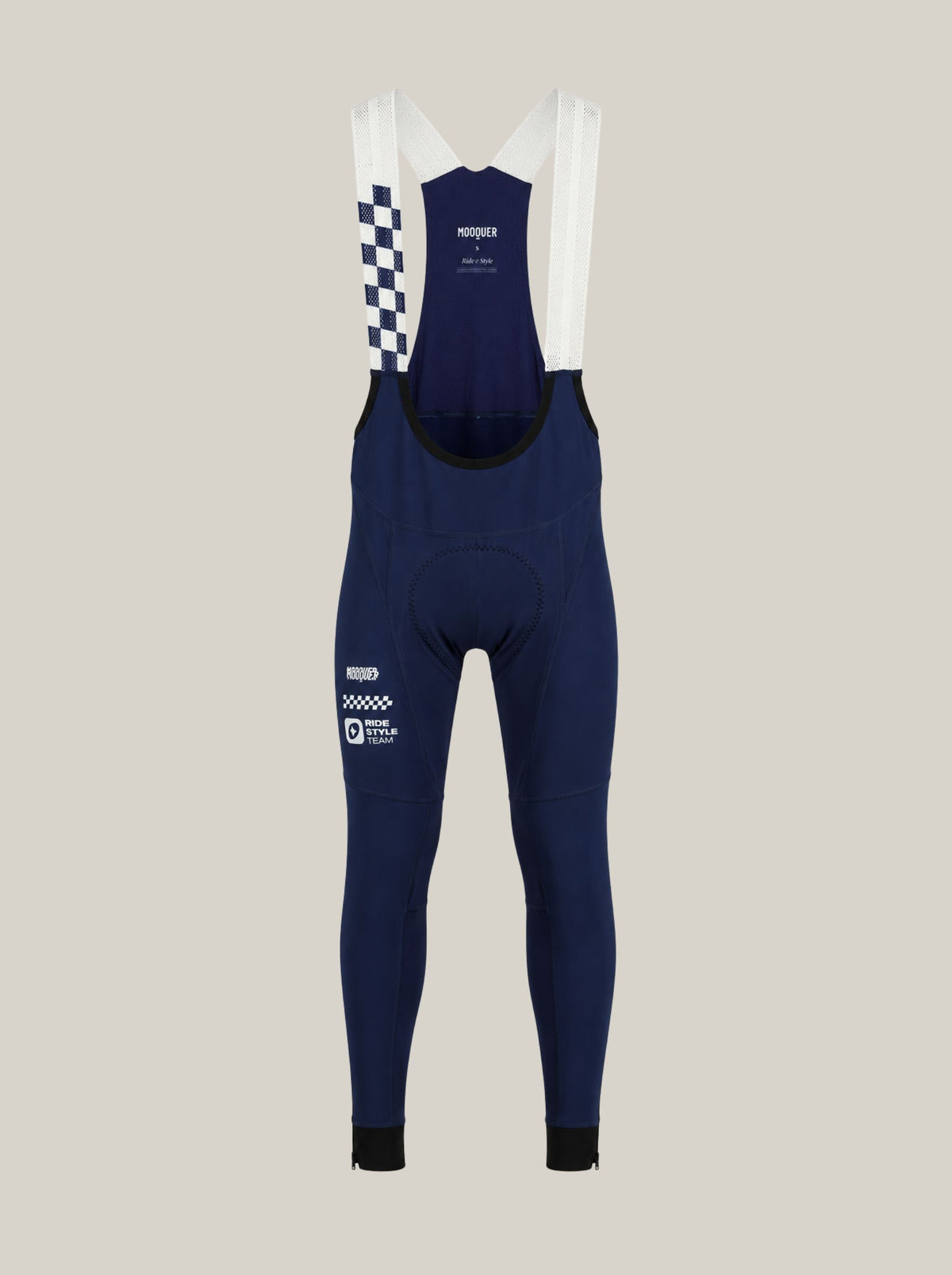
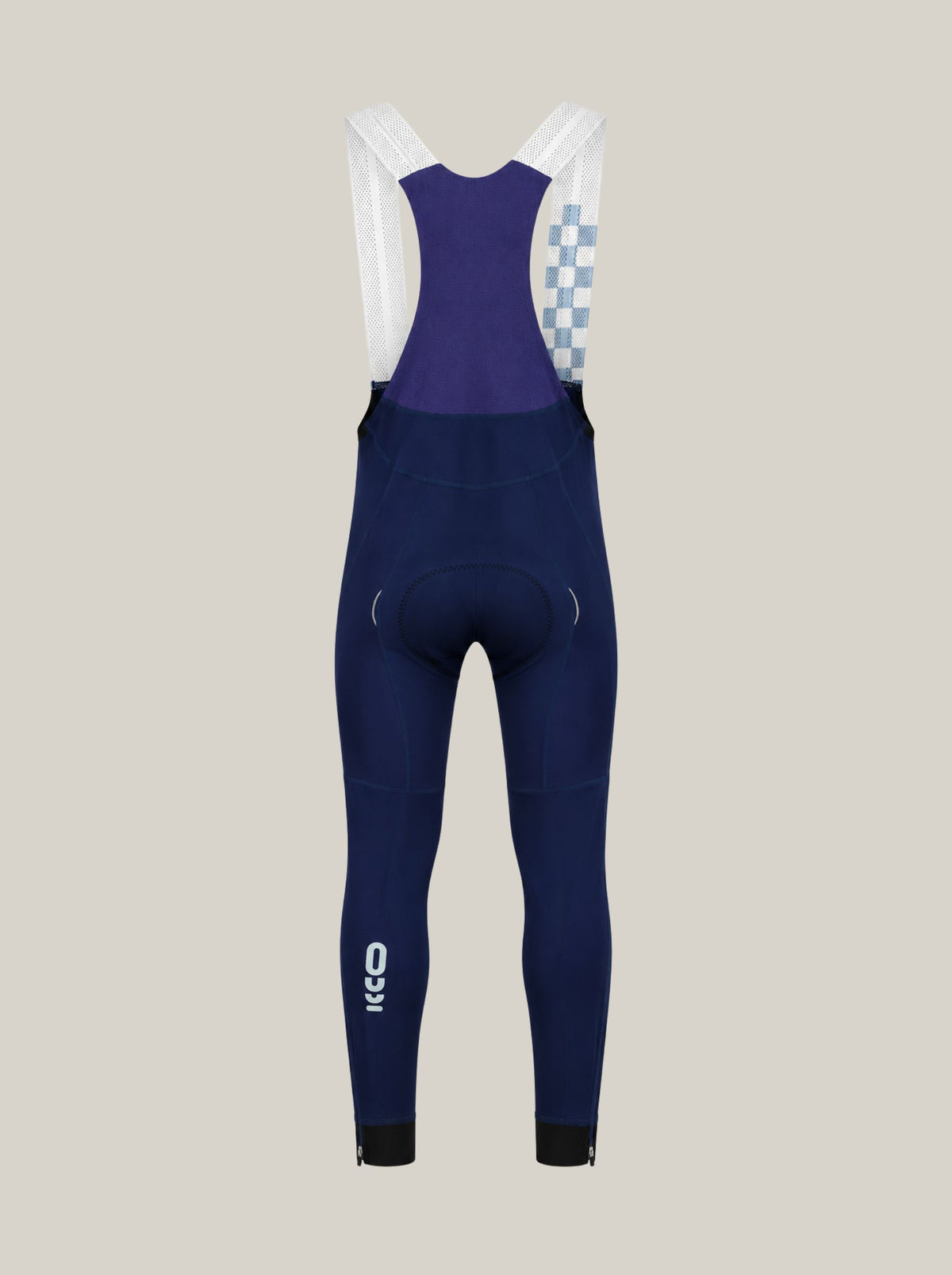
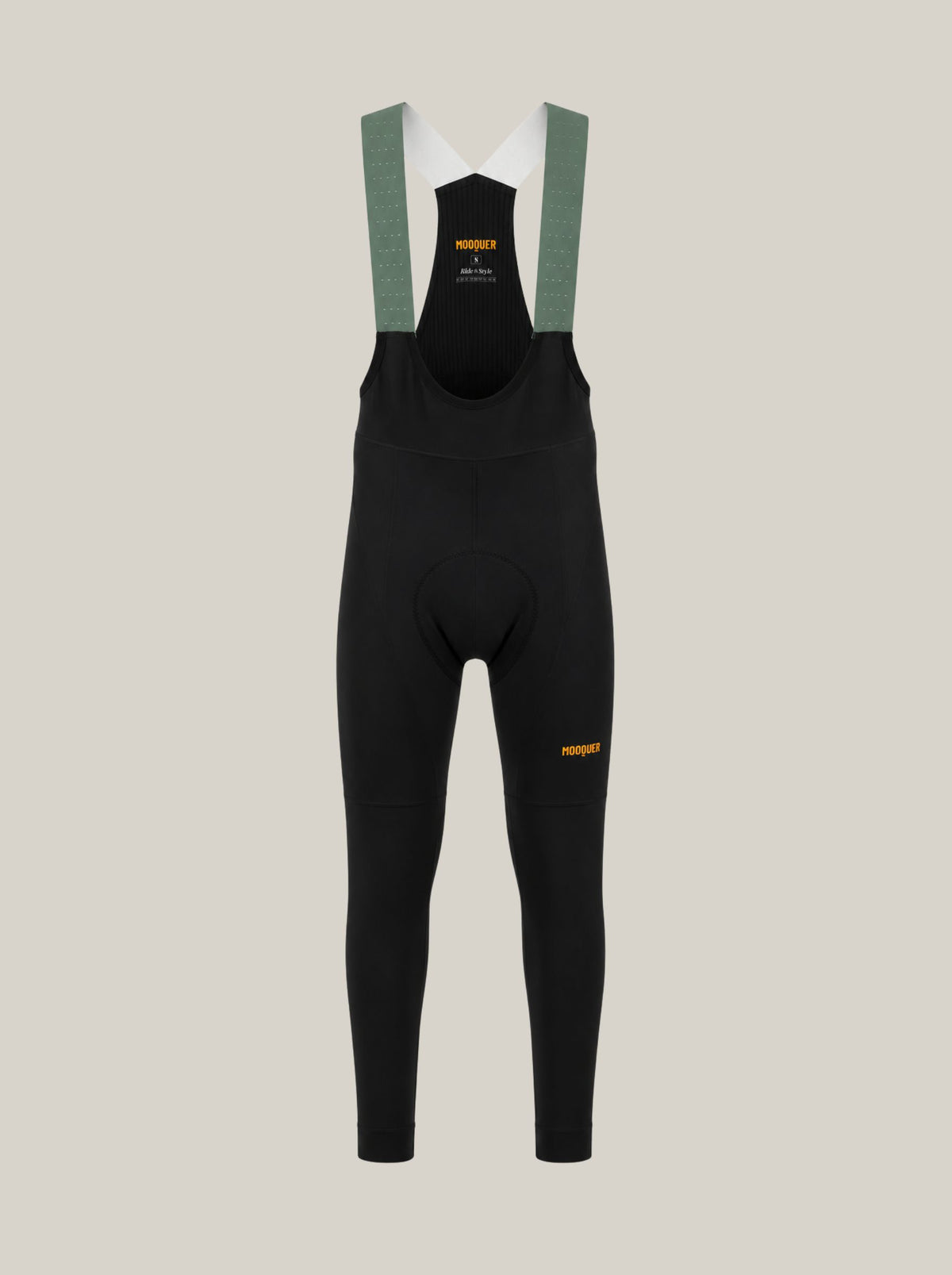
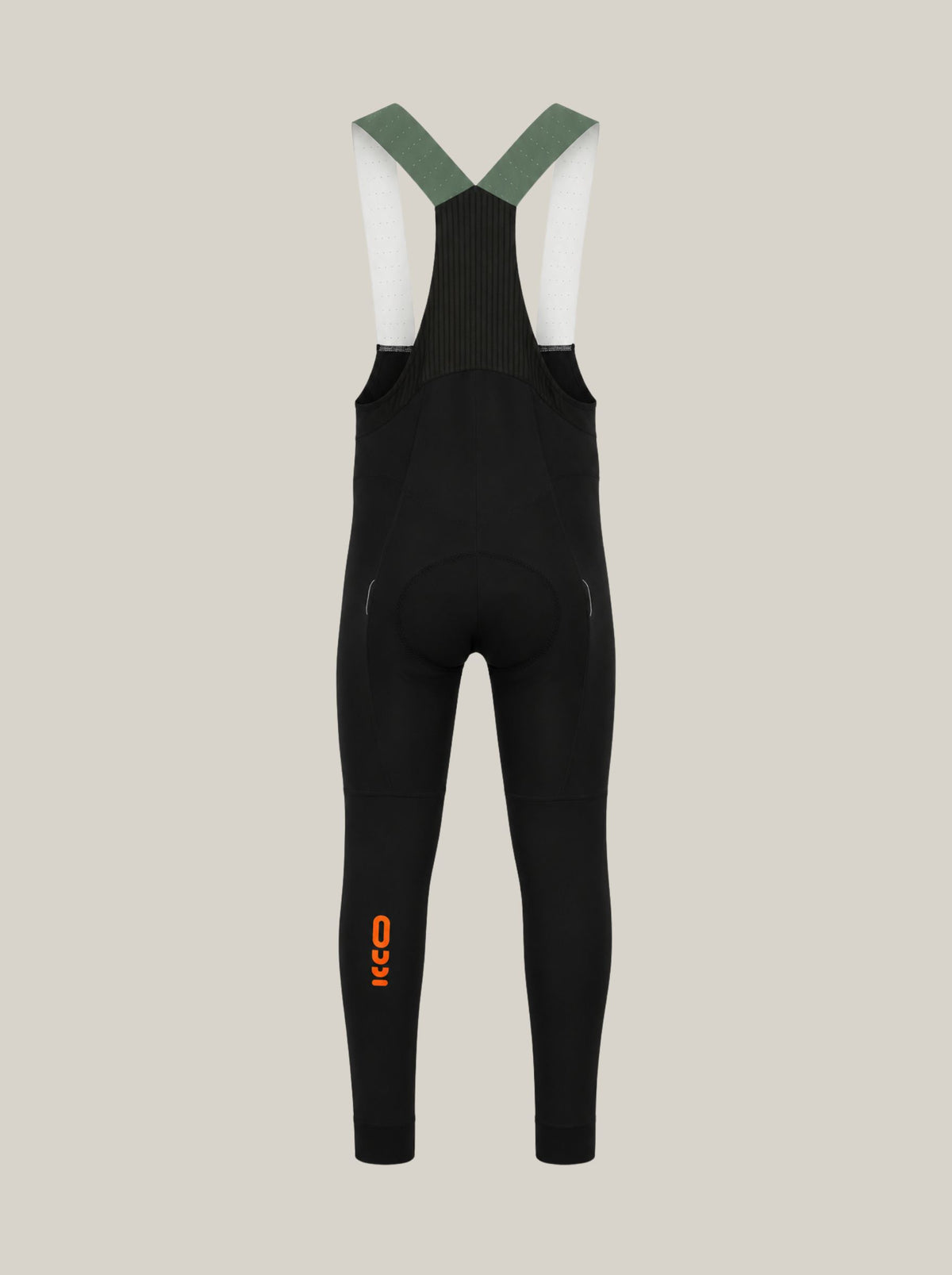
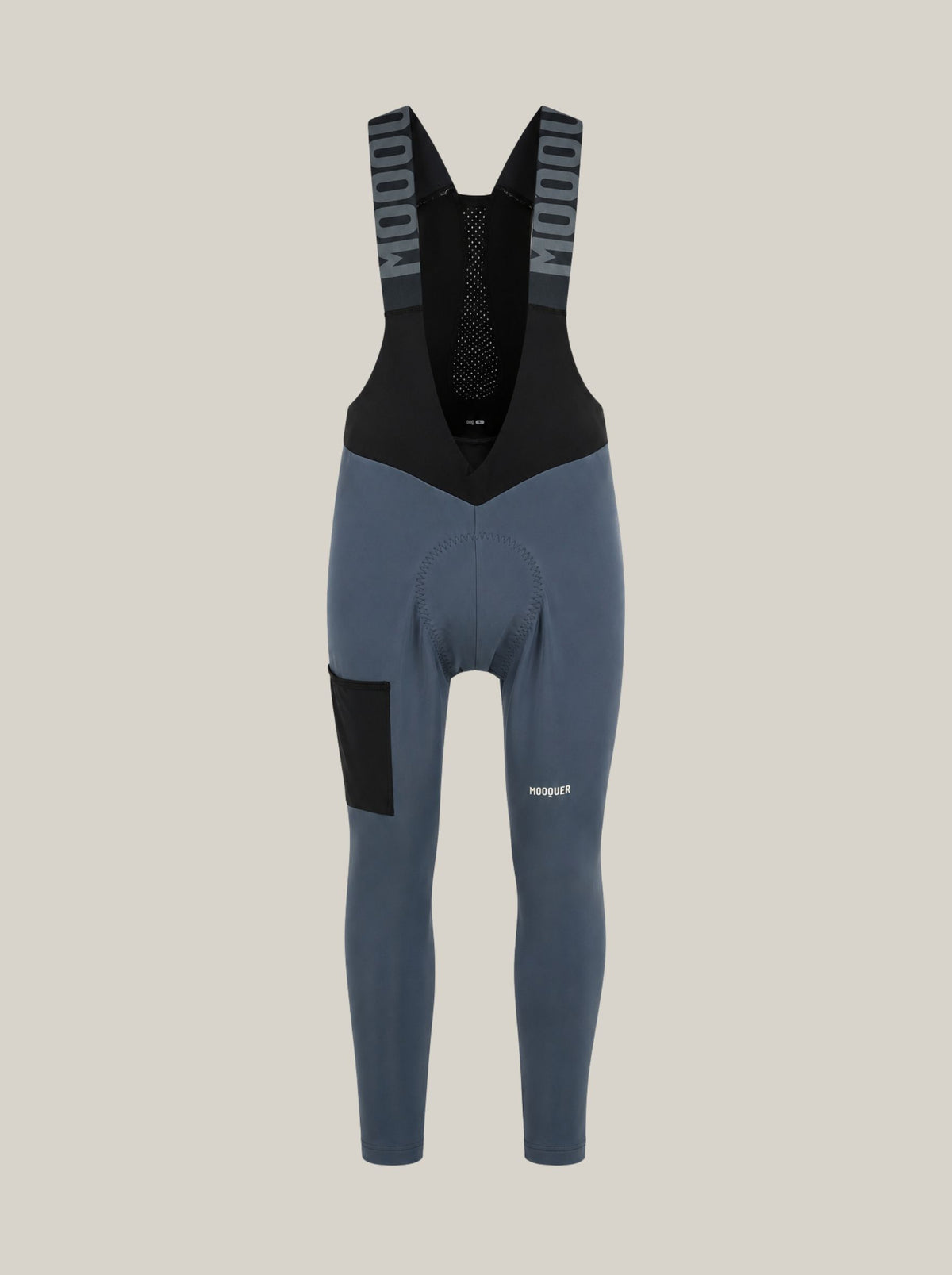
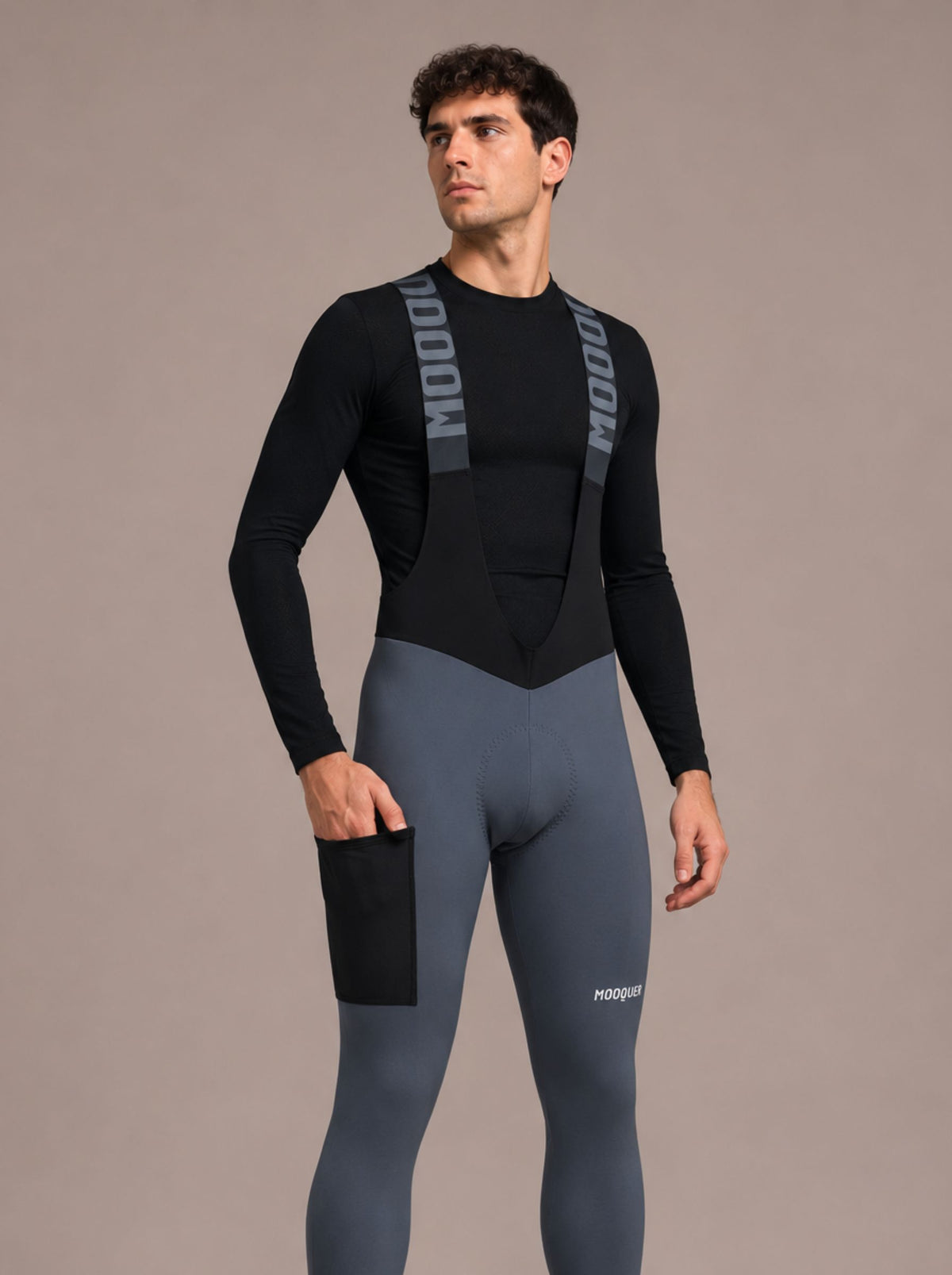
| 2 to 7°C | Long-sleeved base layer + windbreaker | Long tights | Thin gloves, beanie or headband, tall socks |
| Below 2°C | Base layer + mid-layer + windbreaker | Thermal long tights | Gloves, beanie, neck gaiter |
With wind or rain, subtract a few degrees: 8 degrees with a north wind feels like running in 4.
The extremities first
When it's cold, the body protects the trunk and reduces blood flow to the hands and feet. That's why you can be sweating from your back while your fingers are frozen at the same time. Warming your extremities provides more comfort than adding another layer to your torso.
Hands. Thin gloves make more of a difference than a thick jacket. When you warm up, you can take them off and put them in your pocket.
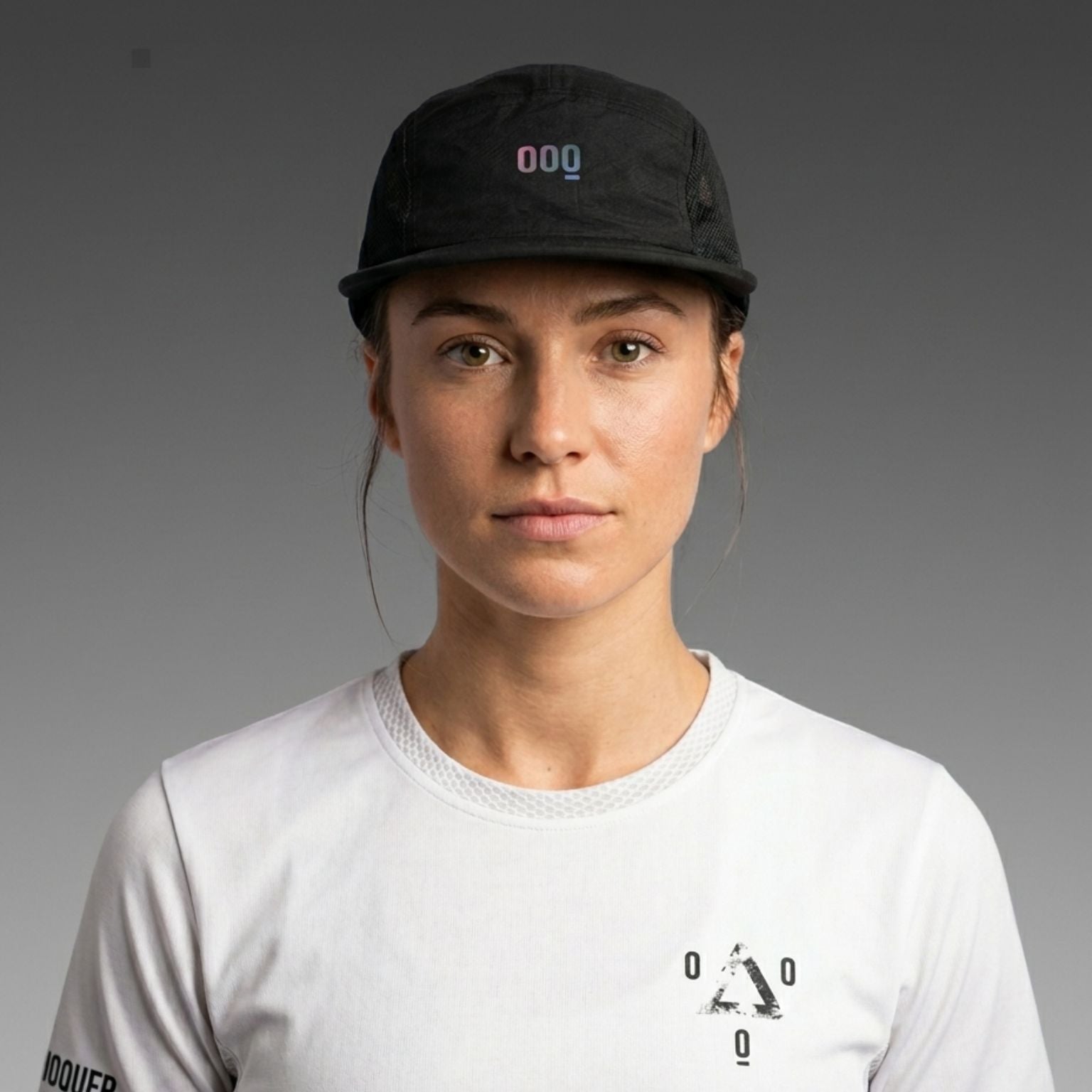
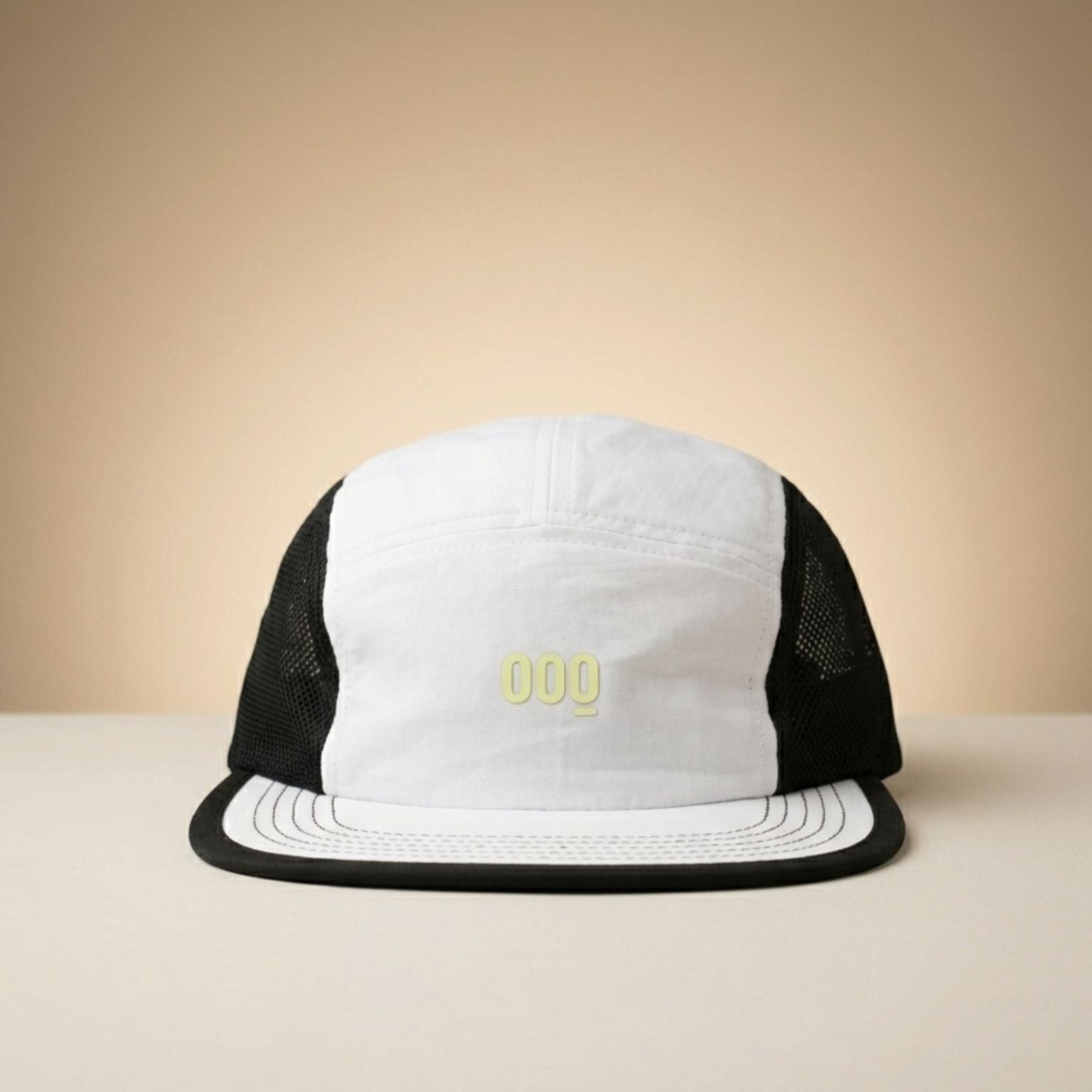
Head. You lose a lot of heat through your head and ears. In moderate cold, a cap or headband is enough. In real cold, a thin beanie. We designed the Night Flare cap for winter runs at dawn: water-repellent recycled nylon without PFCs, breathable mesh, a soft brim that folds up, and an orange reflective logo that catches the light from headlights when it's still dark.
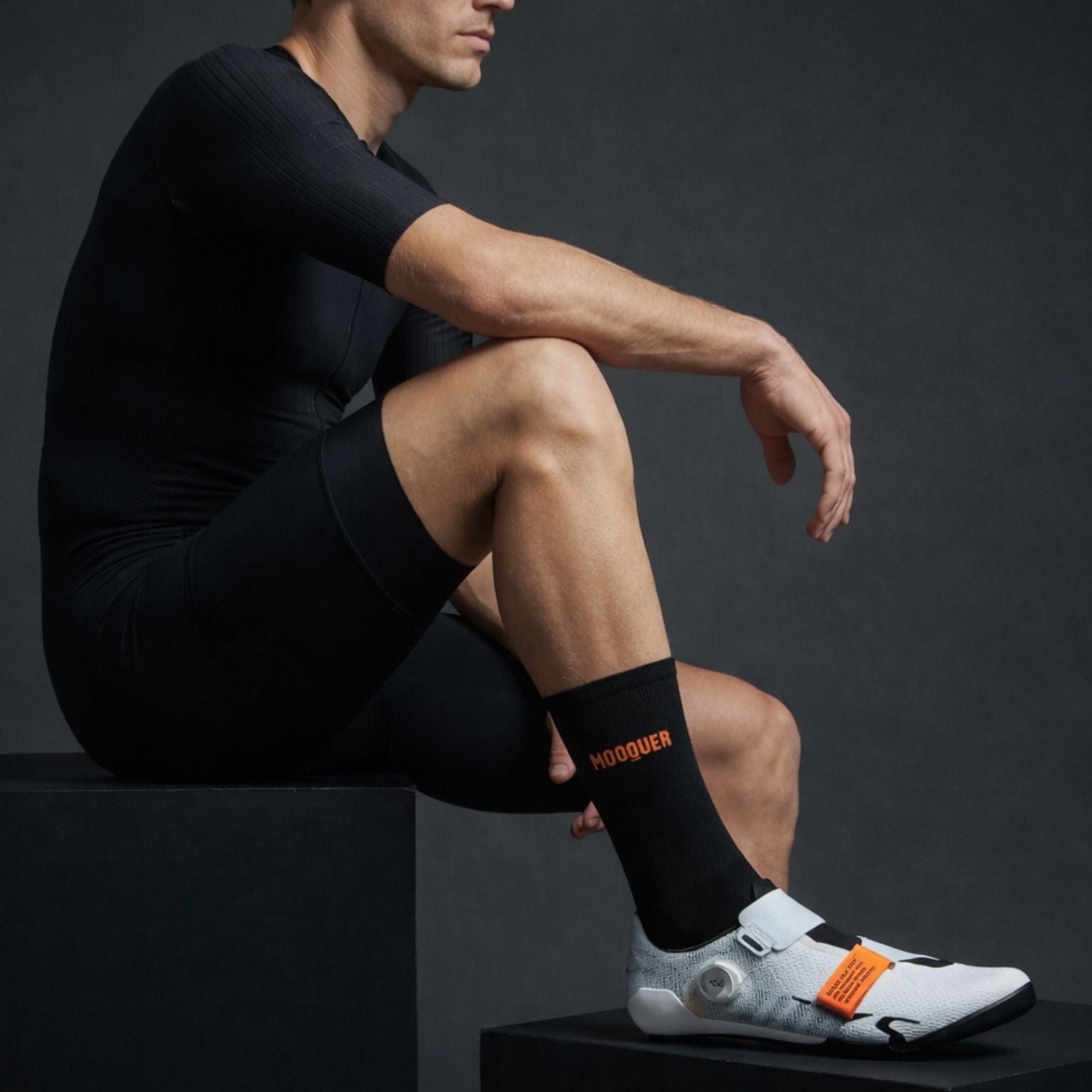
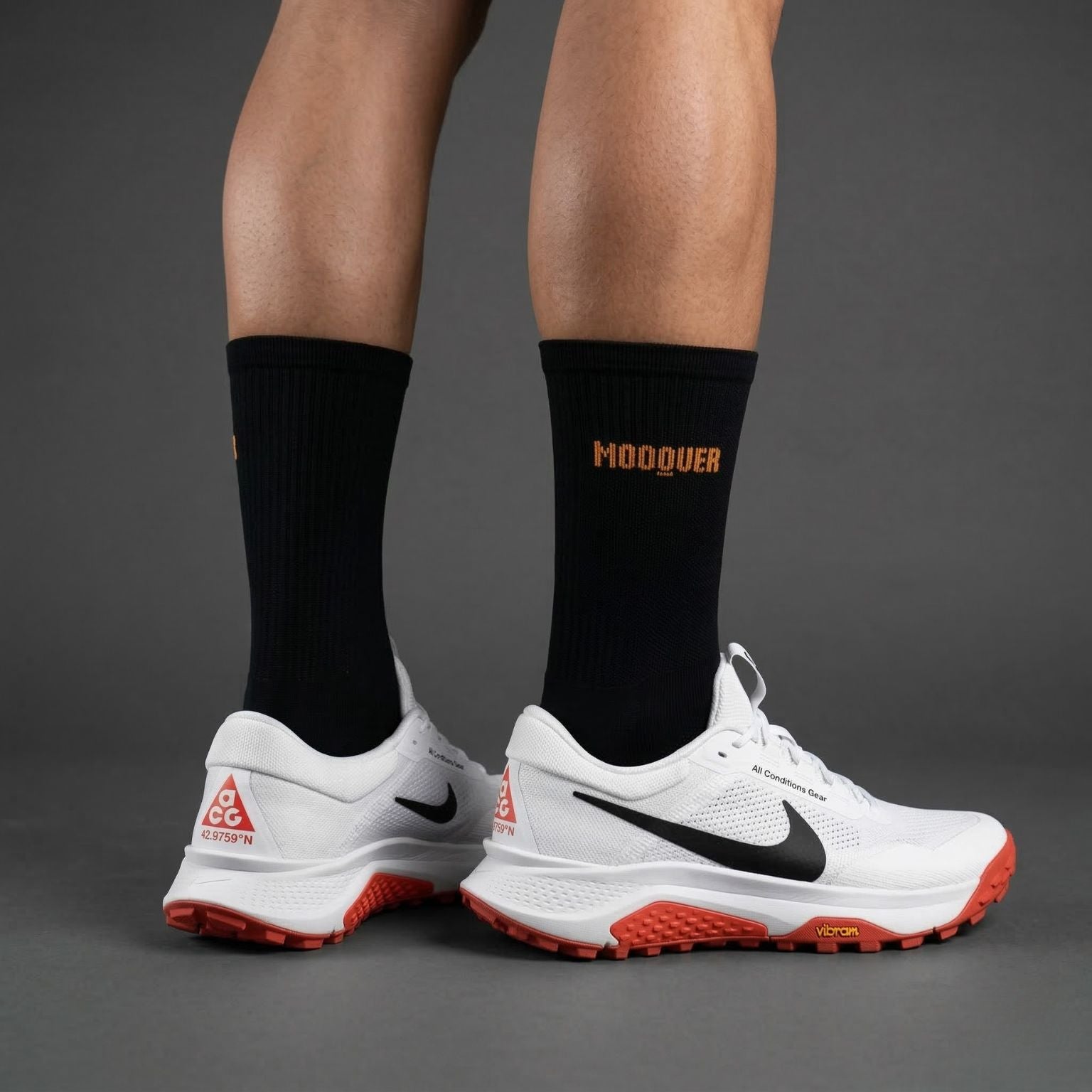
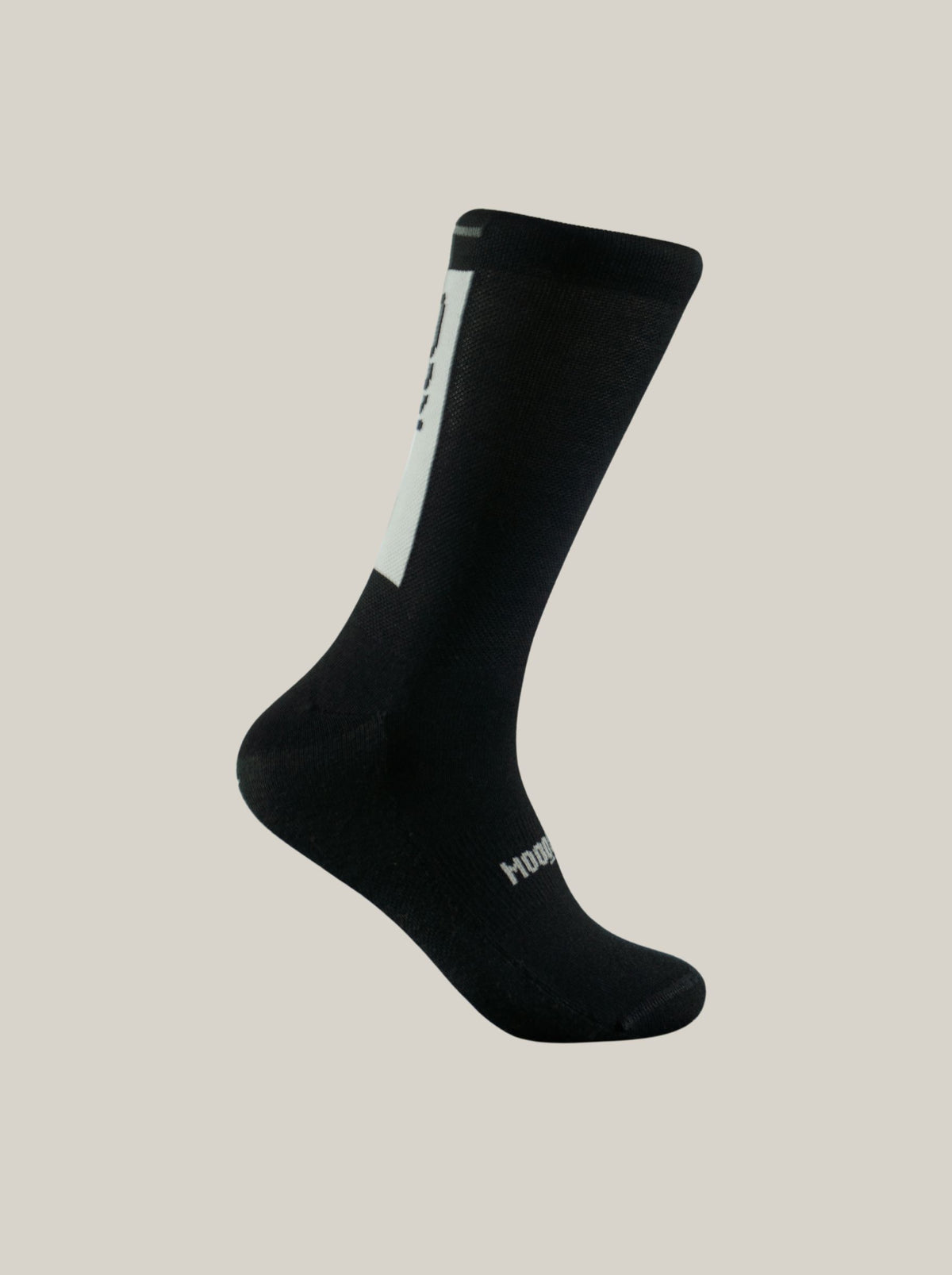
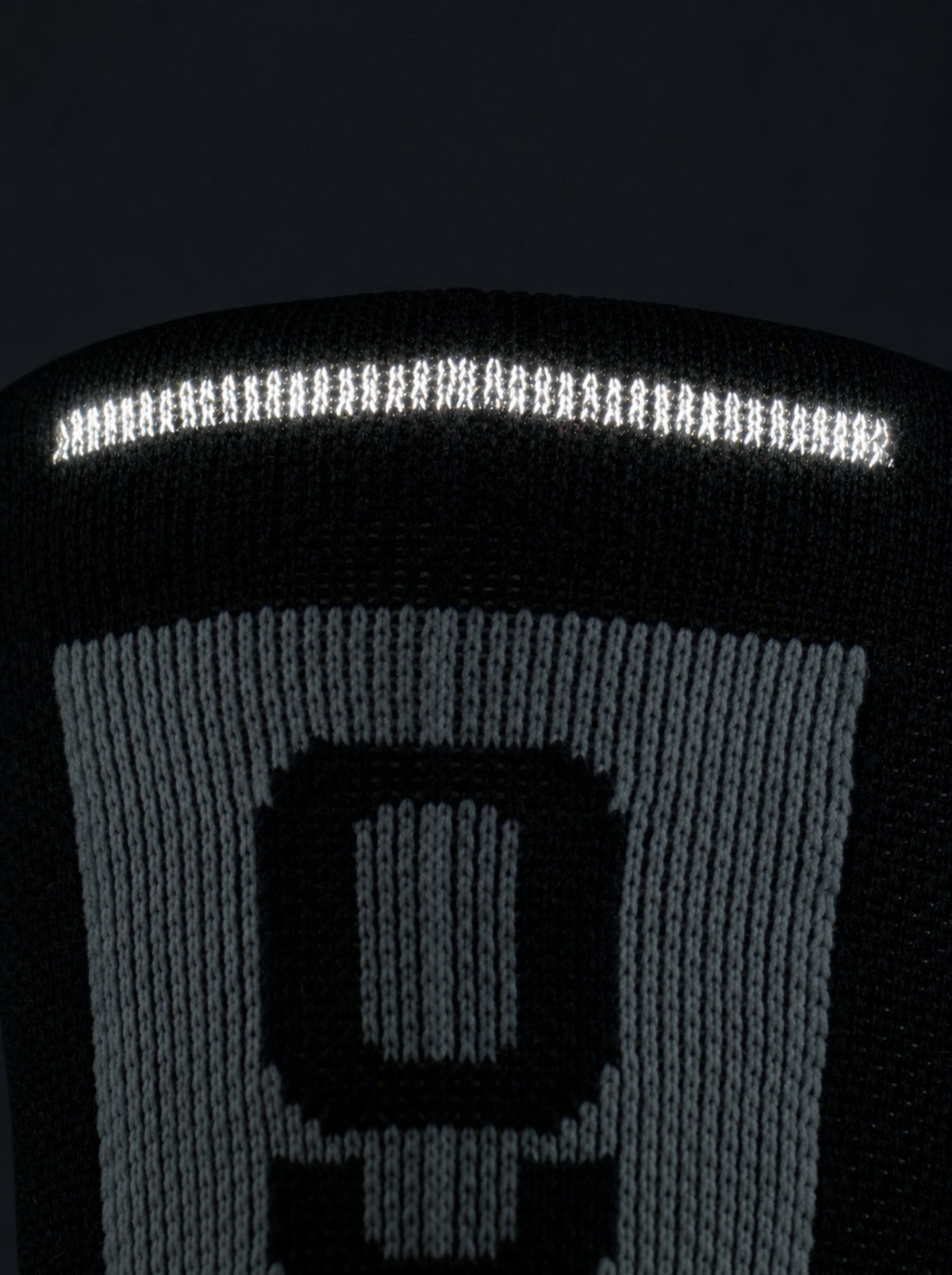
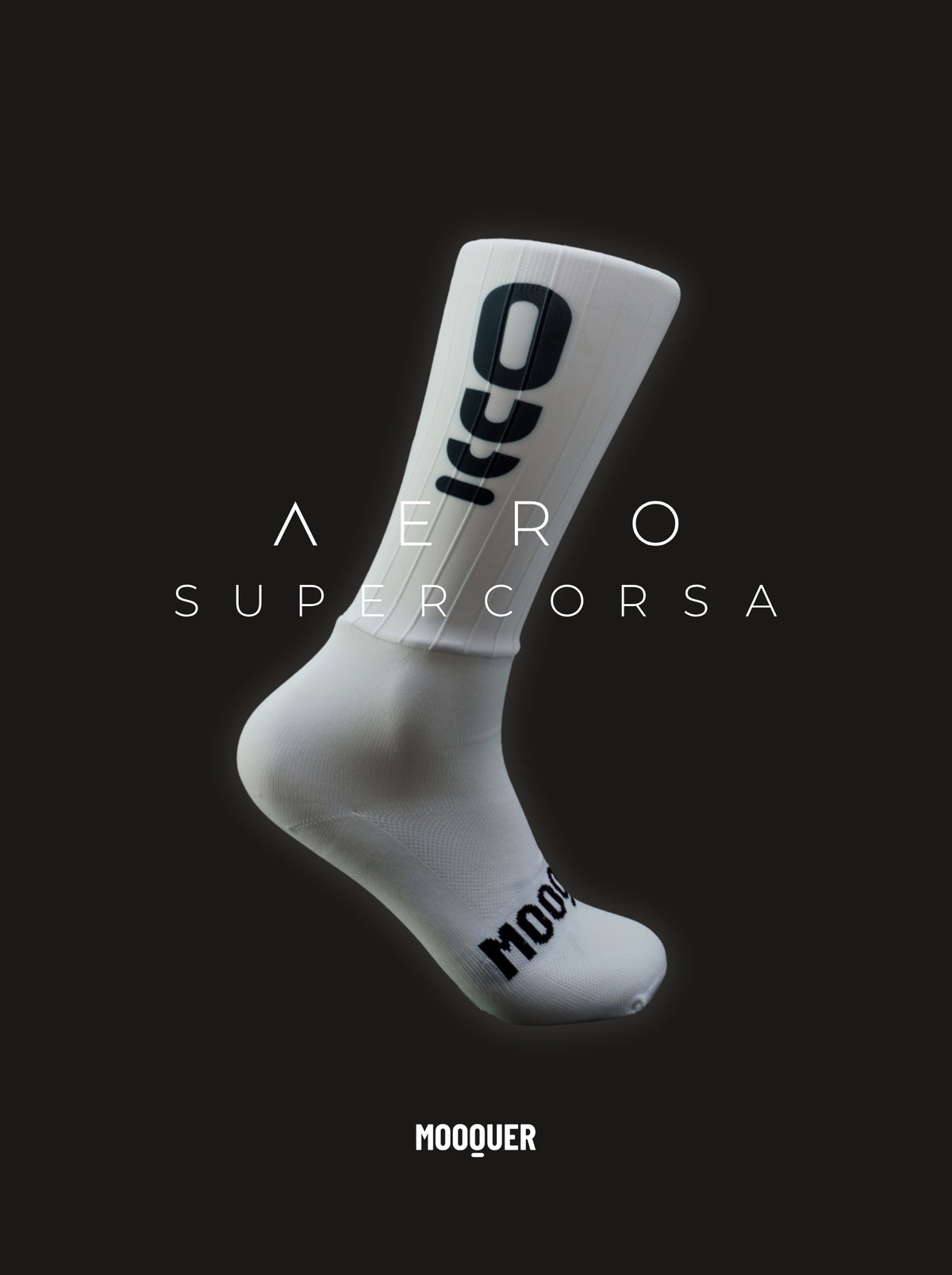
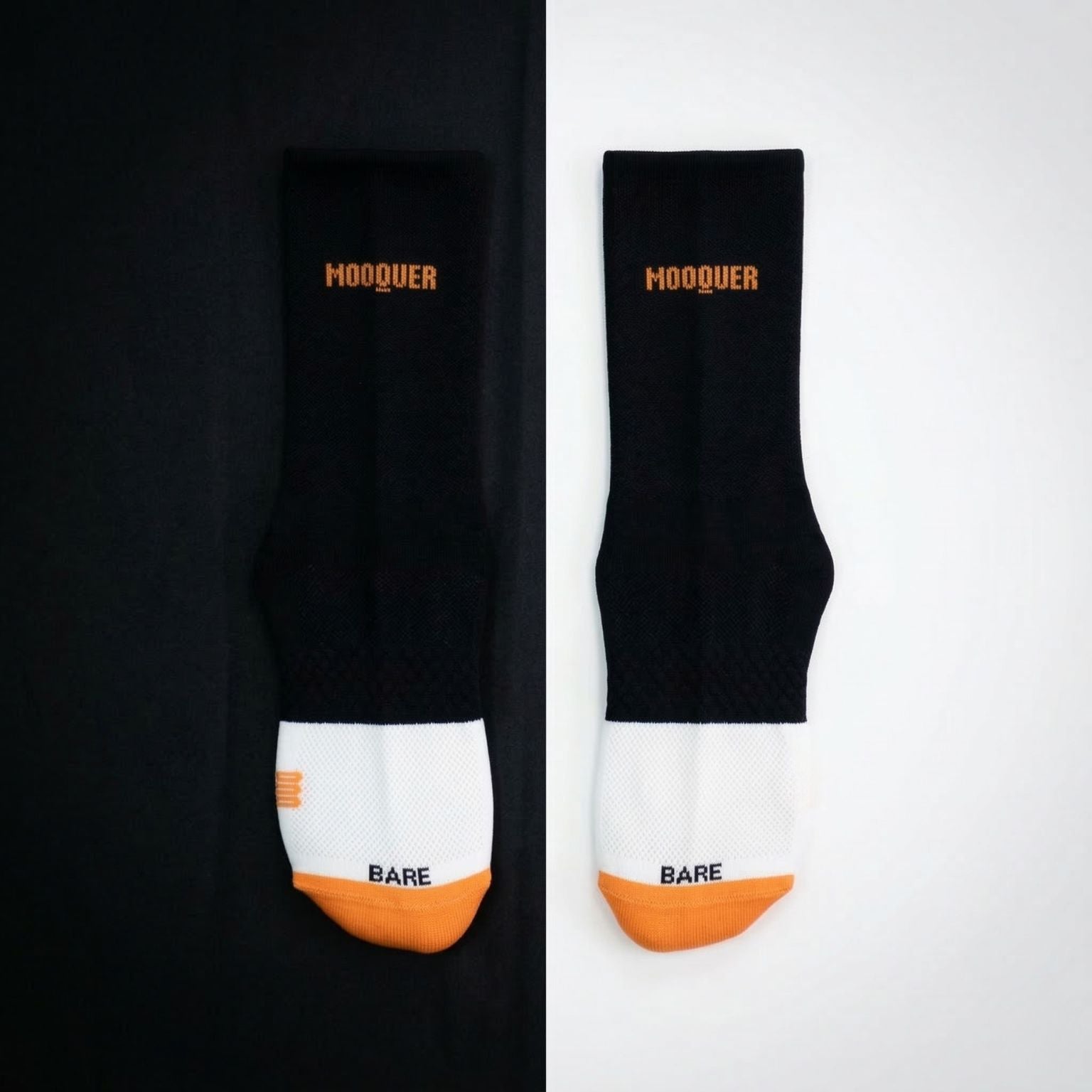
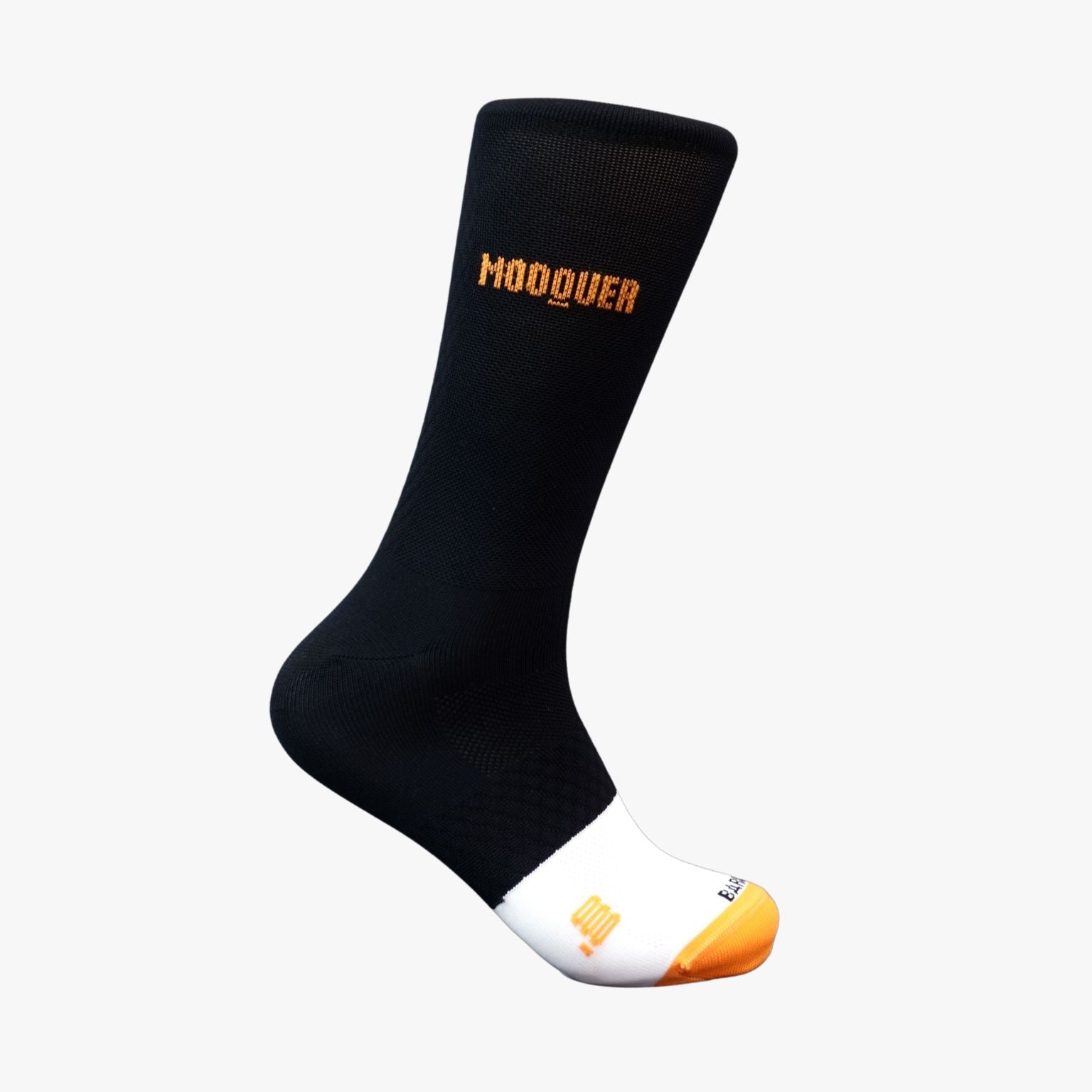
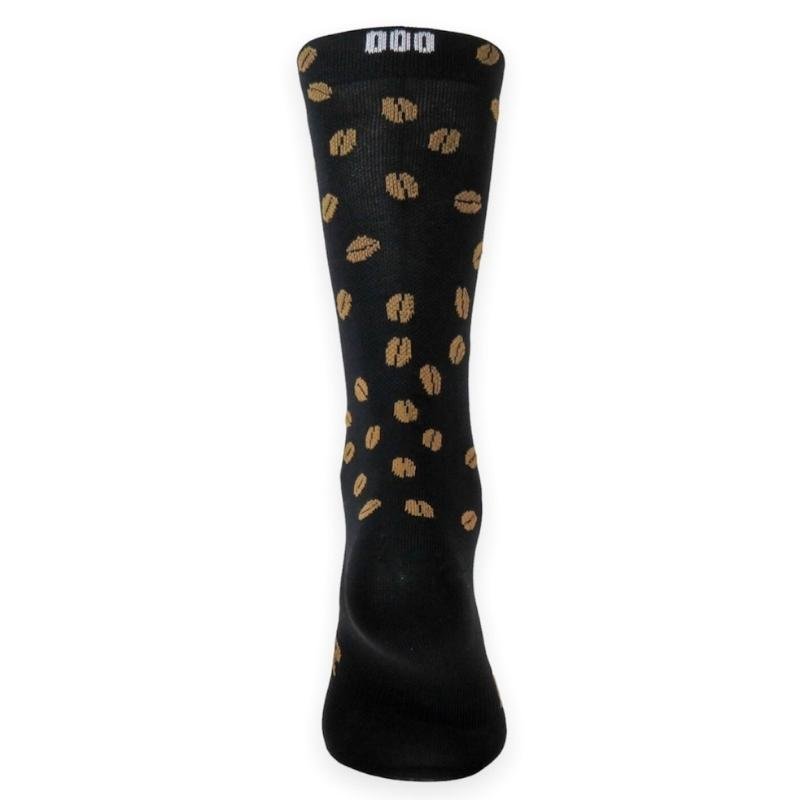
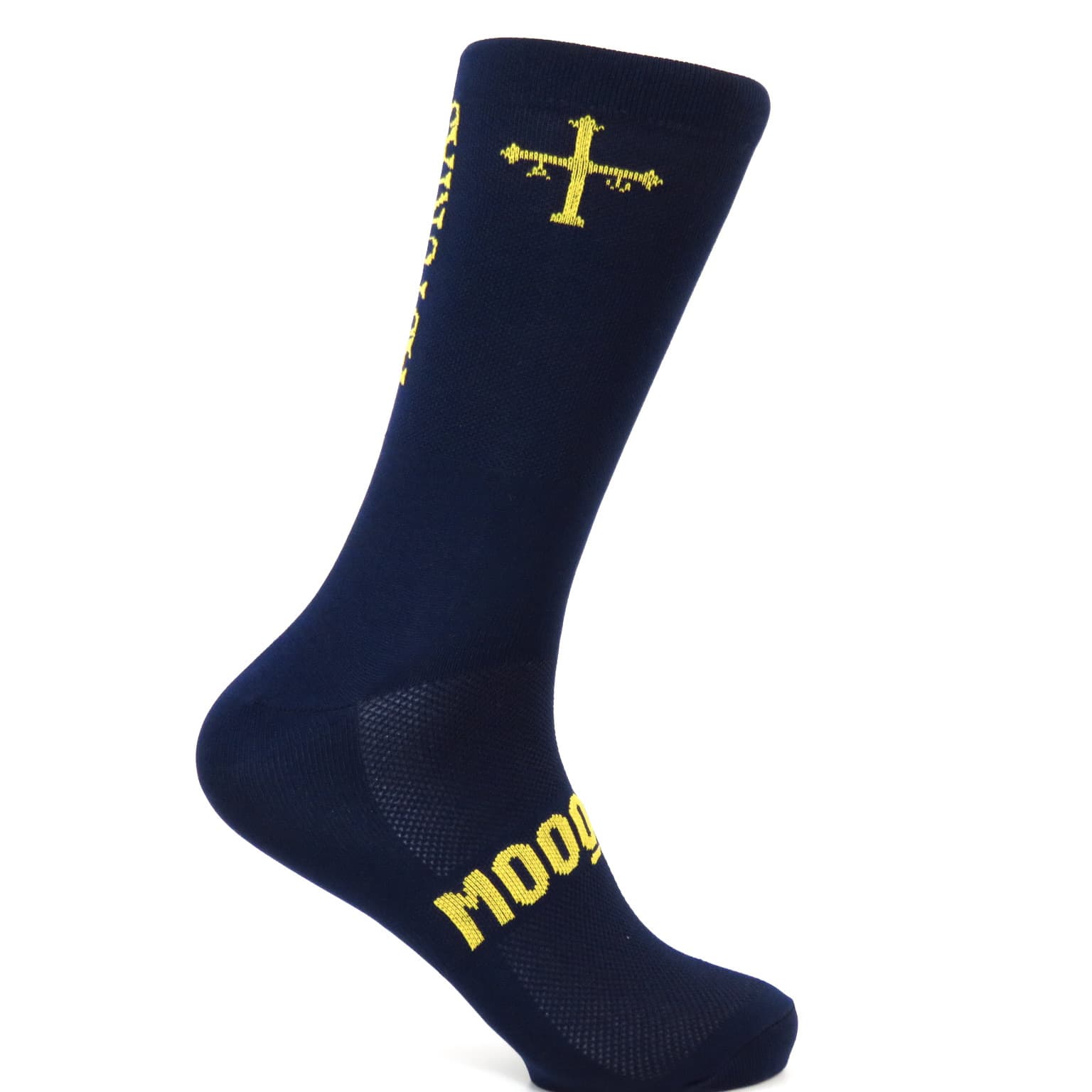
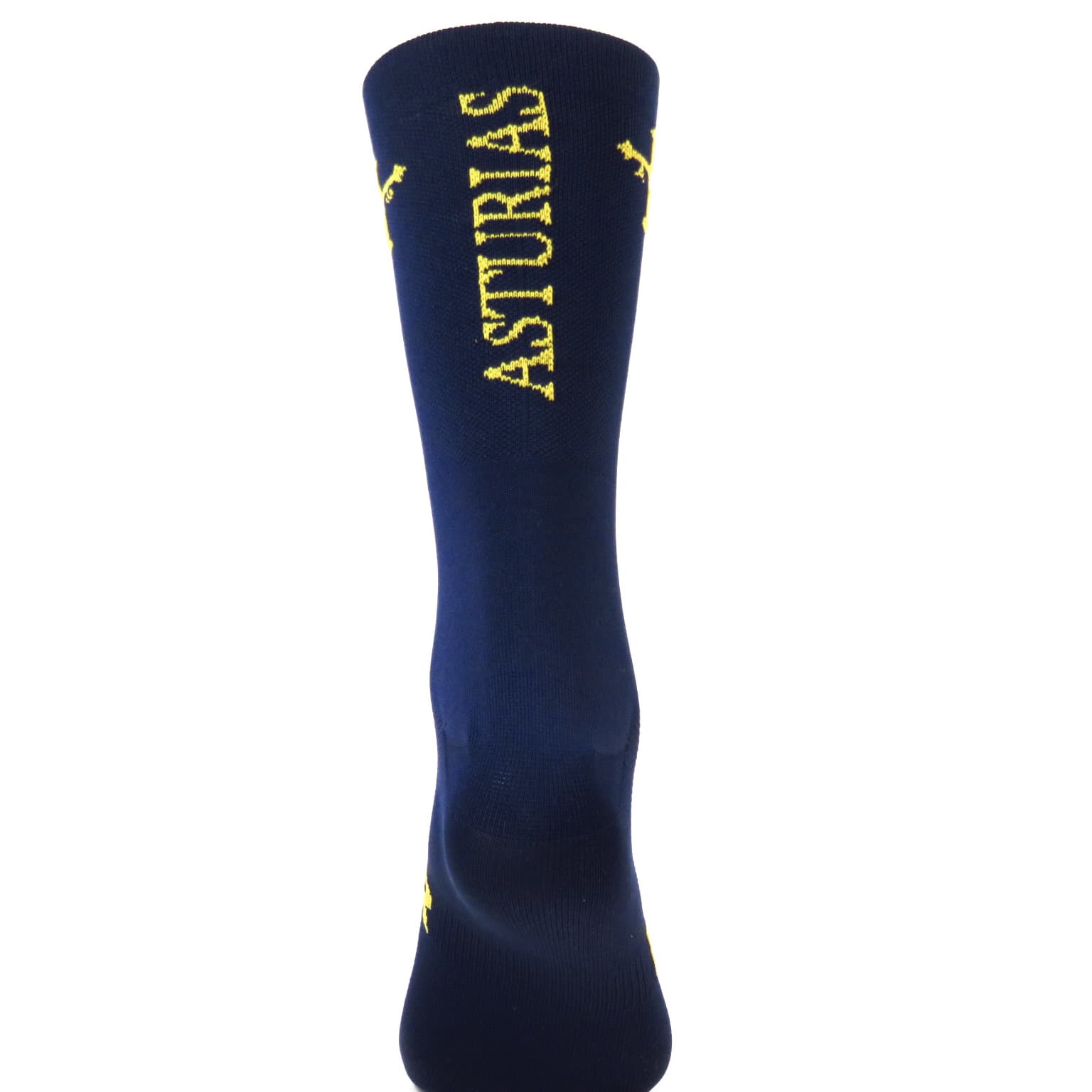
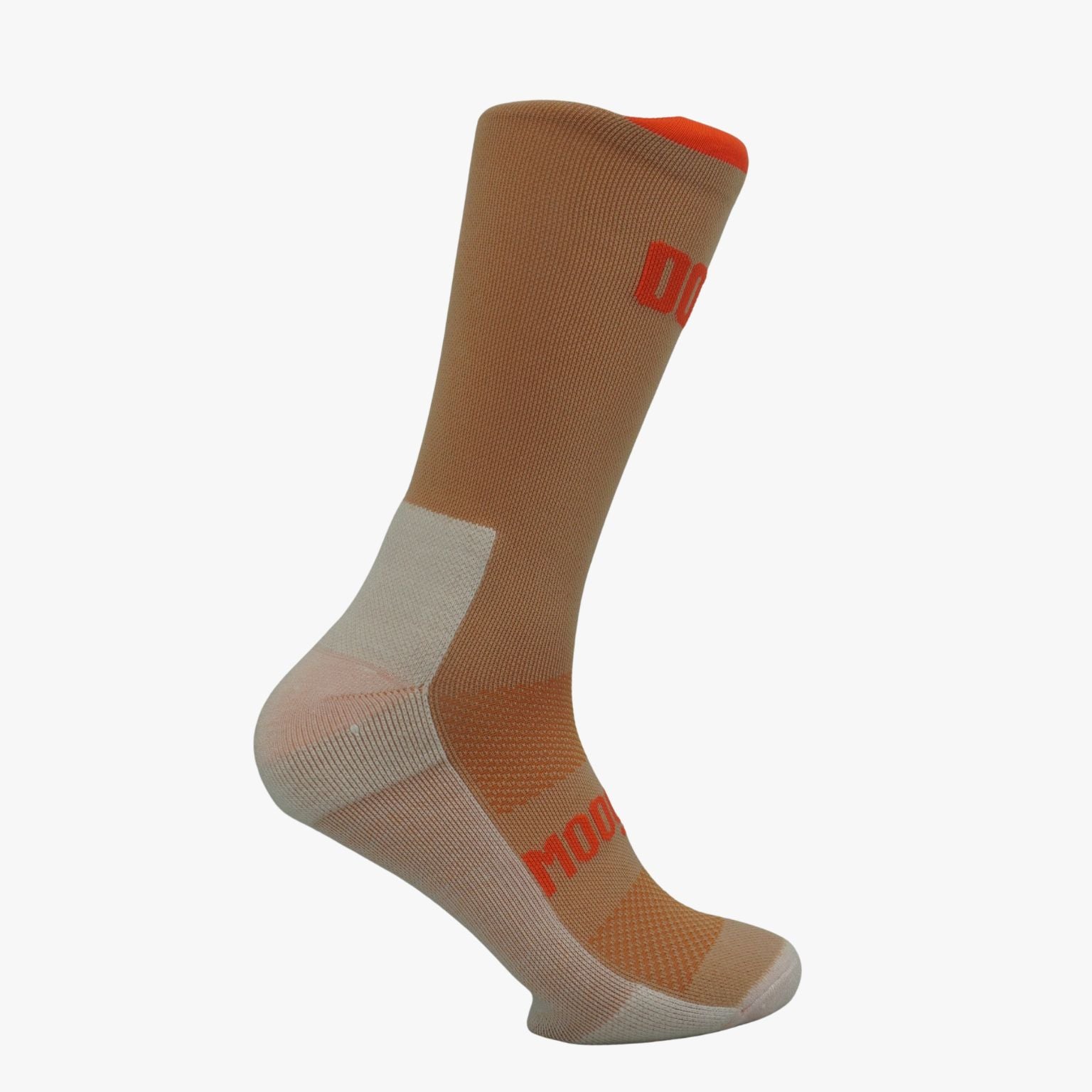
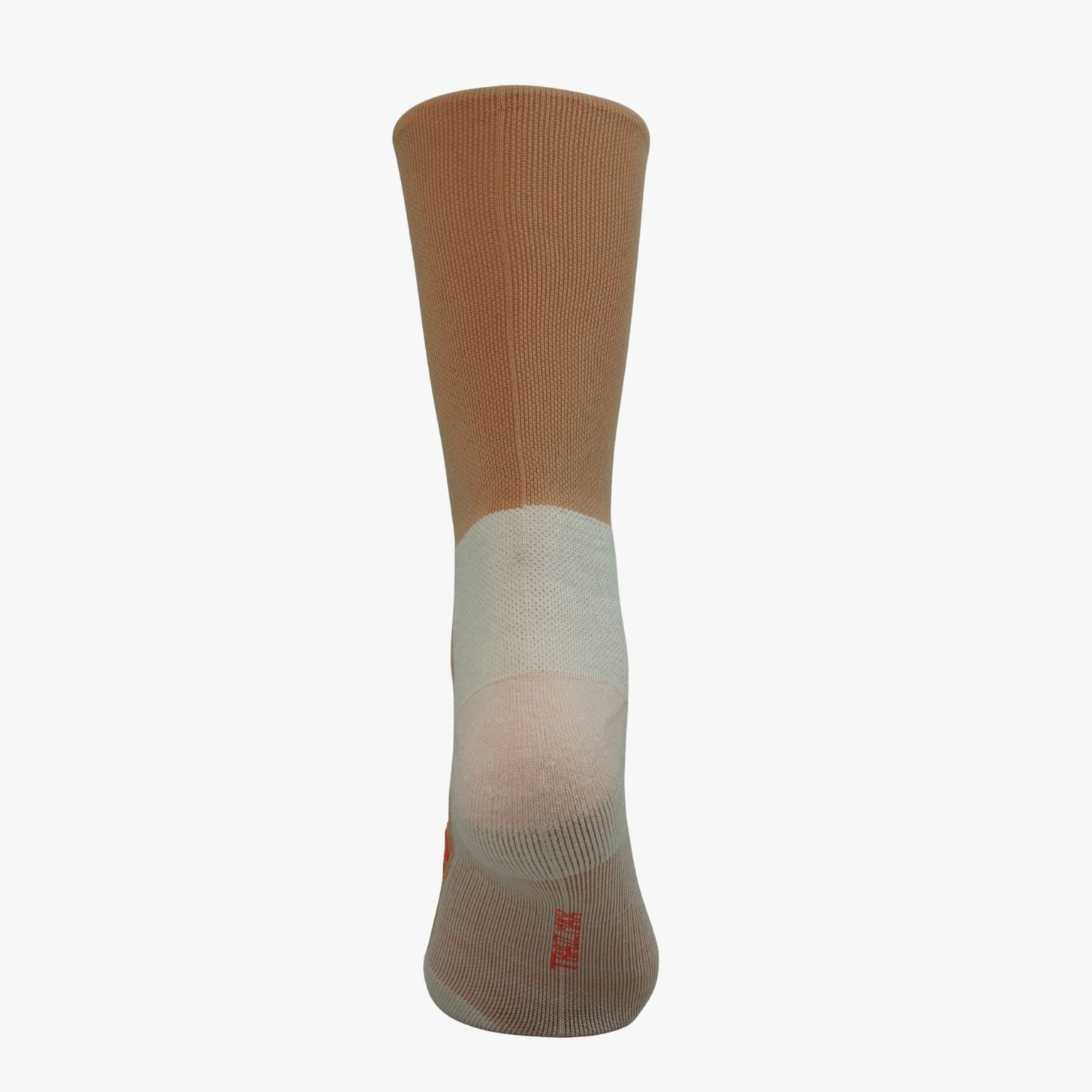
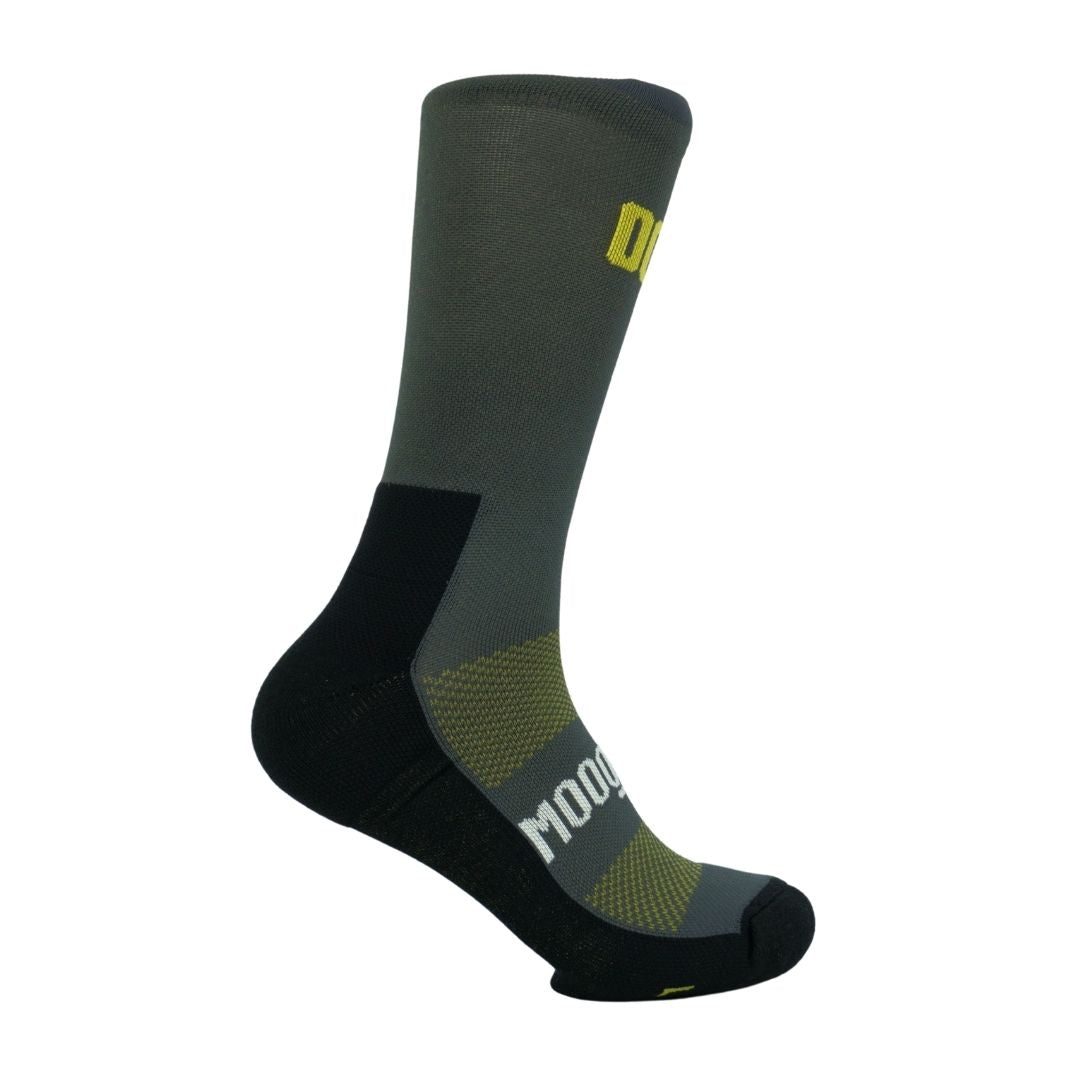
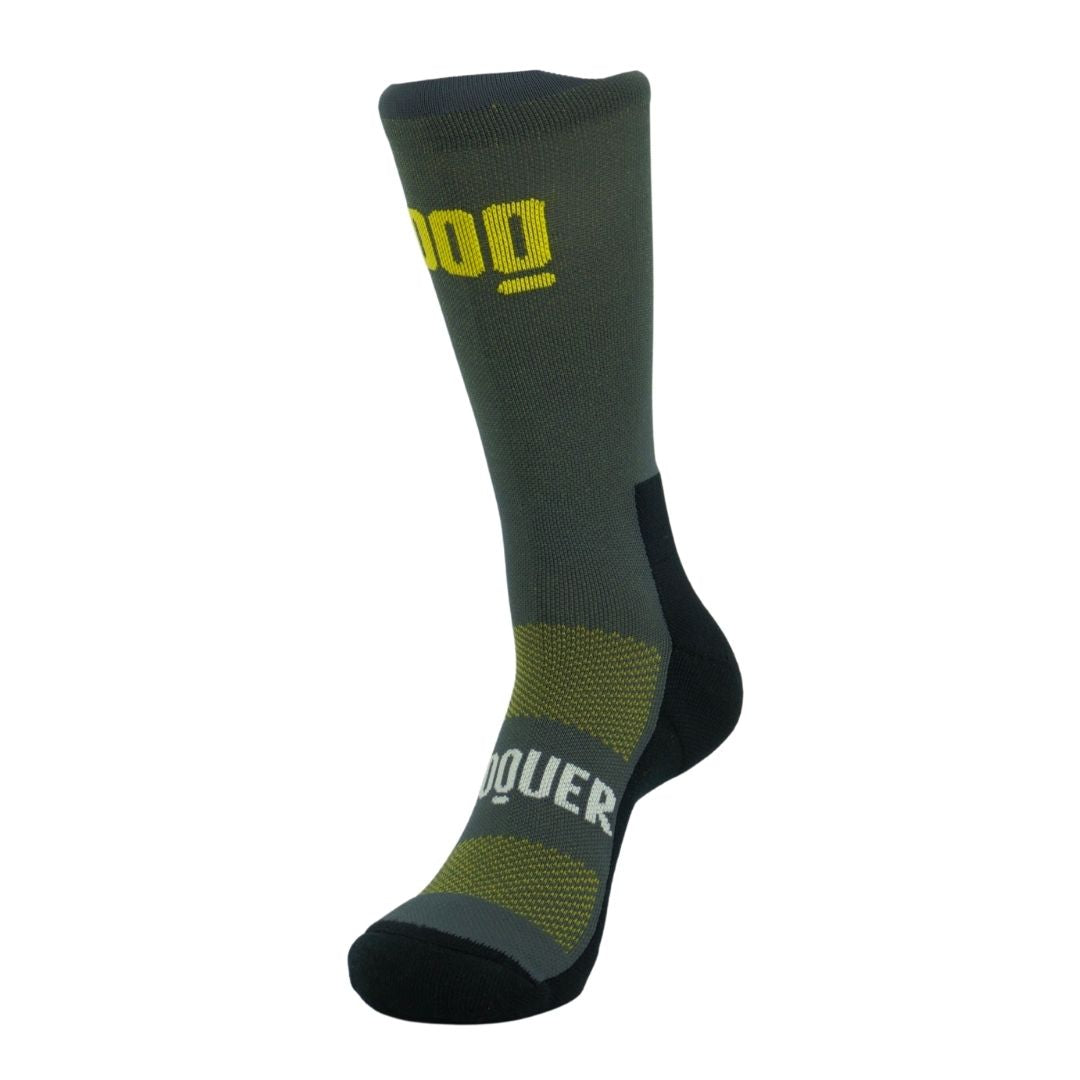
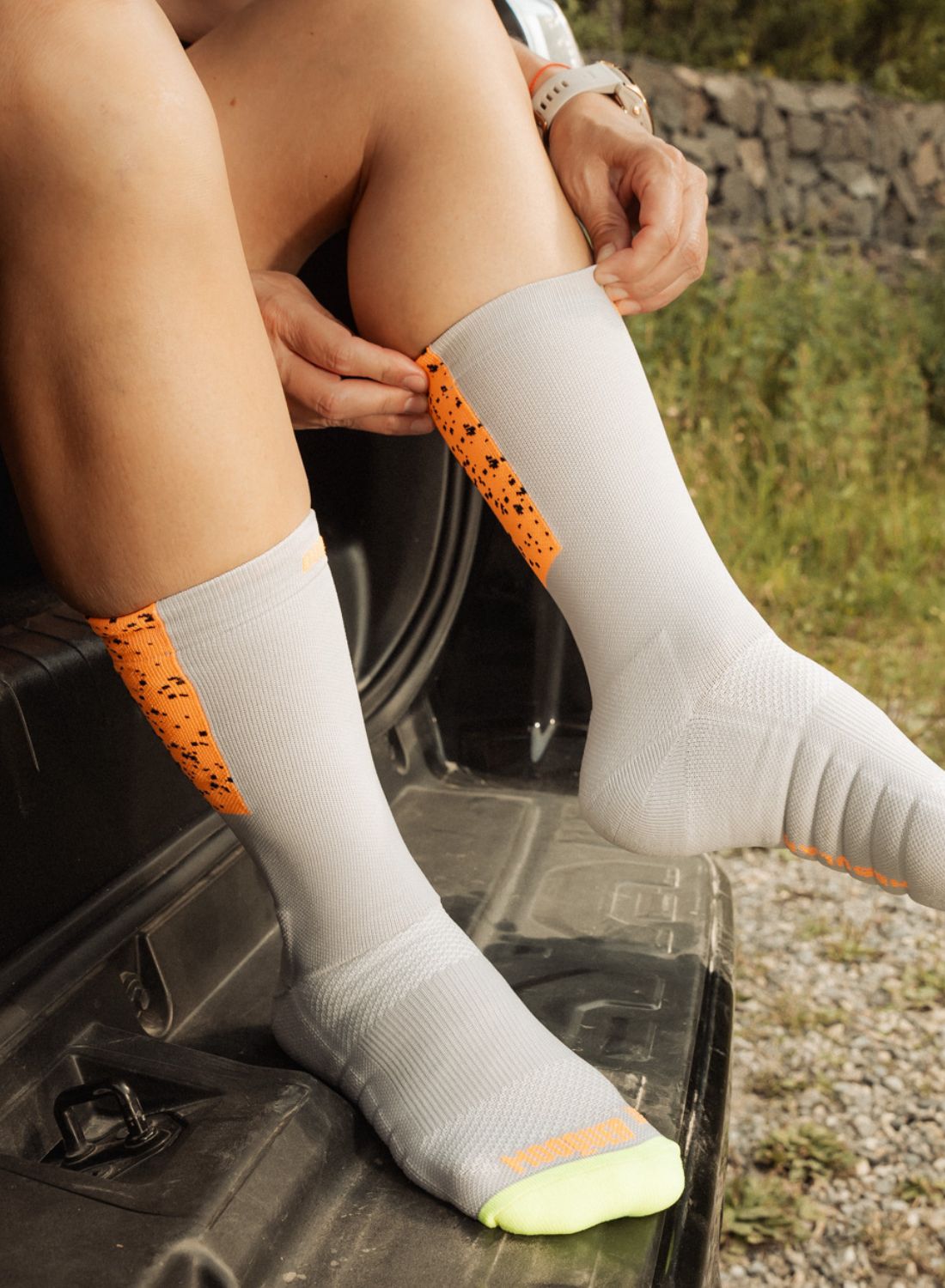
Feet and ankles. This is the gap that almost everyone forgets: between the tights and the shoe, there's a strip of exposed skin that you'll feel with every stride in winter. Tall socks close that gap. We designed the Earth Trail Max tall socks for long trail runs, with reinforcements in critical areas, flat seams, and chitin in the sole, while the cuff covers the ankle and Achilles tendon. In winter, that cuff also provides warmth. If you're interested in what chitin does in a sock, we explain it here, without making a big deal out of it.

The layering system, without overcomplicating it
Base layer: the one that touches your skin. It has to wick sweat away, not trap it. No cotton: it gets soaked and stays cold.
Mid-layer: only when it's really cold. Below a few degrees, a thin thermal layer between the base layer and the outer layer.
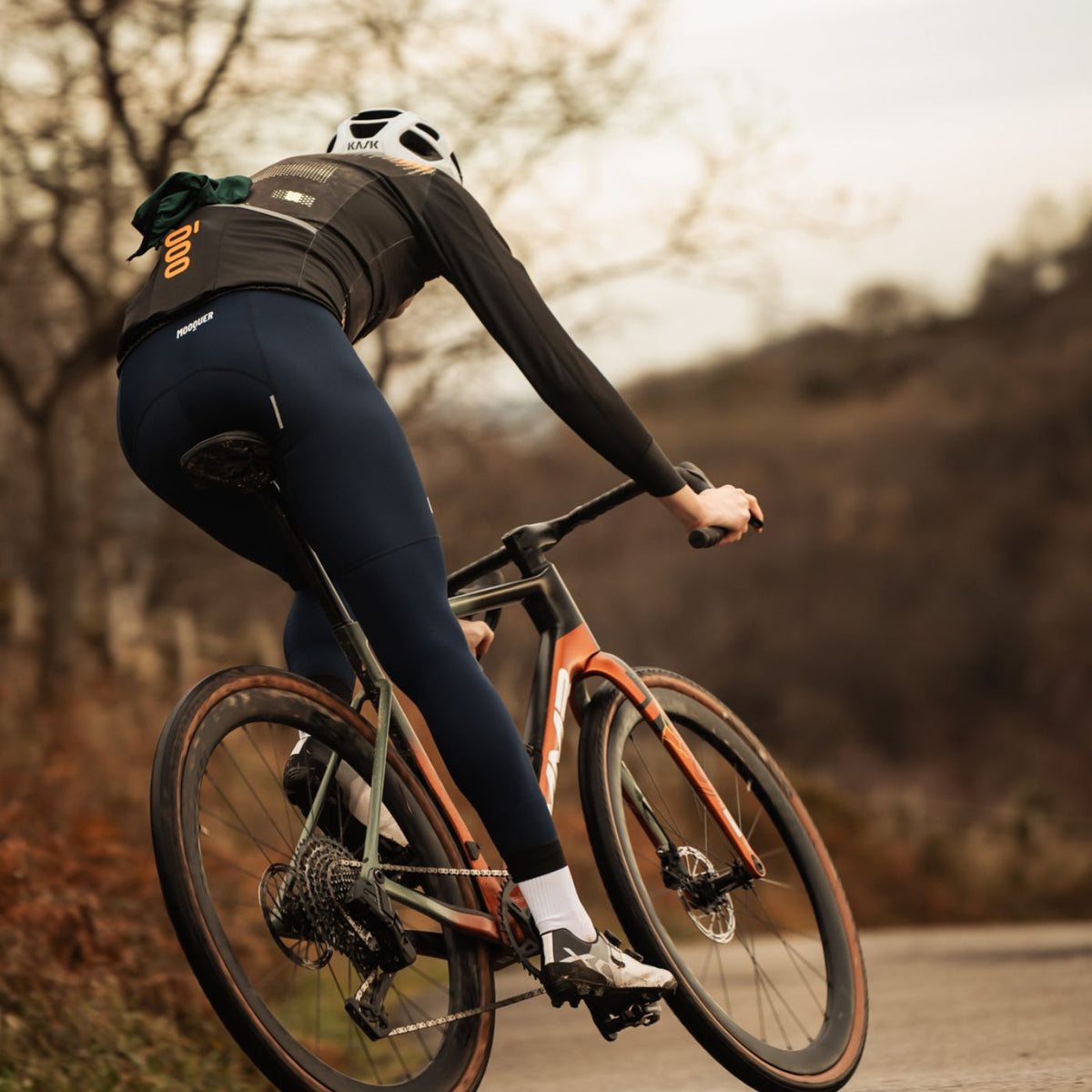
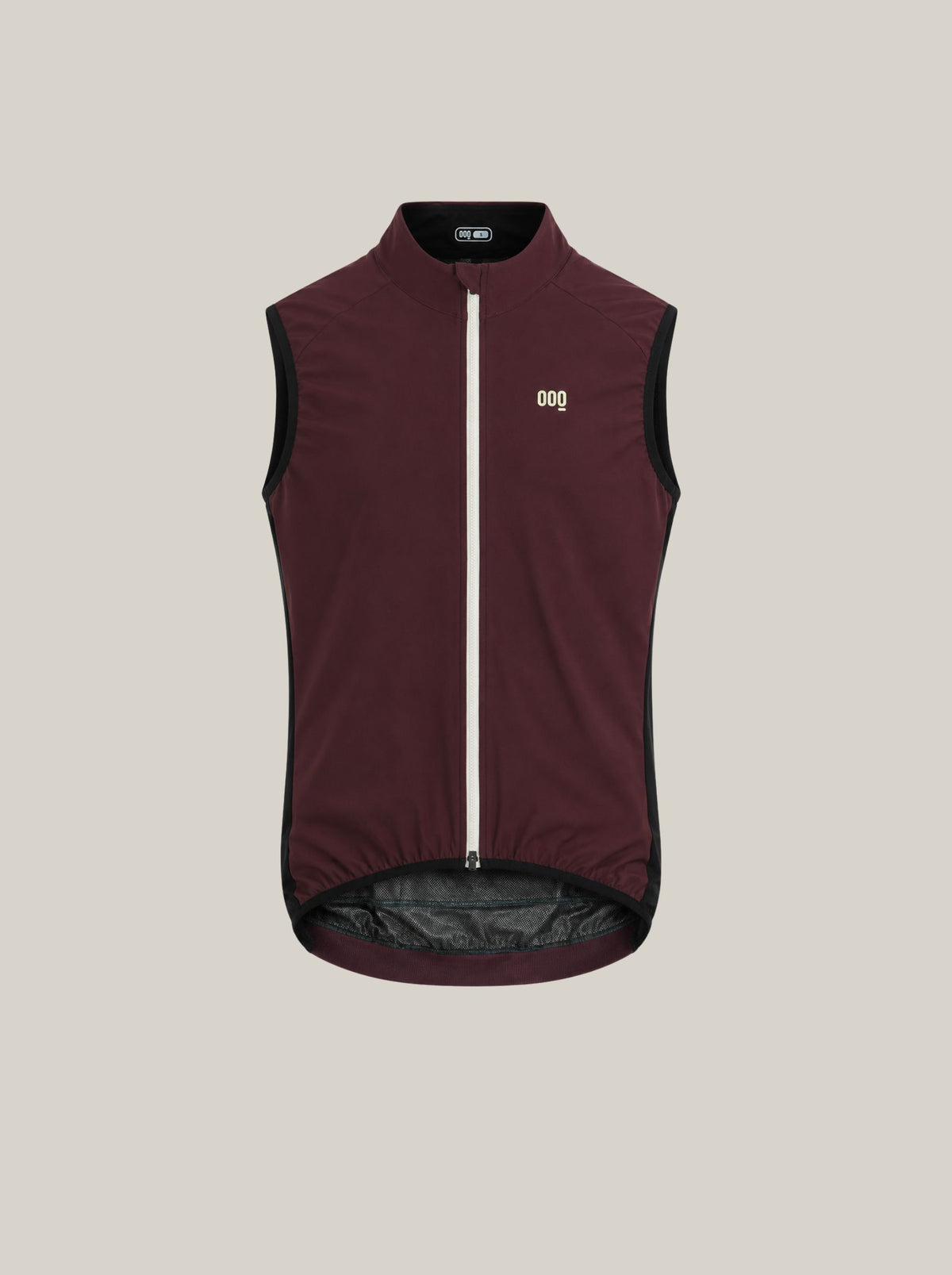
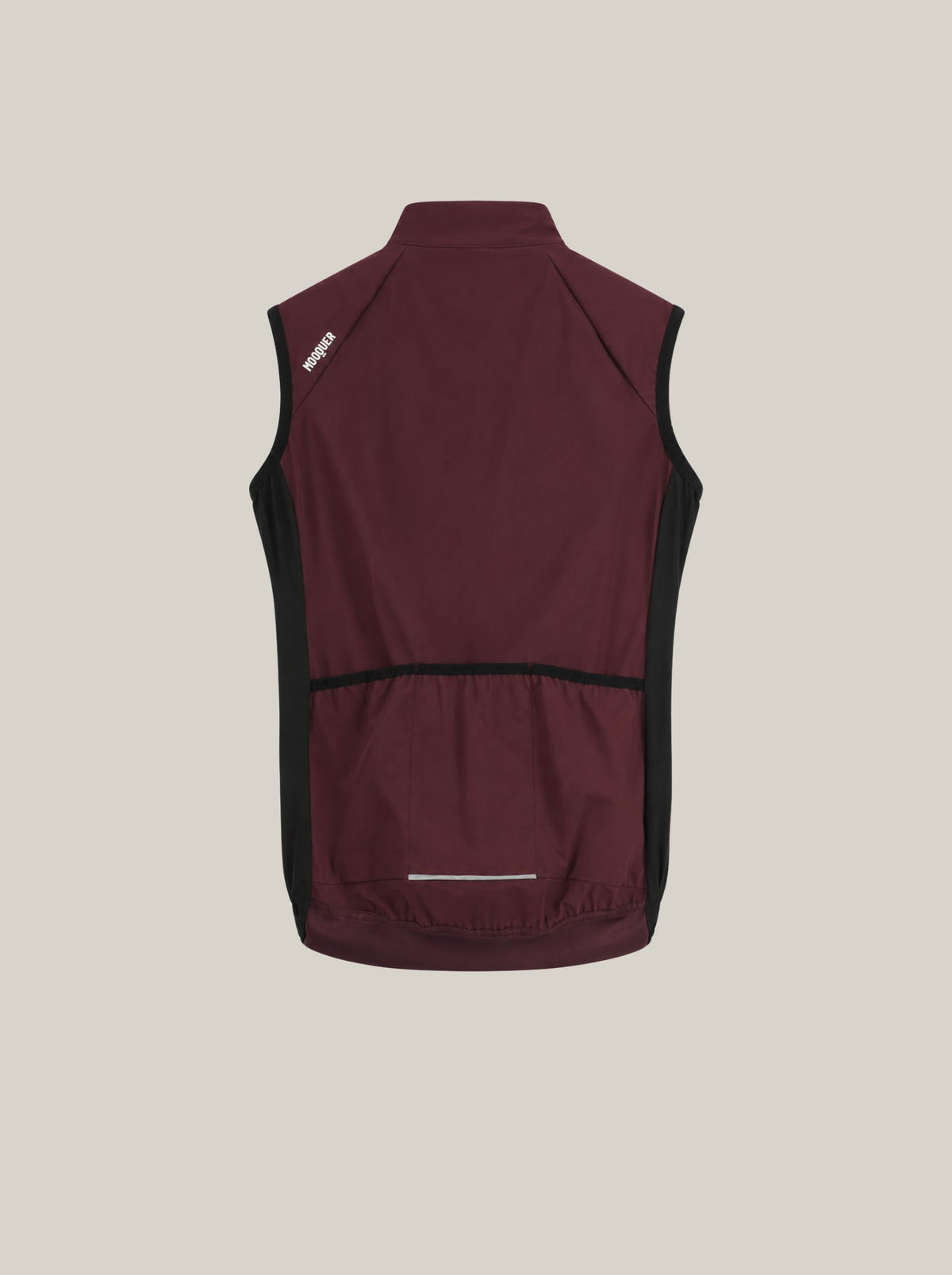
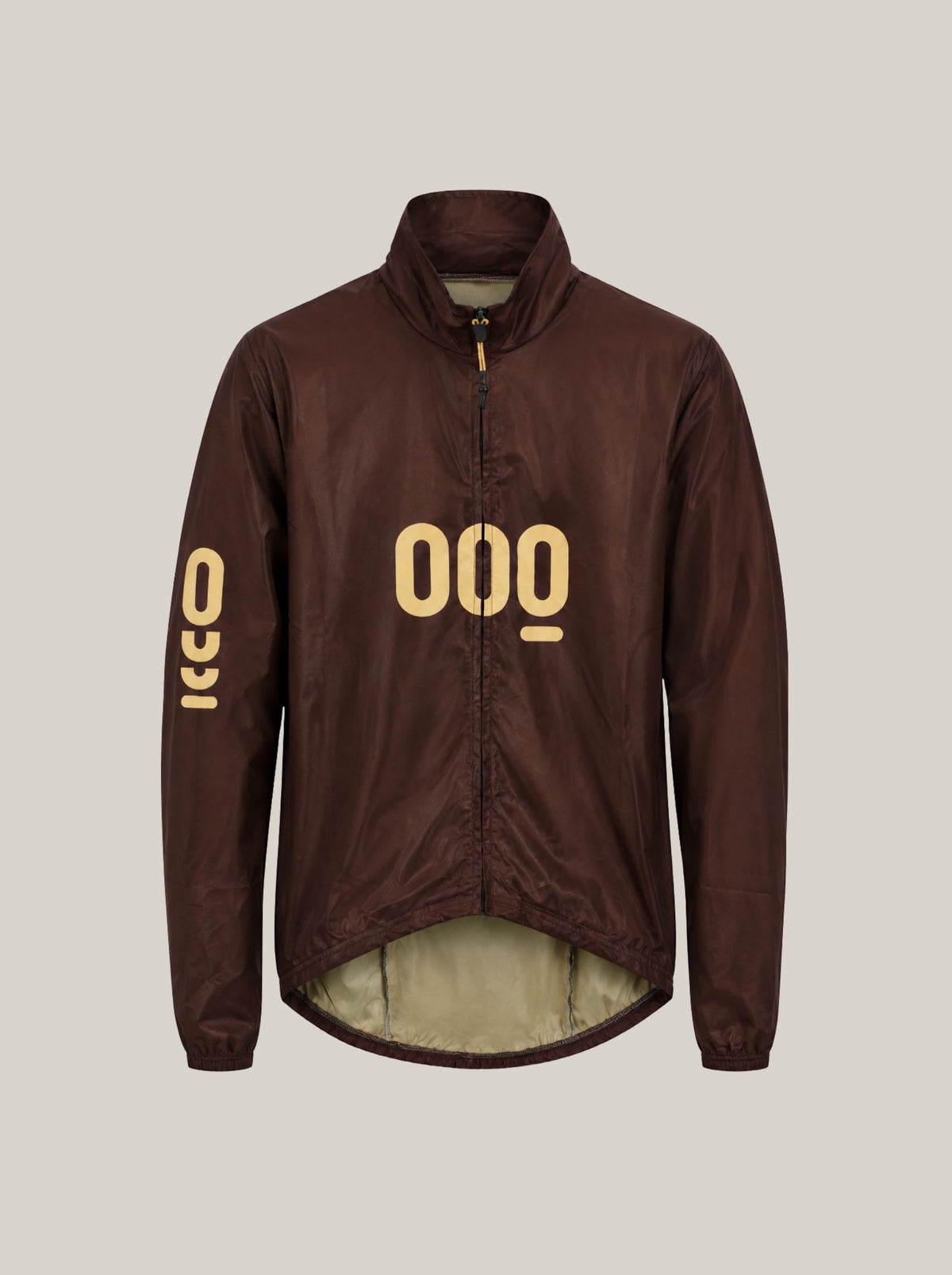
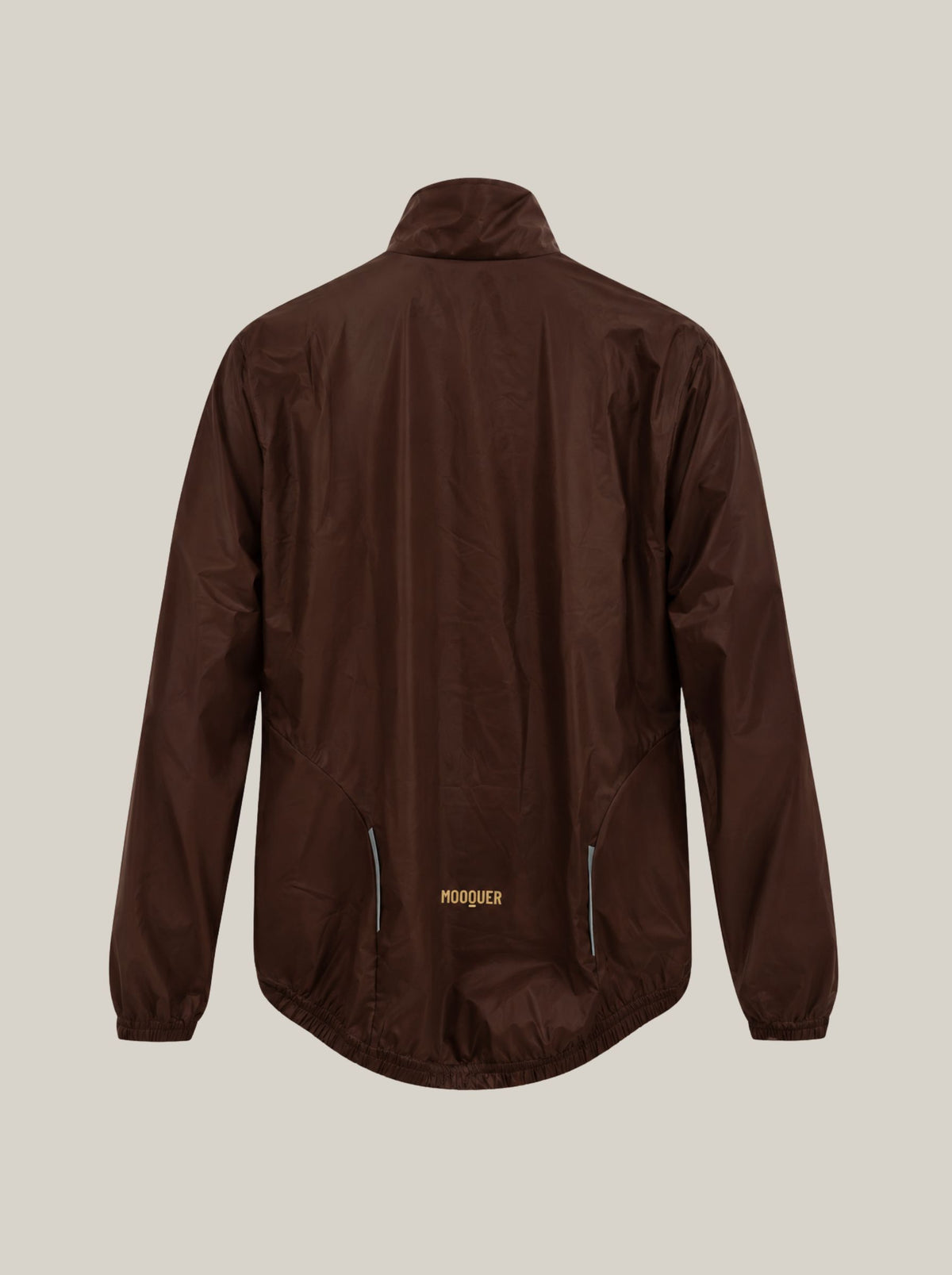
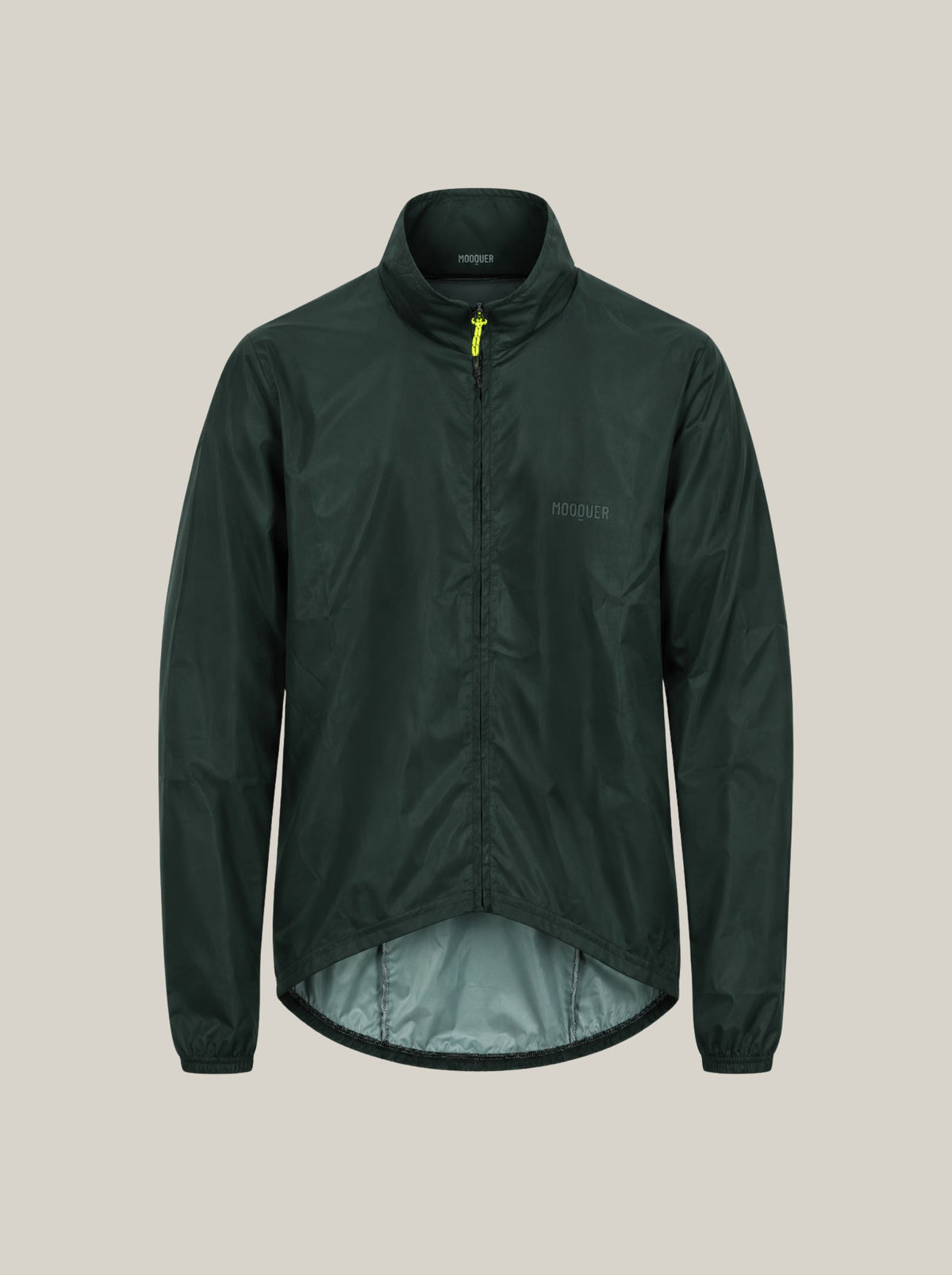
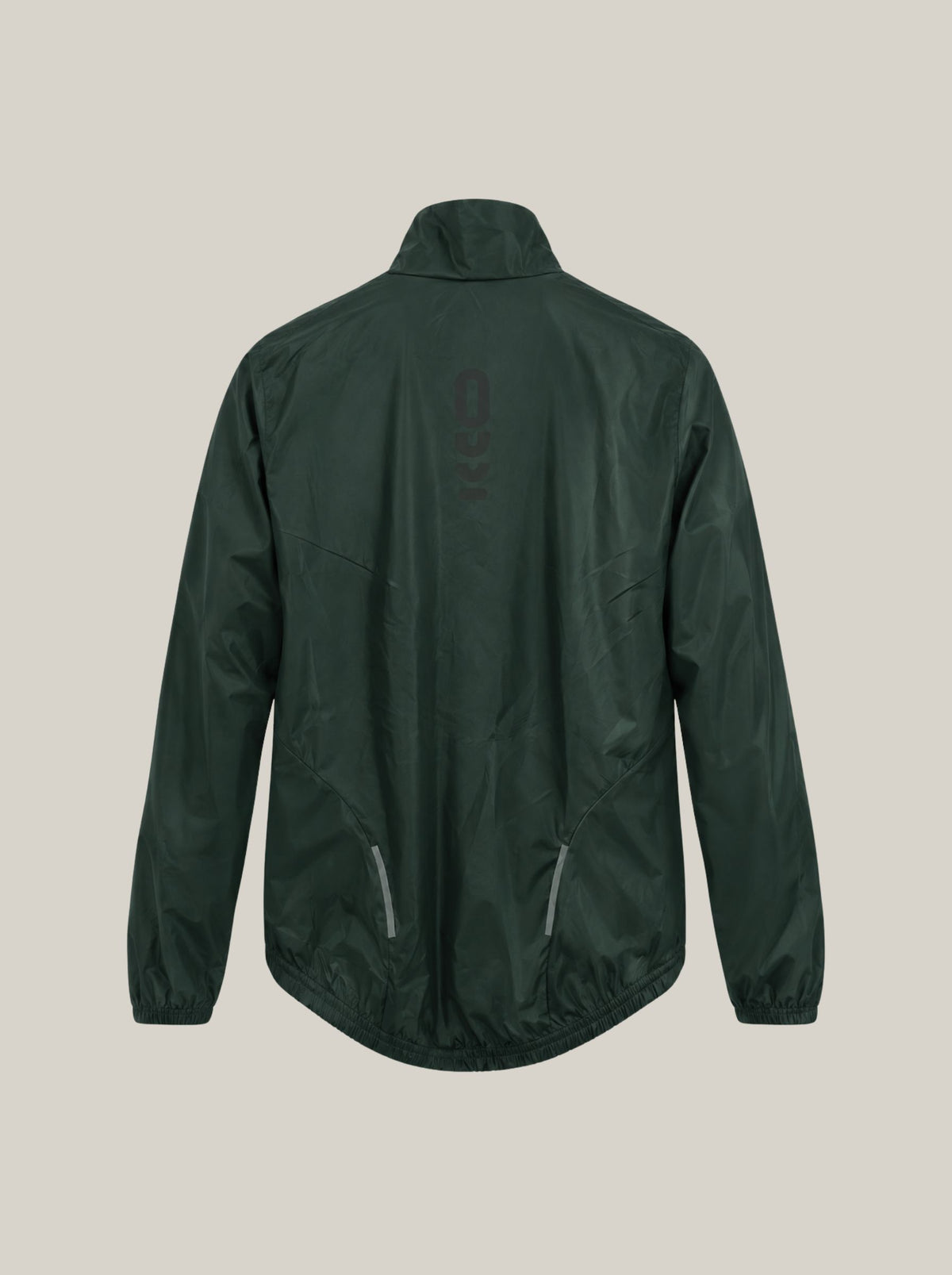
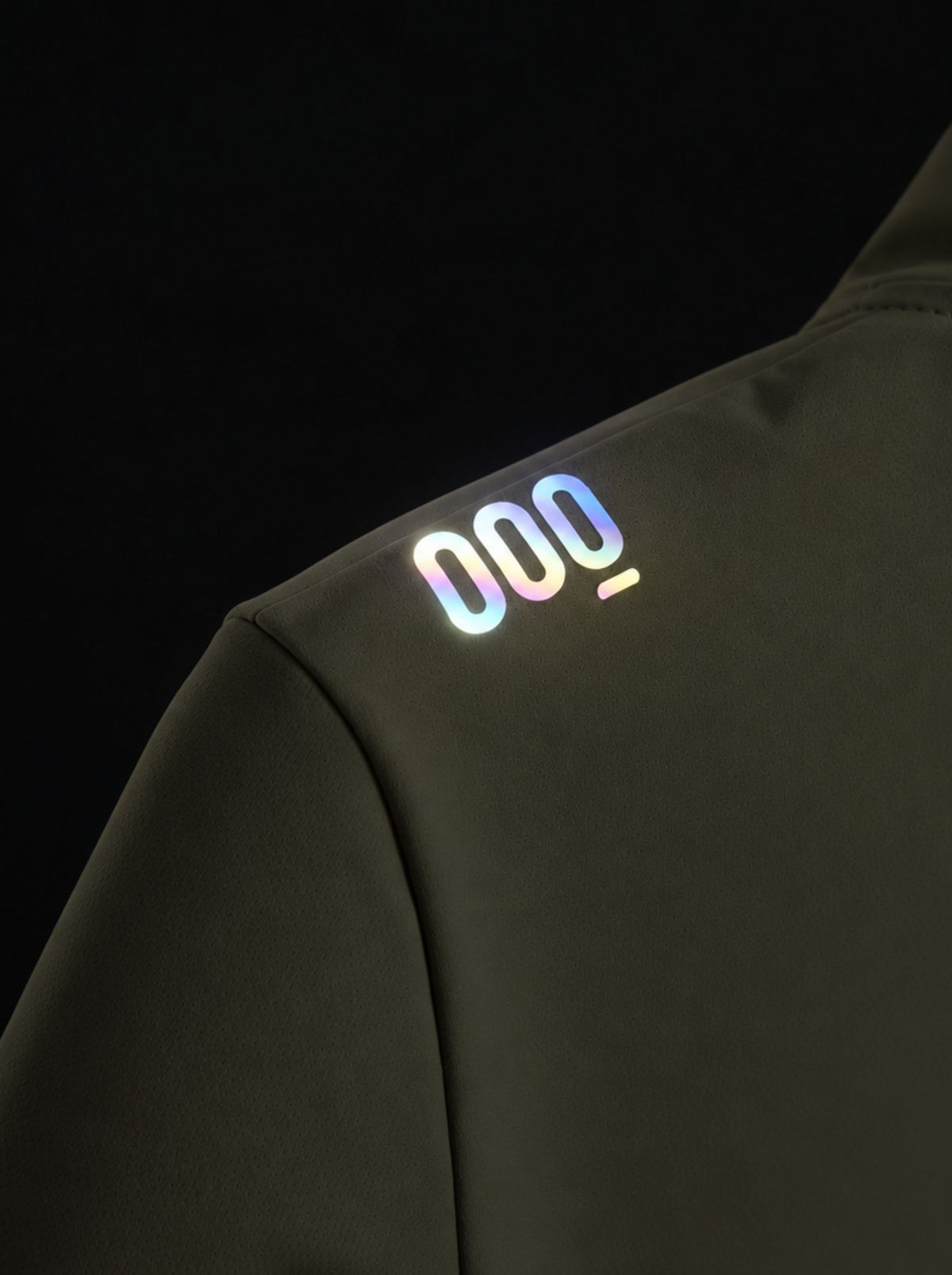
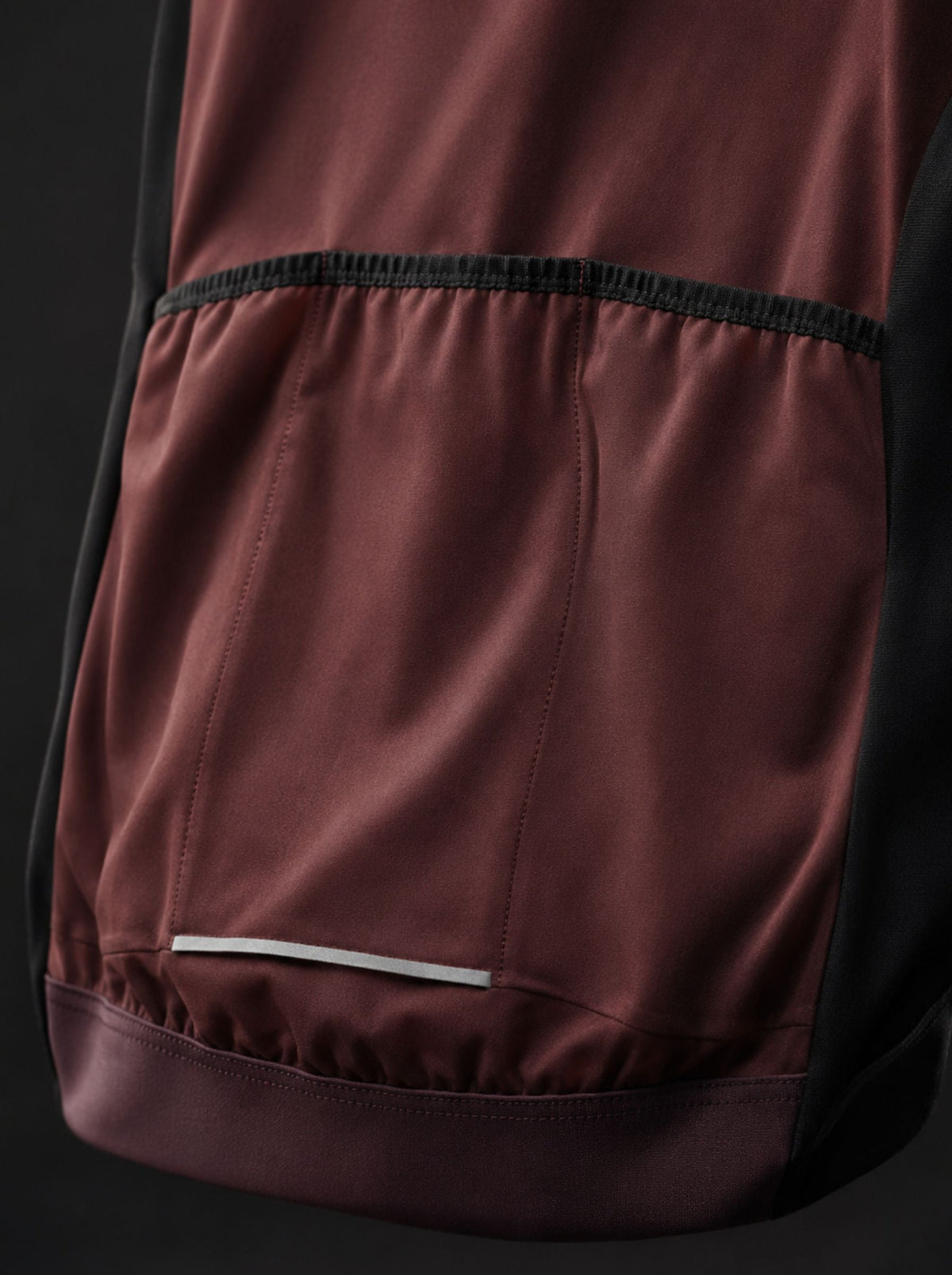
Outer layer: against the wind. On most Atlantic winter days, the problem isn't the temperature, it's the wind and the drizzle. A lightweight windbreaker solves more runs than a thermal jacket. We made the Mist Corsa windbreaker for cycling, but it works just as well for running: the same water-repellent fabric, it folds up small enough to fit in a pocket, an extended back hem, and a reflective OOQ logo on the back.
Warm up indoors, head out in the cold
In winter, muscles and tendons take longer to be ready. You don't need a half-hour warm-up, but five or ten minutes of mobility exercises at home before heading out: ankles, hips, some light skipping. You'll head out with your body already awake and the first few miles will hurt less.
And start slower than in summer. Your pace will come naturally once your body warms up.
The critical moment: when you stop
The real cold isn't during the run, it's in the minutes afterward. You stop, your body stops producing heat, and you're wearing damp clothes. That's when people get cold.
If you finish far from home or your car, bring a dry layer. If you're doing intervals, put on the windbreaker during your recovery periods. And when you get home, take off your wet clothes before doing anything else.

Typical mistakes when running in the cold
Heading out too bundled up. You'll sweat excessively and get cold afterward.
Forgetting visibility. In winter, you often run at night or at dawn. Something reflective in motion, on your ankles or head, will be seen before a light-colored garment.
Drinking less. You won't feel thirsty in the cold, but you're still sweating. On long runs, bring water anyway.
Running in cotton. A soaked cotton sweatshirt is heavy and cold.
If there's water in addition to the cold, we have a specific guide for running in the rain without ending up drenched. And if you're up for the last race of the year this year, here's everything you need to know about the San Silvestre de Oviedo.
Frequently asked questions
Is it bad to run in the cold?
Not for a healthy person, as long as you're properly equipped, warm up before heading out, and don't stand around in wet clothes after you finish. If you have asthma or heart problems, consult your doctor before running in very low temperatures.
What clothes should I wear for winter running?
A technical base layer that wicks sweat, a lightweight windbreaker, and, depending on the temperature, long tights, thin gloves, and a beanie or headband. Several thin layers are better than one thick one.
At what temperature should you run in long tights?
As a benchmark, below about 7 degrees, most runners are more comfortable in long tights. Earlier with wind or rain.
How can I prevent my hands from freezing while running?
Wear thin gloves from the start. It's easier to take them off when you warm up than to recover frozen fingers halfway through your run.
Do you need to warm up more in winter?
Yes. Five or ten minutes of mobility exercises at home before heading out, and a few initial miles easier than usual.









Leave a comment
This site is protected by hCaptcha and the hCaptcha Privacy Policy and Terms of Service apply.