



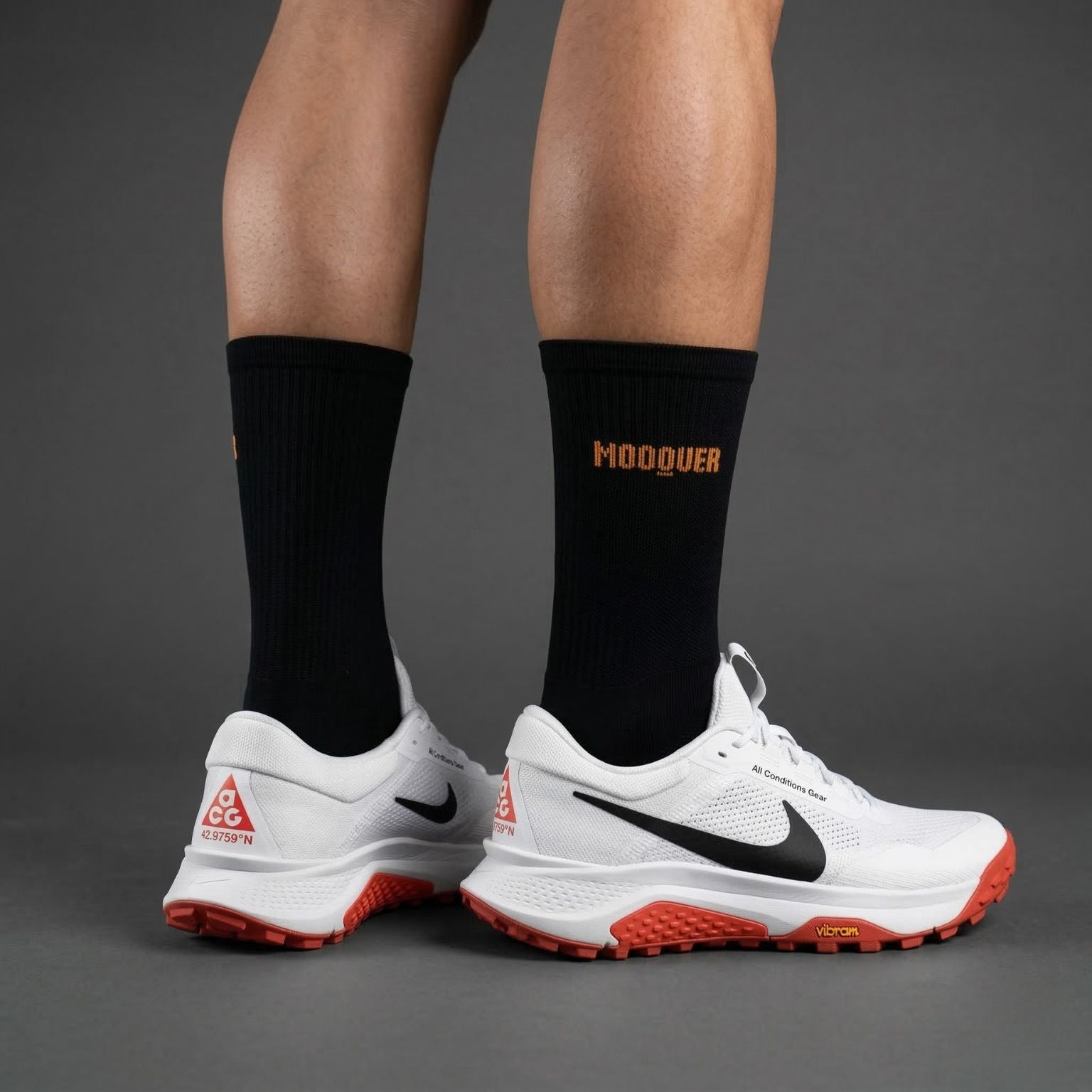






What is copper thread used for in a cycling sock?
Copper in a sock is neither an ornament nor a marketing gimmick: it's chemistry known for centuries. Copper has natural antimicrobial properties, and that, in a sock that spends hours inside a hot, damp shoe, has very practical consequences.

A sock's bad odor is not produced by sweat itself, but by the bacteria that feed on it. Copper reduces the proliferation of these bacteria, so a sock with copper yarn stays fresh longer and smells less, even after long rides or multiple uses between washes.
There's a secondary benefit: less bacteria also means less fabric degradation via that route and a garment that withstands intensive use better. In a technical sock that endures miles, sweat, and washes, that's appreciated.

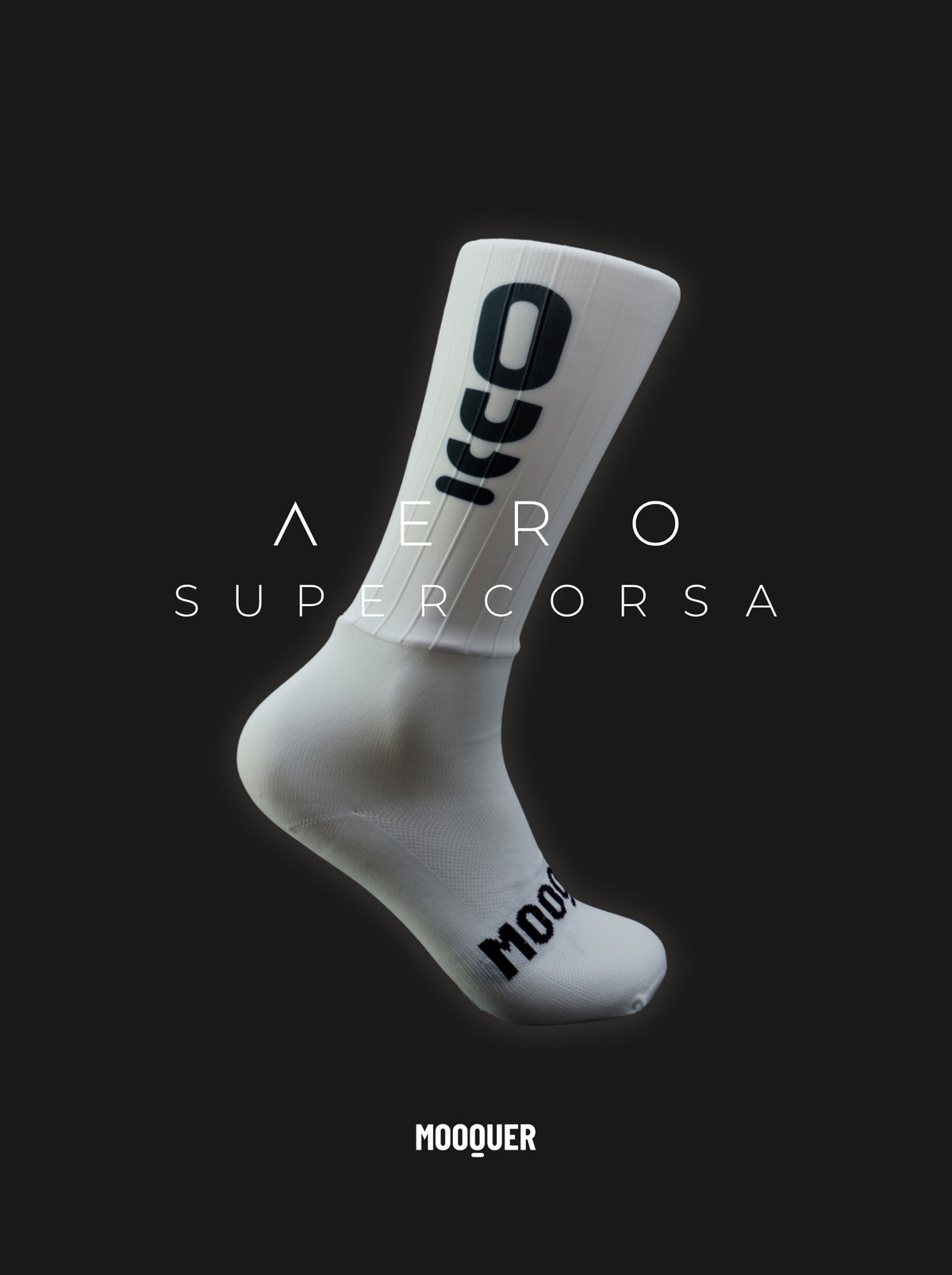
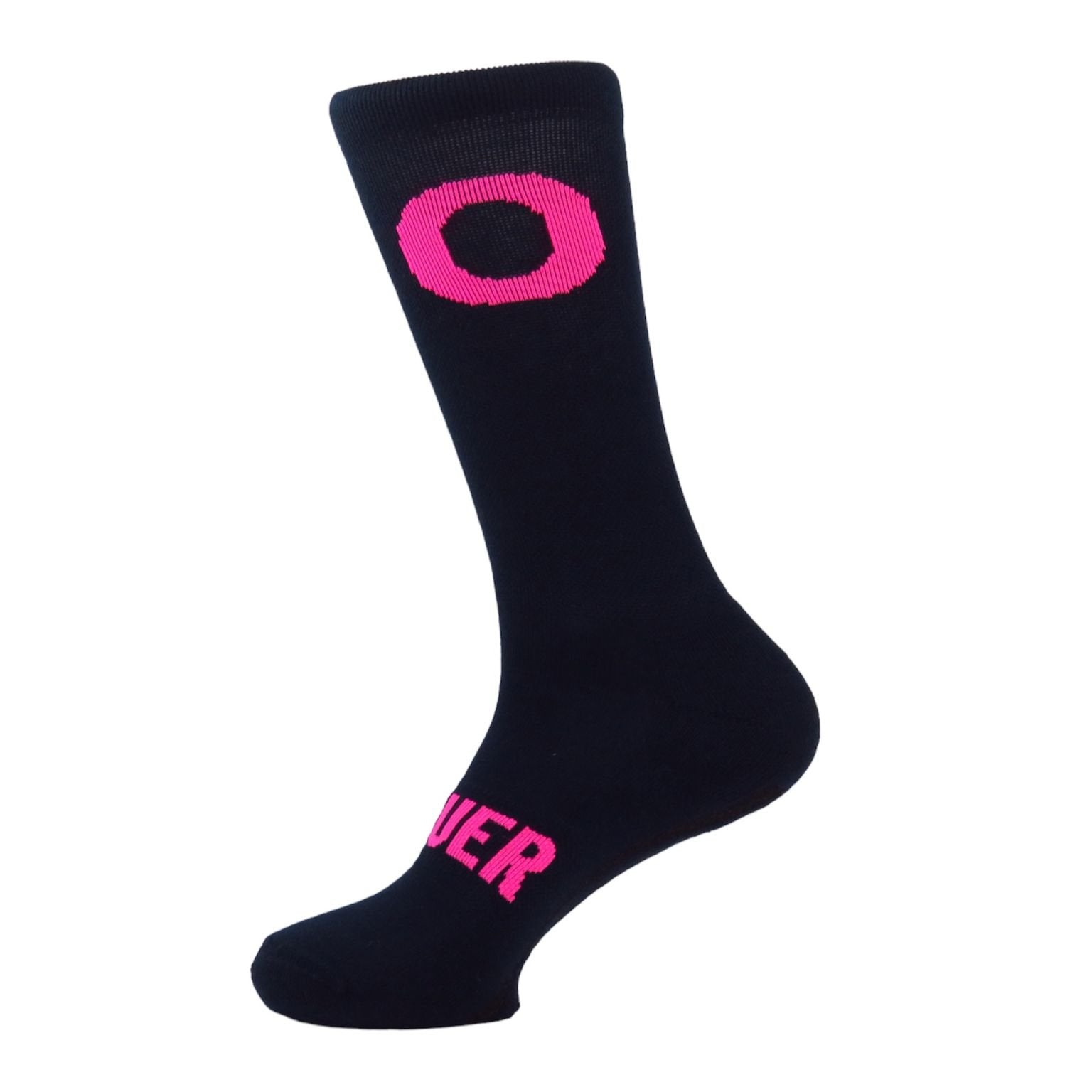
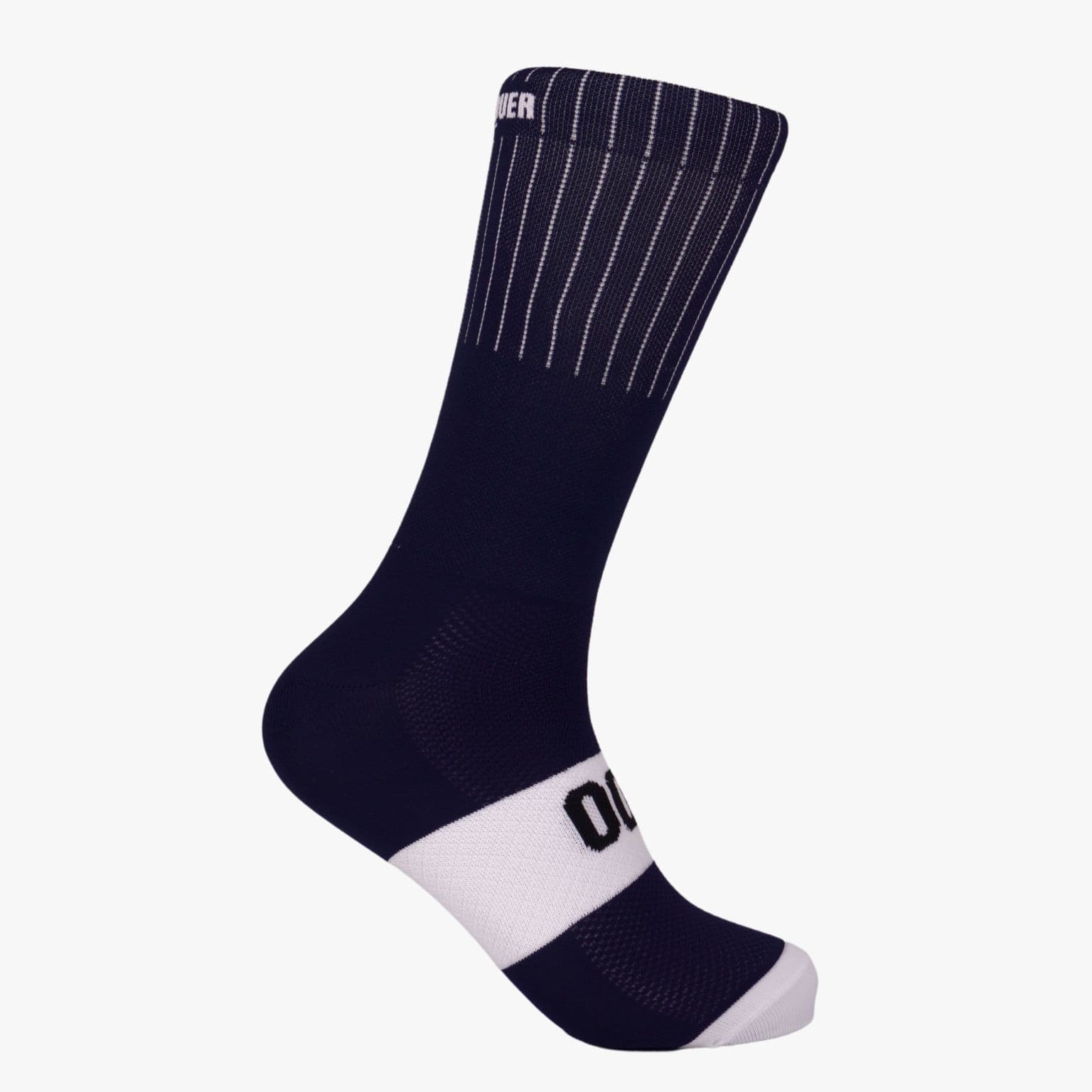
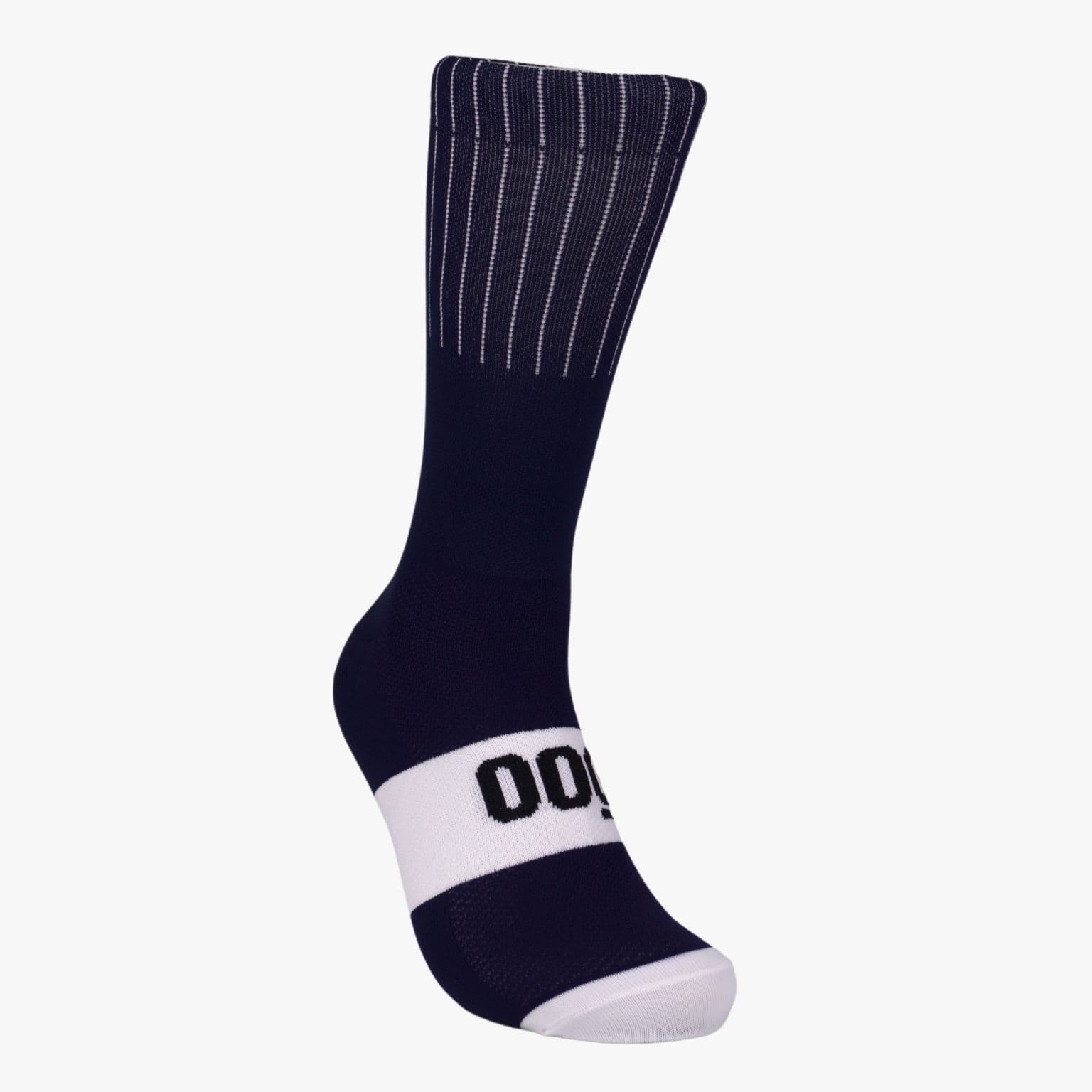
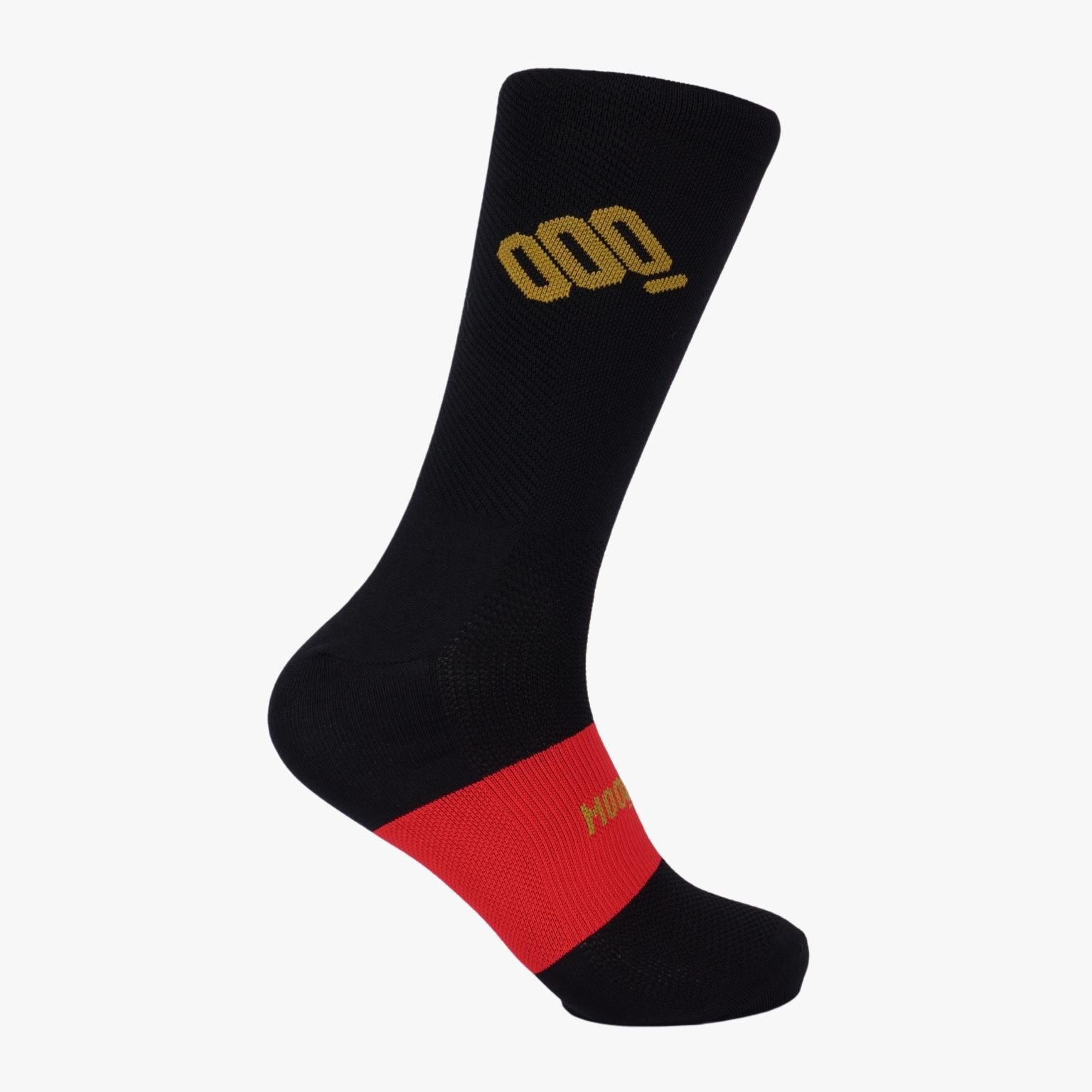
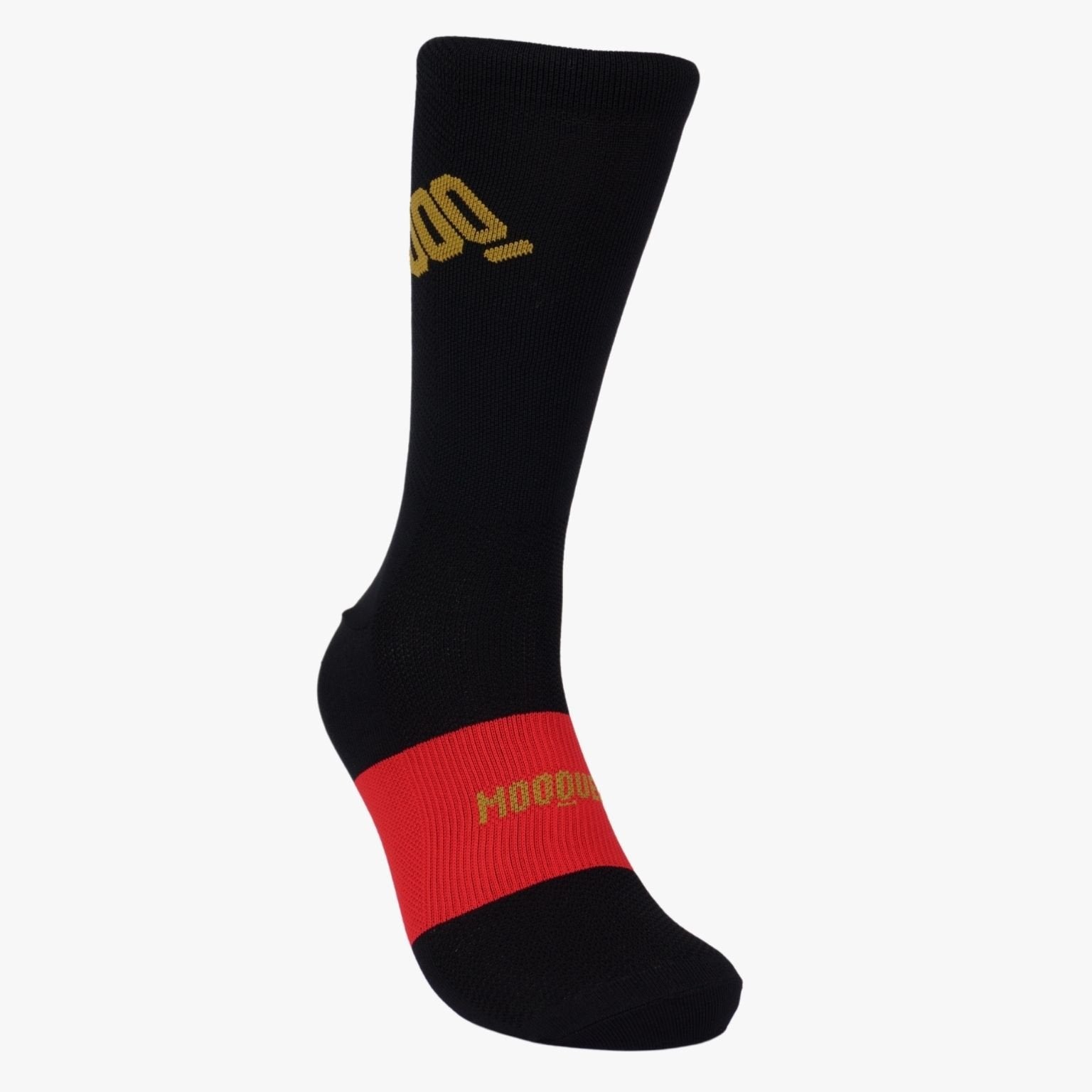
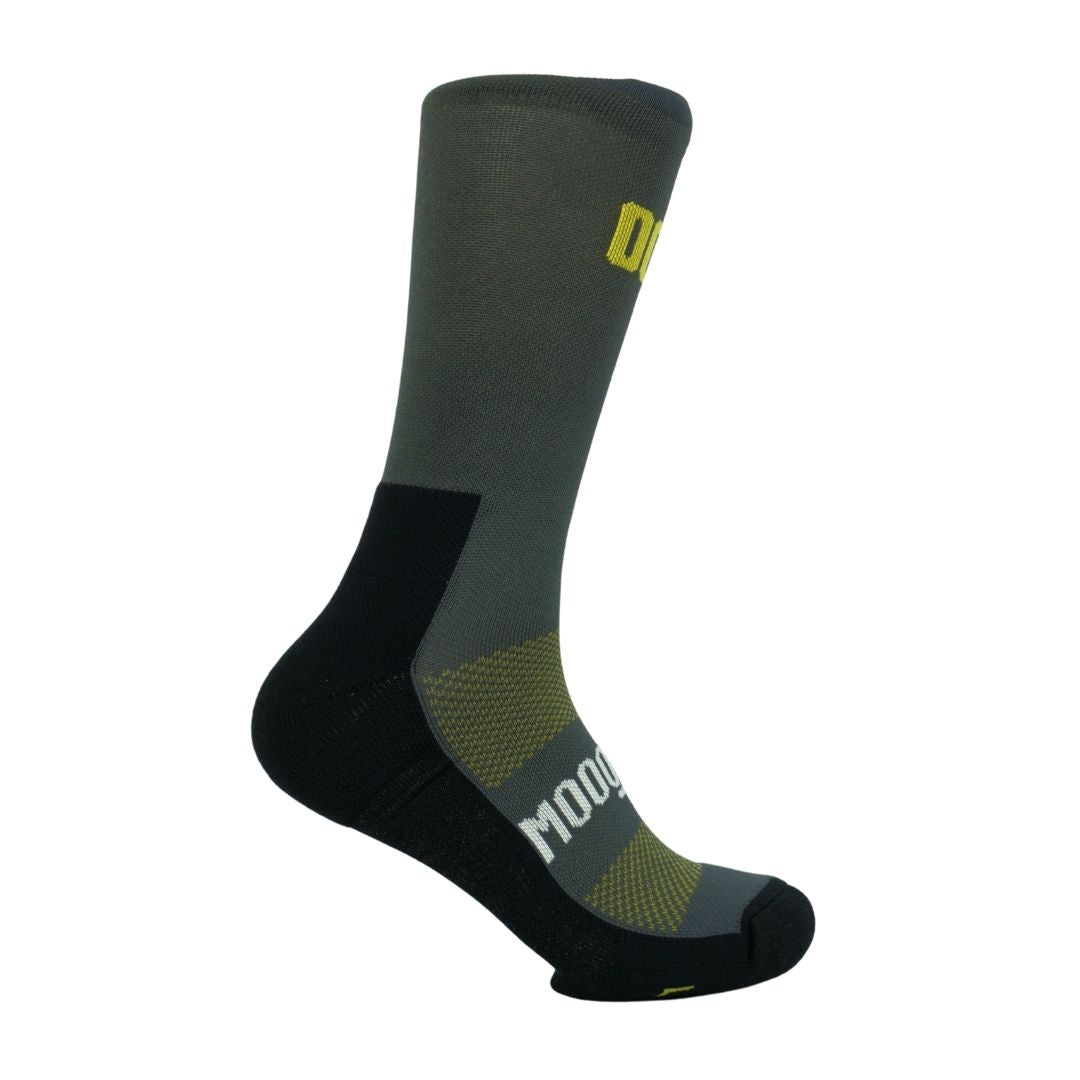
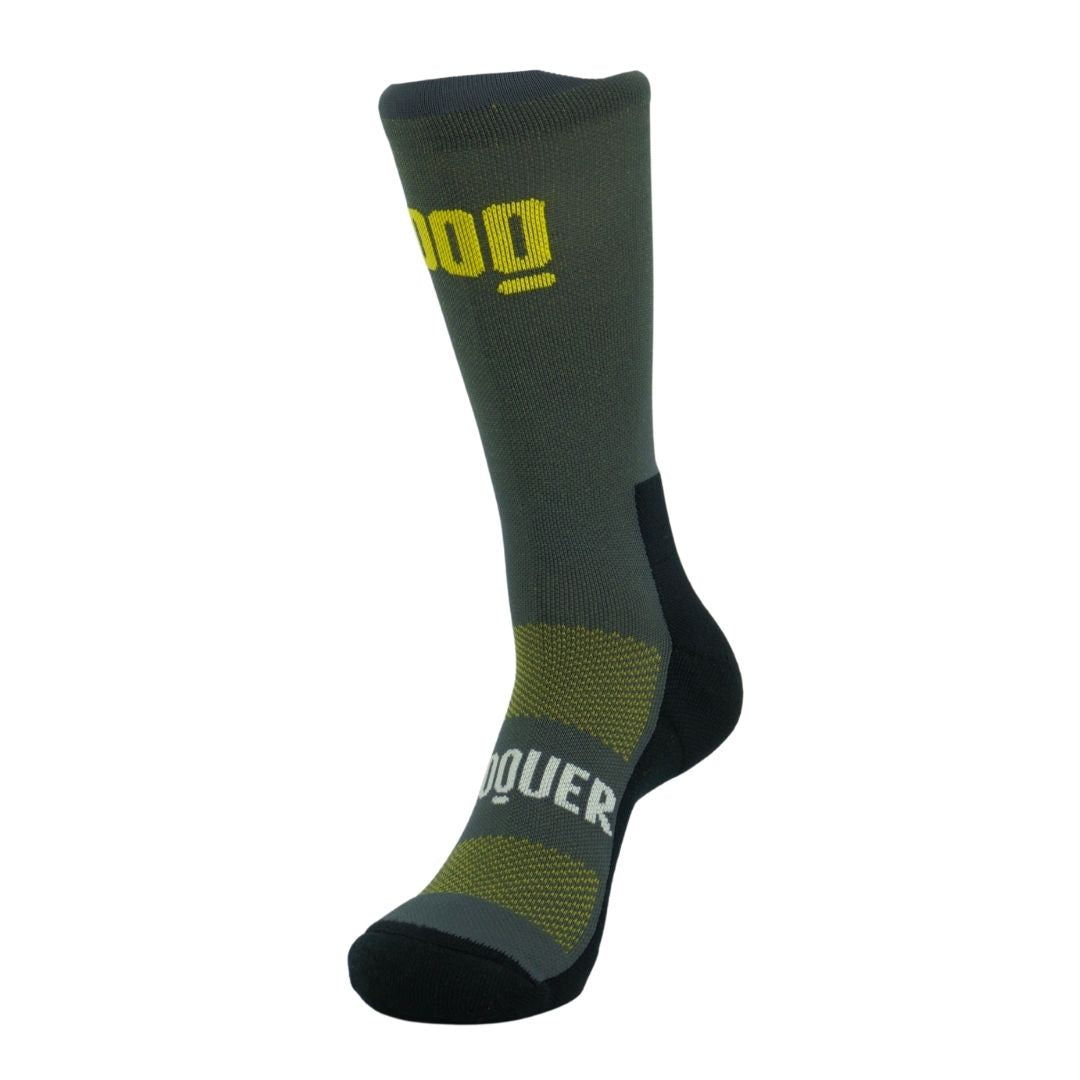
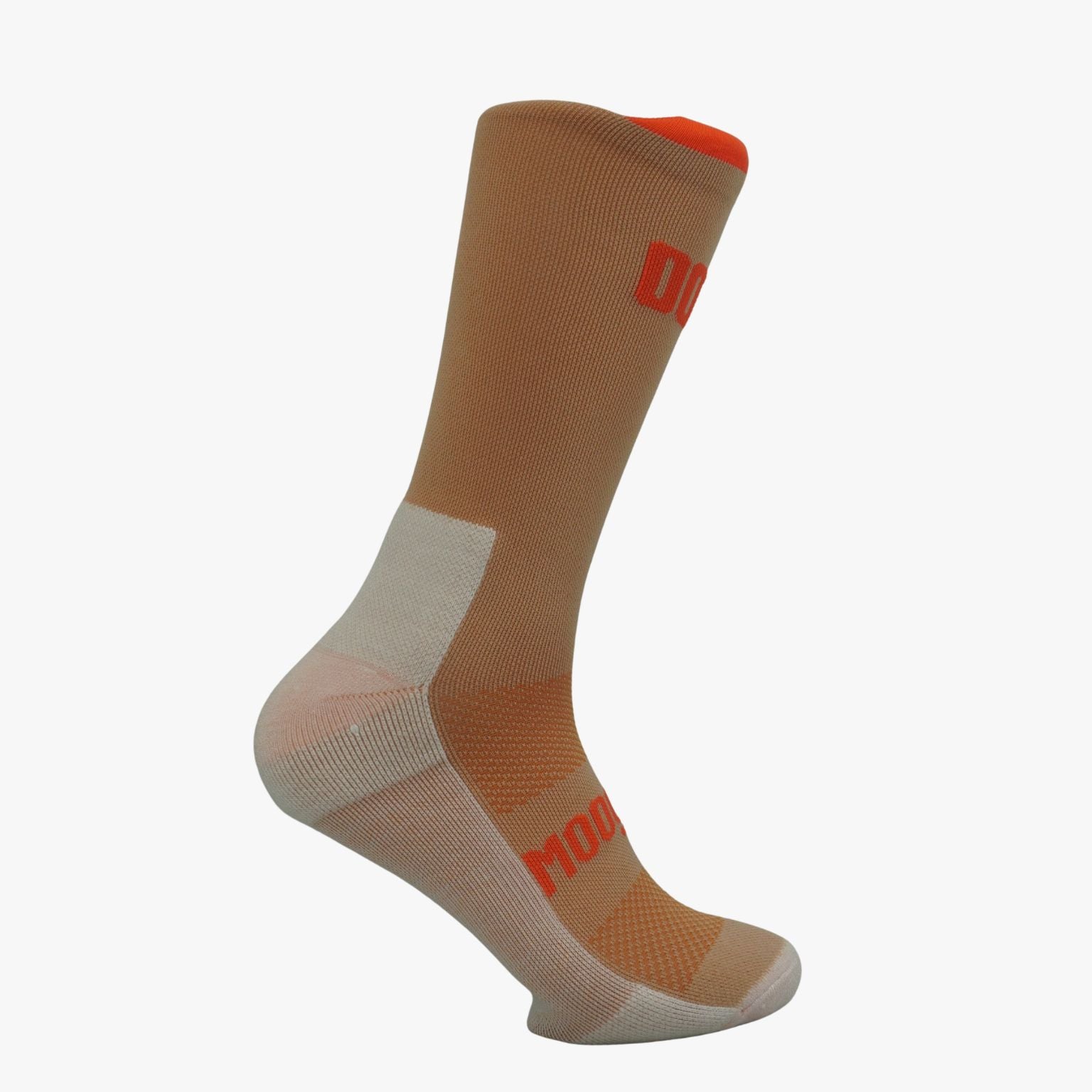
It's important to be honest about what copper does and doesn't do. Its proven strength is odor control and hygiene. Some brands attribute thermal or recovery effects to it; the evidence there is more debatable, so we stick to what's clear: fewer bacteria, less odor, more freshness. You'll see it in our cycling socks.
Frequently asked questions
What is copper yarn in a sock for?
Mainly for odor control. Copper is antimicrobial and reduces the bacteria that, by feeding on sweat, produce bad odor.
Does copper really make it smell less?
Yes. By limiting bacterial proliferation, the sock stays fresh longer, even on long rides or between washes.
Does copper keep you warm or improve recovery?
Its proven effect is antibacterial and odor control. Supposed thermal or recovery benefits have more debatable evidence.
Does the effect wear off with washing?
When copper is integrated into the fiber and not just externally applied, the effect is long-lasting and resists washes well.
















Leave a comment
This site is protected by hCaptcha and the hCaptcha Privacy Policy and Terms of Service apply.