







Merino Wool vs. Synthetic Fiber in the Cold: Which to Choose
As soon as the temperature drops, the same old debate returns: merino wool or synthetic fiber socks? There's no absolute winner; the winner depends on what you prioritize. Let's break it down.
Merino wool is a natural wonder. It regulates temperature better than almost anything, resists odor naturally, and, its great virtue in cold weather, continues to provide warmth even when damp. It's soft, doesn't itch like old wool, and offers a feeling of comfort that's hard to match. On the other hand, it's less durable, dries slower, and costs more.

Synthetic fiber plays the opposite role. It's more resistant to wear, dries very quickly, withstands washes better, and is more economical. Its classic weak point is odor: it retains bacteria more, although this can be corrected by combining it with treatments or threads like copper.
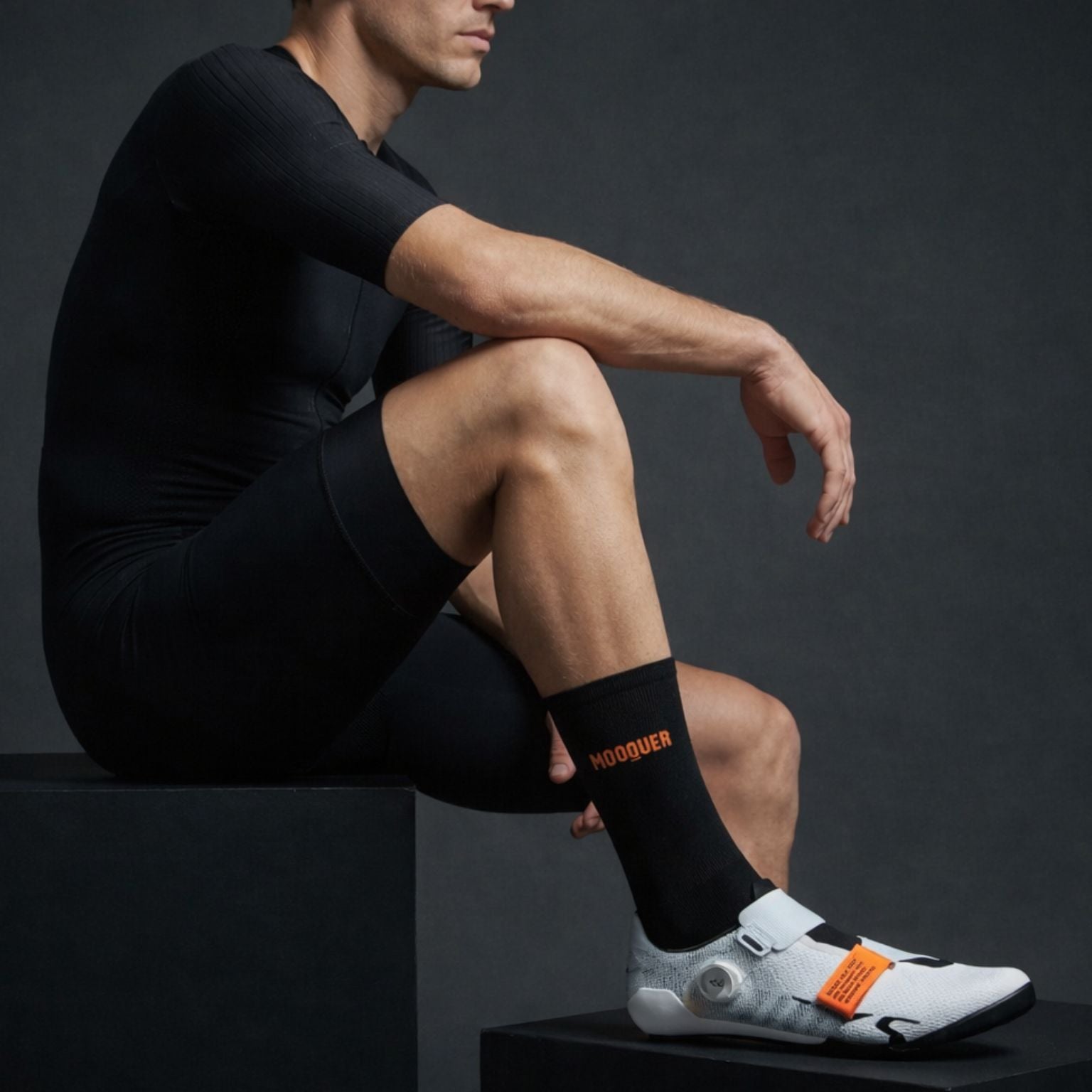
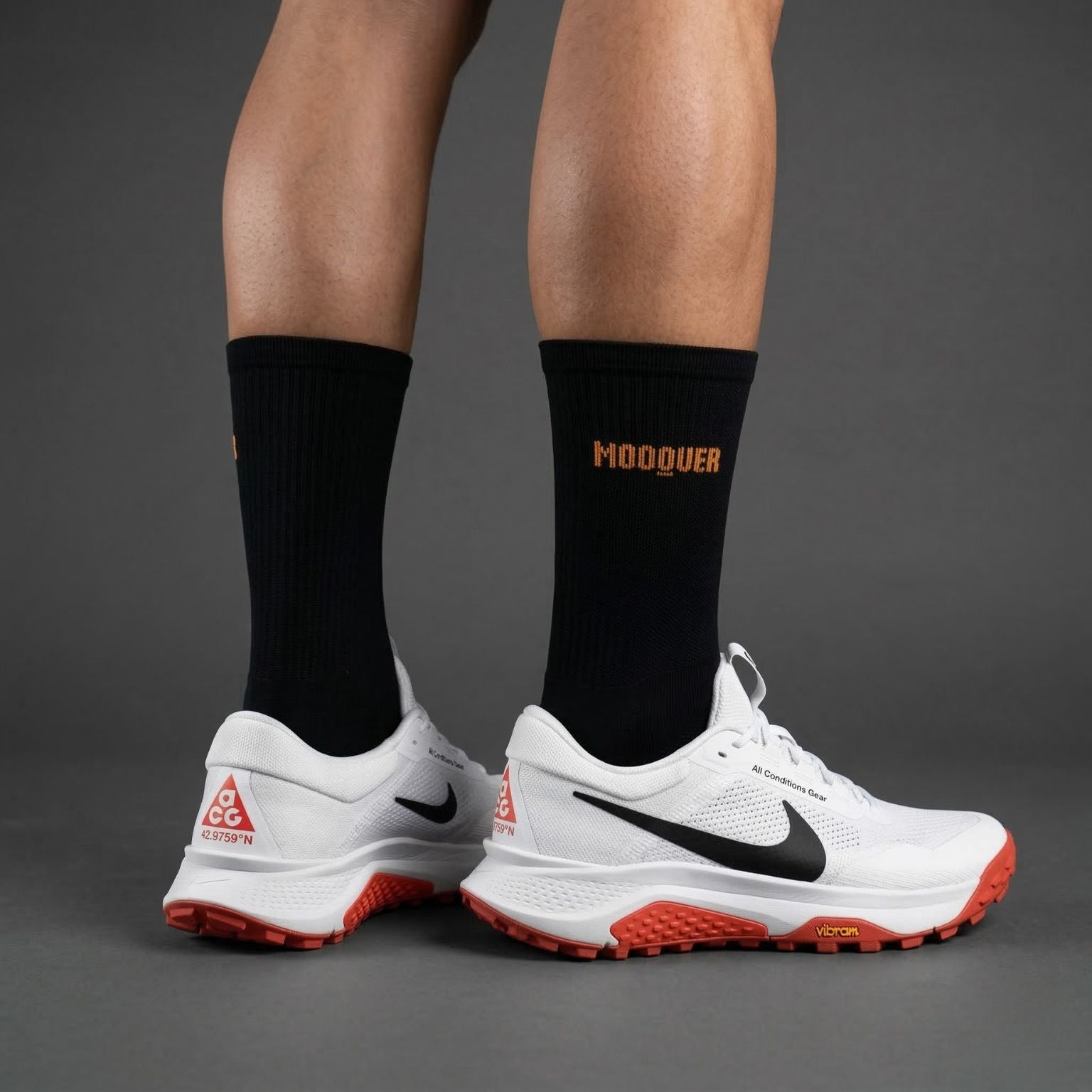
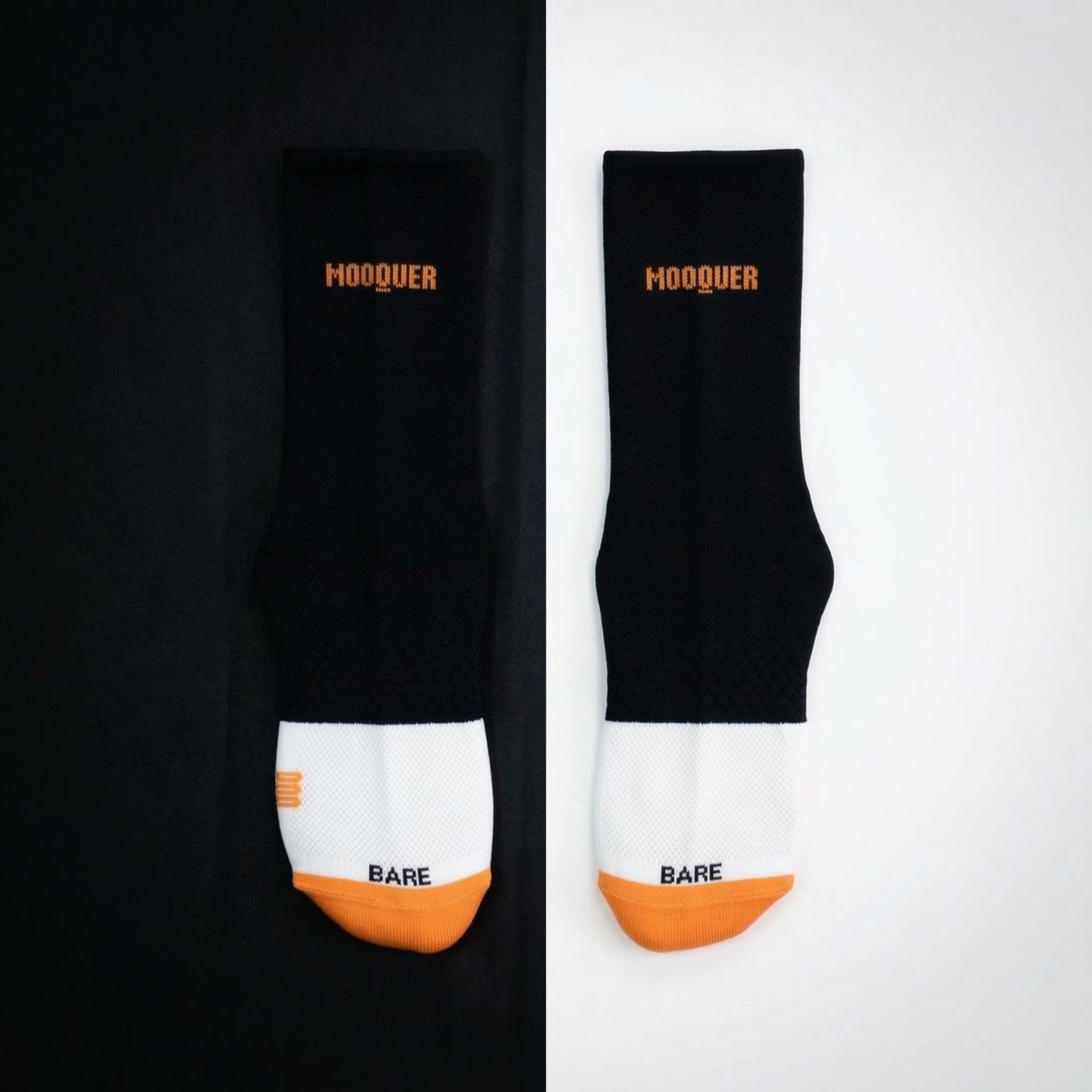
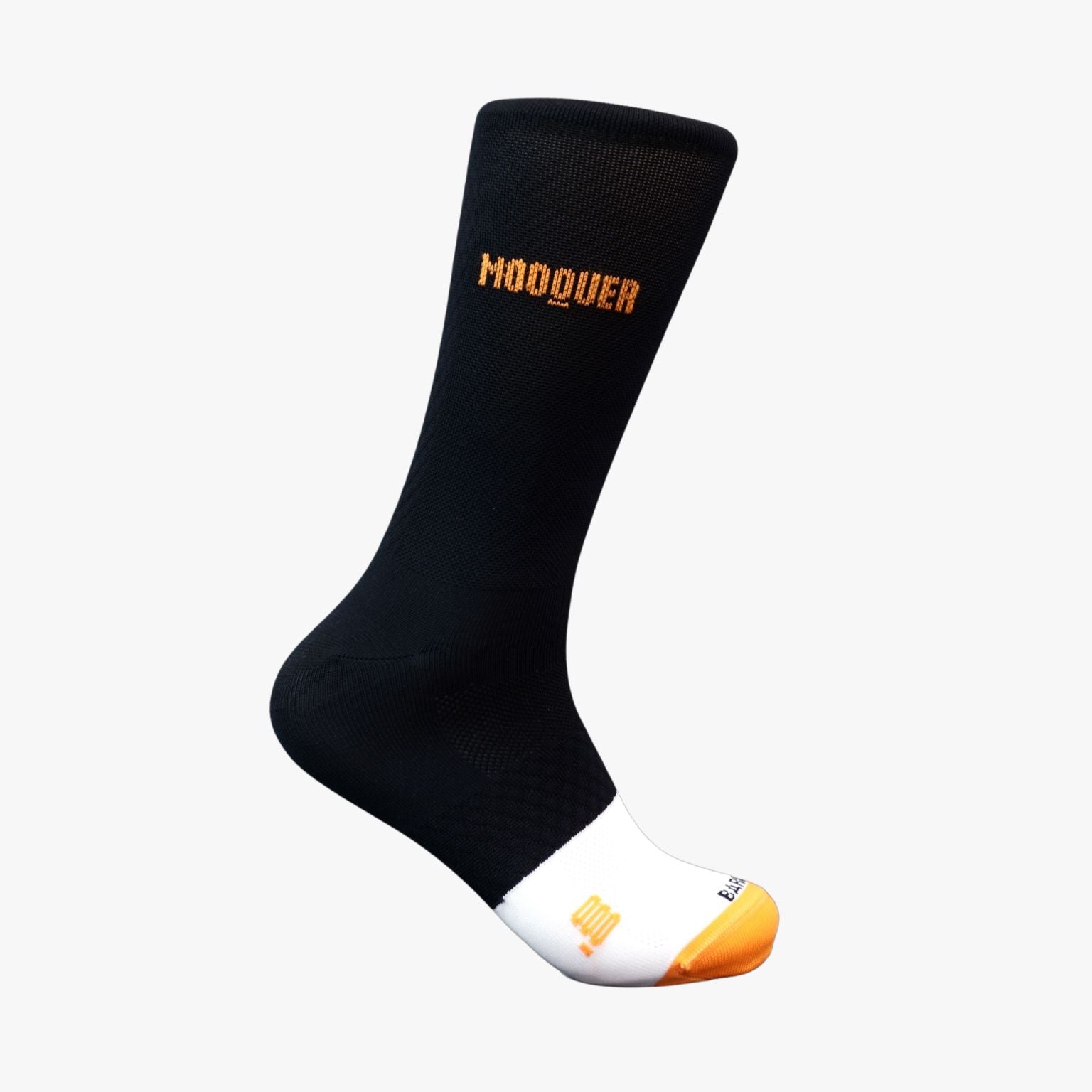
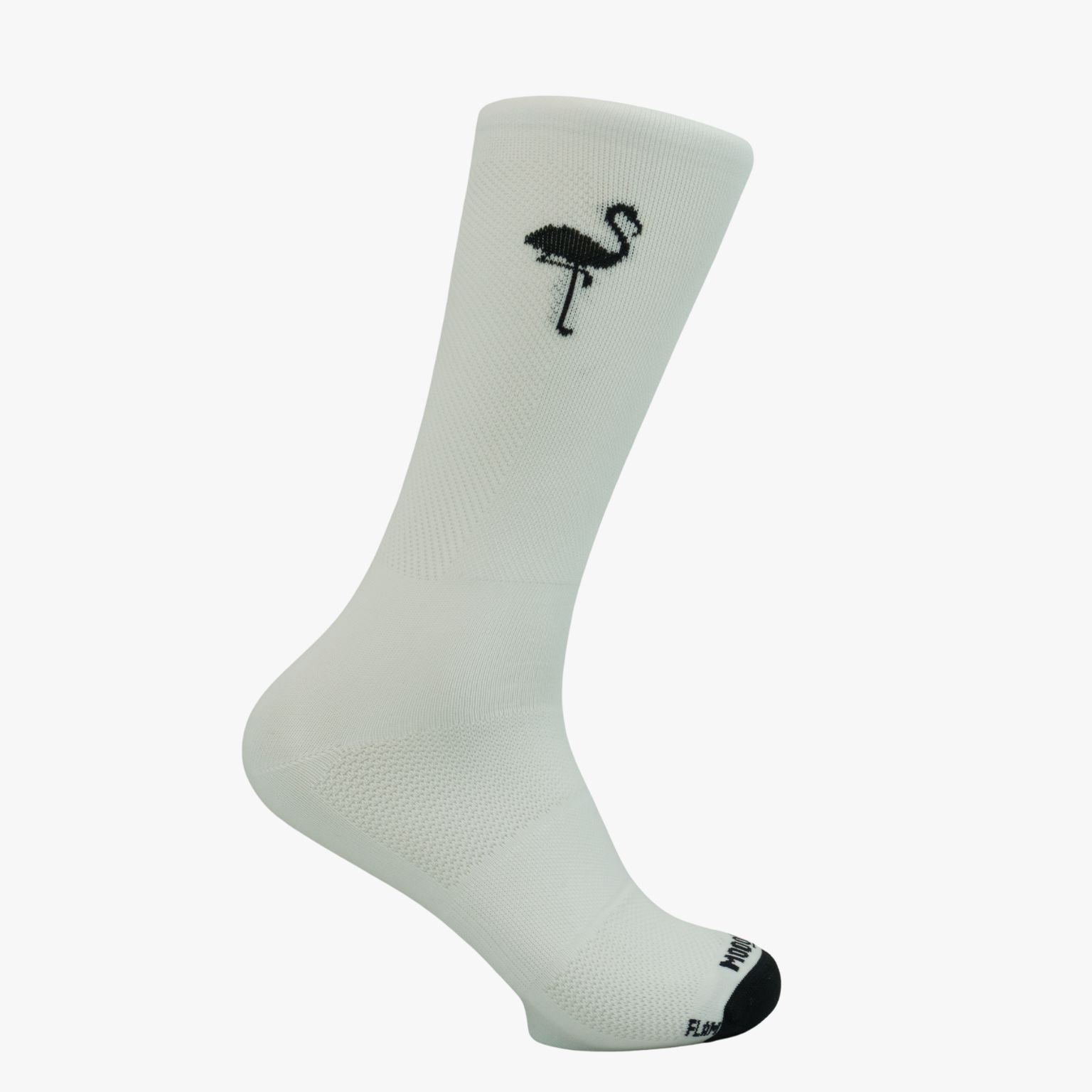
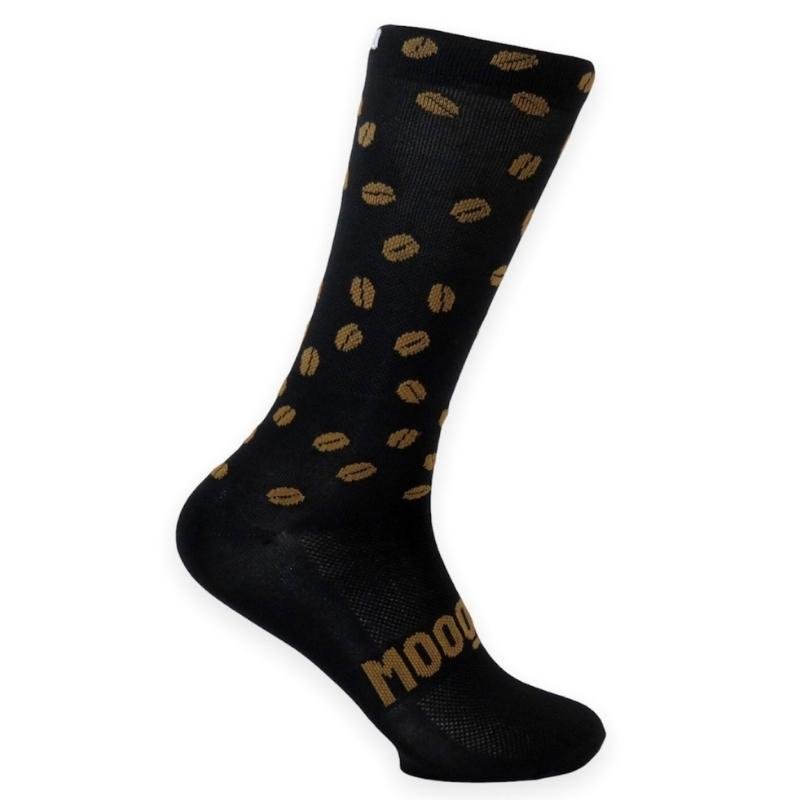
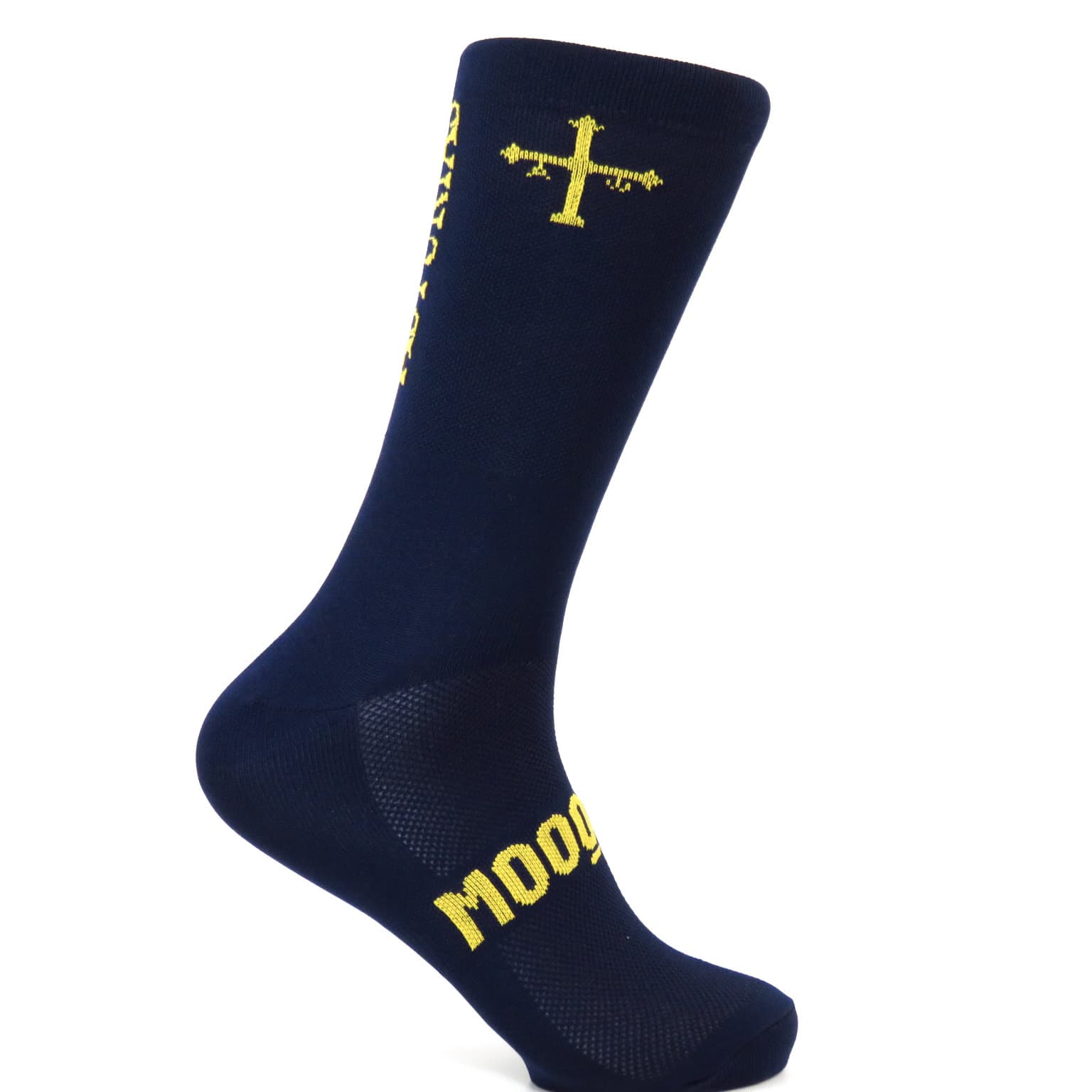
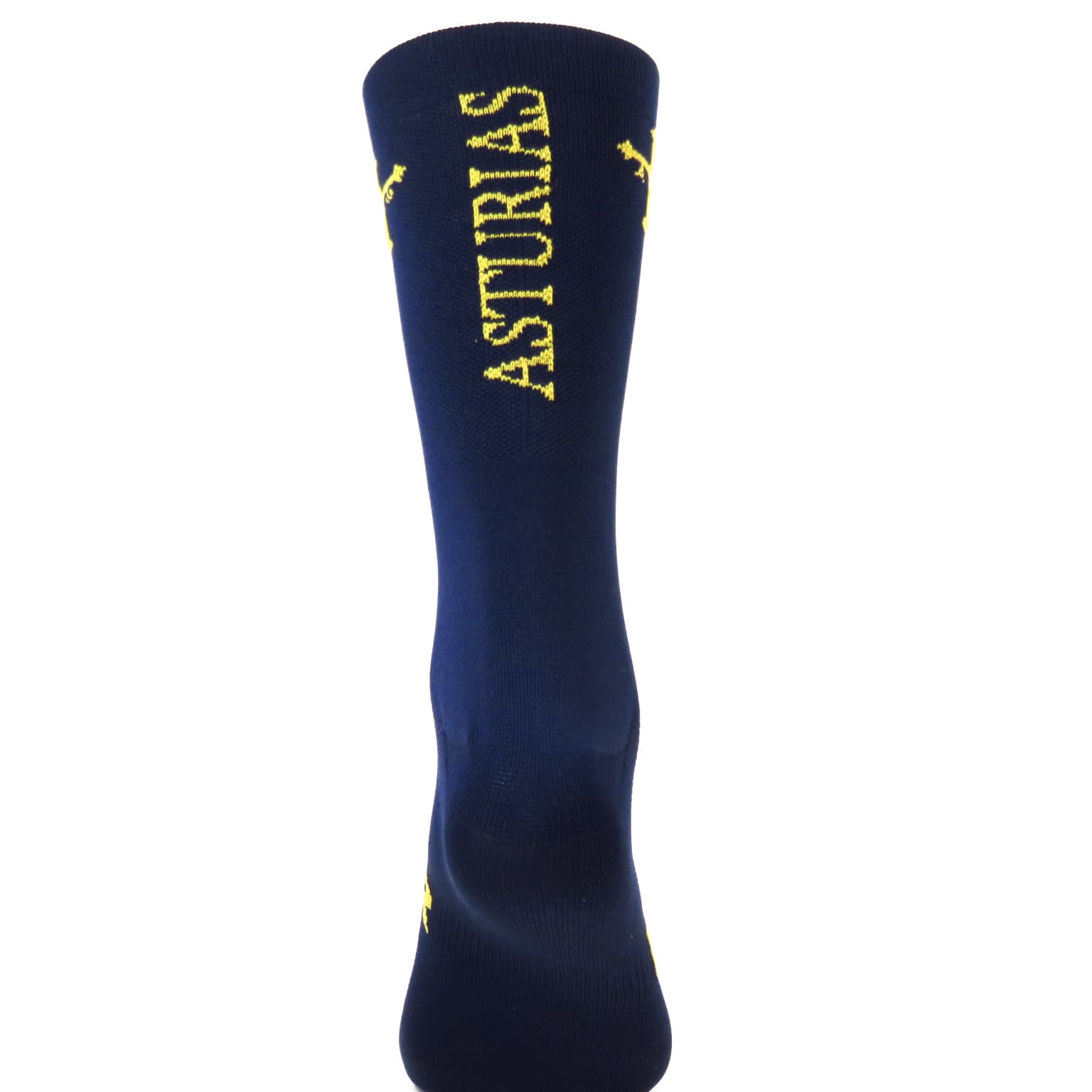
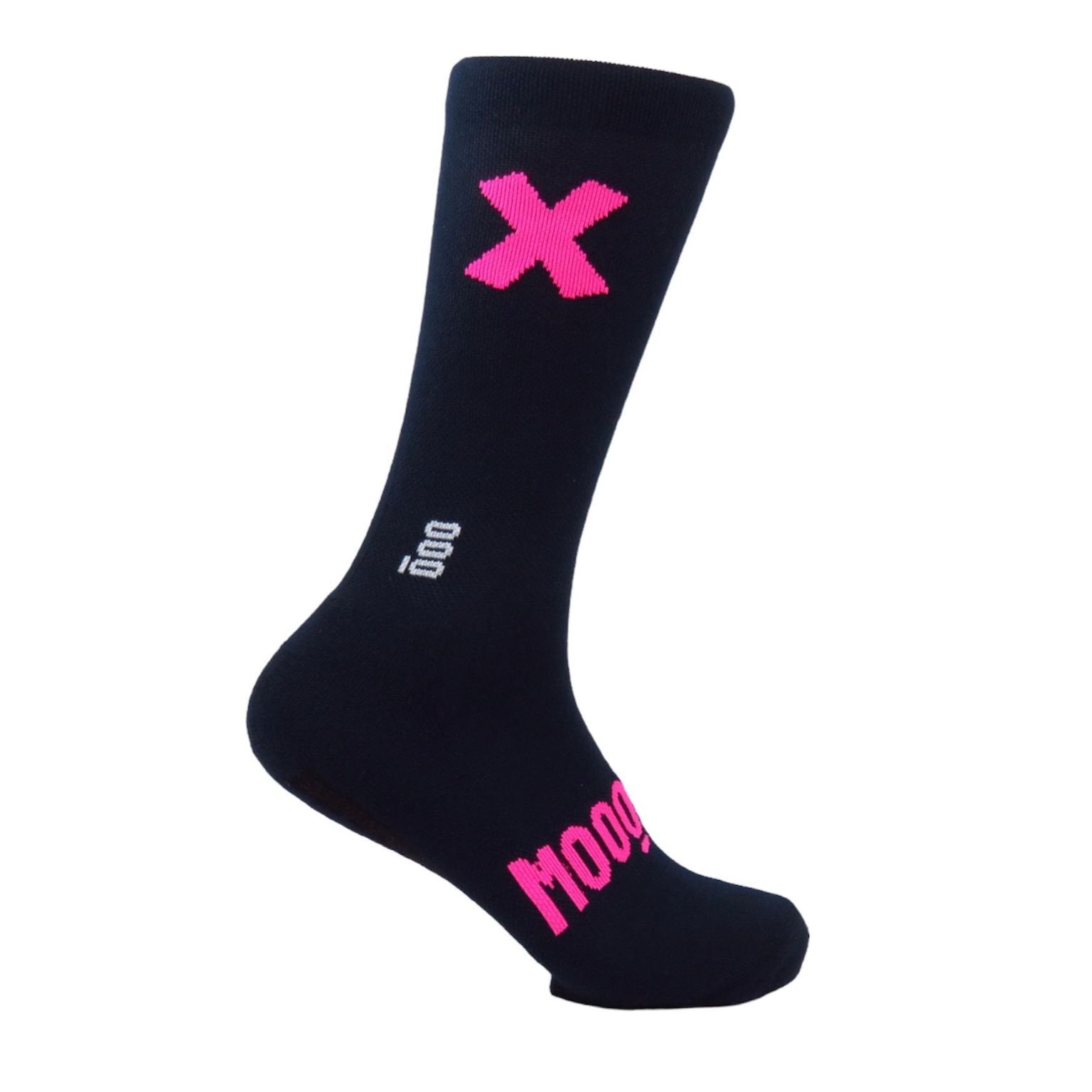
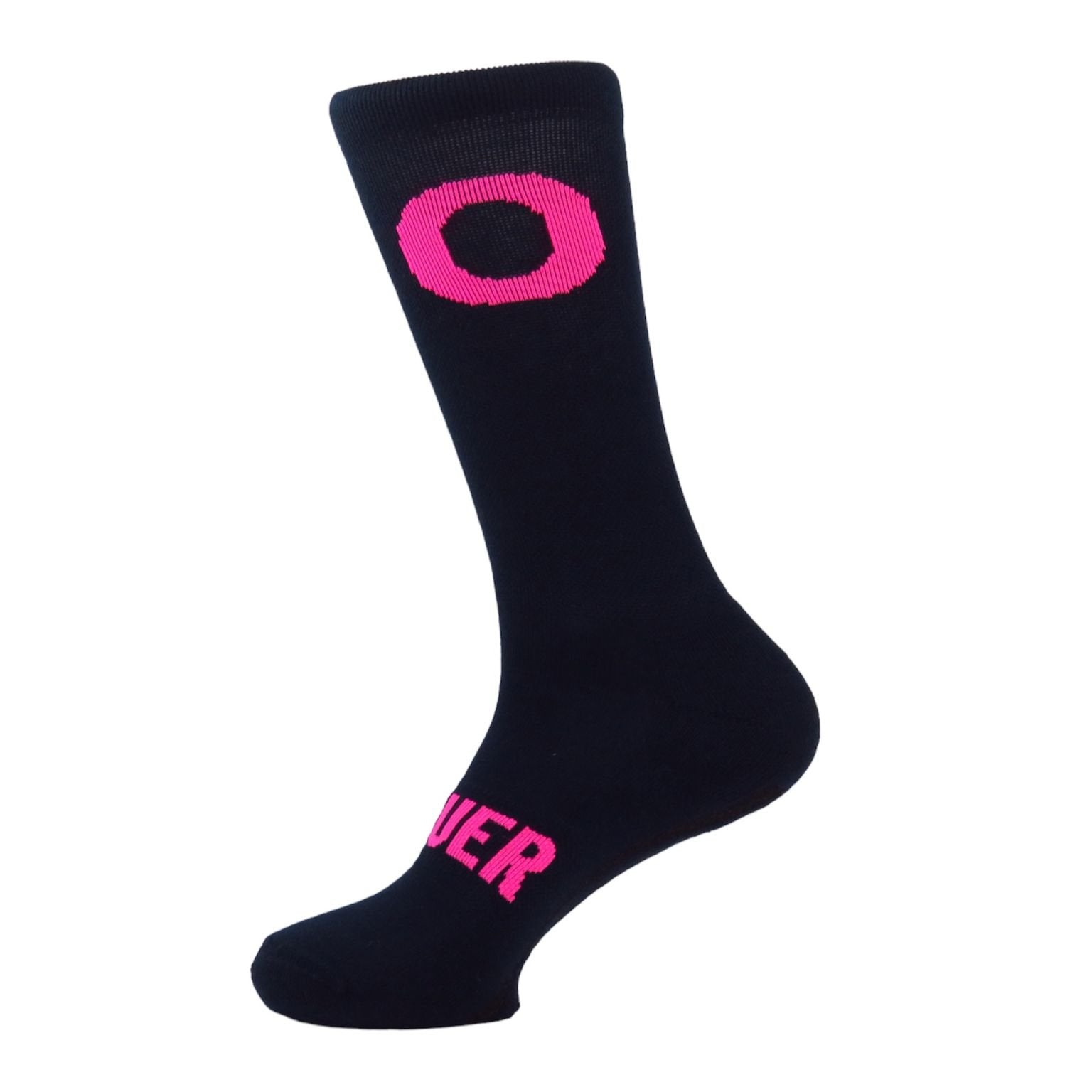
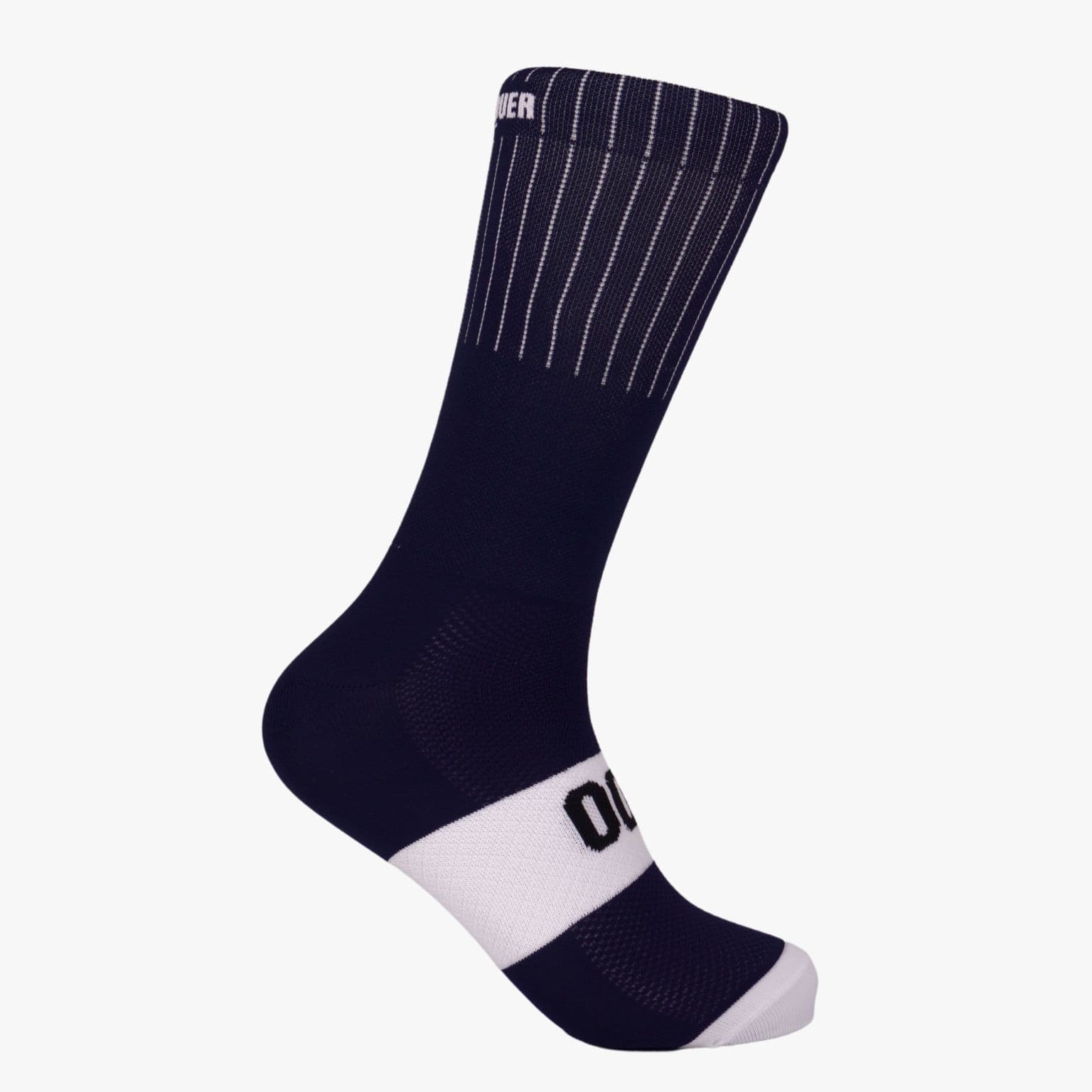
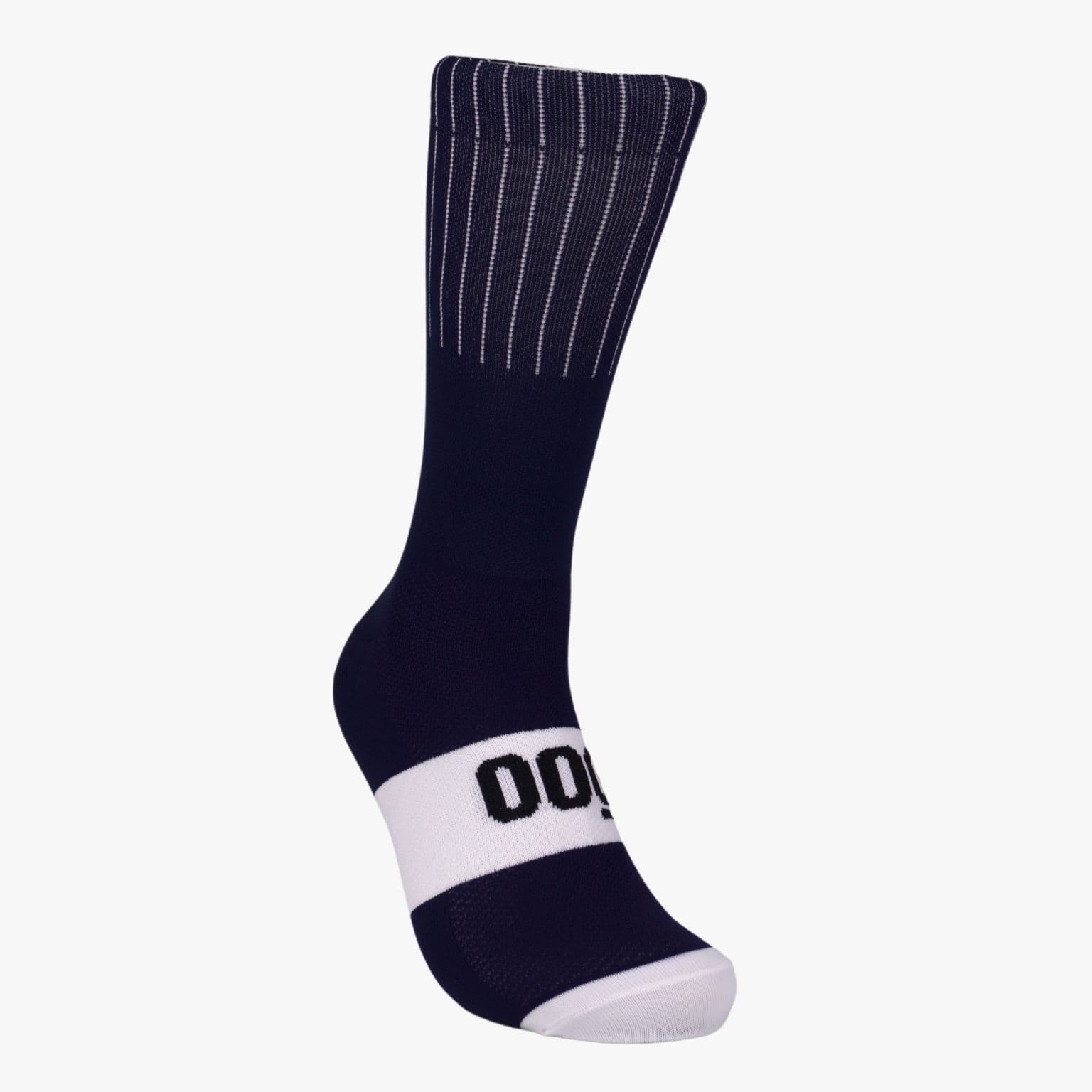
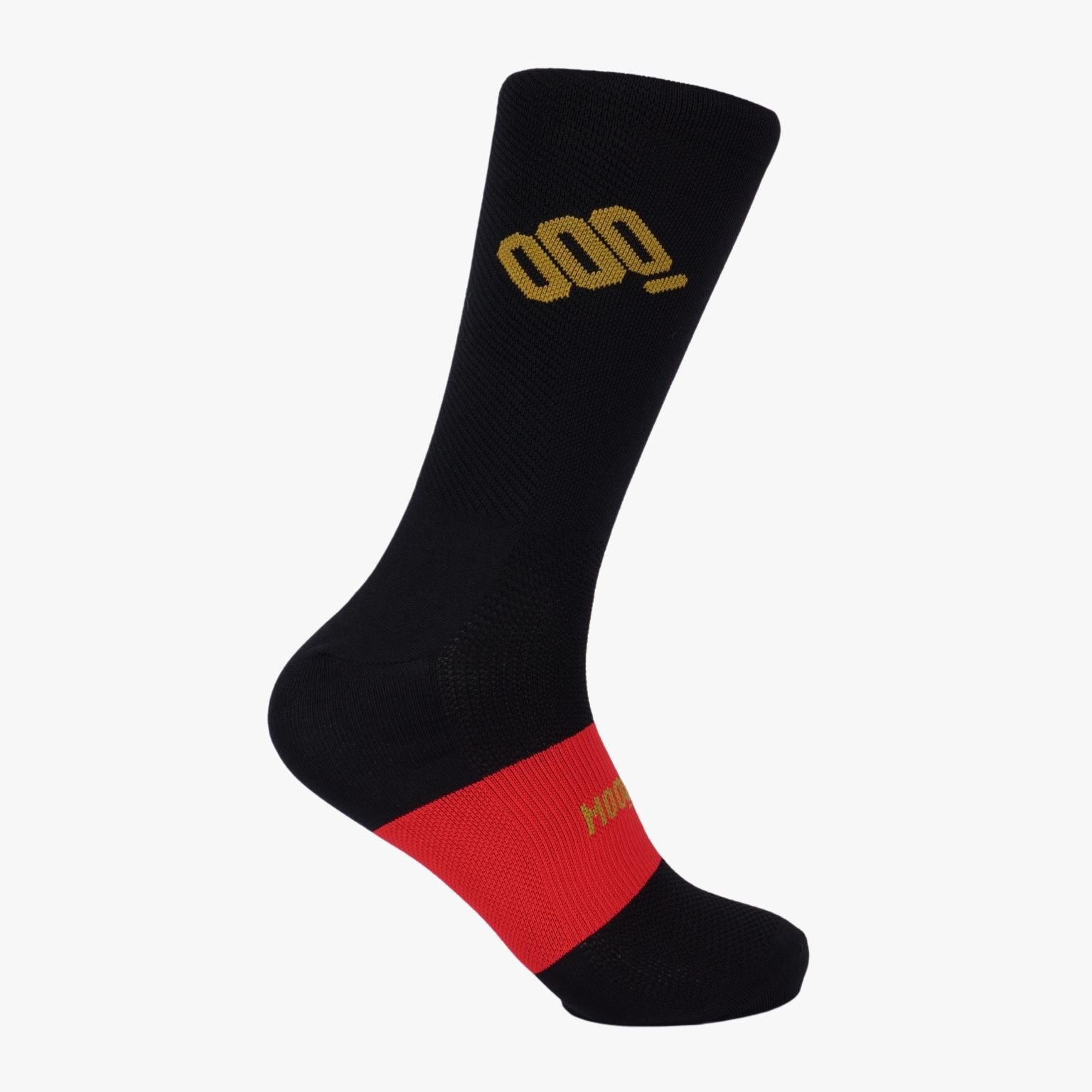
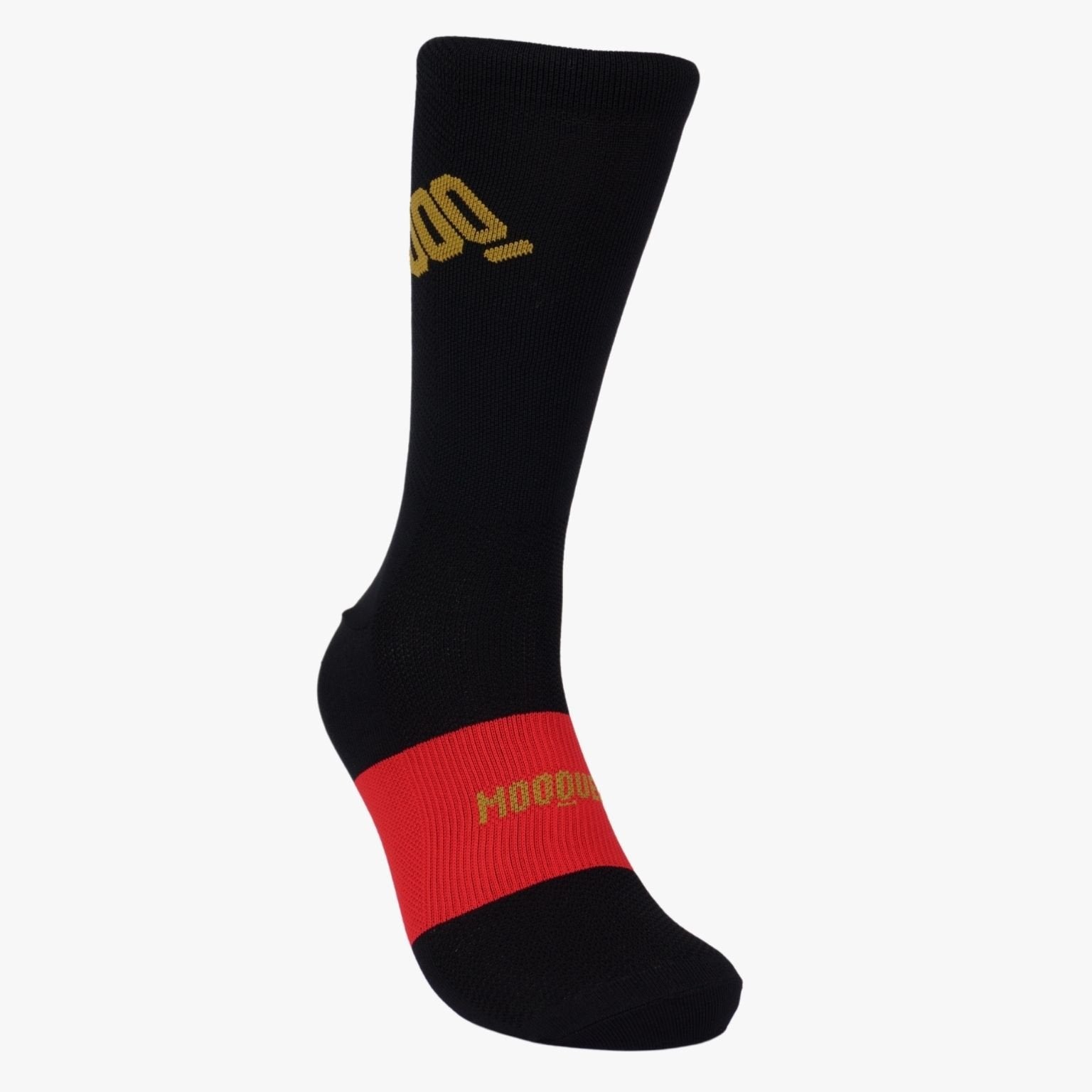
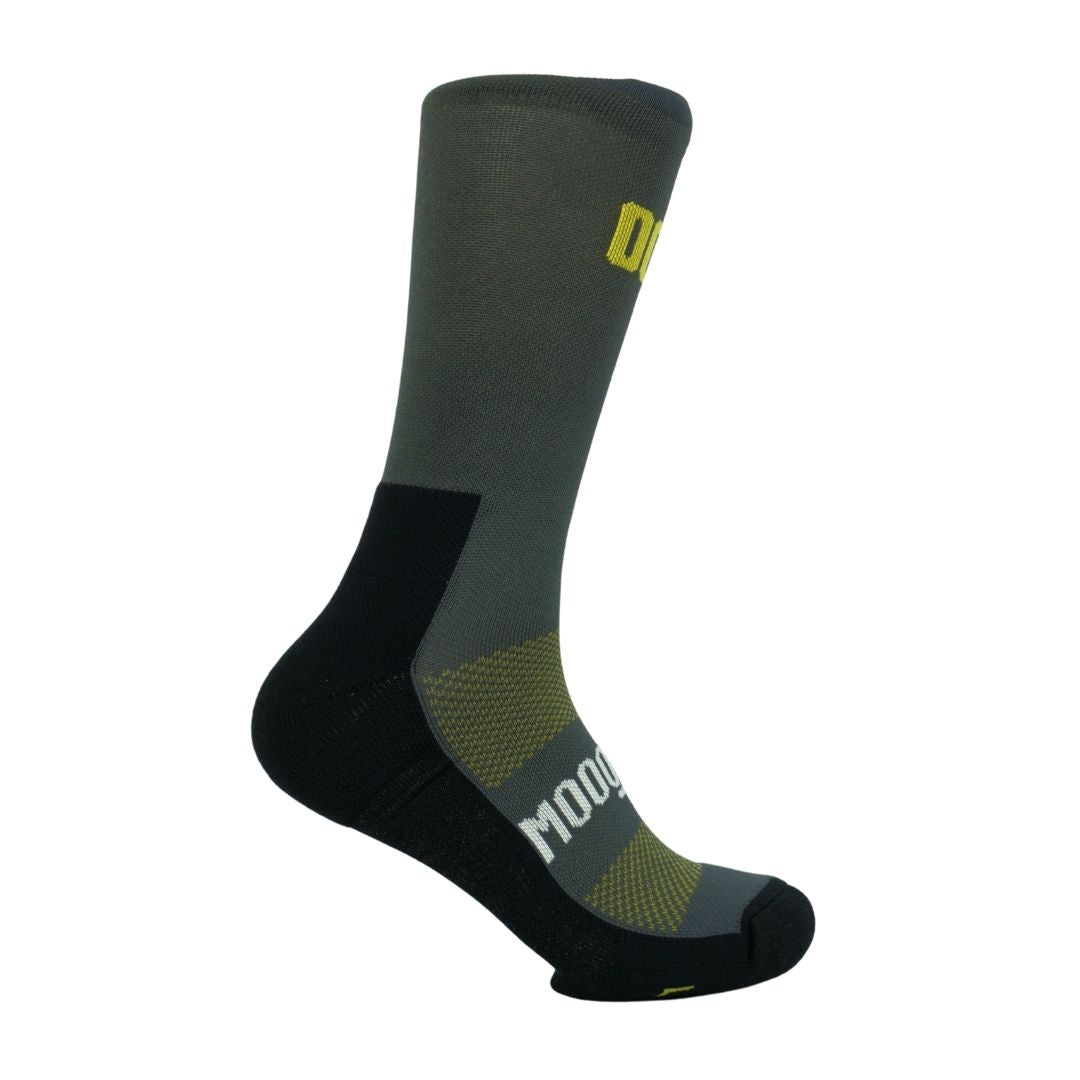
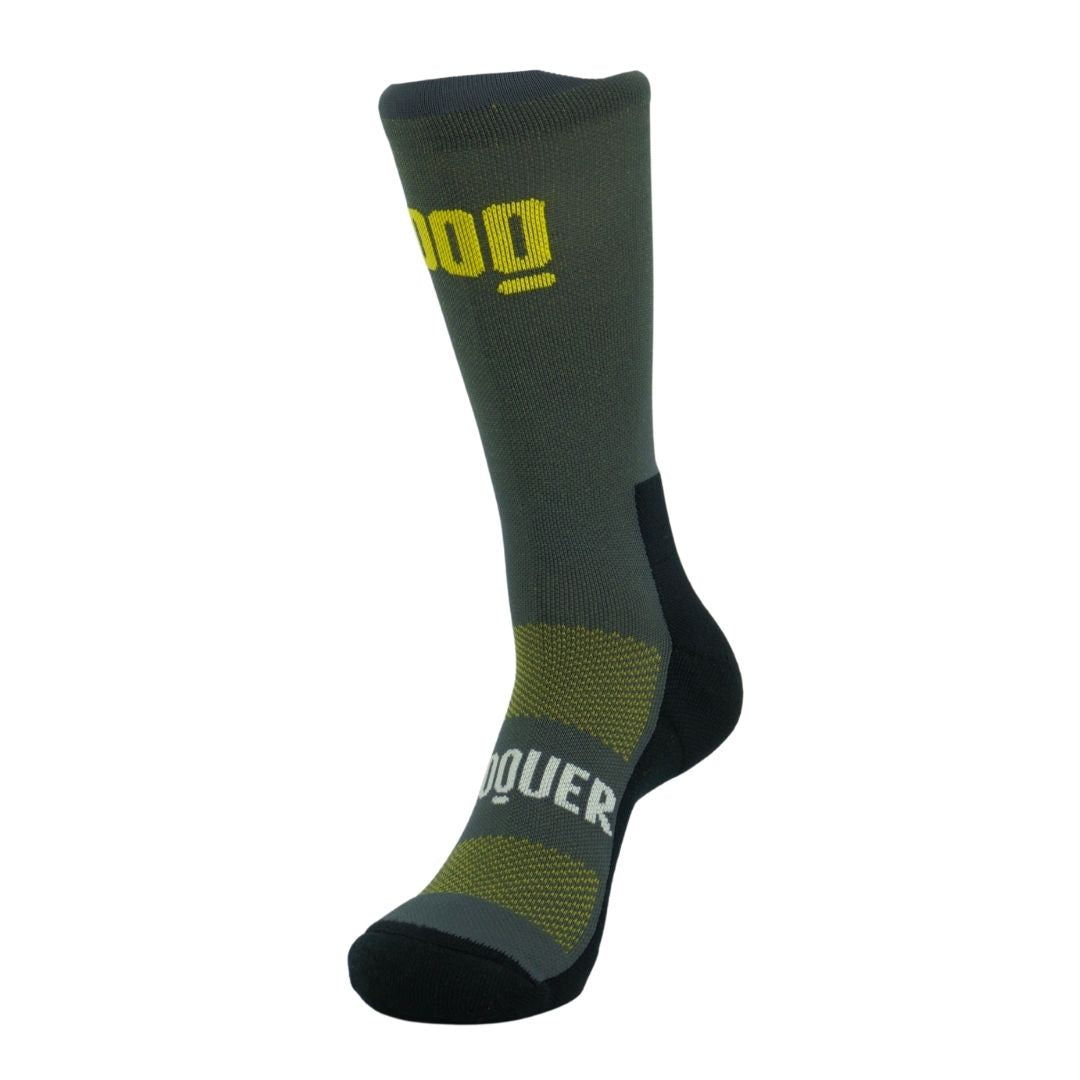
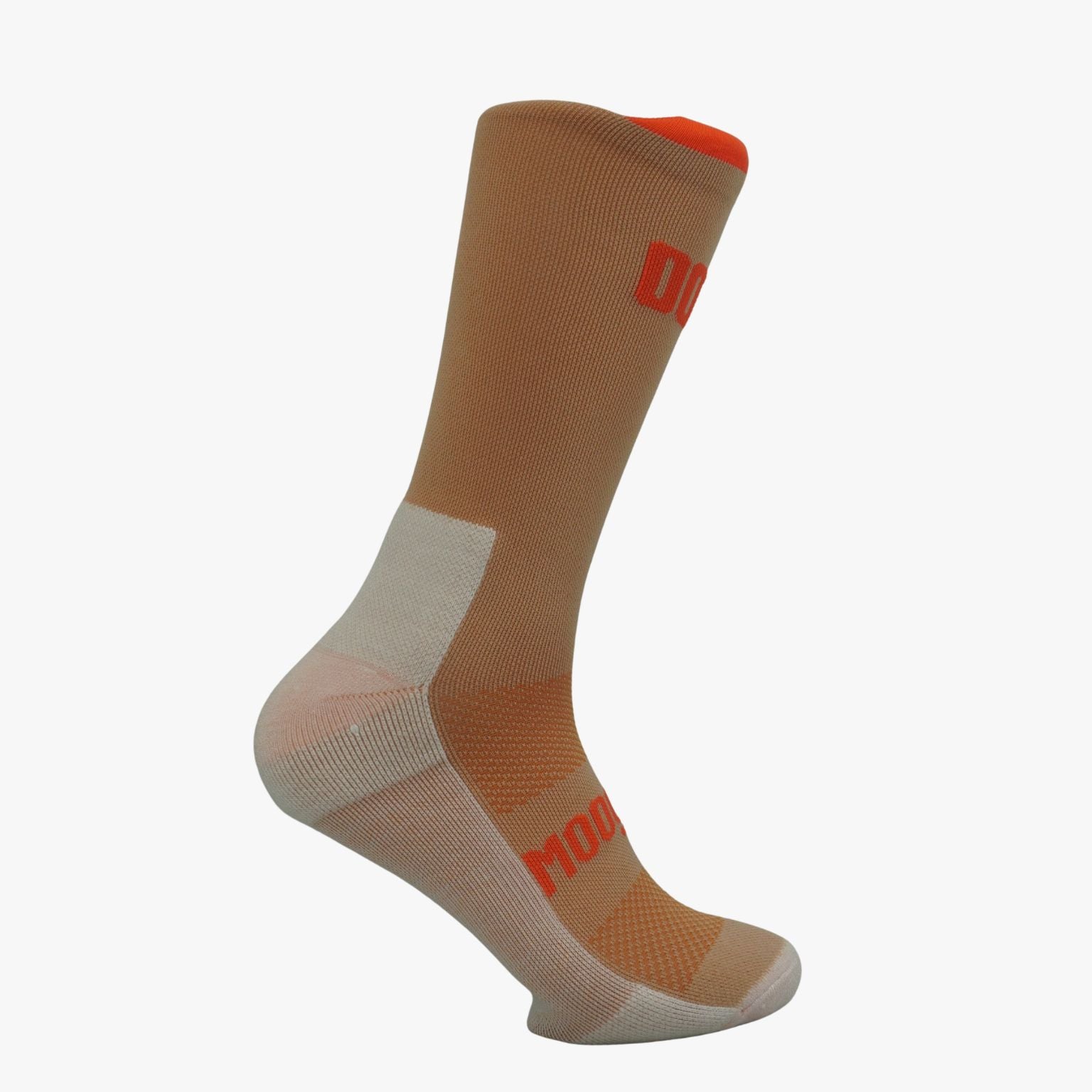
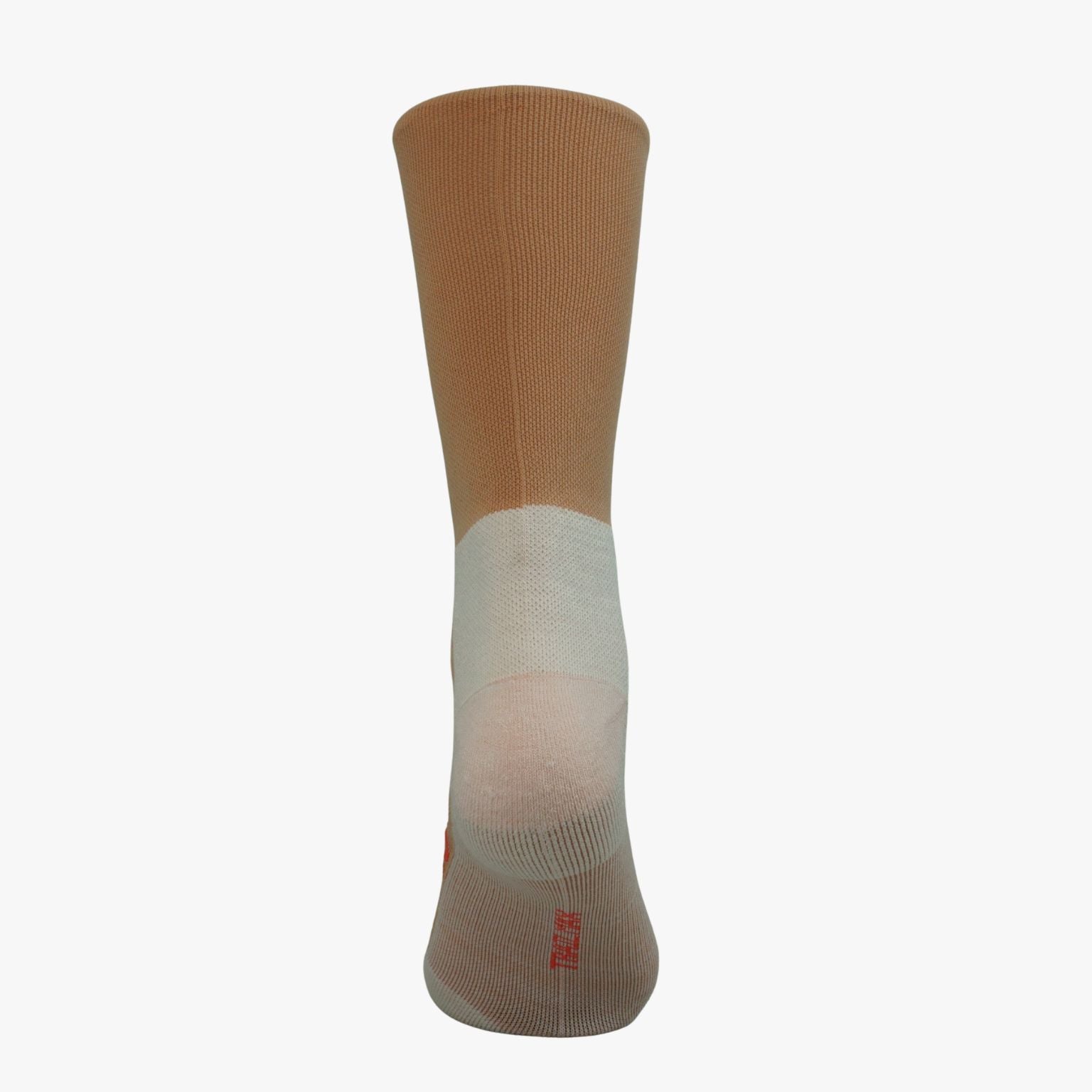
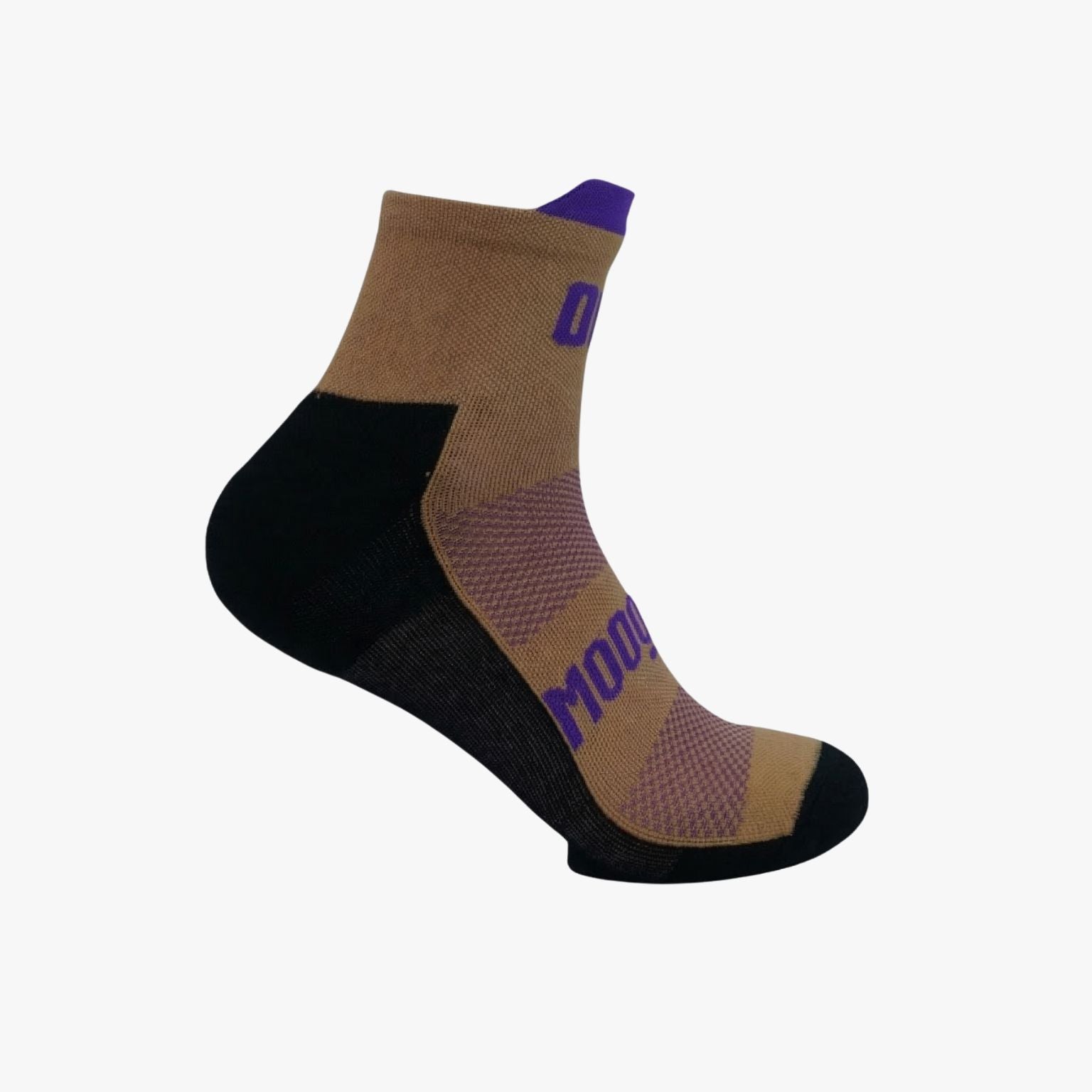
The industry's answer to this dilemma is not to choose: blend them. A good winter sock usually combines merino for comfort, thermal regulation, and odor control, with some synthetic for durability and drying. This way, you get the best of both worlds. This is what we look for in our winter cycling socks.

If you're forced to choose pure: merino if you prioritize comfort and warmth in damp conditions; synthetic if you prioritize durability, quick drying, and price. For most, a blend is the most sensible answer.
Frequently asked questions
Which is warmer, merino or synthetic?
Merino regulates better and still provides warmth when wet, which is its big advantage in cold weather. Synthetic provides warmth depending on its construction, but loses more when damp.
Which smells less?
Merino, naturally. Synthetic retains odor more, unless it has treatments or antibacterial threads like copper.
Which lasts longer?
Synthetic is more resistant to wear and dries faster. Merino is more delicate and dries slower.
Why do many socks blend the two?
To combine the best of each: the comfort and regulation of merino with the durability and drying of synthetic.










Leave a comment
This site is protected by hCaptcha and the hCaptcha Privacy Policy and Terms of Service apply.