






Difference between Compressive and Thermal
Compressive and thermal sound similar and are constantly confused, but they solve different problems. One works on support; the other, on temperature. Knowing which one you need saves you from buying the wrong sock.
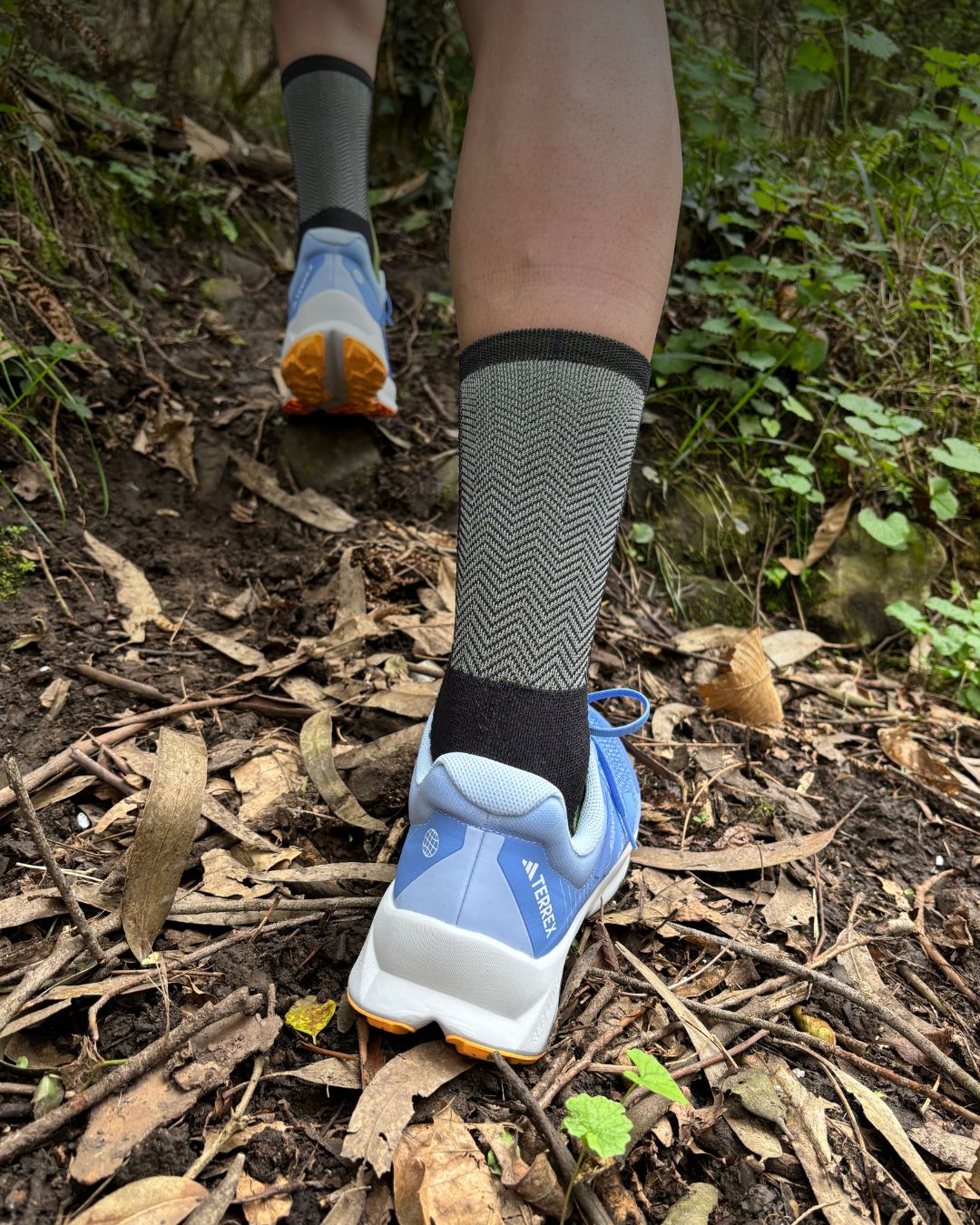
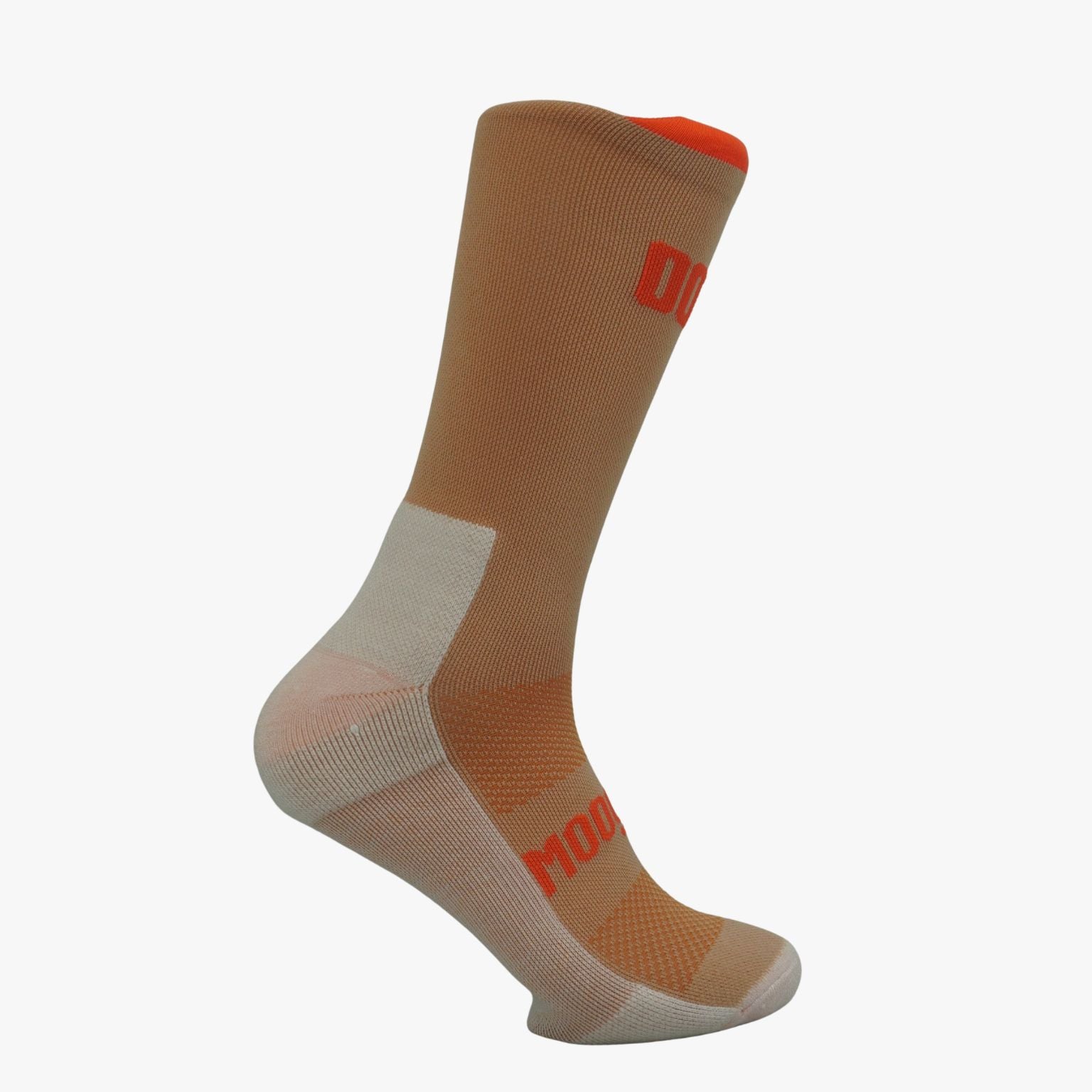
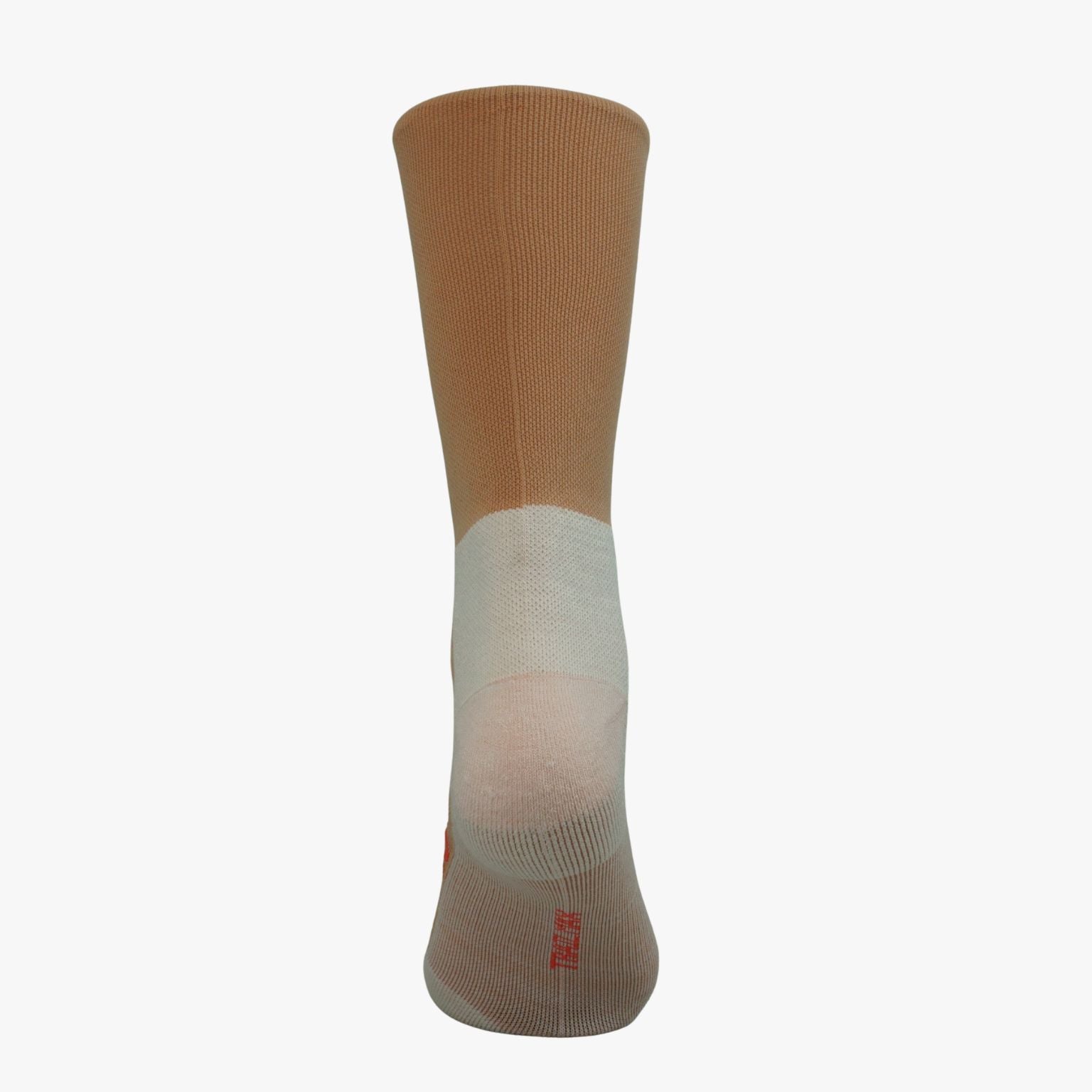
A compressive sock tightens gradually, more at the ankle and less as it goes up, to support the musculature and promote venous return. This translates into less muscle vibration on long runs and, for many people, a feeling of a more supported leg and somewhat more comfortable recovery. It doesn't provide warmth: it compresses. You can find them in compressive socks.

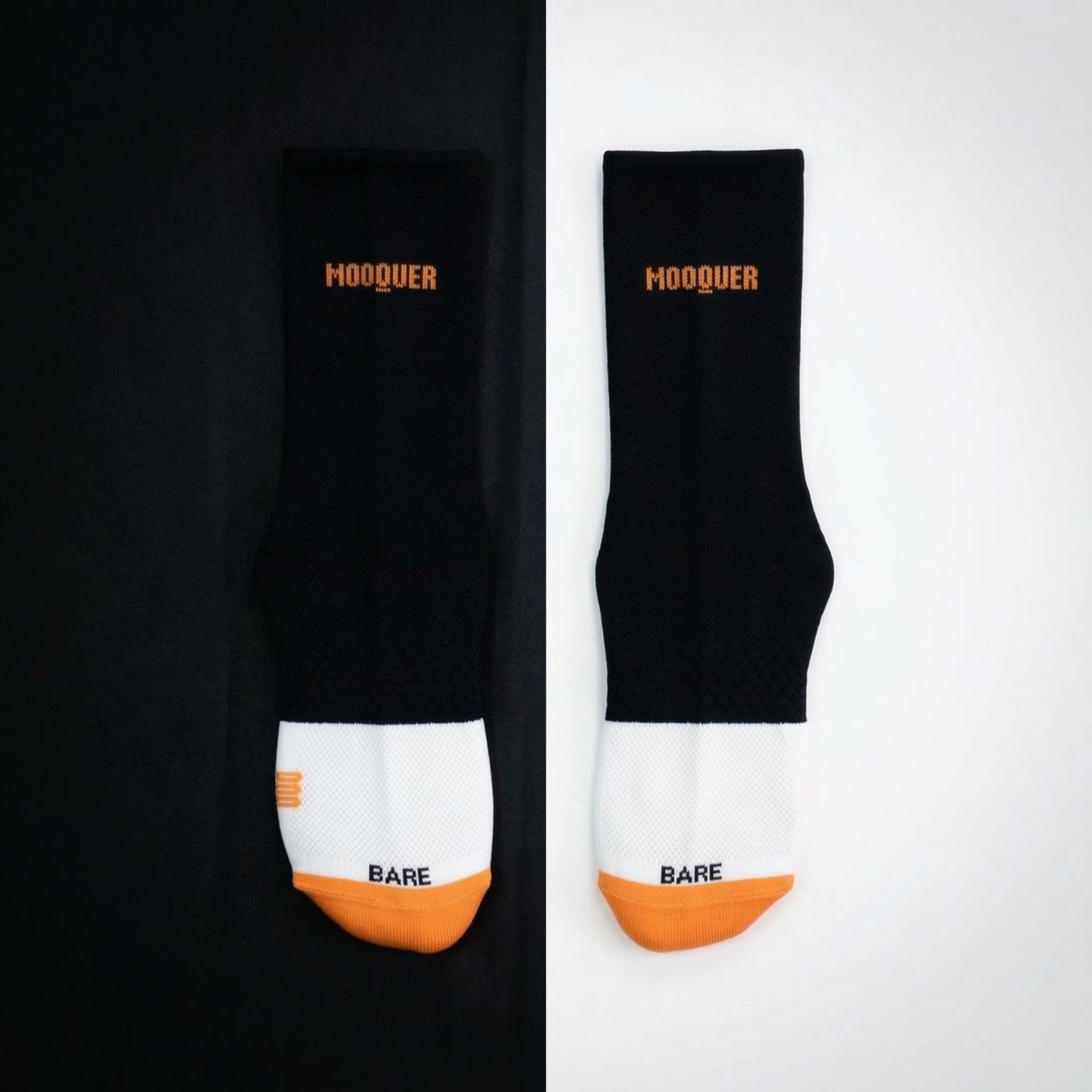
A thermal sock plays in a different league: its job is to keep the foot warm when the temperature drops, with fibers that trap air and insulate without soaking. It doesn't squeeze for support; it provides warmth. This is what you look for in winter socks.
The confusion comes from the fact that both are noticeable when you put them on, but for opposite reasons: the compressive one due to pressure, the thermal one due to warmth. A sock can be compressive and thin for summer, or thermal and non-compressive for winter. These are two independent axes.

Which one to choose? If your goal is support and long runs all year round, look at compression. If your problem is cold feet, look at thermal. And if you want both in winter, there are socks that combine both properties, although they are less common.
Frequently asked questions
Does a compressive sock provide warmth?
Not necessarily. Compression supports the muscle and promotes venous return; warmth depends on the fiber and thickness, not on pressure.
Does a thermal sock compress?
Usually not. Its function is to insulate from the cold. It may fit snugly, but that is not real graduated compression.
Can I wear compressive socks in summer?
Yes. There are thin and ventilated compressive socks. Compression and warmth are independent properties.
Which one is better for long runs?
If you're looking for support and less muscle fatigue, the compressive one. If the problem is cold, the thermal one. For long winter runs, one that combines both.















Leave a comment
This site is protected by hCaptcha and the hCaptcha Privacy Policy and Terms of Service apply.