






What sock cuff height to choose for cycling
The sock is the smallest item of gear and the one most people choose poorly. It's barely noticeable to the eye but very noticeable on the feet: a sock that doesn't fit or breathe properly can ruin a long ride as much as bad bib shorts. This is what truly matters.
First is the size. A cycling sock should fit snugly, without wrinkles or looseness, because a wrinkle inside your shoe is a blister waiting to happen. Check the size chart for your foot number and don't buy by eye.

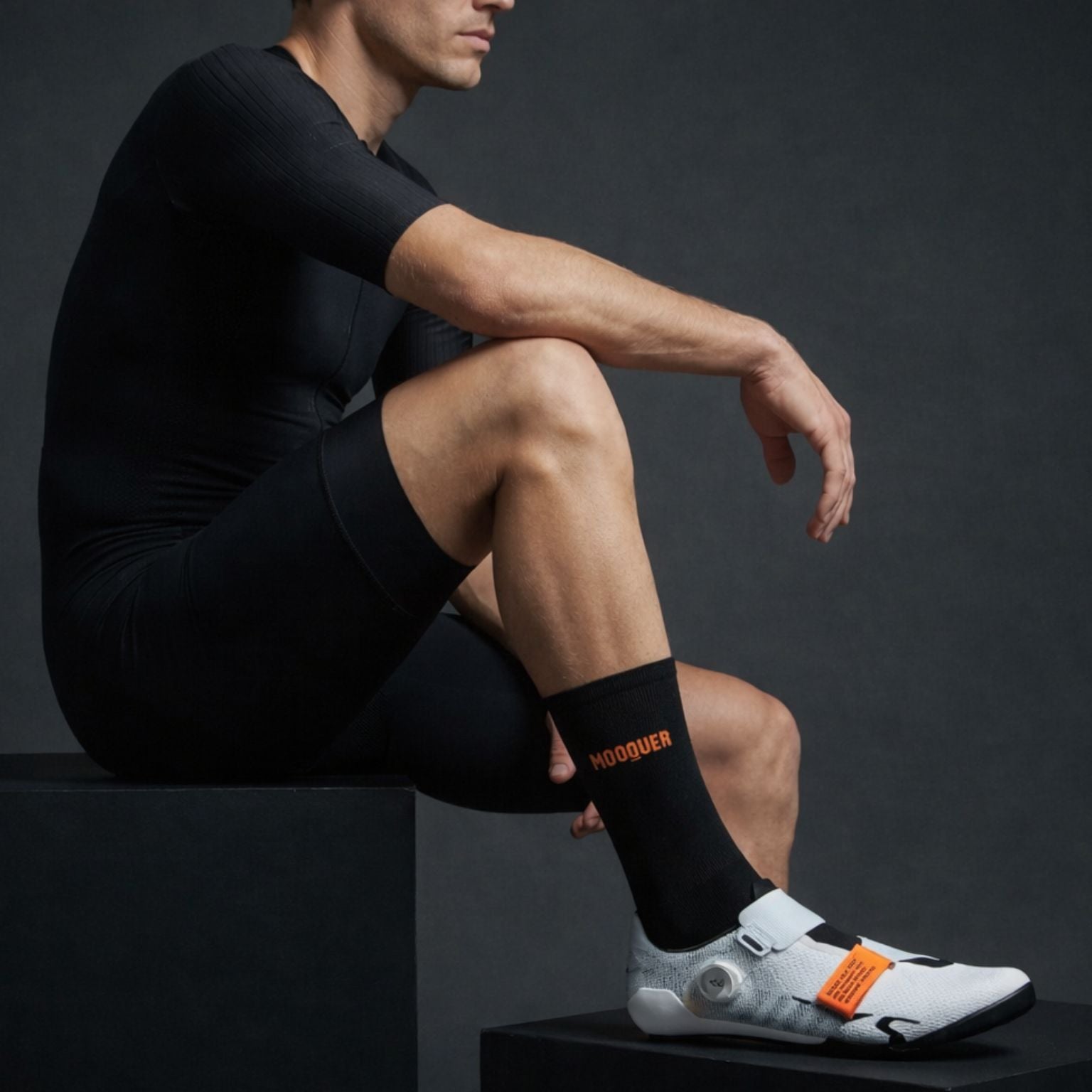
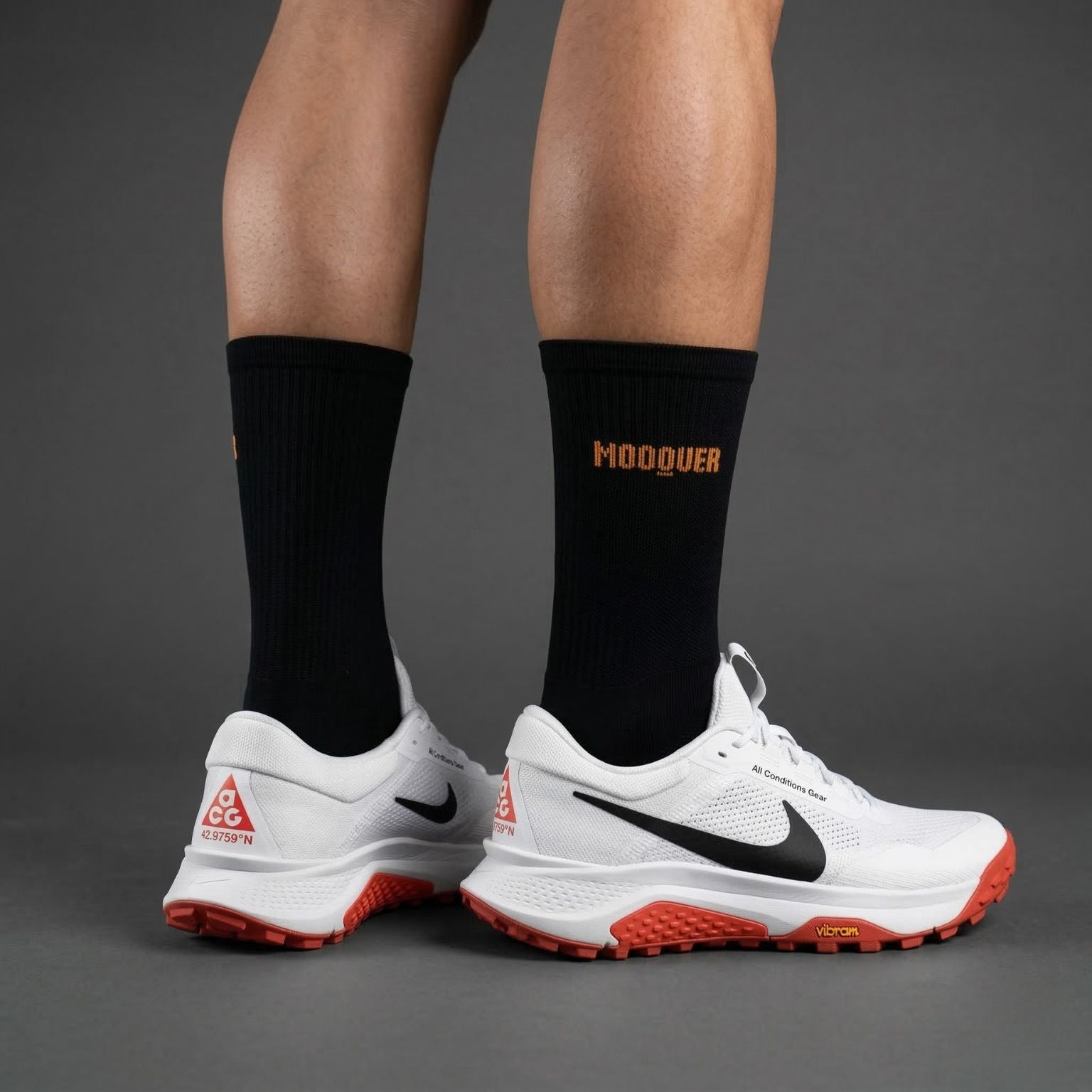
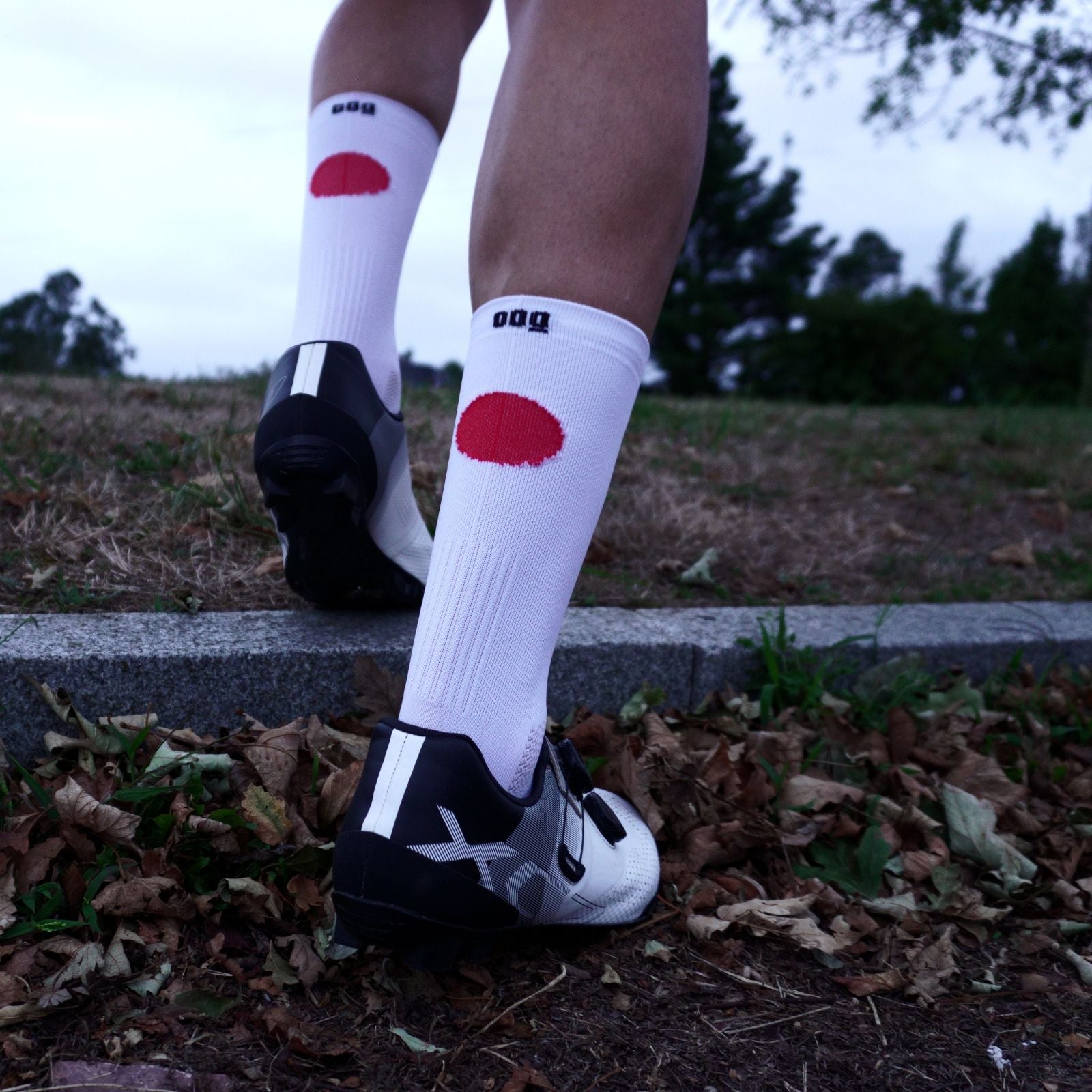
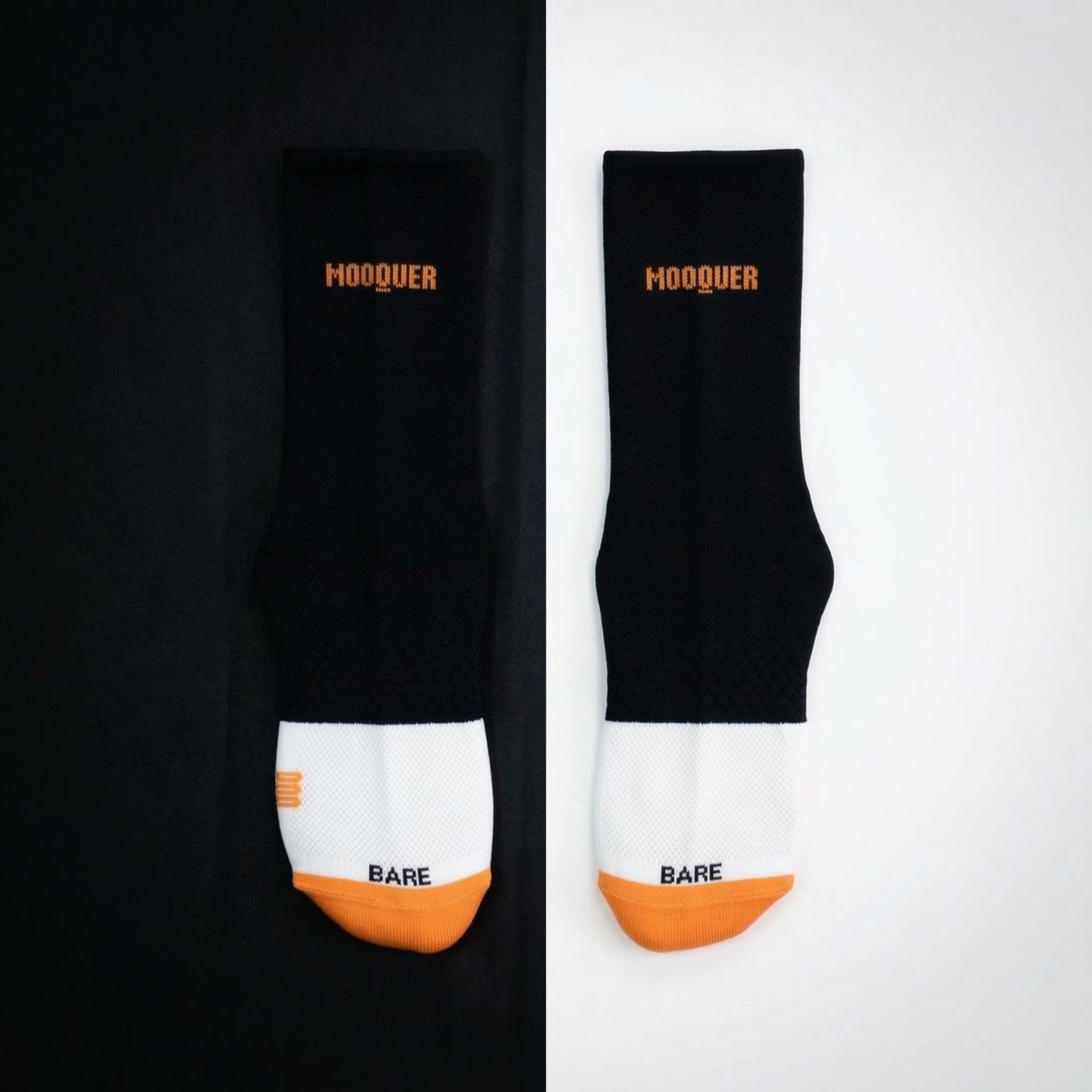
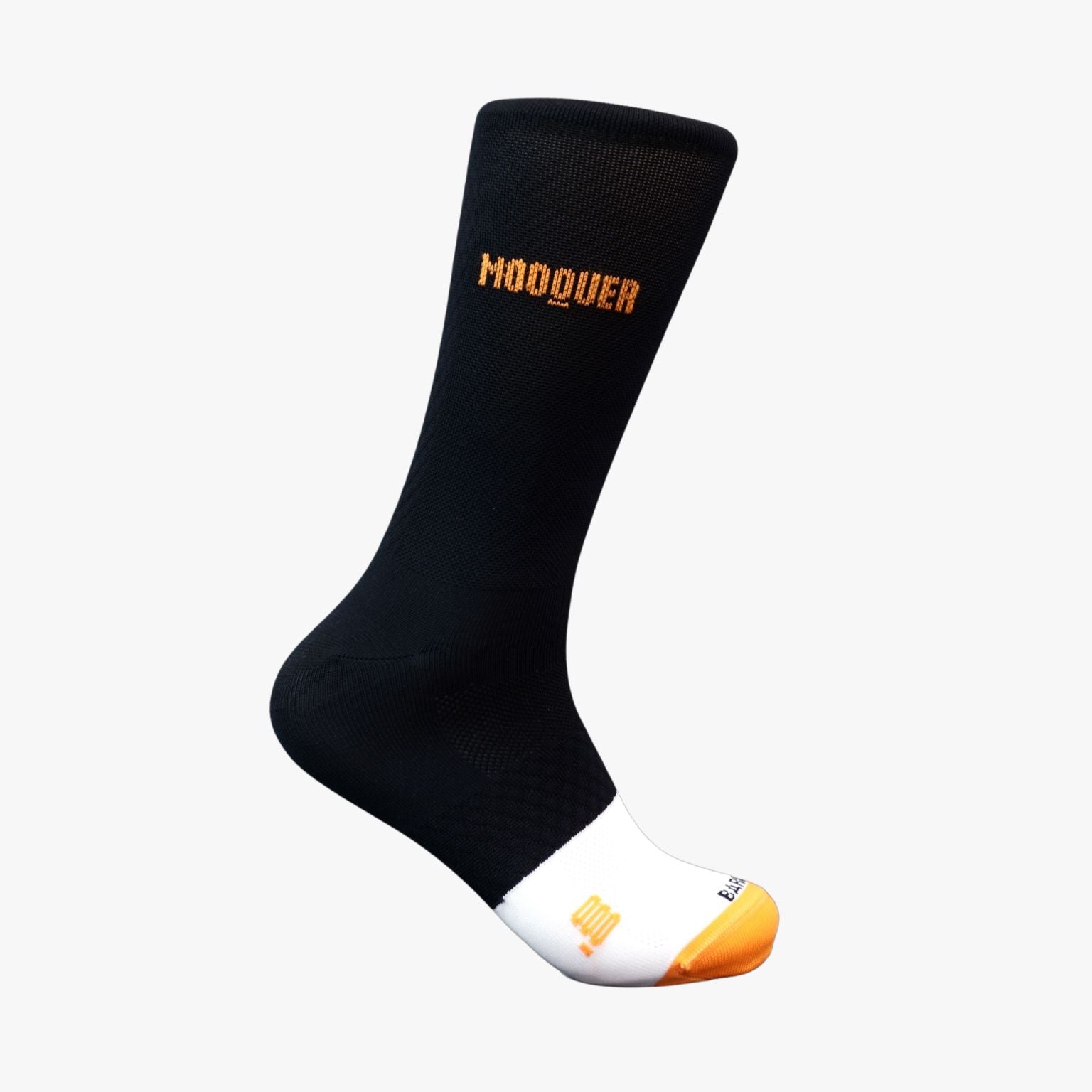
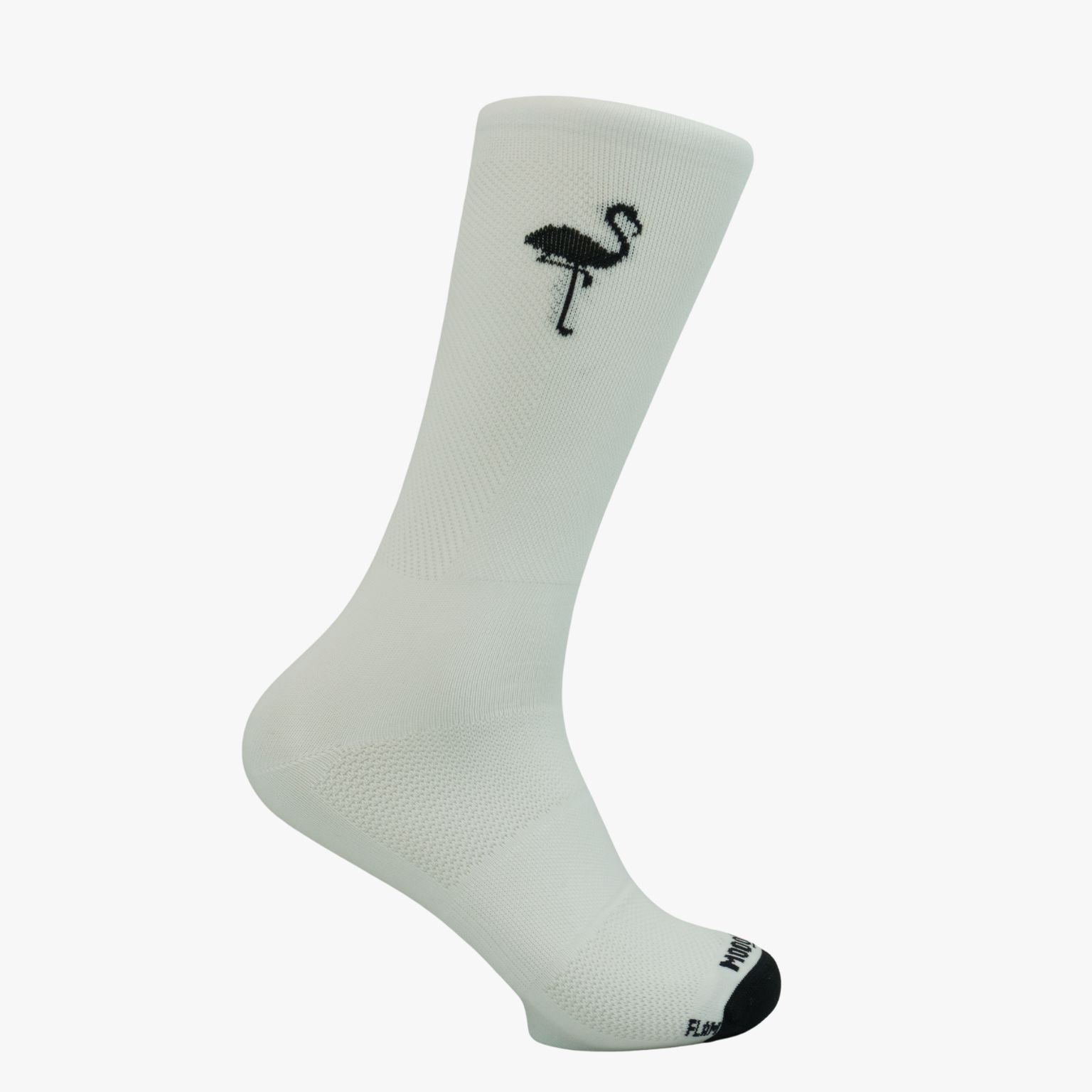
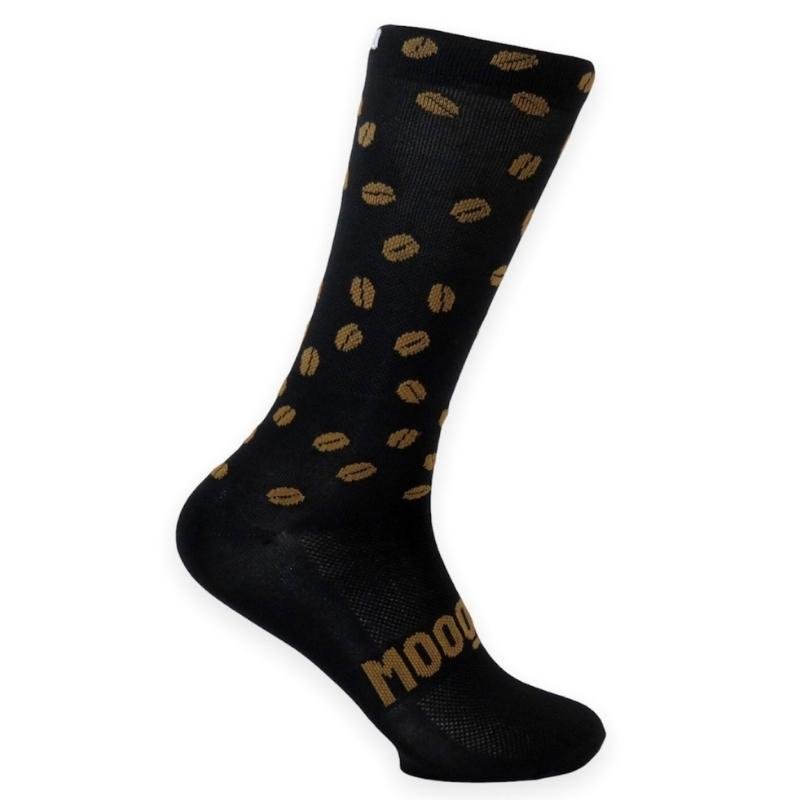
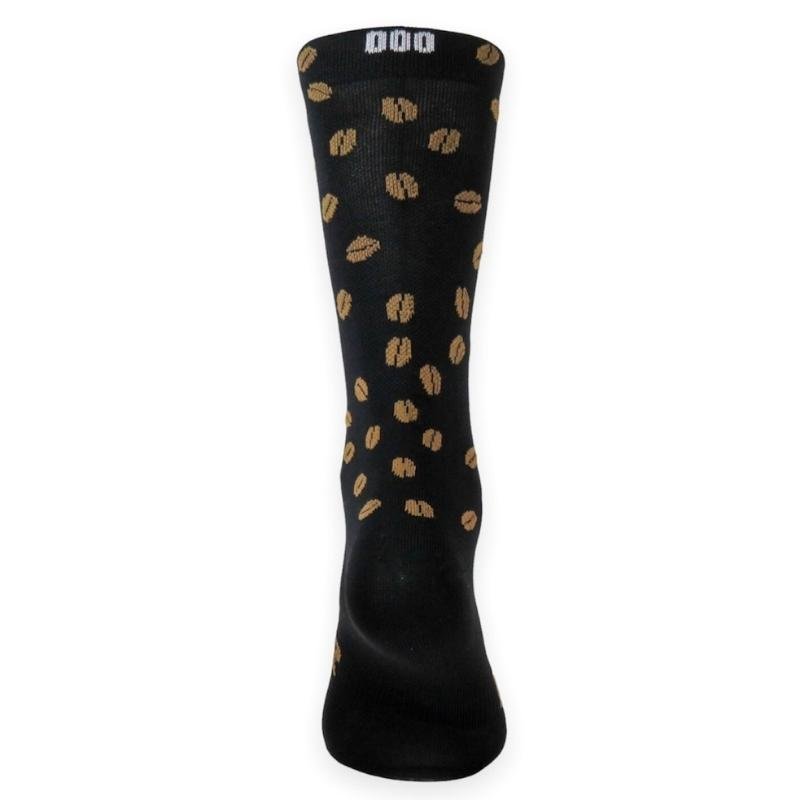
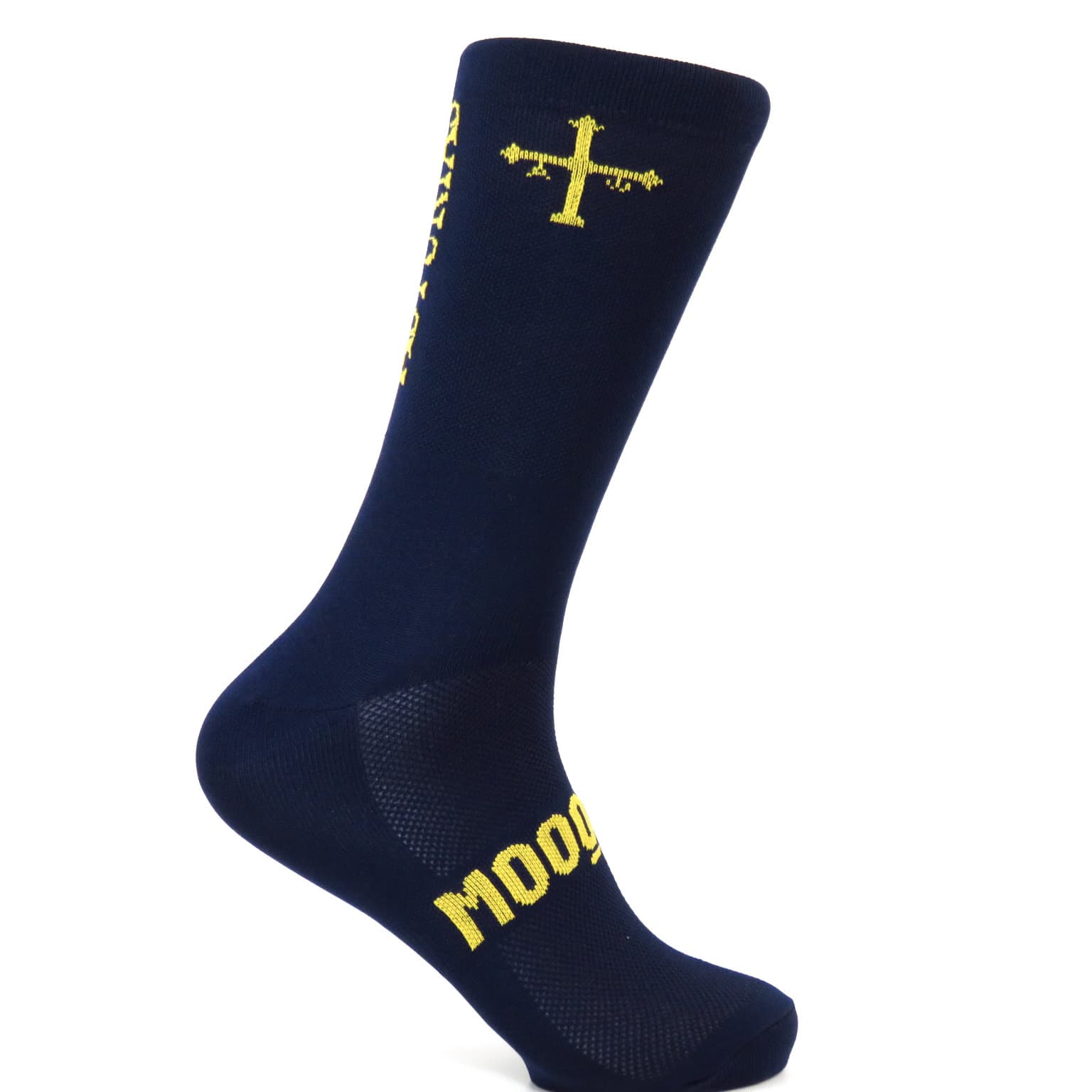
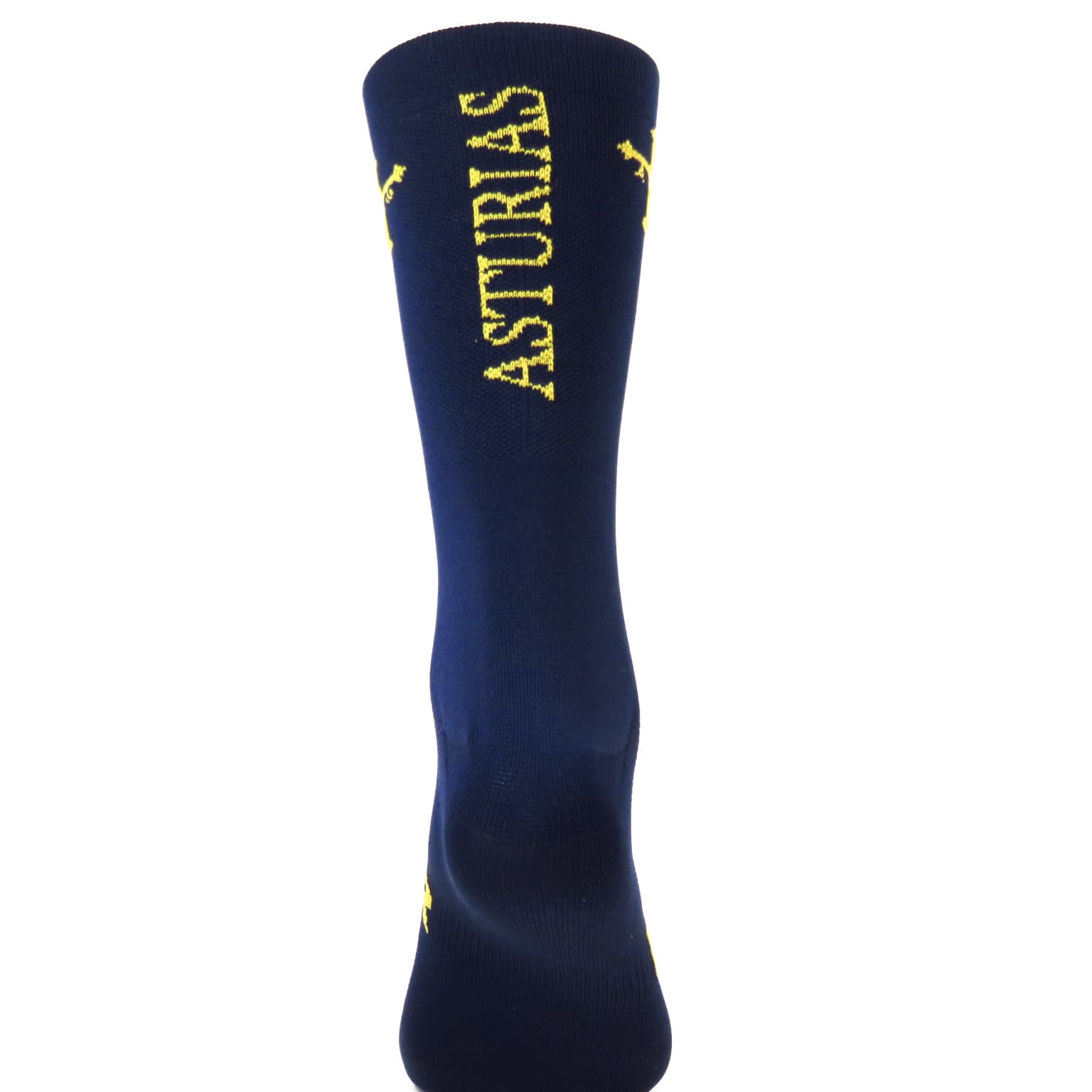
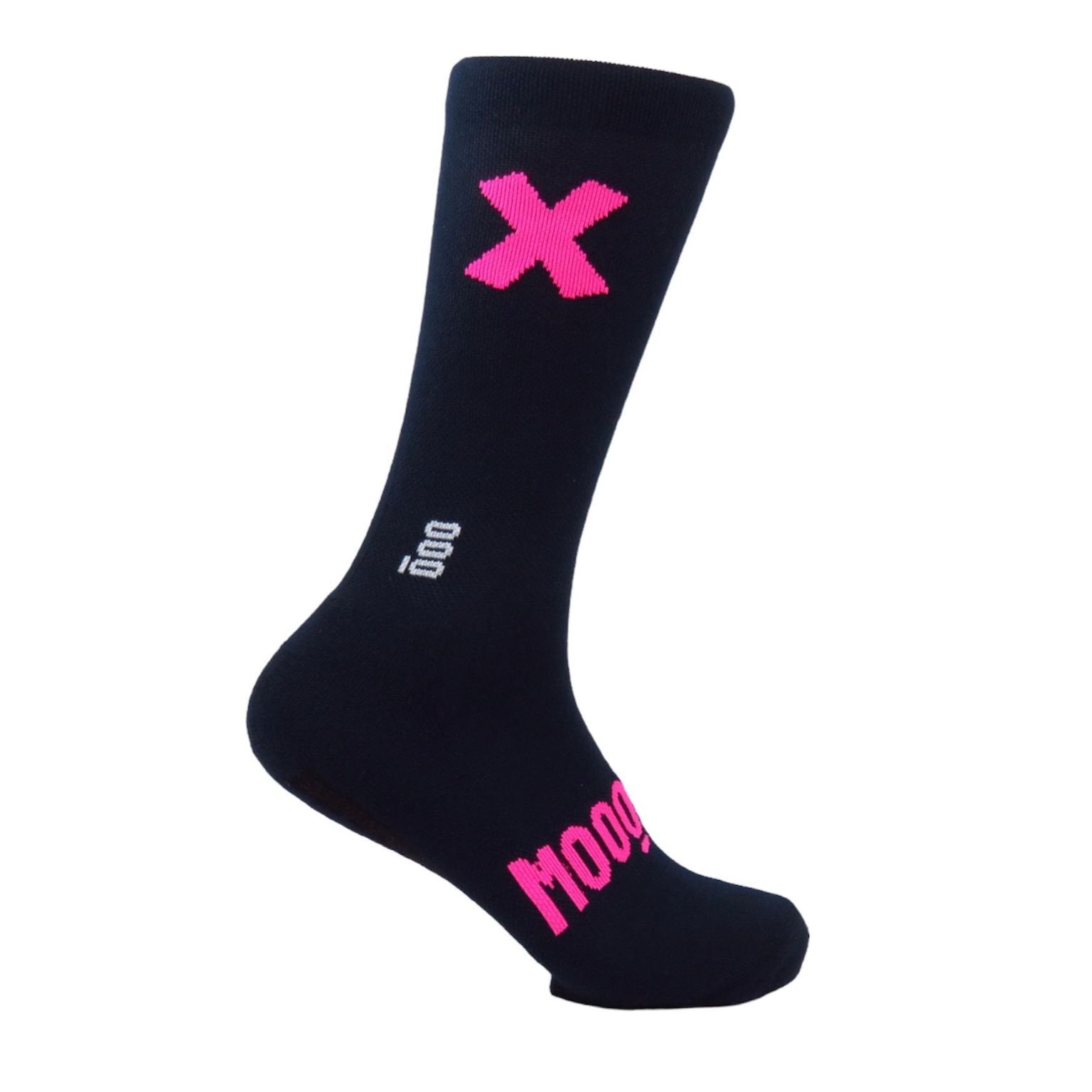
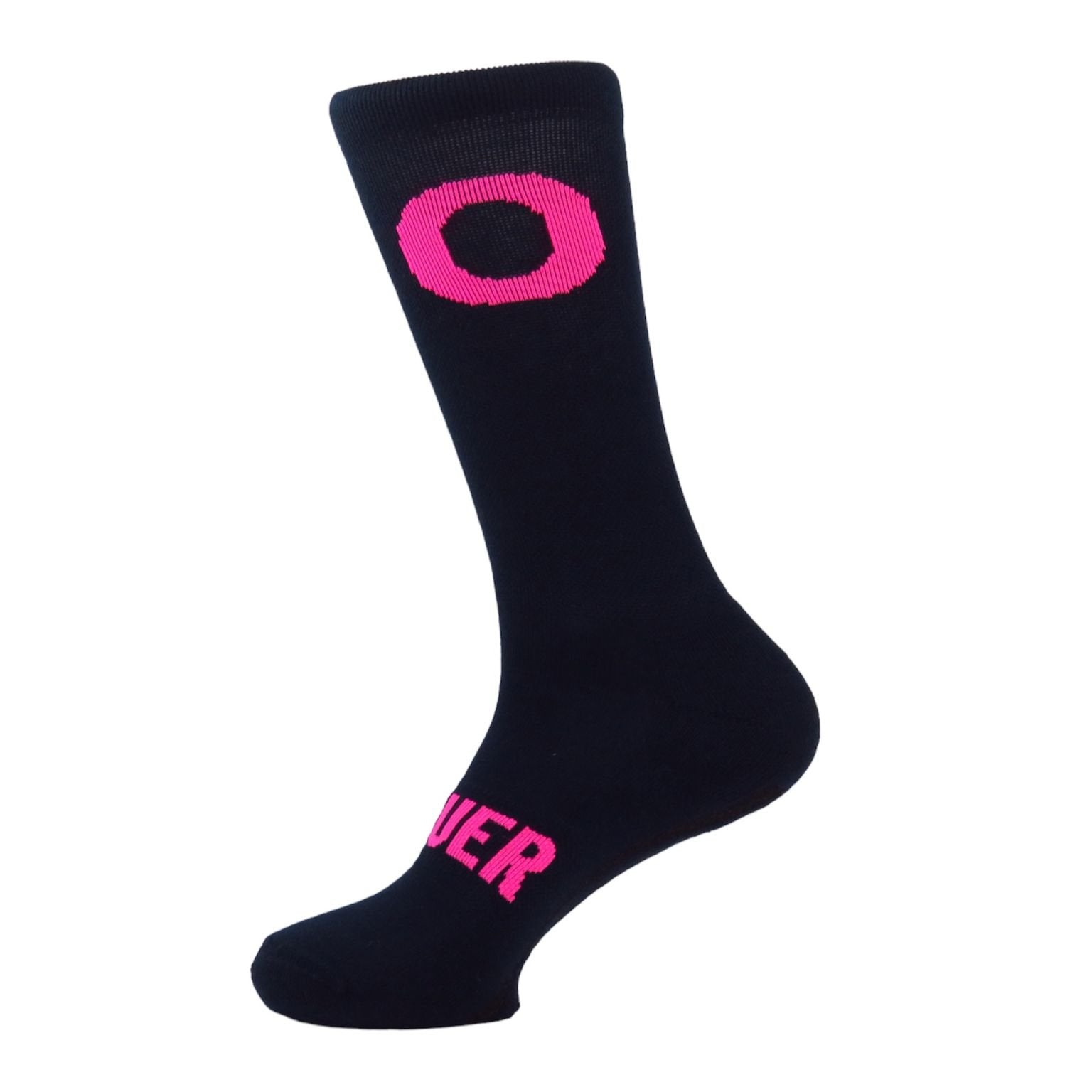
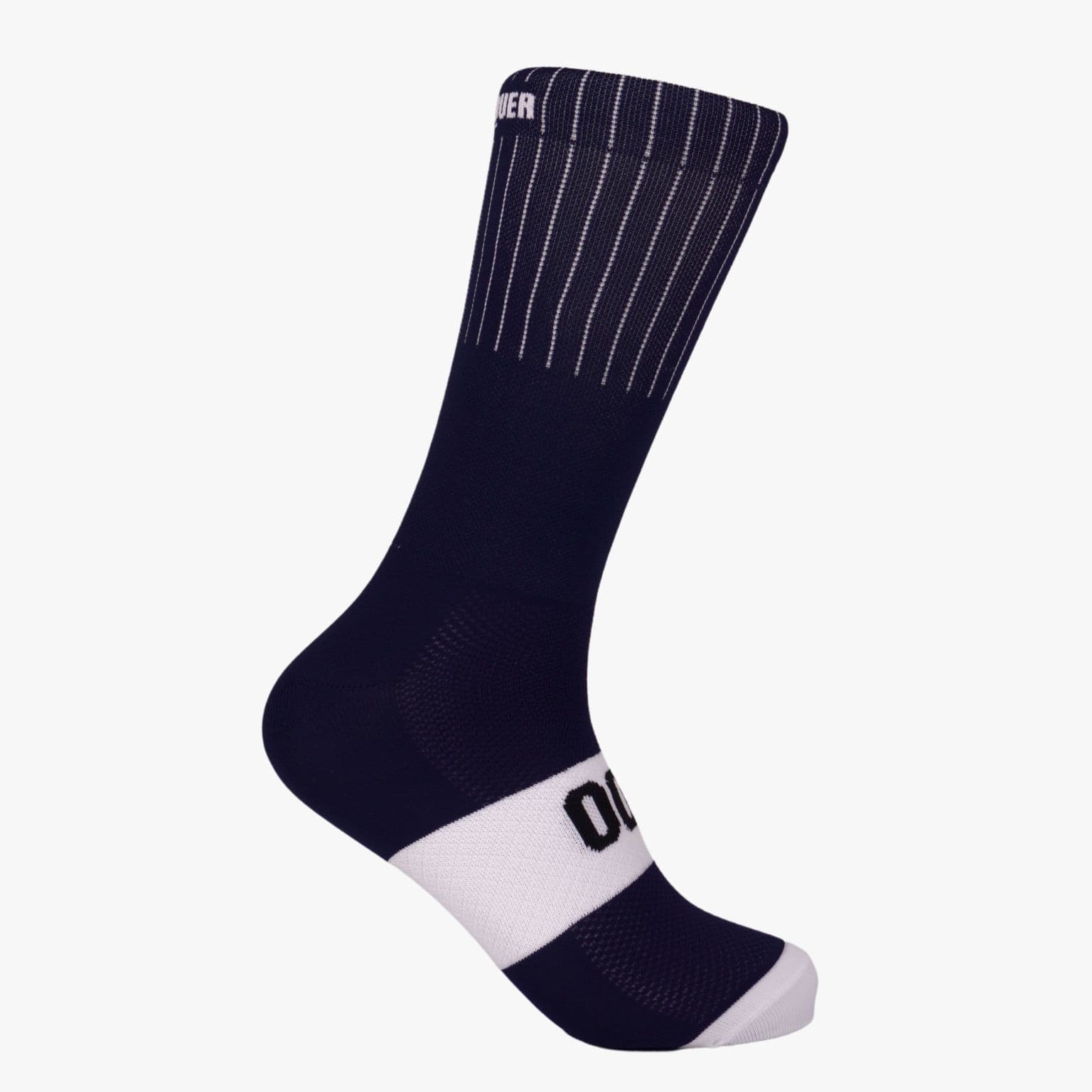
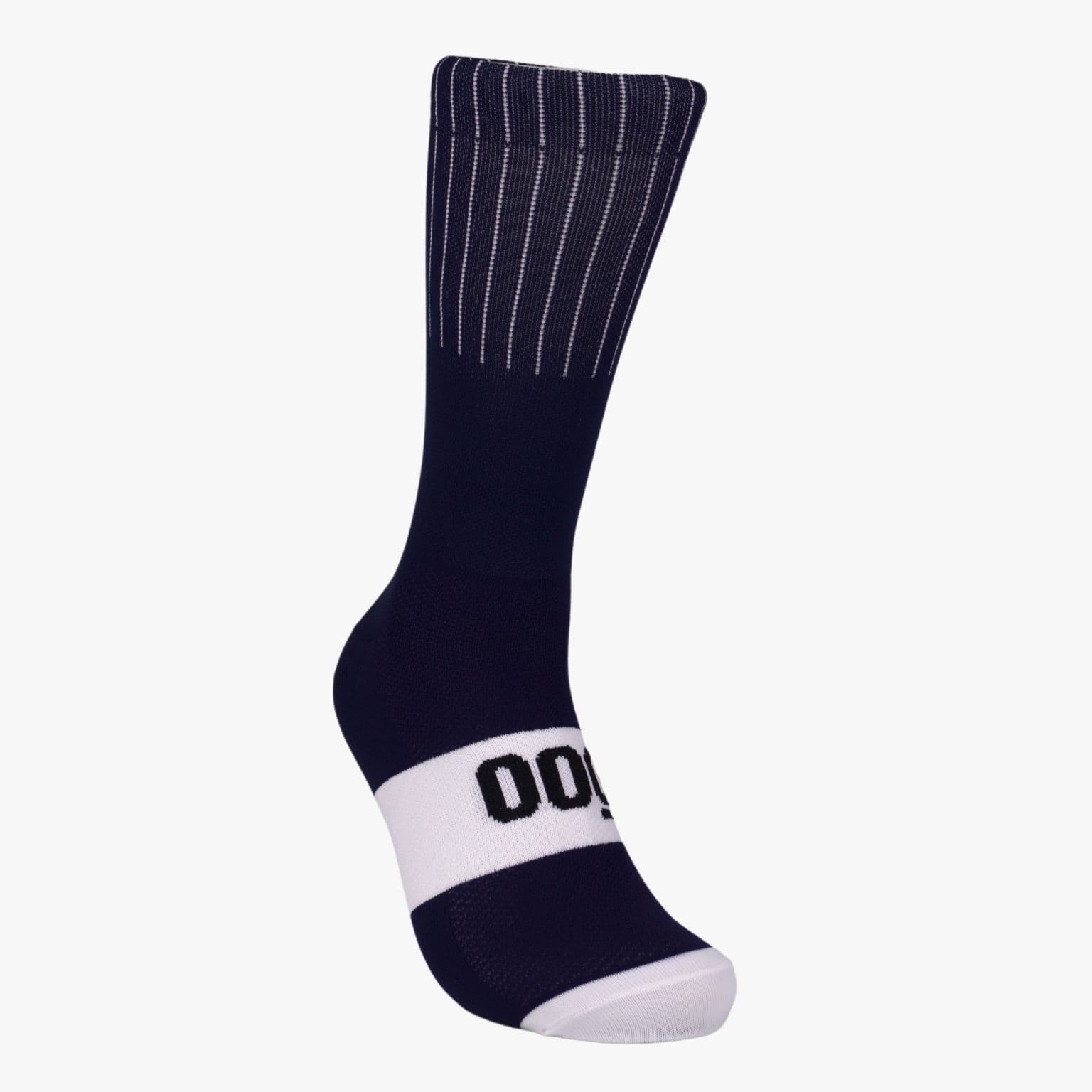
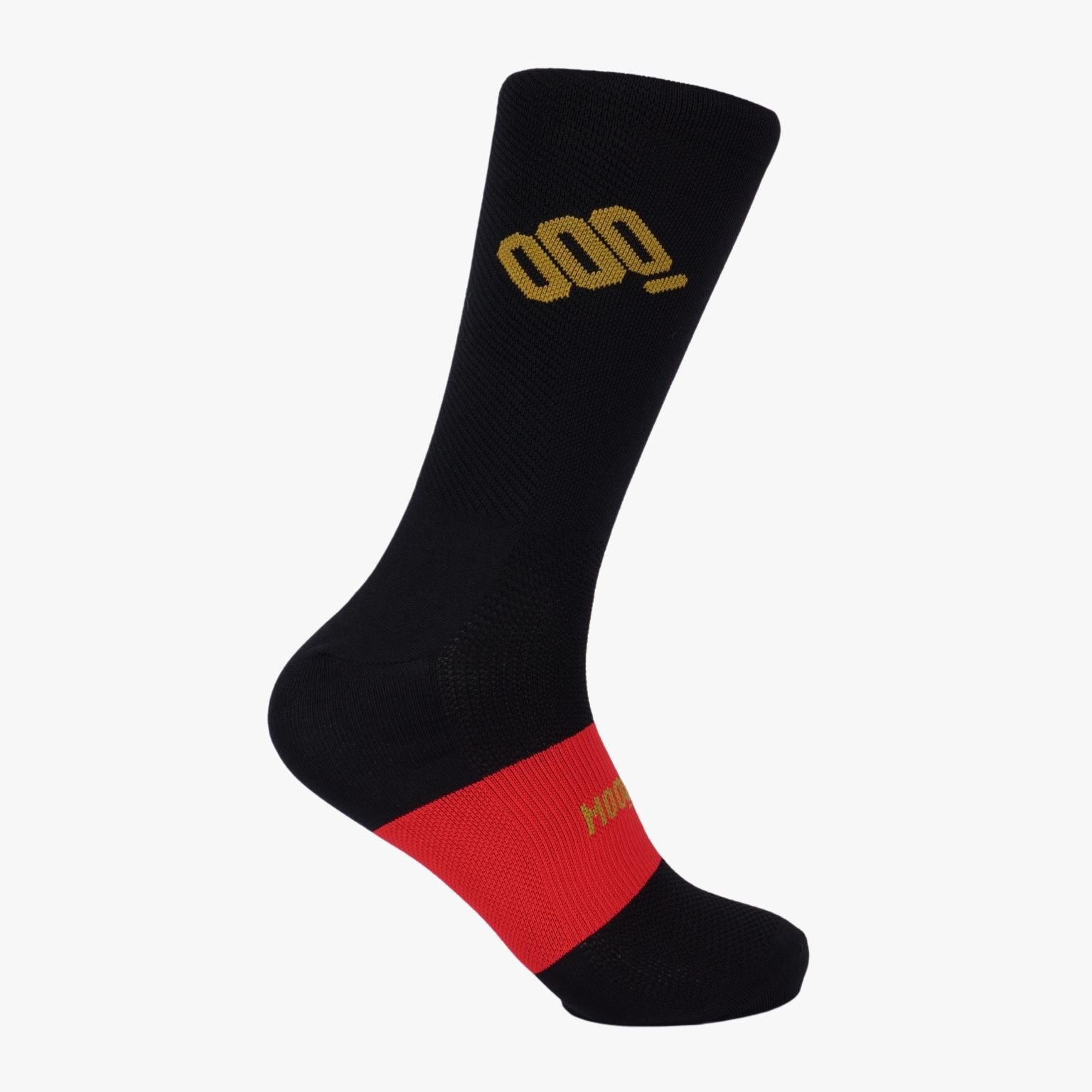
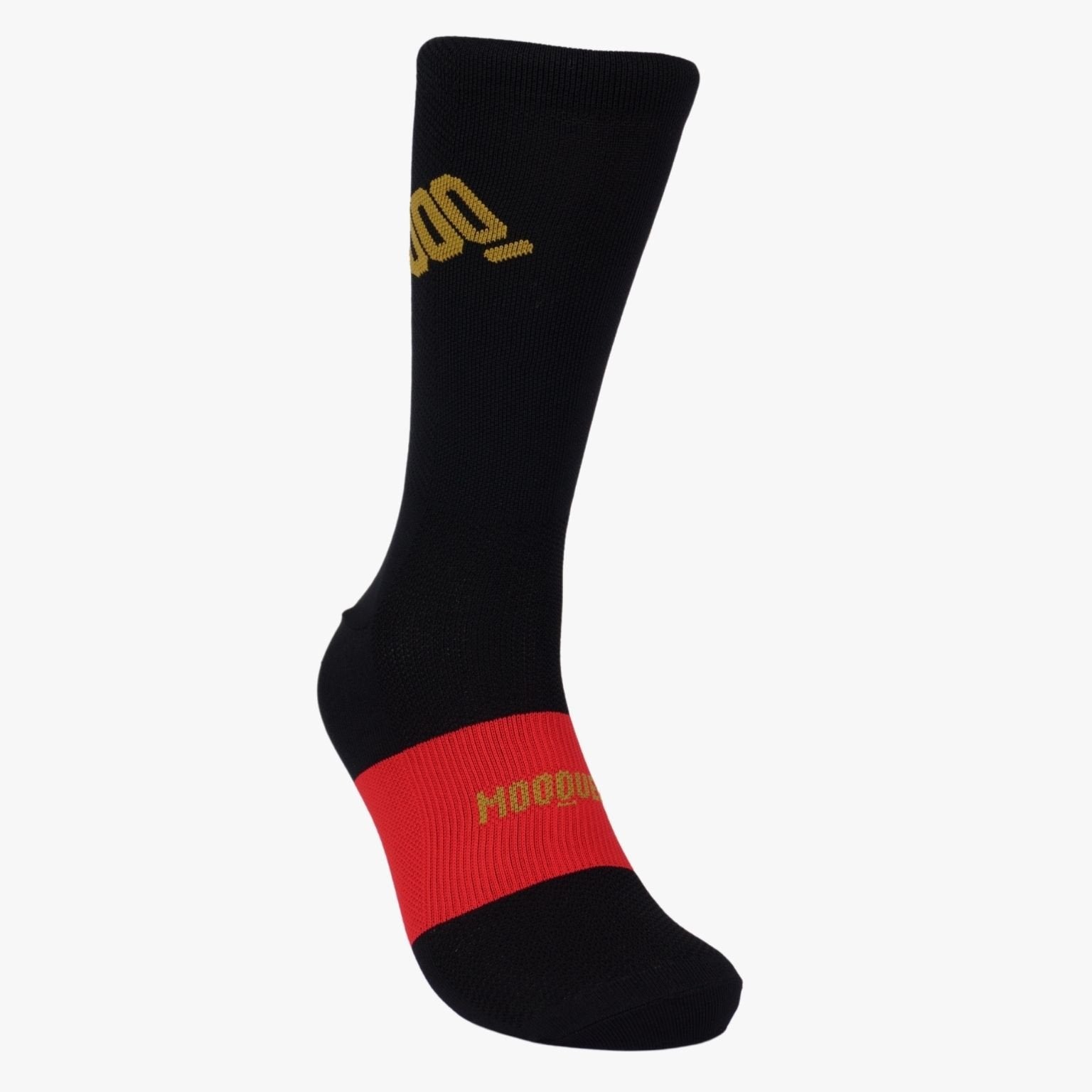
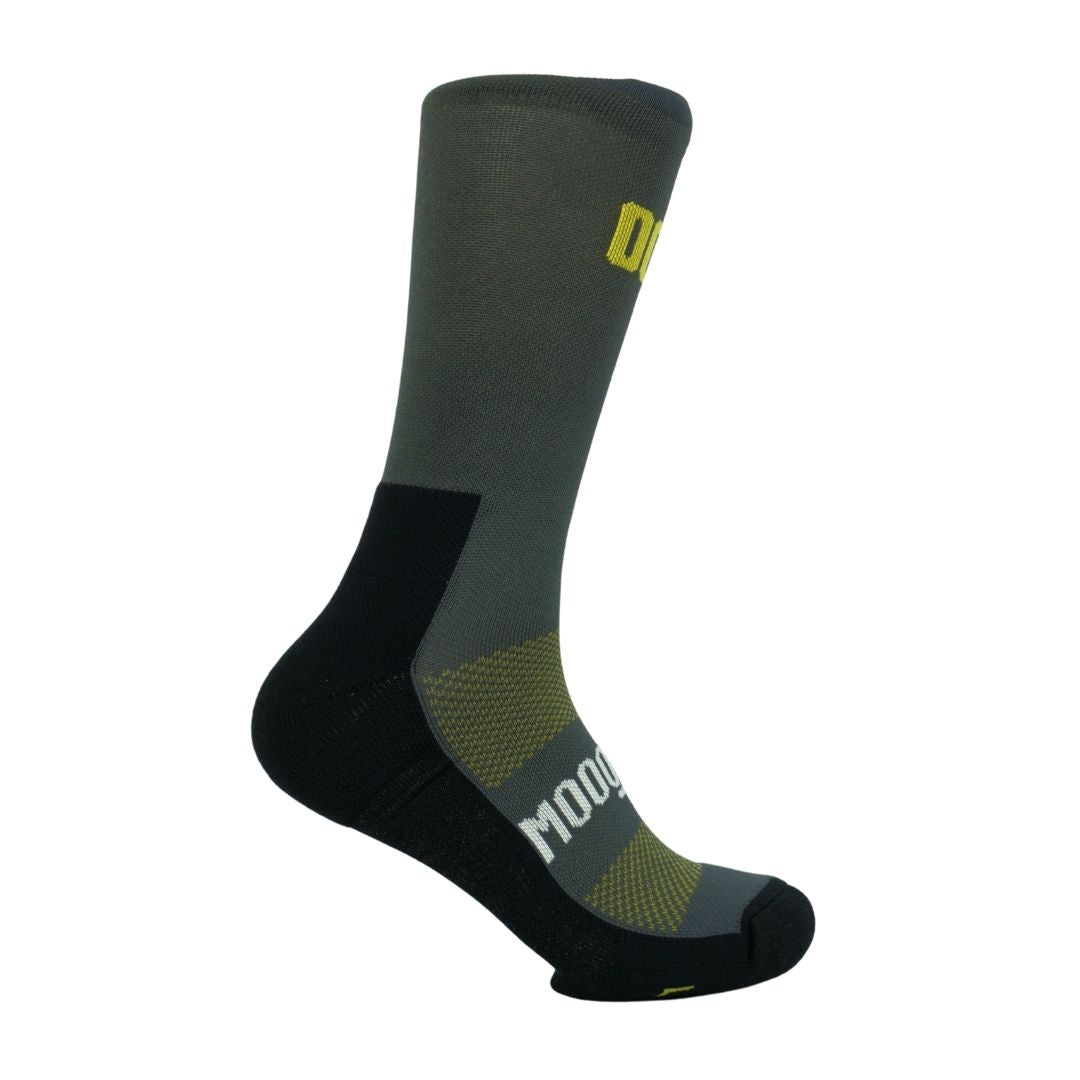
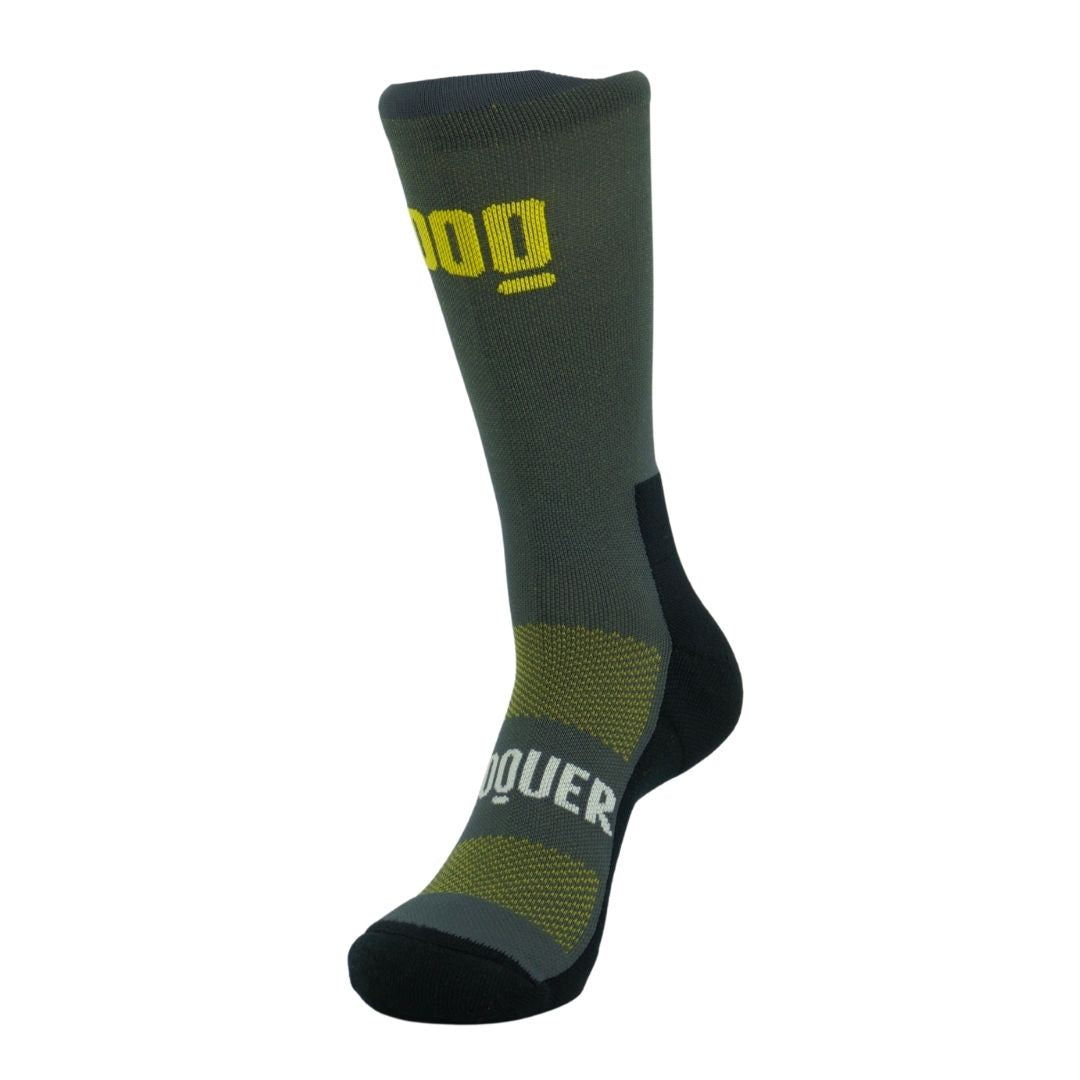
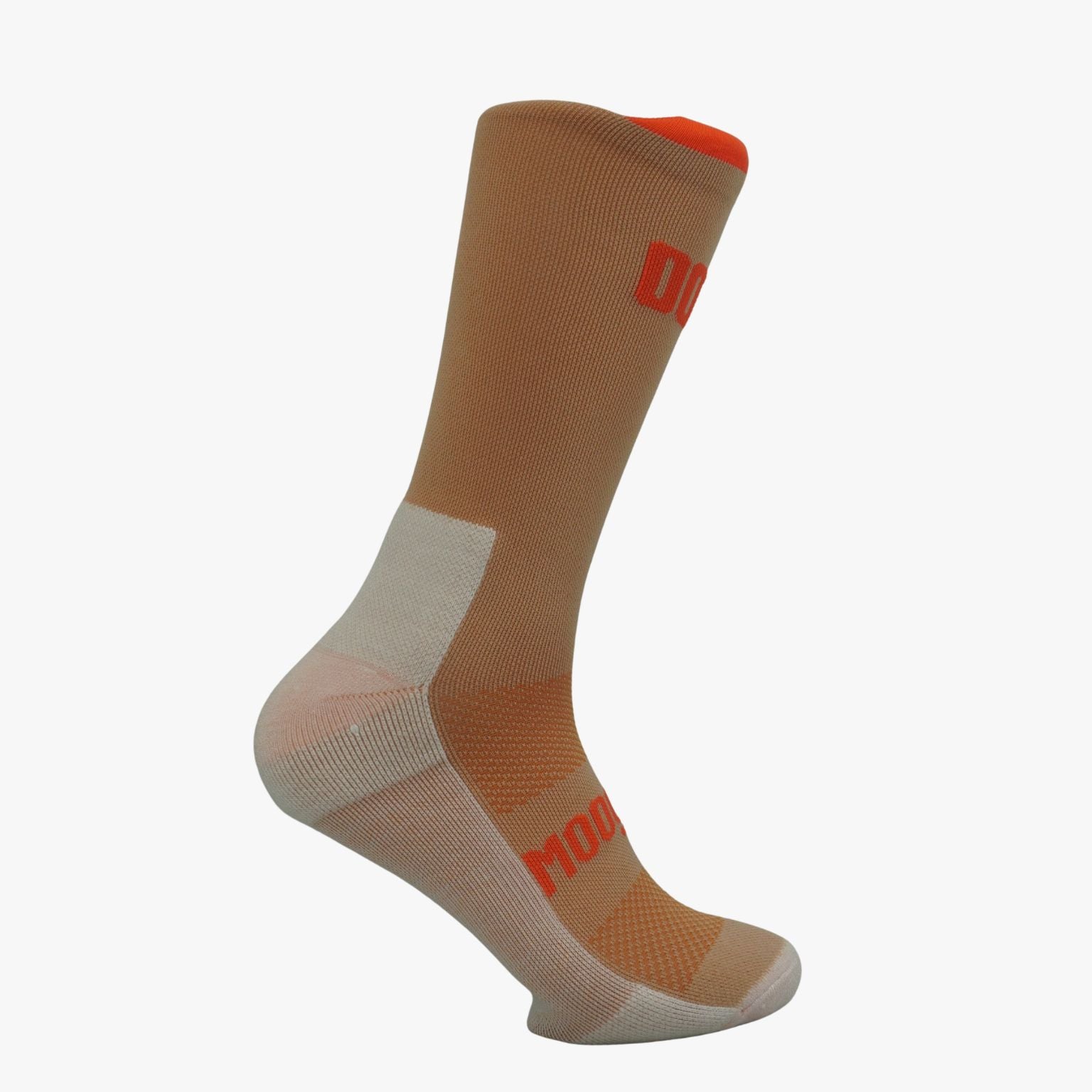
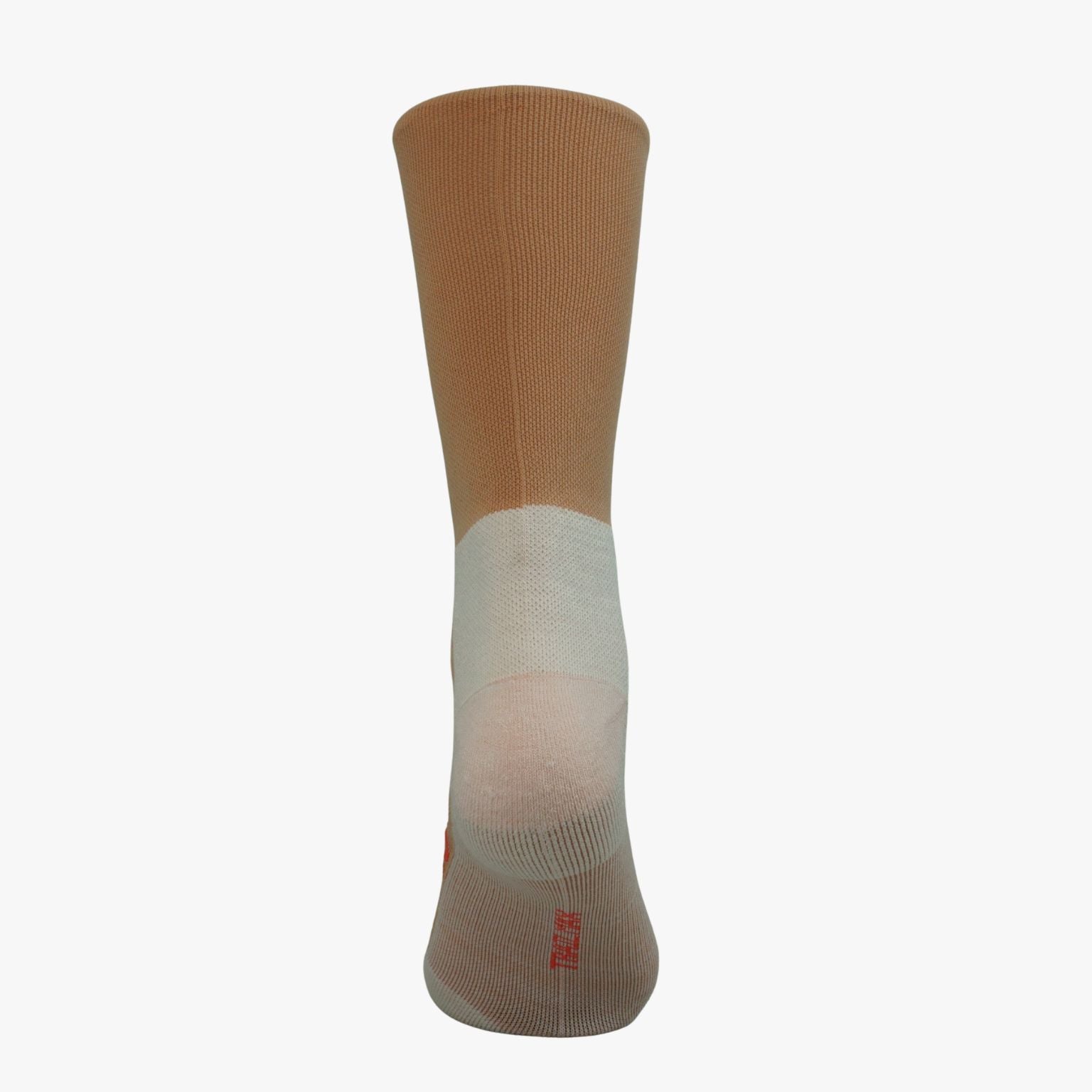
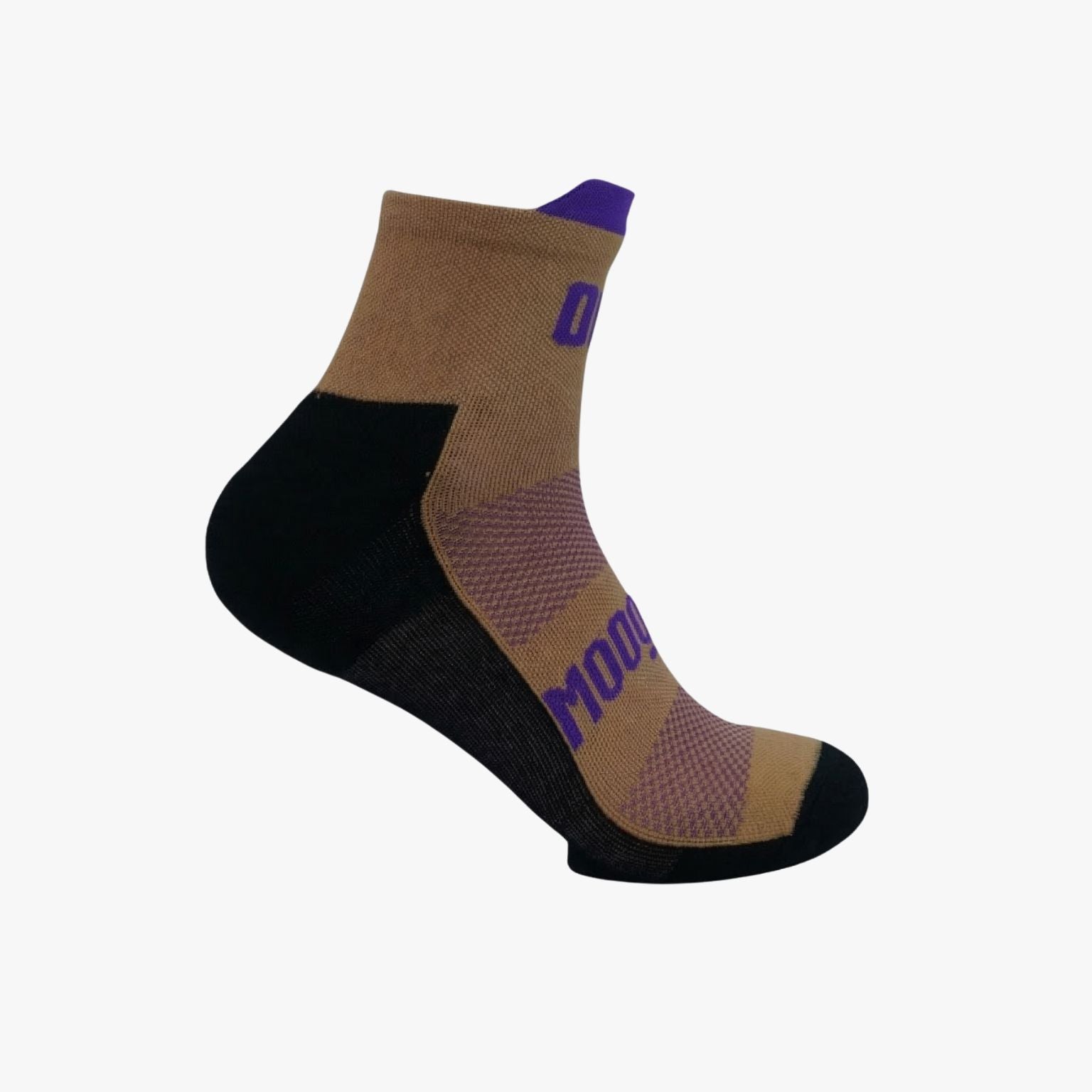
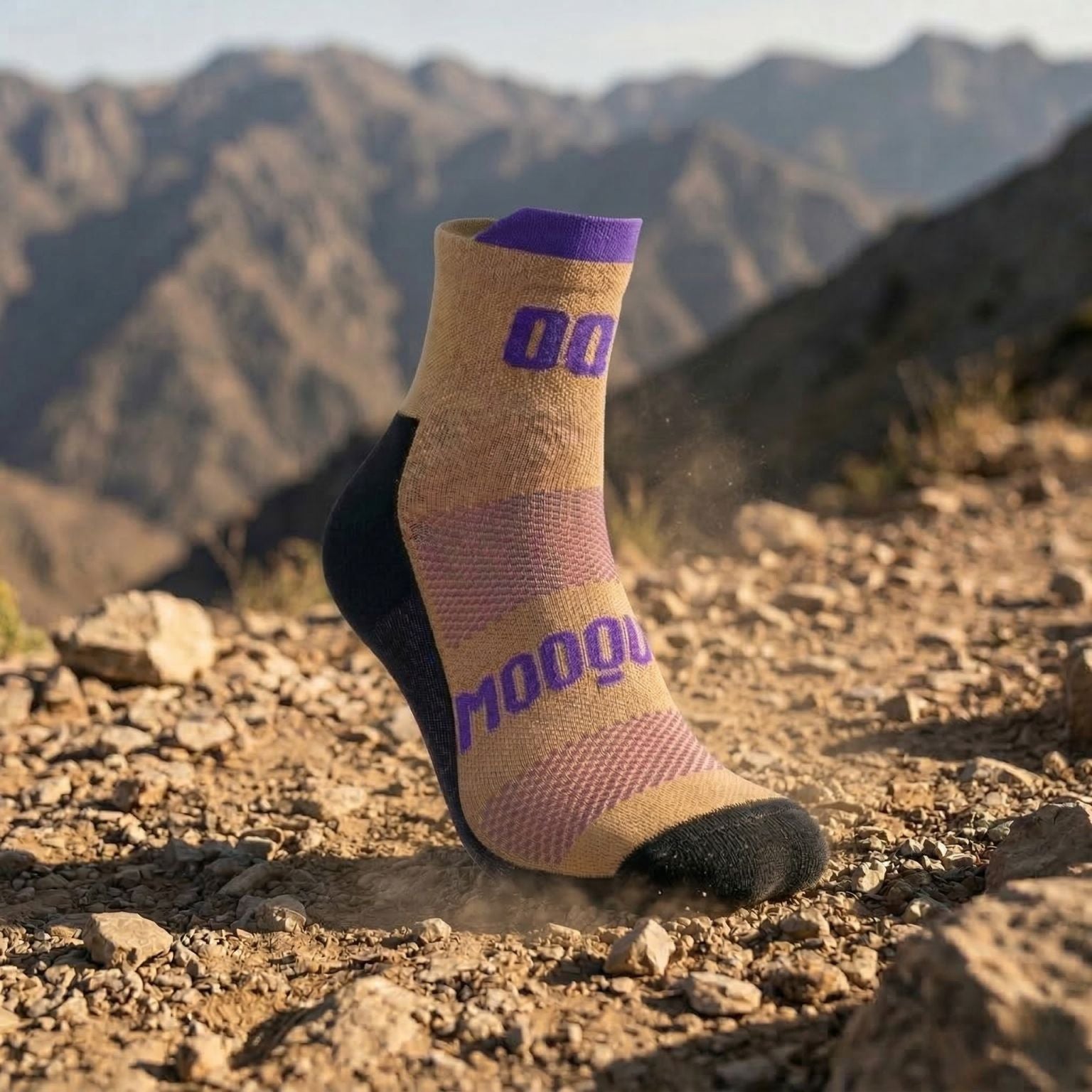
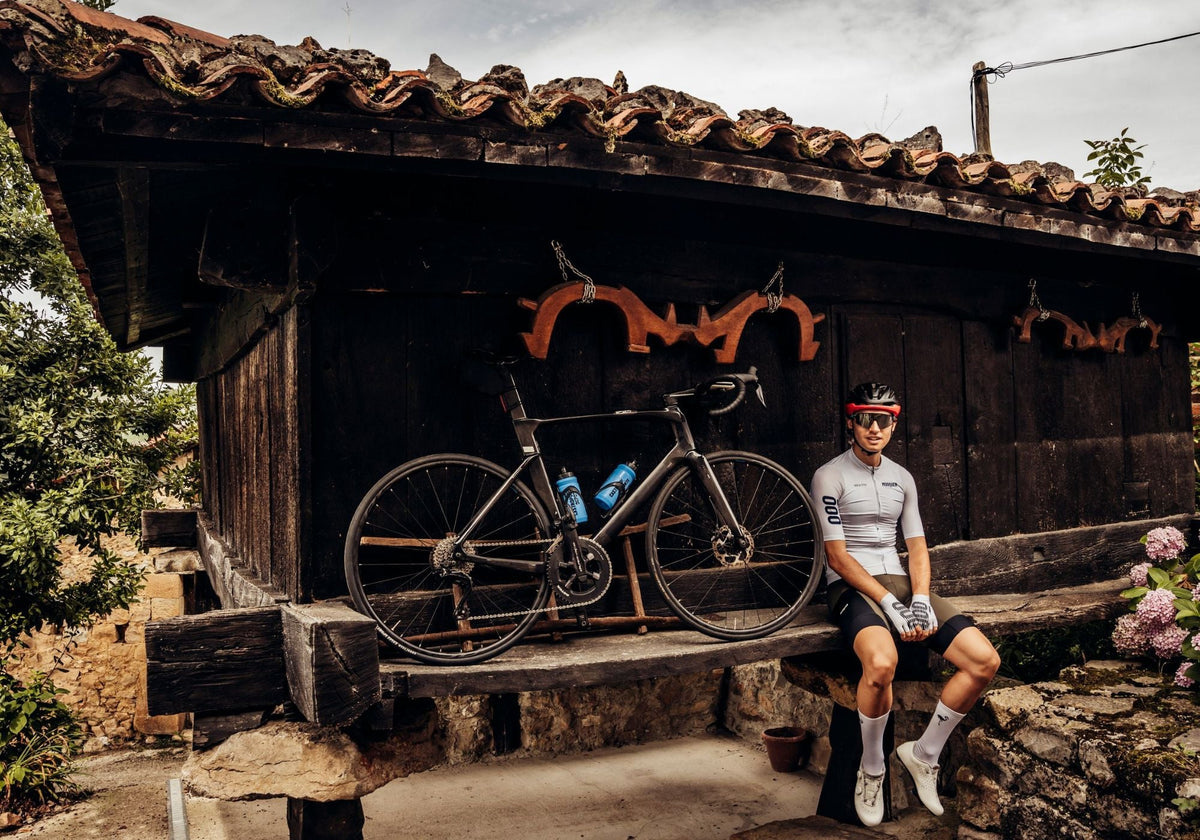
The cuff height is the second factor, and here taste and some function rule. A medium or high cuff is the current cycling standard: it slims the leg, protects, and supports. For MTB and gravel, a high cuff also protects you from scrapes from vegetation.
The composition changes with the season. In summer, you want a thin fabric with mesh zones for ventilation, that wicks away sweat and dries quickly; that's what summer socks are for. In cold weather, it's a different story: you look for fibers that provide warmth without getting soaked, like those in winter socks.
Padding and seams make a difference on long distances. Light reinforcement on the sole cushions without adding too much heat, and flat or invisible seams prevent the friction point that leads to blisters. If you're choosing between pretty and well-stitched, choose well-stitched.

Finally, compression is optional and not for everyone. It aids support and some find it comfortable on very long rides, but it's not mandatory. Compare based on your use in our cycling socks.
Frequently Asked Questions
What sock height is worn in cycling?
Medium or high cuff. This is the current standard: it provides support, slims the leg, and in MTB or gravel, protects from scrapes. Low cuffs are outdated for road cycling.
How should a cycling sock fit?
Snugly, without wrinkles or looseness. A wrinkle inside the shoe is the cause of almost all blisters.
Can the same sock be used for summer and winter?
No. In summer, you look for a thin, ventilated fabric that dries quickly; in winter, fibers that provide warmth without getting soaked. The composition is what changes.
Is a compression sock worth it?
It's optional. It aids support and some find it beneficial on very long rides, but it's not essential for enjoyment or performance.









Leave a comment
This site is protected by hCaptcha and the hCaptcha Privacy Policy and Terms of Service apply.