

Trail Running vs. Cycling: Why Trail Is Growing
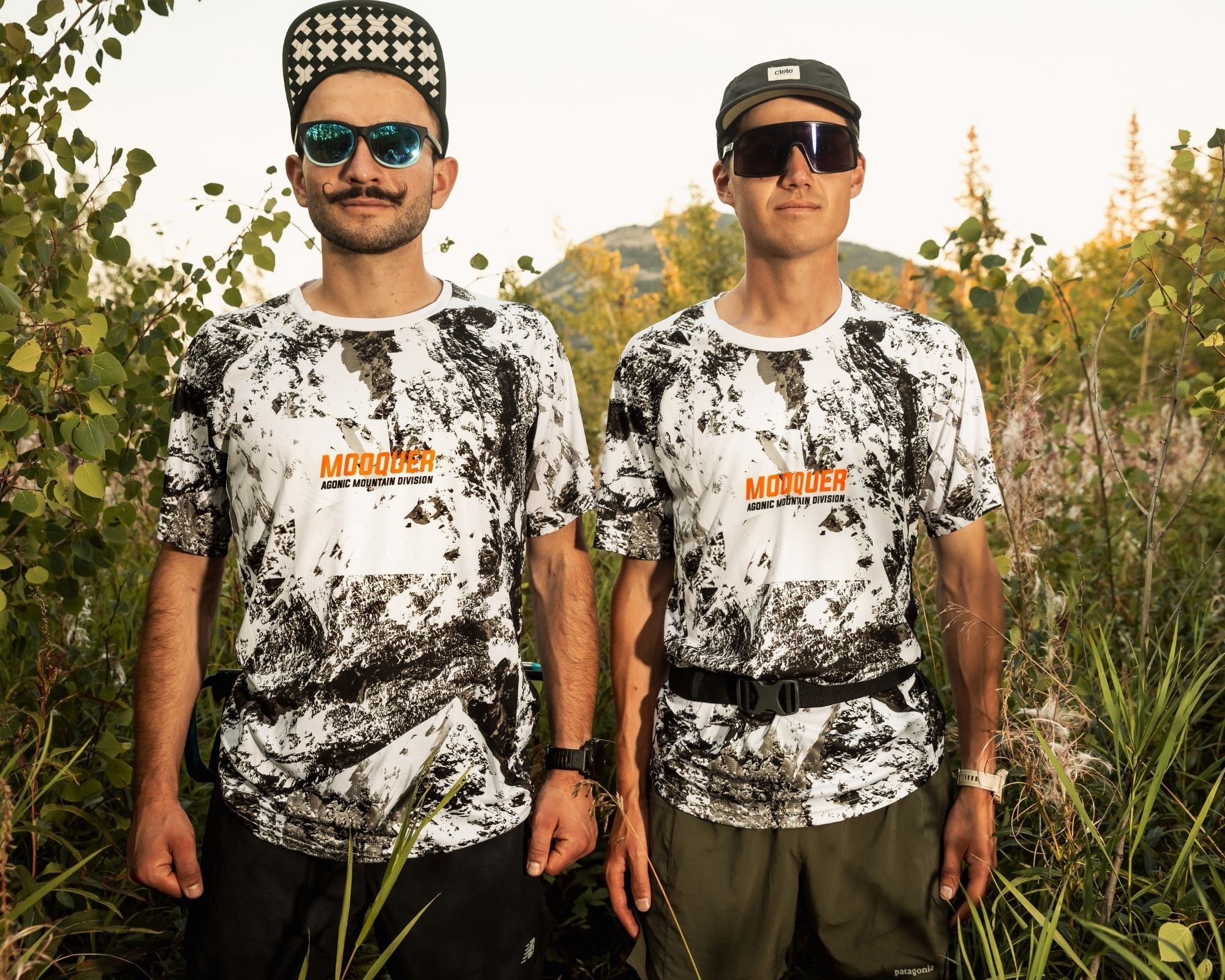
Trail running is taking people away from cycling, and you know it. It's emptying our races. In this episode, I'll tell you why I think this is happening, from the inside, as the founder of a brand that dresses cyclists and runners, and which this year has even put together a trail team.
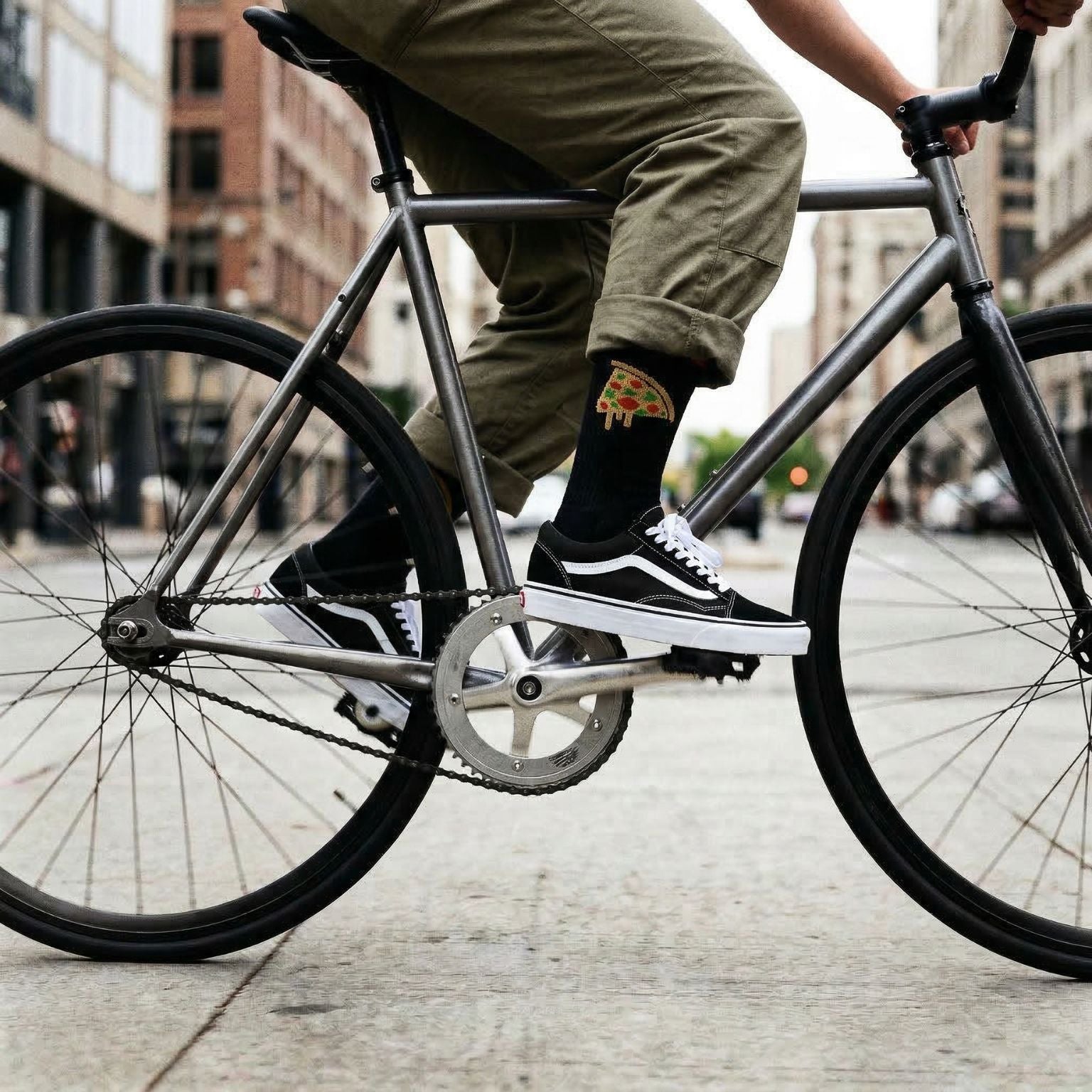
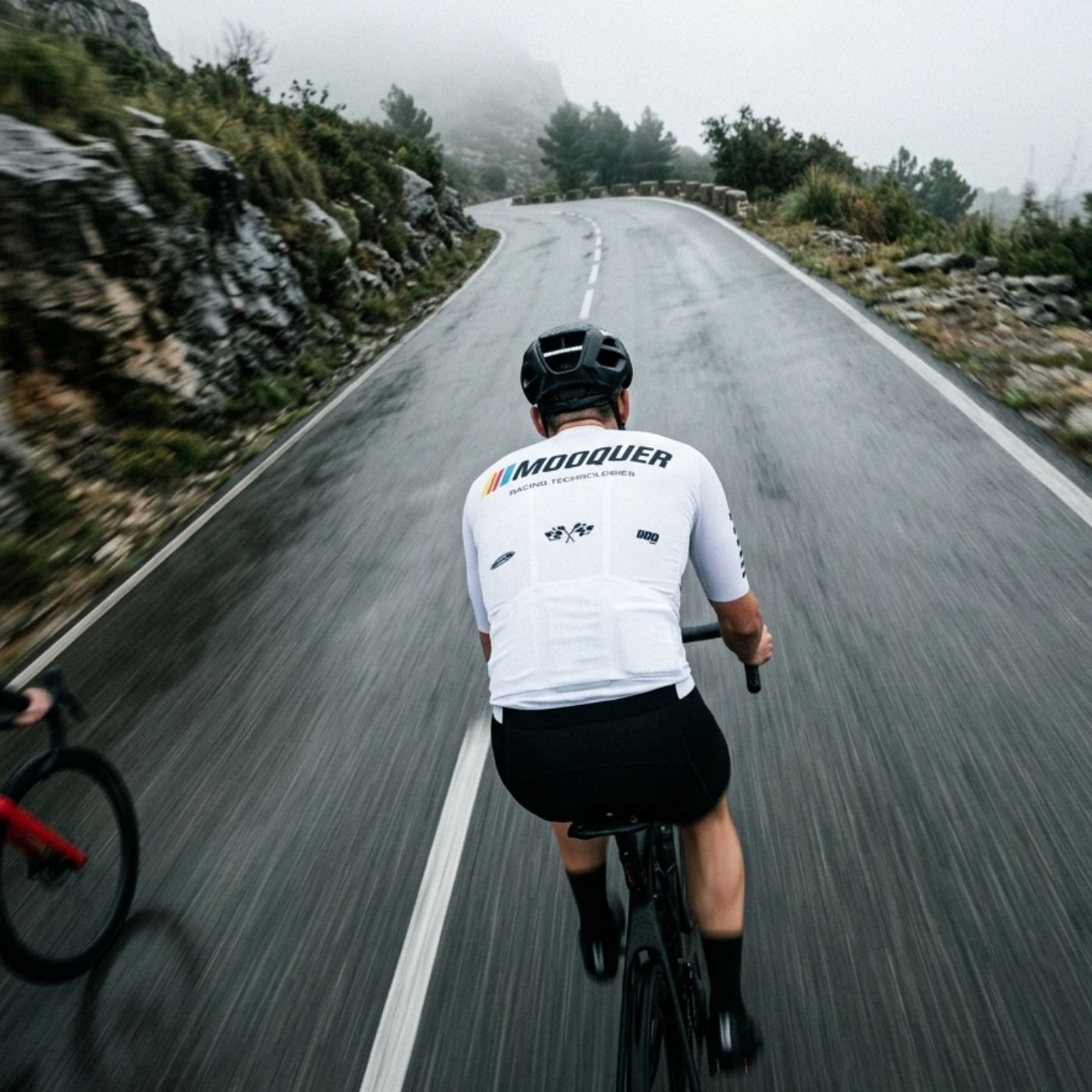
Cyclists and trail runners are very similar: people passionate about the mountains, the outdoors, about going out with others to sweat and enjoy themselves. And mind you, cycling as a sport continues to grow. I've been cycling for more than twenty years and I remember riding in Asturias without crossing anyone; now, no matter when you go out, there are people on the road, on gravel, and on the mountain, of all levels, and finally, more and more women. I see it daily in the shop: people are crazy about bikes, whether they come to buy one or not.
And yet, there are fewer and fewer people at races and events. Races disappear every year, licenses decline, and the finish lines of a cross-country or marathon race are pathetic: family, a neighbor, and two friends who came to accompany. When it should be the other way around: if more people are riding than ever before, there should be more participation, not less.
Meanwhile, trail running is packed. In Asturias alone, there are nearly 70 races a year, and I'm underestimating: weekends with races on Friday, Saturday, and Sunday, day and night, with 400, 500, or 600 registrants, and different ones at each. You go to a bike race and find 70 or 75, with categories that aren't even enough to make a podium. Why?
First, money. Between inflation, which has made everything more expensive, and the cost of going to an event away from home (gas, tolls, food, sometimes a hotel), add entry fees of 70, 80, 100, or 120 euros. You can't afford that every weekend. So people choose, and there are too many races for those who can afford them.
Second, we've gotten tired of the heroics. Races with 6,000 meters of elevation gain, 25% ramps, sections where you end up pushing your bike. And not just uphill: since Van der Poel and Pidcock jump twelve-meter drops, we've put six-meter drops in regional races. You're at kilometer 60, completely exhausted, and suddenly a jump. Almost no one is prepared for that, much less on the third lap. People have kids, work on Monday, a life that goes on. If you end up worn out, you won't repeat it.
Third, we've closed the circle. I started with a one-day license, in sneakers, with a fanny pack and a supermarket bike, and a lot of people started in that category. From there, I assure you, professionals later emerged. We need to bring people in from the bottom, not the top. More accessible races, with various distances and elevations on the same day, so that the one who's going to win enjoys the well-groomed single track and the beginner also enjoys it at their level. That's exactly what trail running is nailing.
And then there's the party, which trail running has understood wonderfully, like rugby or après-ski. You finish, whether you've won or come in 300th, and there's live music, a DJ, barbecue, beer, and amazing aid stations, and people stay with their family and friends to chat about the race. In cycling, we've become so professionalized that everyone arrives in their car or camper, does their thing, and leaves. I miss those village races, coinciding with festivals, much less professional and much more fun. That's how I started and that's how I got hooked. The key is to be cool, remember. Press play and I'll tell you the whole story.


Leave a comment
This site is protected by hCaptcha and the hCaptcha Privacy Policy and Terms of Service apply.