

Training at 40 Without a Coach: How I Organize Cycling, Running, and Trail Running with AI
I'm 40 years old, with two children and a business. I don't have a coach, a nutritionist, a turbo trainer, or a power meter. And yet, I manage to do some sport almost every day. In this episode, I'll tell you how I organize it, without pretense and without trying to sell you that it's the right way: it's simply my way.
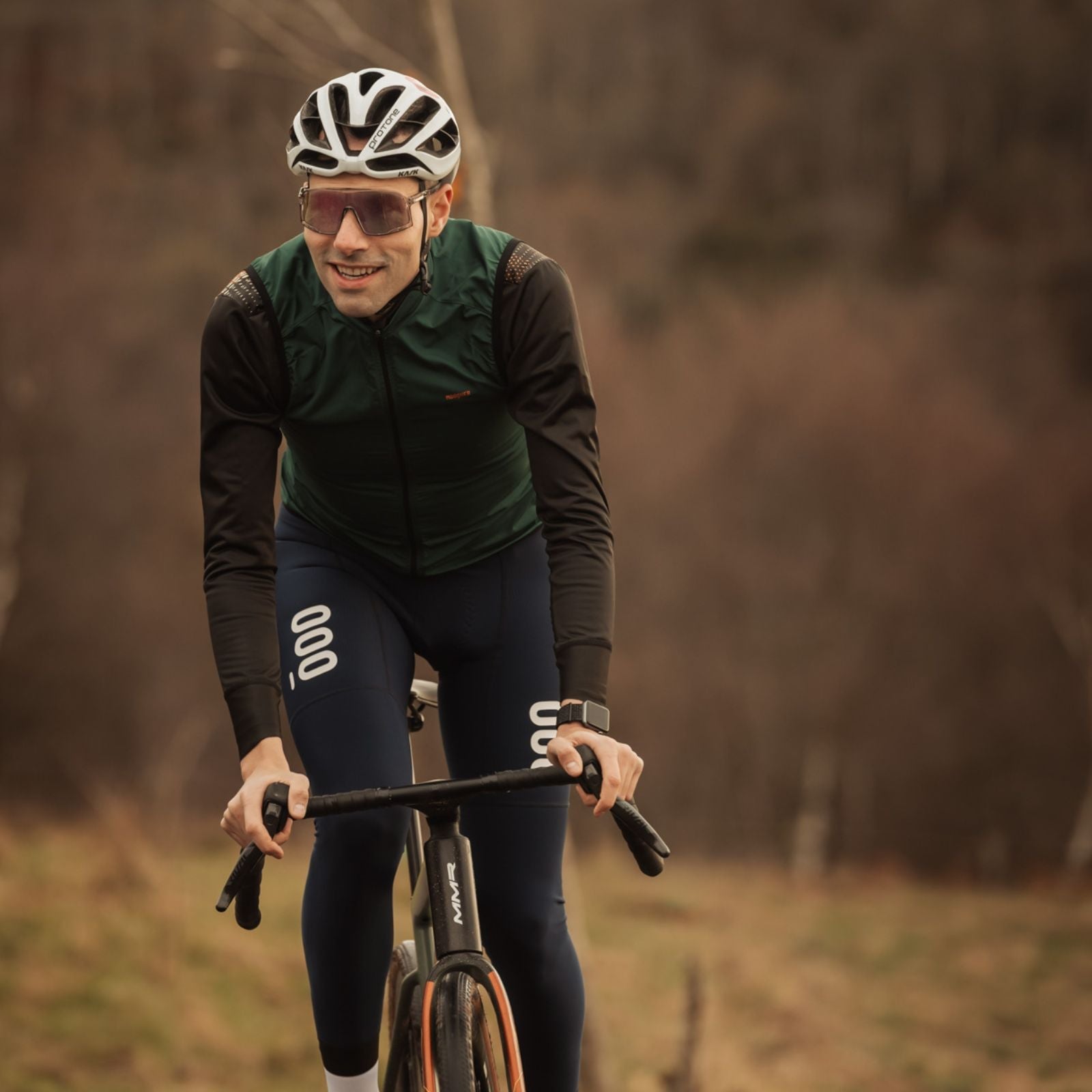
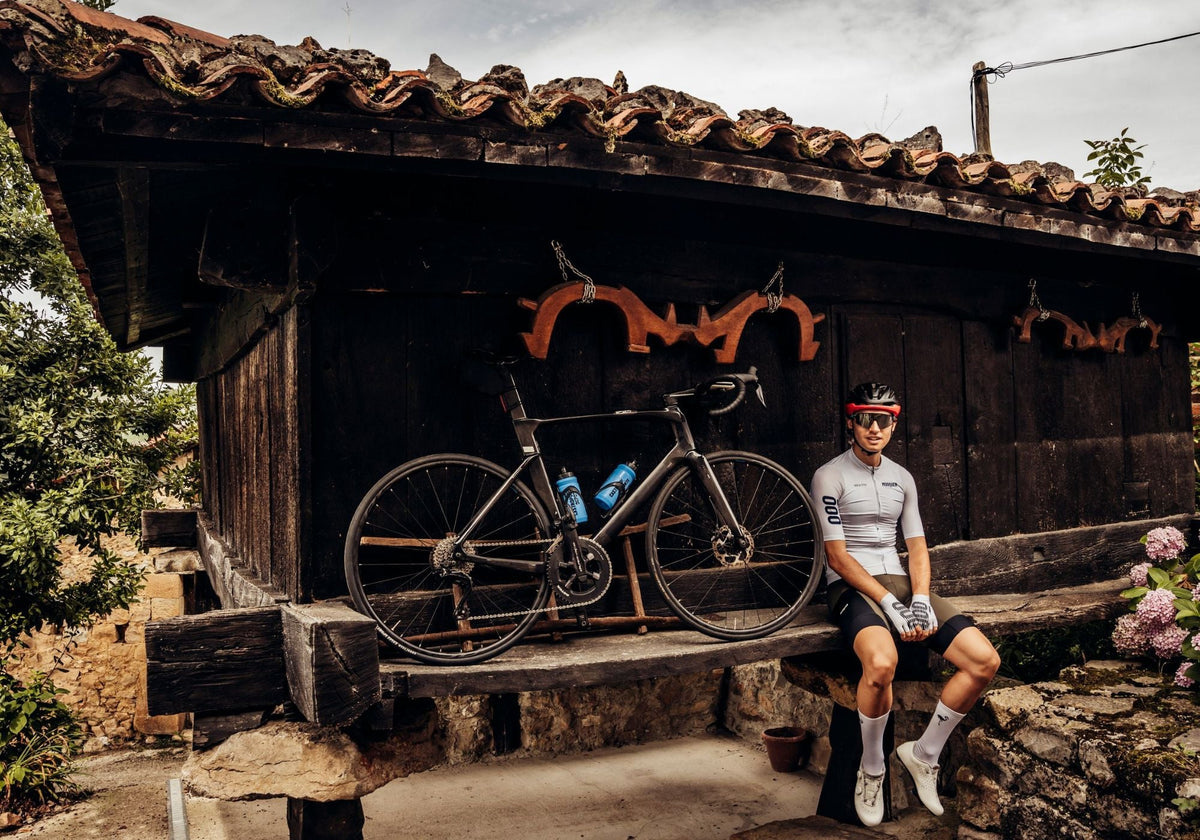
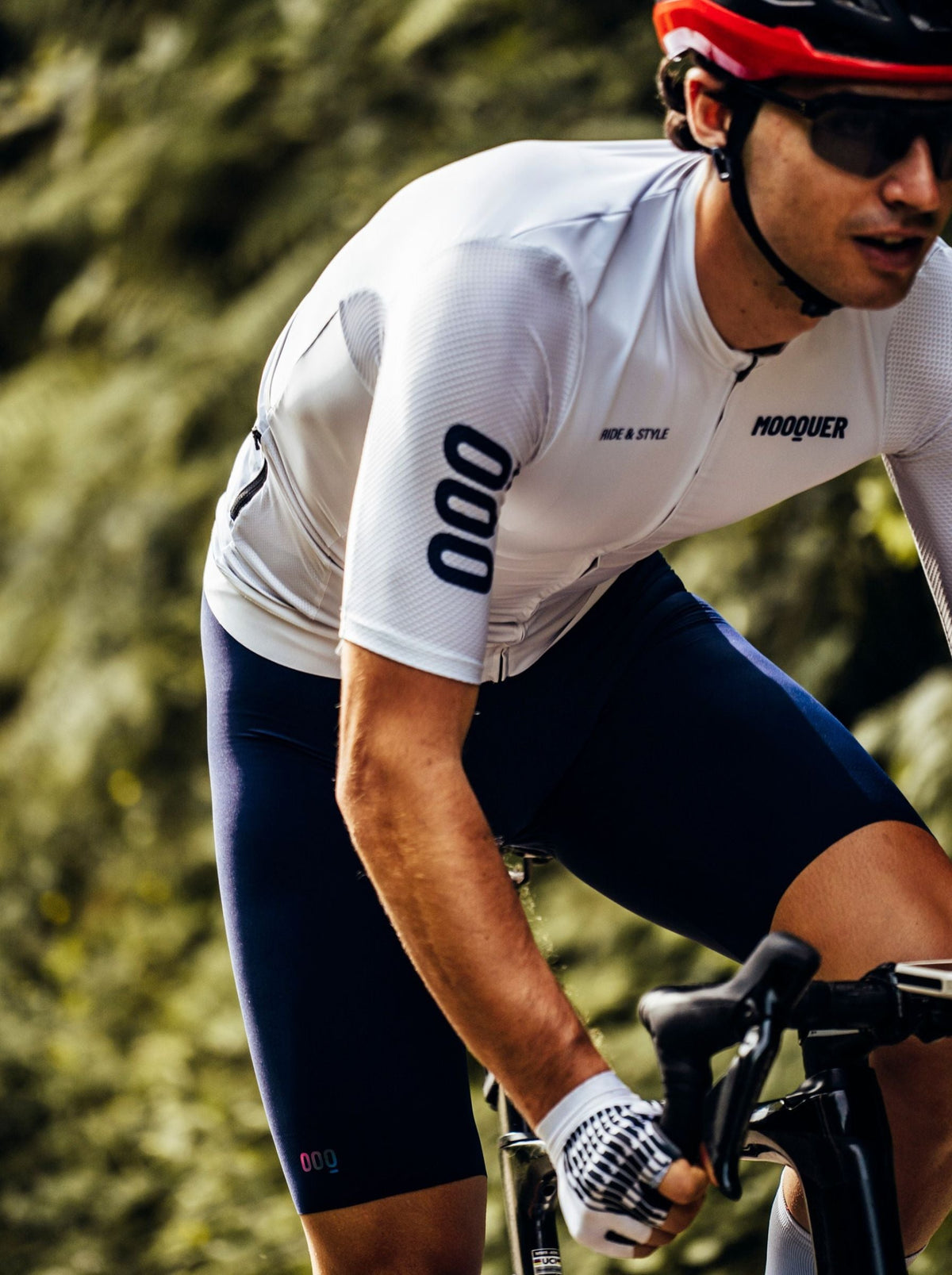
I've been cycling for over twenty years, including cyclocross, mountain biking, road cycling, and some running races. Now, having just entered the master 40 category, I no longer compete or prepare for anything specific. All I'm looking for is to be strong, agile, and functional, and for the bike to go fast so I can enjoy it instead of agonizing.
Every Sunday afternoon I open my calendar and plan the week. It's not a rigid plan, it's a script. I do it with the help of artificial intelligence: I dump my data from Garmin, Strava, and the Apple Watch Health app into a ChatGPT and Claude project, add how I've eaten, how much I've slept, and how I feel, and with that, it organizes what makes sense to do each day. I know many of you will tell me that a coach or a nutritionist would be ideal. Maybe. But at the stage I'm at, I don't want a plan that confines me and takes time away from my family or Mooquer.
Here in Asturias, the weather dictates as much as the calendar. I recorded this on June 1st, and fifteen days before it was 10 degrees, and a week later it was 35. You dress for cycling, it starts to pour, you change, and the sun comes out. So I adapt without getting frustrated. If a birthday, an extracurricular activity, or a fire to put out at the shop comes up one day, it's fine. We are weekend warriors, not professionals, and cycling, if you take it seriously, demands time that you take from something else. Better to accept it than to fight it.
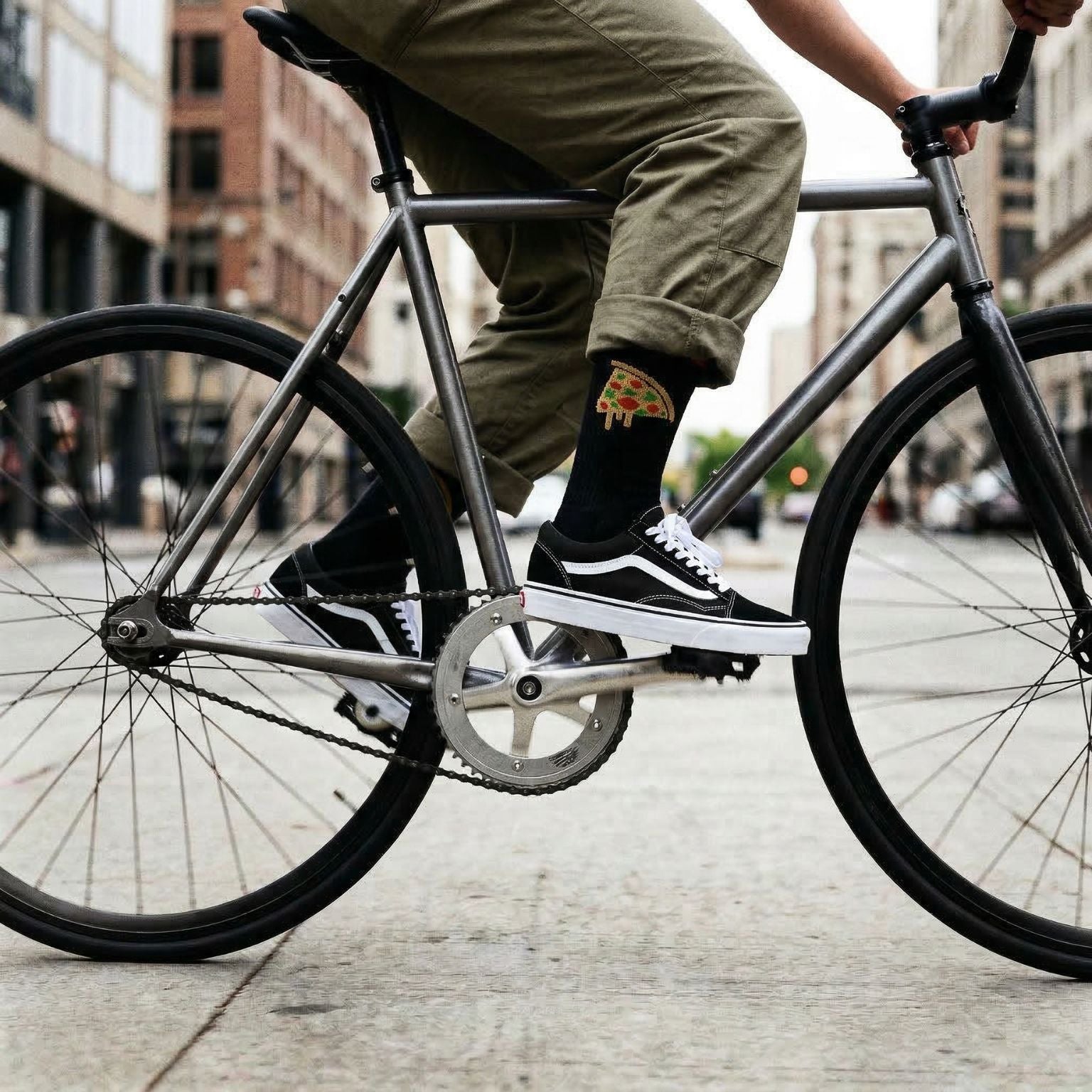
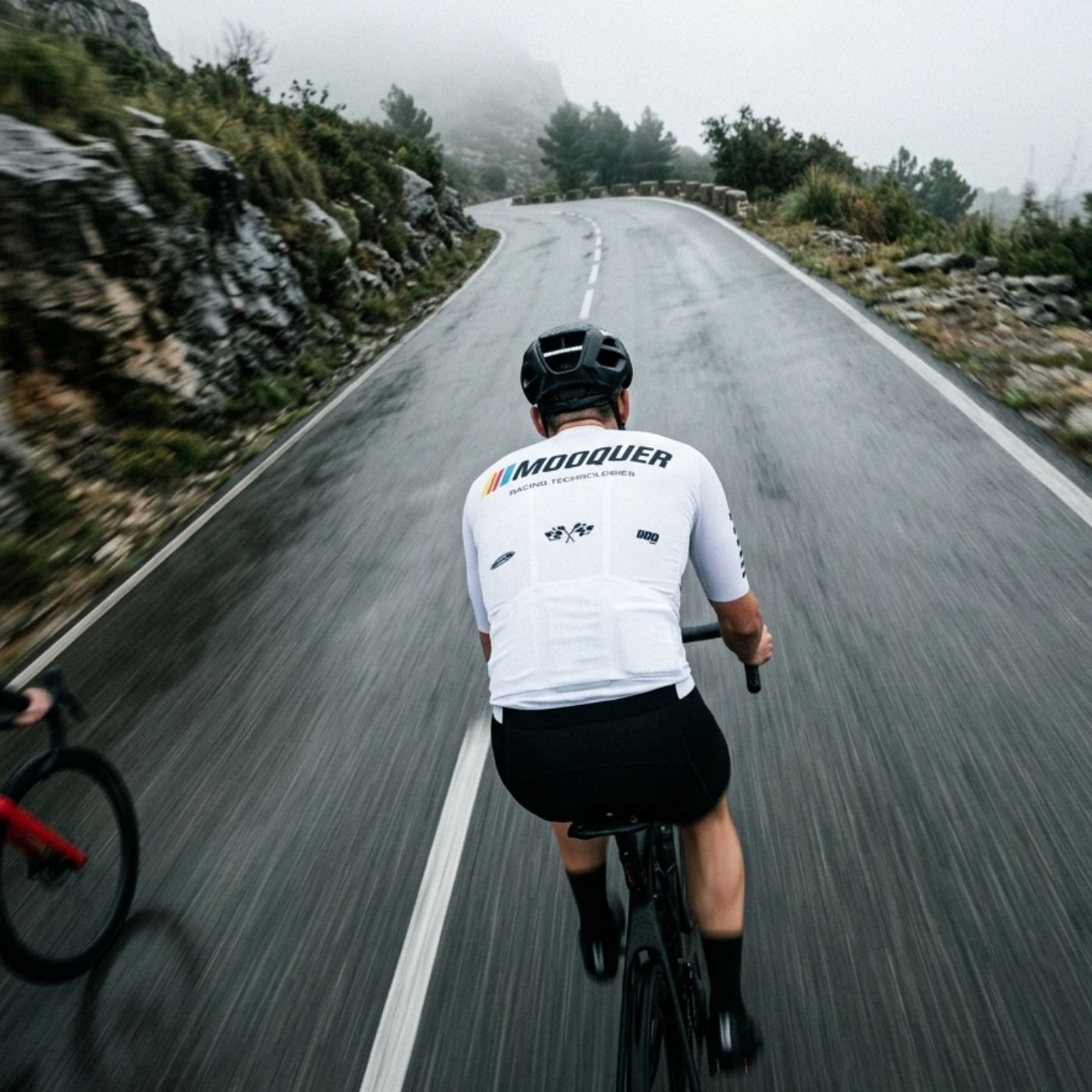
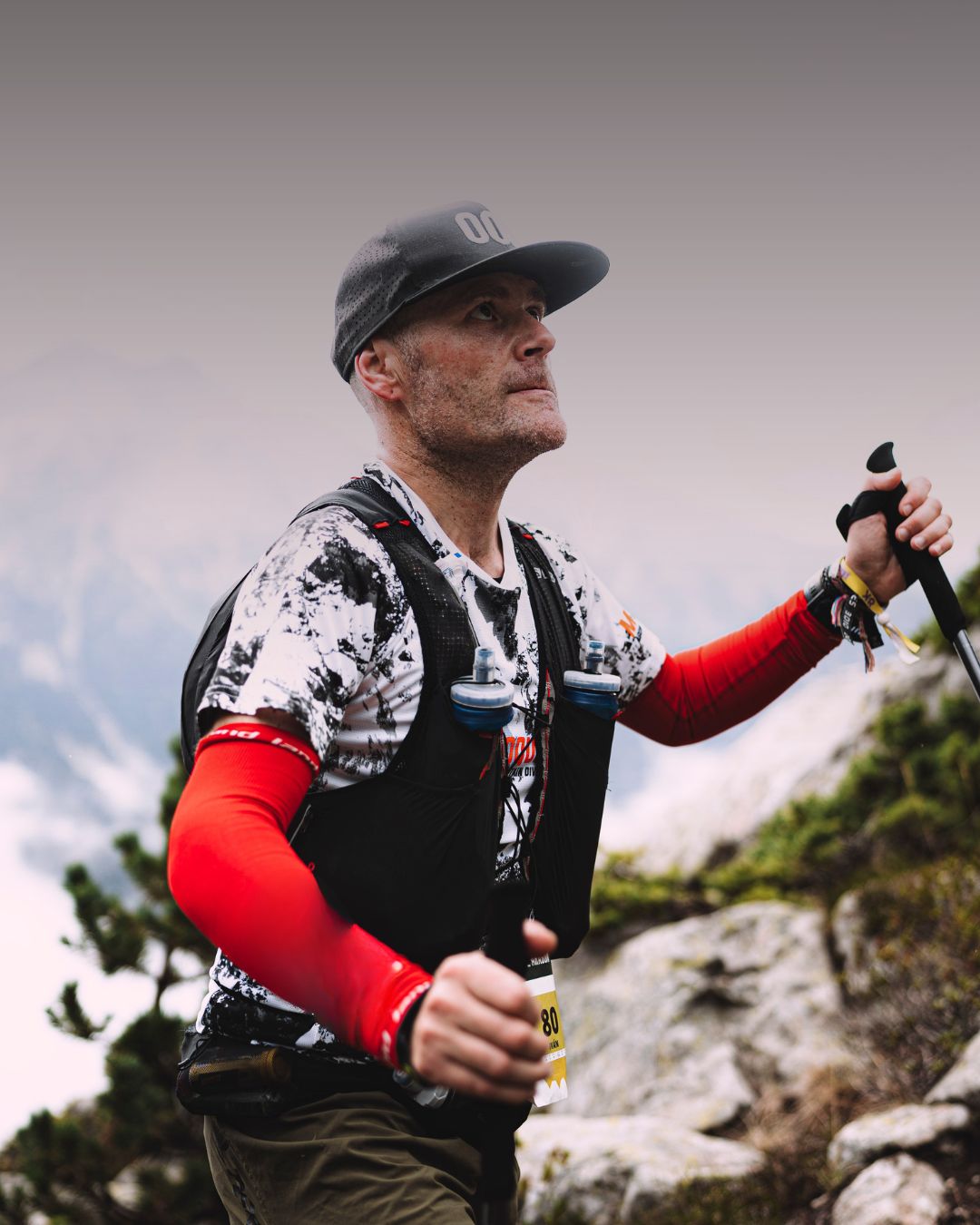
My routine is a mix. On the bike, I combine road, gravel, and mountain biking. For short days, I go for a run in the city or trail running in the mountains, which gives me the feeling of MTB without all the ritual of taking out the bike, cleaning it, and lubricating it. And for impossible days, I bought a kettlebell. I started with 6 kilos, moved to 8, and now I'm grappling with the 12-kilo one, with guided YouTube classes of twelve or fifteen minutes that I do while preparing dinner for the kids or between showers. One day upper body, another core, another legs. It's not much, but it allows me to move every day.
In nutrition, I'm not a hardliner, but I do have clear lines. No alcohol, with or without. No soft drinks as a rule. And the change I noticed the most was removing white sugar from my coffee: between three and four coffees a day, I was consuming kilo bags without realizing it. I swapped a sweet breakfast for protein: scrambled eggs (two), kefir with some oatmeal, a natural yogurt, and coffee with milk without sugar. The rest is a normal Mediterranean diet, without weighing my food. If I train more, I eat more; if I train less, I eat less; and if the kids leave a piece of cachopo, I eat it without drama.
I live a bit like a monk: I sleep between seven and a half and eight hours, I go to bed and wake up almost always at the same time, even on weekends, to make the most of training before opening the shop. I don't use a turbo trainer, I stopped a long time ago; I prefer to go running, to the mountains, or do my kettlebell session. I also don't have a power meter, and in fact, for a few months now, I've even been without a Garmin, just using my Apple Watch.
I'm not telling you that this is the right way or that I'm an example of anything. Just that, if you're 40 or older and your daily life consumes you, don't get frustrated or anxious about sports. It's meant to be fun and to clear your head. For me, more than physical, it's mental: the day I don't move, I notice it. Press play and I'll tell you all about it.


Leave a comment
This site is protected by hCaptcha and the hCaptcha Privacy Policy and Terms of Service apply.