



But Really, Are They All Premium?
What does a brand need to have to be considered premium, to be luxury? I often ask myself this as the founder of a sportswear brand, observing how the big players do it. In this episode, I'll share my theory, which goes quite a bit beyond marketing.
It happens to all of us. You see a Porsche 911, a watch, a handbag, some sneakers, or a bike, and something draws you in. You can't stop thinking about it. Apple is in a league almost all its own; Ferrari, Lamborghini, and Porsche are in another. They are objects of desire. And I, being human like you, look at them and think: how is that built? How does a brand get you to desire it even if you don't need it?
Many people will tell you it's marketing, that it's all advertising. I have my doubts. I don't think it's just marketing; I believe good marketing is the consequence, not the cause. When you pay attention to detail, when your business is well-organized, when the store is clean, the colors match, and you're not overflowing with merchandise, that makes an impression and generates a kind of marketing you can't buy with money.
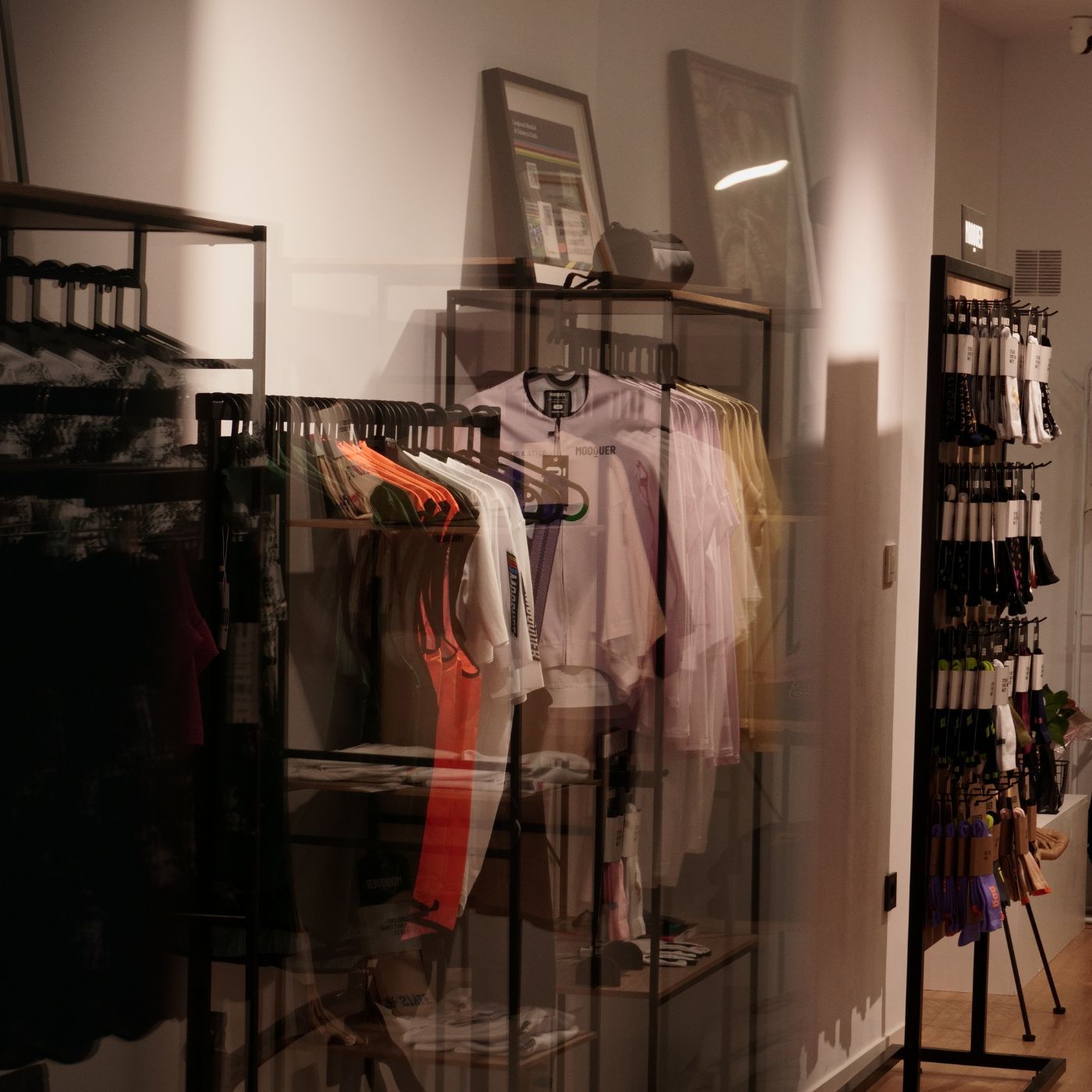
Let me give you an example. You walk into a sneaker store in a prime area, and there are only ten different items. It's almost empty. That, which seems like a flaw, is a sign of premium. Apple stores are huge and barely have any products on those giant tables. Empty space communicates. Now imagine the opposite: a store with hundreds of models of all colors, for everything, piled up. That screams mass-market, even if the product is good. It's consumer psychology, pure perception.
Let's play a game. Imagine the Porsche GT3 RS, which costs €120,000, suddenly you see it everywhere and the price drops to €25,000. The first day your neighbor shows up with one, you feel that healthy envy, that "good for them." But if a week later five co-workers have one, it stops being exclusive, it loses its status, it loses its value. And a car, at its core, does the same thing as a Dacia: it gets you from one place to another. The functionality is identical. What changes is the desire, the experience, the dream.
There's a quote also used in the stock market: a fool is he who confuses value and price. Price is usually a consequence of value. A Hermès scarf costs €580, and whoever owns it will never blow their nose with it; a paper tissue costs you ten cents, and you use it to clean your hands. The function might be similar, the value is completely different, and that's why the price isn't the same either.
That's why I believe the key to luxury isn't in functionality. It's in status, positioning, and the dream, but also in very specific things: genuine materials, careful manufacturing origins, short runs, exclusivity, and memorable service in pre-sales, sales, and after-sales. Everything has to be premium: how you communicate, how you write your emails, how you answer the phone, how you treat the customer. Just raising the price isn't enough. If your glasses used to cost €60 and suddenly you sell them for €260 without changing anything, your audience will smell it. People aren't stupid.
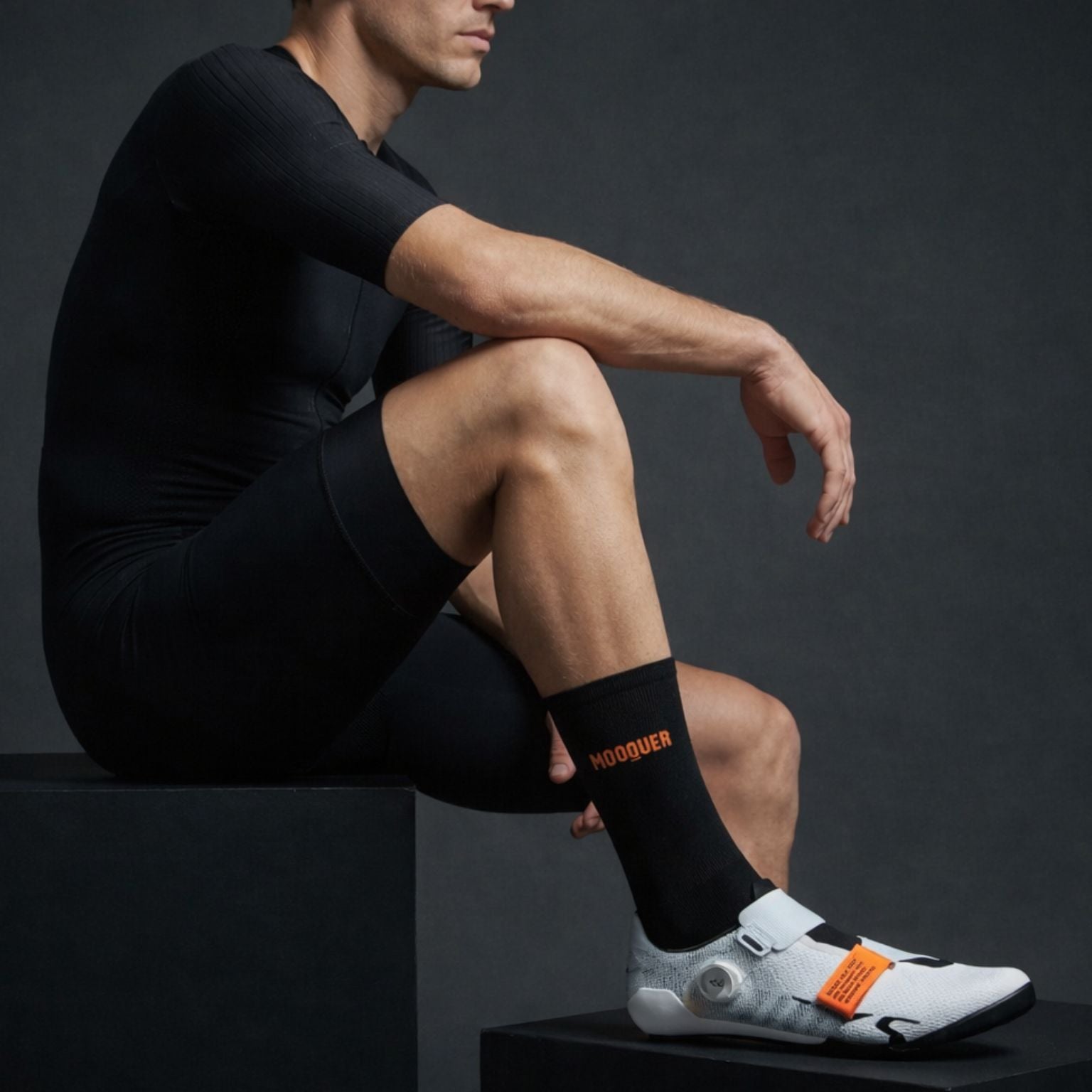
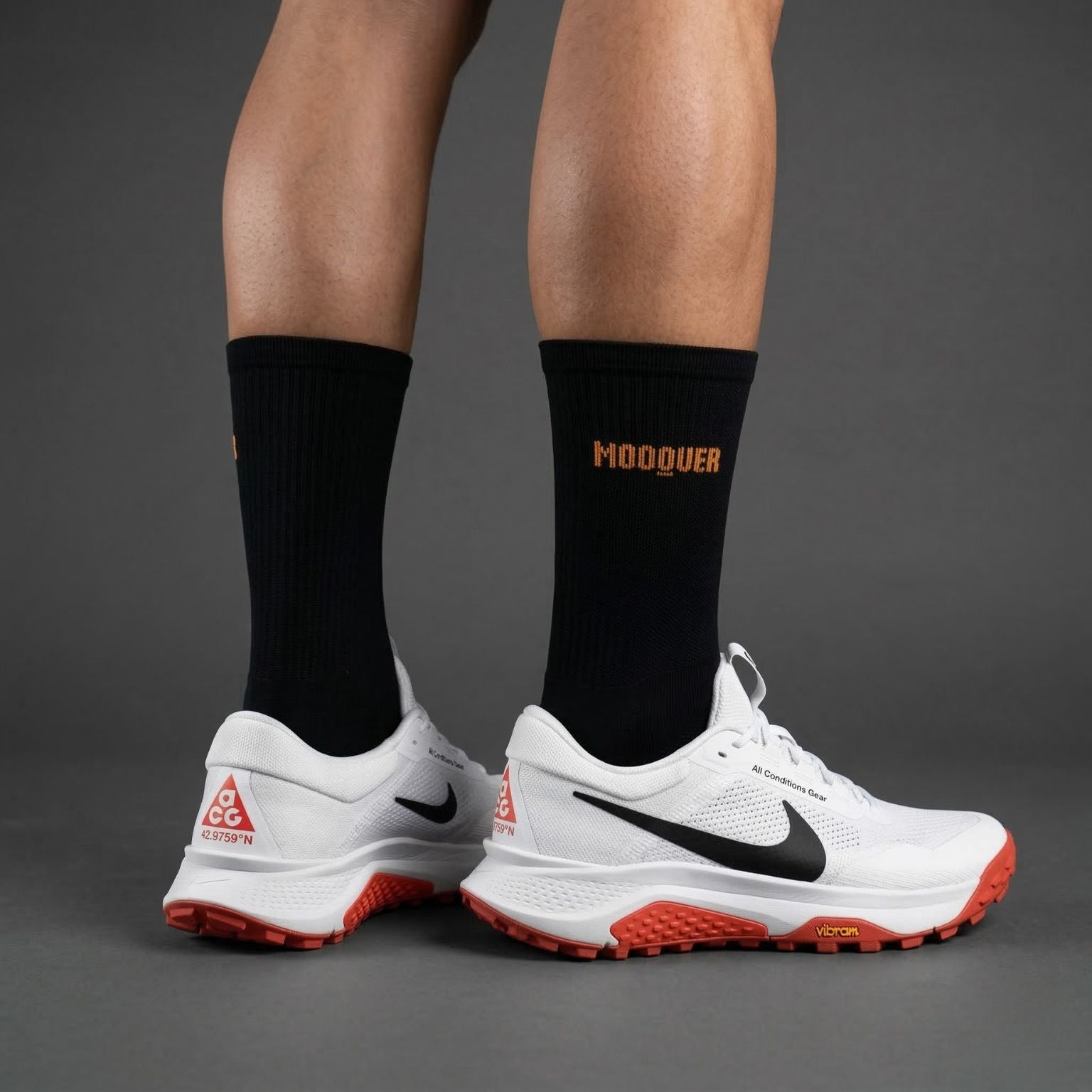
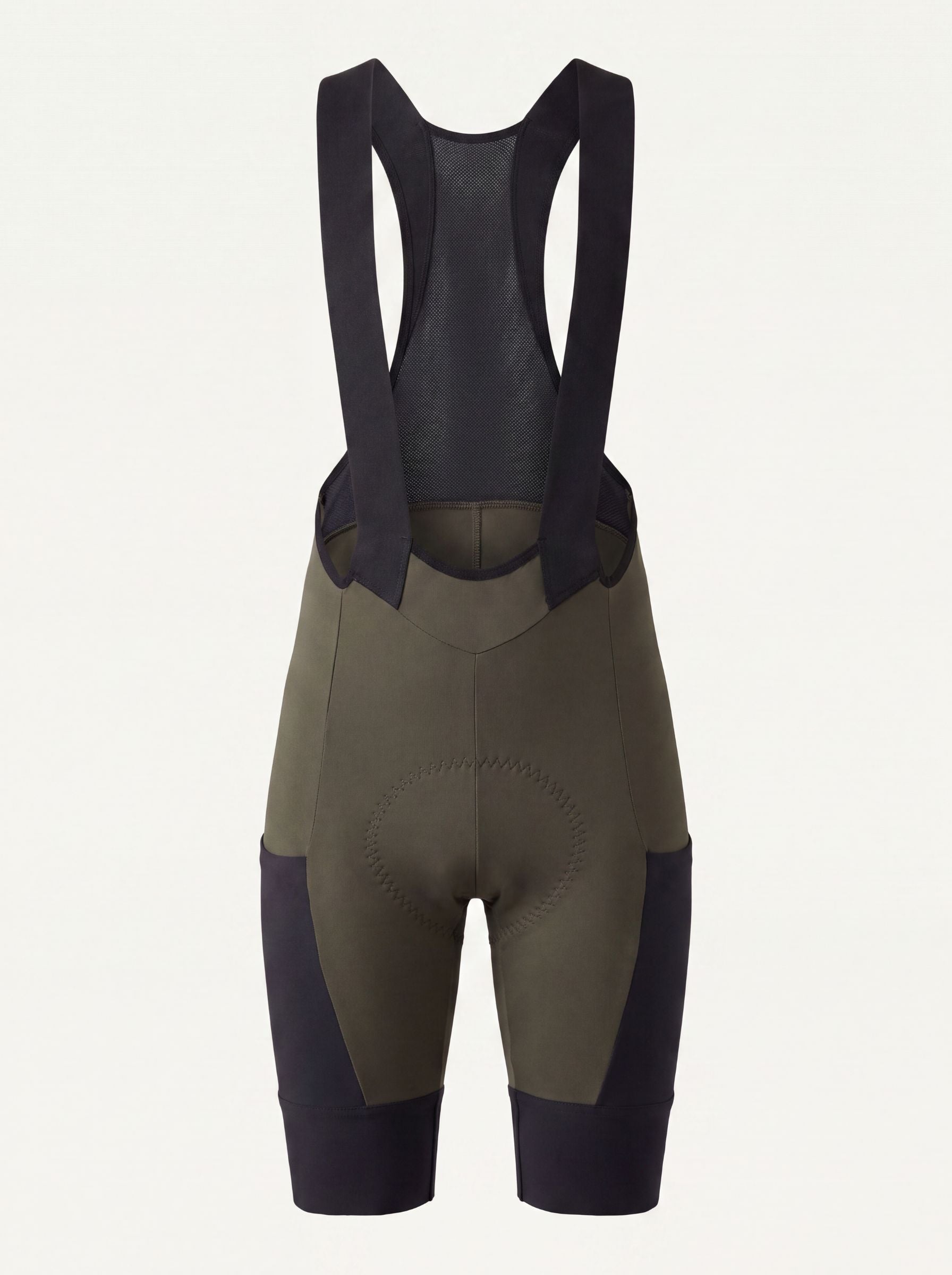
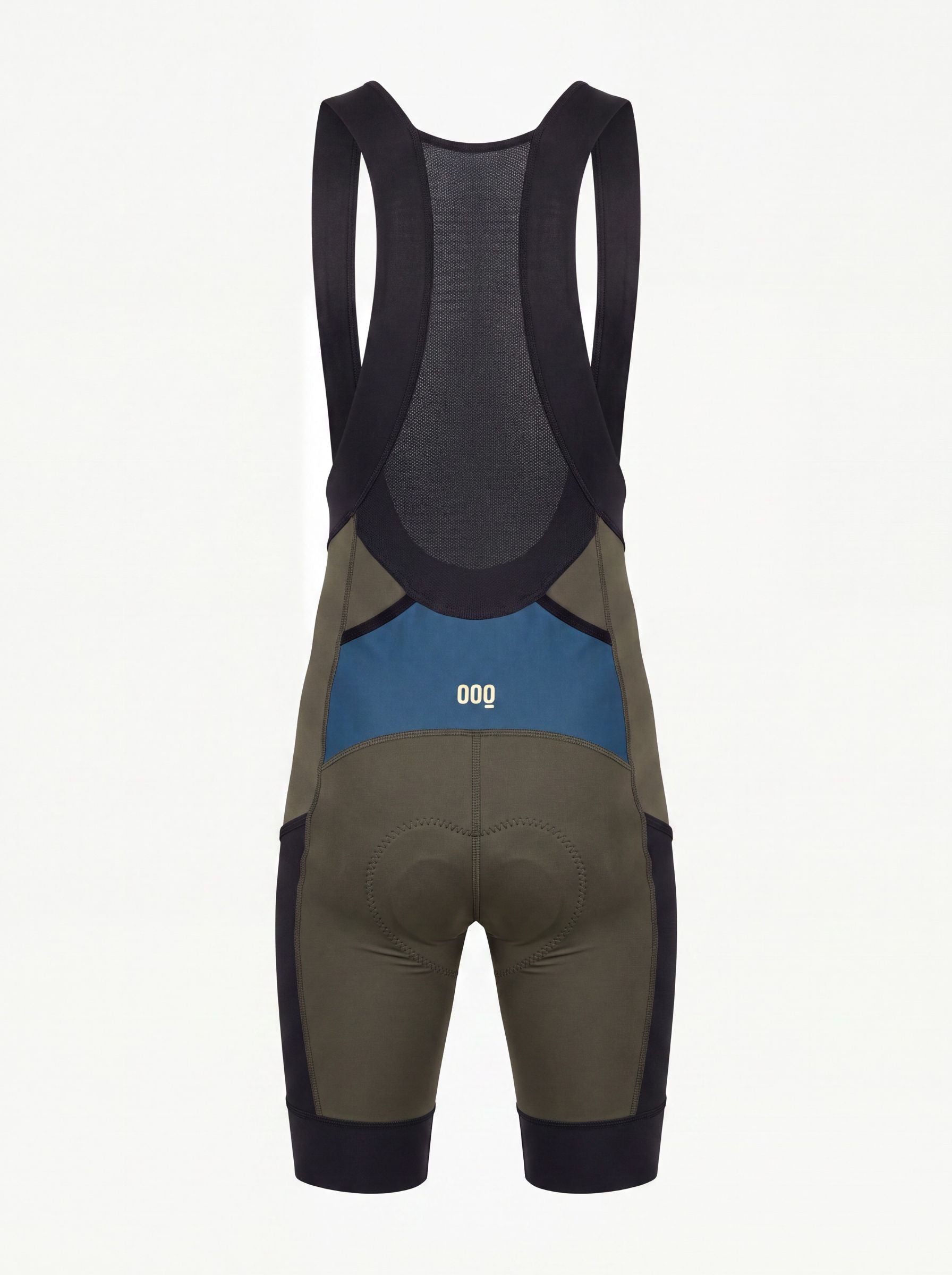
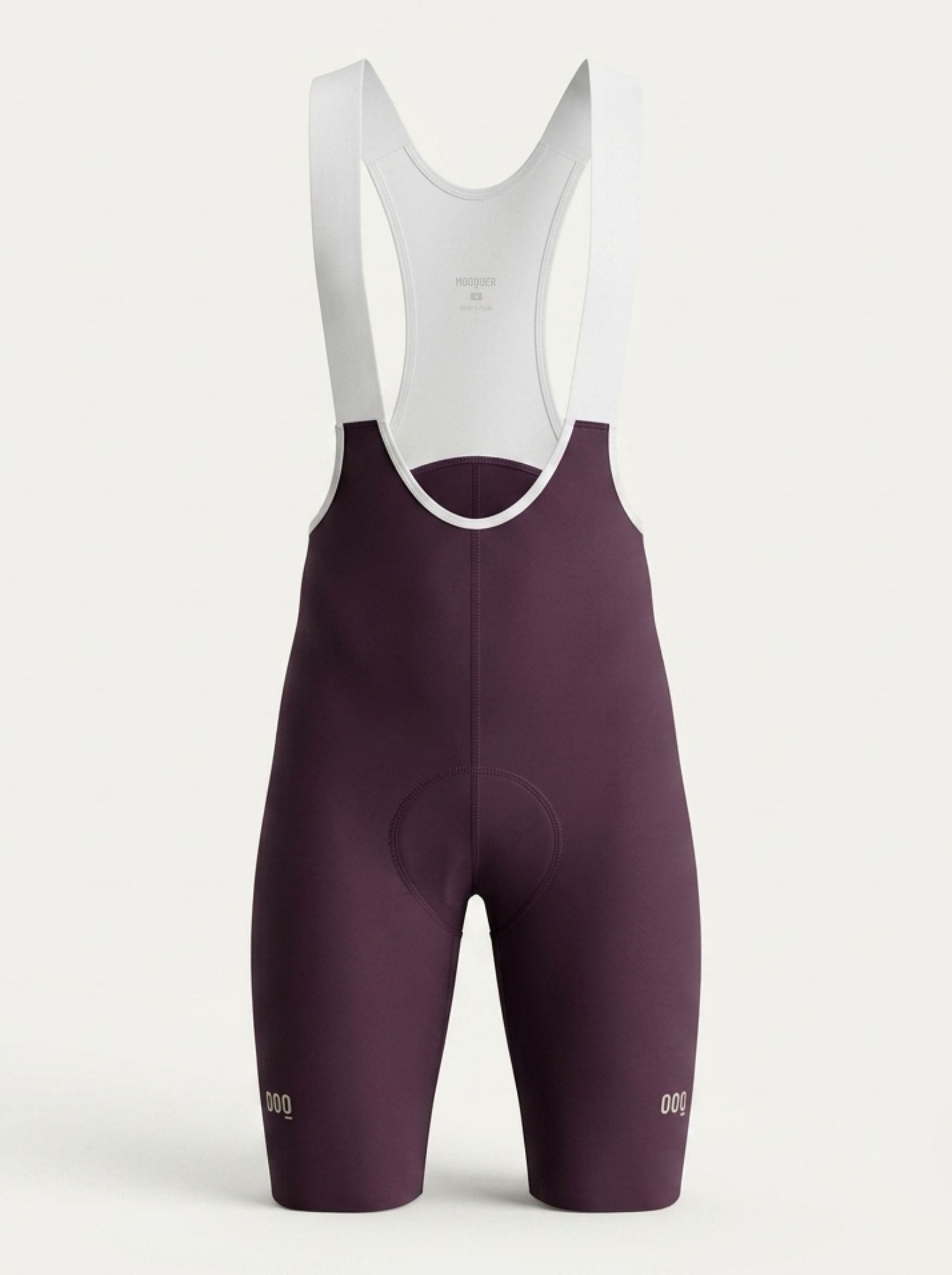
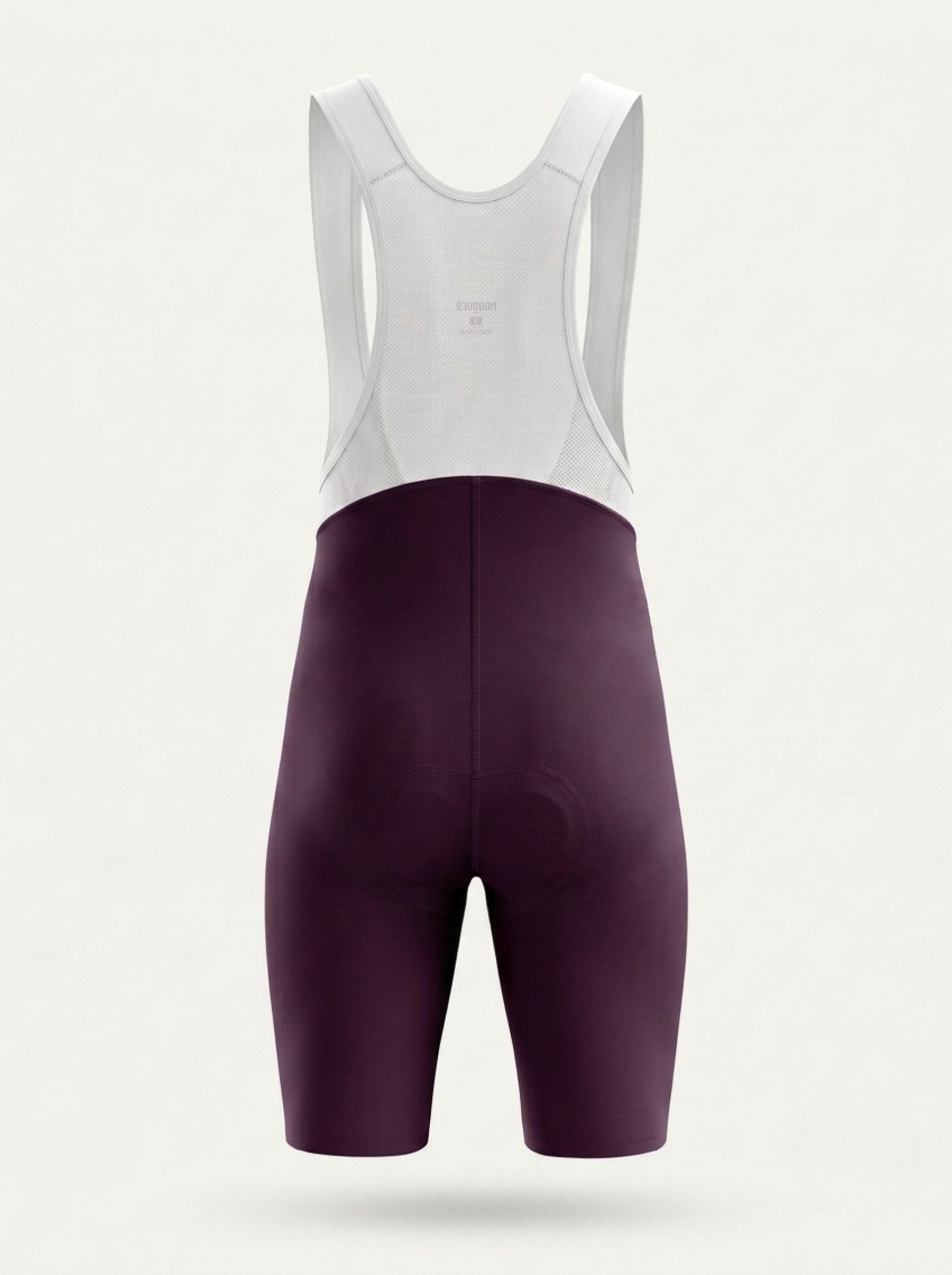
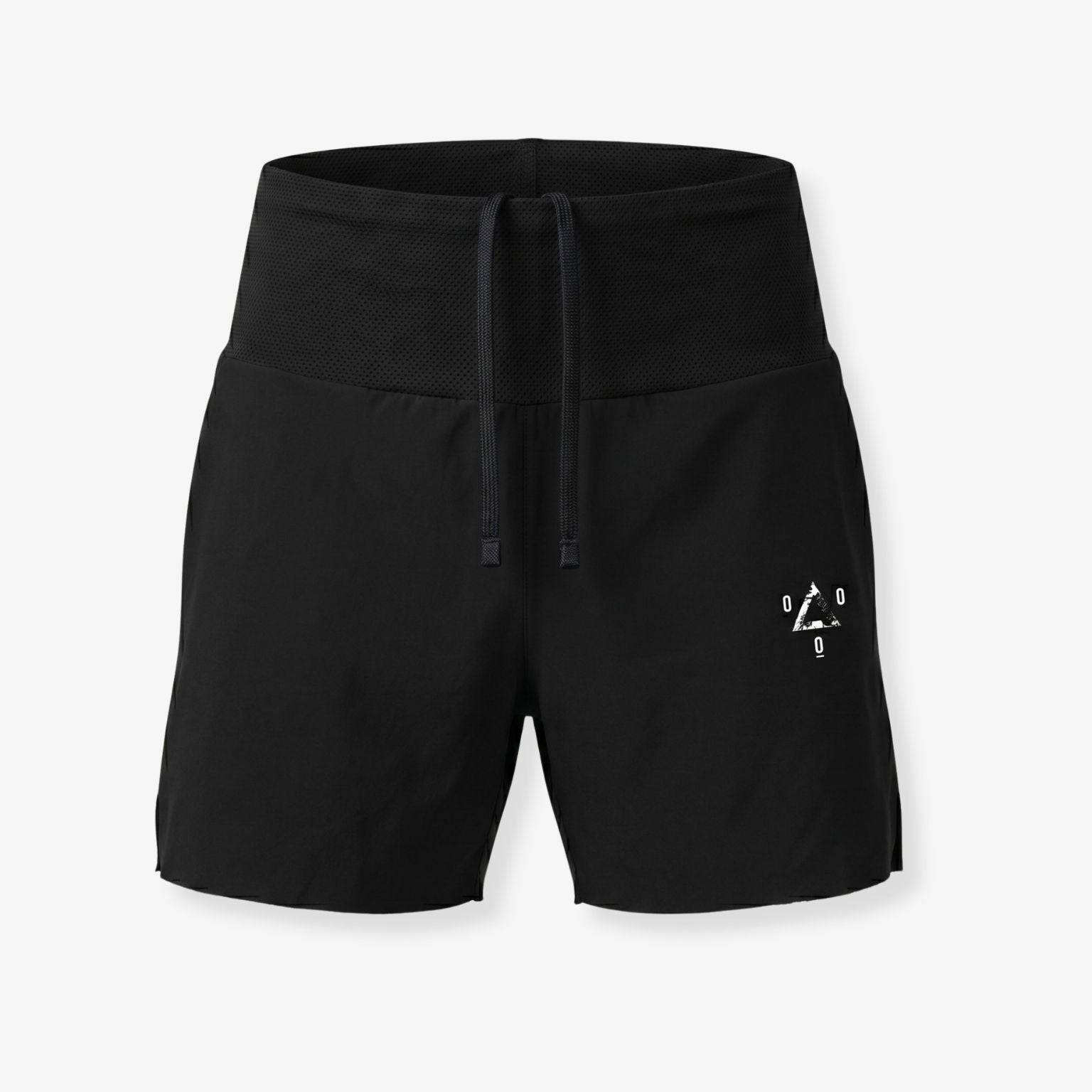
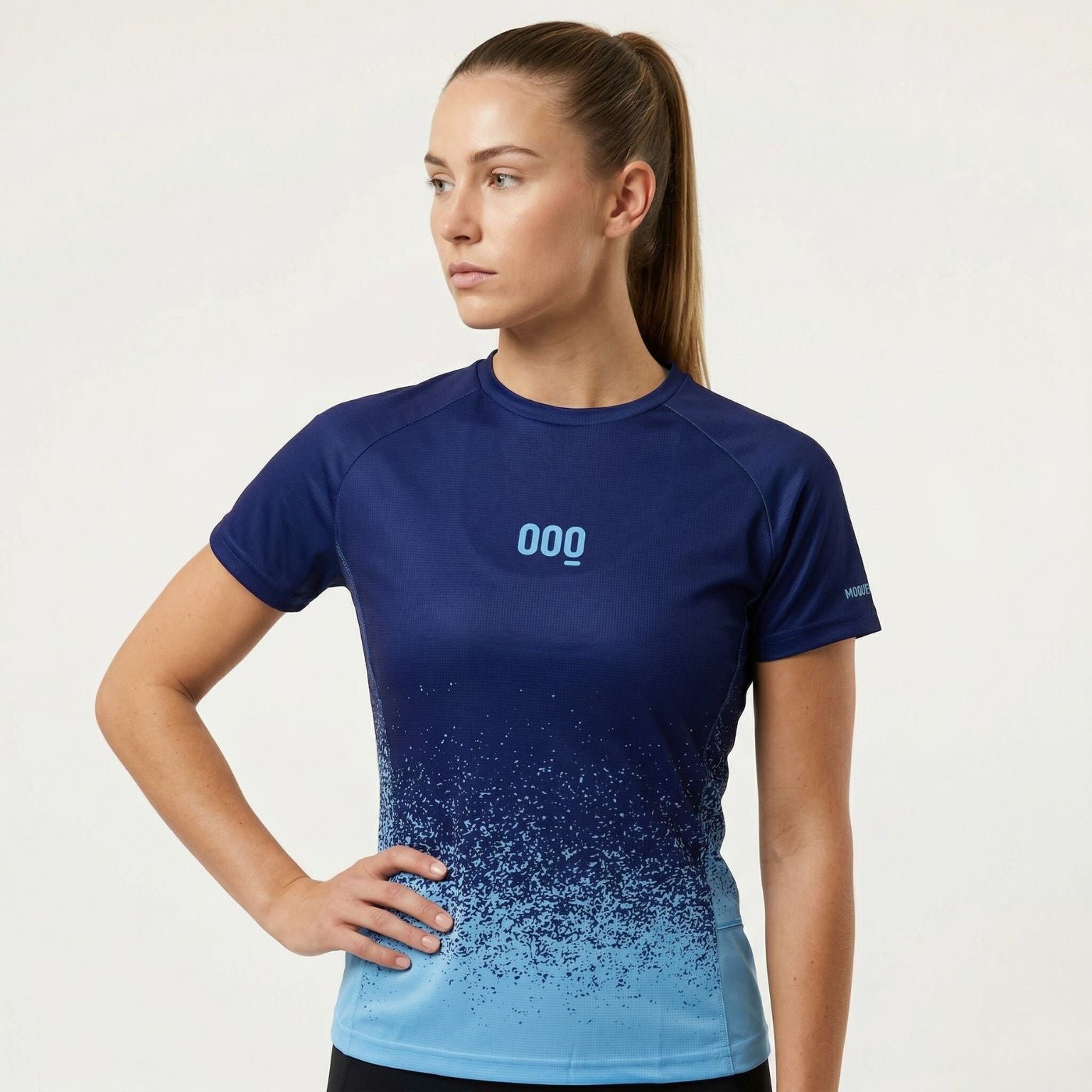
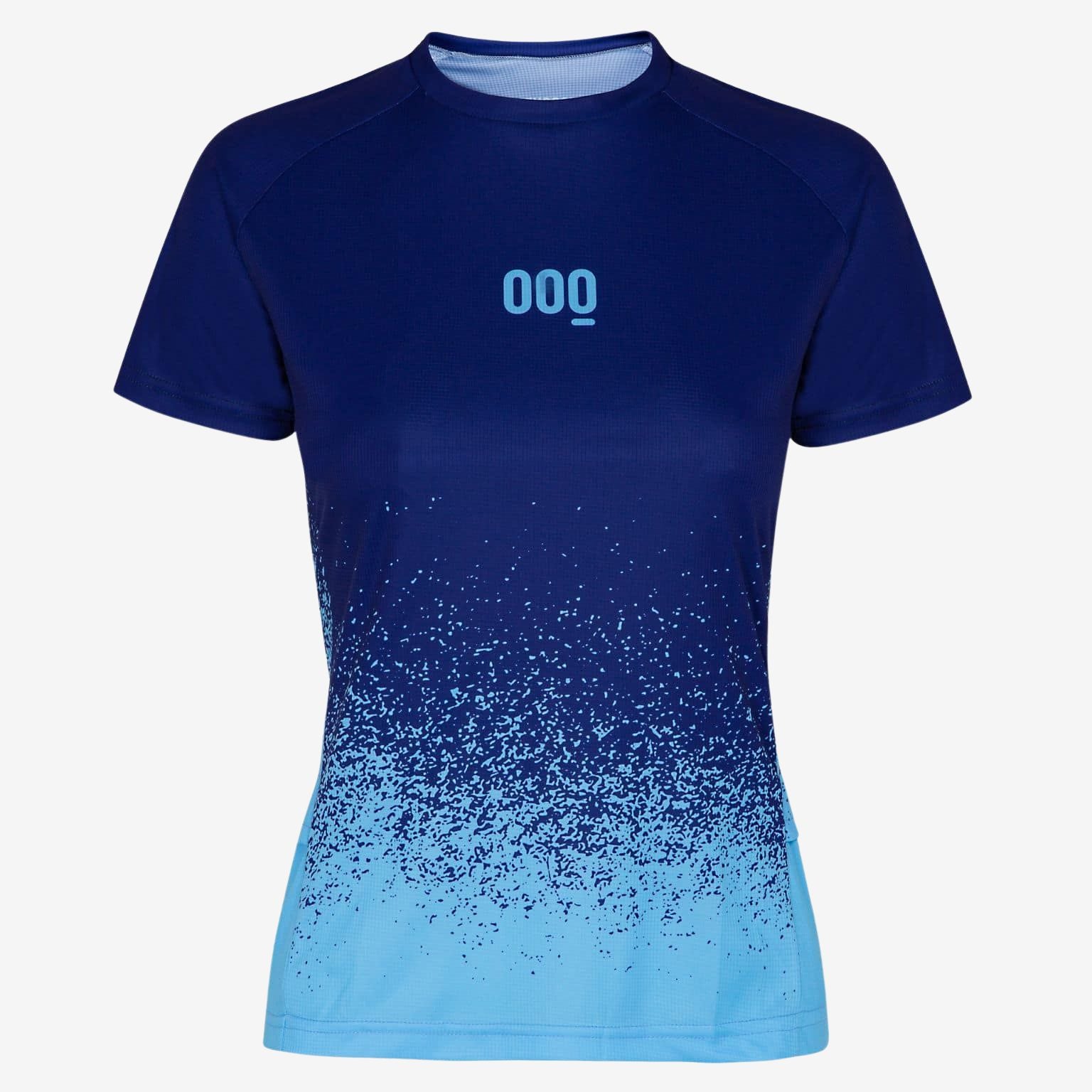
And some things directly rule it out. A product that's on all marketplaces, at all events, and that slashes its price every Black Friday, cannot be luxury no matter what it claims. I'm not in the Hermès or Patek league; I'm in the other range, but I'm fascinated by stealing those angles and details to apply them to my own field, to Mooquer and my daily life. And I bring it to you so you can do the same with yours. The question is simple: where do you want to be, in the mass market or in the premium? Hit play and I'll tell you all about it.








Leave a comment
This site is protected by hCaptcha and the hCaptcha Privacy Policy and Terms of Service apply.