



Article: What No One Tells You Before Your First Trail Race
What No One Tells You Before Your First Trail Race
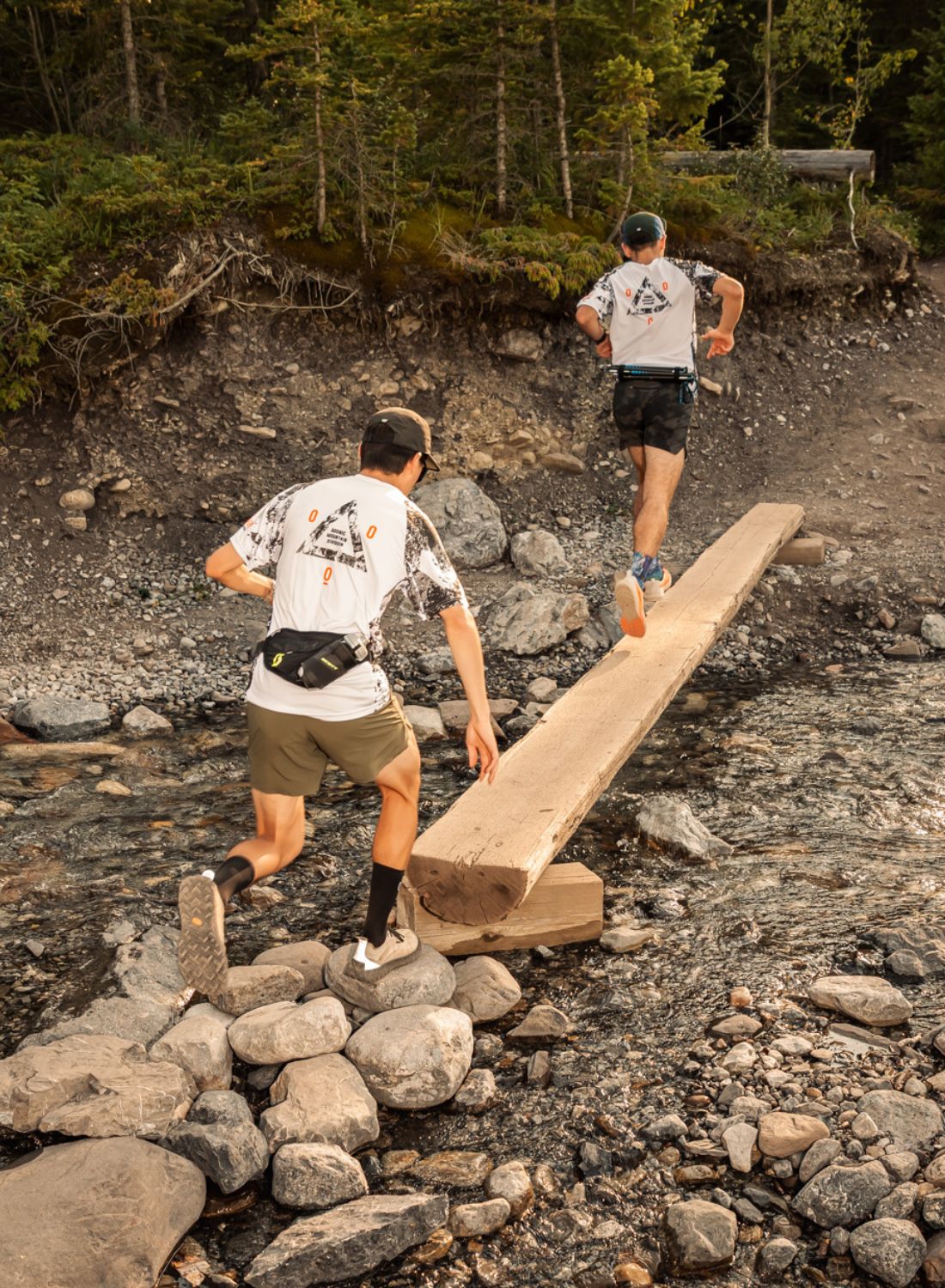
Trail running is growing, and with it comes the age-old question for beginners: what clothing is truly essential and what is accessory. The short answer is that you need less than it seems, but what you wear must perform when the terrain gets serious.
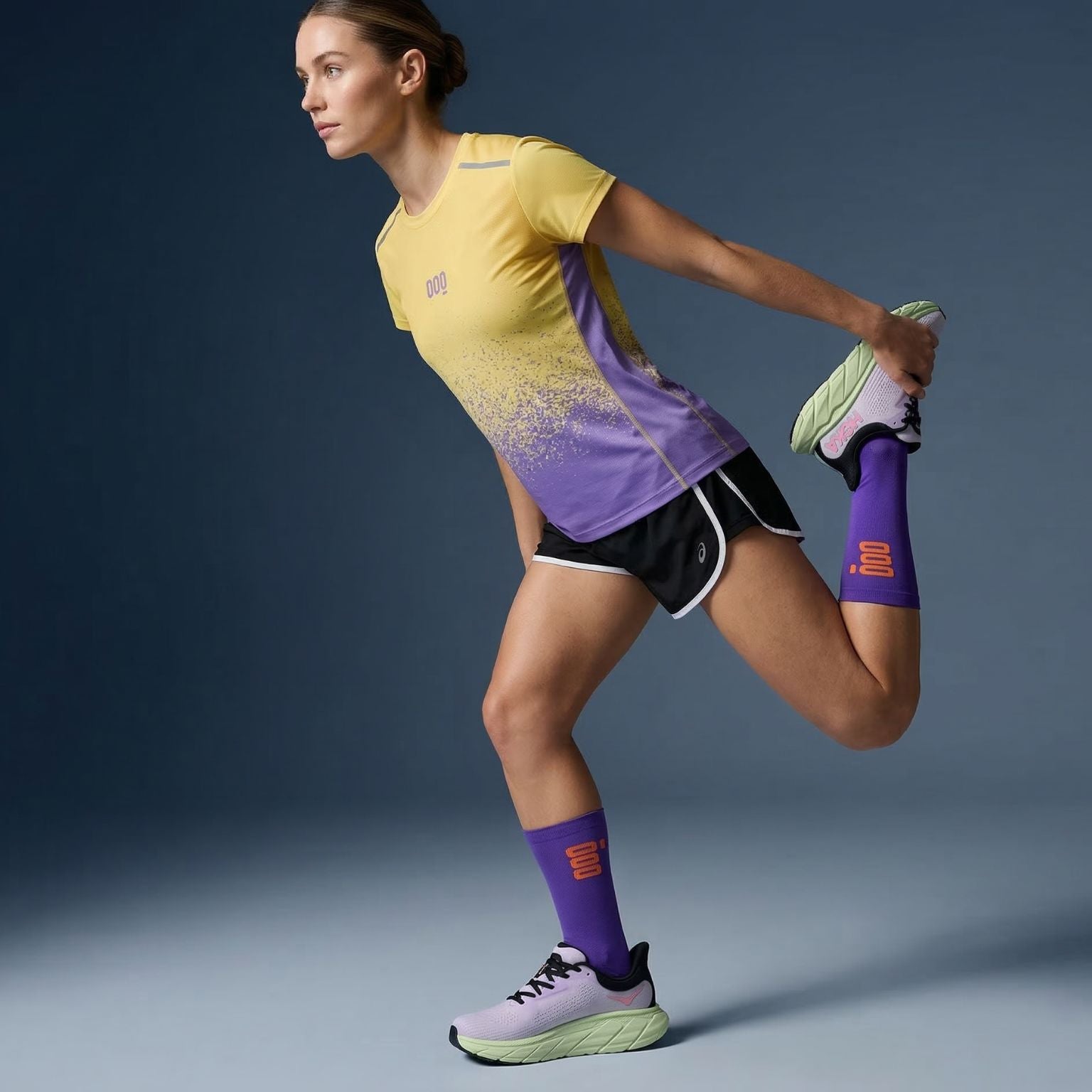
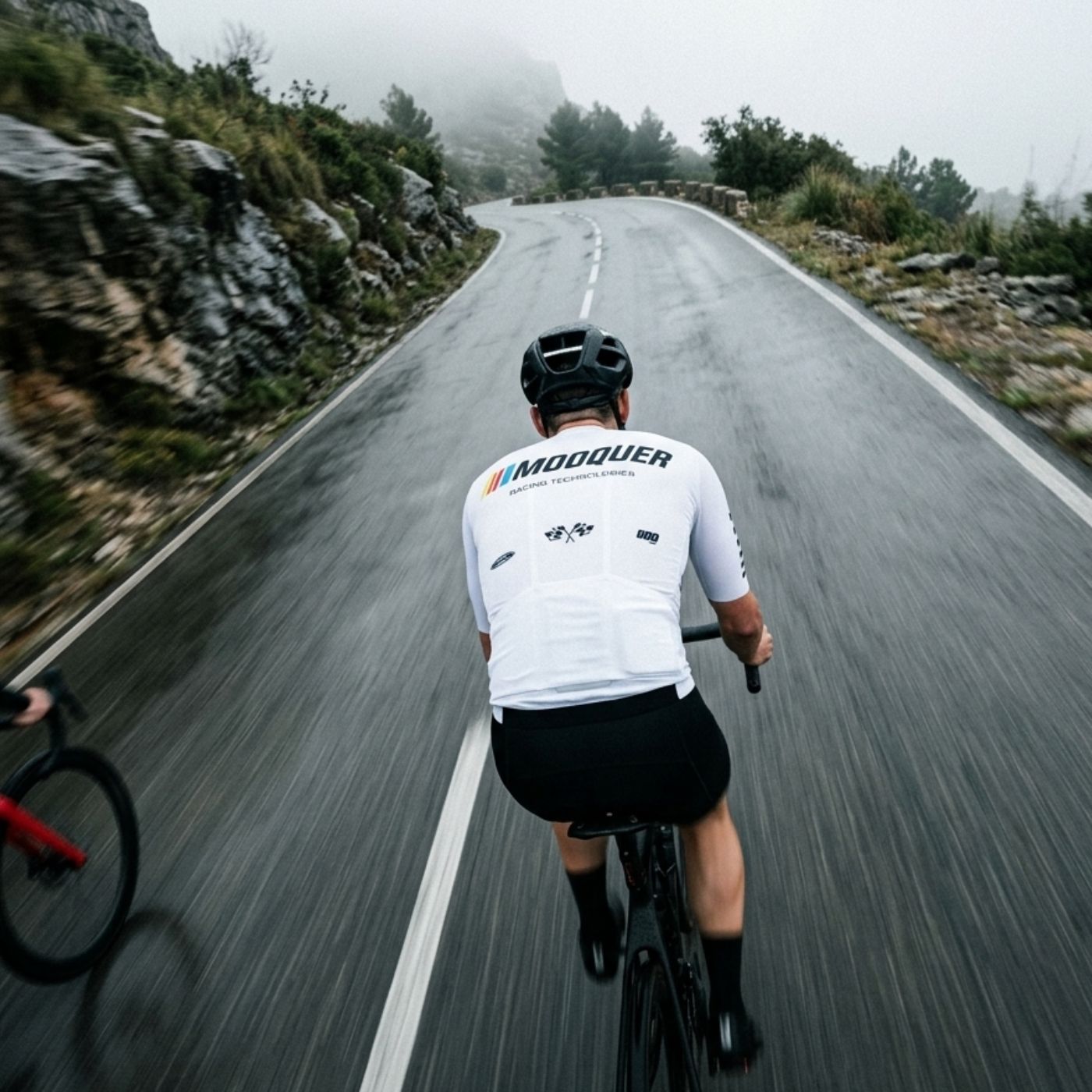
The t-shirt is the first decision. In the mountains, you need a fabric that wicks away sweat quickly and doesn't feel heavy after hours of wear. A good trail running t-shirt combines mesh zones for ventilation where you sweat most with structural support where the garment takes a beating. The lightness that is maintained over kilometers is what separates a technical t-shirt from any ordinary one.

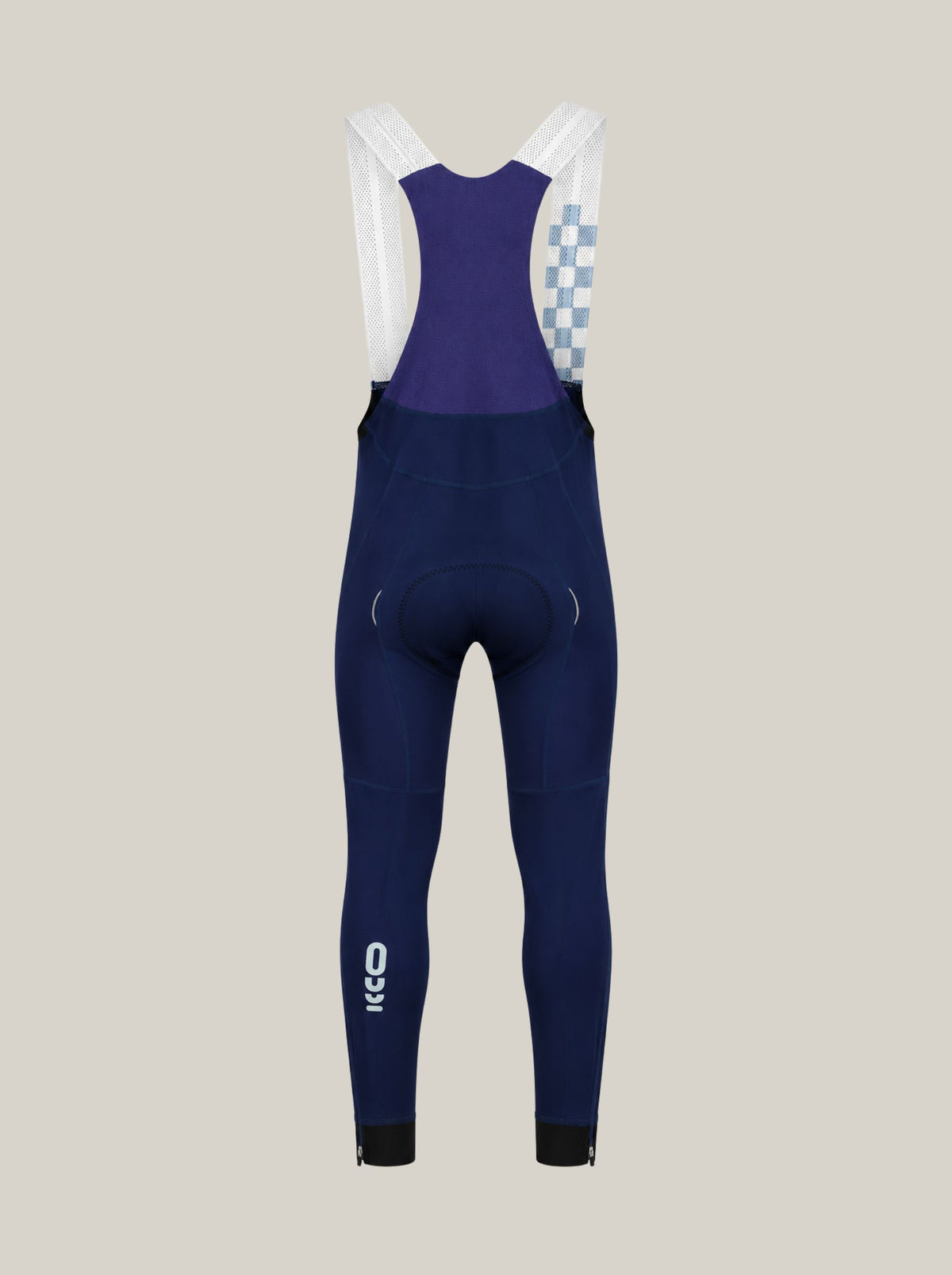
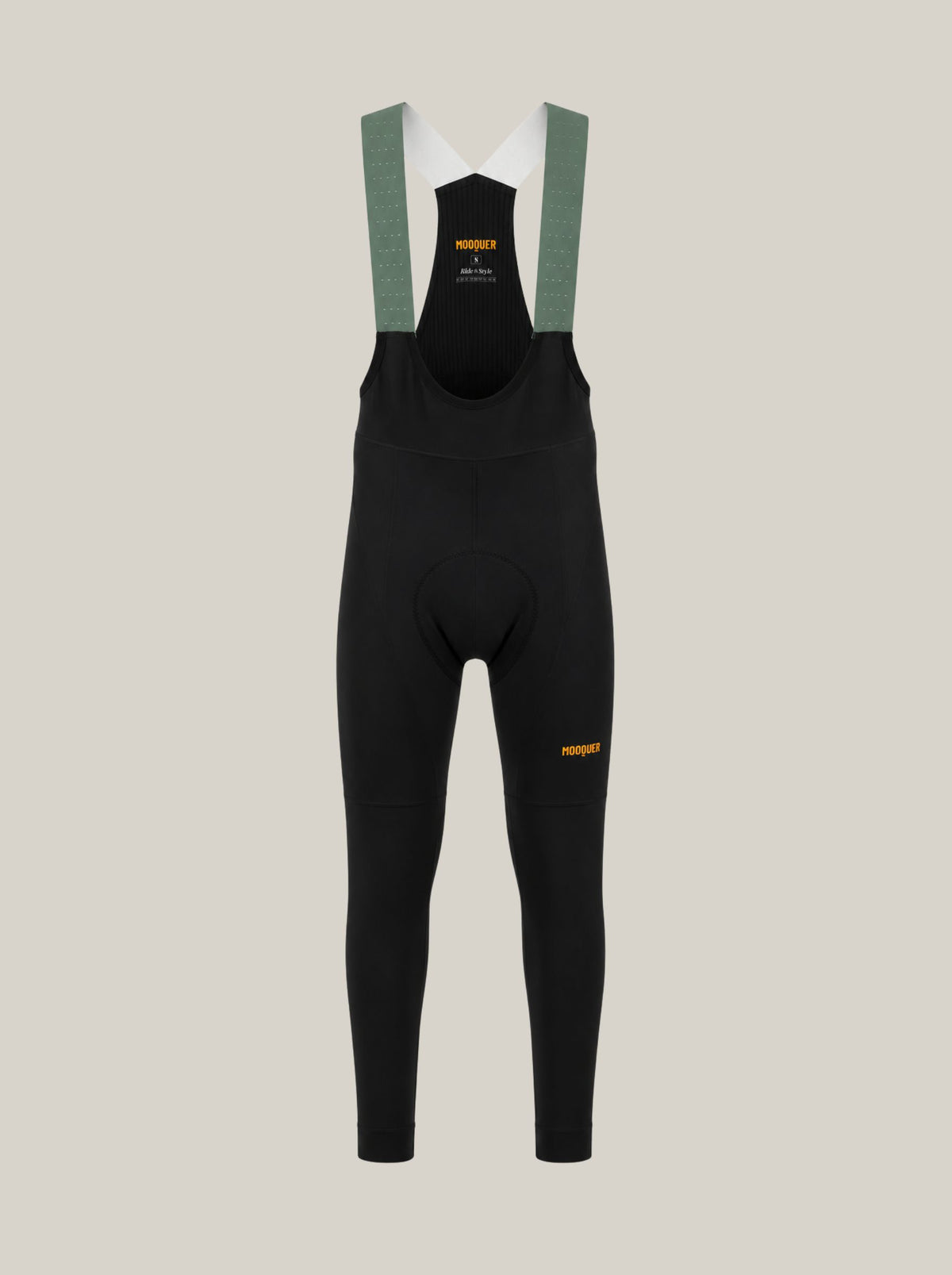
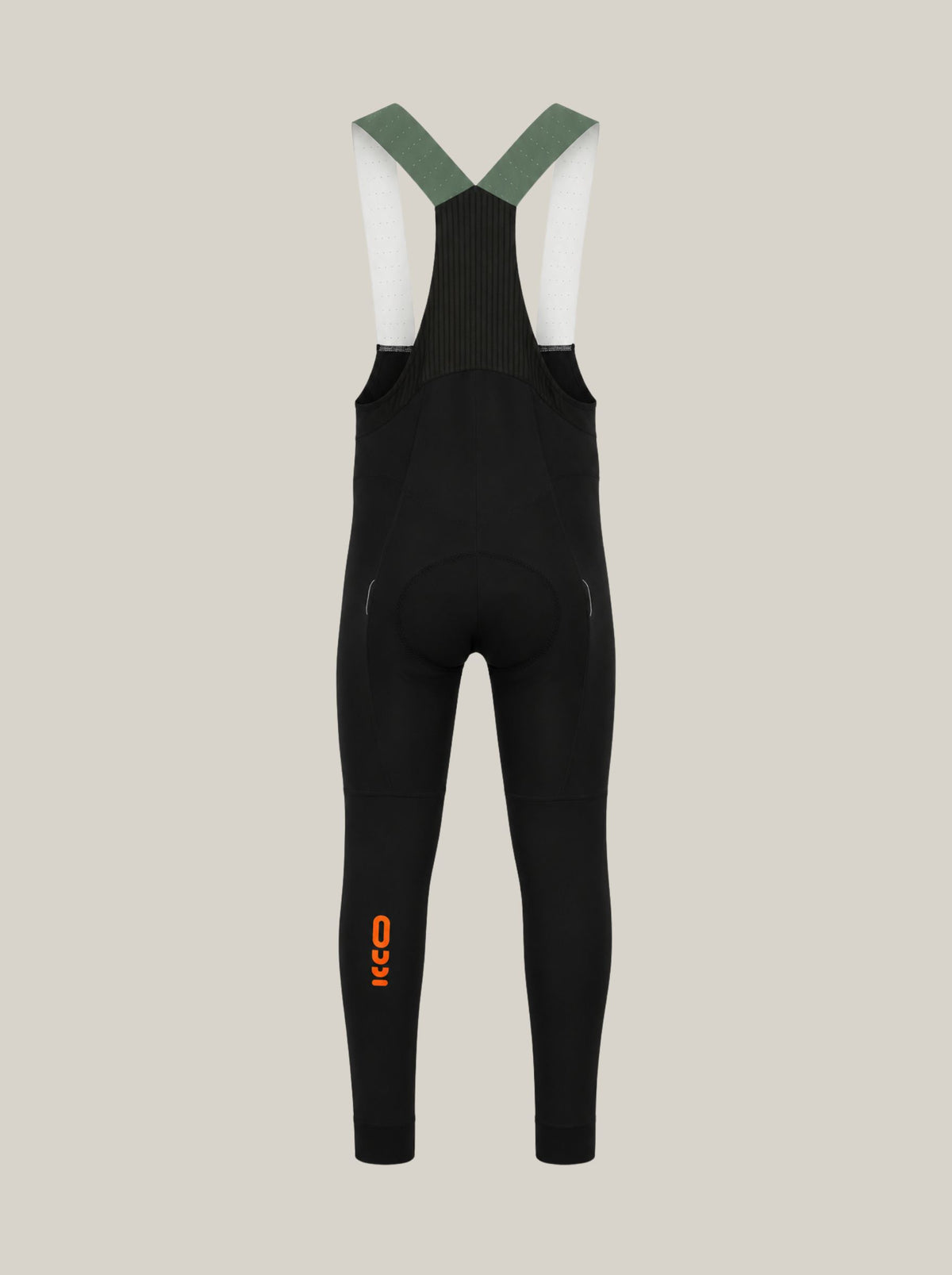
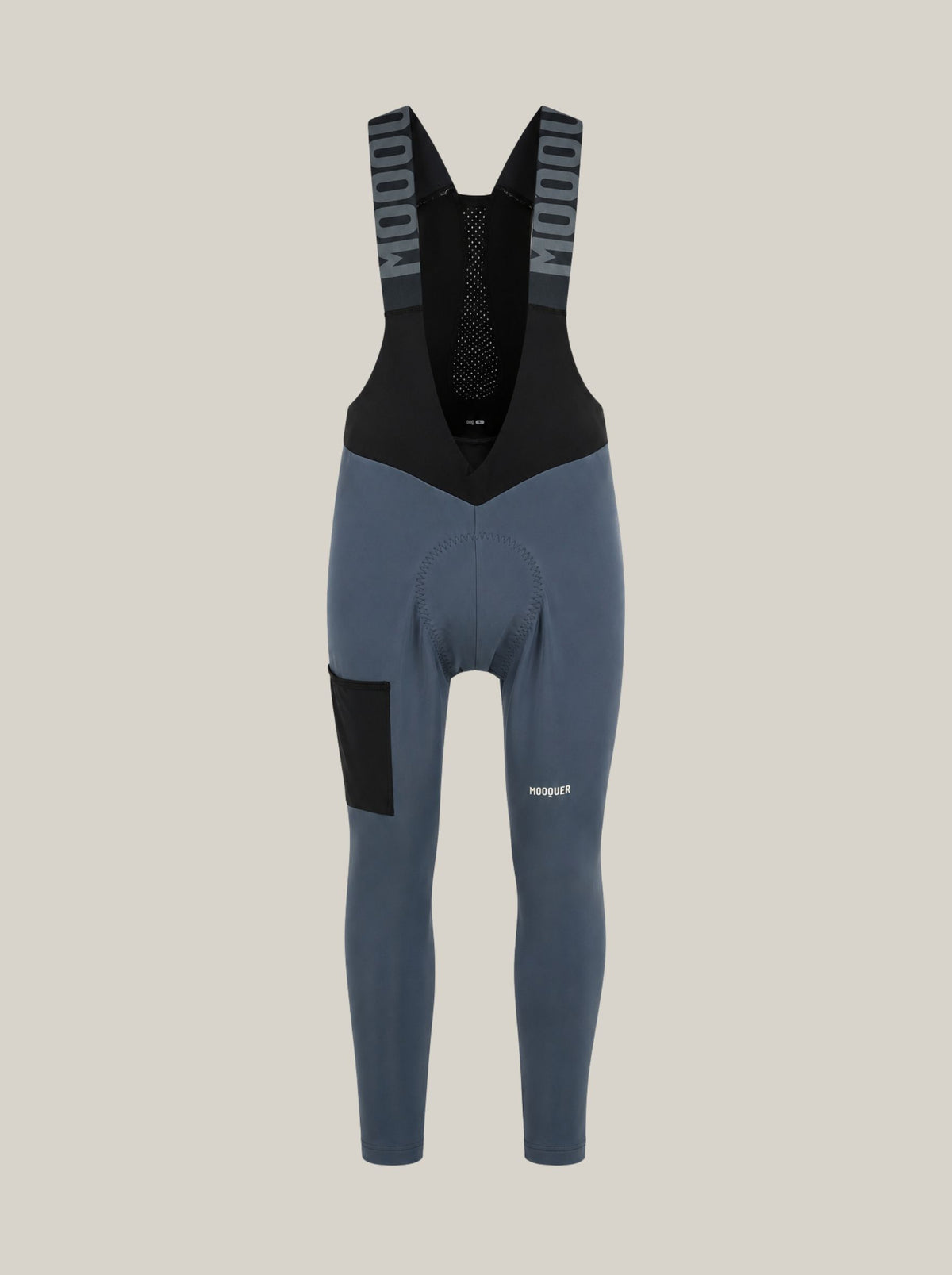
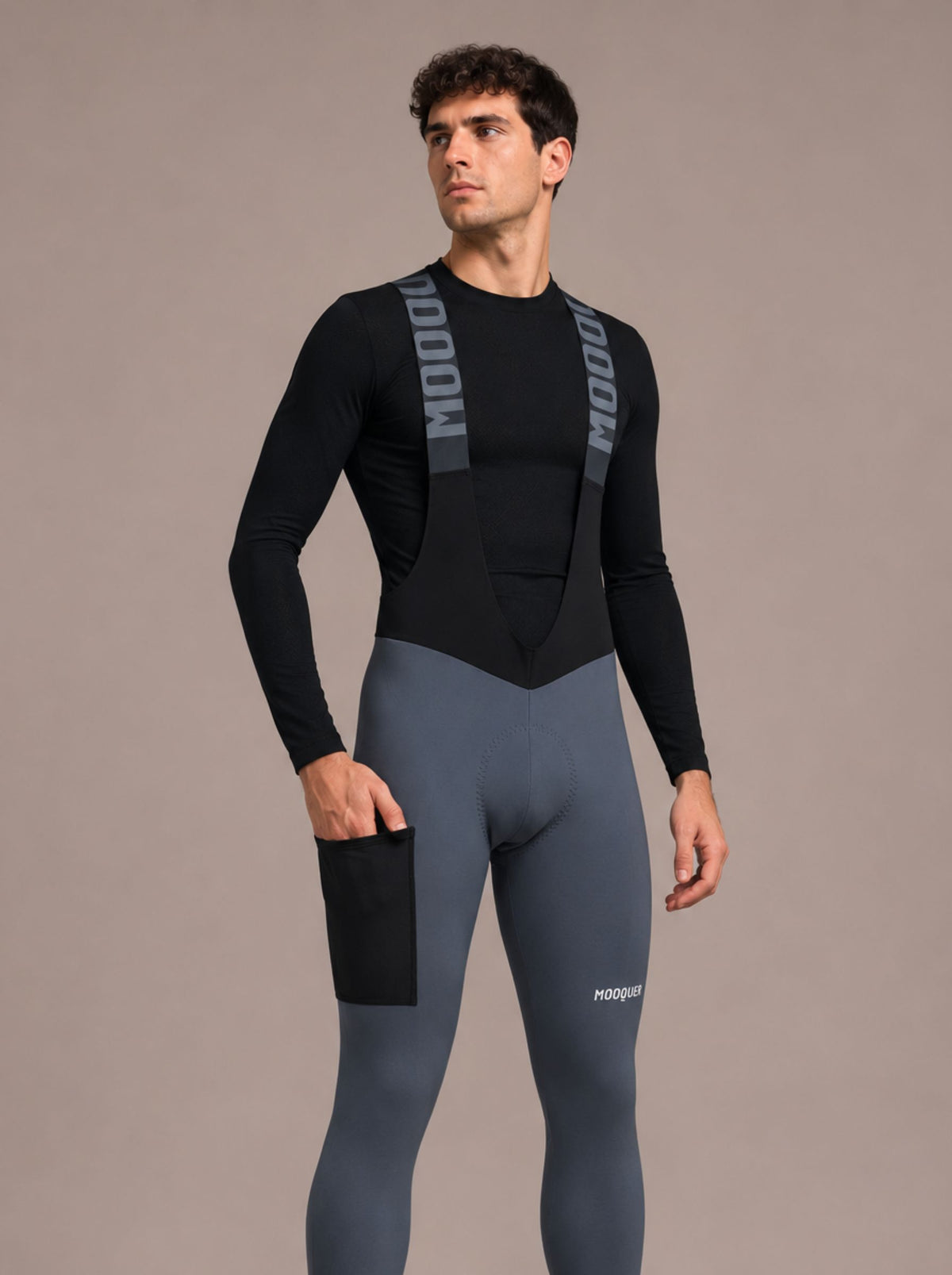
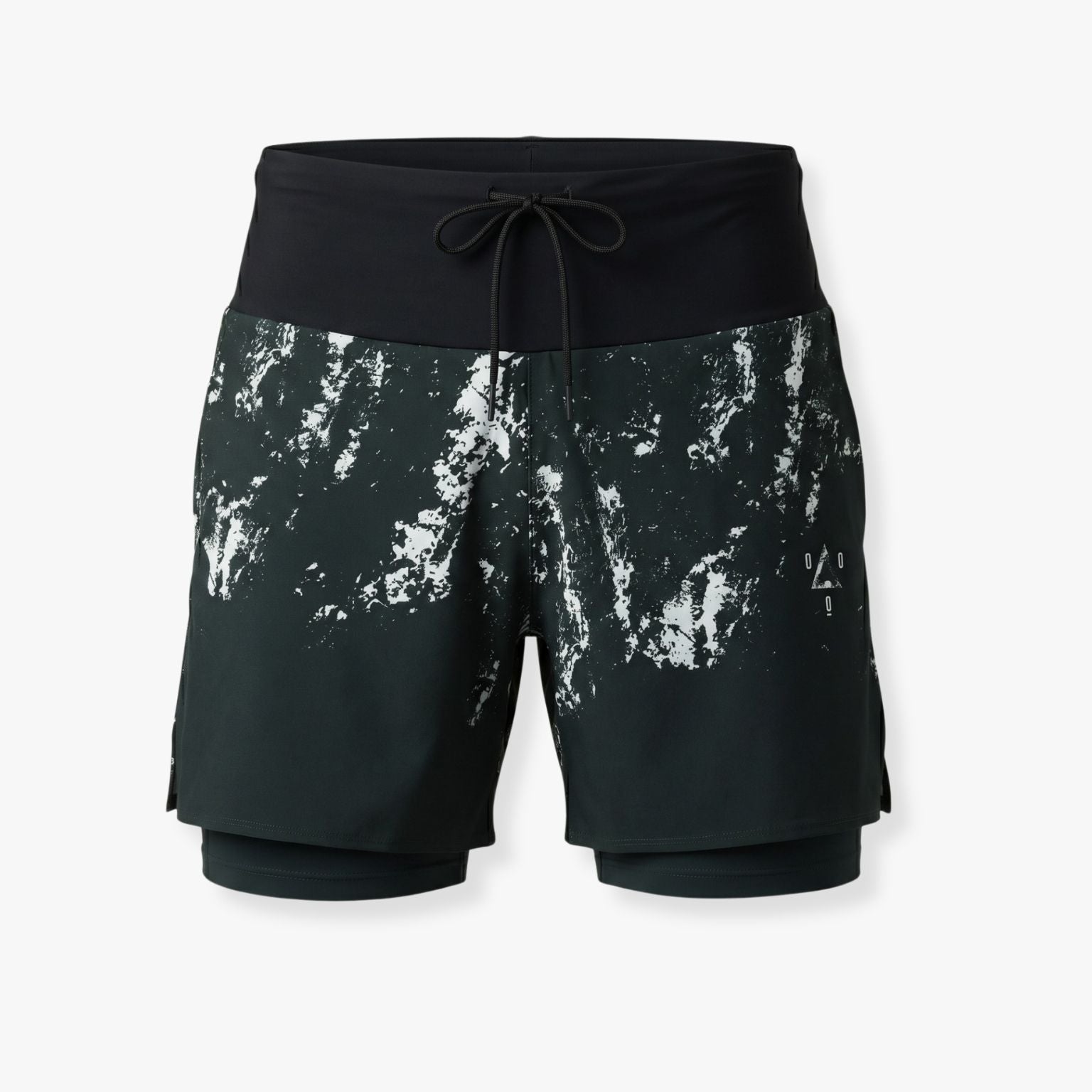
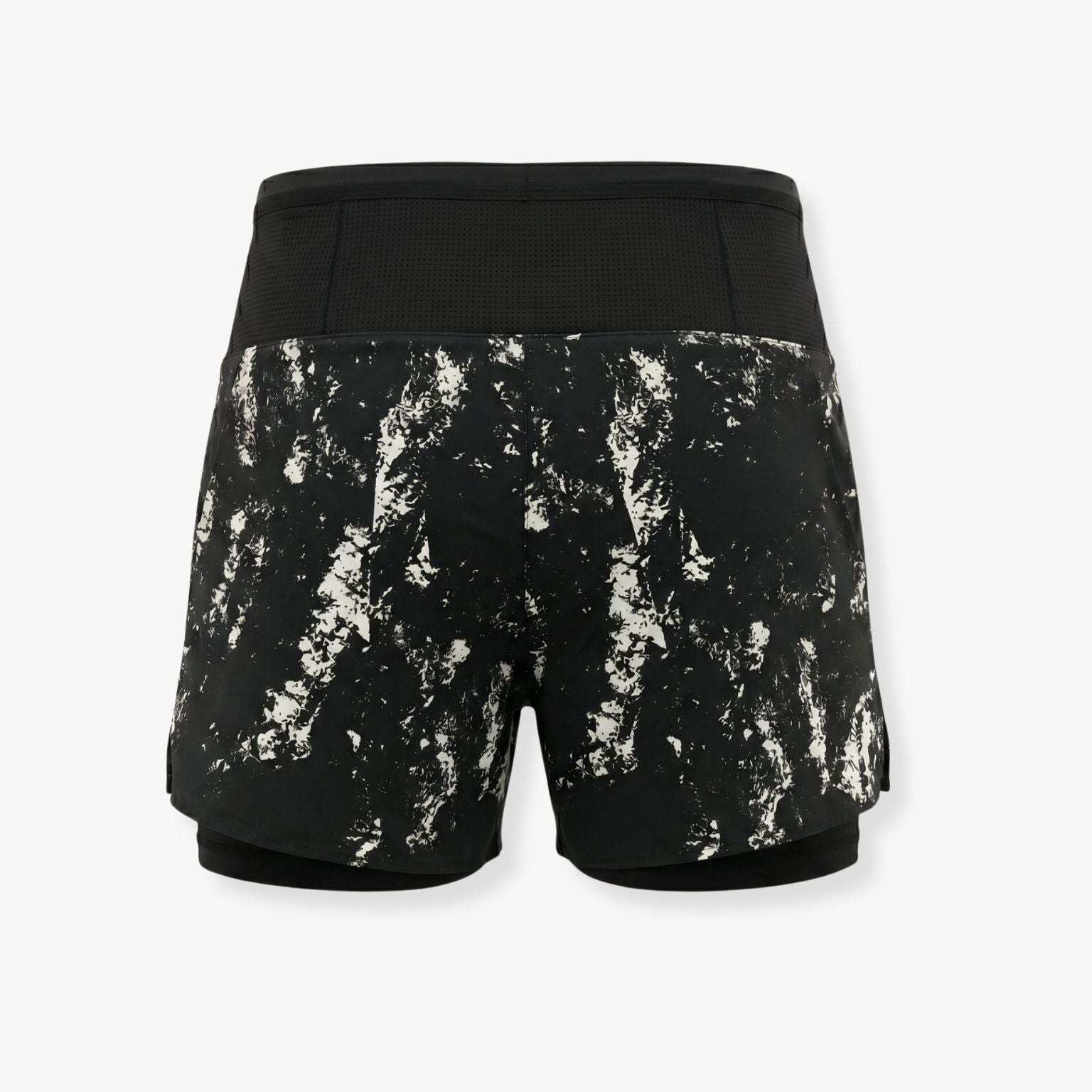
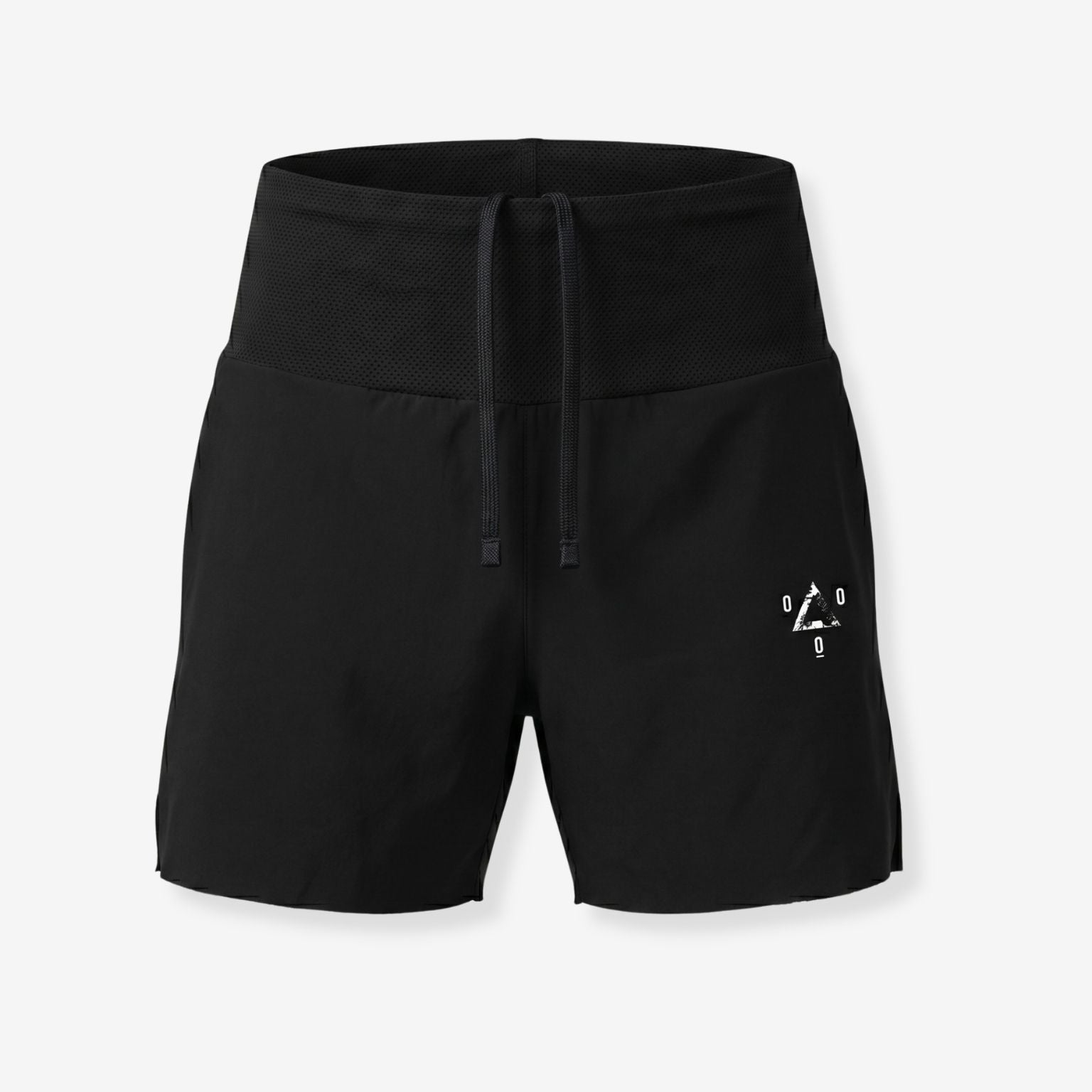
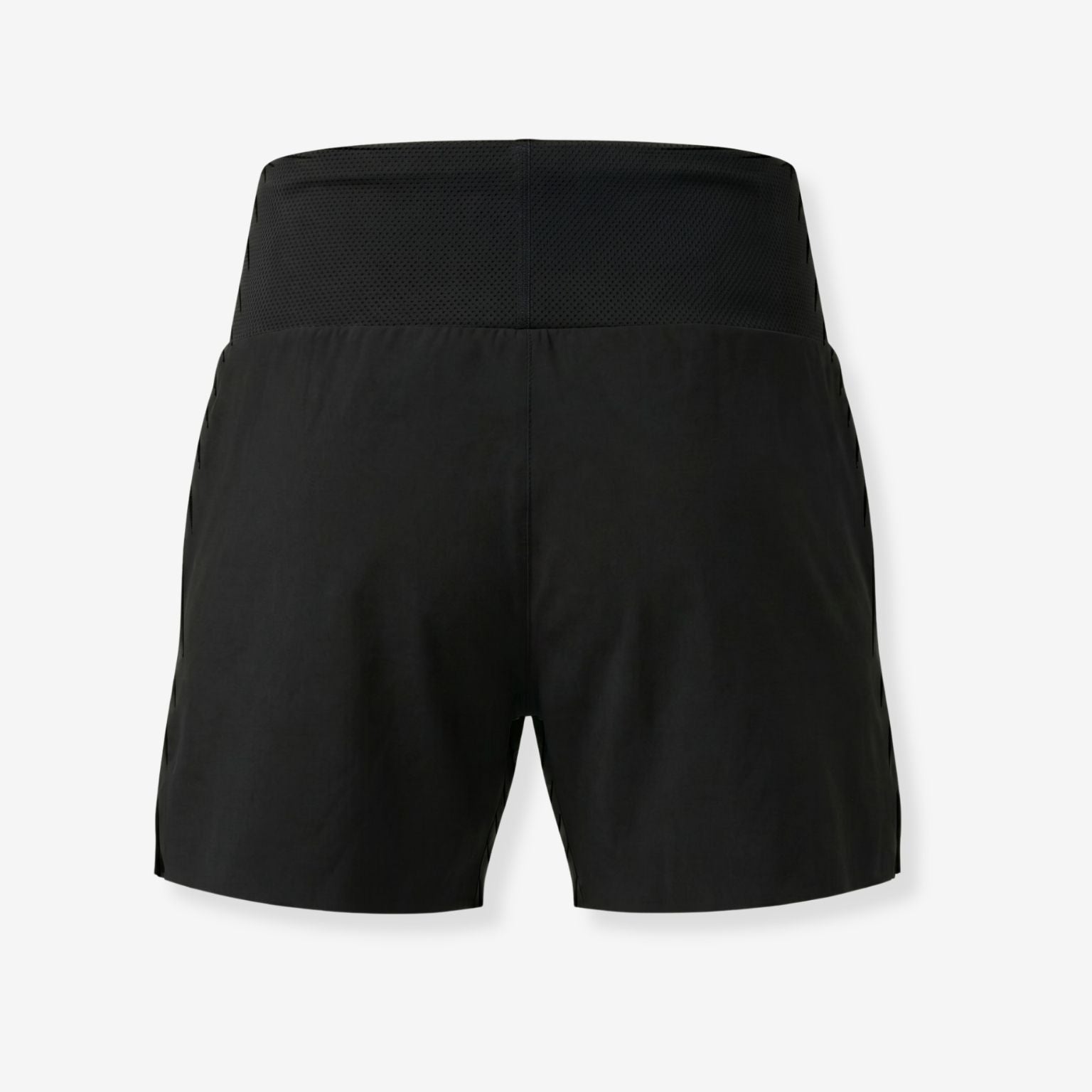
Pants depend on your distance. For long runs and ultras, pants with pockets for gels and soft flasks save you from carrying a vest on short outings. Mobility, quick-drying, and support are what you're looking for.
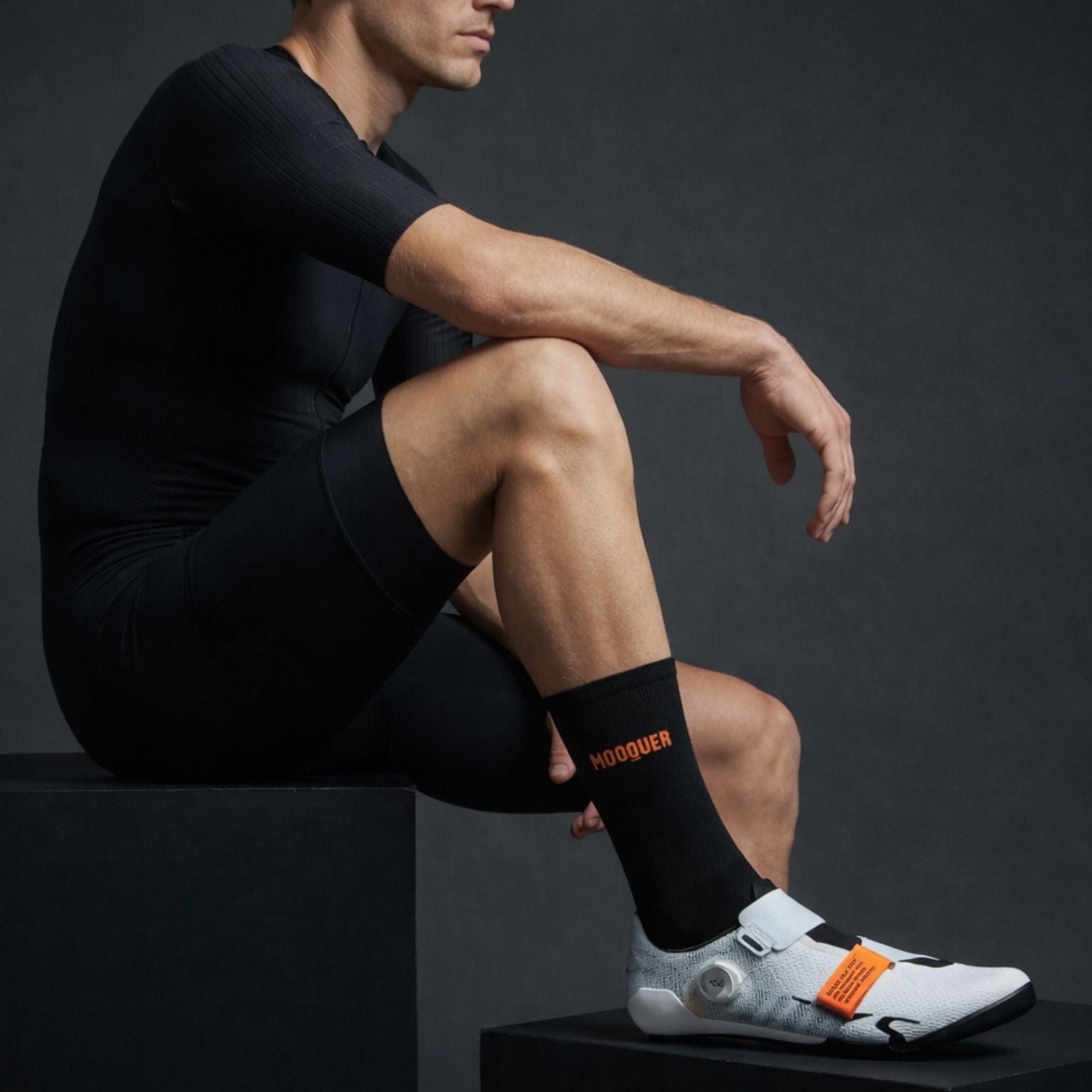
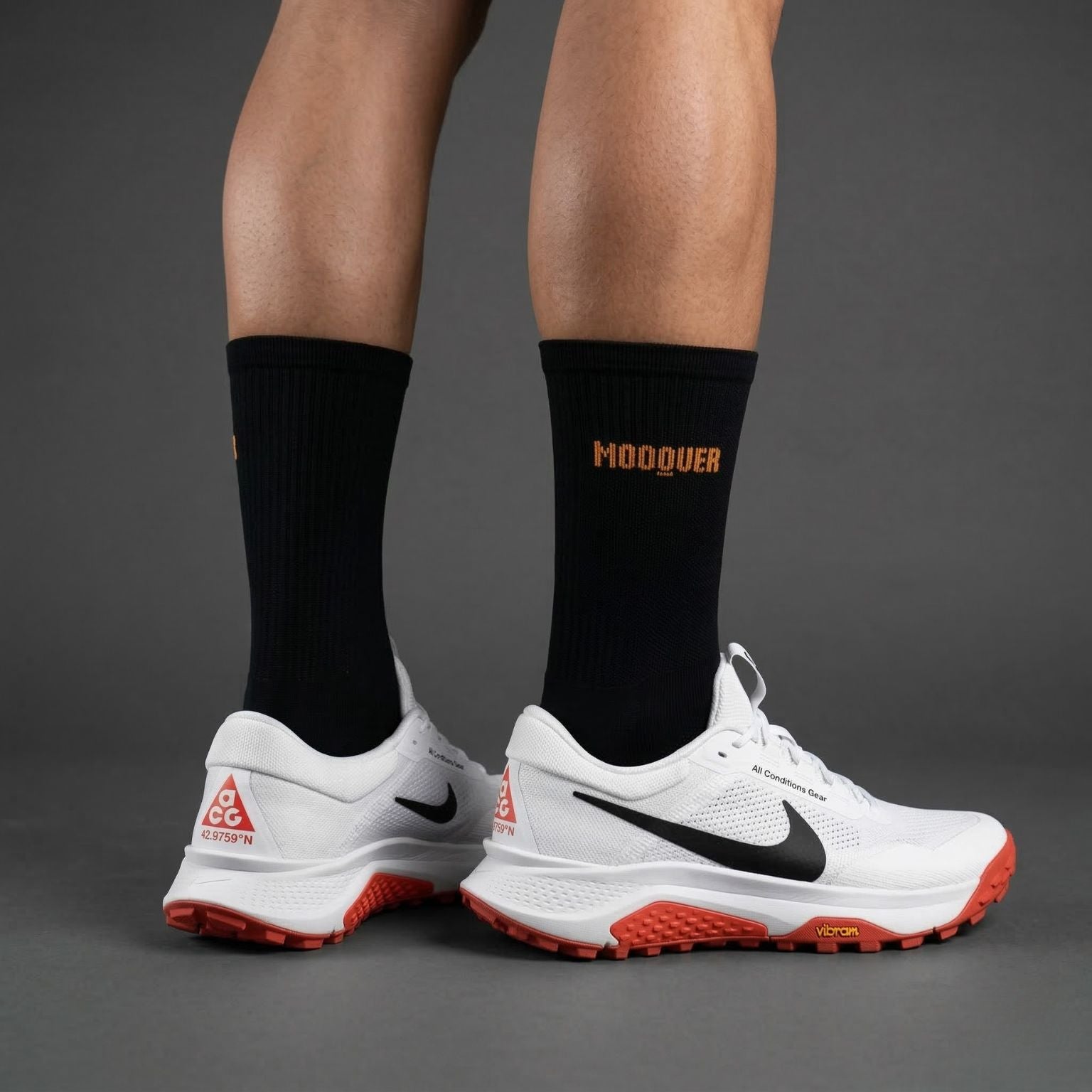
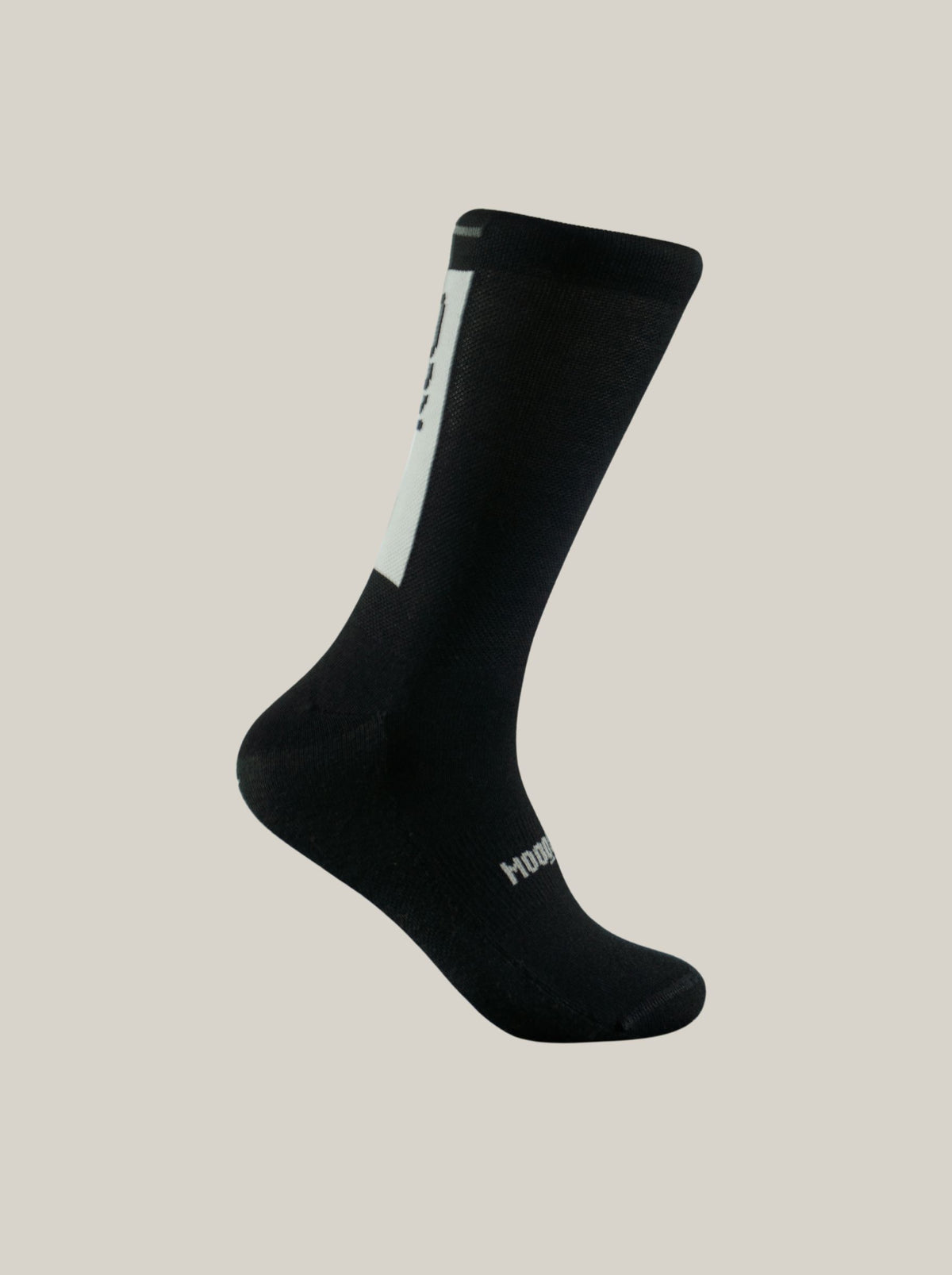
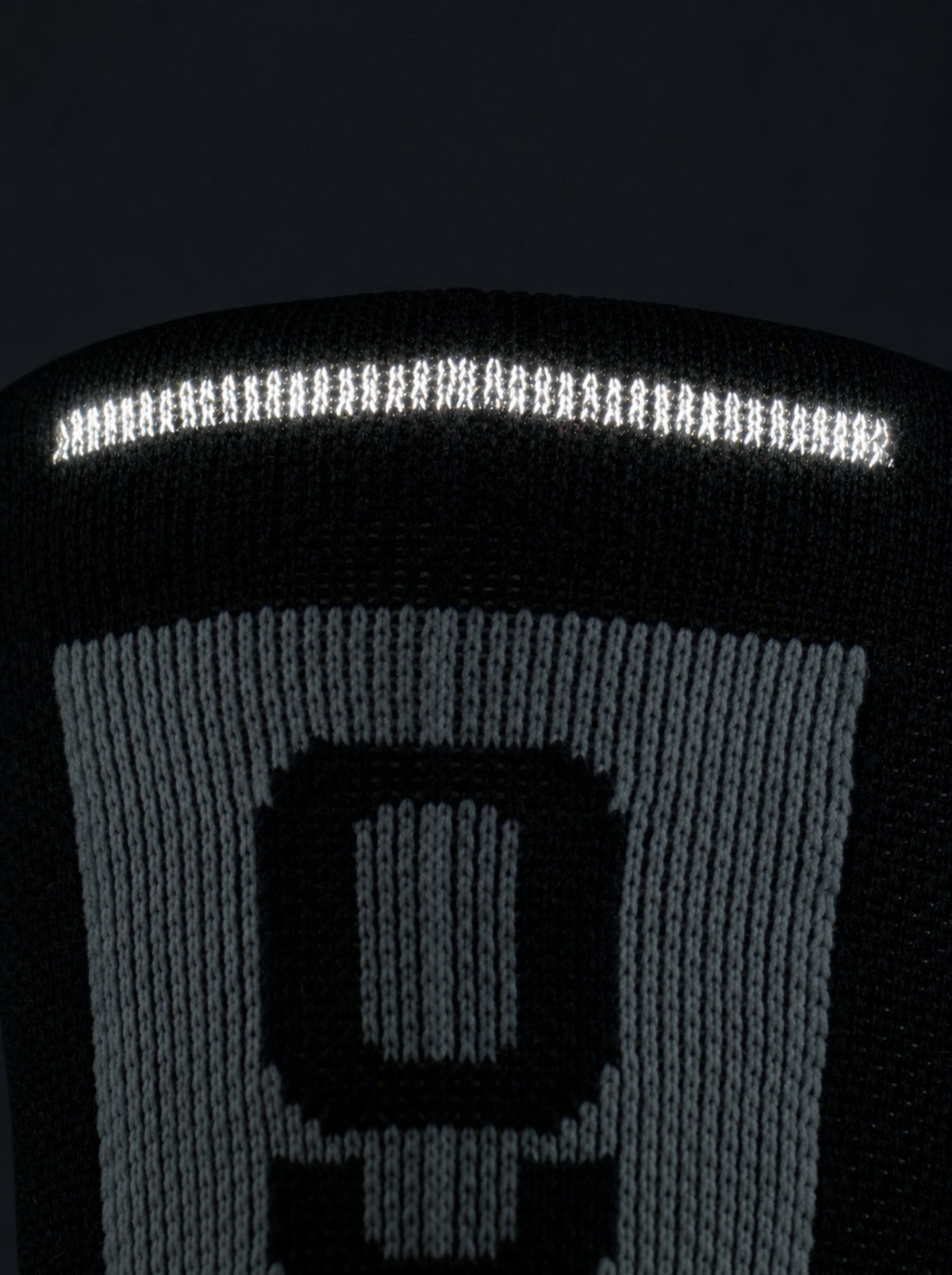
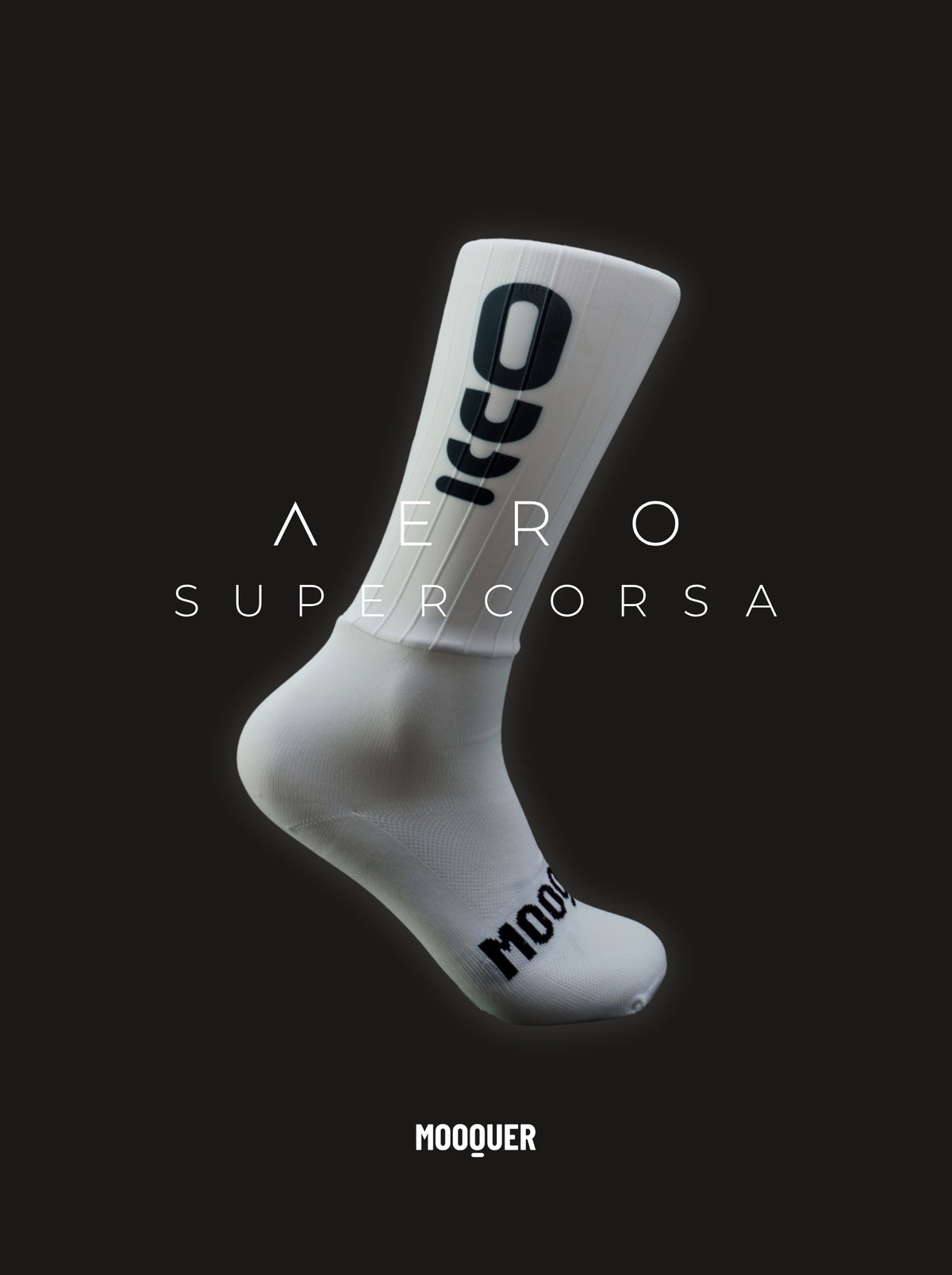
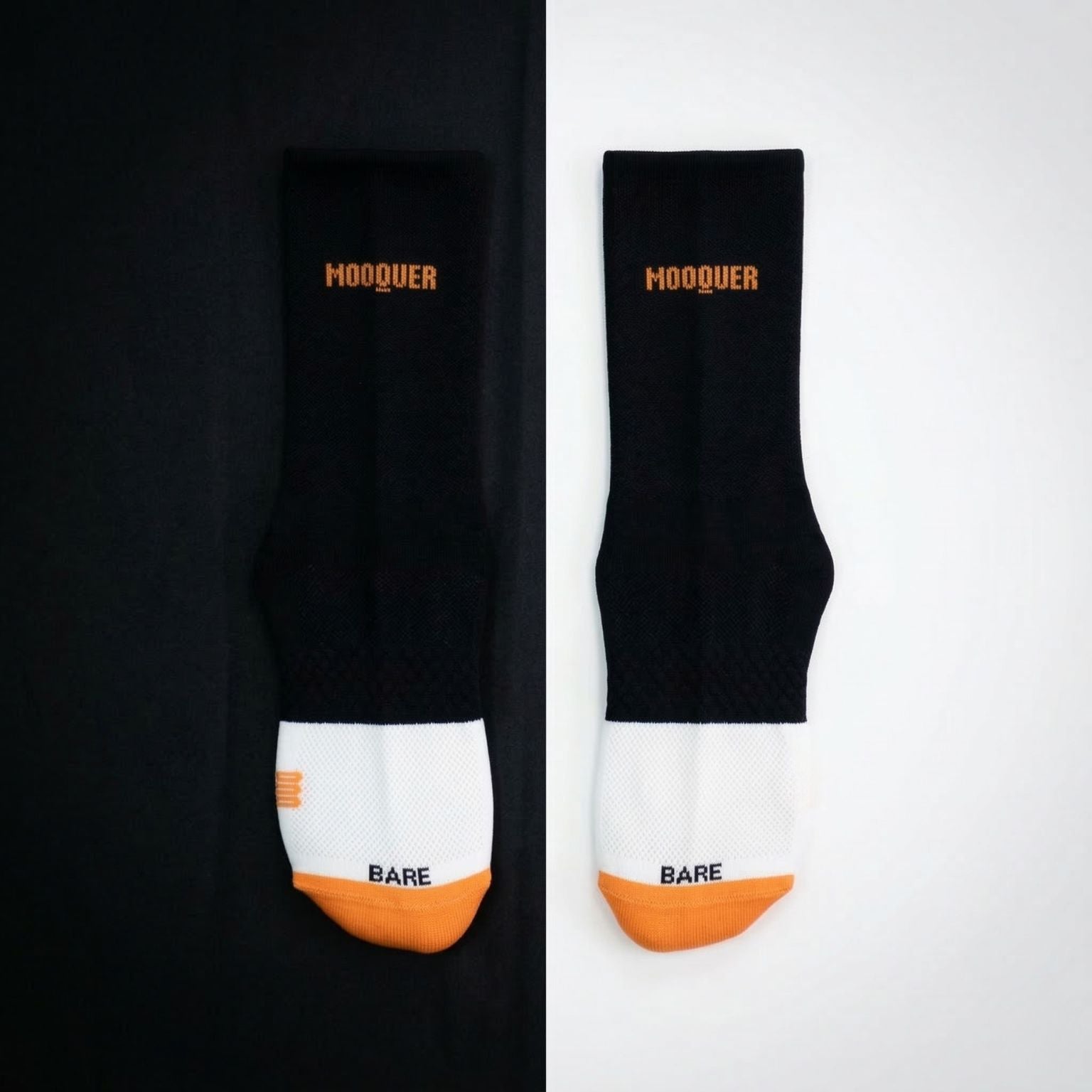
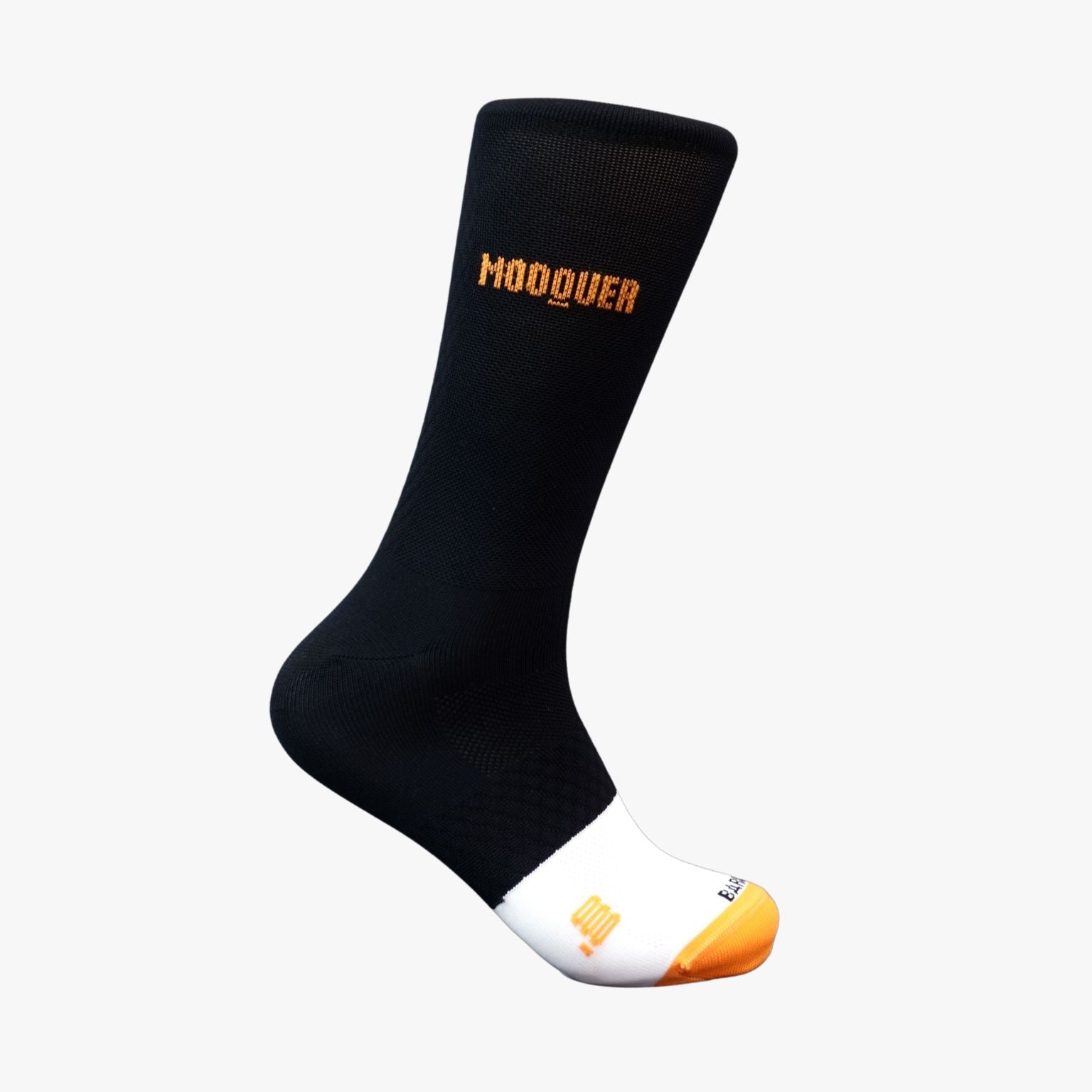
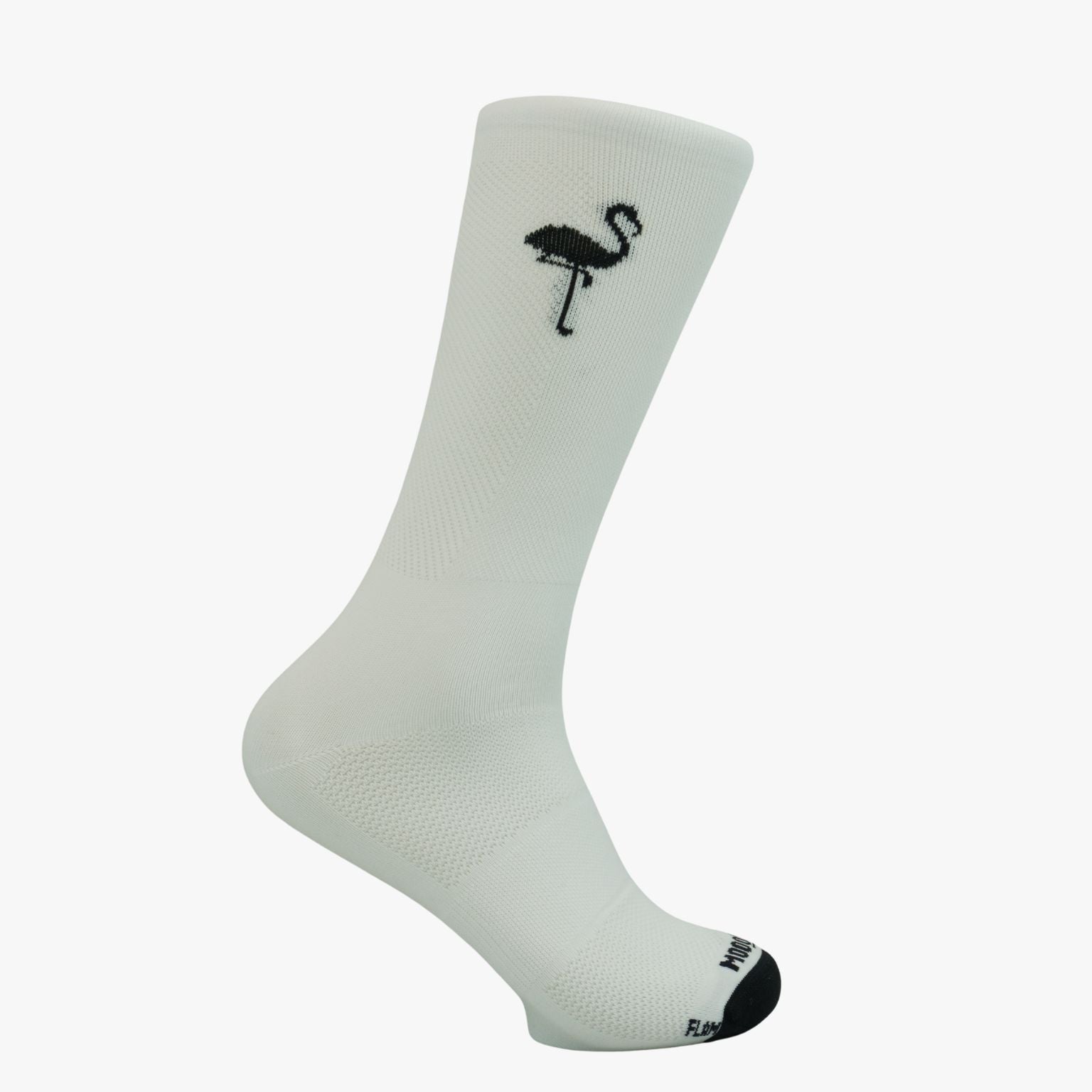
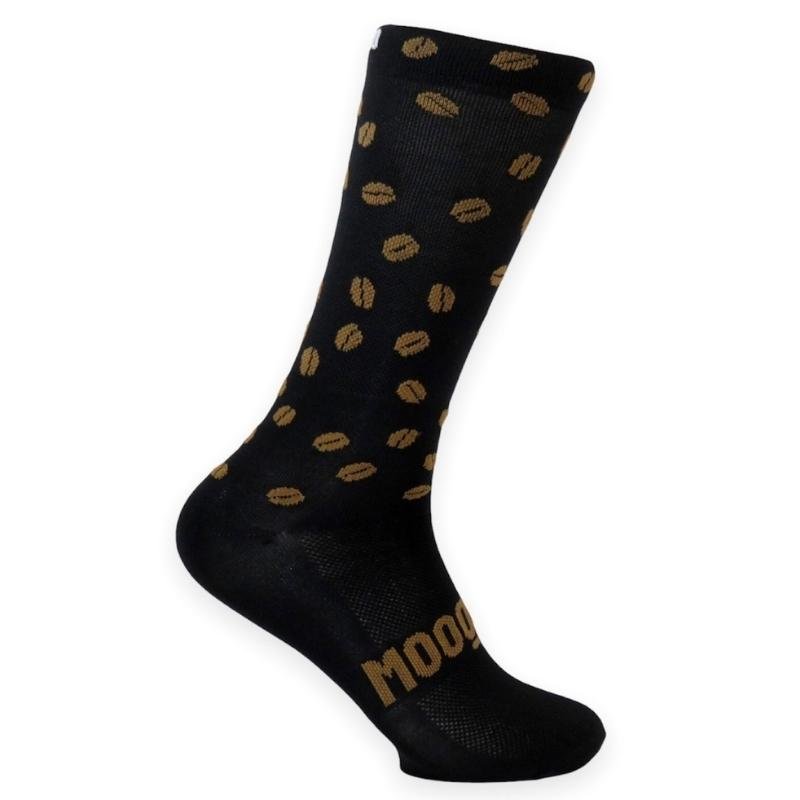
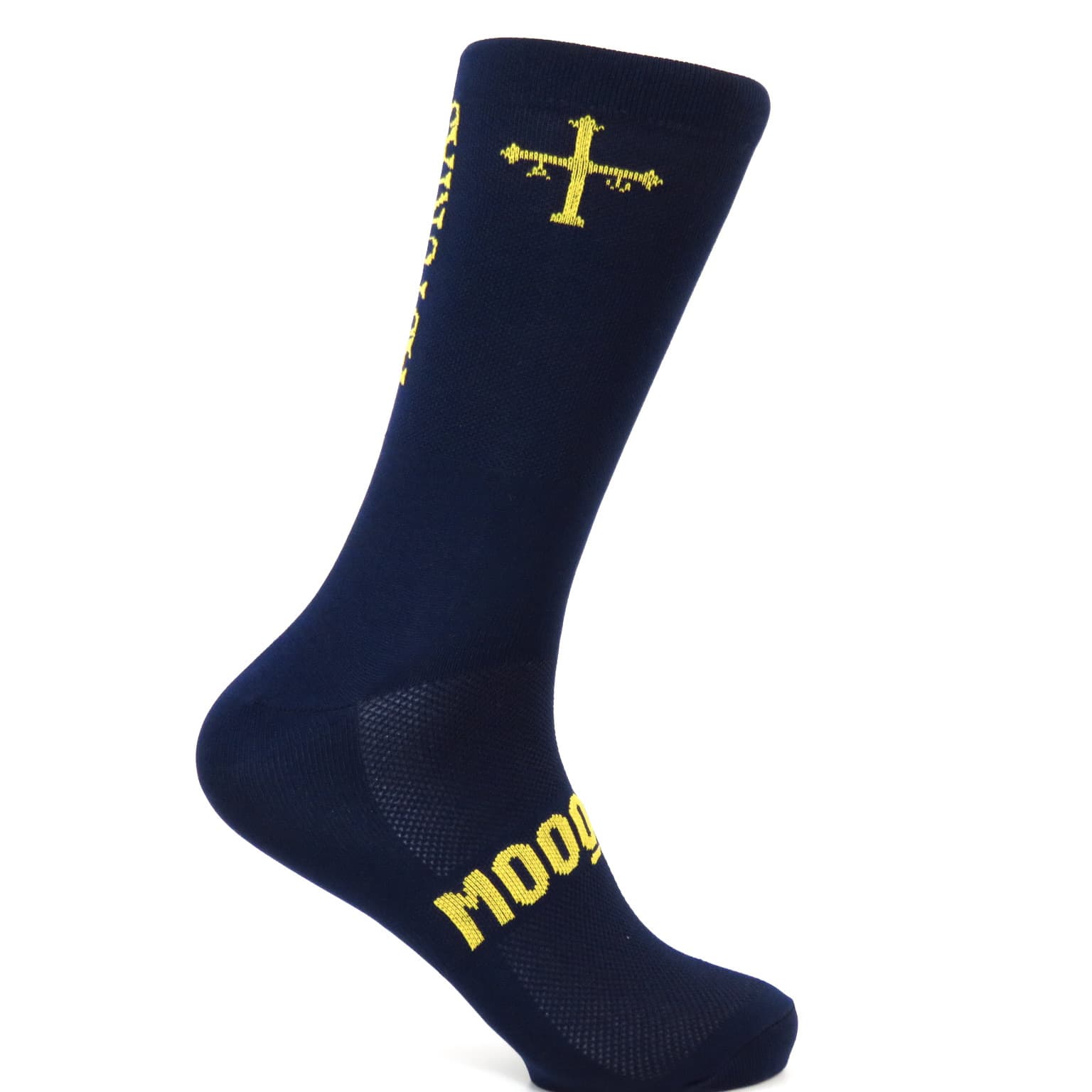
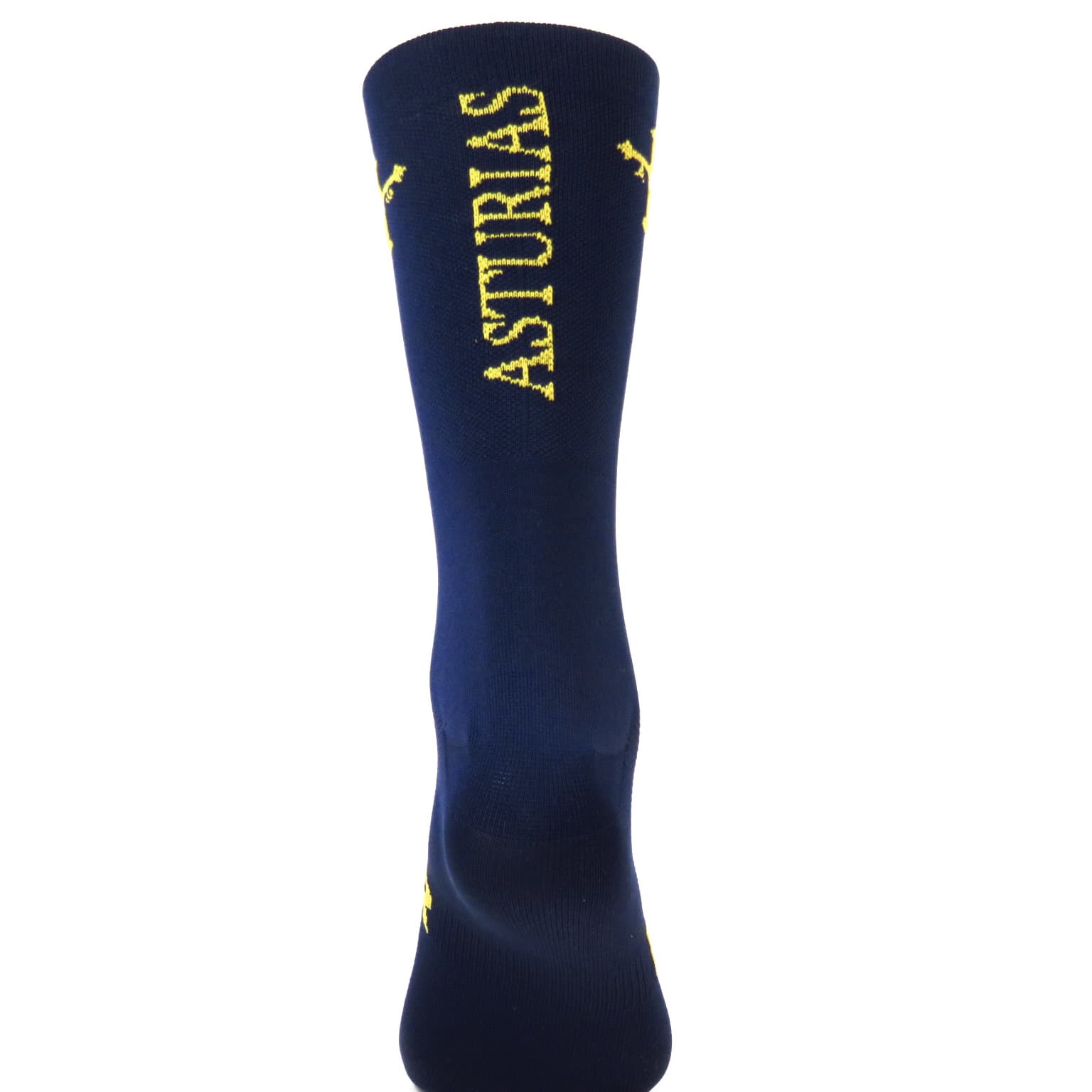
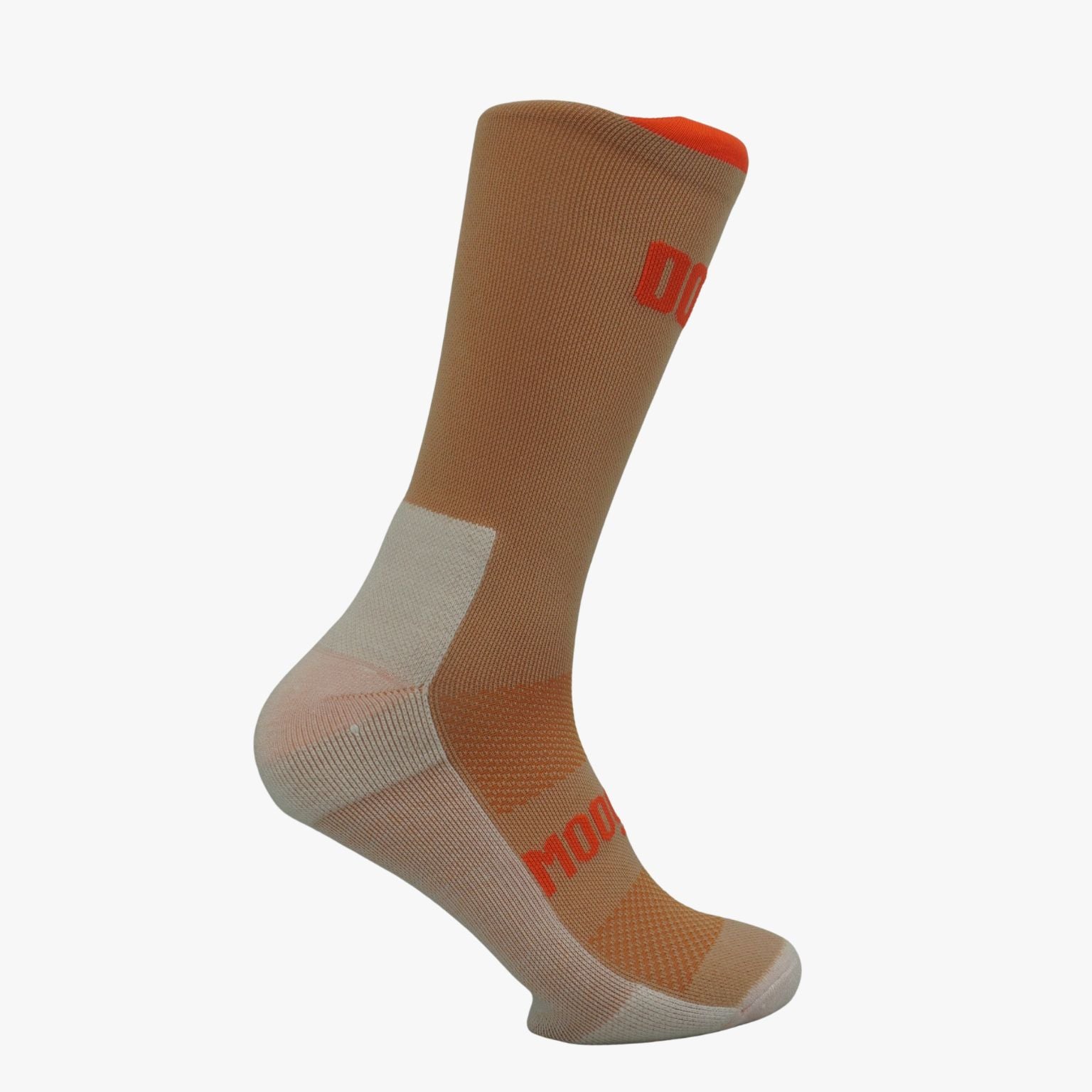
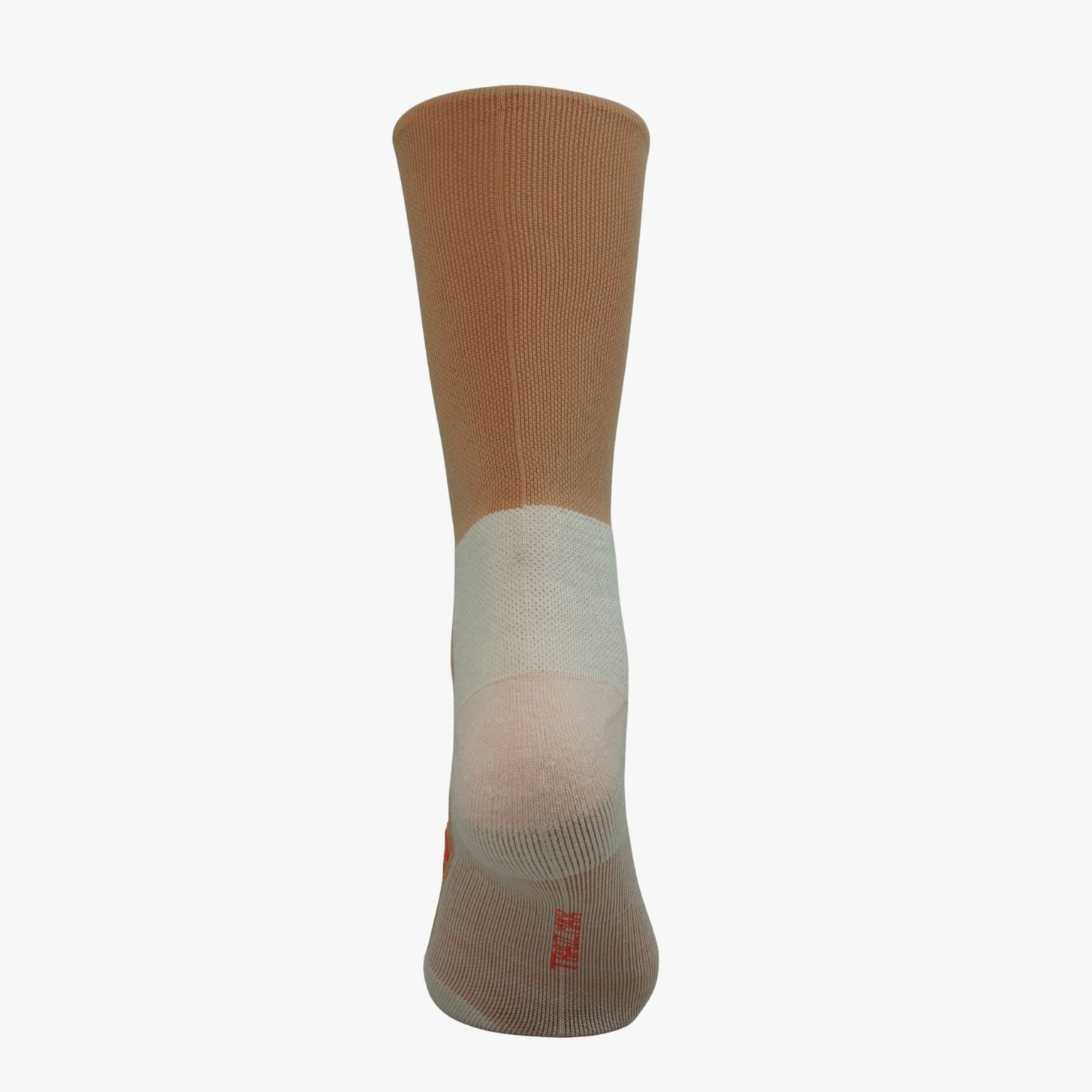
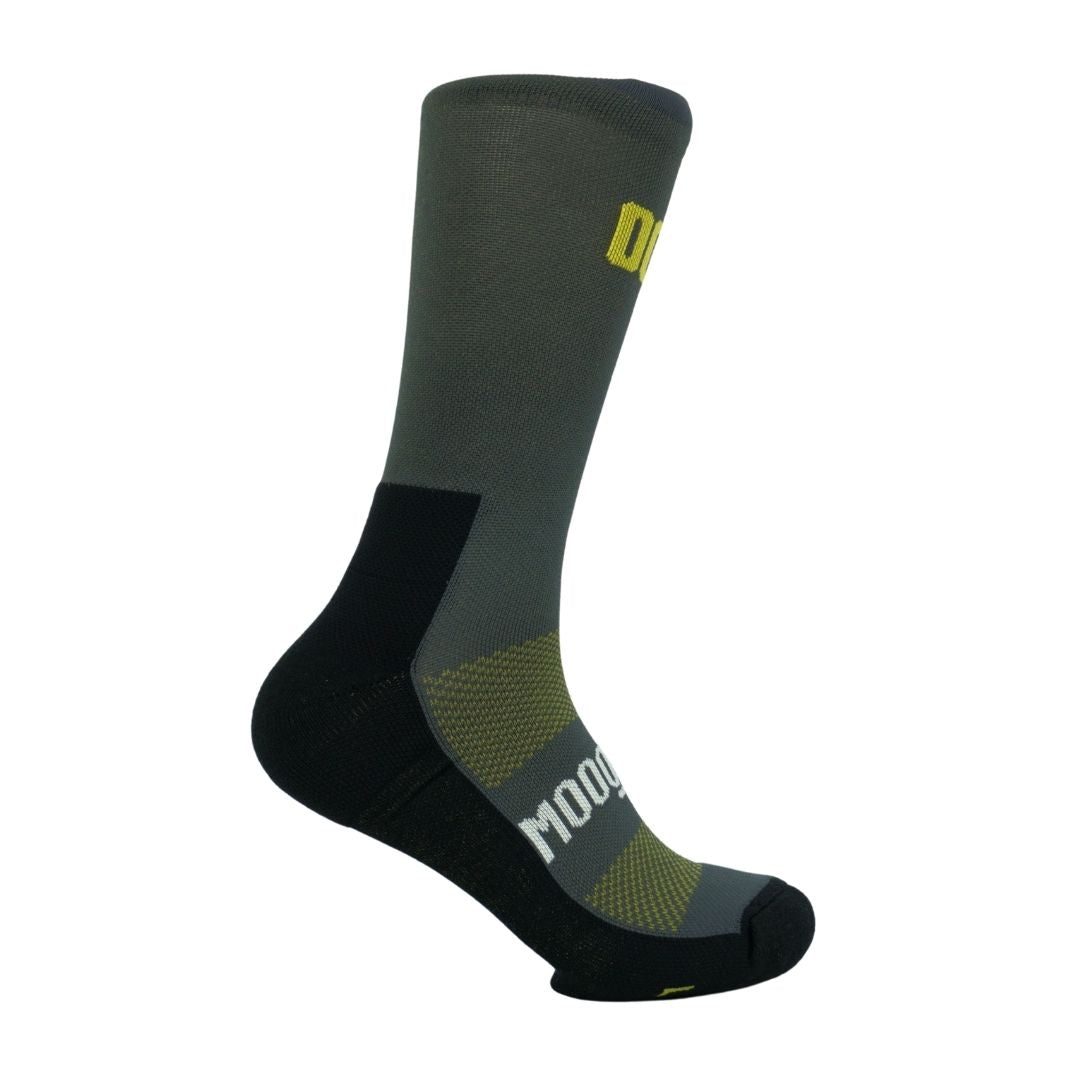
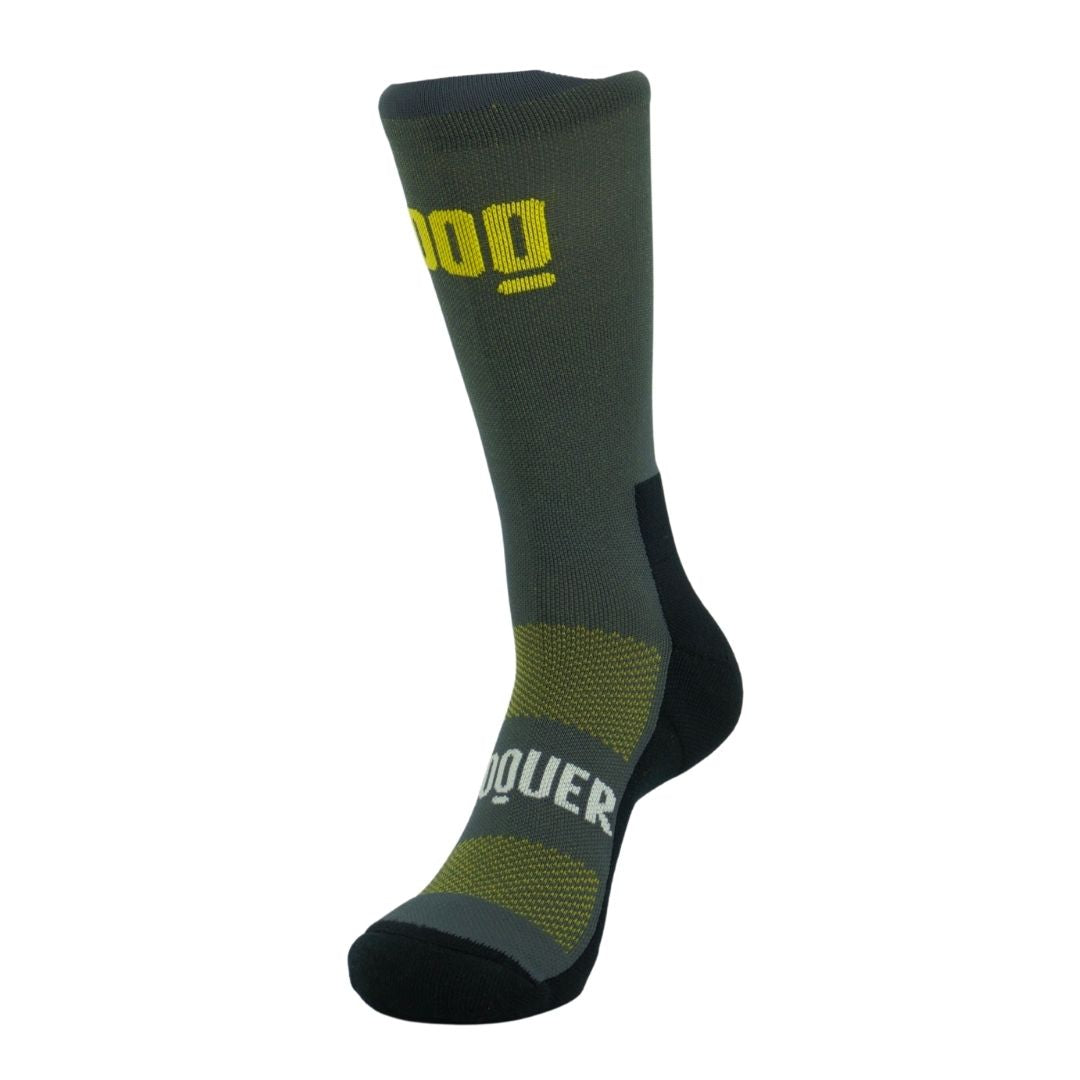
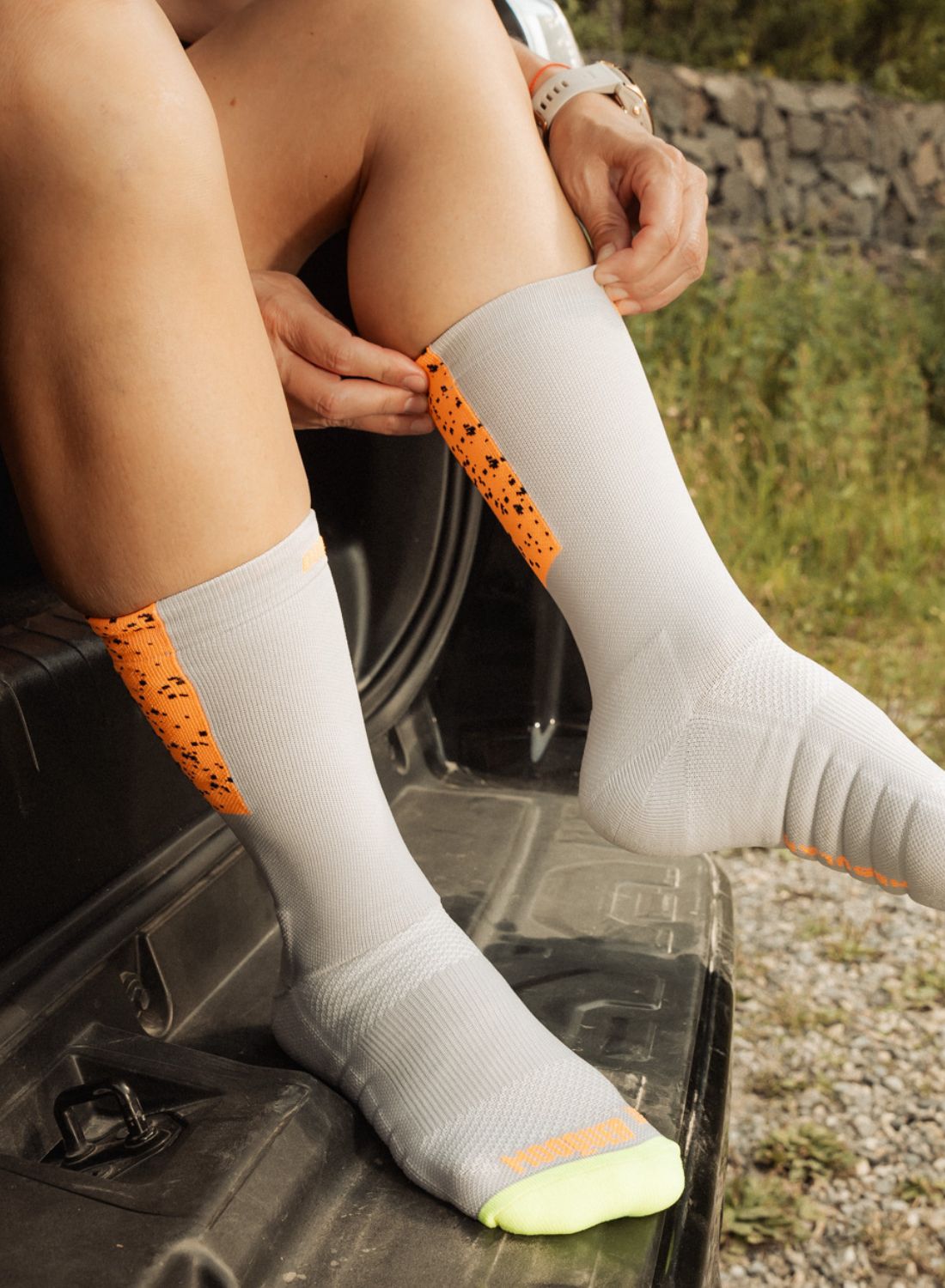
Trail running socks are where most people make mistakes, and where errors are most costly. In trail running, high cuffs protect the ankle on technical descents, and reinforcements extend the life of the sock where the terrain is harsh. A sock with invisible seams reduces the risk of blisters in ultras, which is the injury that ruins the most races.
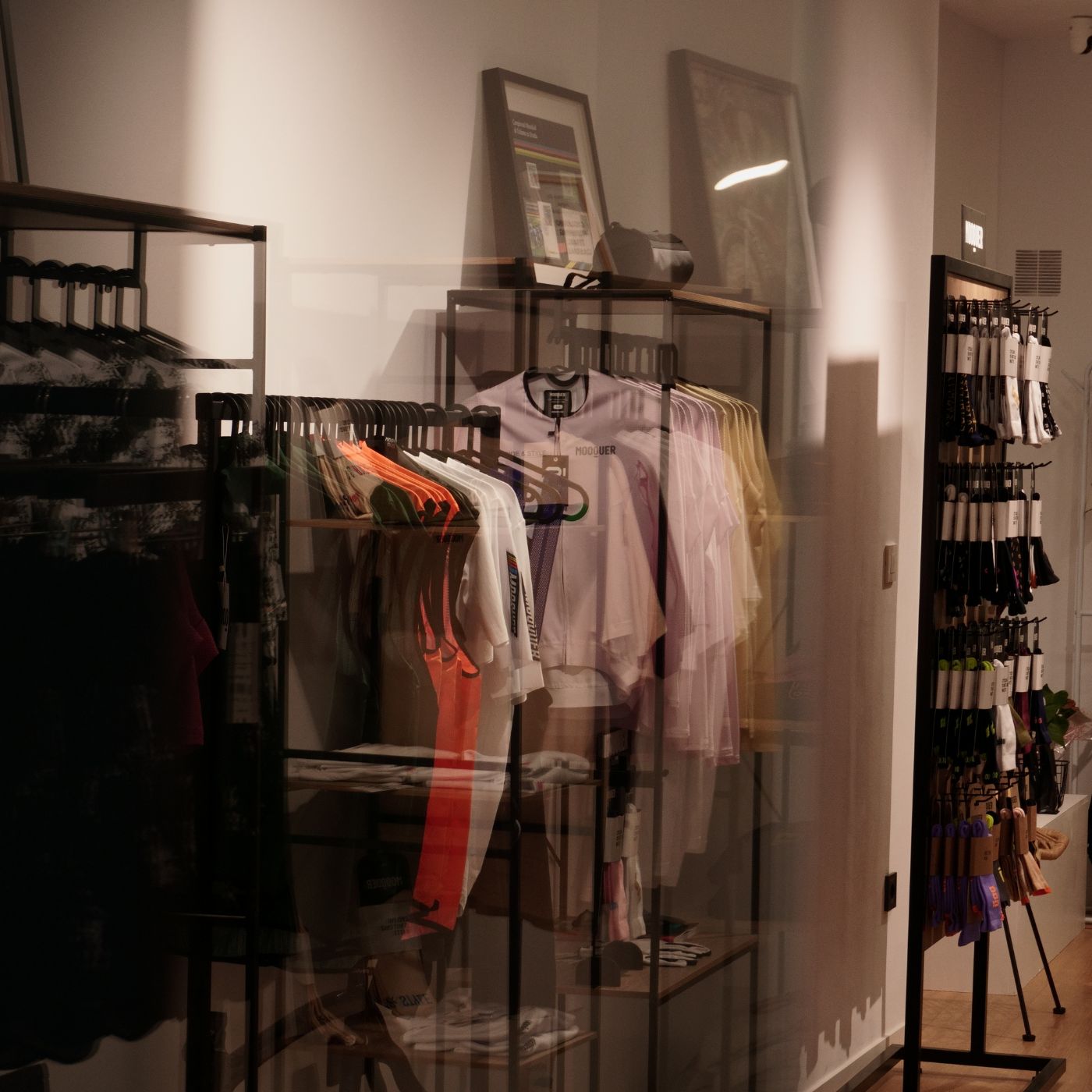
A cap completes the kit. Lightweight, foldable, and with sun protection for hours in direct sunlight. At Mooquer, all these trail running garments are manufactured in Europe, with the same technical demands we apply to cycling.

Frequently Asked Questions
What clothing do I need to start trail running?
The basics: a quick-drying technical t-shirt, pants with pockets if you're doing long distances, high-cut socks with reinforcements, and a lightweight cap with sun protection.
What are the best socks for trail running?
Mid or high-cut socks with reinforcements in the toe, heel, and Achilles tendon, and invisible seams to prevent blisters on long runs and ultras.
Is the same clothing suitable for both trail and road running?
Partially. T-shirts and socks can be shared, but for trail running, more ankle protection and reinforcement are advisable due to the technical terrain.
Why is trail running growing so much?
Due to the increase in races and participants and the appeal of running in the mountains compared to asphalt. I discuss this in episode 145 of Serious Cycling.











Leave a comment
This site is protected by hCaptcha and the hCaptcha Privacy Policy and Terms of Service apply.