


Journal
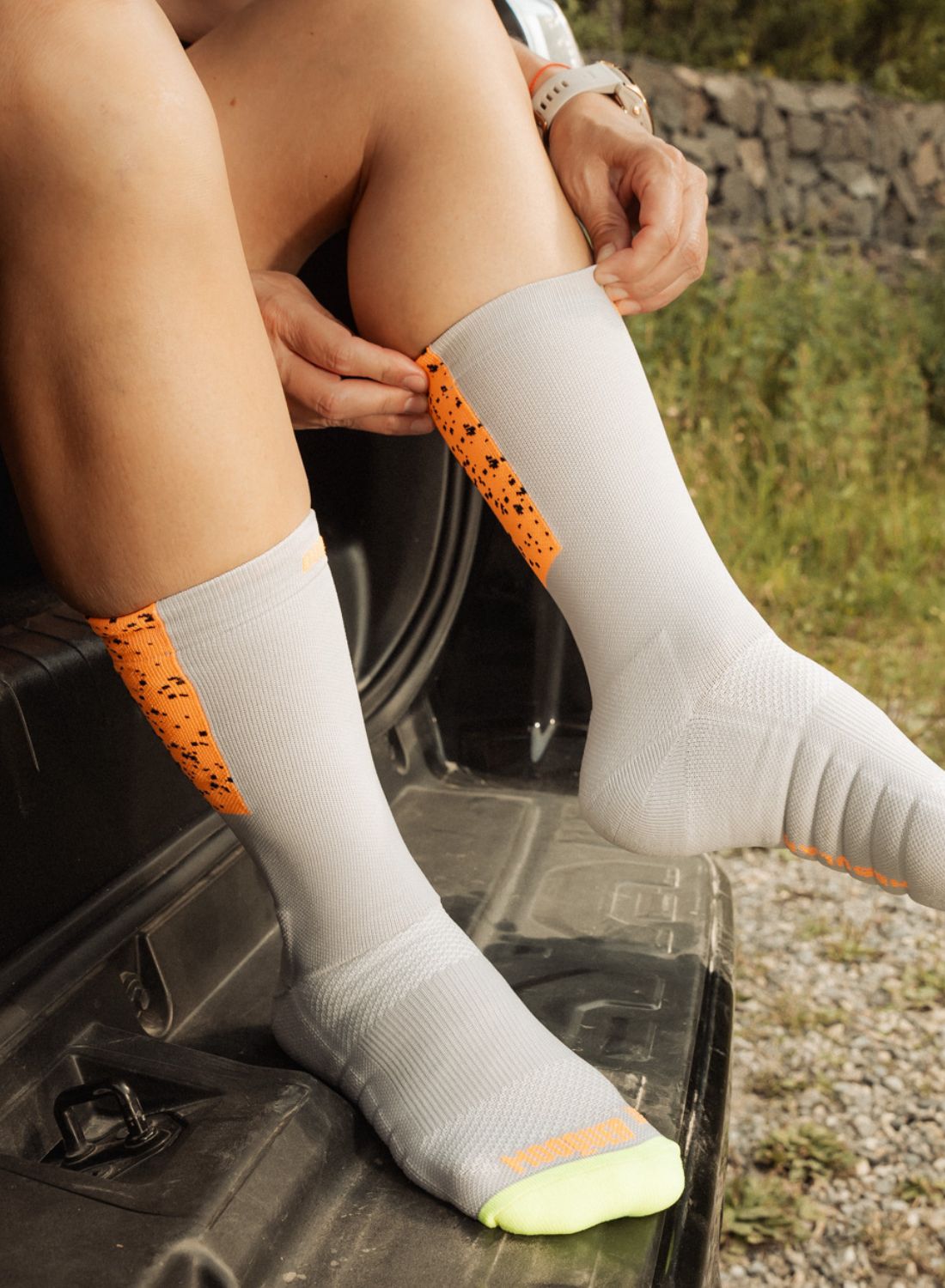
Blisters while running: why they appear and how to prevent them
A blister is the result of friction, moisture, and heat at the same spot on the foot. What role do the shoe, sock, and skin play, how to prevent them on asphalt and in the mountains, and what to do...
Read more
Running at night: how to be visible and what to wear
Running at night is safe if you are seen in time, see where you step, and choose your route carefully. What the rules say, where to place reflective gear, which headlamp makes sense, and what to we...
Read more
Running in the Cold: What to Wear and How to Get Out Without Suffering
When running in cold weather, you need to dress in light layers, keep your extremities warmer than your torso, and have a plan for when you stop. Layering for the temperature, how to keep your hand...
Read more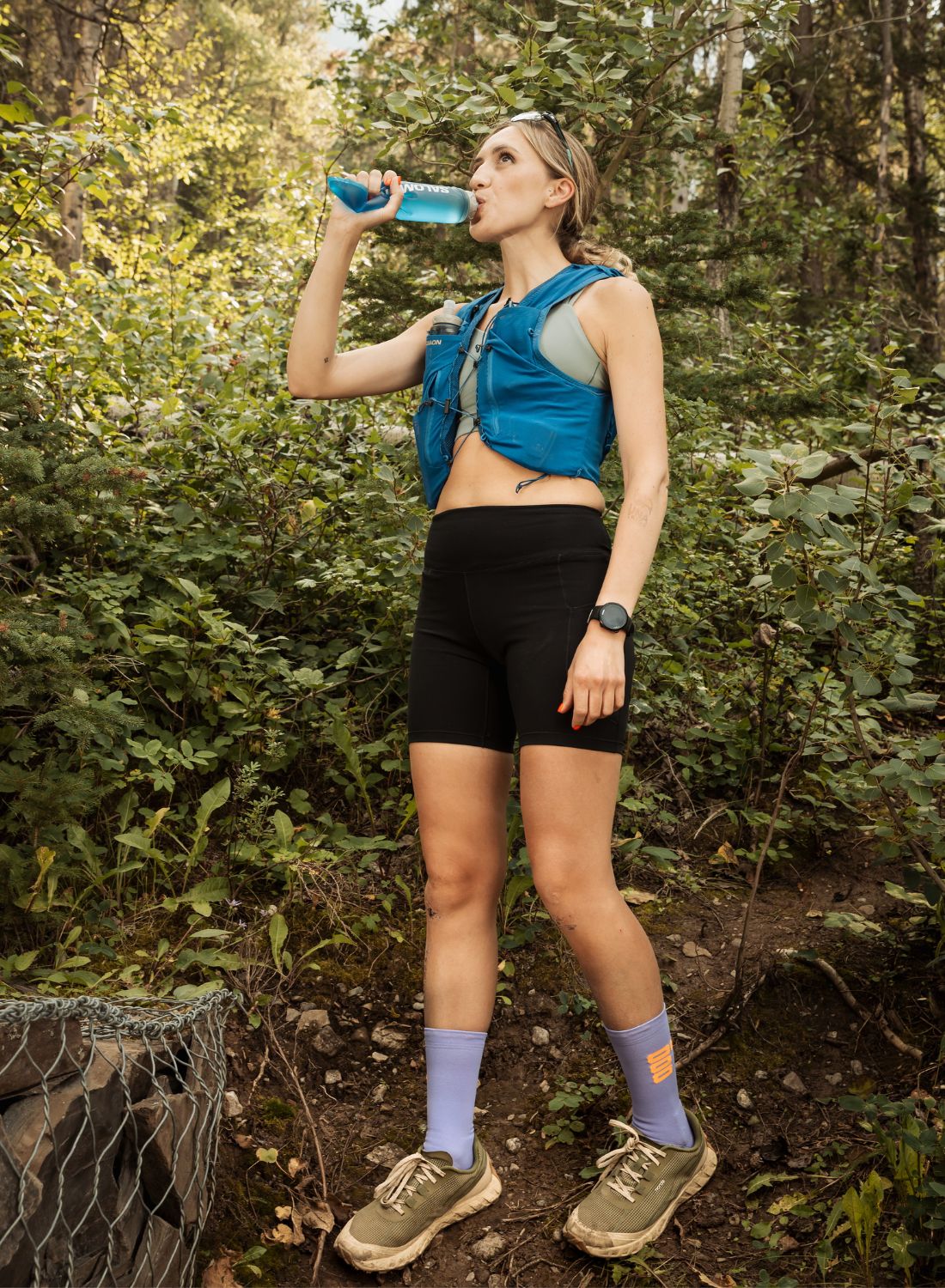
What to eat before a race: when, how much, and what to avoid
Before a race, it is advisable to eat one to four hours beforehand, choosing something high in carbohydrates and low in fat and fiber. How much to eat depending on the distance, breakfast examples,...
Read more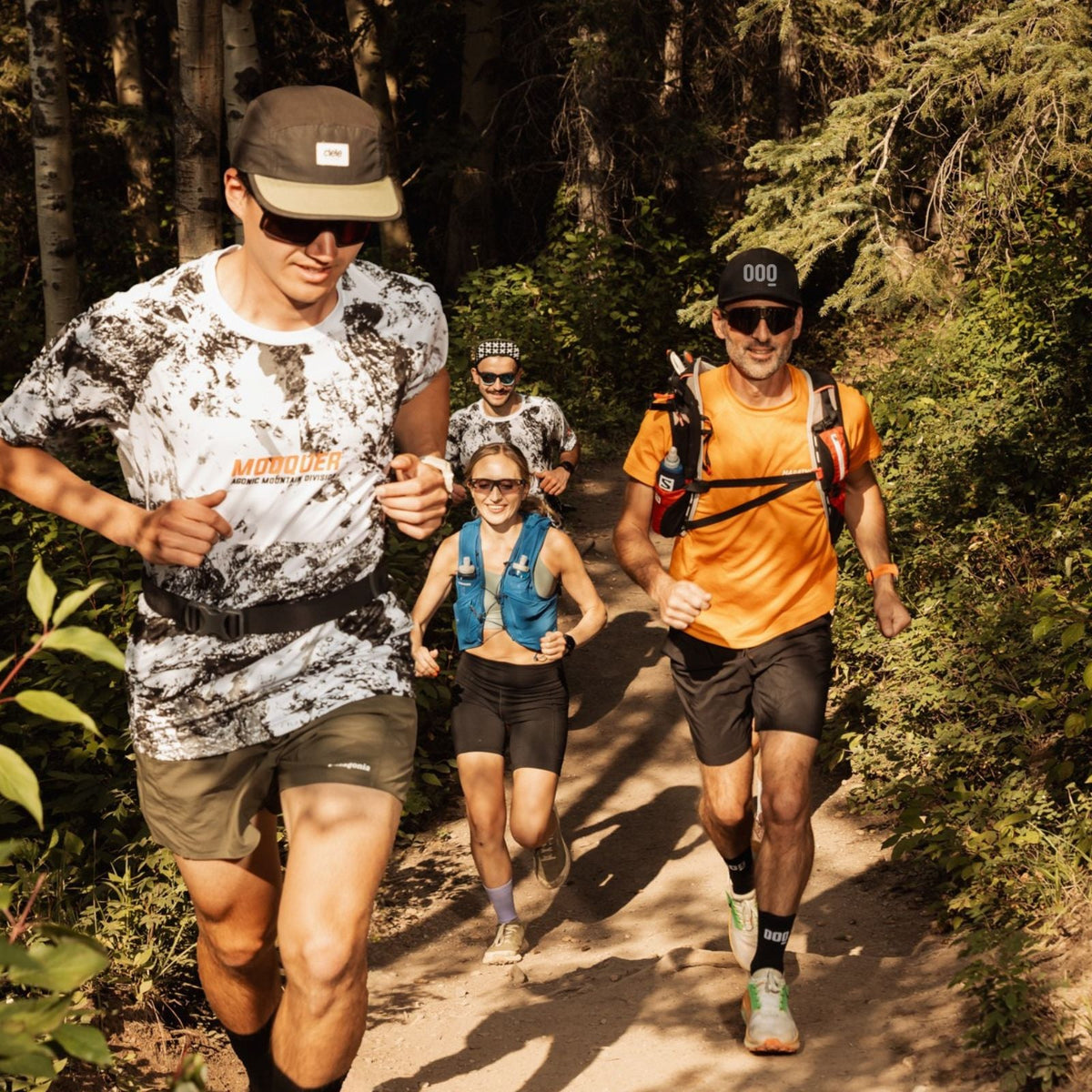
Types of caps: how to tell them apart and which one to choose for each use
Snapback, trucker, dad hat, five-panel, fitted, cycling or running: cap styles are distinguished by their structure, brim, and closure. What is each one and which one suits each use.
Read more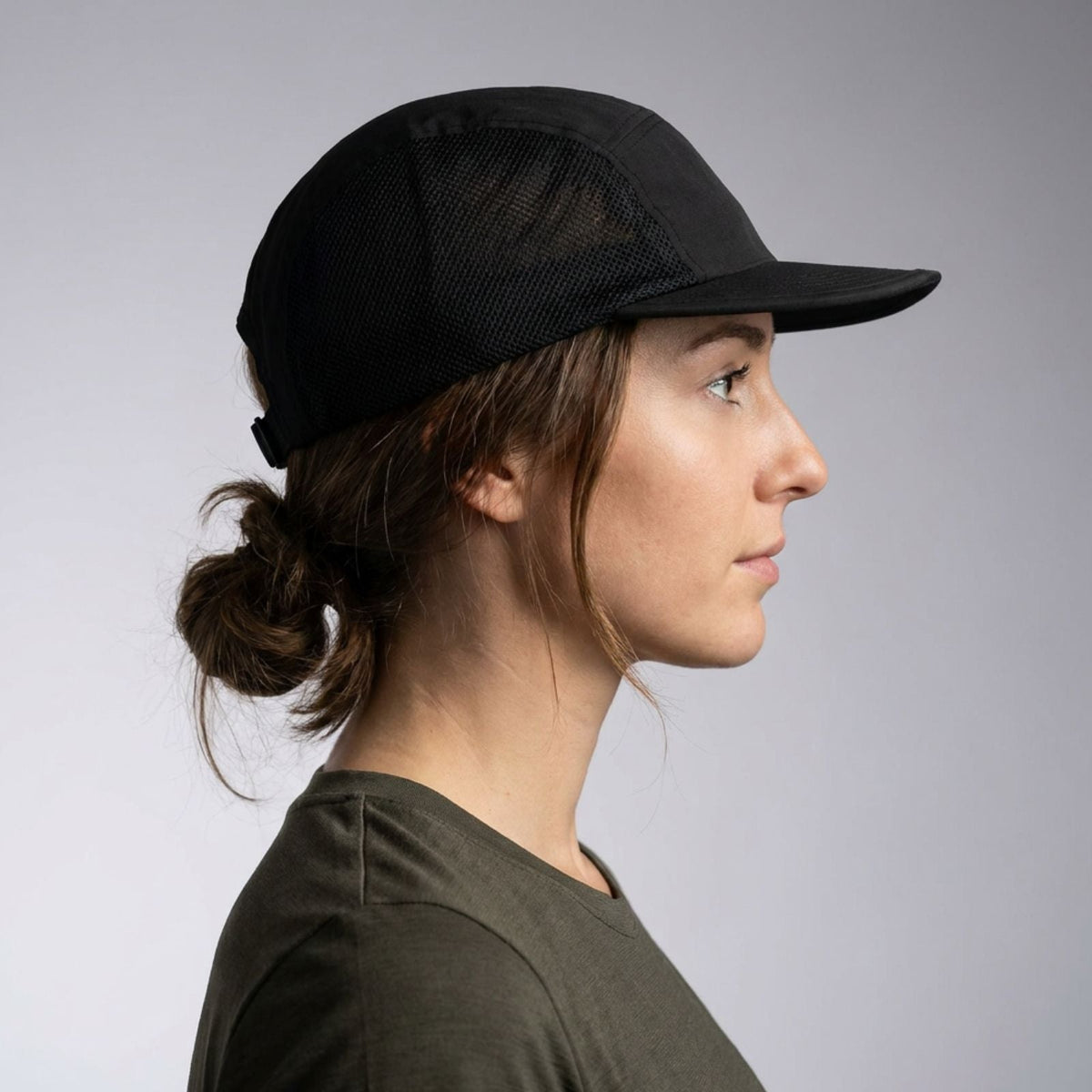
San Silvestre de Oviedo: route, times and what to wear
The San Silvestre race in the city of Oviedo is a 5-kilometre route through the city centre every 31 December, from Uría Street to the Teatro Campoamor. Timings, registration, race bibs and what to...
Read more
How many gels to take in a marathon according to your time
Between 30 and 90 grams of carbohydrates per hour depending on your pace and your stomach. How many gels you need for 3, 3:30, 4, and 4:30 hours, when to take them, and what mistakes to avoid.
Read more
What are photochromic glasses and when are they worth it
A lens that darkens in the sun and lightens in the shade. How photochromic glasses work, what filter categories mean, and when another lens is a better choice.
Read more
Running in the rain: what to wear and how to avoid getting soaked
Running in the rain is safe and enjoyable if you choose the right clothes, take care of your feet, and don't let your body temperature drop when you stop. What to wear, from your cap to your socks,...
Read more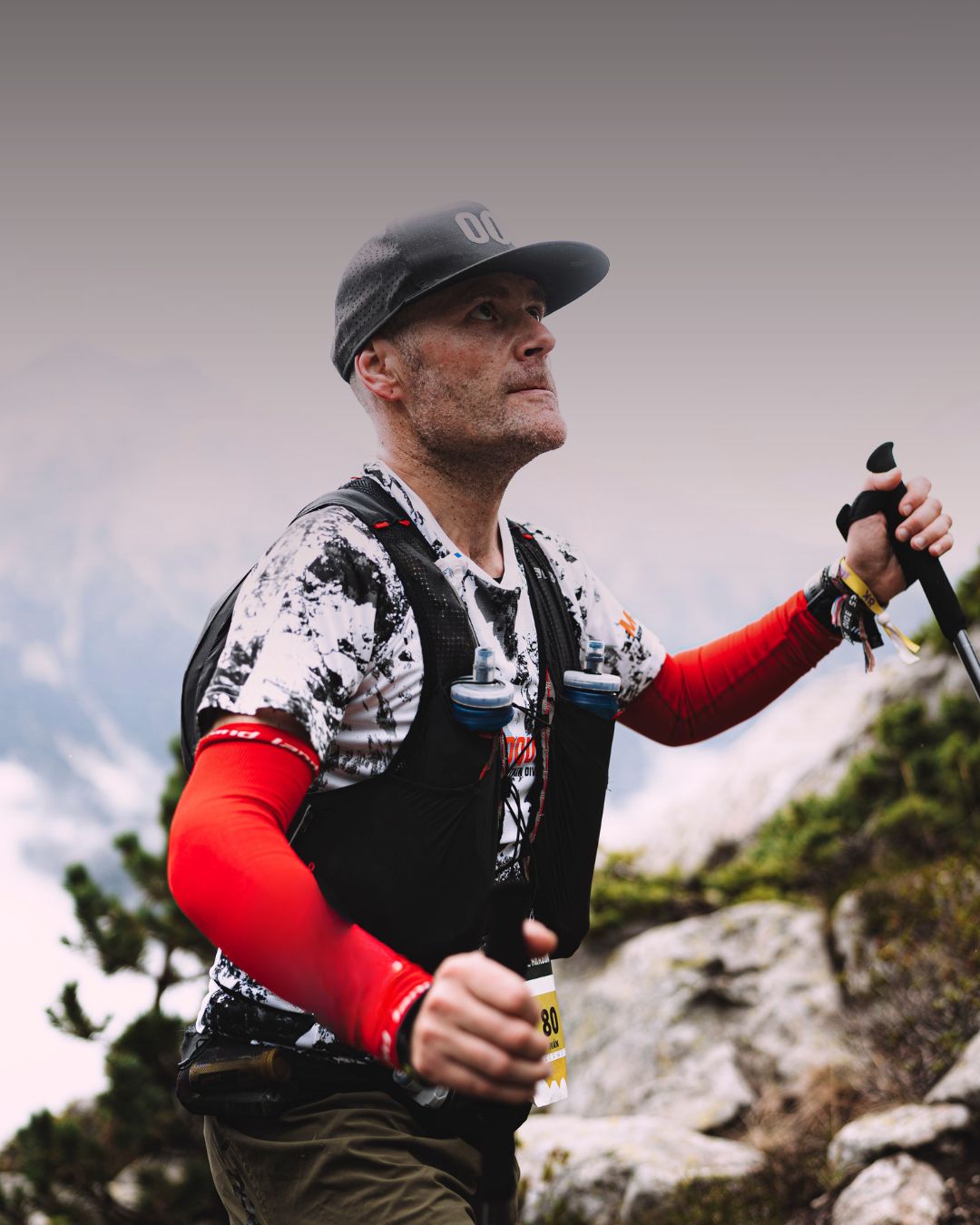
Gifts for Runners and Trail Runners: Ideas by Price
From €8.95 to €184, sorted from lowest to highest. What runners really use, and the two gifts you can’t go wrong with, even if you don’t know their size.
Read moreWhat we do at Mooquer






More stories
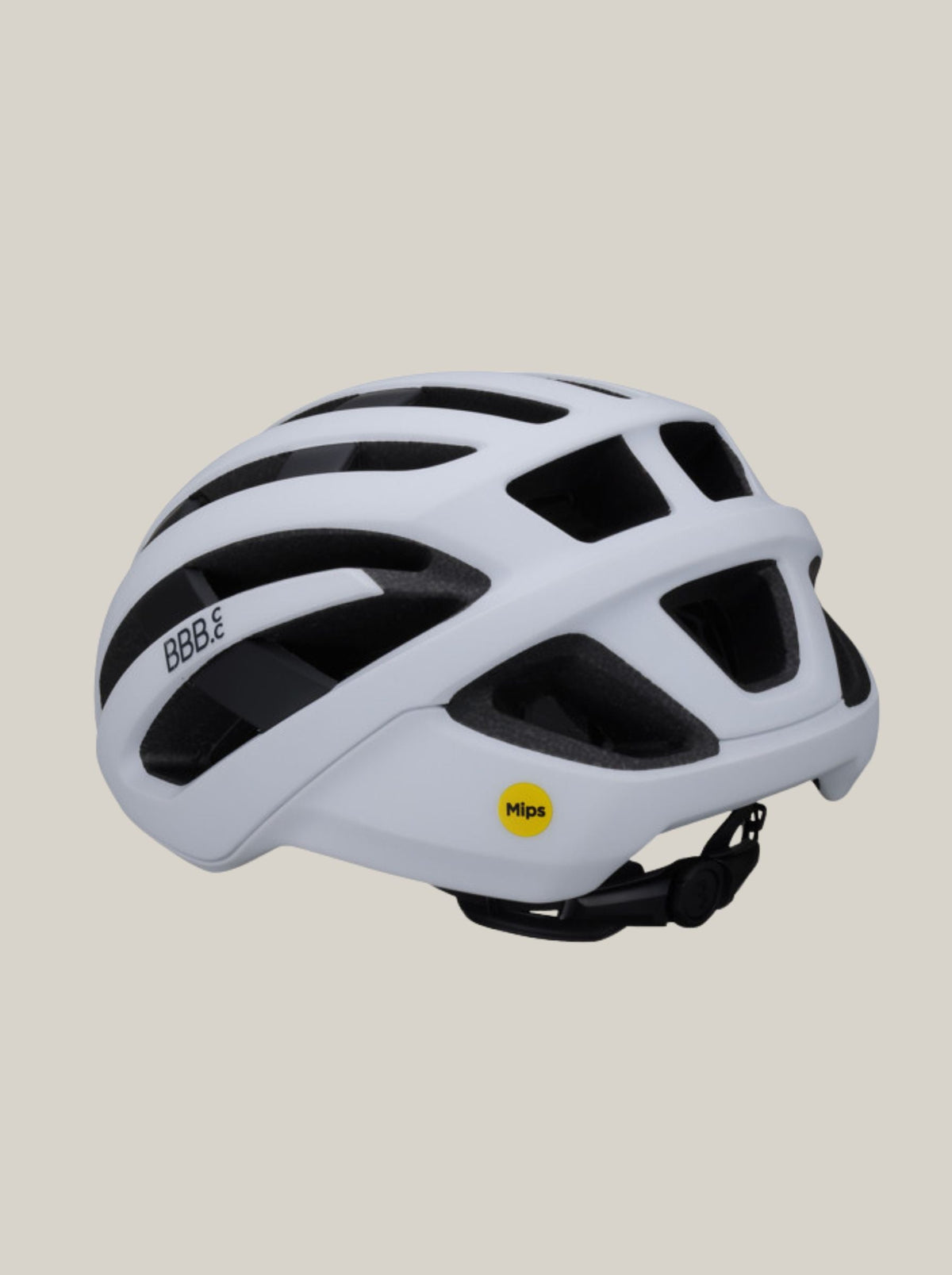
What is MIPS and why a certified helmet may not be enough
Real falls are not perpendicular: the head rotates. What the MIPS liner does, what it doesn't do, how to tell if your helmet has one, and when it's time to replace it.
Read moreBlisters while running: why they appear and how to prevent them
A blister is the result of friction, moisture, and heat at the same spot on the foot. What role do the shoe, sock, and skin play, how to prevent them on asphalt and in the mountains, and what to do...
Read more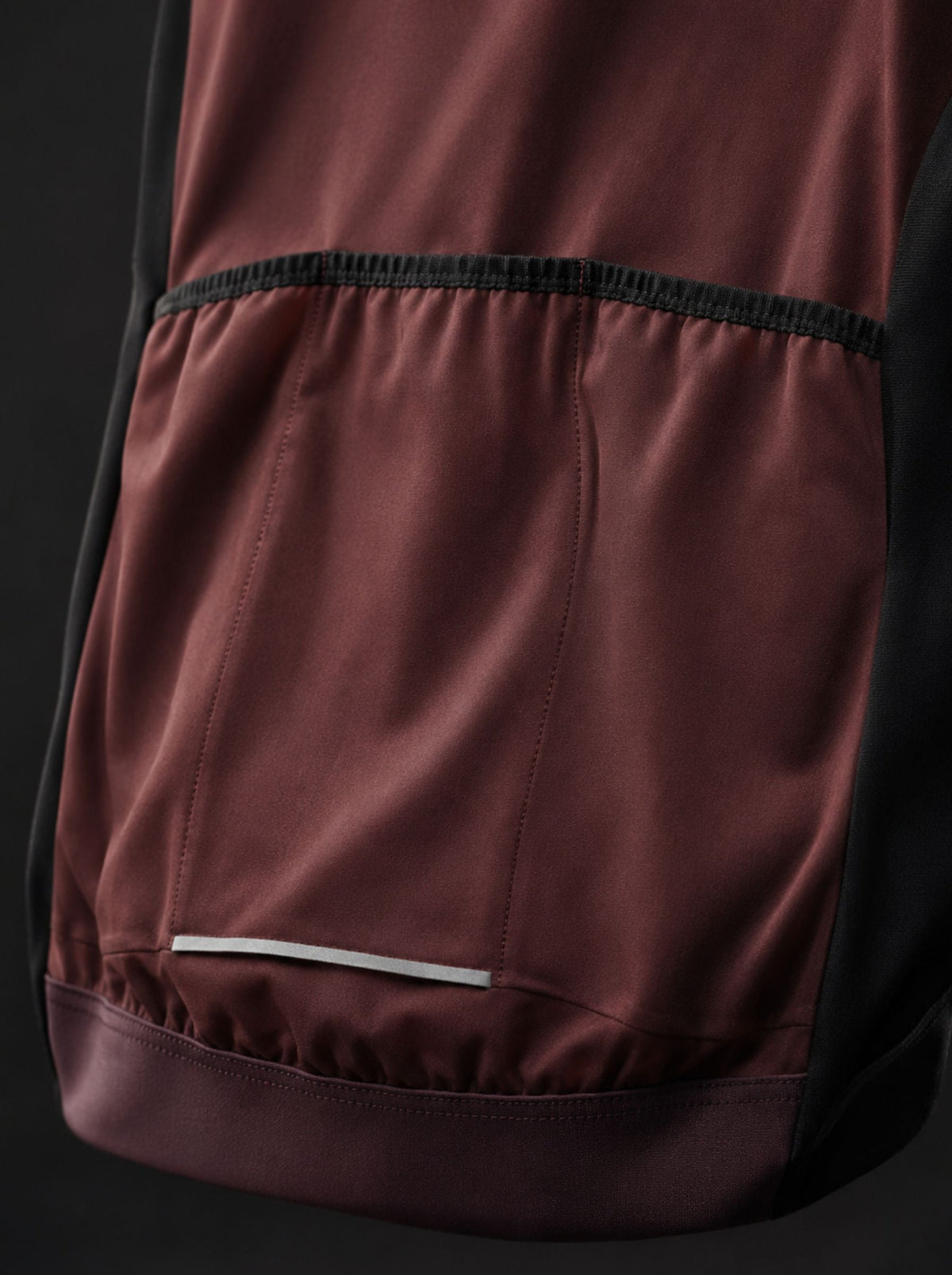
How to wash cycling clothes so they last more than one season
At 30 degrees, inside out, no fabric softener and no tumble dryer. Why each of those rules exists, how to treat the gusset, what to do with water-repellent garments and the mistakes that shorten th...
Read moreMADE IN EUROPE
Less, but better
We design and manufacture in Spain, Italy, and Portugal. A few garments, well-crafted, designed to perform and last. This is not activewear; this is serious gear.
Join
Newsletter
Receive our launches, test garments, and news before anyone else. Every week in your inbox