








Merino Wool Socks: How to Choose Them and What Microns Mean
A merino wool sock is chosen for three reasons: the fiber thickness in microns, the percentage of wool in the blend, and the height of the cuff. The rest is finishing.
What is merino wool
Merino wool is produced by the merino sheep. It differs from regular wool in one thing: fiber thickness. It is much finer, so it doesn't itch when it touches the skin.
In a winter sock, it does three things that no synthetic fiber can do at once. It regulates temperature instead of merely insulating, so your foot doesn't go from cold to sweaty as soon as you start climbing. It keeps you warm when wet, which is the real difference between finishing a route in the rain or cutting it short. And it resists odors without the need for added chemical treatments.

Microns: the figure almost no one publishes
Fiber thickness is measured in microns. The lower the figure, the finer the wool and the softer the sock against the skin.
- 17 to 18 microns: ultrafine. Underwear and garments in constant contact with the skin.
- 19 to 21 microns: fine. The range of good technical socks.
- 22 to 24 microns: medium. Equally warm, but noticeably coarser on long rides.
- More than 25 microns: coarse wool, designed for outerwear, not for inside a shoe.
Almost no brand publishes this figure on the product page. If you find it, it's a good sign: it means the seller knows exactly what they bought. If it doesn't appear anywhere, it's usually because the figure isn't helpful.
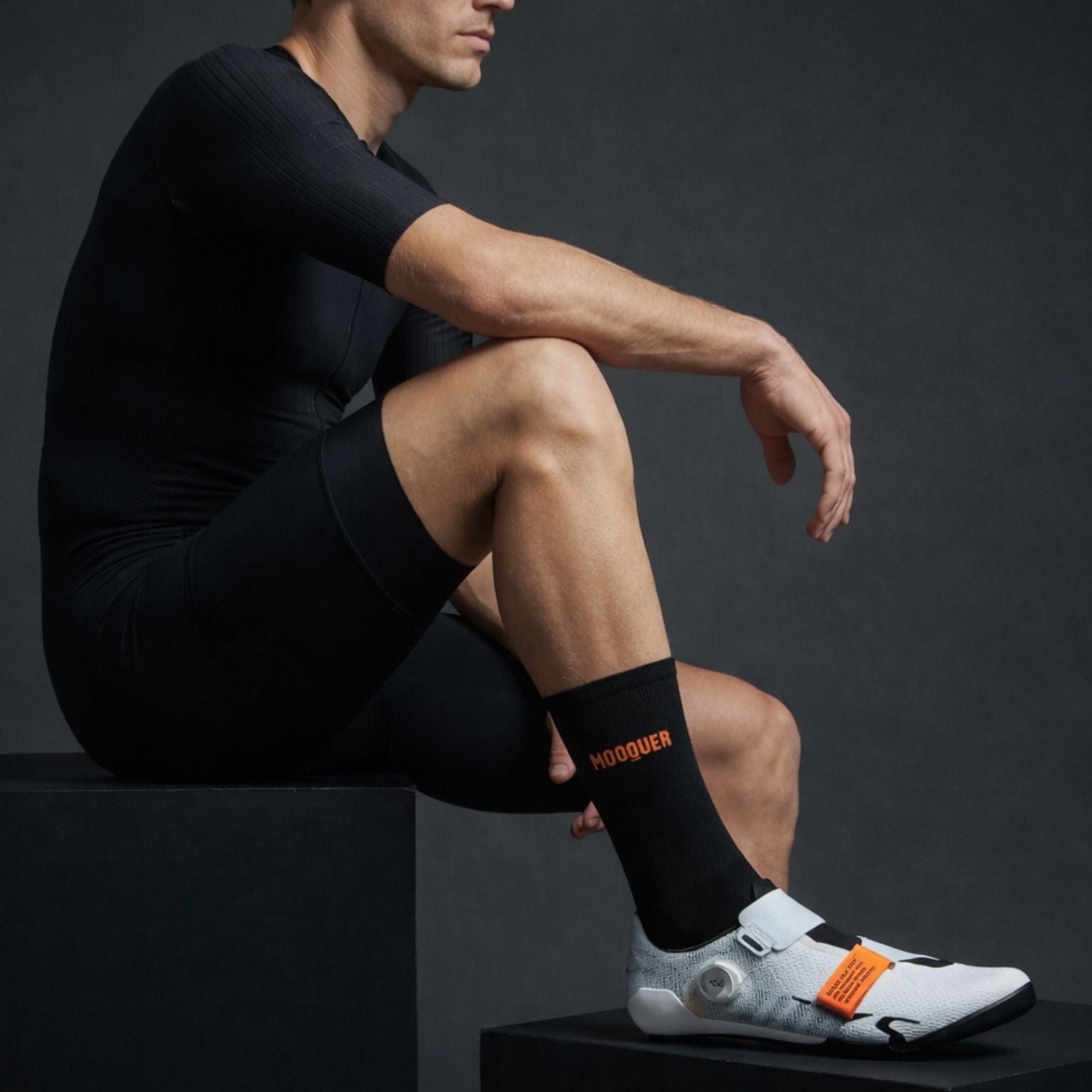
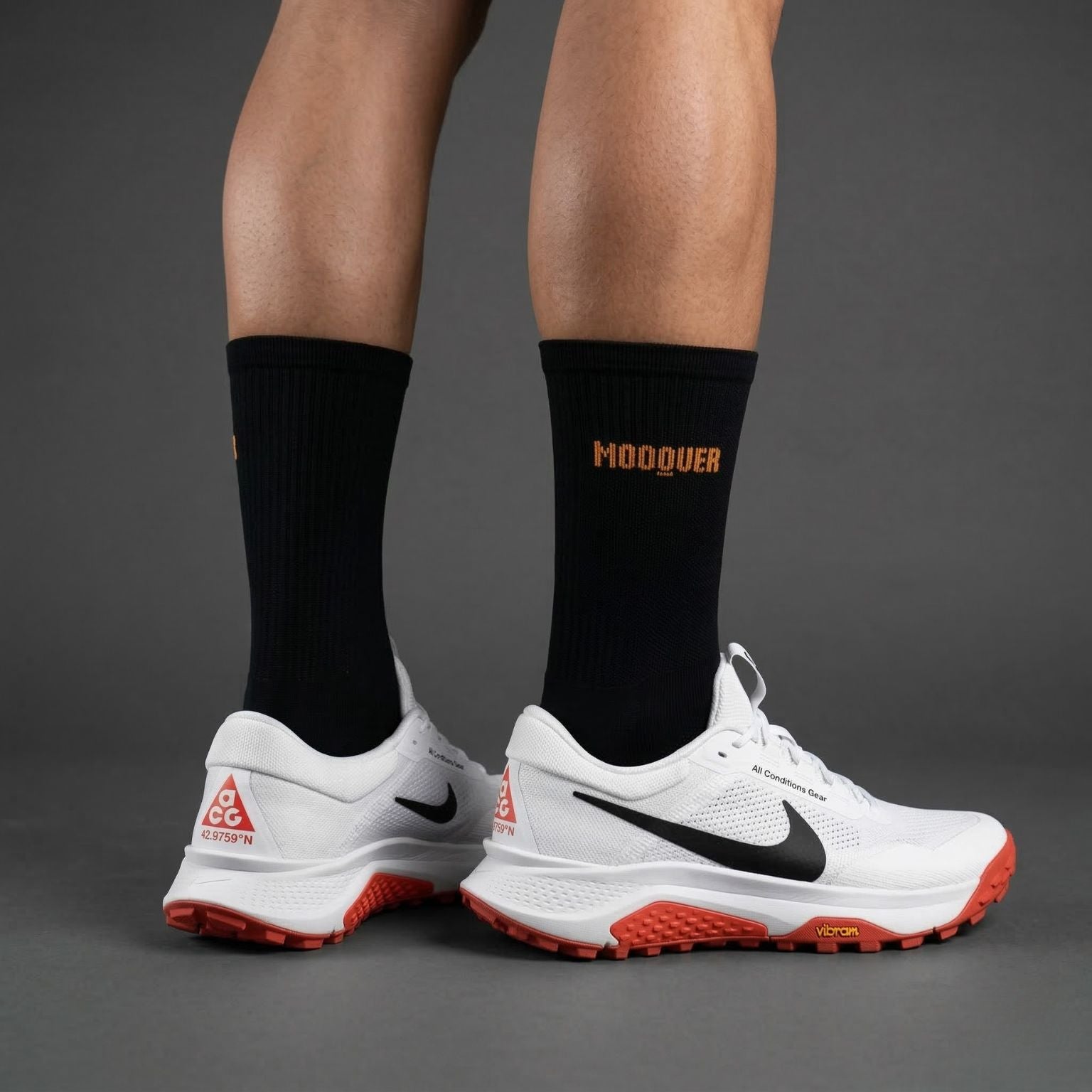
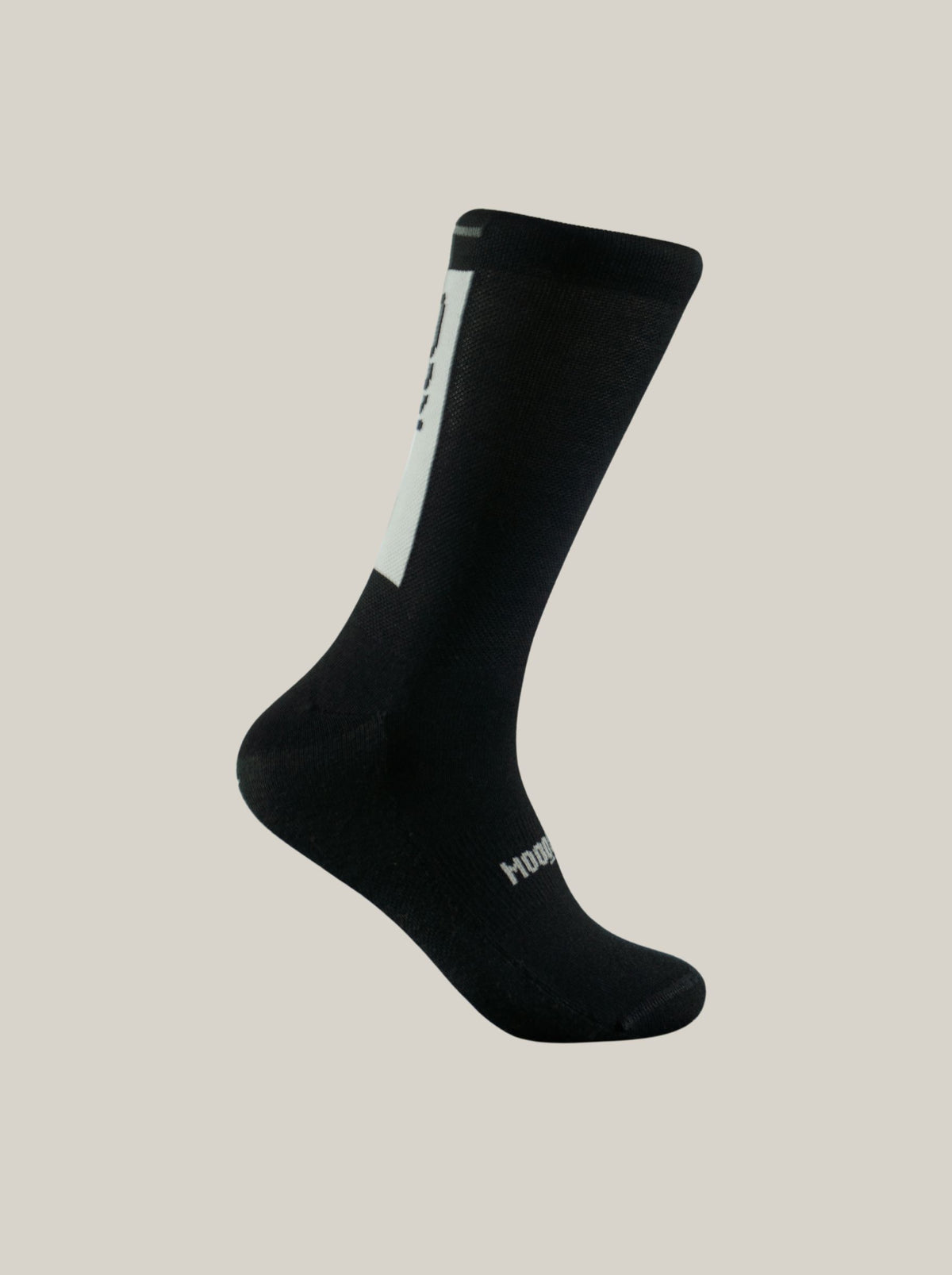
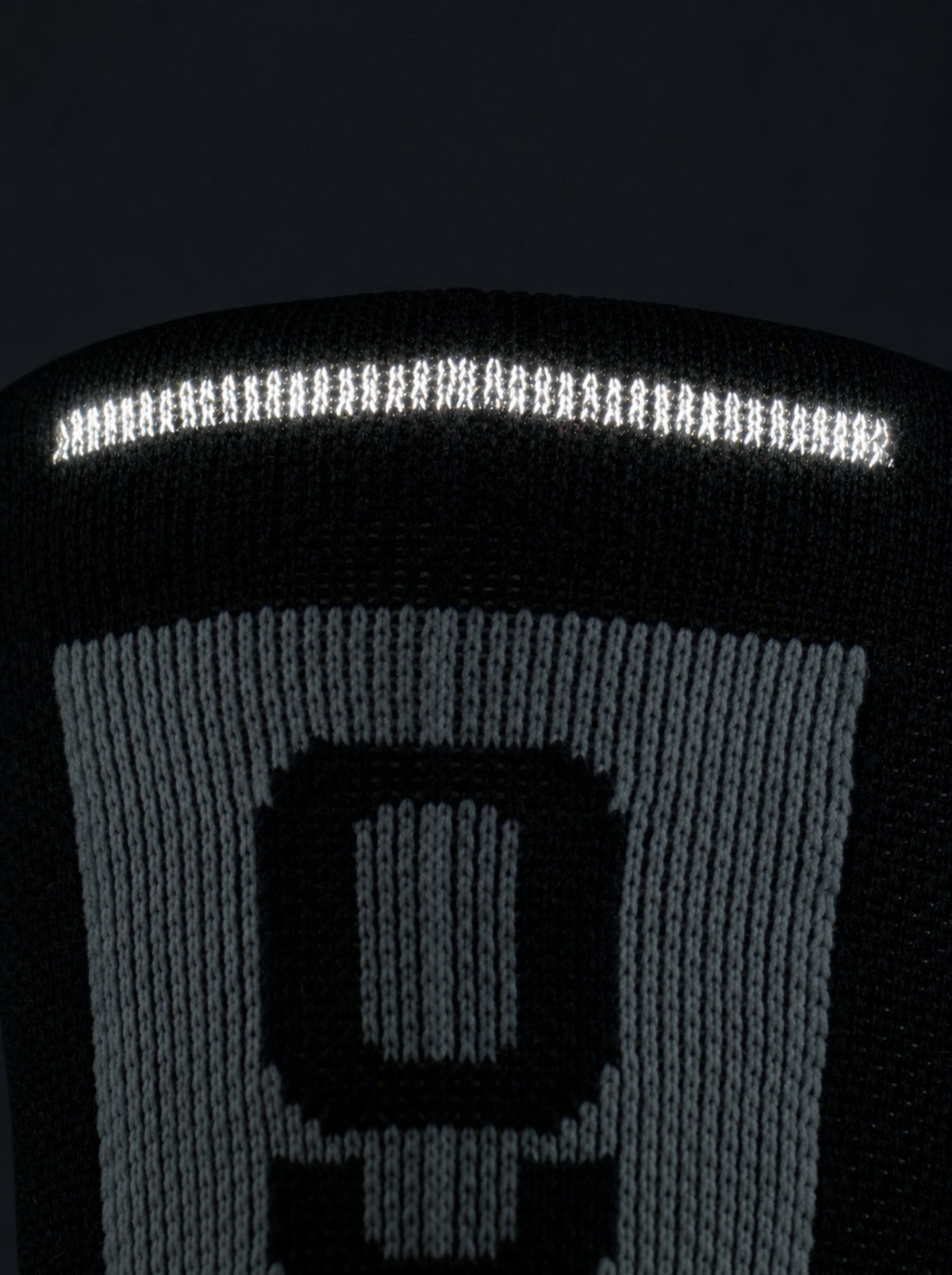
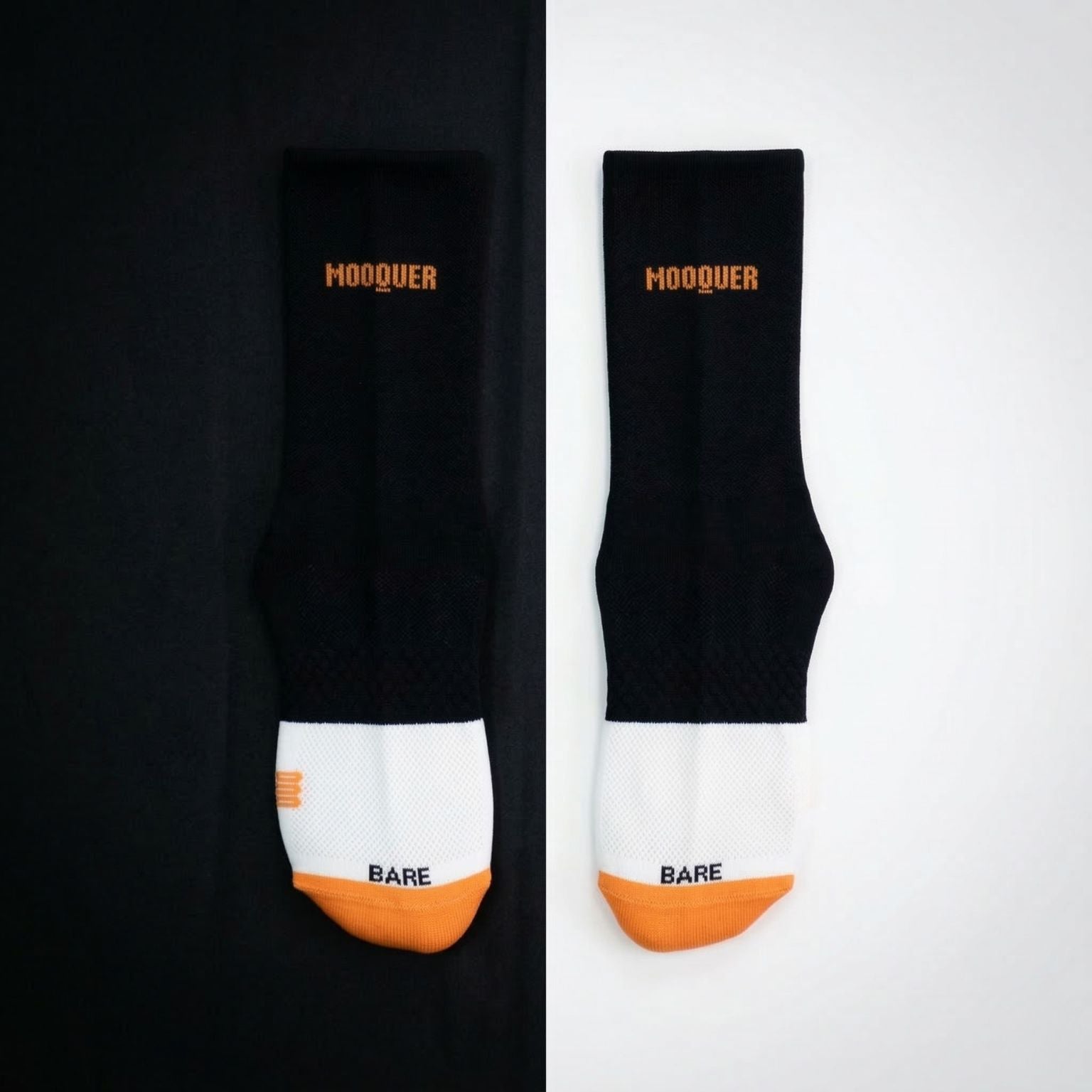
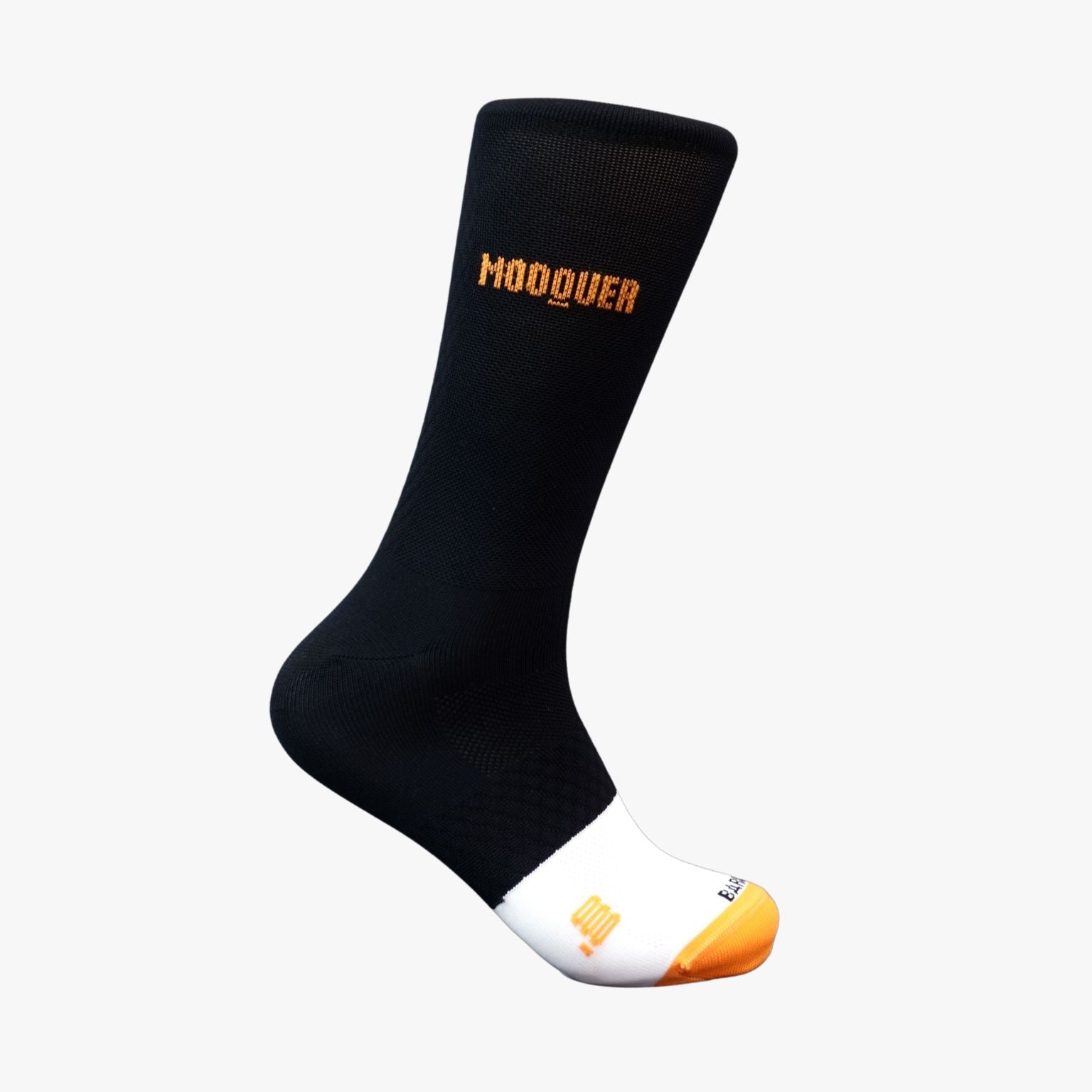
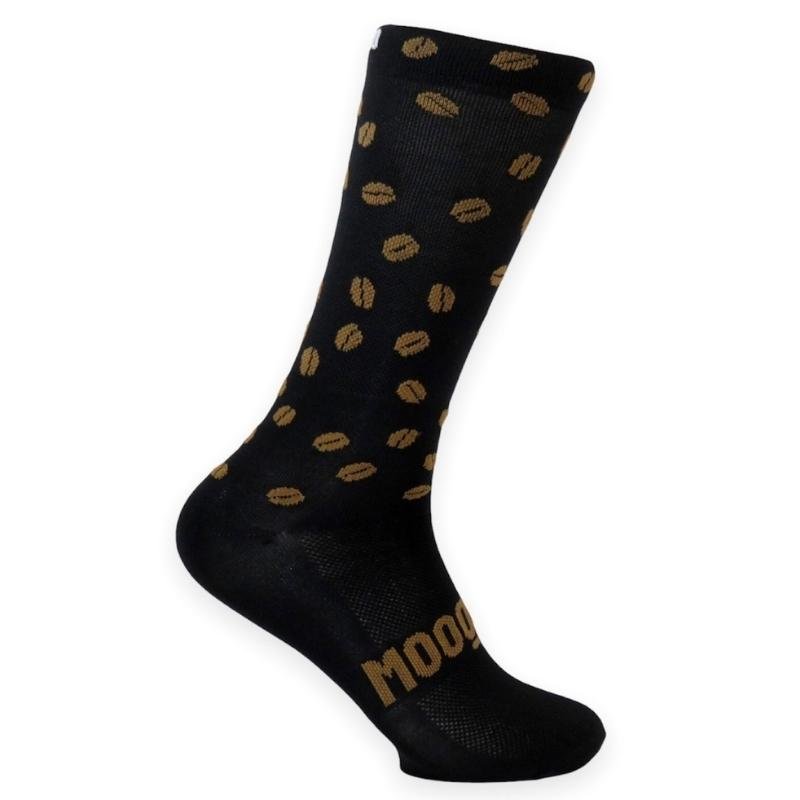
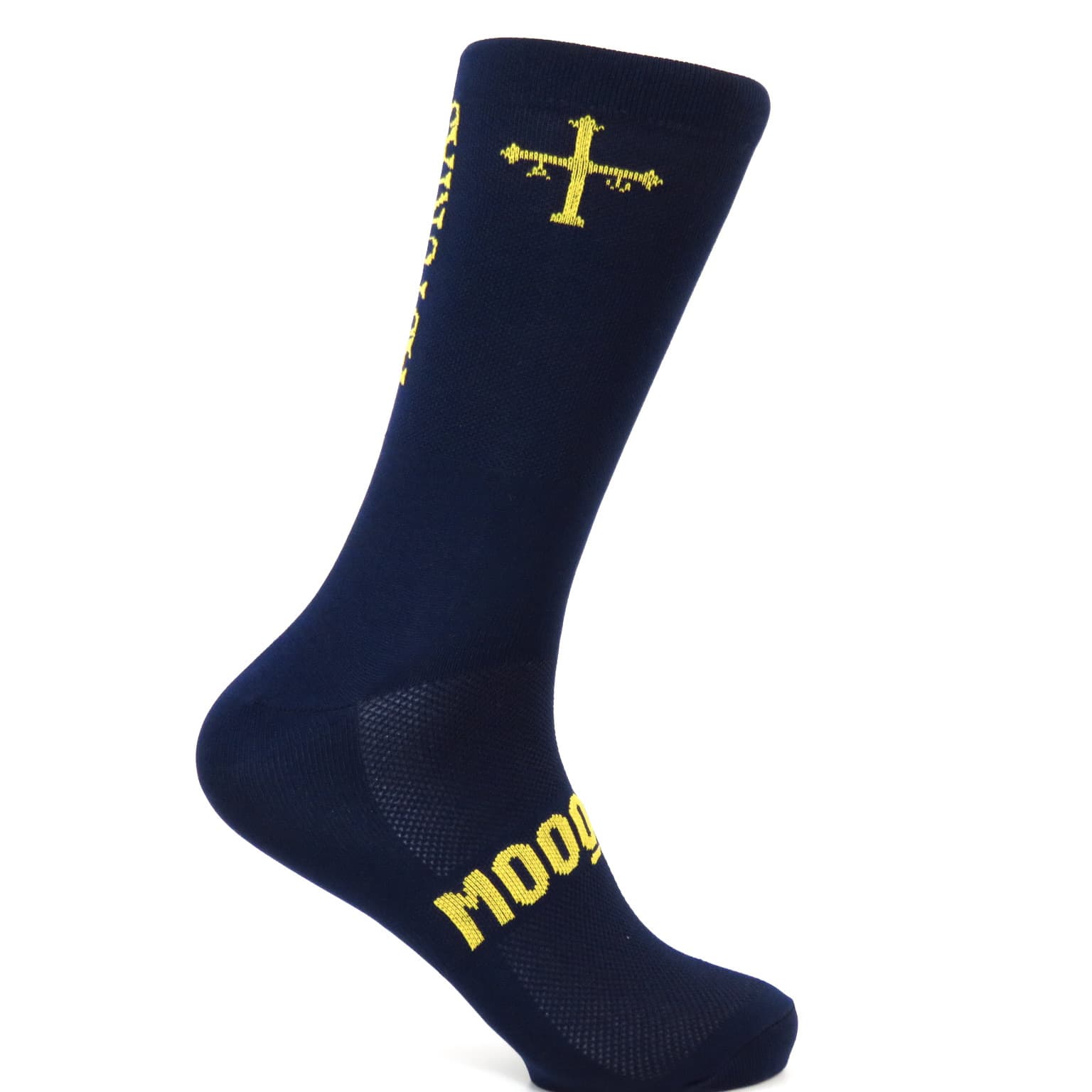
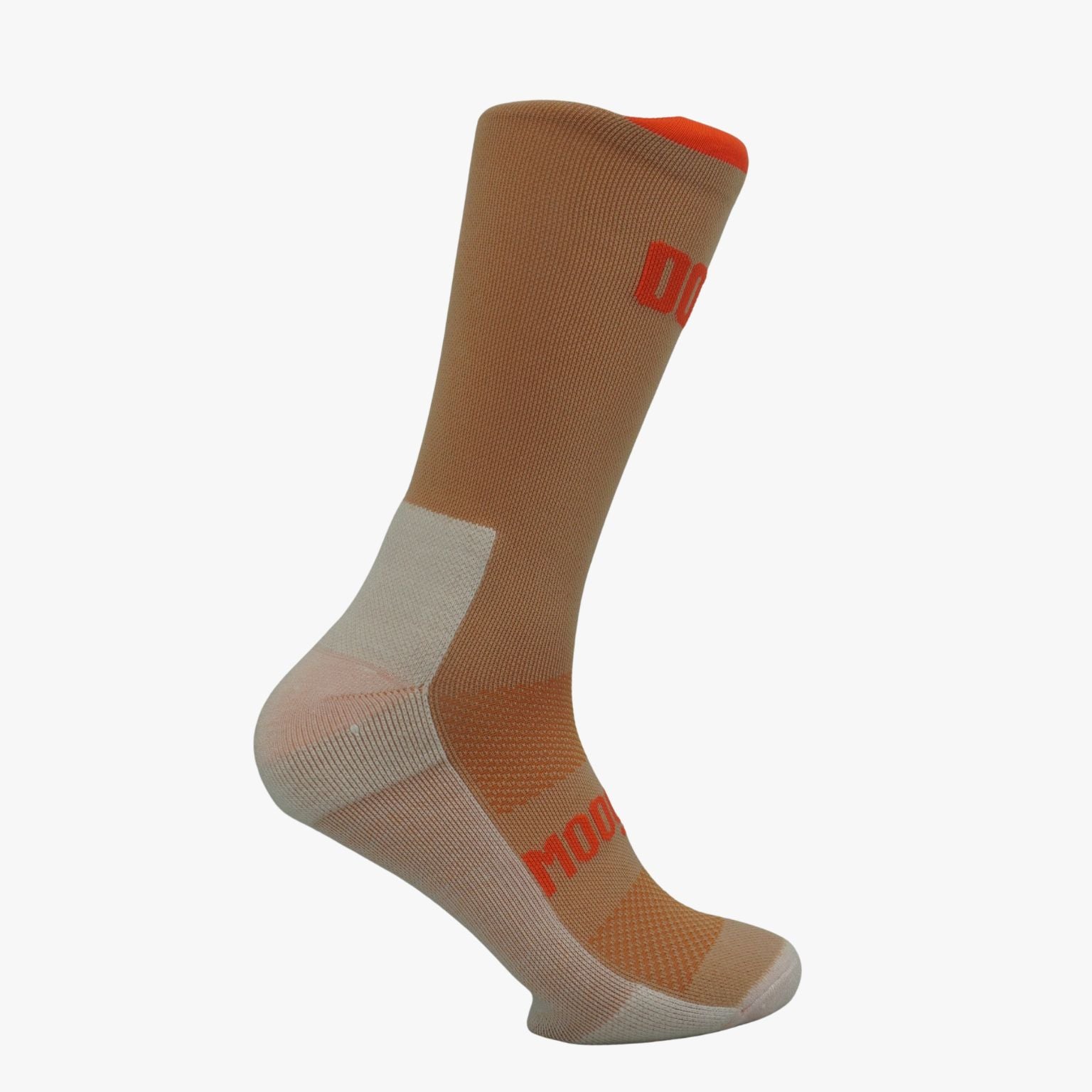
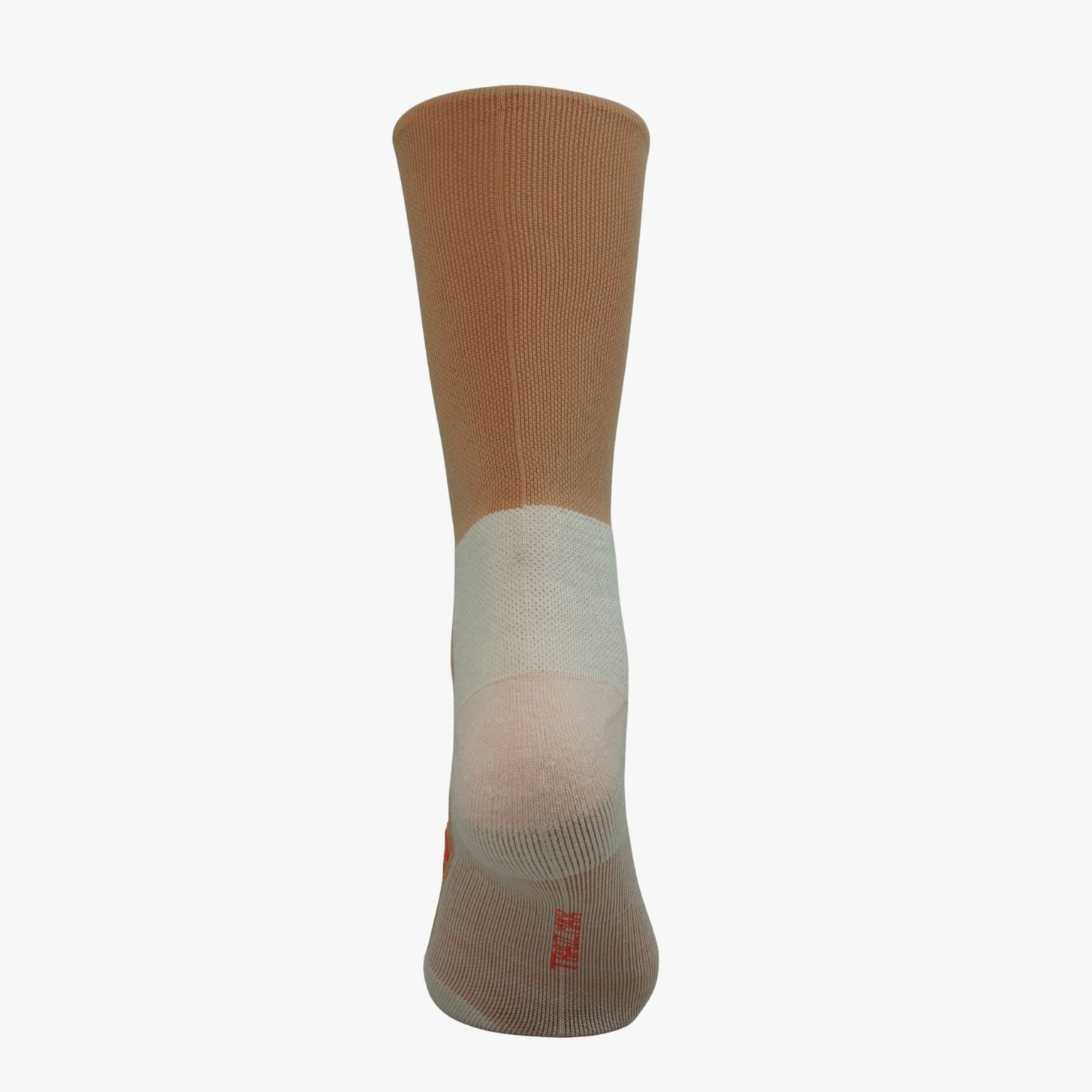
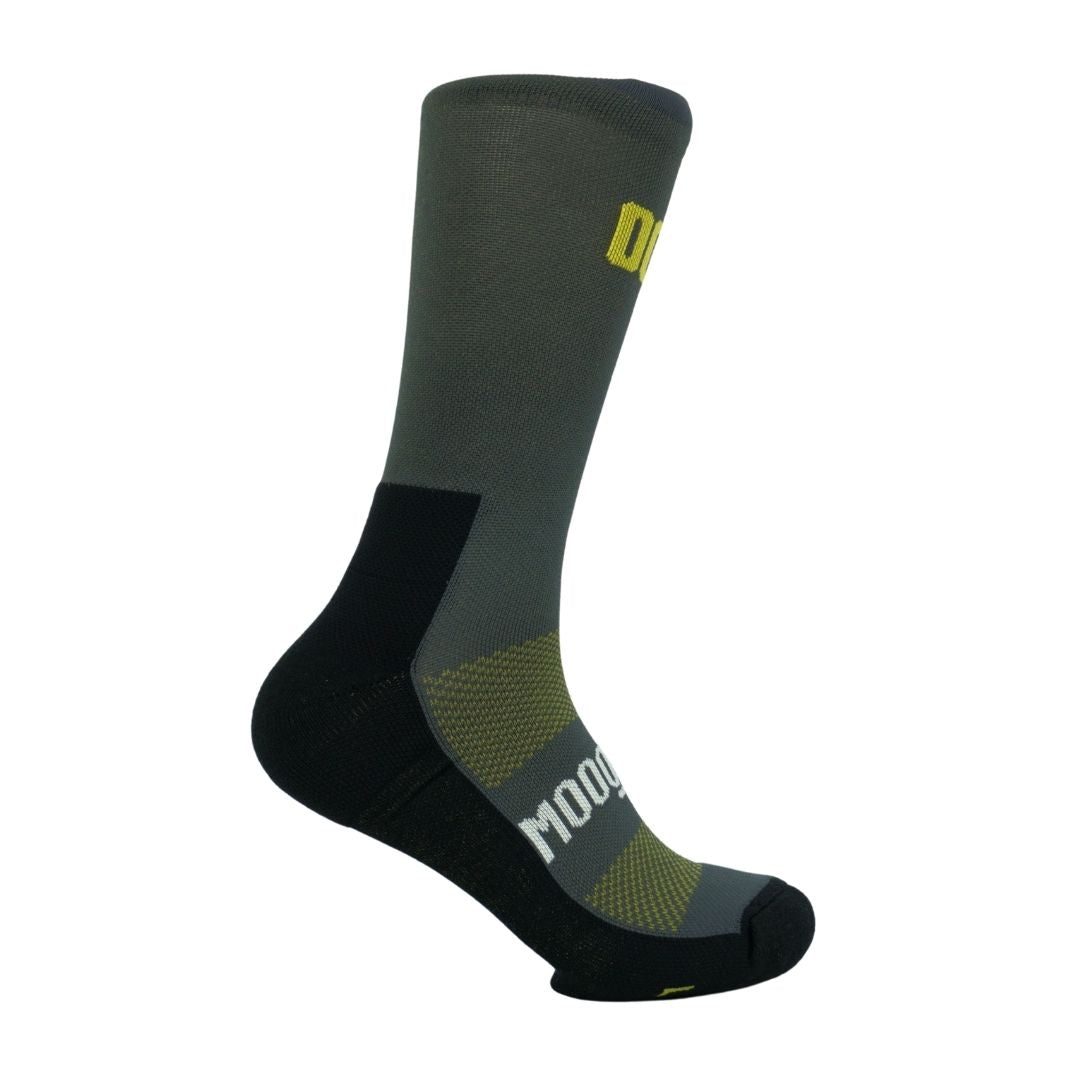
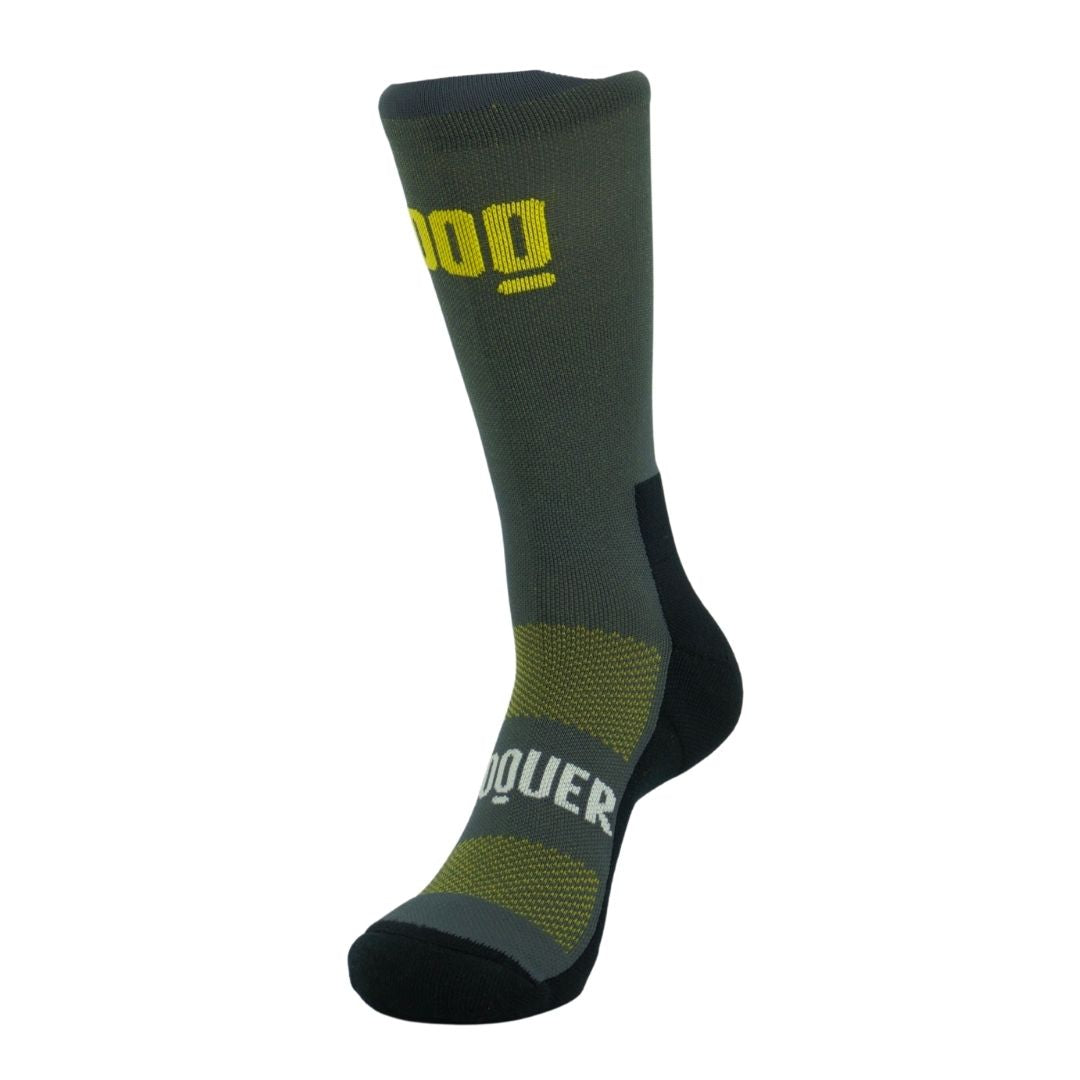
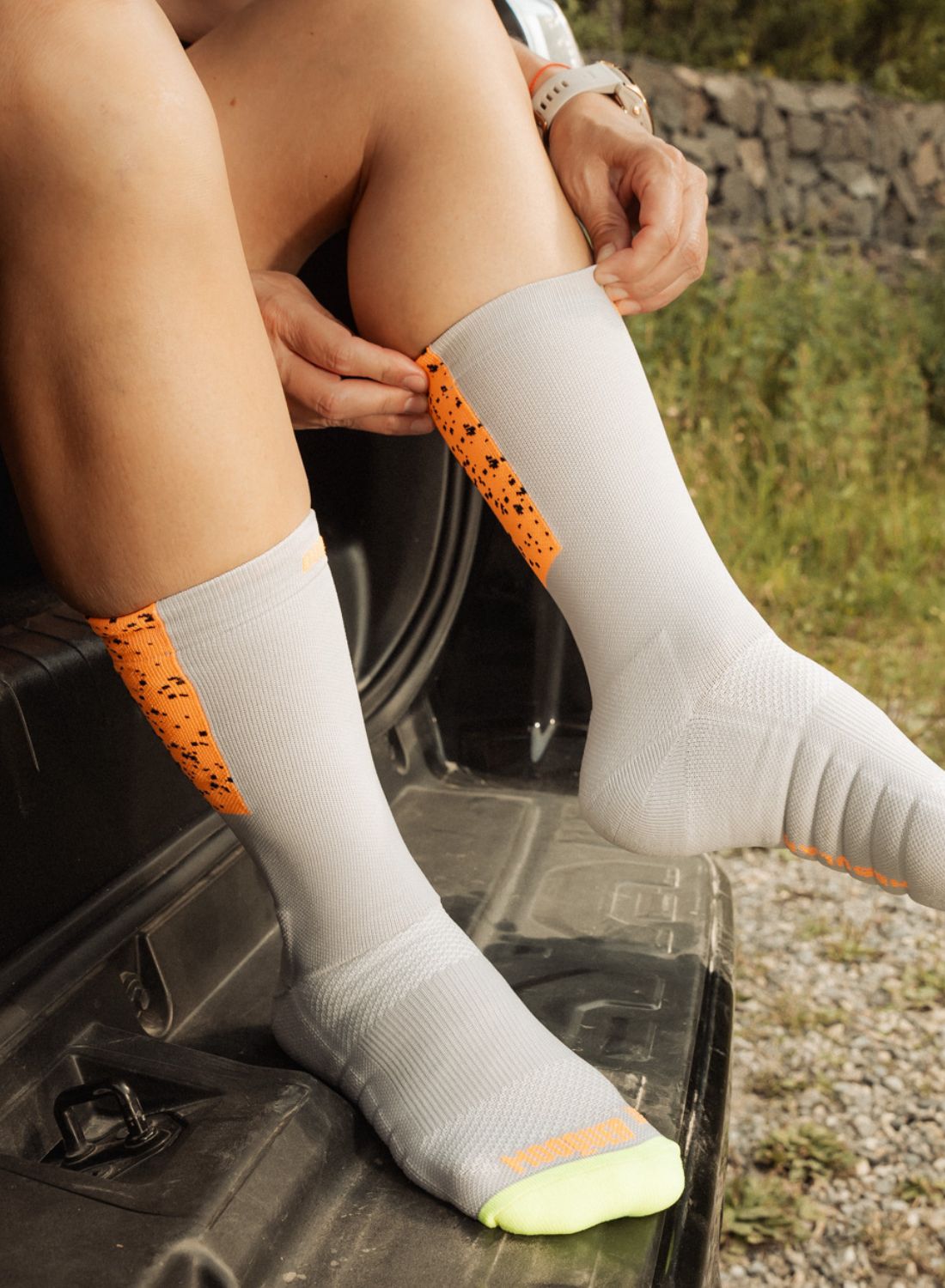
Our Ember merino wool cycling socks contain 53% 19-micron wool, and the figure is on the product page.
Why no merino sock is 100% wool
Because it wouldn't last. Wool alone cannot withstand the abrasion of rubbing inside a shoe and loses its shape within a few weeks. That's why all merino socks on the market are blends: wool provides thermal regulation and odor control, while polyamide or elastane provide resistance and recovery.
Typical percentages range from 40 to 70% wool. Below 40%, the thermal performance already looks more like that of a synthetic sock than a wool one. Above 70%, durability starts to suffer.

Where the wool you wear comes from
The merino sheep is native to Spain. For centuries its export was prohibited, and it was the basis of the Castilian wool economy. From the 18th century onwards, flocks began to leave for the rest of Europe, and from there to Australia, New Zealand, and South Africa.
The result is that today the vast majority of merino wool in the world travels from the Southern Hemisphere. When a European brand sells a merino sock, it is normal that the fiber has traveled twenty thousand kilometers before reaching the loom. It is not a quality problem, but it does explain why the origin almost never appears on the label.
The Ember are the exception: they are knitted in Spain with Spanish merino wool.
How to choose according to use
For riding or running in dry cold, a merino blend in the 19 to 21 micron range with synthetic reinforcement in the heel and toe covers practically all of winter.
For cold with humidity, which is the winter of the Cantabrian cornice, merino beats pure synthetic by a landslide: it is the only fiber that maintains its ability to keep you warm when it is already wet.
For sustained sub-zero temperatures, merino falls short on its own and it is advisable to look for constructions with specific thermal fibers or a curly sole.
If you want to delve deeper into that comparison, you can find it developed in merino wool versus synthetic fiber in the cold.
Care
Merino is ruined by two things: heat and fabric softener. Wash at a maximum of 30 degrees, inside out, without fabric softener and without a dryer. Fabric softener deposits a film on the fiber that nullifies precisely what makes it valuable, which is its ability to manage moisture.
And contrary to what many people believe, merino does not need to be washed after every use. Airing it out for one night is enough in most cases, and that significantly extends the life of the sock.

Frequently asked questions
Does merino wool itch?
No, if it is below 22 microns. The itching sensation of traditional wool comes from thick fibers that bend when touching the skin instead of giving way. Below that thickness, the fiber flexes and is not noticeable.
How many microns should a good merino sock have?
Between 19 and 21. Below that it is softer but less durable, and above 22 it starts to be noticeable against the skin on long rides.
Does merino really keep you warm when wet?
Yes. The fiber absorbs moisture inside and keeps air trapped between the fibers, which is what insulates. A wet synthetic fiber loses much of that ability.
Merino or synthetic for winter cycling?
Merino if the winter is wet and the rides are long. Synthetic if you prioritize durability, quick drying, and price. The blend of both is what makes up most technical socks.
Can merino wool be washed in the washing machine?
Yes, at 30 degrees maximum, inside out and without fabric softener. Never in the dryer.











Leave a comment
This site is protected by hCaptcha and the hCaptcha Privacy Policy and Terms of Service apply.