


What is a softshell jacket and when does it make sense for sports
A softshell jacket is a garment made from stretchy fabric, usually formed by several bonded layers, that cuts the wind, withstands light rain and lets sweat escape. It sits between a windbreaker, which does not keep you warm or protect you from water, and a rigid waterproof jacket, which offers more protection but breathes less and limits movement.
The term comes from English: soft shell, a soft outer layer, in contrast to hard shell, the waterproof jacket made from rigid fabric used in high mountains. It was born in the outdoor world and today it is applied to almost everything, from work jackets to city wear, so it is worth knowing what is behind the label before buying one. Especially if you are going to use it for sports, where the differences are noticeable after twenty minutes.

How softshell fabric is made
There is no single recipe, but most softshells share three ideas:
- A durable and stretchy outer face, usually made of polyamide or polyester with elastane, treated with a durable water repellent (DWR) finish so that drizzle forms droplets and beads off.
- A wind barrier, which can be the density of the fabric itself or a thin laminated membrane in the middle.
- A softer inner face, sometimes brushed, that manages sweat and provides some warmth.
When those layers are laminated, that is, bonded together to form a single fabric, the garment behaves as a single piece: there is no loose lining that moves or layers that separate when pedaling or running. That is the big practical difference compared to putting on three thin garments one on top of the other.
With membrane or without membrane
Here is the first fork in the road. A softshell without a membrane is highly breathable and very comfortable, but strong wind and rain eventually get through. One with a membrane cuts the wind almost completely and resists water better, in exchange for slightly less breathability. For high-intensity winter sports, a well-chosen membrane usually compensates: what cools you down most on a descent or exposed section is not the temperature, it is the wind.
Softshell, hardshell, windbreaker and waterproof jacket: how they differ
They are used as synonyms and they are not. This is the quick way to order them:
- Windbreaker: very thin fabric, without insulation. It cuts the air, does not keep you warm and offers little protection from water. It weighs almost nothing and fits in a pocket.
- Softshell: stretchy, breathable, cuts the wind and withstands drizzle or short showers. It provides some warmth depending on the interior. It is the garment for moving around.
- Hardshell or waterproof jacket: waterproof membrane and taped seams. It withstands continuous rain, but it is stiffer and, if you are going fast, it ends up wetting you from the inside with your own sweat.
- Thermal jacket: its main function is to keep you warm, with an interior that retains warm air. It can have a repellent finish, but it is not designed for rain.
If you want to delve deeper into the water part, in what DWR treatment is and how it differs from a waterproof jacket we explain why a repellent finish does not make a garment waterproof and how to care for it.
The water column: the number worth understanding
Many technical sheets for softshells with a membrane indicate a figure in millimeters: 5,000, 8,000, 10,000 mm. It is the water column, and it measures the pressure the fabric withstands before letting water through. A column of 8,000 mm means that the fabric withstands the weight of an eight-meter-high column of water on top of it without soaking through.
Two important nuances. The first: it is a test of the fabric, not of the garment. If the seams are not sealed, water can enter through them even if the fabric withstands. The second: more is not always better for sports. The more airtight a garment is, the harder it has to work to let the steam from your sweat out, and on a climb that is immediately noticeable.

When a softshell makes sense for cycling or running
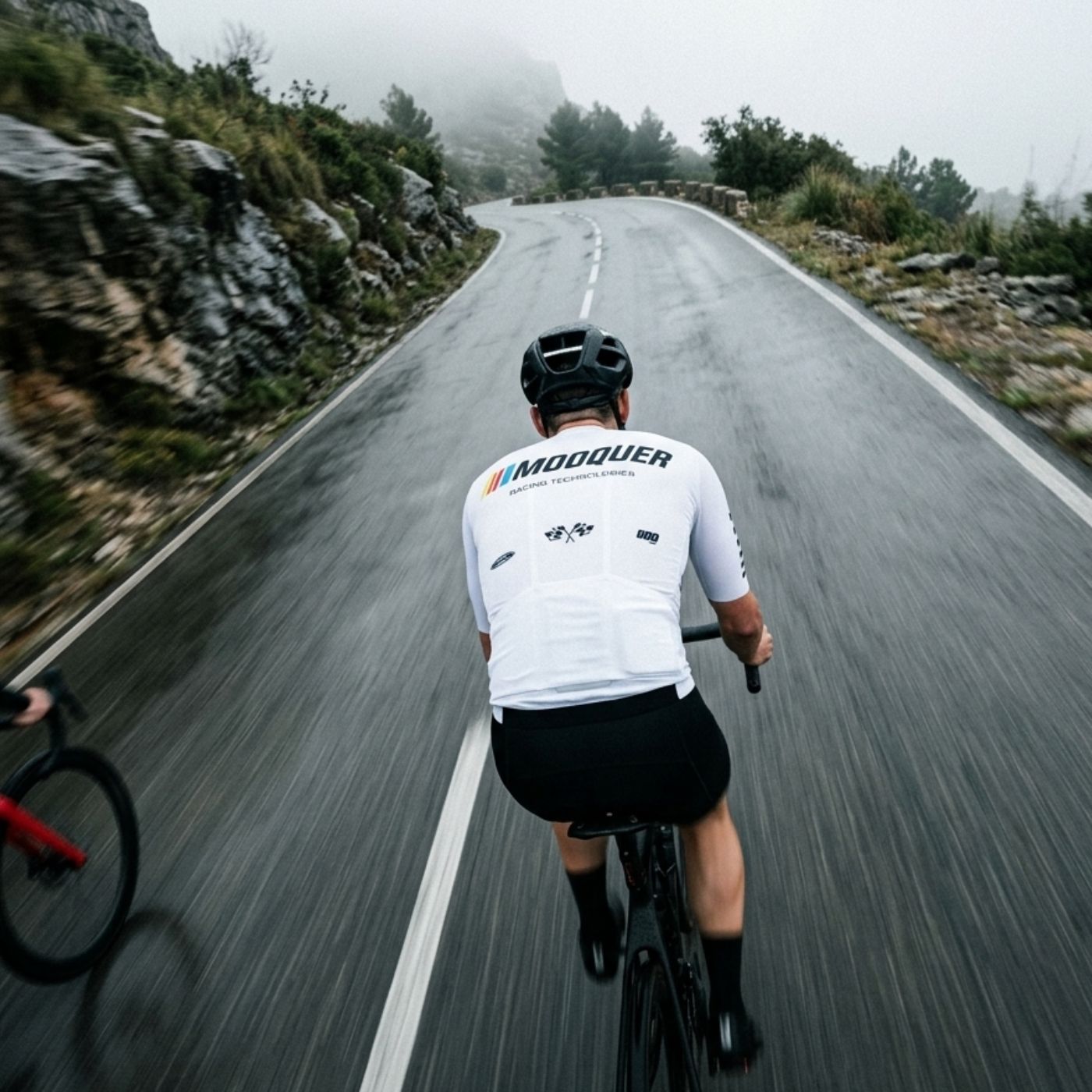
The softshell shines in a specific part of the year that no other garment solves well: winter and shoulder season days with moderate cold, constant wind and occasional rain. Mornings of two or three degrees that rise to twelve at noon, wet roads, intermittent drizzle. Too much for a windbreaker, too little for a thick thermal jacket, and a closed waterproof jacket turns you into an oven on the first climb.
It also works very well in trail and mountain running in bad weather, where you need freedom of arm movement and a garment that does not rustle or inflate in the wind.
Where it is not the best option: with hours of heavy rain, you need a real waterproof jacket or change plans; and with very intense cold and low pace, where insulation is what matters.

What to look for when choosing a softshell jacket for sports
The fabric and the membrane
Ask what fabric it is, if it has a membrane and what water column it has. A serious brand publishes it. Be wary of technical sheets that only say "waterproof and breathable" without a figure.
The cut
For cycling, fitted, with a slightly longer back, high collar and cuffs that fit under the glove. A loose mountain softshell catches the air and loses much of its appeal as soon as you go 30 km/h.
The seams
Sealed or not is a design decision, not a minor detail. Sealing them improves protection against long rain; leaving them unsealed improves the release of steam. For those who pedal or run hard in intermittent rain, the latter is usually more comfortable.
The zipper and the details
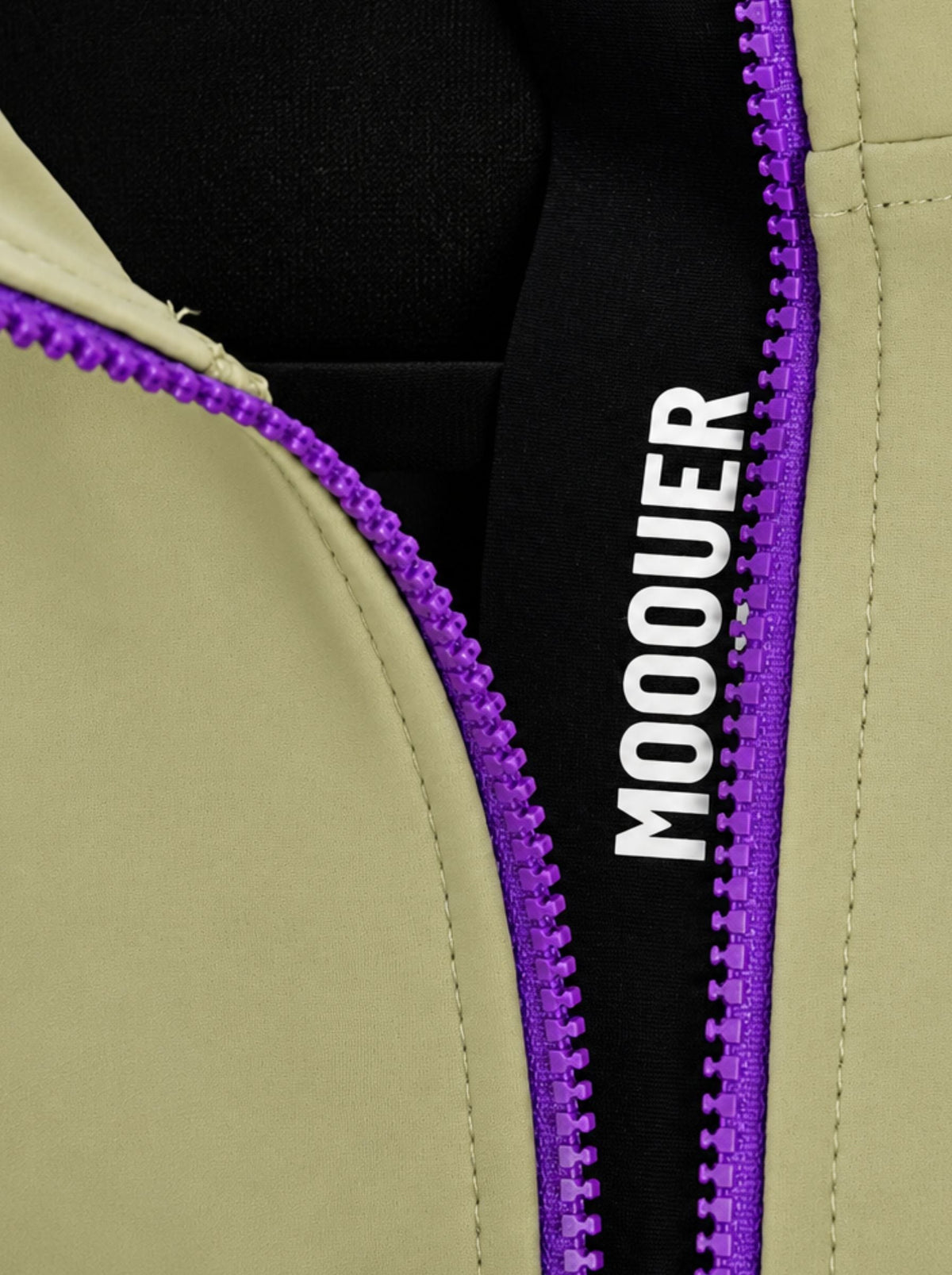
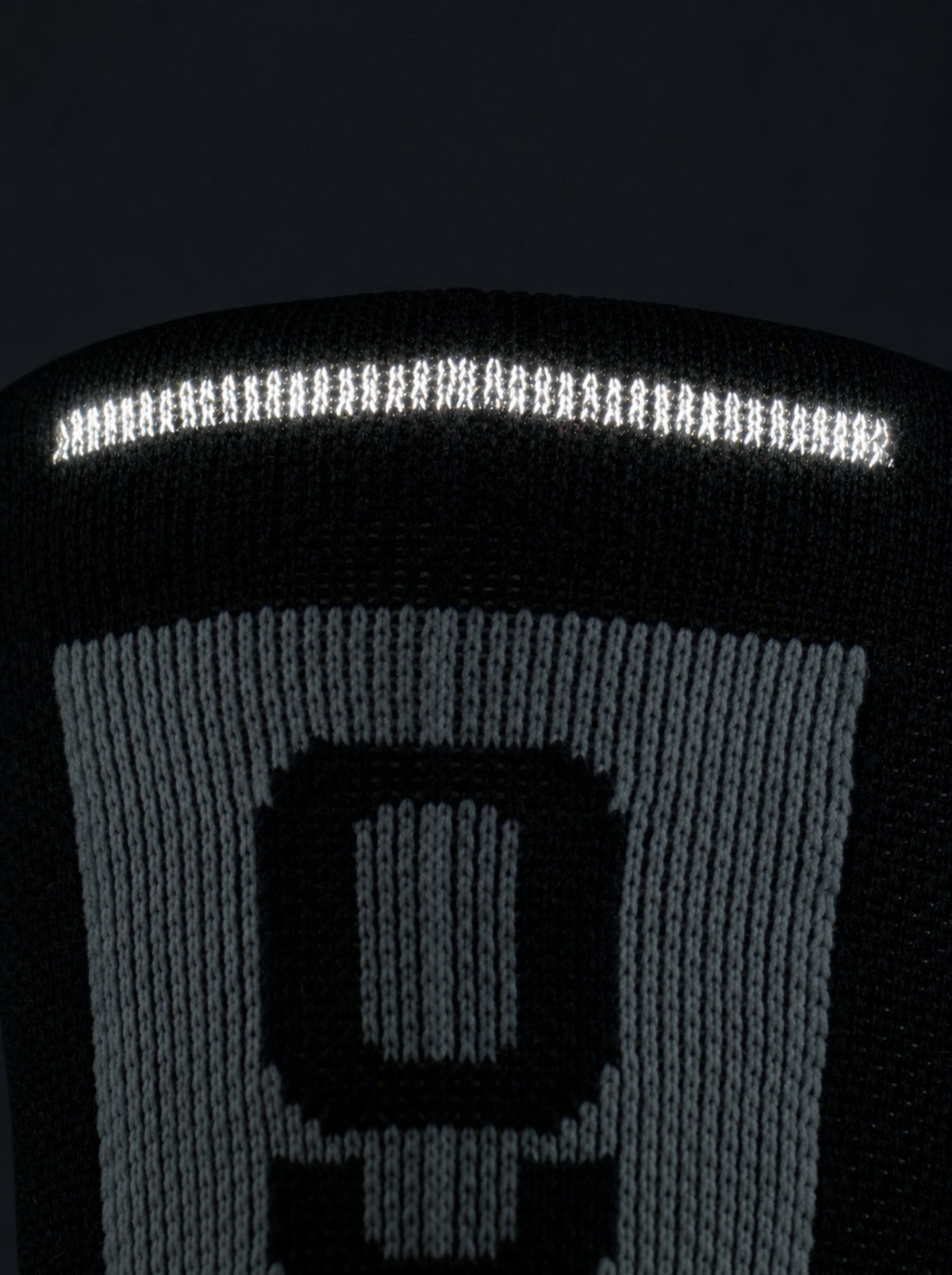
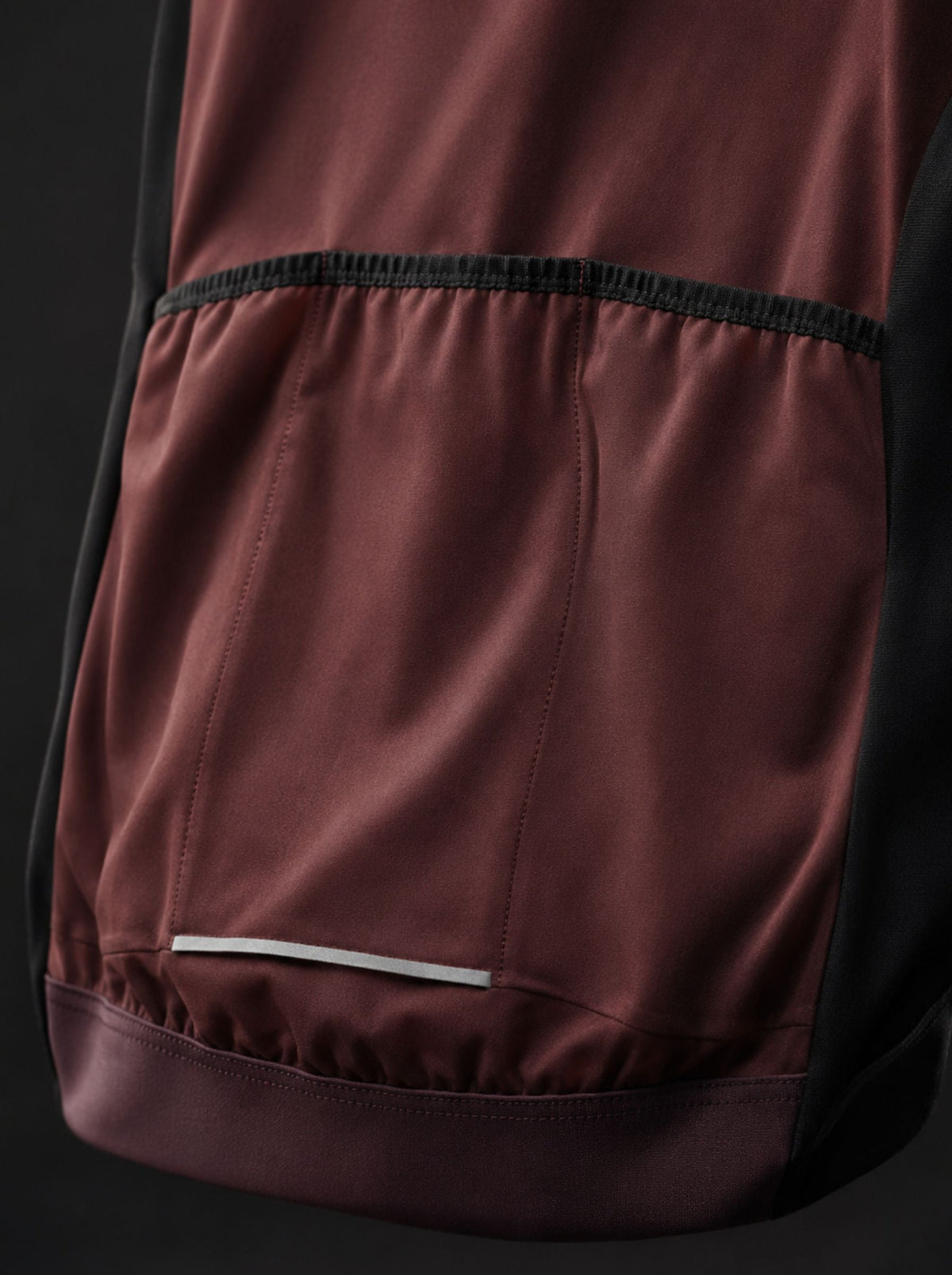
A quality zipper with locking, reflective details for short days and accessible pockets while riding. These are the things you notice every day for years.
How we solved it in the Haven
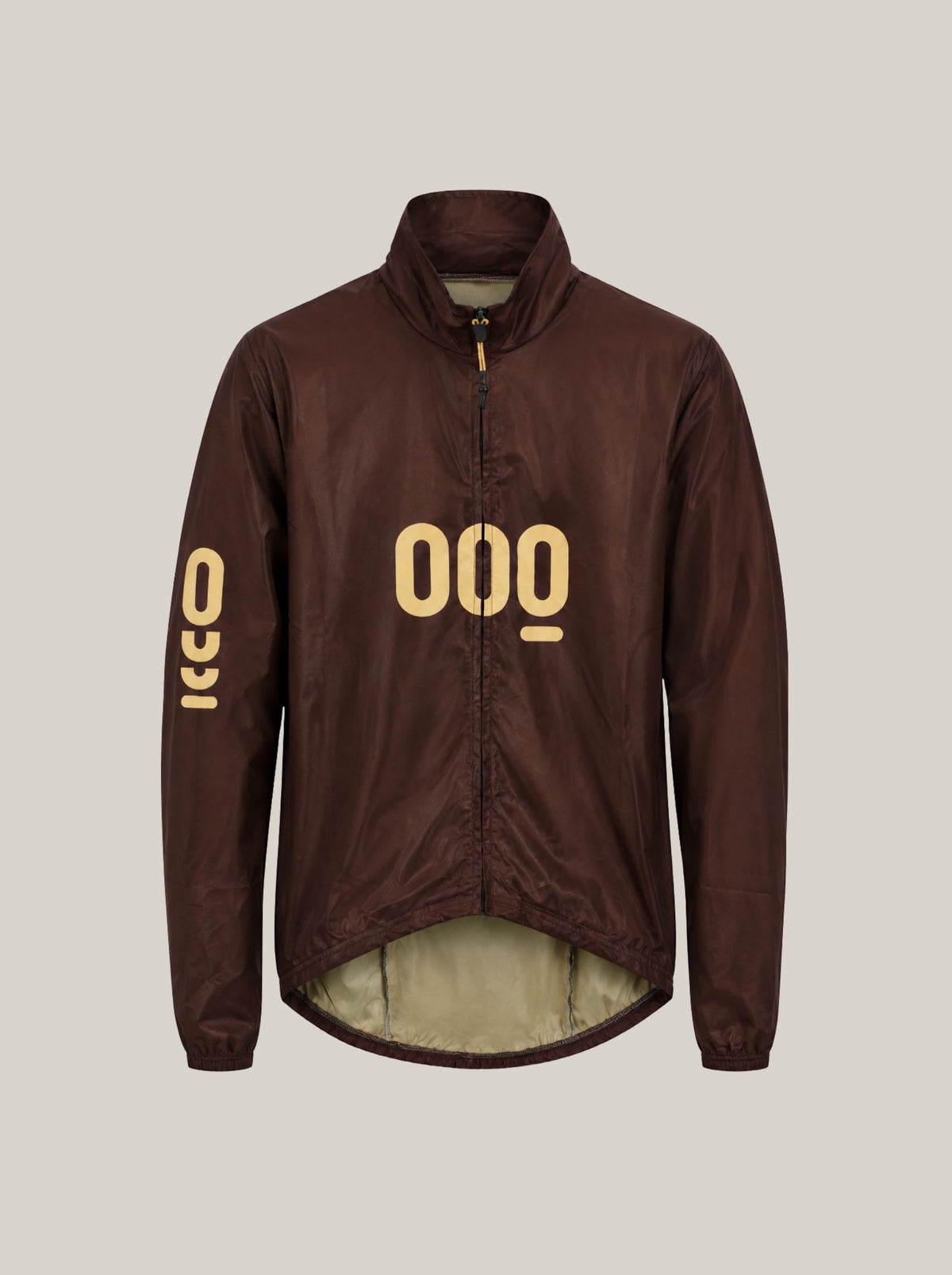
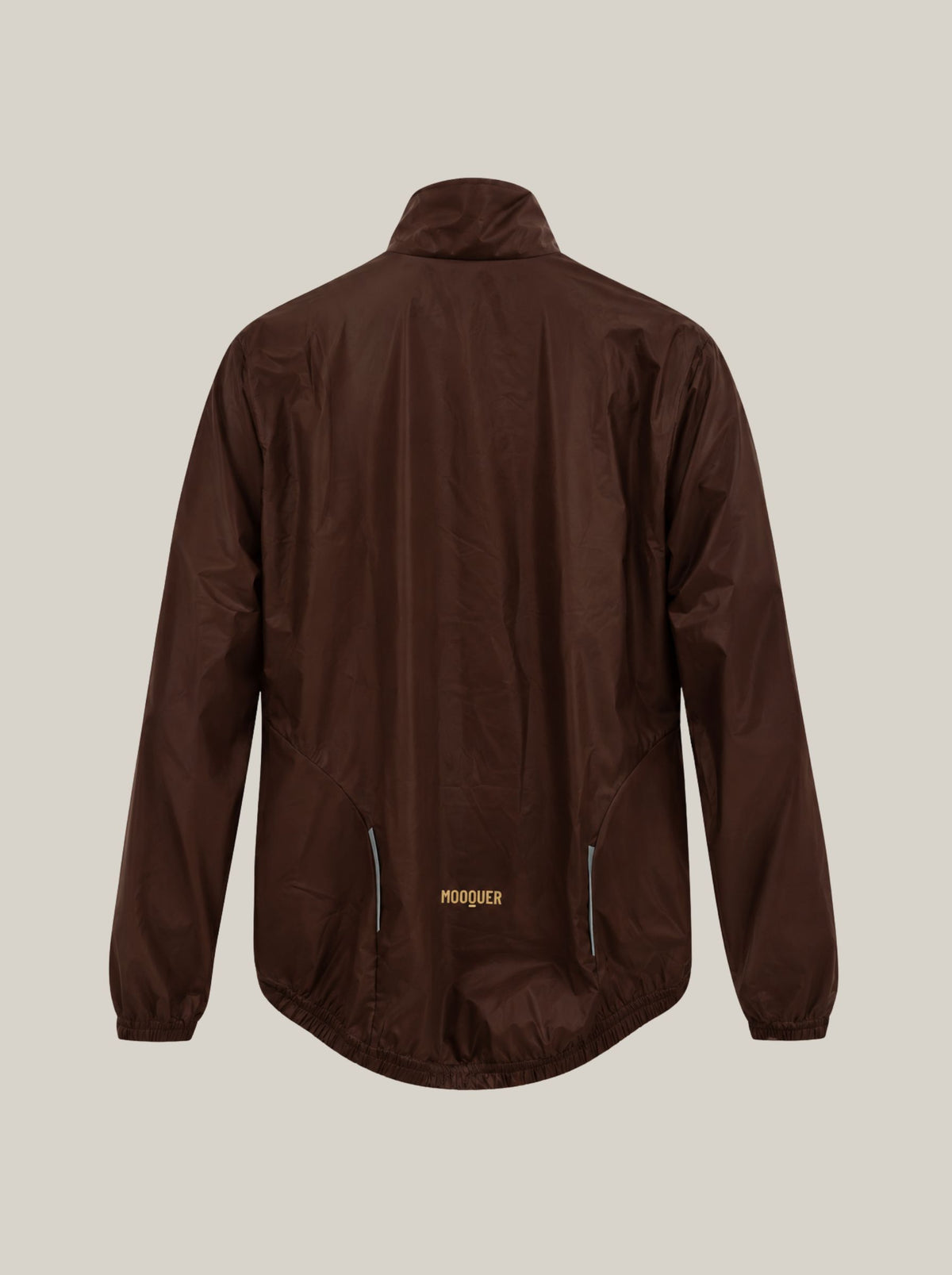
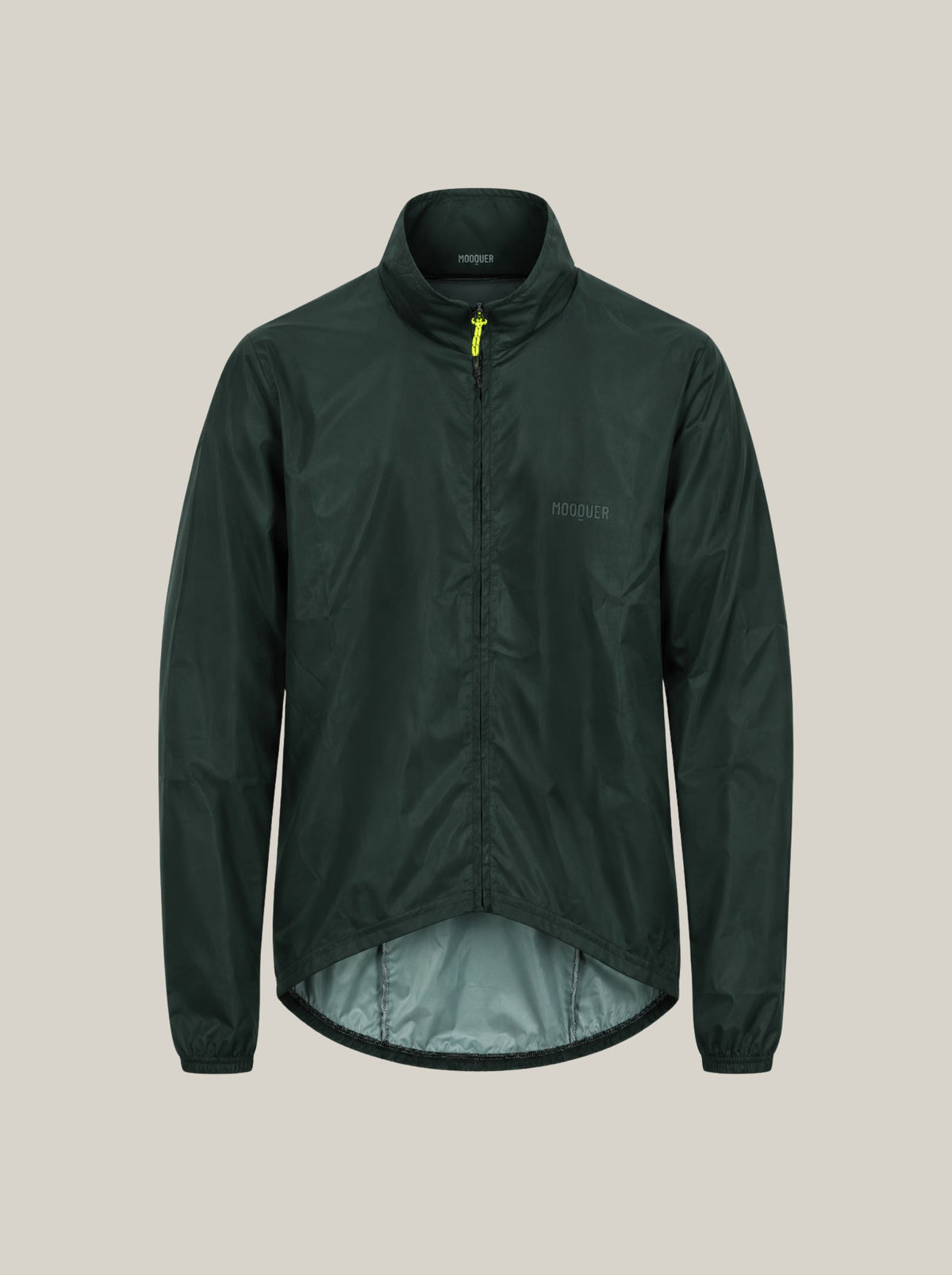
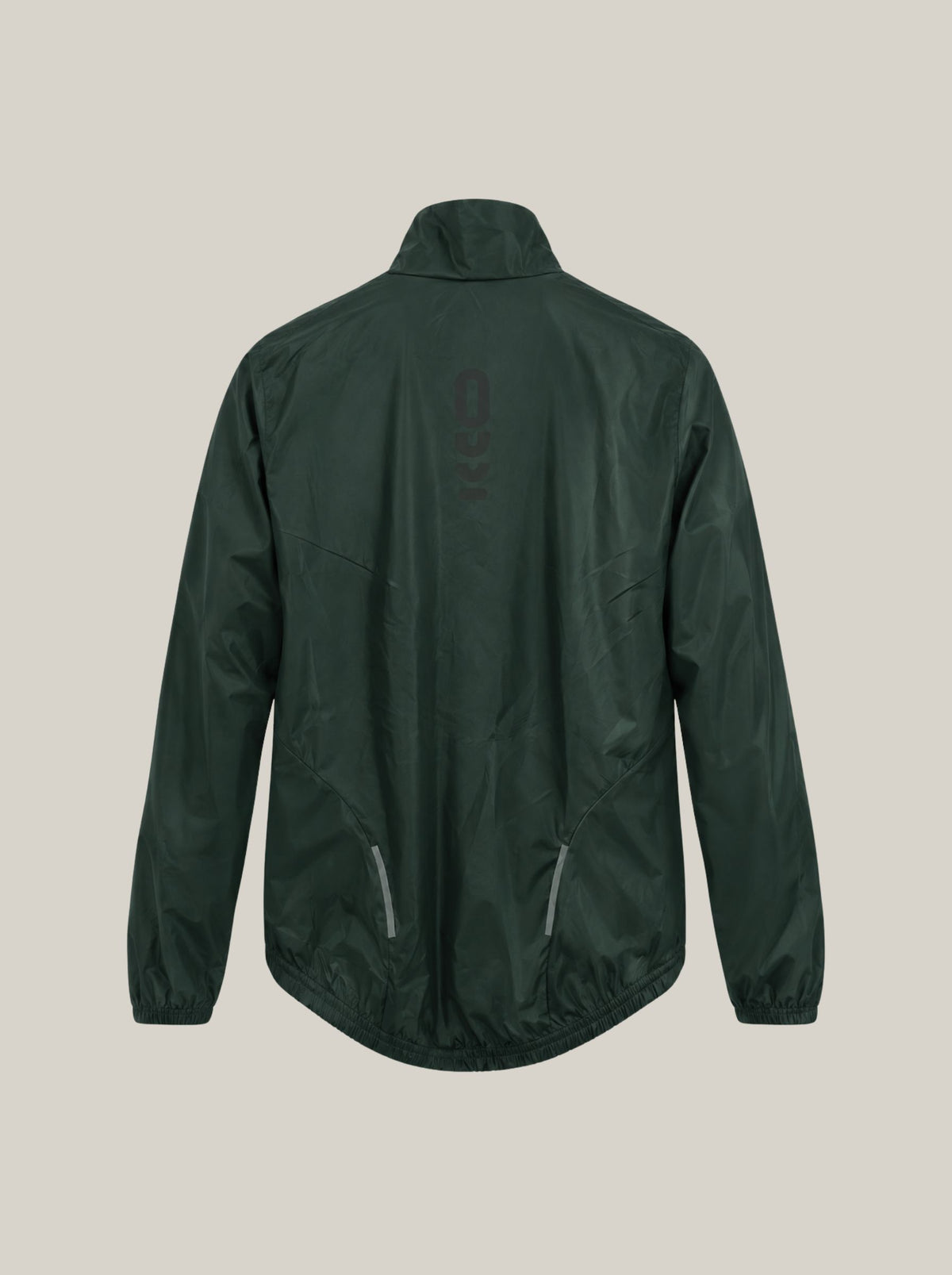
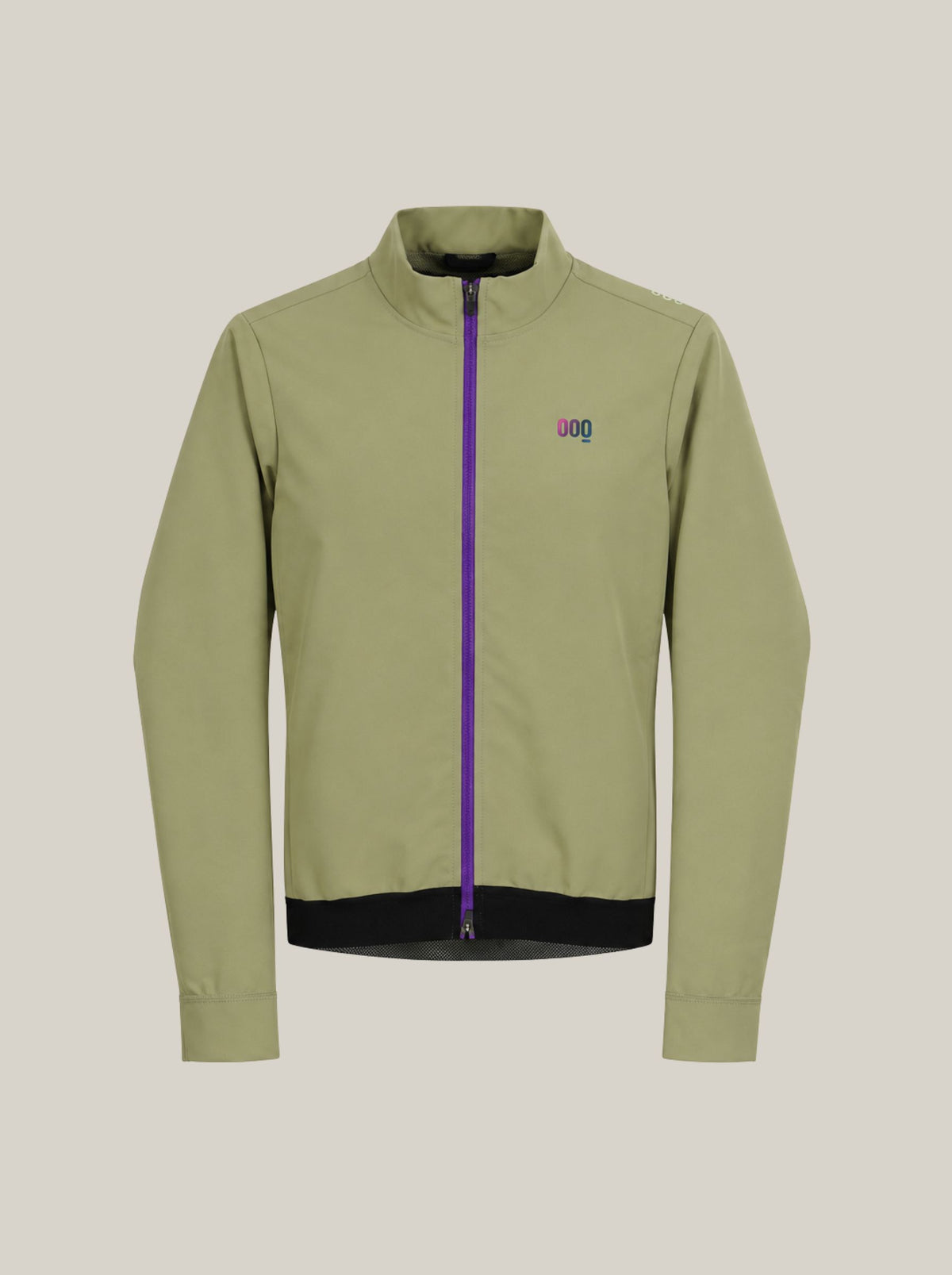
The Haven lightweight jacket, from our Signature line, is designed precisely for that range of two to fifteen degrees with wind and drizzle. It works with the logic of a softshell with a membrane: it features Tornado WR, an Italian fabric from Pidigi with a ZeroWind membrane laminated between two layers, weighing 242 g/m², with a water column of 8,000 mm and 12% elastane in the composition so it moves with you.
The seams are not taped, and it is intentional. A completely sealed garment will soak you from the inside with sweat as soon as you start climbing; this one is made for riding hard in the rain, not for waiting for it to clear up. In a long downpour, water will eventually enter through the seam. In exchange, the moisture from the inside has a way out.
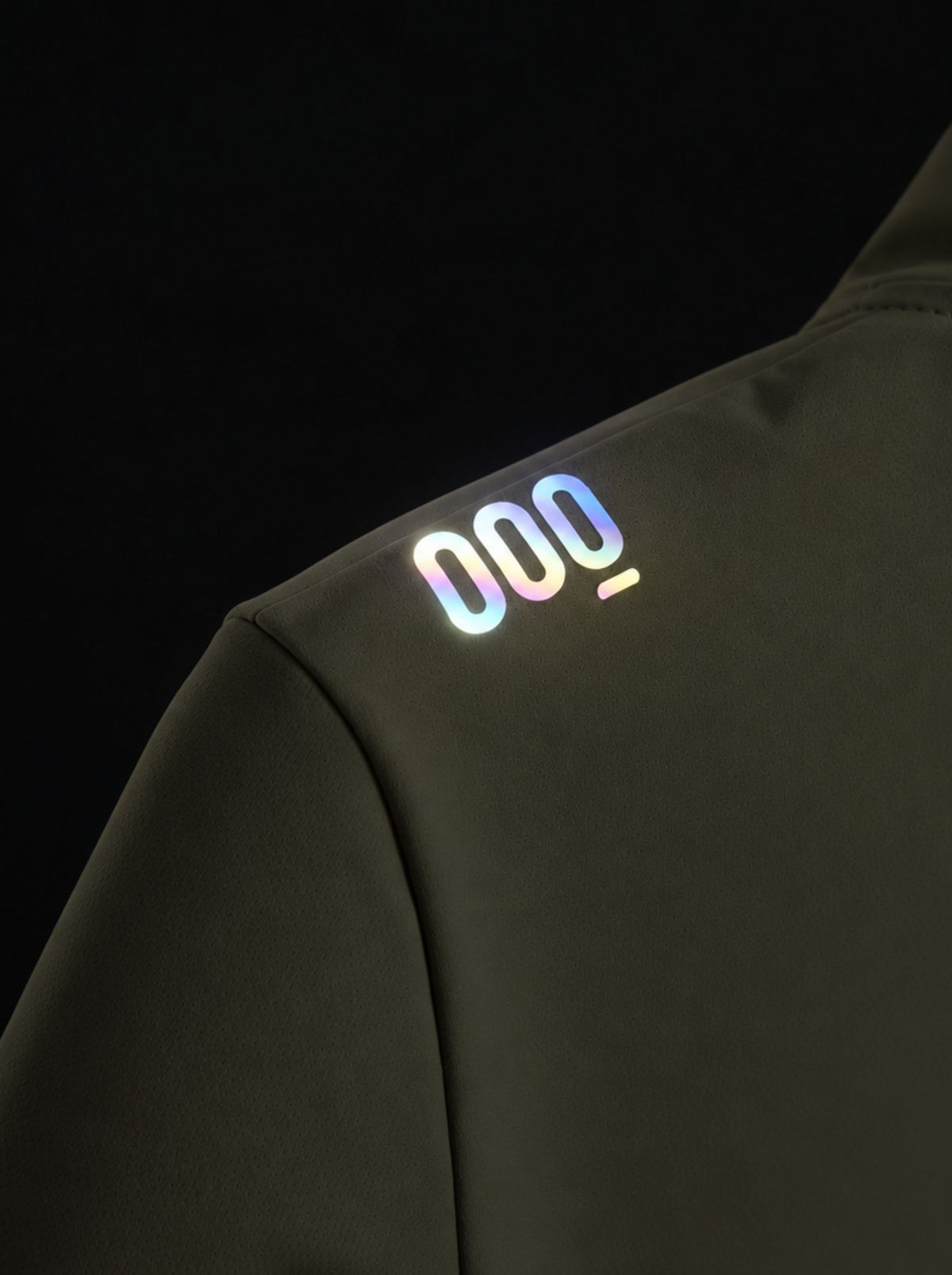
Fitted cut, high collar, cuffs that fit under the glove, YKK two-way zipper with locking in both directions and reflective logos. It is made in Italy.
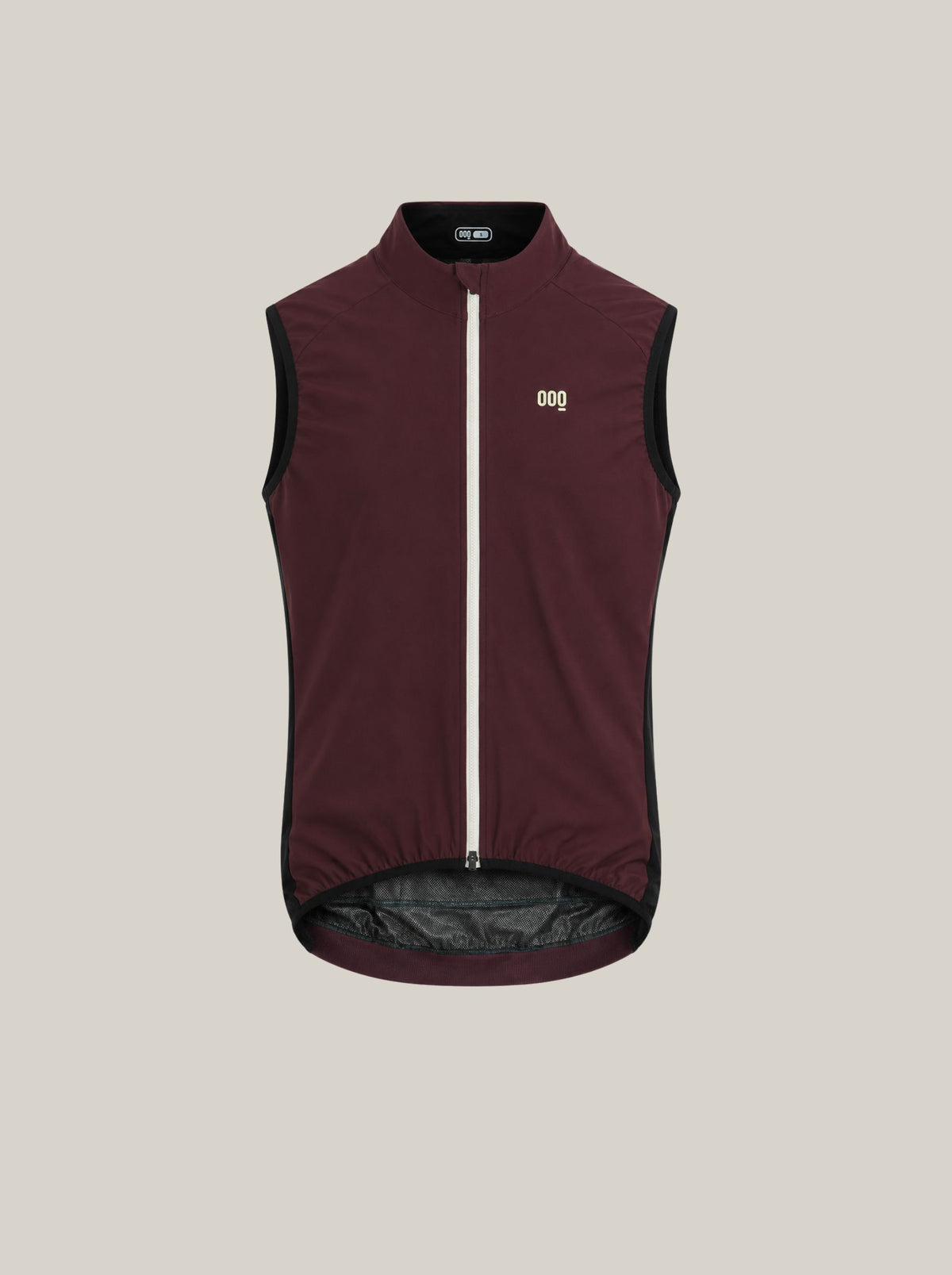
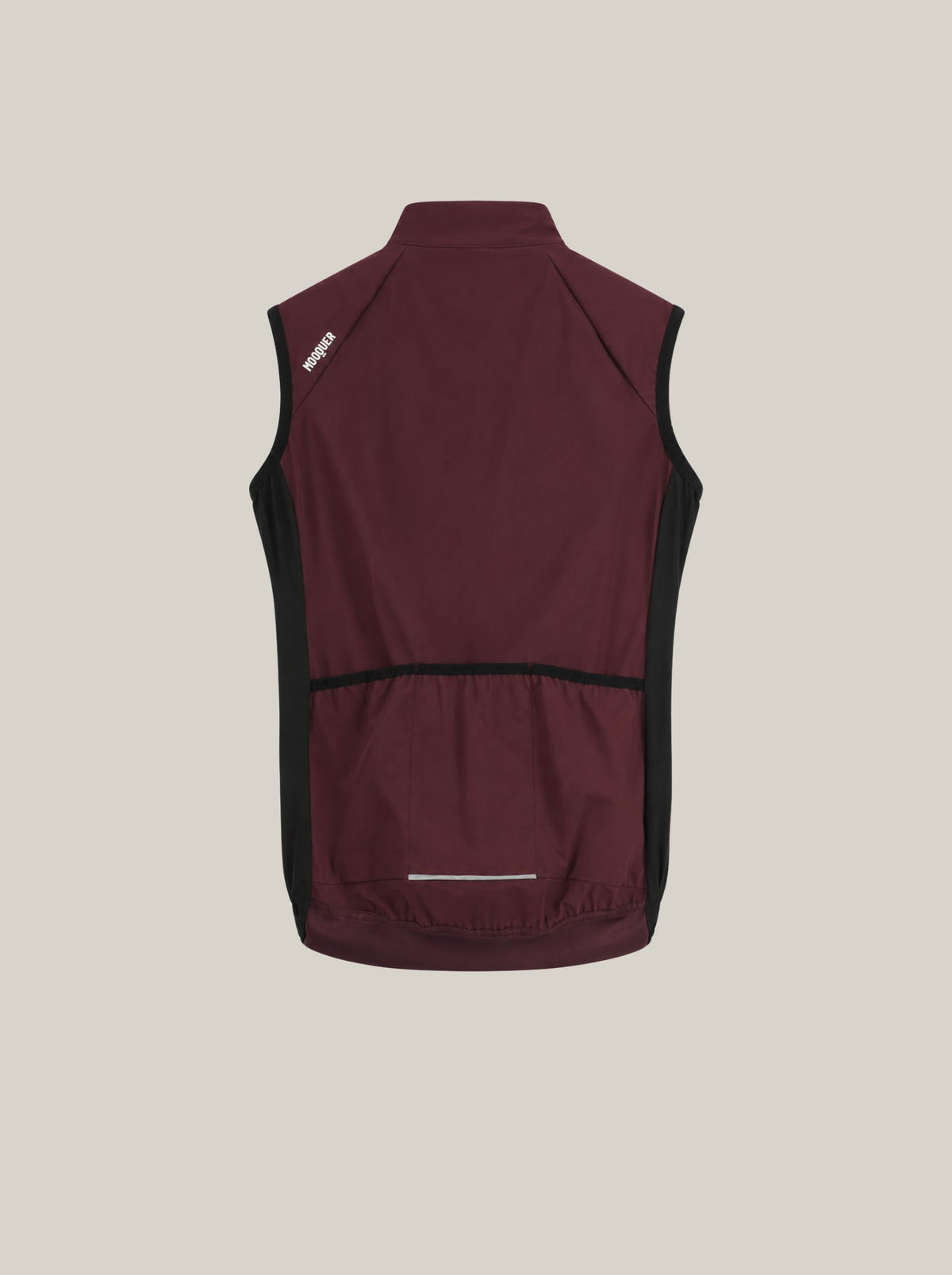
If you are looking for more warmth than protection from water, the NFT Corsa thermal jacket, with a brushed interior for riding between 0 and 10 degrees, covers the coldest part of winter. And to combine them by temperature you have the guide on how to dress for cycling according to the temperature.
Frequently asked questions
Is a softshell jacket waterproof?
Not entirely. A softshell withstands drizzle and short showers thanks to its repellent finish and, if it has one, its membrane, but with continuous rain water eventually gets in, especially through the seams. For hours of rain, you need a waterproof jacket with taped seams.
What is the difference between softshell and hardshell?
Softshell is stretchy, breathable and prioritizes freedom of movement; hardshell is rigid, waterproof and prioritizes protection from the rain. The first is for moving around in bad weather; the second, for resisting the elements.
Does a softshell jacket keep you warm?
It provides some warmth, especially because it cuts the wind, which is what cools you down most. But it is not a thermal garment: in intense cold you need a good base layer underneath or a jacket with insulation.
Is a softshell suitable for cycling?
Yes, as long as it has a fitted cycling cut. It is one of the best options for cold days with moderate cold, wind and intermittent rain. A loose mountain softshell catches the air and is annoying at speed.
What does 8,000 mm of water column mean?
That the fabric withstands the pressure of an eight-meter-high column of water before letting it through. It measures the fabric, not the garment: if the seams are not sealed, water can enter through them.
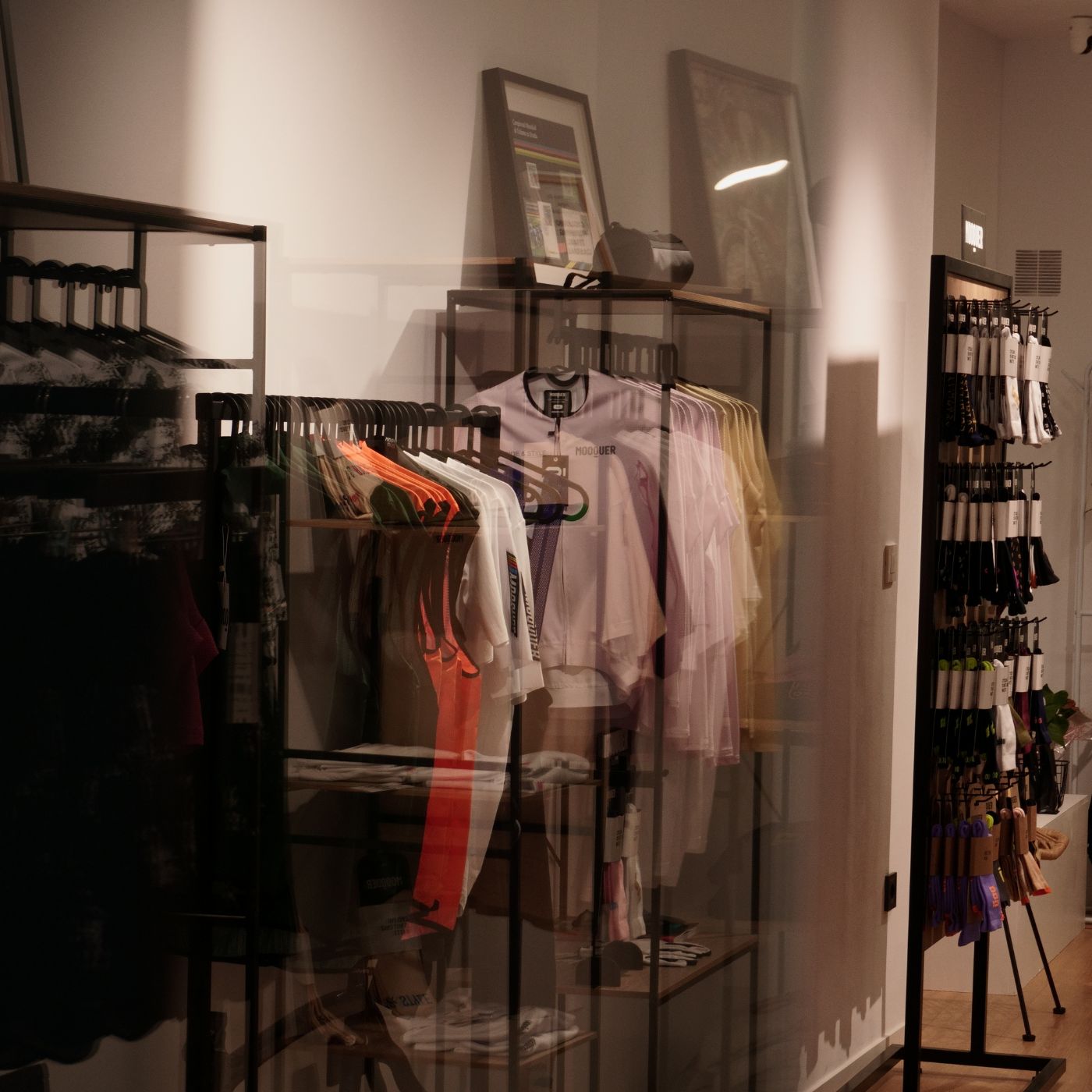
If you want to feel the difference between layers in your hand, in our Oviedo store we have the Haven, the NFT Corsa and the vests to compare.






Leave a comment
This site is protected by hCaptcha and the hCaptcha Privacy Policy and Terms of Service apply.