








What Is an Aero Sock and What Can You Expect From It
There is a photo that circulates every July: a World Tour rider with their socks pulled up exactly to the limit allowed by the regulations, the cuff featuring a strange texture unlike anything you have ever seen in a store. And underneath, invariably, the same discussion about whether it actually does something or is just posturing.
The short answer is that yes, it does something. The long answer, which is the one that matters, is that it does quite a bit less than you will be told, and that almost nobody will show you where their numbers come from.
Let’s take it one step at a time.

The leg is a cylinder, and cylinders perform poorly in the air
When you are riding at 40 kilometers per hour, what slows you down the most isn't you pushing air forward. It’s the vacuum you leave behind.
A rounded, smooth body moving through the air creates a specific problem: the flow separates from the surface before reaching the other side, and a low-pressure zone forms at the rear that pulls you backward. The sooner the air separates, the larger that zone is and the more it slows you down. This is called pressure drag, and on a bicycle at group ride speeds, it accounts for most of what you have to overcome.
The calf is exactly that: a smooth, rounded cylinder, and with an added peculiarity that makes it worse. It moves. It goes up and down eighty or ninety times per minute, so the actual speed of the air over that surface is constantly changing. It is not a static piece you can optimize just once.

What the fabric does: dirtying the air on purpose
Here is the counterintuitive part. For the air to separate later, you don't want a smoother surface. You want it dirtier.
It is the same principle as the dimples on a golf ball. A smooth ball flies worse than one with dimples, and this has been proven since the late 19th century. The dimples force the layer of air stuck to the surface to become turbulent ahead of time. That turbulent layer has more energy, clings better to the curve, and stays attached beyond the point where it would have otherwise separated. The result is a narrower wake behind the ball. And less drag.
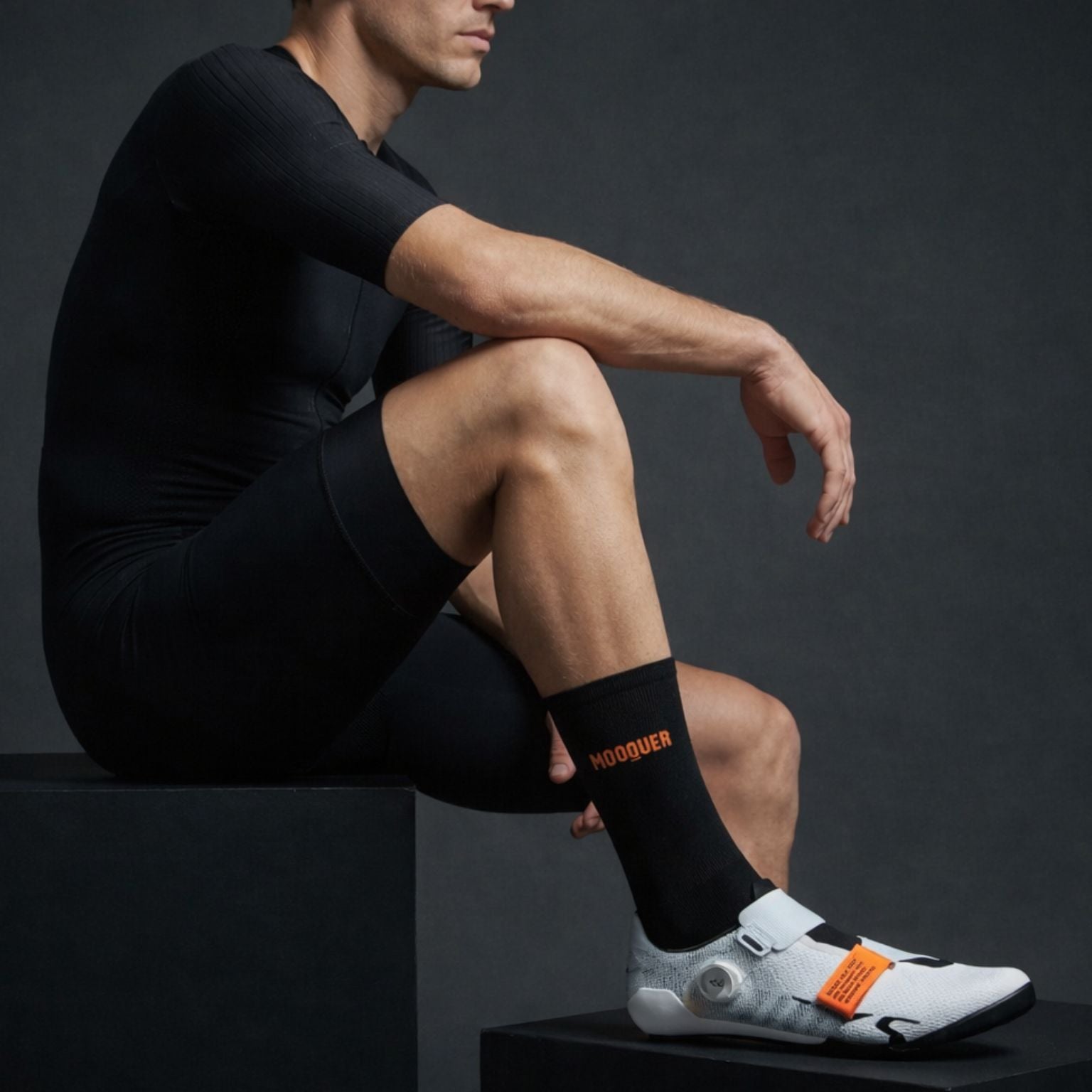
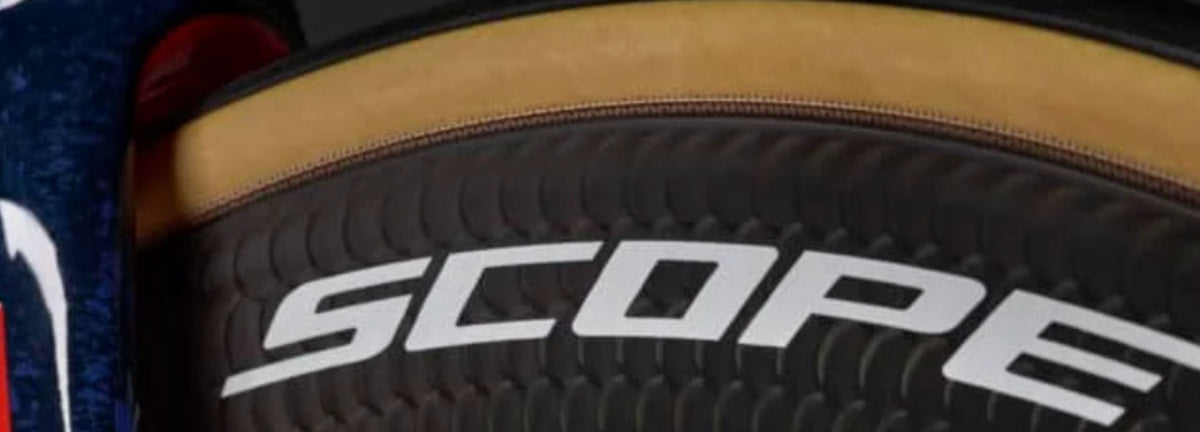
An aero fabric does the same thing with your calf. The channels, grooves, or raised patterns on the cuff are not there by design. They are there to trigger that transition ahead of time, delay separation, and narrow the wake your leg leaves behind.
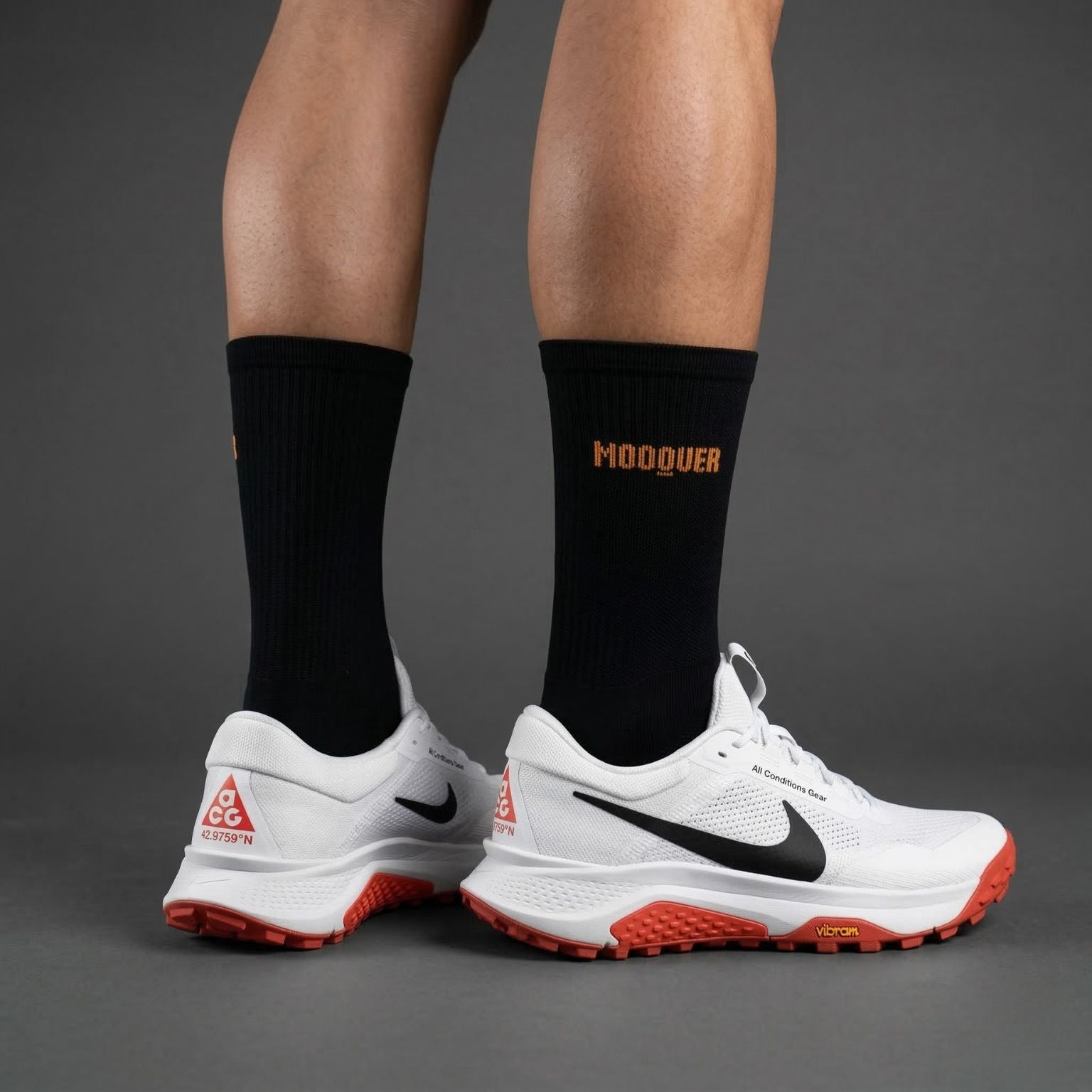
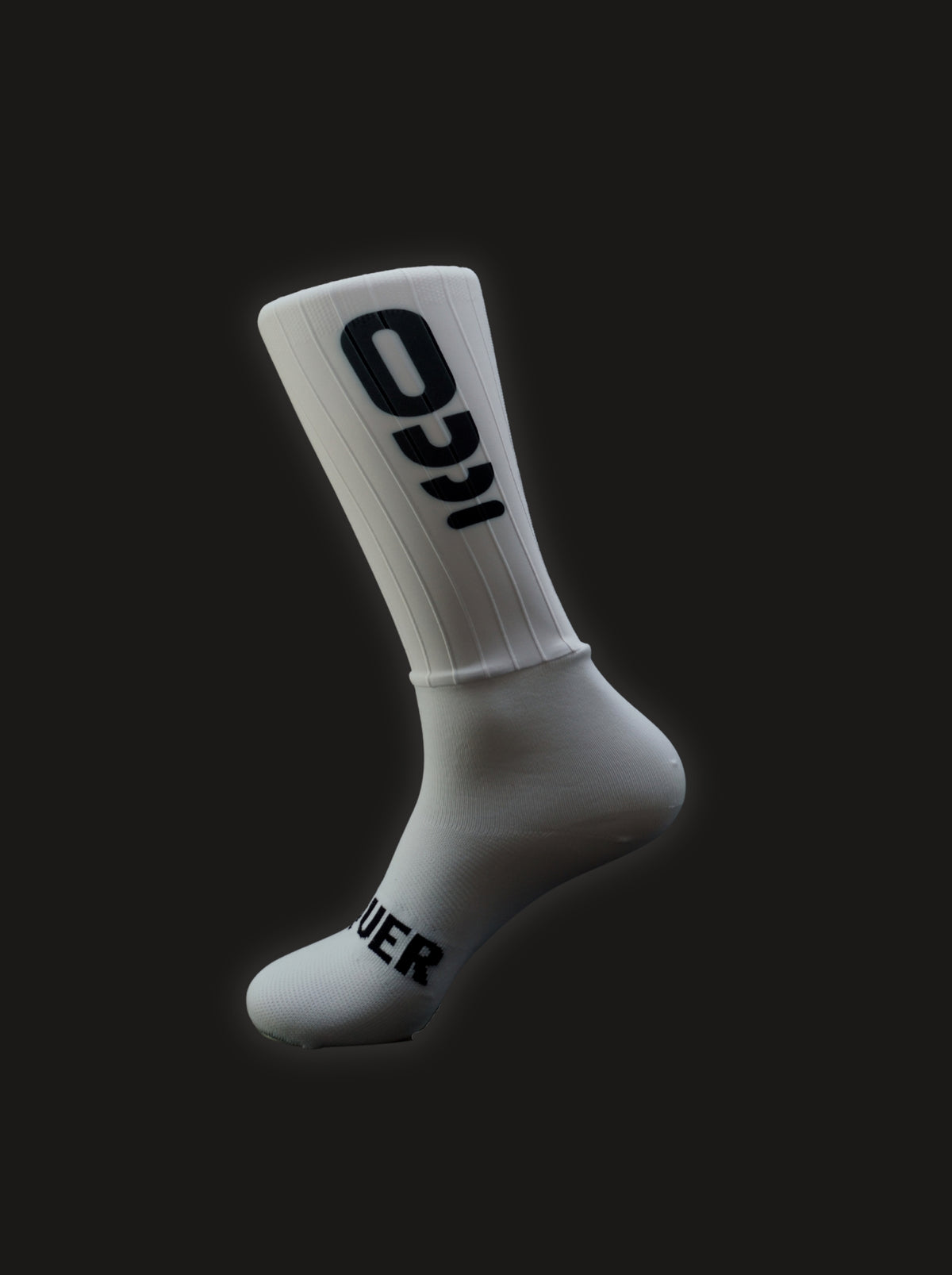
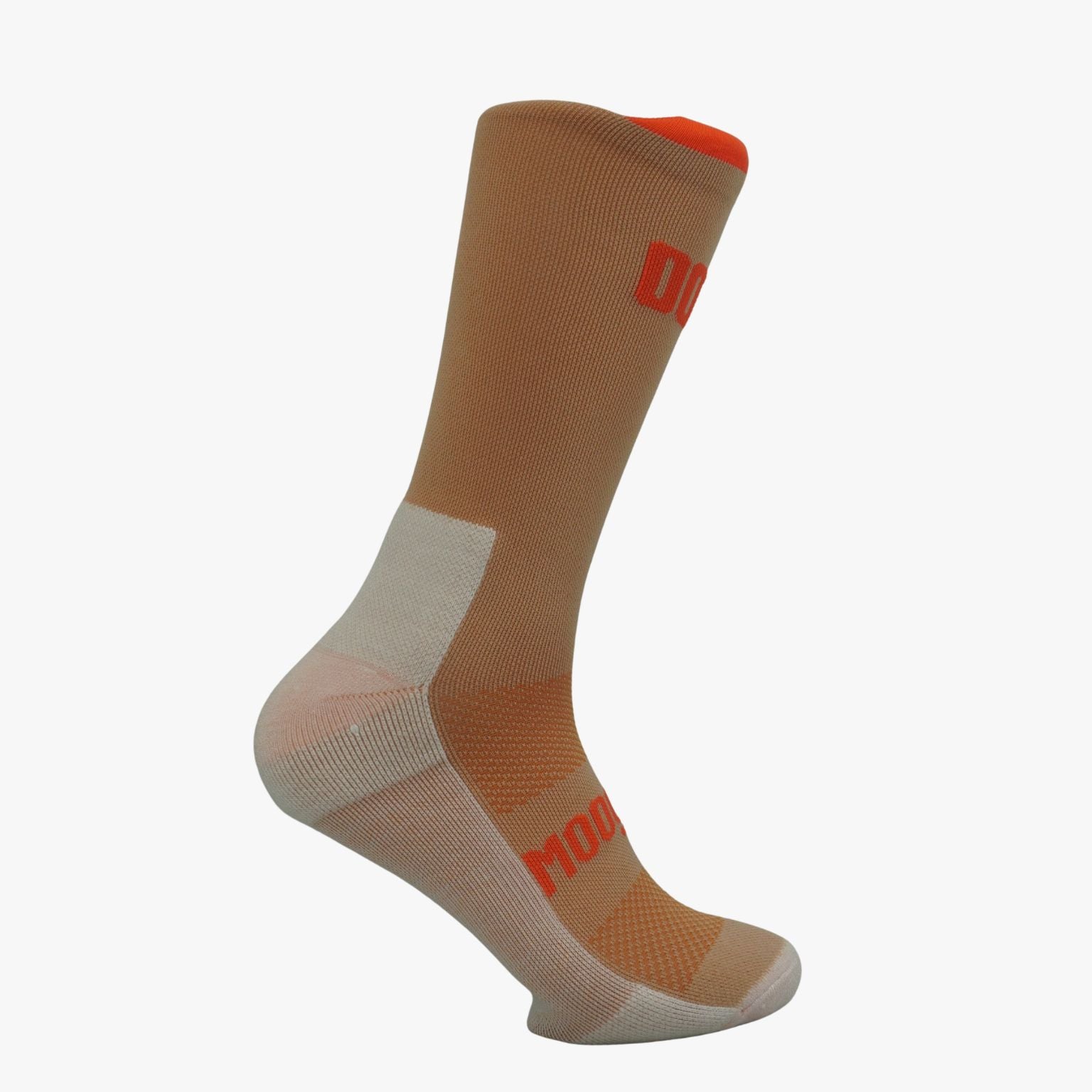
That is why the cuff of an aero sock has that recognizable ribbed look, and why the rest of the sock—the part inside the shoe—does not: there is no air to manage there.
Where the theory stops working
All of the above is established physics that no one disputes. What is disputed, and heavily, is by how much.
The effect depends on what speed you are going, because the flow transition does not happen the same way at 30 as it does at 45. It depends on the diameter of your calf, because the number that governs all of this includes the size of the body. It depends on whether you have shaved legs or not, because body hair does its own work in disrupting the flow. And it depends on your position: sitting and rolling is not the same as being in the drops of the handlebars.

The brands that publish figures usually measure them in a wind tunnel, at high and sustained speeds, with a specific leg. Those are real data points under those conditions. The problem is that those conditions are almost never yours.
We do not have that data. We have not put the Aero Supercorsa in a wind tunnel and we are not going to publish watt savings that we haven't measured. We know what fabric it is made of, we know why it is constructed this way, and we know which principle it exploits. When we have a number we can defend, we will publish it along with the methodology. Not before.
If this seems uncommercial to you, it means you have grasped the idea.
The regulations, which are the reason why everyone measures the same
There is a reason why the socks in the peloton are all practically the same height, and it isn't fashion.
The UCI limits how high a sock can go in competition: it cannot exceed the midpoint between the ankle and the knee. The rule was introduced precisely because teams began using longer and longer cuffs, seeking to cover more leg with treated fabric, and that was leading to a disguised technical compression stocking.
So today everyone competes at the same limit, and the difference is no longer in how much you cover, but in what you cover it with. Which is exactly where we are.
If you are interested in height for comfort or aesthetics rather than regulations, we wrote an entire article about which cuff to choose, and the complete criteria are there.
An aero sock has to do the boring stuff well
This is where most of them fail.
A sock that manages airflow brilliantly but crushes your instep after seventy kilometers is a bad sock. The garment has two completely different jobs and you have to solve both.
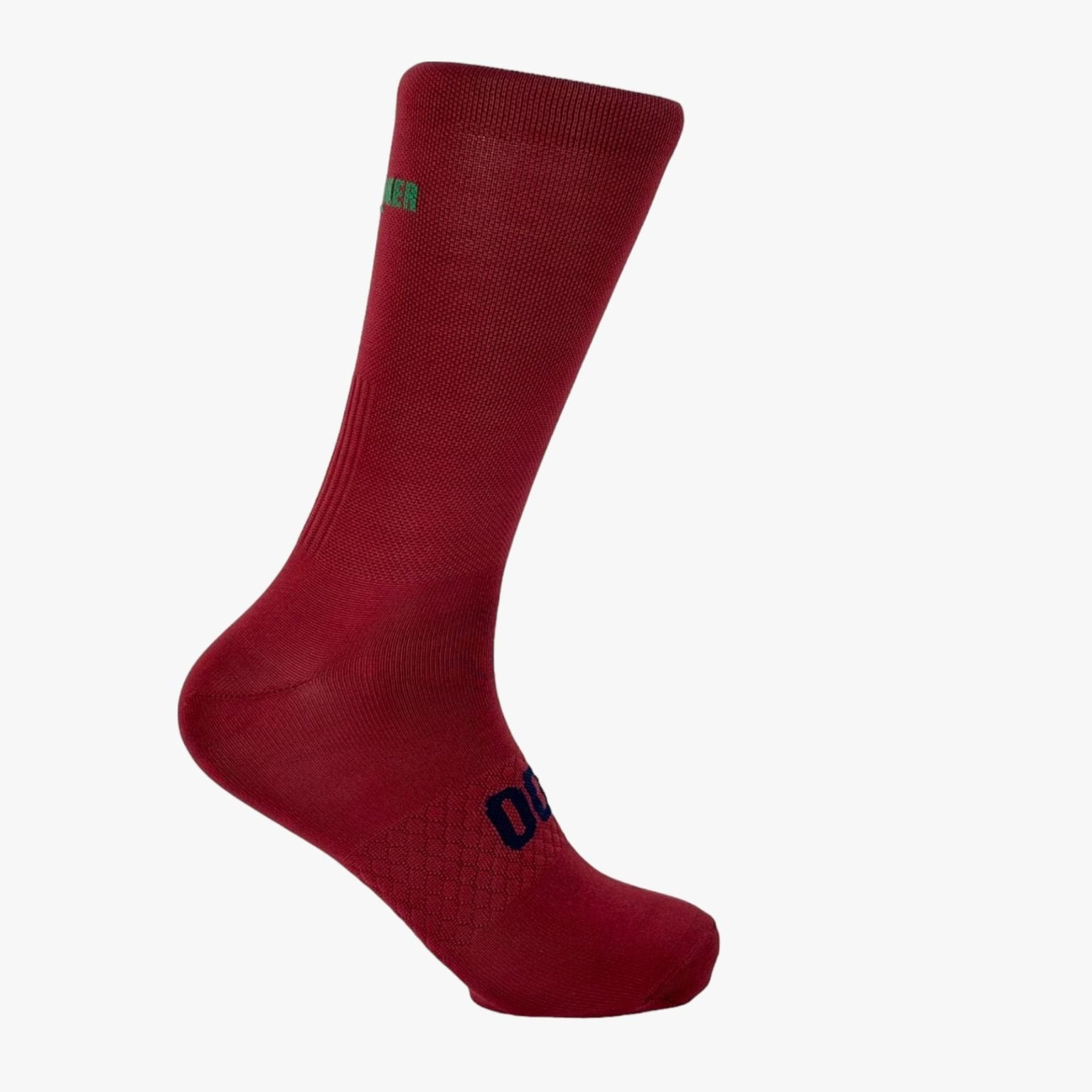
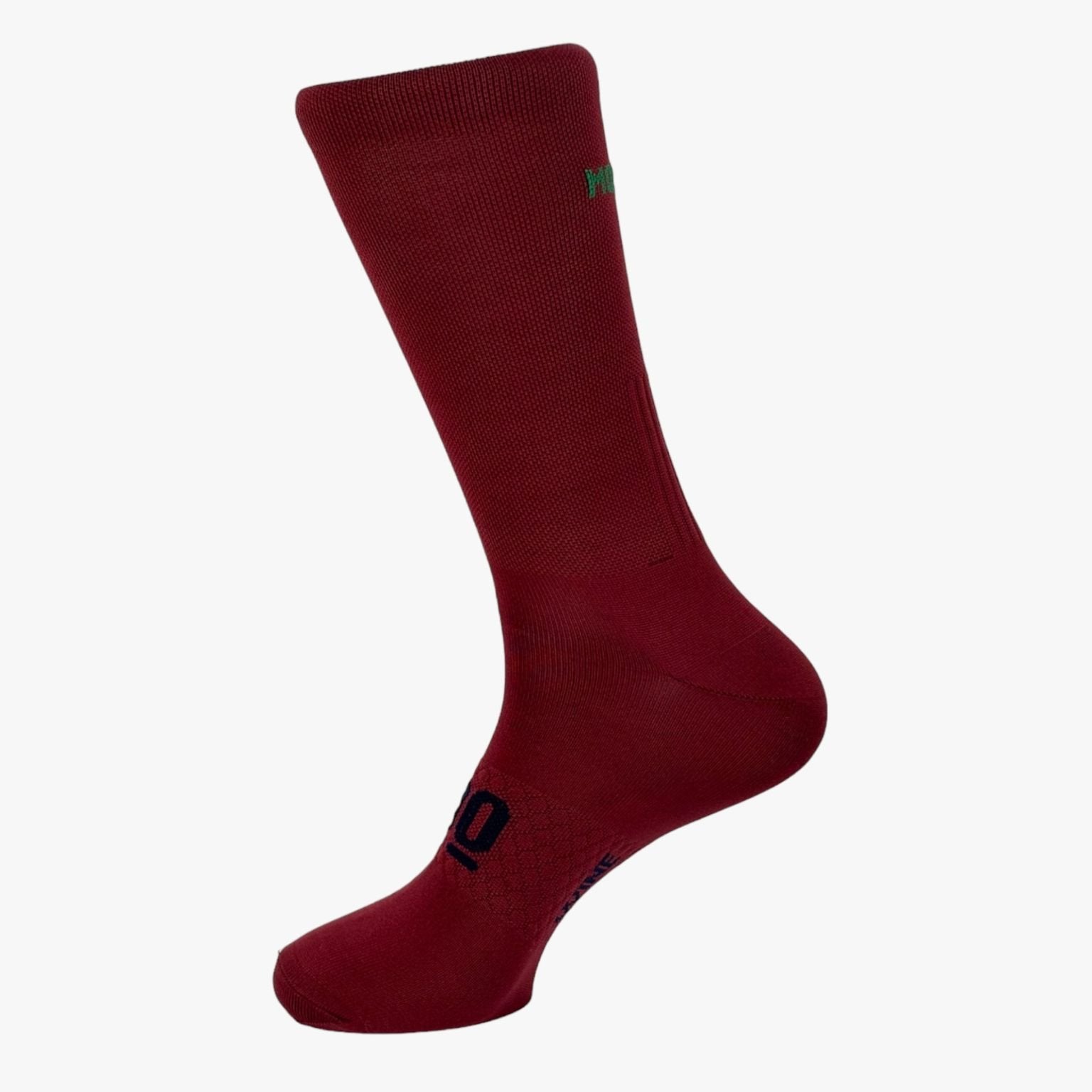
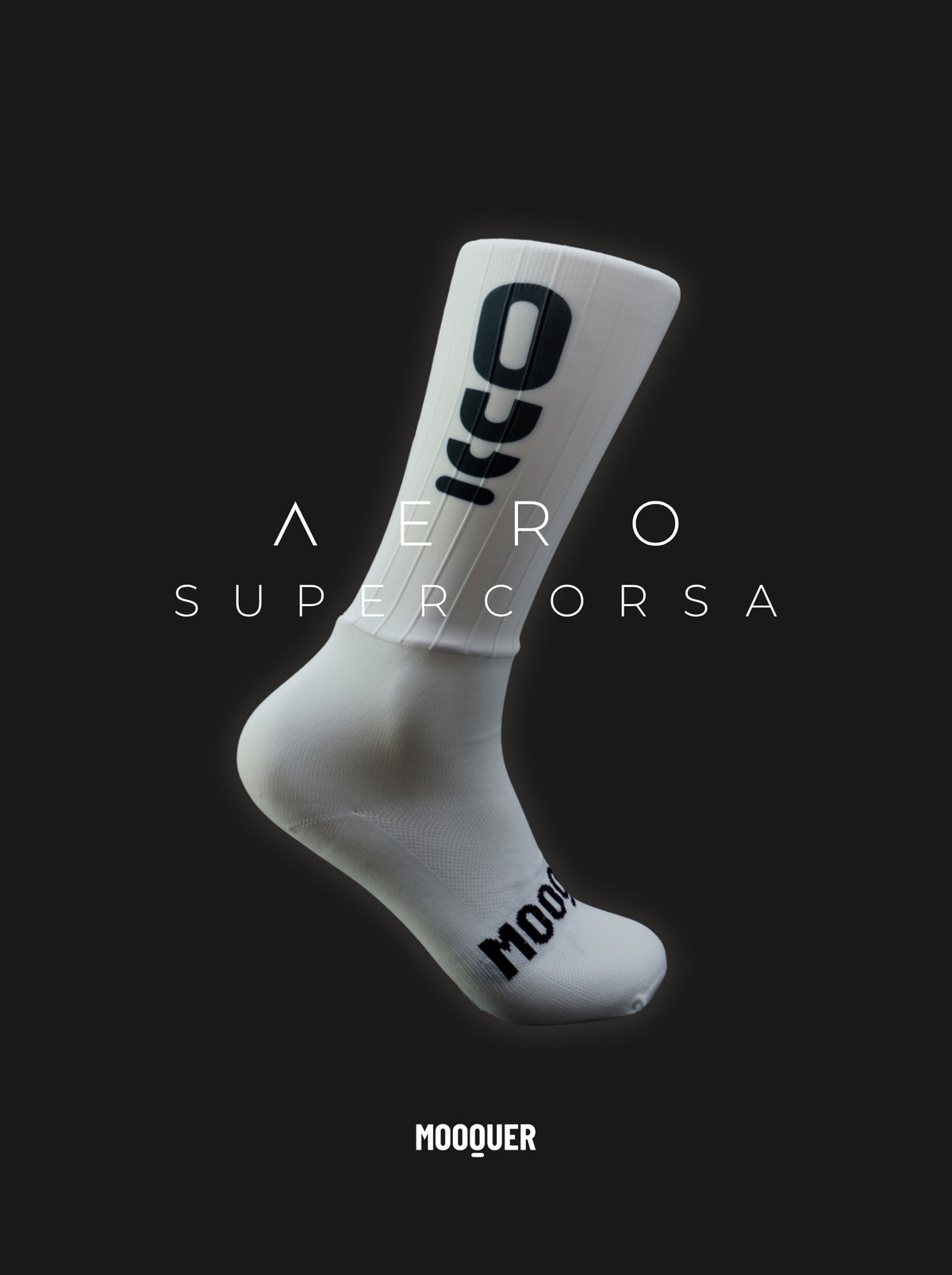
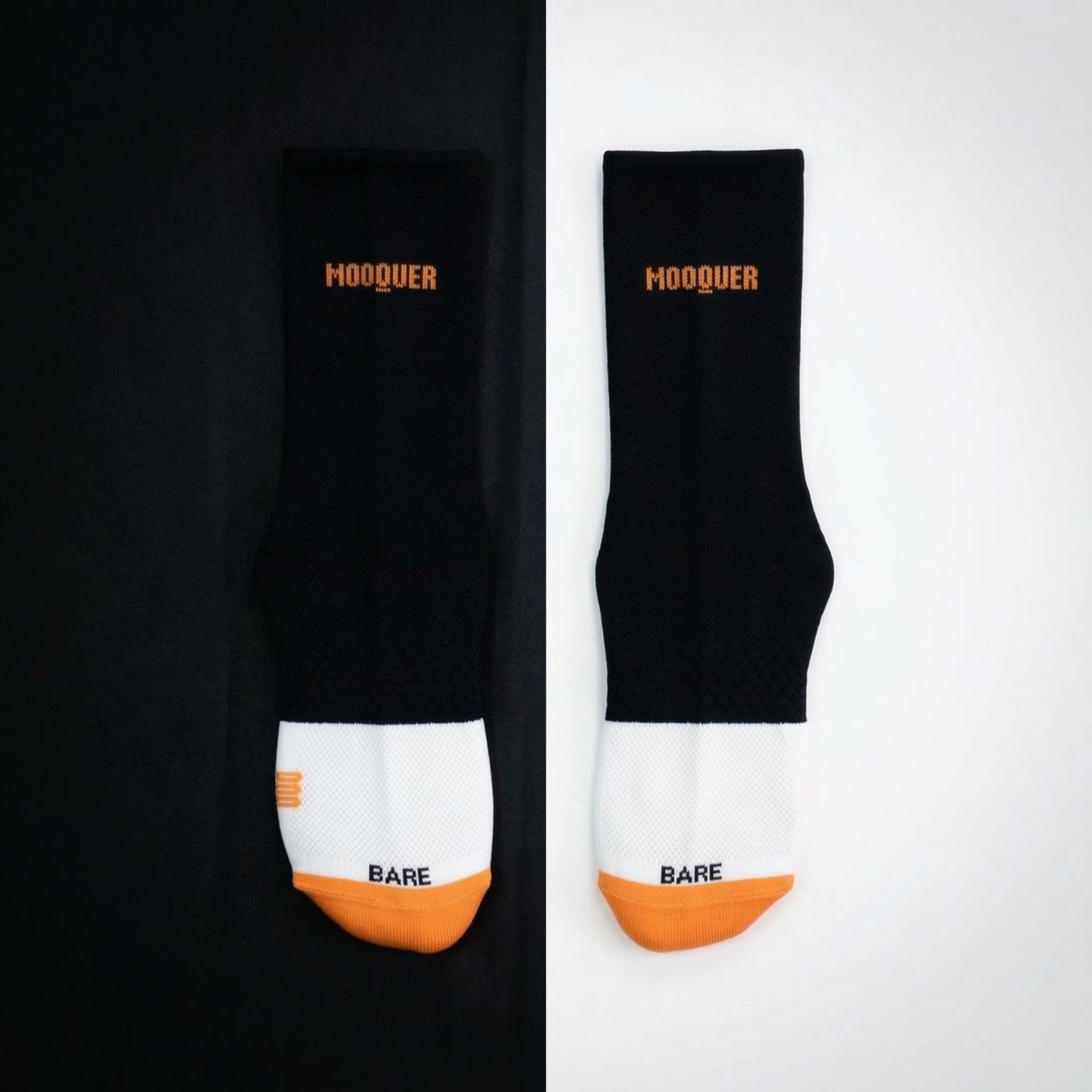
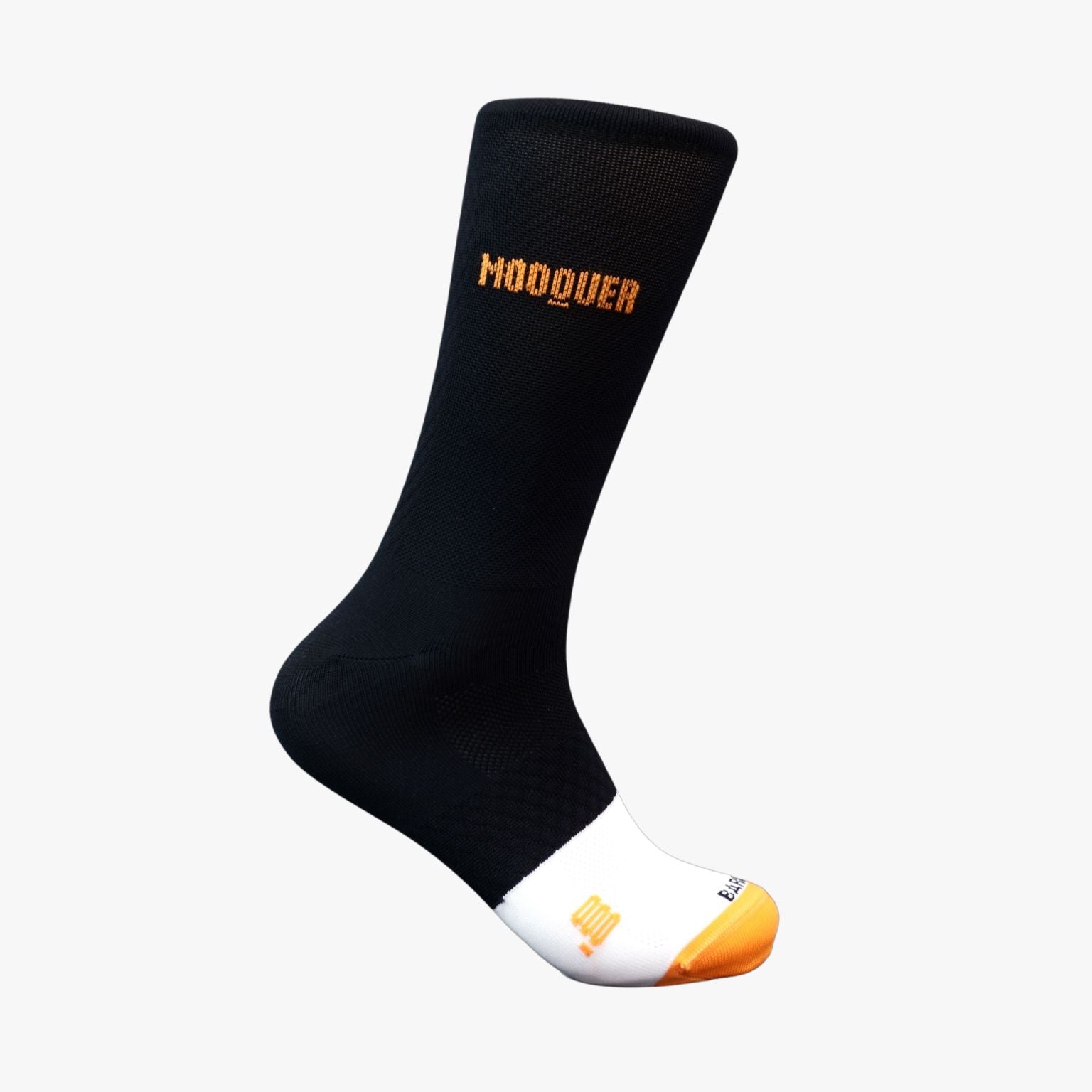
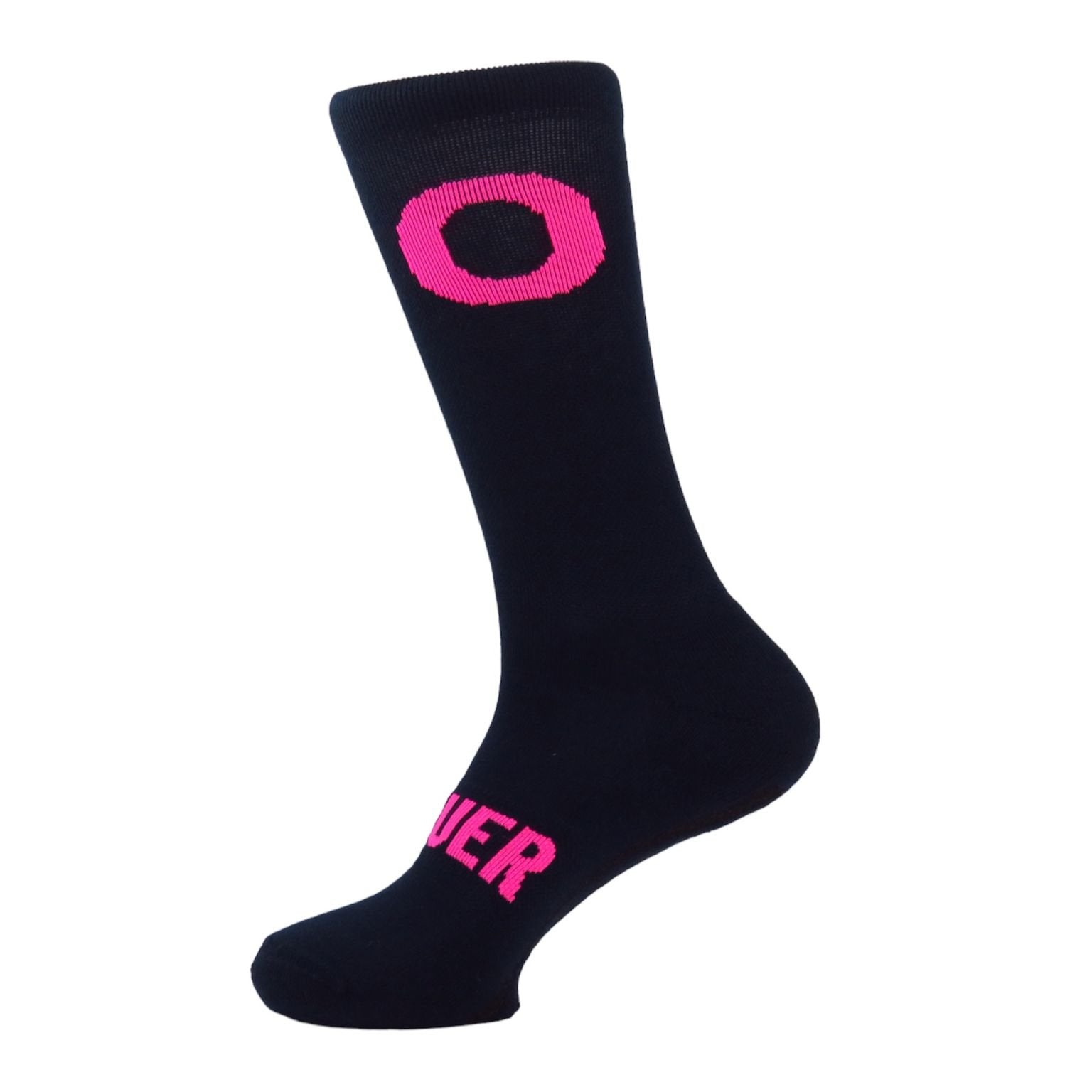
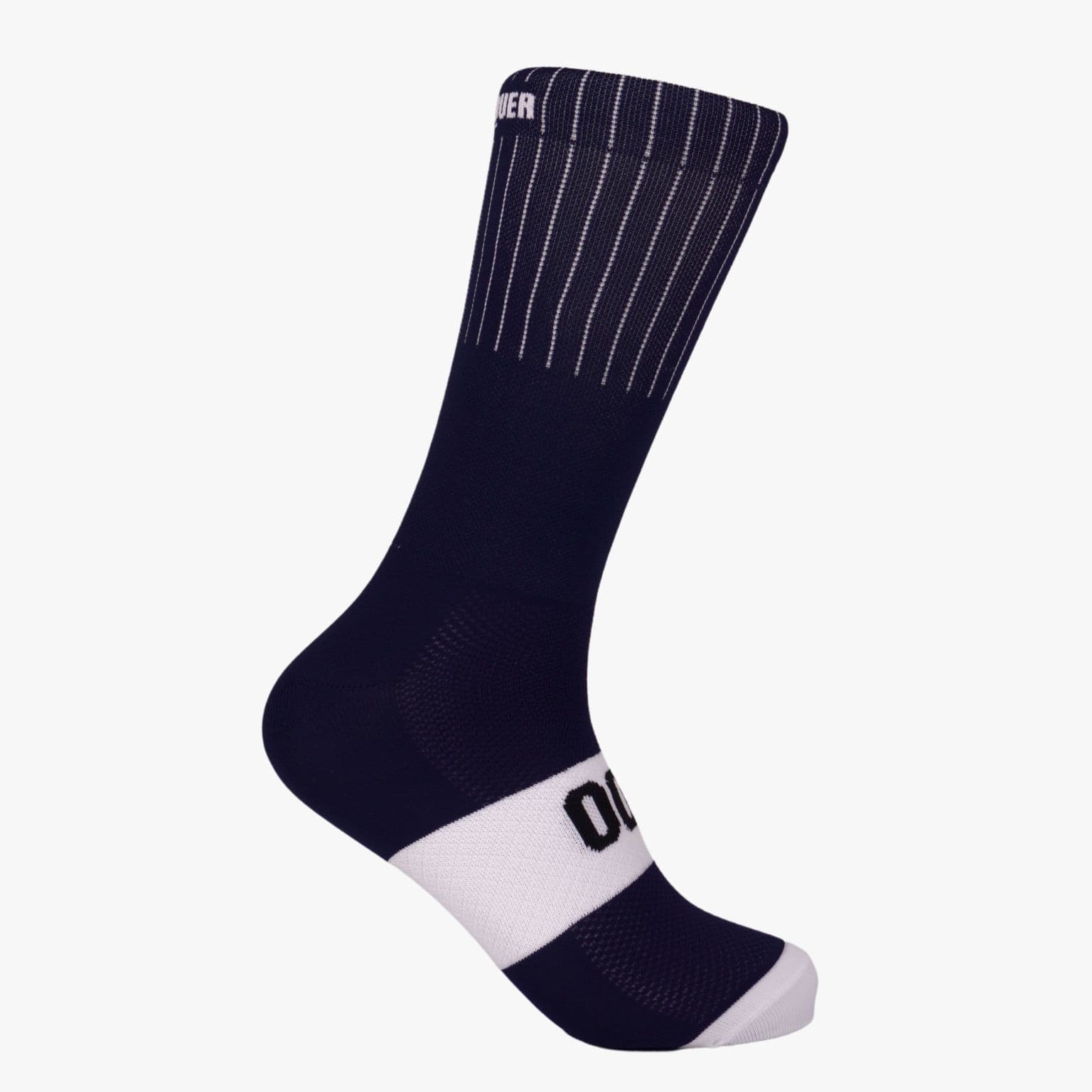
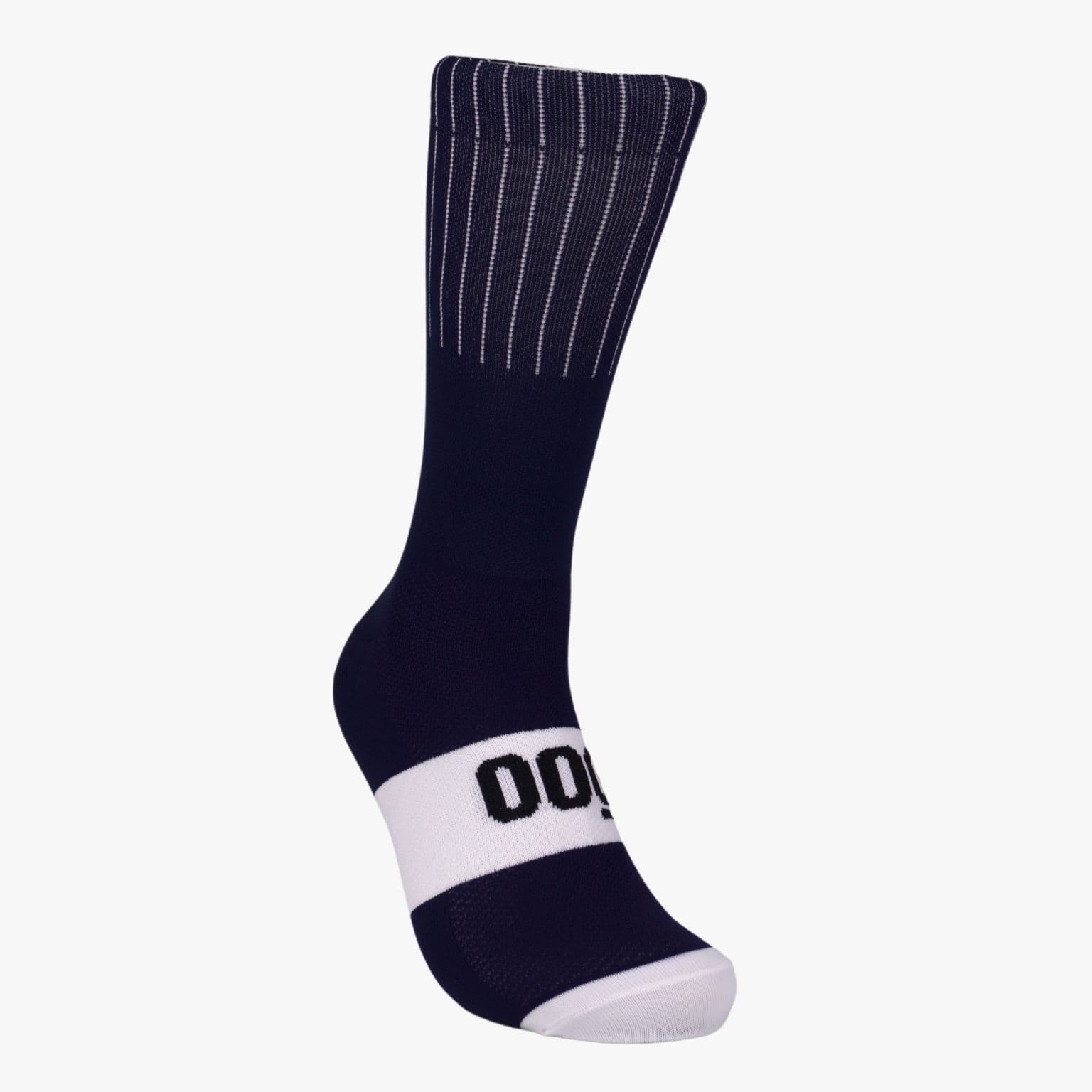
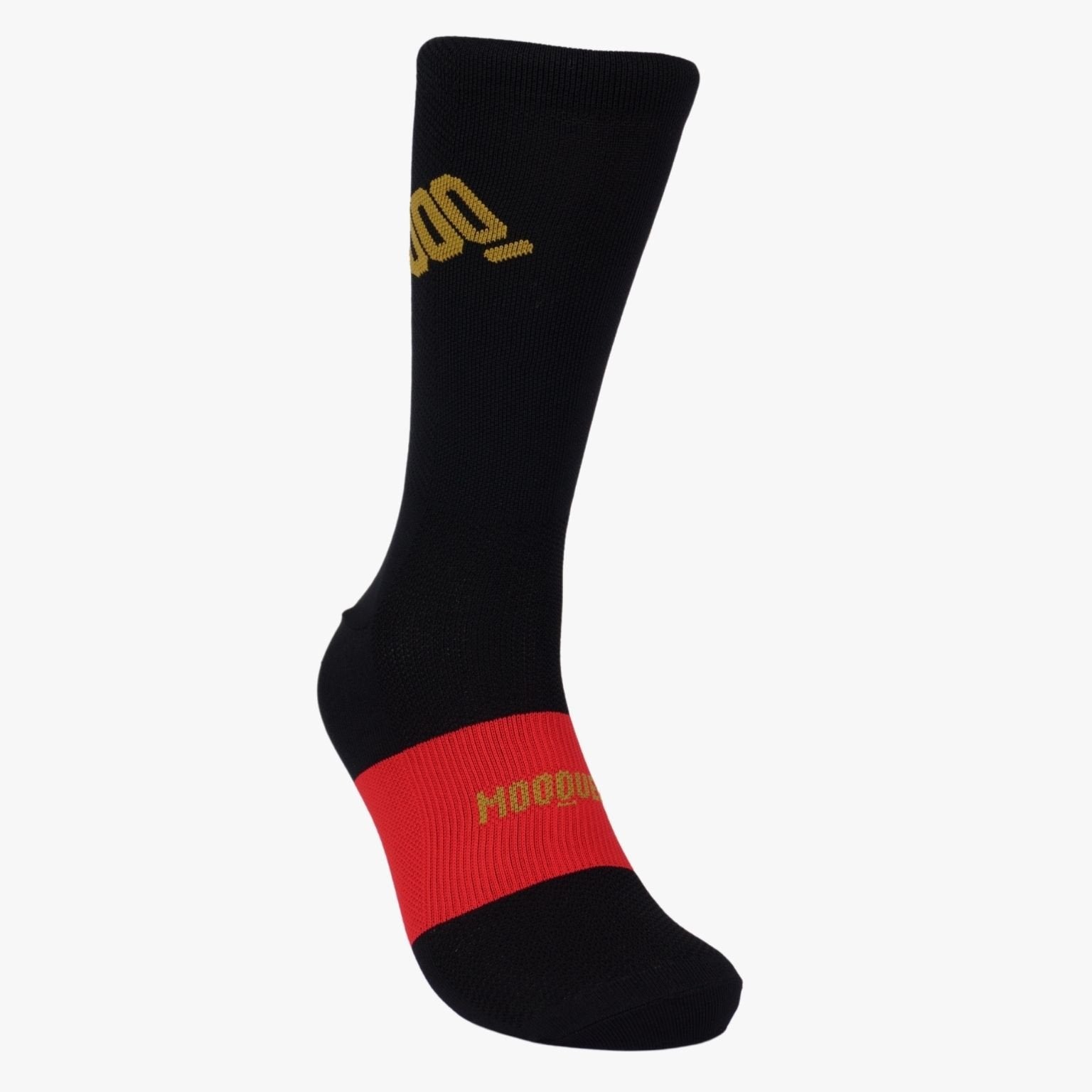
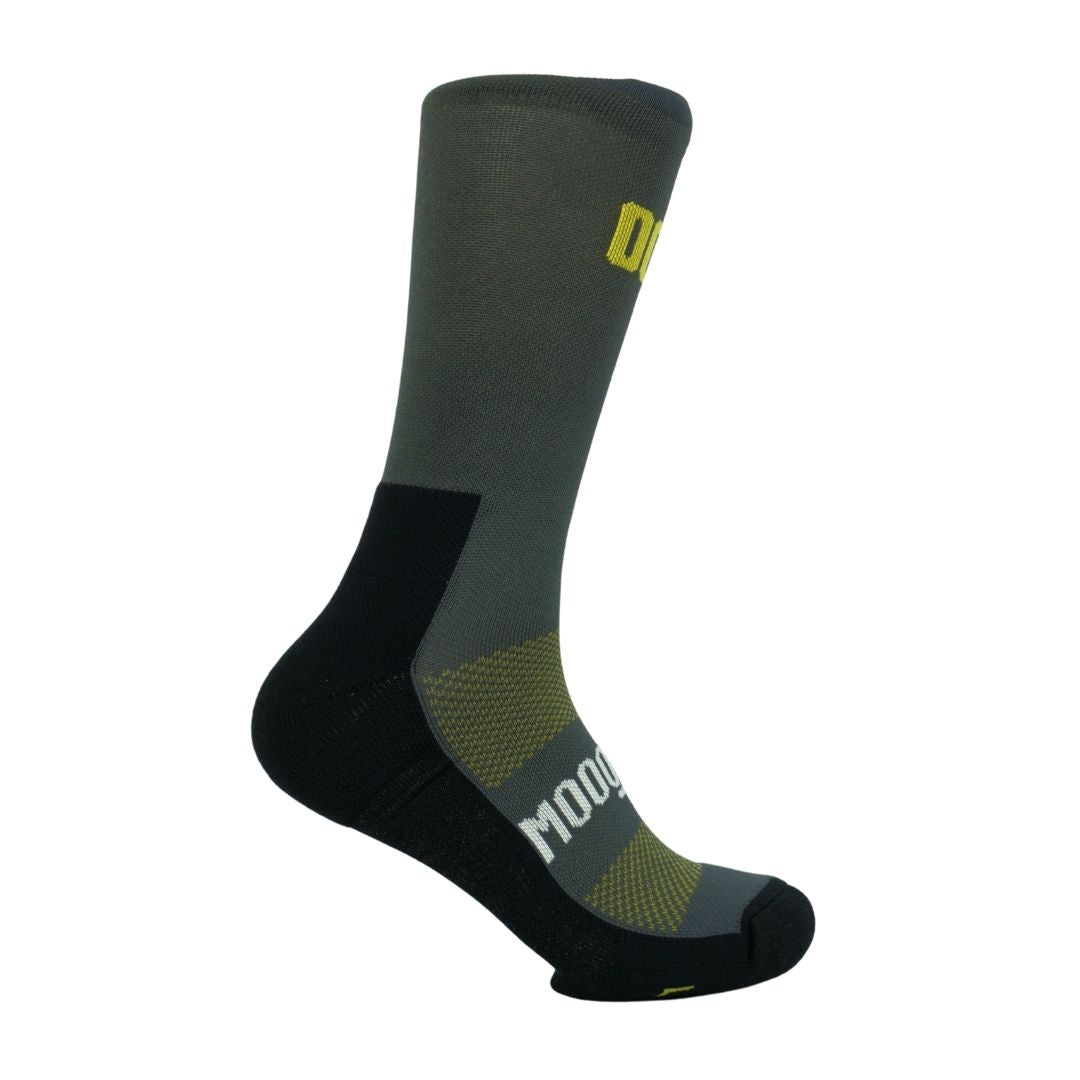
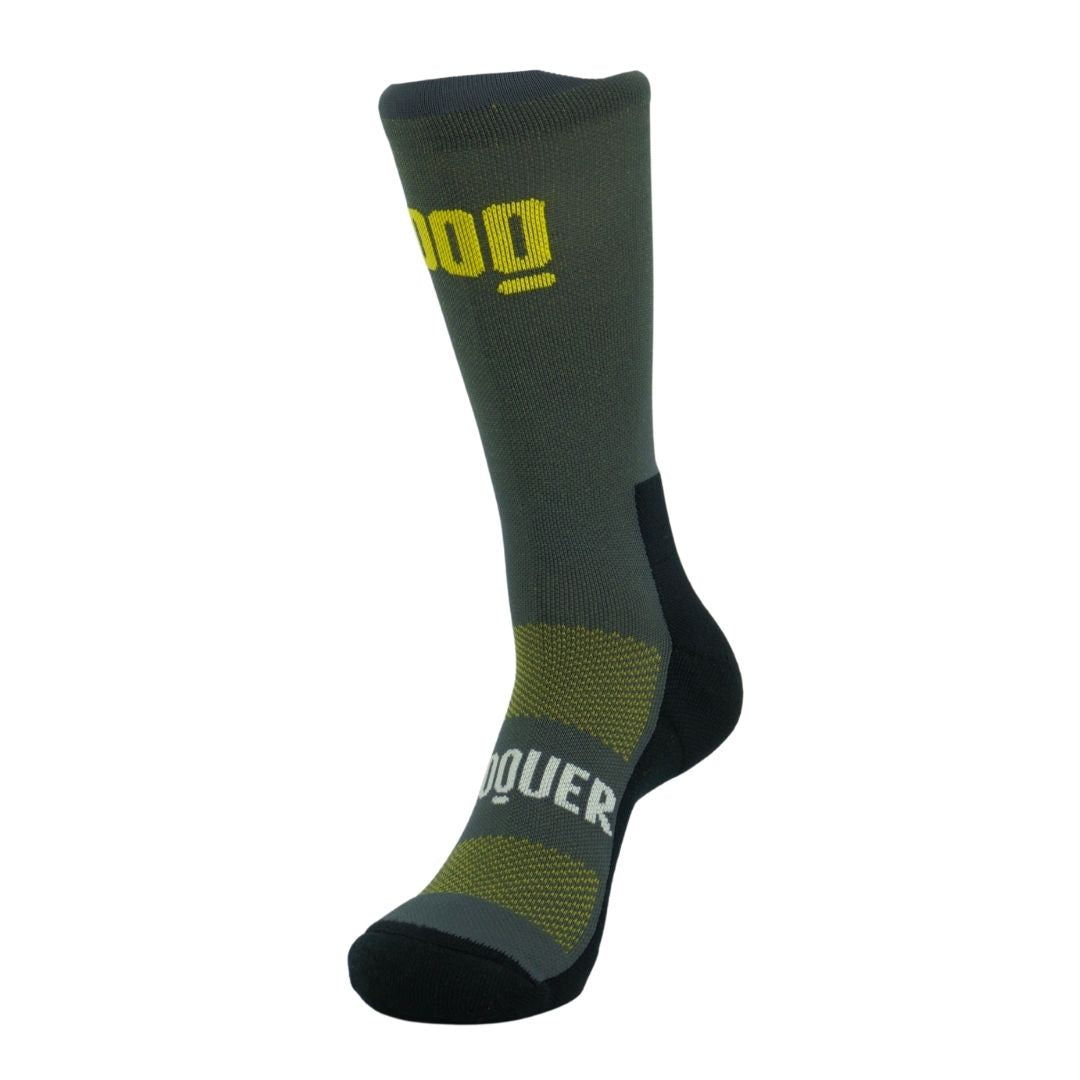
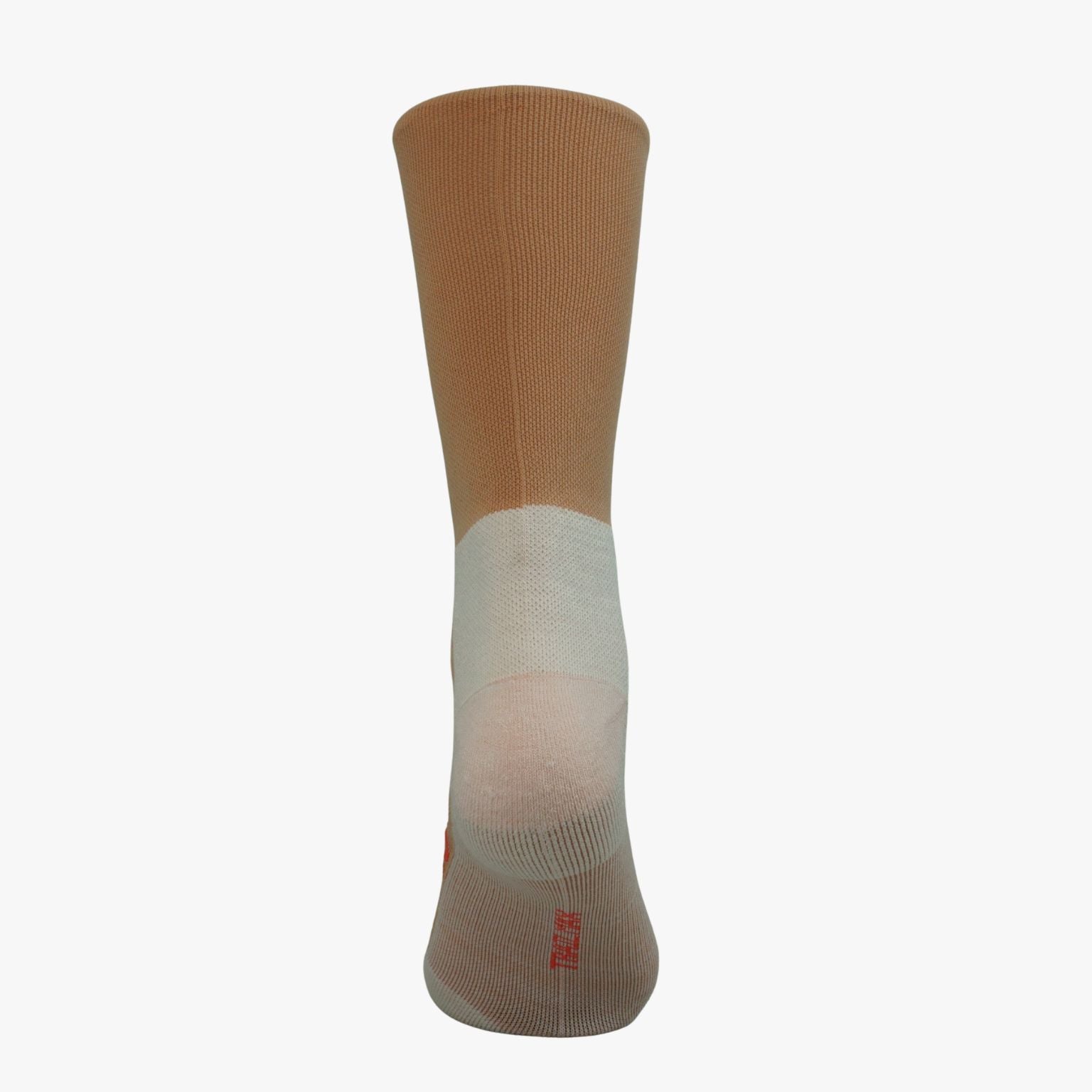
From the ankle up, the job is aerodynamic and is solved with fabric. In the Aero Supercorsa, the cuff is made of an Italian channeled fabric and features laser-cut, silicone-injected lining on the inside. The silicone is not there for decoration: without it, a stiff technical fabric cuff will slide down within two hours, and an aero sock wrinkled around the ankle stops being aero and becomes a problem.
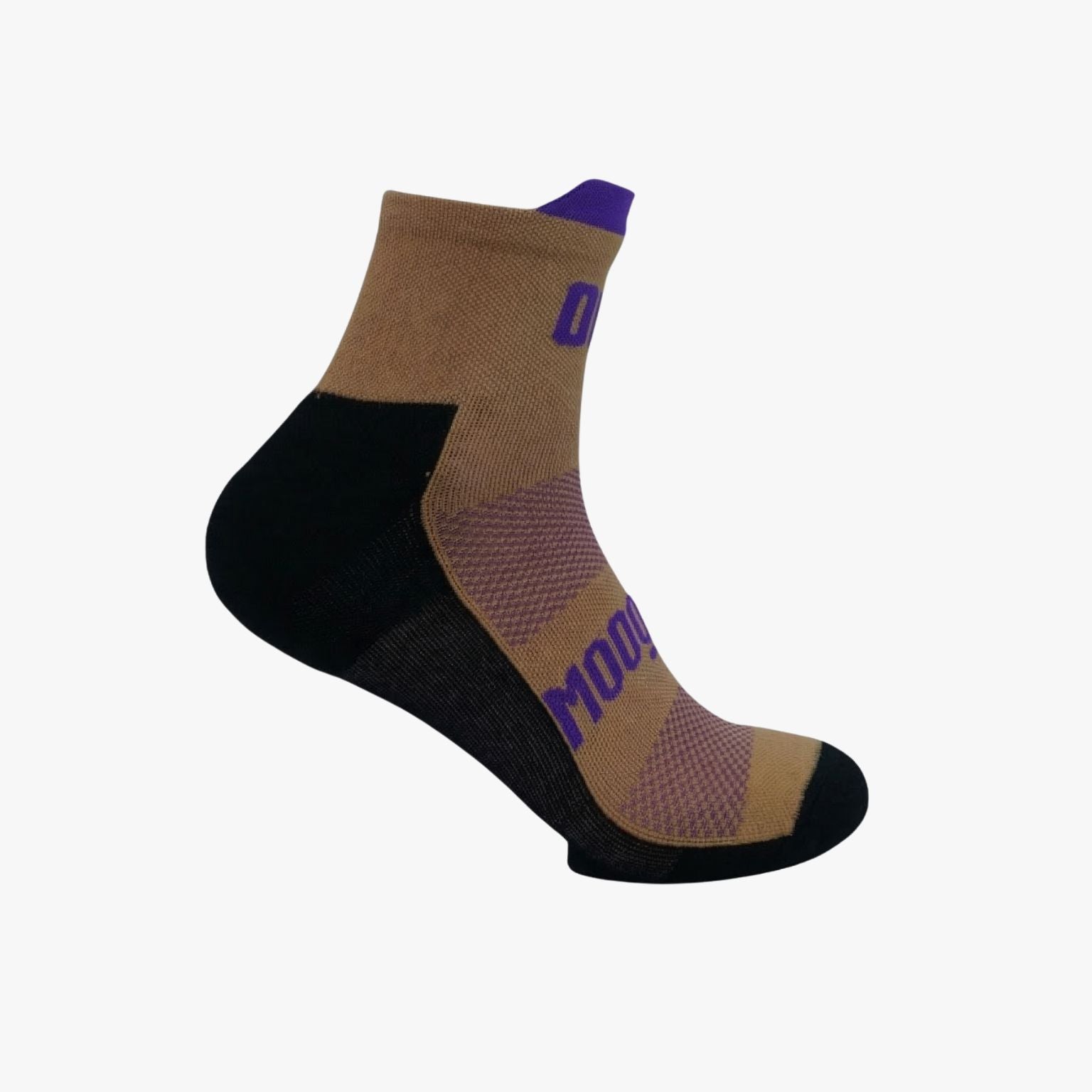
From the ankle down, the job is the same as always: support, ventilation, and no chafing. We manufacture that part in Spain on our Classy EVO II base, with a mesh instep and flat seams. It is the same construction we have been using in our best-selling socks, and we haven't touched it because it works.
Which is another way of saying that an aero sock is, first and foremost, a sock.
So, is it worth it?
It depends on the question you are asking yourself.
If the question is whether you will notice the difference, no. No one notices a few watts. Watts aren't felt; they are measured.
If the question is whether it is the cheapest way to tweak your aerodynamics, probably yes. A pair of socks costs the same as a pair of water bottles. A deep-section wheel costs two thousand euros, and you aren't going to wear an aero skinsuit for your Sunday group ride.
And if the question is whether you need them to go for a ride on Saturday, the honest answer is no. You buy an aero sock for the same reason you buy any good piece of equipment: because you like how it is made, because it lasts, and because on the day that does matter, you would rather not leave anything on the table.
Frequently Asked Questions
- What makes a sock aero?
The fabric of the cuff. The channels or raised patterns cause the layer of air stuck to the leg to become turbulent ahead of time, which delays the point where the air separates and narrows the wake left by the calf. Height has nothing to do with it: it is the surface, not the length.
- How many watts does an aero sock save?
We don't know, and we are not going to make it up. The figures published by other brands come from wind tunnel tests at high speeds with a specific leg, and they are not extrapolatable to your case. We haven't measured ours. When we do, we will publish the number and the method.
- Are they for daily riding or just for racing?
They are for both, because below the ankle they are a normal technical sock. What makes no sense is buying them expecting to notice something on a leisurely ride: at low speeds the effect is negligible.
- Why do they have silicone on the inside of the cuff?
Because a stiff technical fabric slides down over the hours, and a wrinkled cuff around the ankle cancels out any aerodynamic advantage. The silicone keeps the cuff in place without squeezing.








Leave a comment
This site is protected by hCaptcha and the hCaptcha Privacy Policy and Terms of Service apply.