



Journal
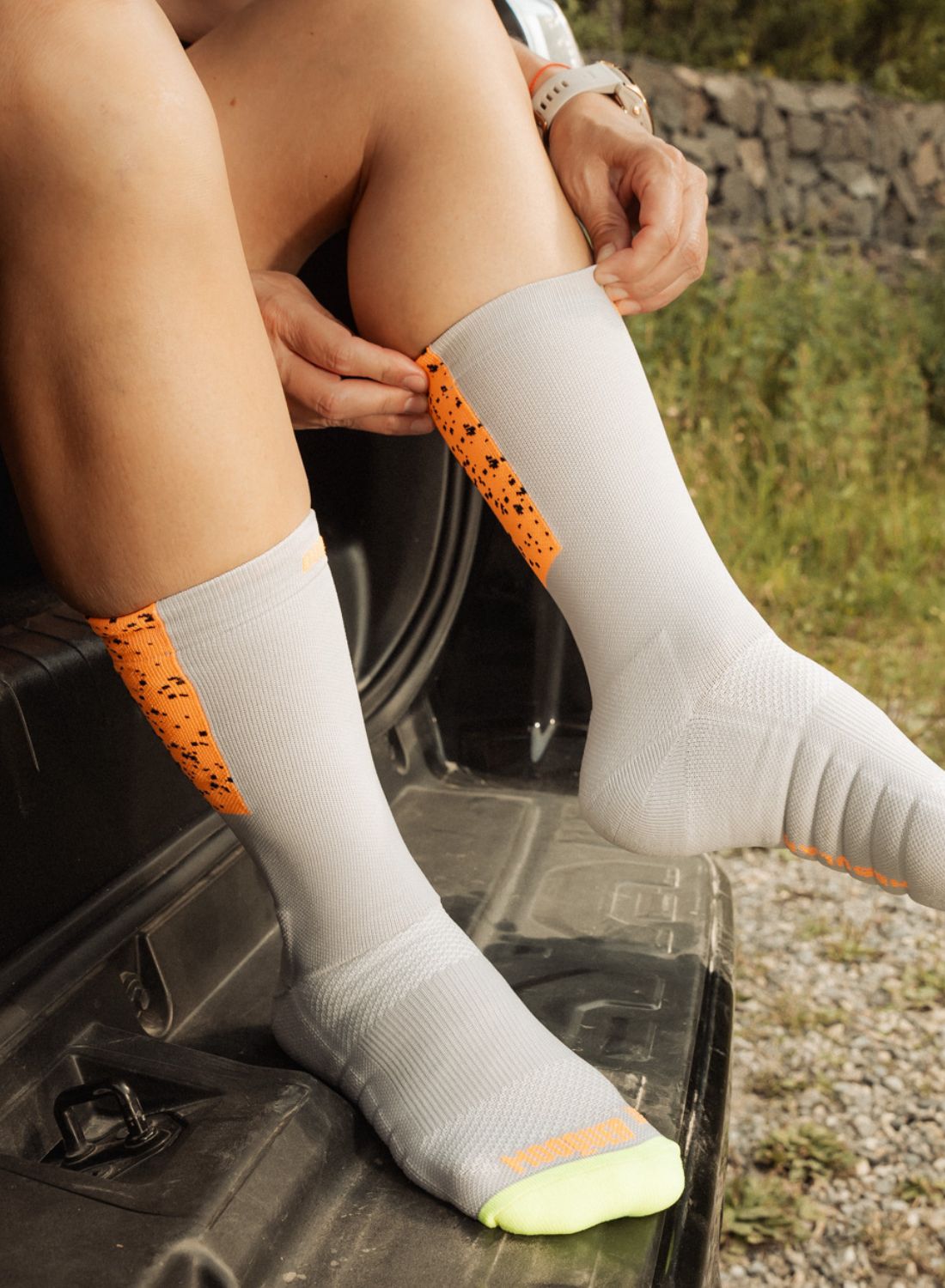
Blisters while running: why they appear and how to prevent them
A blister is the result of friction, moisture, and heat at the same spot on the foot. What role do the shoe, sock, and skin play, how to prevent them on asphalt and in the mountains, and what to do...
Read more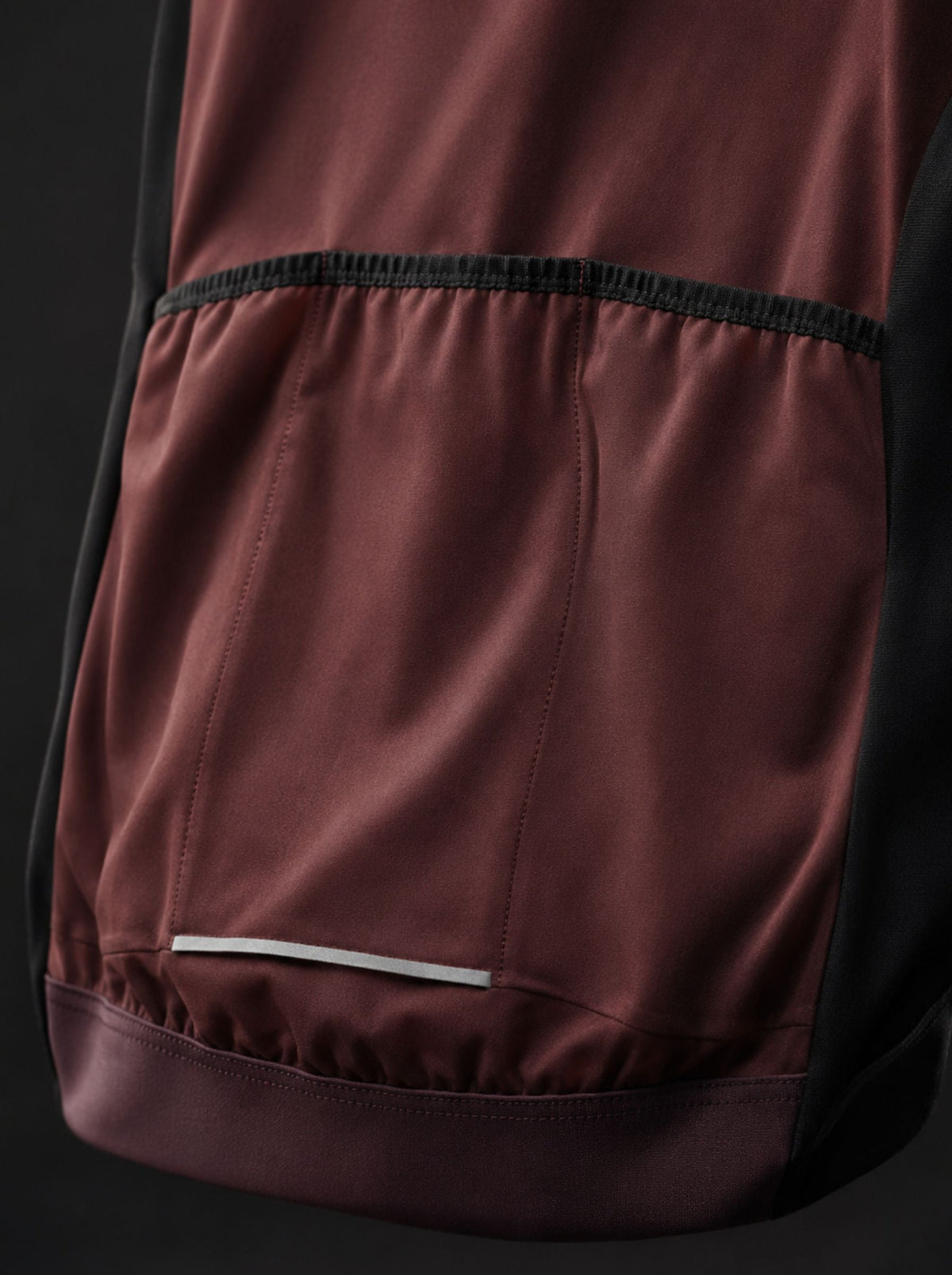
How to wash cycling clothes so they last more than one season
At 30 degrees, inside out, no fabric softener and no tumble dryer. Why each of those rules exists, how to treat the gusset, what to do with water-repellent garments and the mistakes that shorten th...
Read more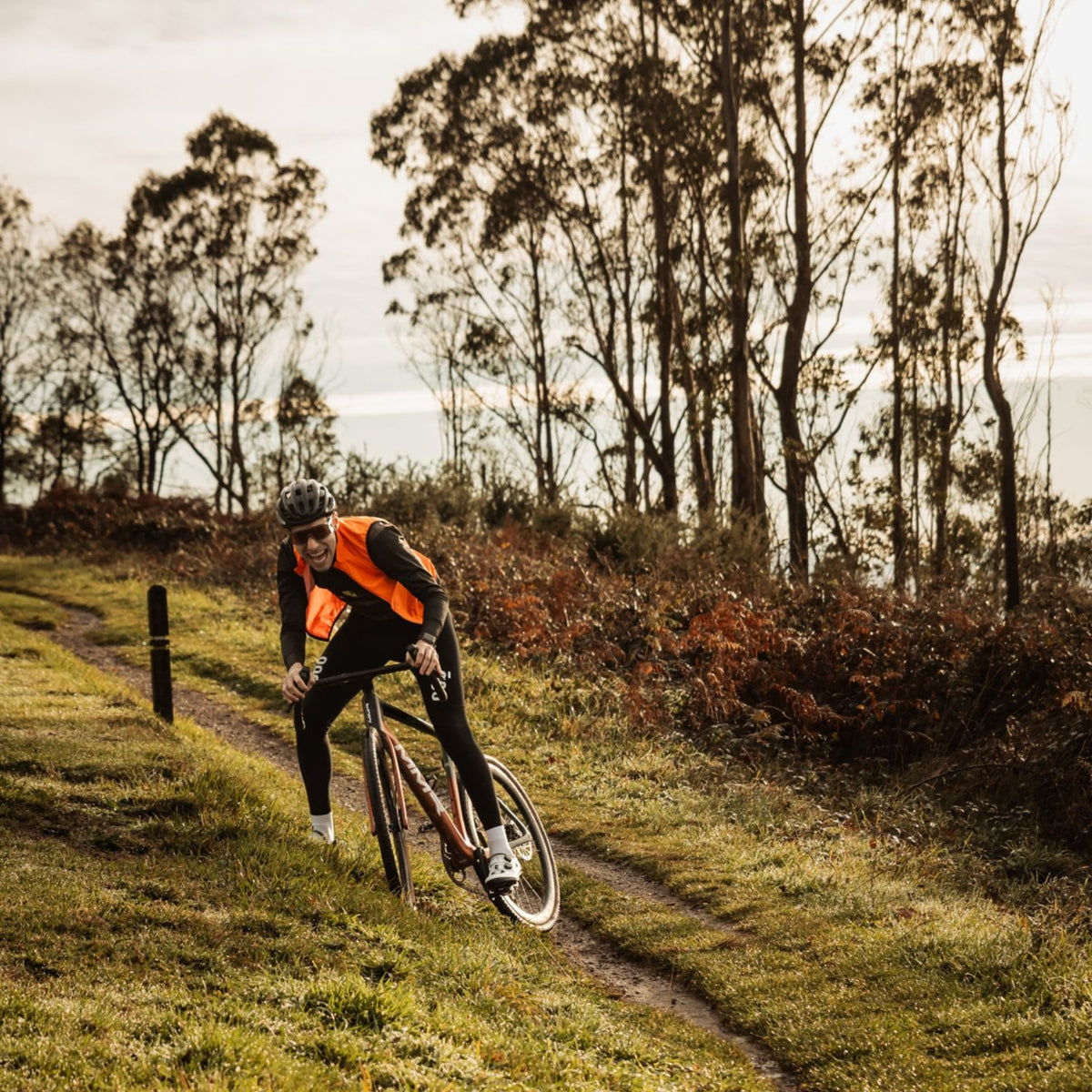
What is gravel and why is so many people getting into it
Gravel riding involves using road bike handlebars on dirt roads, tracks, and broken asphalt. What bike do you need, how does it differ from road and mountain bikes, and what changes with your cloth...
Read more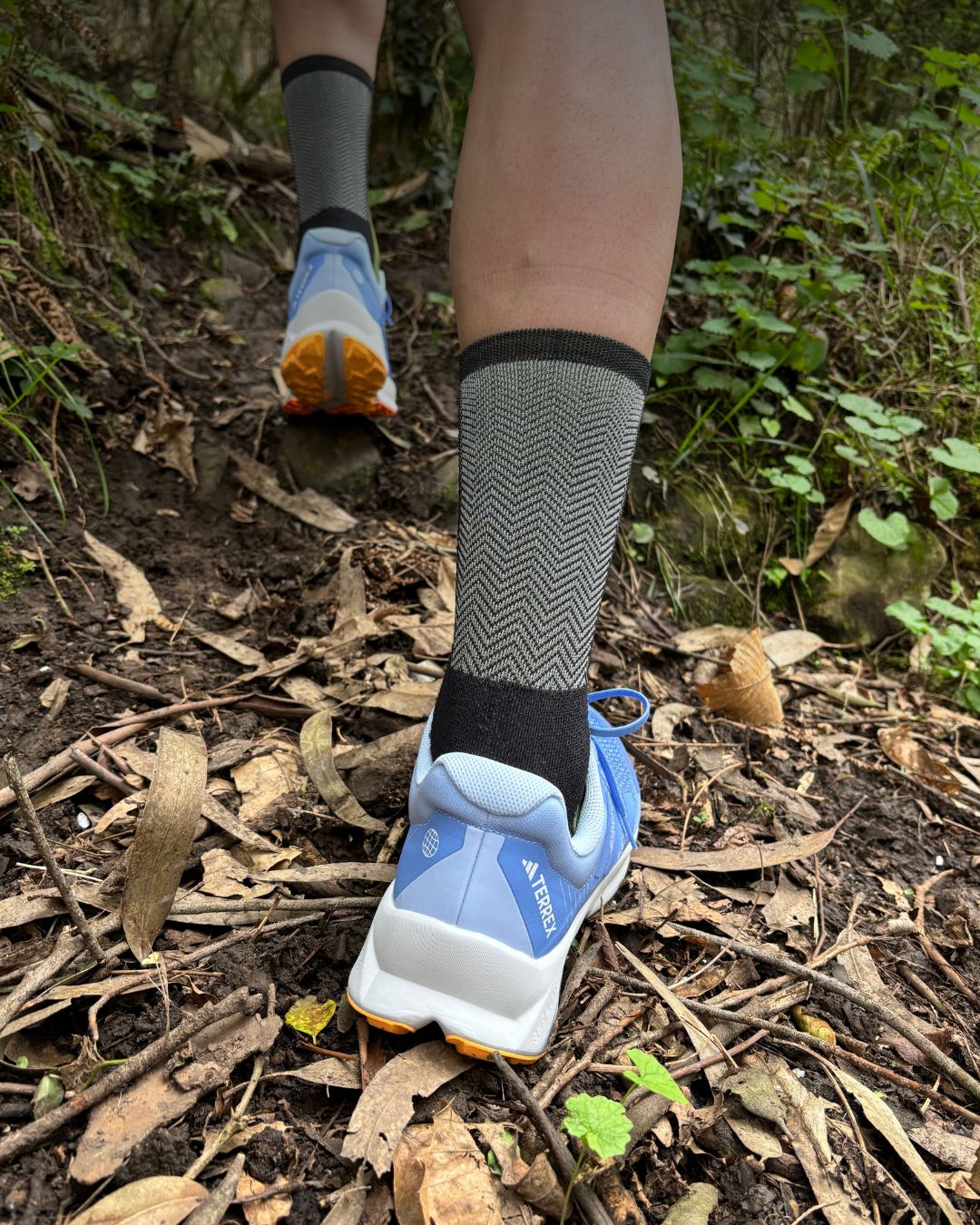
Running at night: how to be visible and what to wear
Running at night is safe if you are seen in time, see where you step, and choose your route carefully. What the rules say, where to place reflective gear, which headlamp makes sense, and what to we...
Read more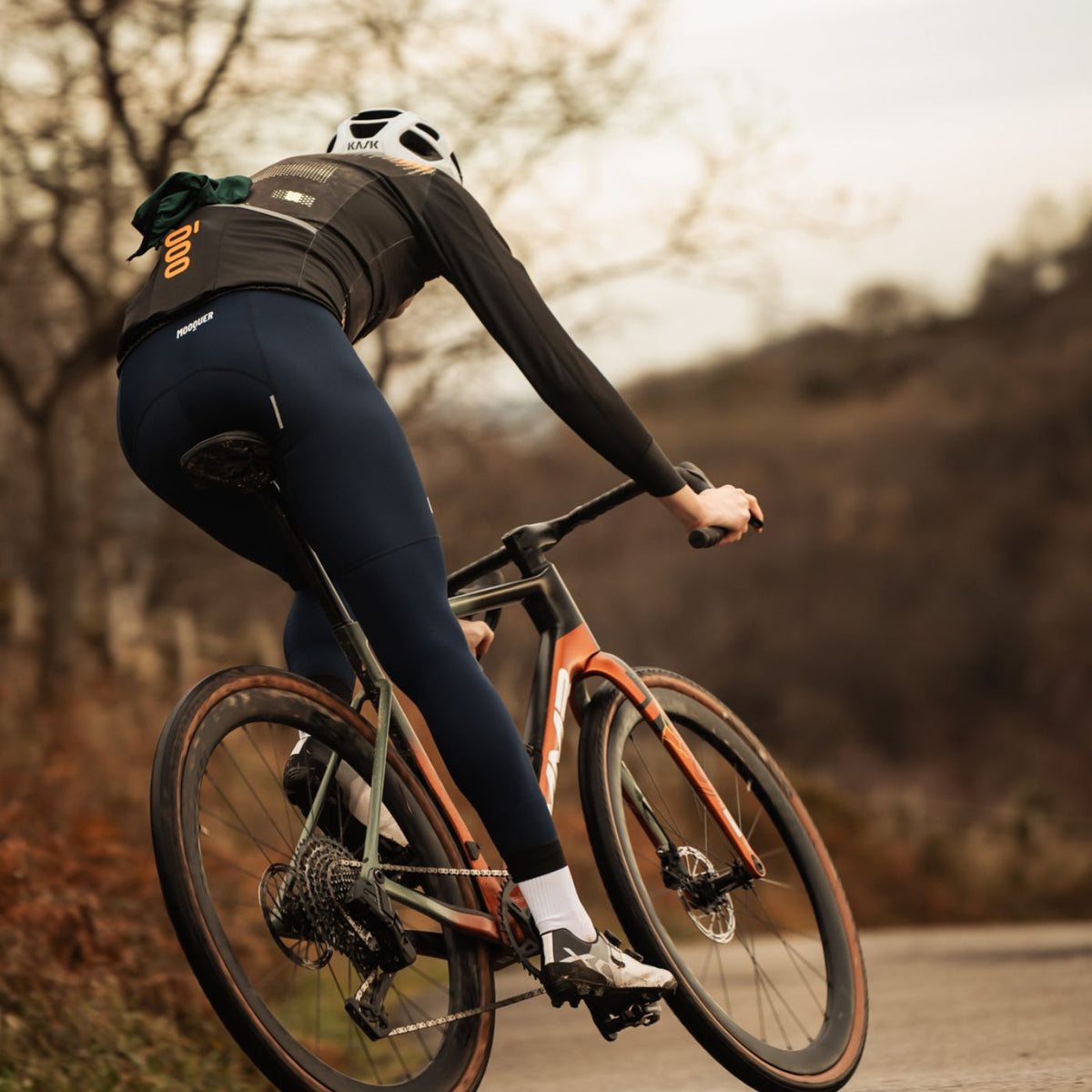
Running in the Cold: What to Wear and How to Get Out Without Suffering
When running in cold weather, you need to dress in light layers, keep your extremities warmer than your torso, and have a plan for when you stop. Layering for the temperature, how to keep your hand...
Read more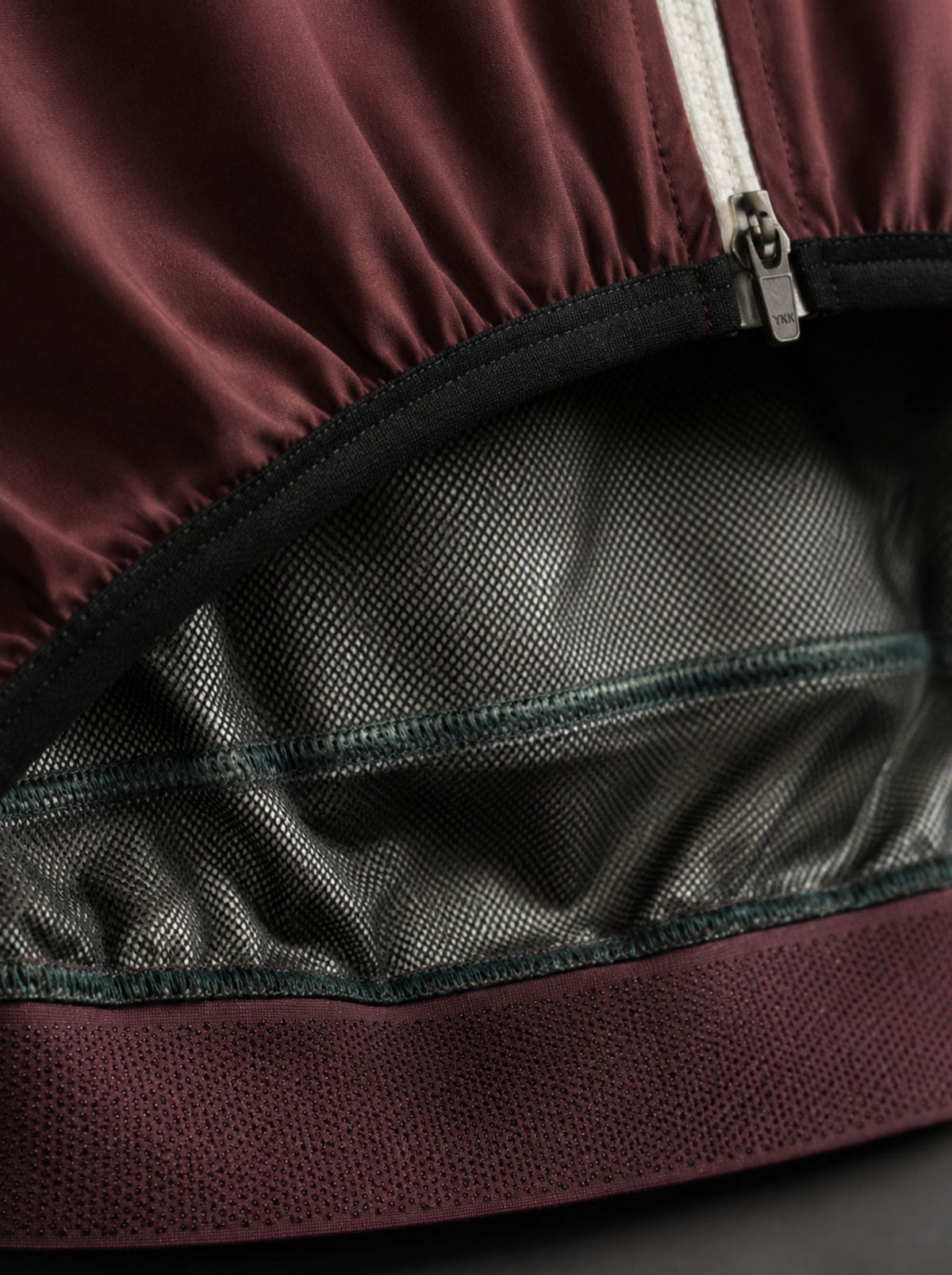
Why a vest gets more use during the winter than a jacket
The vest is the most underrated item in the winter wardrobe. Why the torso is key, what the difference is between a 40-euro one and one with a membrane, and when you really do need a jacket.
Read more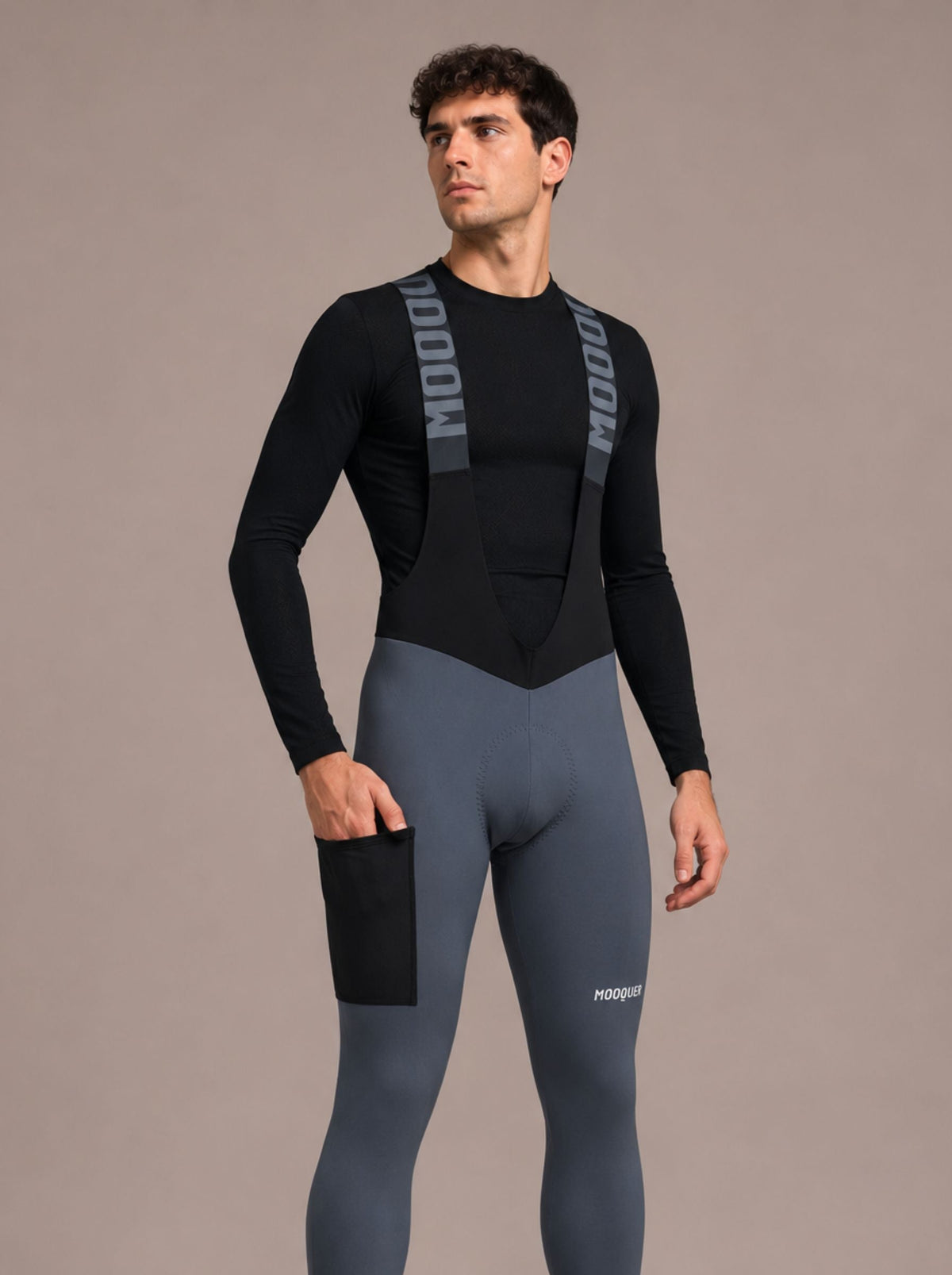
What is the MITI SuperRoubaix and why does it keep you warm without being thick
The Italian fabric used in most long winter bib tights. What brushing means, why air insulates, how it differs from Thermodream and Blizzard, and what cyclists actually notice.
Read more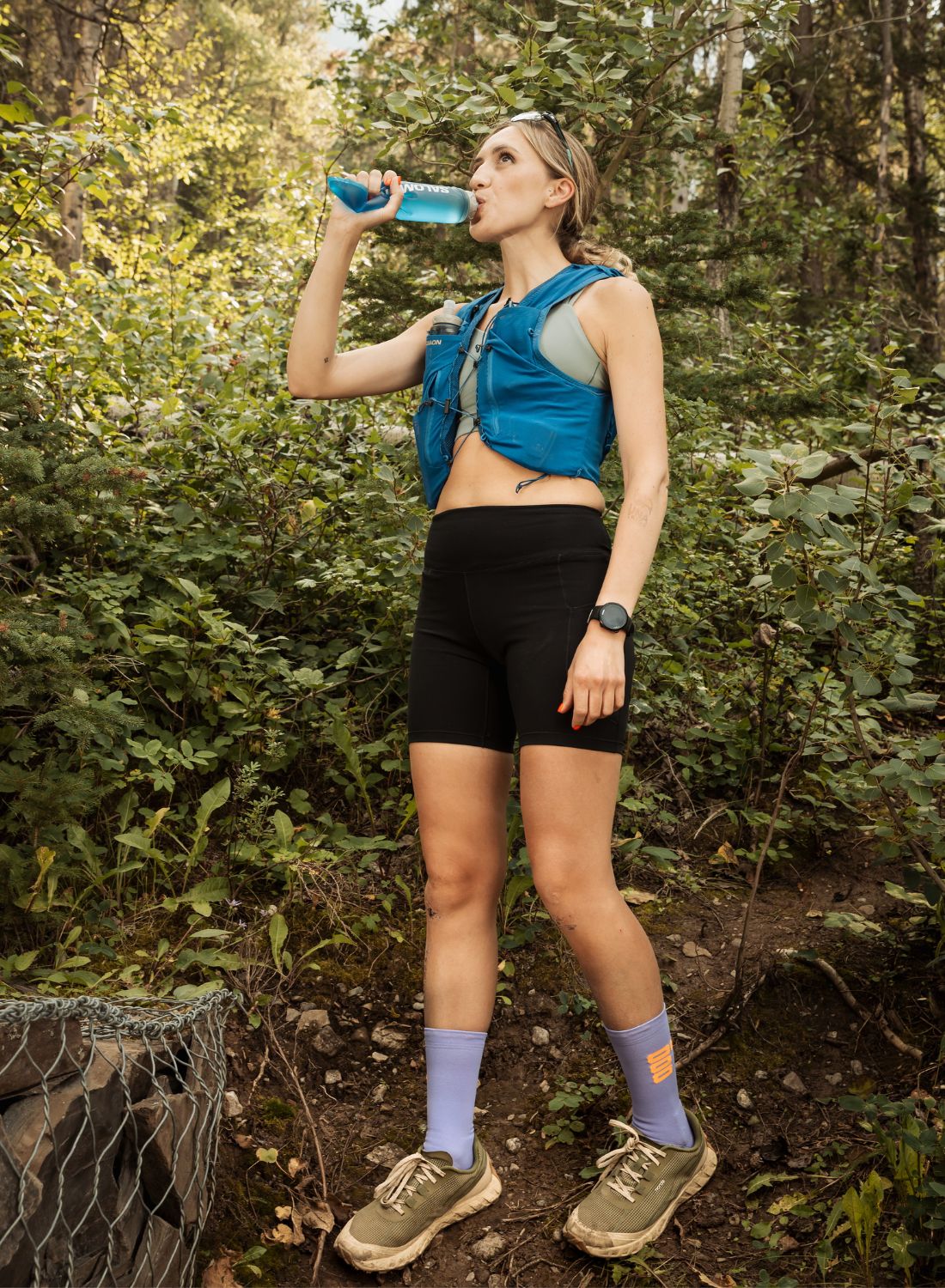
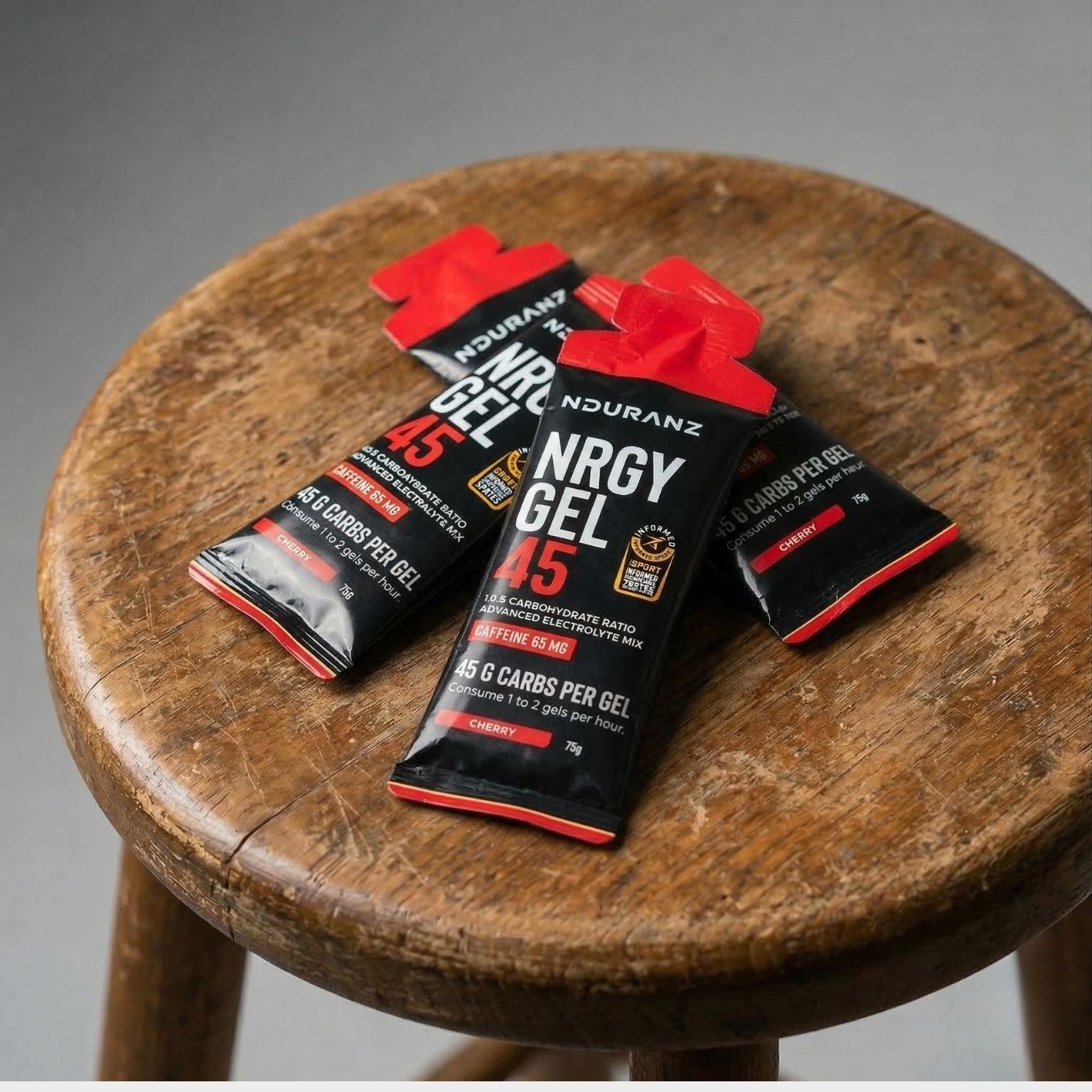
What to eat before a race: when, how much, and what to avoid
Before a race, it is advisable to eat one to four hours beforehand, choosing something high in carbohydrates and low in fat and fiber. How much to eat depending on the distance, breakfast examples,...
Read more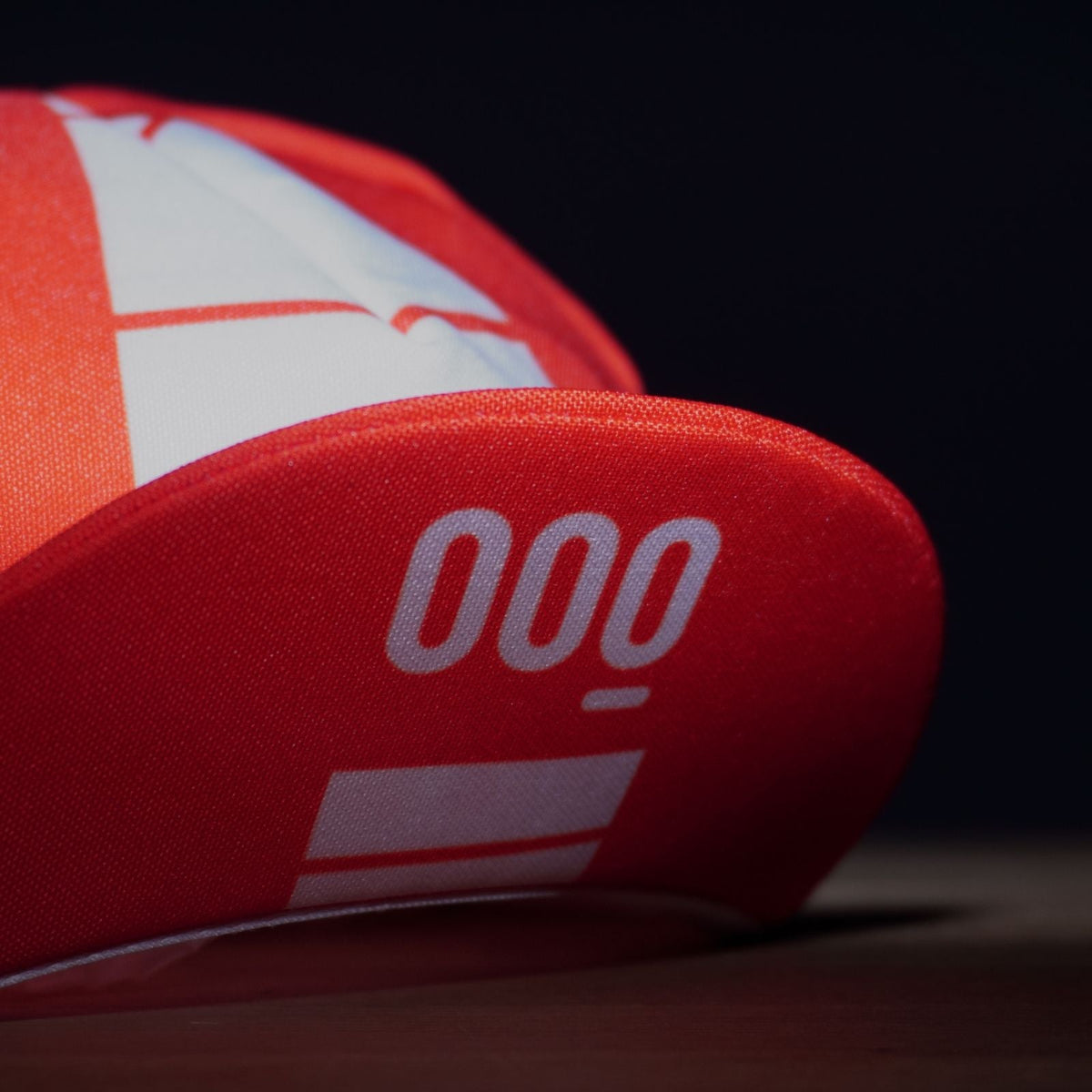
How to wash a cap without it losing its shape
How to hand-wash a cap step by step, whether it can go in the washing machine, and how to dry it so it doesn't lose its shape. What to consider for a snapback, technical cap, or cycling cap, and ho...
Read more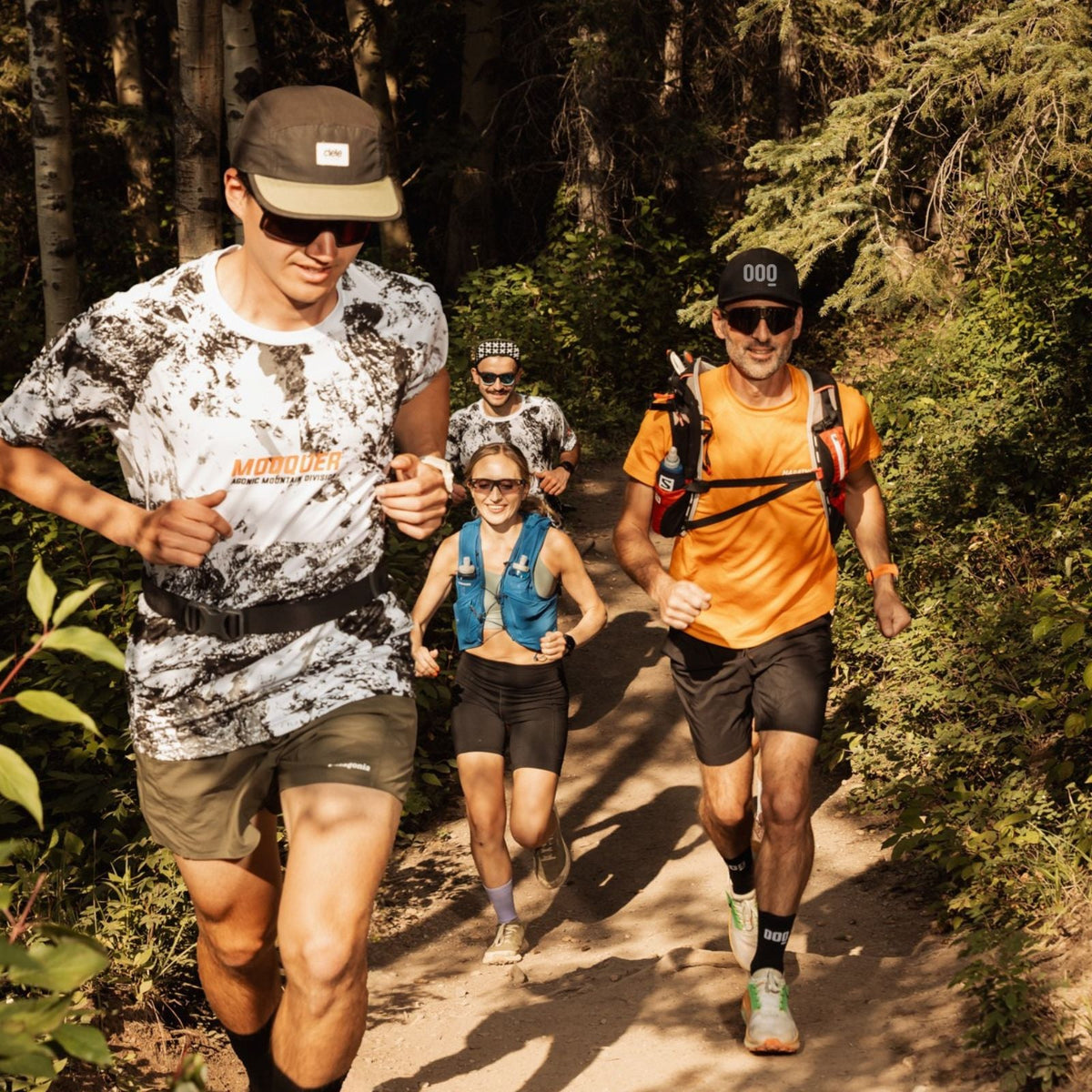
Types of caps: how to tell them apart and which one to choose for each use
Snapback, trucker, dad hat, five-panel, fitted, cycling or running: cap styles are distinguished by their structure, brim, and closure. What is each one and which one suits each use.
Read moreWhat we do at Mooquer





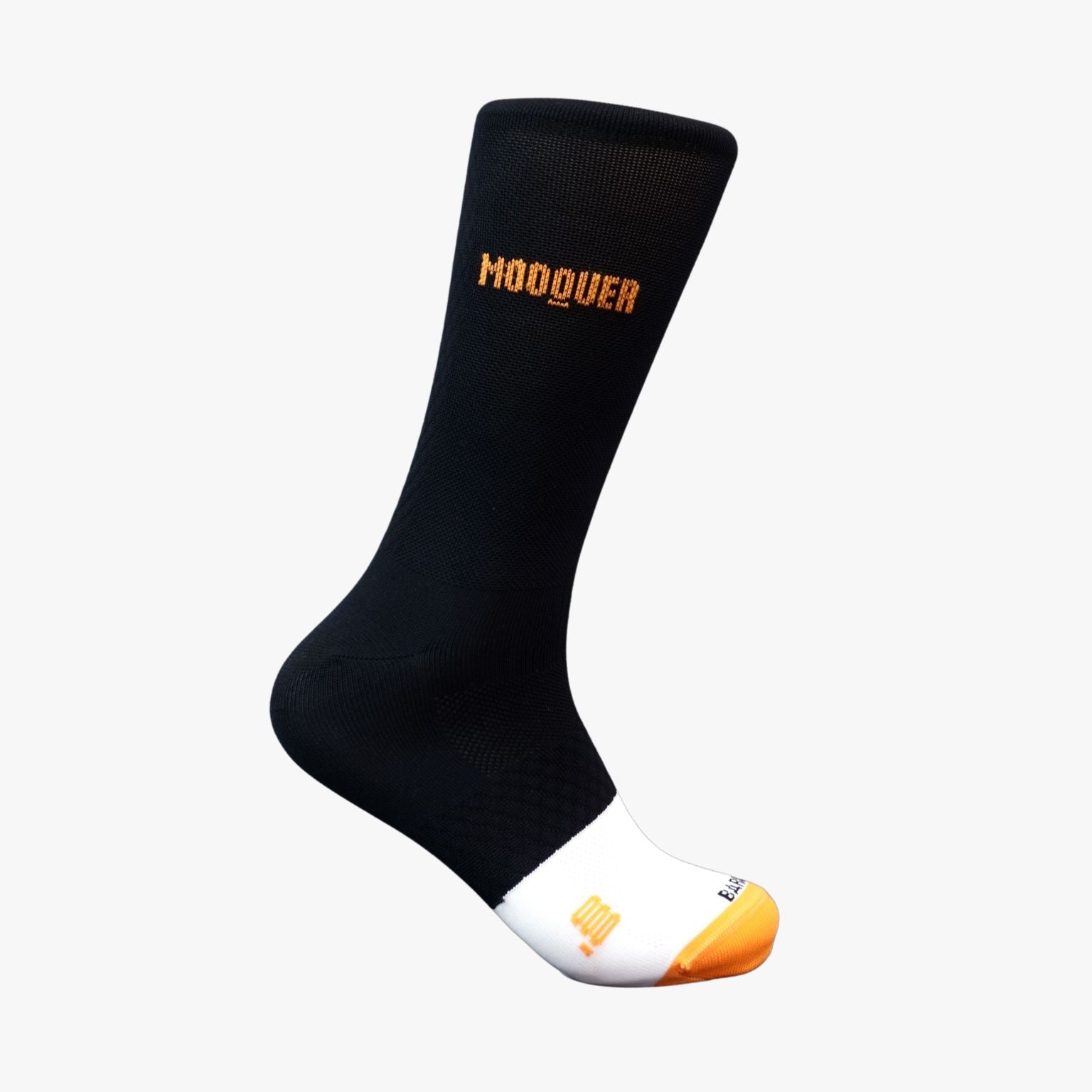

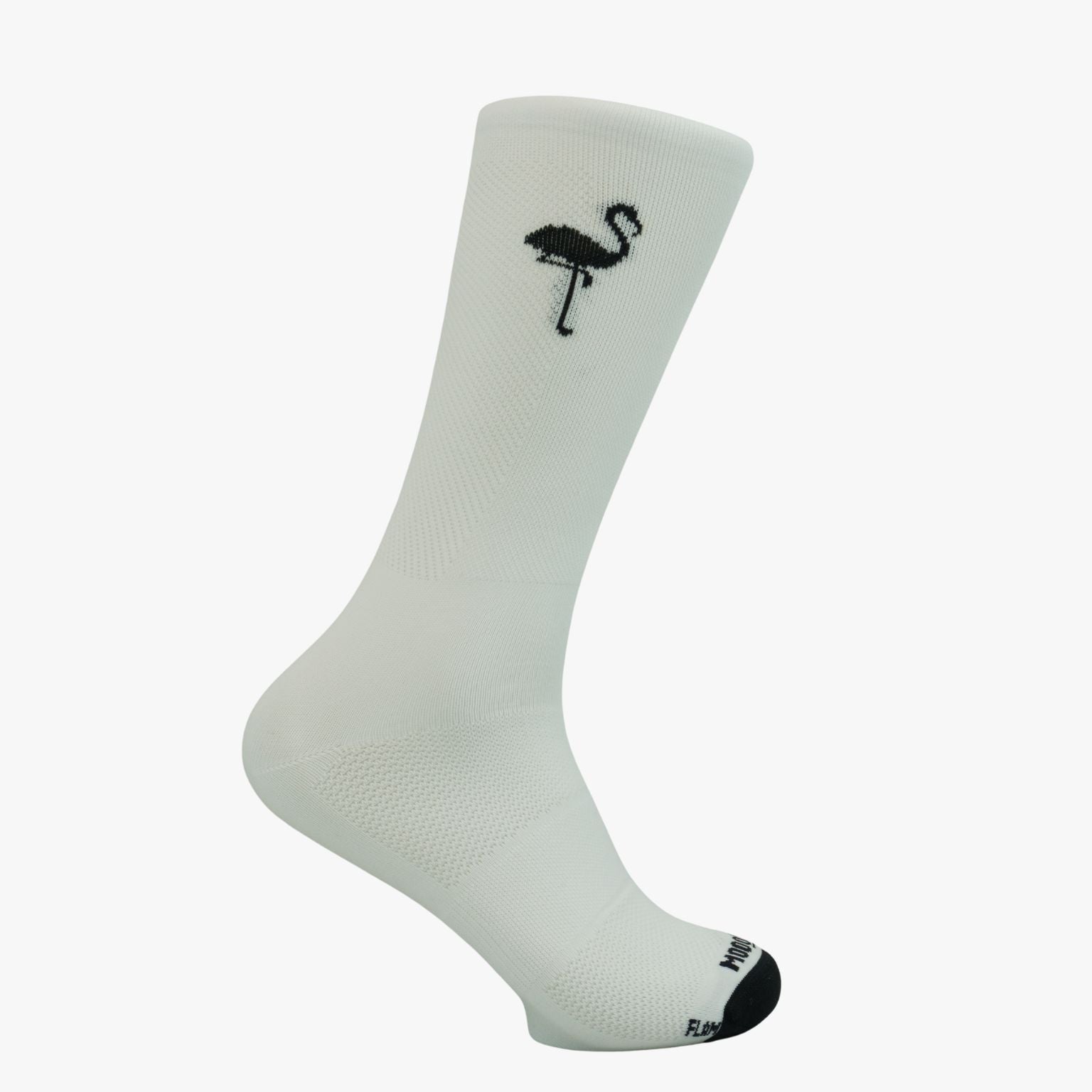
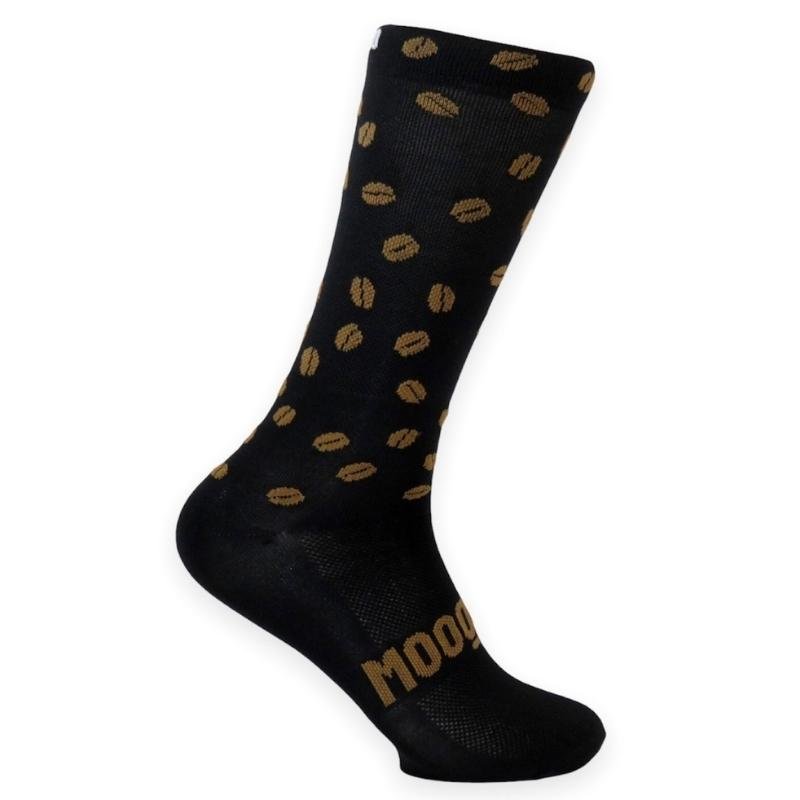
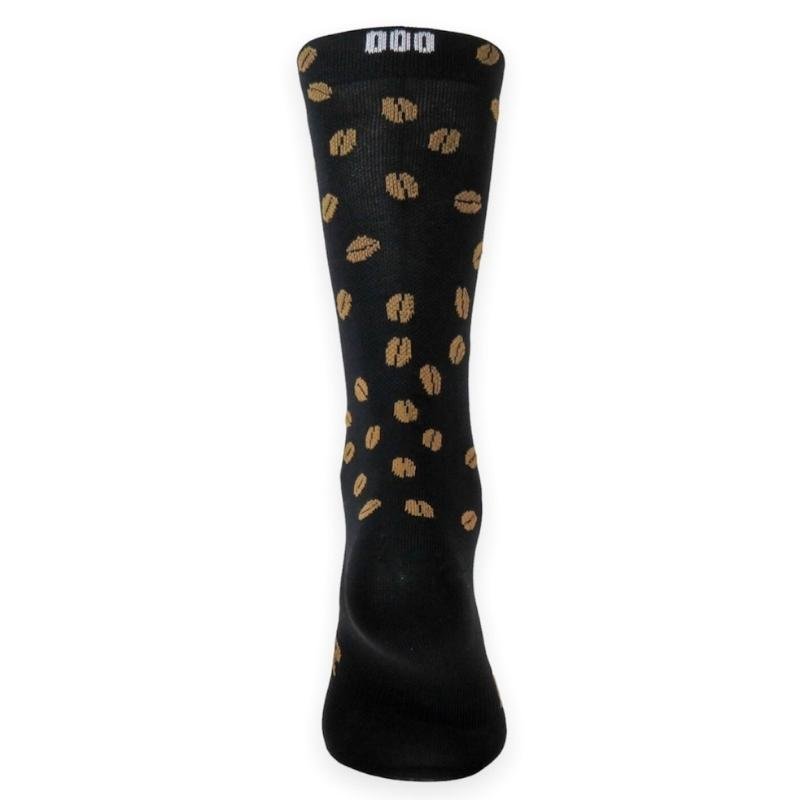

More stories
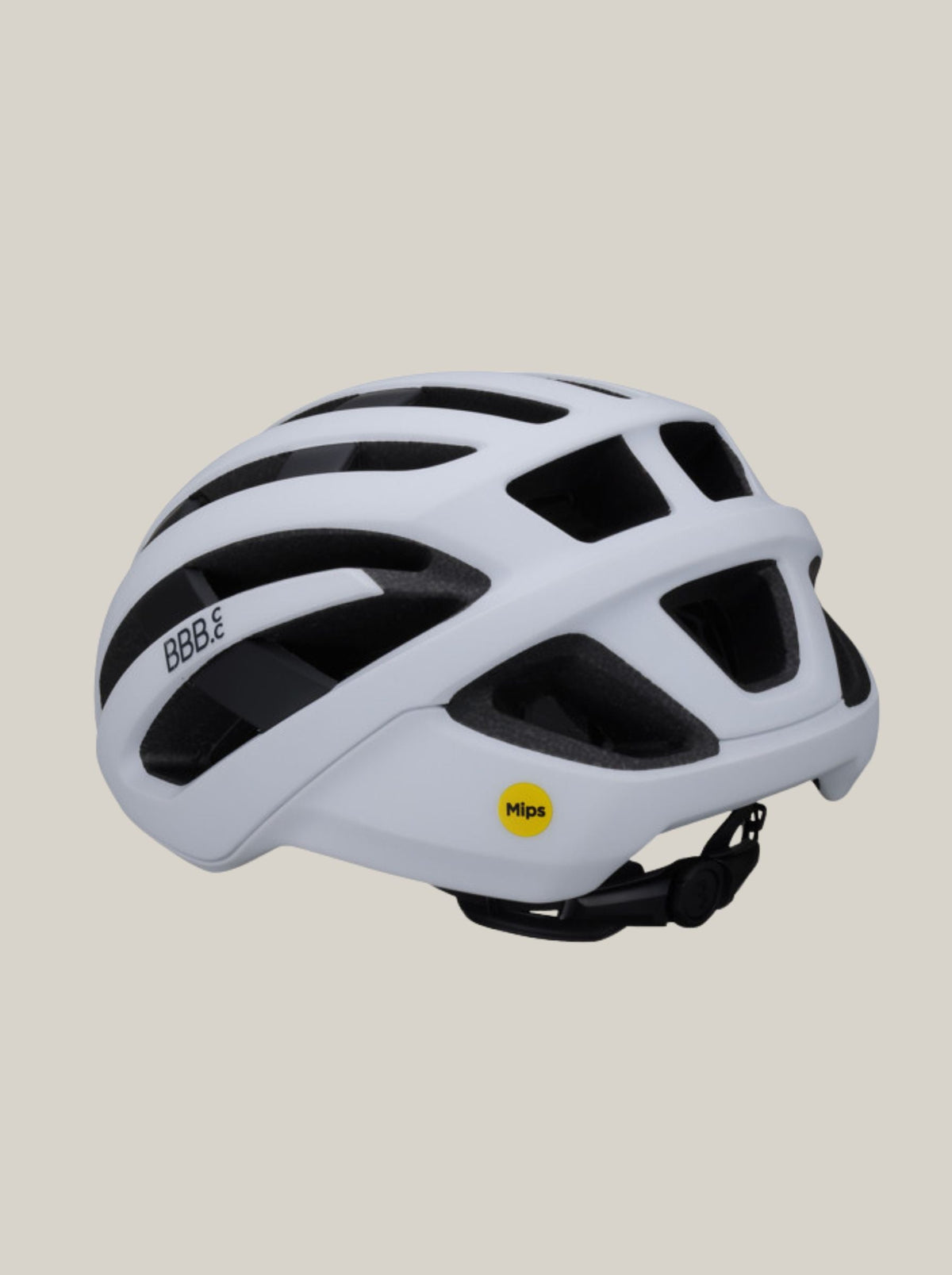
What is MIPS and why a certified helmet may not be enough
Real falls are not perpendicular: the head rotates. What the MIPS liner does, what it doesn't do, how to tell if your helmet has one, and when it's time to replace it.
Read moreBlisters while running: why they appear and how to prevent them
A blister is the result of friction, moisture, and heat at the same spot on the foot. What role do the shoe, sock, and skin play, how to prevent them on asphalt and in the mountains, and what to do...
Read moreHow to wash cycling clothes so they last more than one season
At 30 degrees, inside out, no fabric softener and no tumble dryer. Why each of those rules exists, how to treat the gusset, what to do with water-repellent garments and the mistakes that shorten th...
Read moreMADE IN EUROPE
Less, but better
We design and manufacture in Spain, Italy, and Portugal. A few garments, well-crafted, designed to perform and last. This is not activewear; this is serious gear.

Join
Newsletter
Receive our launches, test garments, and news before anyone else. Every week in your inbox